Tag: soup

  • Campbell’s launches wellness soups

    Campbell’s launches wellness soups

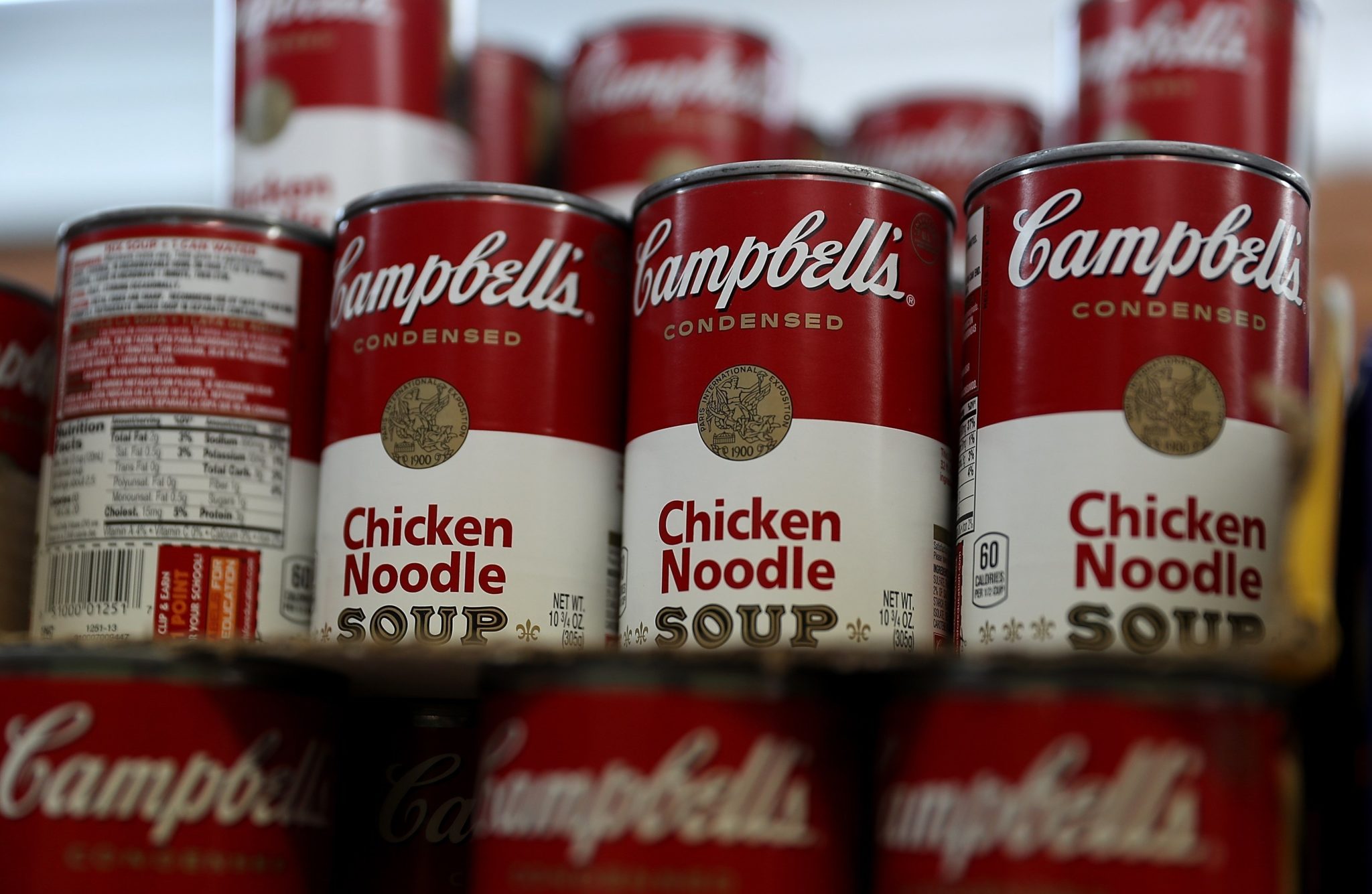
    Campbell Soup Co. has updated its nutrition metrics to set higher health and wellness standards for new and existing products, according to the company’s 2022 Corporate Responsibility Report. These new metrics are built upon three main tenets: focusing on nutritious foods, reducing negative nutrients and quantifying product affordability and accessibility. This system represents an effort by Campbell Soup to concretely track health and wellness progress to share with stakeholders, according to the company.

    The updated reporting system, which sets standards for nutrition-focused foods, logs nutritional content based on the categories “Cannot Exceed” as well as “AND Must Meet at Least 1,” both according to product serving size. The “Cannot Exceed” category sets limits for “negative nutrients,” such as calories, saturated fat, trans fat, sodium, and added sugar. The “AND Must Meet at Least 1” category lists “positive nutrients,” including protein, fiber, vitamins A, C and D, potassium, calcium, iron, vegetables, fruit, and whole grains. Similar to the negative nutrient list, Campbell Soup provides daily value serving suggestions for each positive nutrient. In Campbell Soup’s current portfolio, 56% of products meet the criteria for nutrition-focused foods, according to the company.

    Through product innovation and renovation, Campbell Soup hopes to implement nutrition guidelines across the company’s entire portfolio to reduce the presence of negative nutrients. The guidelines include category-specific limits for the previously listed negative nutrients but are less stringent than the corporate reporting nutrition metrics, according to the company. Categories for negative nutrient measurement include beverage, soup/stock/broth, simple meals, salsa and dips, sauce, bread and rolls, sweet snacks and savory snacks. With the guidelines, Campbell Soup is implementing nutrition expectations across the company’s culinary and nutrition teams, to re-establish product development standards. Currently, 69% of Campbell Soup’s current portfolio meets the updated product development guidelines, according to the company.

    The final mission of the company’s updated nutritional standards is to track accessibility and affordability. Doing so, Campbell Soup hopes to home in on the needs of economically insecure consumers and expand access to high nutrition/low cost meal options. One area this can already be seen is in the nutrition-focused food category, which averages just 62¢ per serving while the company’s entire portfolio averages 65¢ per serving. Additionally, 71% of Campbell Soup’s meals and beverages meet the requirements for at least one federal nutrition program, including WIC Eligible Foods, SNAP Staple Foods for Retailer Eligibility, and USDA Smart Snacks, and about 53% of the company’s family meal recipes cost less than $3 per serving. To expand access to meal planning, which may lead to less food waste and easier budgeting, the company created an online three-day meal planning resource, which may be found here. Highlights of the meal plan include incorporating meatless and plant-based dishes into the cooking rotation and eating fresh fruits and vegetables.

    Campbell Soup already has begun implementing these health and wellness metrics with some of its newer brands, including Well Yes! soups. Well Yes! soups debuted five years ago as a better-for-you option and continue to expand according to consumer needs. In 2021 new varieties were released that included trending ingredients such as cauliflower, bone broth and chickpeas. Similarly, the Campbell V8 brand launched two new on-trend vegetable juice flavors last year — carrot ginger and beet ginger. Other health initiatives have been undertaken across Campbell Soup brands, including Prego and Pacific Foods, which have launched their own plant-based and alternative dairy products in the past year.
  • Fresh soup brand DariKay rebrands as Dari’s

    Fresh soup brand DariKay rebrands as Dari’s

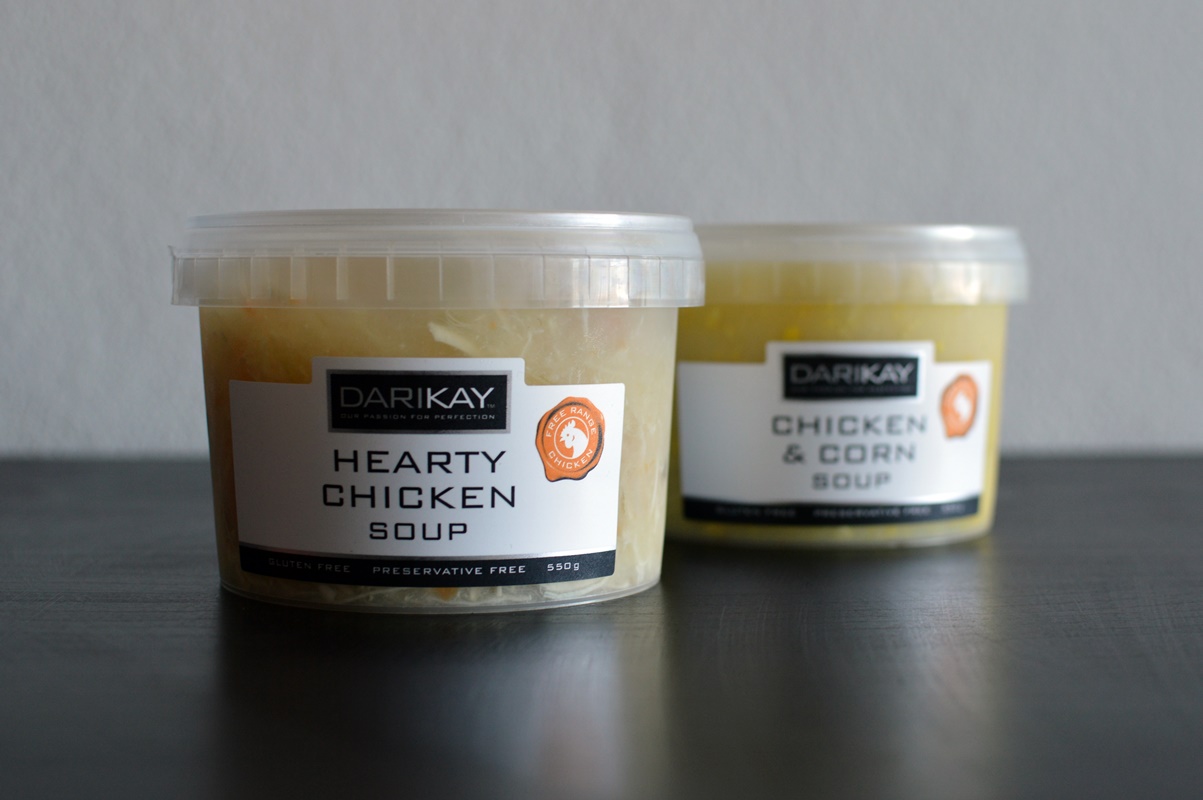
    Australia’s leading freshly made soup brand DariKay is changing its name to DARI’S, with a brand-new look including a new logo, colours, and new ‘Feel at Home’ tagline. 

    The rebranded DARI’S Soups will start to appear in Woolworth’s chillers in September, followed by Coles and independent retailers from November, phasing out the old DariKay packaging through a gradual roll-out. 

    The rebrand from DariKay to DARI’S celebrates the real people behind the soups – Dari and Yehiel Kaplan and family. The couple started their Dari’s Kitchen food business in their home kitchen in 2004, beginning with Pilpel dips, followed by DariKay fresh, small-batch soups in 2007, which has grown to become Australia’s top chilled soup brand.

    All soup recipes are developed, tried, and tested by Yehiel, using his skills as a chef to create a range of flavors to suit different taste preferences and dietary needs. The soups are stocked by major supermarkets and independent retailers across Australia.

    Dari Kaplan, co-founder, says: “Our soup rebrand to DARI’S is a big change but a very exciting one. We felt that DARI’S better connects us to our consumers, it lets people know that a real family is making these soups, to our recipes, just like we do at home.

    “It’s the same DariKay soup that people know and love – the flavors, size, and ingredients are exactly the same – but with a new look and a new name, that reflects who we are.”

    A major part of the rebrand is the launch of a new website, www.darissoups.com.au, which has photographs from the Kaplan family albums and tells the story of how Dari and Yehiel’s business began

    Dari adds: “People can now get a glimpse into our family and how we started all those years ago, with our children as our taste testers, and our little kitchen blender. We’re very proud of how we started because that is how we got here. We hope that when people share a DARI’S soup, they feel the love and care of our family, because that’s what we’re all about, and that will never change.”

    The flavors of the new rebranded DARI’S Soups will remain the same as the current DariKay soup line-up. There are 13 fresh soups in the range including vegetarian, poultry, meat, and seafood varieties, with gluten-free, dairy-free, and preservative-free options.

    The soups are made in small batches at the family’s kitchen HQ in Marrickville, New South Wales, using carefully selected quality ingredients such as free-range chicken and aged beef brisket. Flavors in the range include Chicken Noodle, Chicken & Corn, Beef & Barley, Mushroom, Lentil, and Spicy Prawn.

  • Tokyo restaurant Kikanbo opens first Hong Kong Outlet

    Tokyo restaurant Kikanbo opens first Hong Kong Outlet

    Tokyo restaurant brand Kikanbo is to open its first Hong Kong restaurant in Causeway Bay, its third international market.

    From today, Hong Kong customers can enjoy a taste of the restaurant known as Tokyo’s “perennial long queue store”, and which sells 27,000 bowls of ramen each month

    Kikanbo, described as a karabishi miso ramen restaurant, features a dark ornamented restaurant design with red lighting and a counter seat from which guests can witness the entire ramen-making process closely.

    Multiple tables for two or four diners are available inside, with 29 seats overall.

    The brand’s president Masakazu Miura trained at a ramen restaurant for more than 10 years before establishing the first Kikanbo in Tokyo’s Kanda district. The brand is known for its five levels of spiciness and numbness for its miso soup with 25 soup base varieties.

    Kikanbo has opened at 530 Jaffe Road, its eye-catching shop front guarded by a painting of Aka Oni (red demon) and Ao Oni (blue demon) on either side of the entrance along with the gigantic Kanabo (oni stick).

    Established in Kanda in 2009, Kikanbo has three domestic branches in Tokyo, Kanda and Ikebukuro in Japan and two international branches in Taiwan.

  • Ajisen China sales on the up

    Ajisen China sales on the up

    Ajisen China has reported a 4.8 per cent improvement in same-store sales for the June quarter.

    The Hong Kong-listed fast-casual restaurant operator combined sales in its local operations with those in the mainland and did not comment on the respective markets this reporting period.

    Overall sales for the restaurant business rose by 6.4 per cent, reflecting network expansion.

    The sales growth is a marked turnaround from the same period a year ago, when it reported a 10.8 per cent sales decline in Hong Kong and 1.8 per cent drop on the mainland, citing stiff competition in the restaurant and catering sector, especially in Mainland China.

    Ajisen China operates Ajisen Ramen restaurants under licence to the Japanese brand owner.

  • Campbell Soup CEO Gets Fired

    Campbell Soup CEO Gets Fired

    Denise Morrison, Campbell Soup CEO since 2011, has retired, effective immediately, following four straight years of sales declines. Board member Keith McLoughlin will serve as interim CEO.

    Campbell Soup continues to face particularly strong competitive pressure from premium niche brands and brands with a naturally healthy positioning, according to Raphael Moreau, senior analyst at Euromonitor. “Private label also remains a major threat, especially in soup in the US,” he says, “and may also be used as a negotiating tool by retailers to obtain more favorable conditions.”

    Morrison faced an uphill struggle to heat up tepid soup sales as consumers shun processed and canned foods. Moreau says the acquisitions made under Morrison have made strong contributions toward reducing the group’s reliance on shelf-stable soup. “The acquisition of Snyder’s-Lance marked the most important step toward diversifying the business into snacks,” he explains, “although its successful integration brings challenges, with few opportunities for brand synergies.”

    Expanding its offerings of “clean label” foods, as it did by buying up organic brands such as Pacific Foods (acquired in 2017), also bring the company potential for growth, but maybe not enough. “Although the Campbell Fresh division accounts for a sizeable share of the group’s sales, its contribution to the group’s overall growth remains too modest to turn around the group’s performance,” states Moreau. “Containing the erosion of soup sales also needs to be addressed.”

    Within soup, Moreau suggests there is potential to continue a shift toward premium products—particularly focusing on organic soup and fresh soup in the US and growth opportunities in emerging markets, notably Latin America. Sweet biscuits in Asia might also help reverse the sales dive.

    Having been with Campbell for 15 years, Morrison outlasted the “15 minutes of fame” prophesized by Andy Warhol, whose pop-art Campbell’s Soup Cans provided priceless publicity for the iconic brand. Maybe Campbell should call on the art world to make its packaged foods popular again.

  • Hong Kong’s fresh retail chicken shops may make a comeback

    Hong Kong’s fresh retail chicken shops may make a comeback

    Chicken rules the roost when it comes to Cantonese cuisine, and the fresher the better. But past government efforts to discourage retail sales of live chickens had almost put the once ubiquitous chicken shop on the endangered list.

    In the not so distant past, people in Hong Kong would visit their neighborhood chicken shop — easily identified by the cages of squawking chickens out front — where they had the butcher ‘process’ their chosen bird on the spot.

    “Live poultry is much tastier than frozen meat, especially when steamed,” says a local woman in her 60s, presumably reflecting the sentiments of the territory’s residents, who like their chicken steamed, boiled or as a base for soups.

    But having so many live chickens around increases the possibility of an avian flu epidemic, which can be devastating to both birds and people. Since the late 1990s, with each outbreak of the bird-born disease that resulted in human deaths, government officials have ordered the wholesale slaughter of chicken stocks.

    Because of this, the government had stepped up measures over the years to restrict the live poultry business, including encouraging poultry farms and chicken retailers to relinquish their live poultry licenses. At the same time, safety measures, such as vaccinations and inspections, were implemented to halt the spread of the disease at production and distribution centers.

    As a result, there have been no recent outbreaks of bird flu in the territories, prompting the Hong Kong Food and Health Bureau earlier this month to change its stance and let the live poultry trade flourish again.

    Meanwhile, the number of chicken retailers — once numbering more than 800 shops — has fallen to about 130 as of the end of 2016, putting a premium on live poultry, which has been trading at the high range of 200 Hong Kong dollars ($25.72) per chicken. This price surge has forced Hong Kong shoppers to turn to cheaper frozen birds available in supermarkets.

    But with the government’s new recommendations, there may soon come a time when Hong Kong’s chicken lovers can buy their birds fresh without putting a dent in their wallets.

  • Indonesia to Extend Ban on Shark Fin Exports

    Indonesia to Extend Ban on Shark Fin Exports

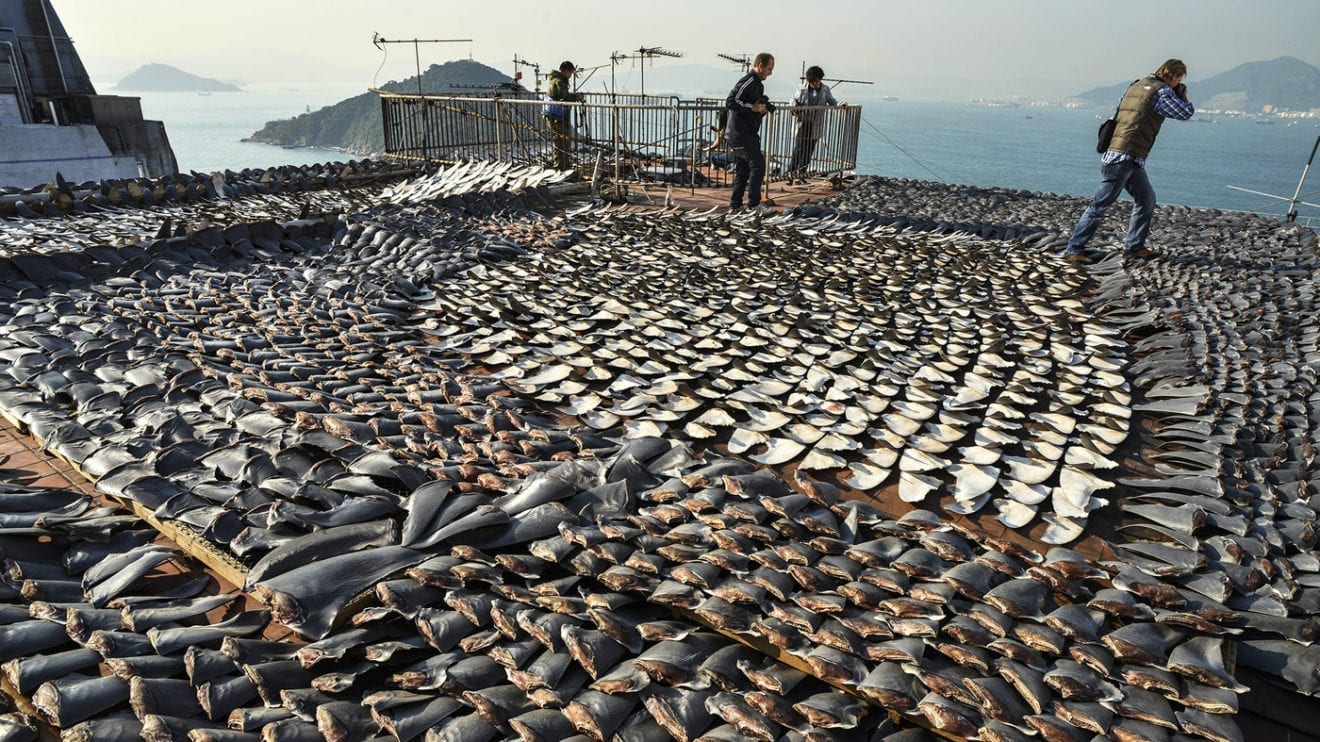
    Marine Affairs and Fishery Ministry will extend the ban on shark fin exports, said the ministry’s directorate general secretary of marine space management Agus Dermawan. “It may be extended, but I don’t know when,” he said Saturday.

    Shark fin export has officially been suspended after Marine Affairs and Fishery Minister Susi Pudjiastuti issued on December 10, 2014, Regulation No. 59/2014 regarding a ban on hammerhead and oceanic whitetip sharks until November 2015. It had since been extended with Marine Affairs and Fishery Ministry Regulation No. 34/2015, which is effective until December 31, 2016.

    According to Agus, Indonesia was the world’s largest shark fin exporter. In 2012, for example, Indonesia exported 434 tons of shark fin worth over US$6 million, the Central Statistics Agency (BPS) recorded.

    He said that the ministry has joined hands with researchers to count the number of endangered shark species left in Indonesia. The regulation about the ban on export and hunting will be based on the outcome of the research. Despite the export ban, hunting and trade of certain shark species for domestic consumption are still allowed.

    Agus said since 2013 five shark species have been listed as endangered, four of which hailed from Indonesia, including hammerhead and oceanic whitetip sharks. Hammerhead sharks include Sphyrna lewini, Sphyrna zygaena, dan Sphyrna mokarran, whereas oceanic whitetip sharks include Carcharhinus longimanus.

    Despite the official export ban, rare shark fin smuggling continues to happen. In February, Directorate of Customs and Excise of Finance Ministry Tanjung Perak office, Surabaya, foiled an attempt to smuggle 20 tons of shark fins and jellyfish to Hong Kong.

    Therefore, Marine Affairs and Fishery Minister Susi Pudjiastuti vows to enhance the Task Force 115, who are tasked with eradicating illegal fishing practices. “We will deploy Custom & Excise and the Task Force personnel to monitor smuggling,” Minister Susi Pudjiastuti said.

    Meanwhile, Oceans Campaigner of Greenpeace Indonesia Sumardi Ariansyah has urged the government to do more than just banning shark imports. According to him, shark fin consumption in Chinese restaurants has also contributed to the declining population of the species, although not as high as foreign demand. “The government must set up and establish better and more comprehensive policies,” he said.