Tag: SOUTH EAST ASIA

  • US to consider tariffs on solar panels made in Southeast Asia

    US to consider tariffs on solar panels made in Southeast Asia

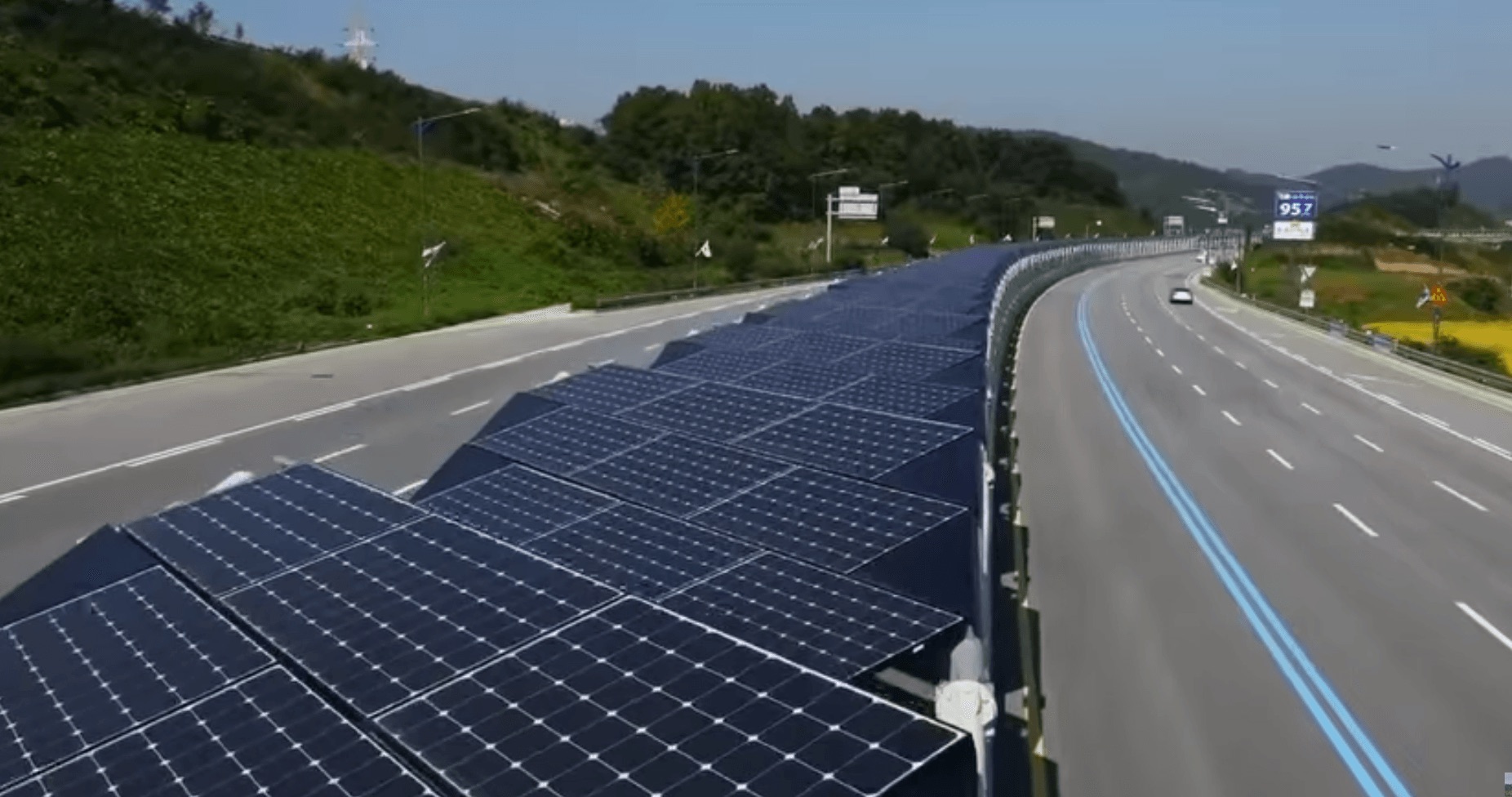
    U.S. trade officials on Monday said they will launch an investigation that could result in tariffs on solar panels imported from four Southeast Asian nations, a blow to clean energy project developers that rely on cheap imports to keep costs down.

    The Commerce Department’s decision regarding imports from Malaysia, Thailand, Vietnam and Cambodia was a victory for Auxin Solar. The San Jose, California-based solar manufacturer this year requested the probe, arguing that Chinese manufacturers shifted production to those nations to avoid paying U.S. duties in place for nearly a decade on Chinese-made solar goods.

    Auxin’s petition is the latest in a string of efforts by U.S. solar producers to stem the flow of cheap Asian panels that they argue make their products unable to compete in the market.

    Solar industry trade groups said the investigation alone would immediately hamstring project development and harm U.S. progress in addressing climate change. President Joe Biden has set a goal of weaning the U.S. electricity sector off of fossil fuels by 2035, a target that could propel solar to supply up to 40% of the nation’s electricity needs – up from 3% currently.

    Imports from the four countries account for about 80% of the panels expected to be installed in the United States this year, according to the American Clean Power Association industry group.

    “This decision effectively freezes development in the U.S. solar industry,” association CEO Heather Zichal said on a conference call with reporters. “Frankly, the Commerce Department’s action to initiate this investigation is a disaster for our industry.”

    In a statement, a Commerce Department spokesperson said the department would “conduct an open and transparent investigation.”

    “This inquiry is just a first step – there has been no determination one way or the other on the merits, and no additional duties will be imposed at this time,” the spokesperson said.

    In a memo posted on a Commerce Department website earlier in the day, officials said Auxin had provided information indicating that solar companies operating in the four countries are subsidiaries of large Chinese producers and that products made there would be subject to U.S. countervailing and anti-dumping duties if made in China.

    “Auxin properly alleged the elements necessary for a circumvention determination,” the memo said.

    The Commerce Department said it will issue a preliminary determination within 150 days. Auxin welcomed the decision.

    “We are grateful Commerce officials recognized the need to investigate this pervasive backdoor dumping and how it continues to injure American solar producers,” Auxin Chief Executive Mamun Rashid said in a statement.

    U.S. solar trade groups lobbied heavily against the Commerce Department taking up the petition.
  • One in Three in Southeast Asia Considers Making the Switch to Electric Cars

    One in Three in Southeast Asia Considers Making the Switch to Electric Cars

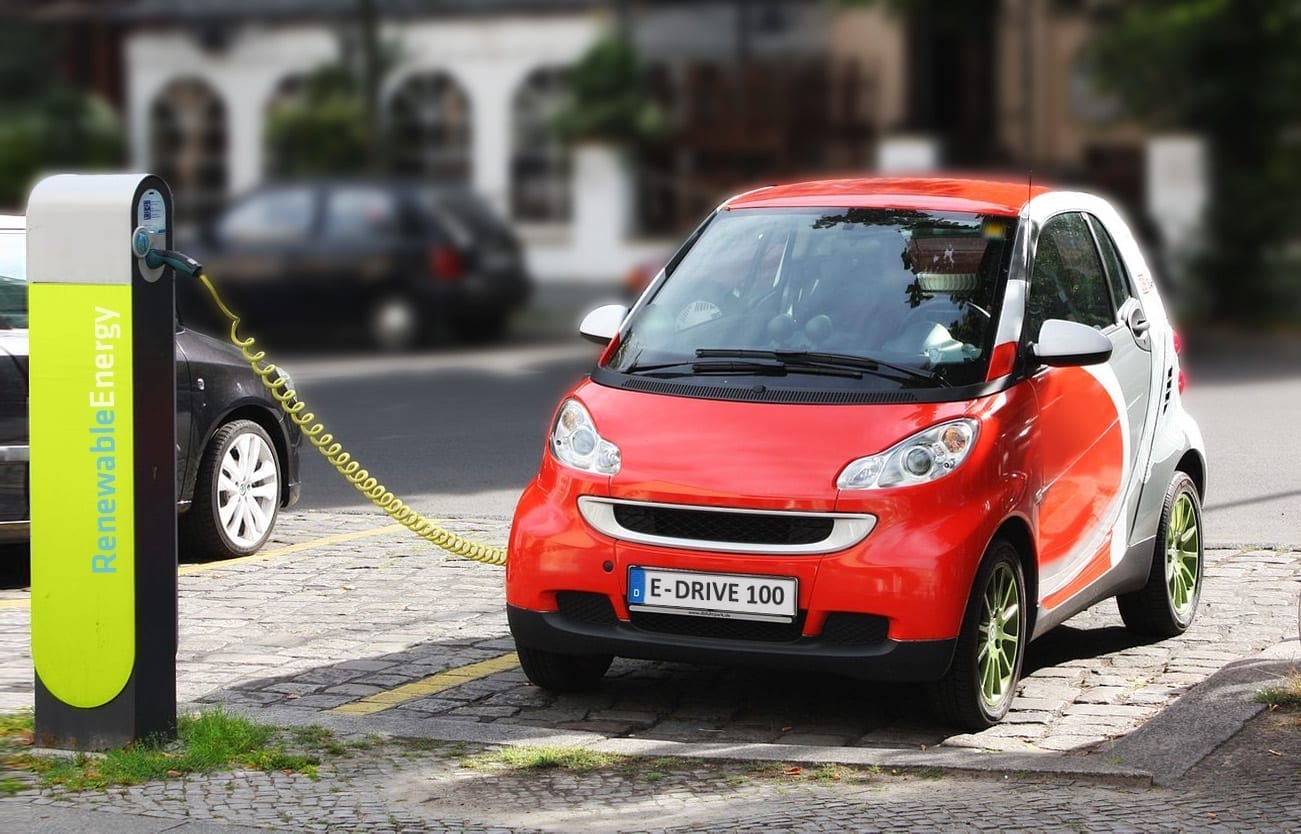
    One in three people in Southeast Asia admit they consider making the switch to electric cars, a study by Frost & Sullivan has revealed.

    The research, sponsored by Japanese carmaker Nissan, revealed 37 percent of prospective car buyers in the region may end up buying an electric one.

    Survey respondents from the Philippines, Thailand and Indonesia are the most interested in electric motor-powered cars.

    According to the study, with the right incentives and policies, electric cars could be the next big thing in the region.

    “Two-thirds of customers in Asean countries say they’re still worried about safety and finding charging stations for their electric cars,” Nissan revealed the results of the study in a statement on Tuesday (06/02).

    “But they don’t see price as an obstacle. They’re prepared to pay more for electric cars,” the study said.

    The research also recommends policies to be taken by governments wanting to promote the use of electric cars.

    “75 percent of respondents say they will buy electric cars if they don’t have to pay tax, 70 percent say they will be even more enthusiastic about the prospect if charging stations are made available in their apartment complexes and 56 percent say they will abandon conventional cars altogether if there’s a priority lane for electric cars on the streets of their city,” the study said.

    However, the study also revealed a few factors that make Southeast Asian customers reluctant to switch to electric cars.

    “They’re worried the cars will run out of charge before they reach their destination. That’s their main concern. The government and carmakers need to work together to ease it,” the study said.

    “Southeast Asians consider the government plays a very important role in promoting electric vehicles,” Nissan’s senior vice president Yutaka Sanada said in the company’s statement.

    The Japanese carmaker says it has sold more than 300,000 of its Nissan LEAF electric cars all over the world and not a single one of them has experienced safety issues.

    “In reality the demand for electric cars today is very high. Figures sometimes don’t tell the whole story. If governments and carmakers can assure customers that electric cars are safe and won’t run out of power mid-journey, the market can grow very large indeed,” Frost & Sullivan’s senior vice president Vivek Vaidya said.

  • F J Benjamin announces Q2 profit of S$960,000

    F J Benjamin announces Q2 profit of S$960,000

    F J Benjamin Holdings Ltd, founded in 1959, is a consumer driven leader in brand building and management listed on the Singapore Exchange since 1995.

    F J Benjamin Holdings announced Group net attributable profit of $961,000 for its second quarter ended 31 December 2017 (2QFY18), representing a significant turnaround from a loss of $7.3 million previously.

    Group revenue fell 19% to $50.5 million reflecting the absence of several loss-making brands and businesses which were terminated as part of a restructuring exercise that is now completed.

    The $12.0 million decline in revenue comprised $6.8 million of discontinued businesses and an $8.2 million reduction in shipments to the Group’s Indonesian associate company which started buying directly from some of its principals in April 2017. The decline in sales was partially offset by a $3.3 million increase in ongoing businesses.

    Group CEO Nash Benjamin said: “We are pleased to report a return to profitability after a painful restructuring exercise which is now completed. With consumer sentiment improving in Southeast Asia, management is working hard to grow our business organically whilst exploring suitable opportunities in the consumer and lifestyle segments.”

    By business segment, Group turnover from the fashion business rose 13% to $34.6 million after excluding purchases by its Indonesian associate, discontinued brands and adjusting for translation loss. Growth came from existing and new stores opened after 2QFY17. Revenue from timepiece business declined by 17% to $3.8 million.

    Gross profit margin was up seven percentage points to 46% in 2QFY18 from 39% in the previous corresponding quarter as a result of tighter inventory management and improved full price sell throughs.

    Group operating expenses fell 20% to $22.3 million following cost controls and closure of non-performing stores which yielded savings of $5.7 million. Staff costs fell 17% to $6.8 million, rental of premises declined 24% to $7.9 million while other operating expenses were down 18% to $5.9 million.

    As at 31 December 2017, inventory was reduced by six per cent to $38.2 million.
    For the quarter under review, Group generated positive cash flows of $10.3 million from operating activities. Net gearing stood at 46% at 31 December 2017 against 53% as at 30 June 2017.

    F J Benjamin has a strong footprint in South East Asia, with offices in Singapore, Indonesia and Malaysia, and manages over 20 iconic brands, operates over 250 stand-alone stores and over 1,400 points of sale in these markets.

    The Group’s international brand portfolio includes fashion, lifestyle and timepiece brands.