Tag: southeast asia retail

  • Mini-Supermarkets Challenge Southeast Asia’s Large Food Formats

    Mini-Supermarkets Challenge Southeast Asia’s Large Food Formats

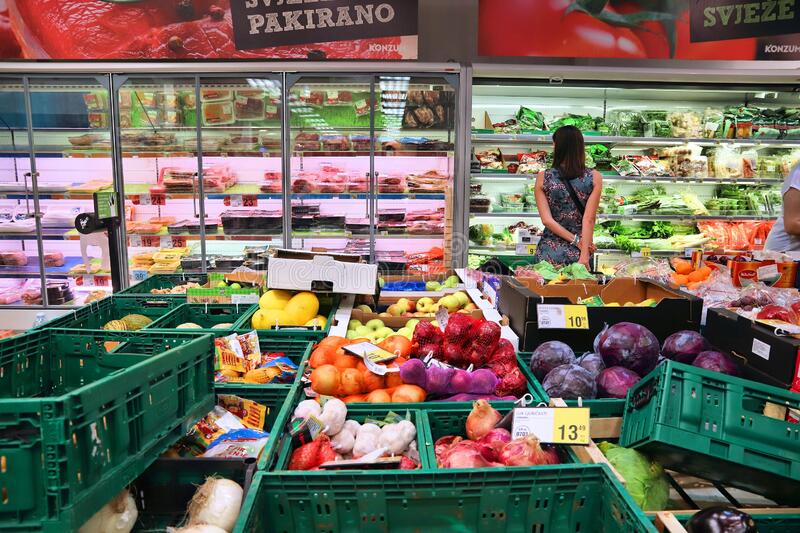
    In October 2026, neighbourhood convenience chains are driving deeper into provincial Southeast Asia, pulling daily food spending away from large-format hypermarkets as small-box networks expand across rural farming communities.

    The push into lower-tier population centres shows how compact grocery footprints now compete directly with destination retail hubs across markets such as Thailand.

    Rural Demand Shifts to Local Doors

    In farming hubs like Duan Yai in southern Sisaket province, where roughly 5,000 residents anchor the surrounding agricultural trade, consumer demand for modern retail is outstripping local physical supply. Shoppers in the district currently travel 10 kilometres west to Bu Sung, a town of 10,000 people, to access the nearest 7-Eleven branch.

    That distance illustrates the remaining runway for convenience operators. The appetite for modern trade in smaller towns creates immediate footfall whenever corporate operators consider new postcodes.

    Format Pressure on Destination Stores

    Large grocery formats built their business models on weekly car trips and high average basket sizes. Mini-supermarkets and convenience operators upend that calculation by positioning fresh staples and daily packaged goods within minutes of residential clusters.

    For regional operators, smaller floor plans lower upfront capital expenditure, shorten opening timelines and reduce exposure to mall lease cycles. The operational challenge shifts entirely to logistics density and cold-chain route efficiency across secondary highways.

    Supply Chains Adapt to Fragmented Stops

    Servicing fragmented rural stores requires automated replenishment schedules and higher delivery frequencies per route. Distributors that fail to match the delivery cadence of corporate convenience networks lose shelf space to direct operator contracts.

    Suppliers must also tailor packaging formats to smaller baskets, swapping bulk family packs for single-serve items and everyday portion sizes suitable for local farm workers and rural households.

    Network Density Decides Format Winners

    Convenience networks in Thailand have steadily filled urban corridors and are now systematically mapping tier-three administrative subdistricts. Each new branch in a secondary town cuts into the trade radius of the nearest regional commercial centre.

    Network expansion now hinges on whether store operators can maintain gross margins on rural logistics routes as store density spreads into districts with fewer than 10,000 residents.

  • Penshoppe Expands to Indonesia Ahead of Summer 2013 Collection Rollout

    Penshoppe Expands to Indonesia Ahead of Summer 2013 Collection Rollout

    Philippine fashion brand Penshoppe will open its first retail store in Indonesia in December. The expansion takes its casual wear footprint into Southeast Asia’s largest consumer market.

    The overseas entry follows the debut of the retailer’s Summer 2013 collection during the closing day of Philippine Fashion Week on October 28.

    Four Lines for Summer

    Penshoppe structured its runway presentation across four product segments: Dressy: Glitter and Shine, Preppy Casual, Resort, and Active Wear. Each model wore a single assigned outfit during the show rather than cycling through multiple wardrobe changes. That allowed the brand to show a high volume of individual garments.

    Designs in the collection update basic casual apparel with elevated tailoring and evening styling. The pieces are built to transition from daywear to formal settings.

    Entering the Indonesian Market

    Expansion into Indonesia gives Penshoppe direct exposure to an urban middle class with growing discretionary spending on ready-to-wear apparel. Setting up physical shopfloors in Jakarta and surrounding retail hubs places the brand in direct competition with entrenched regional operators and international fast-fashion chains.

    Local retail landlords in Southeast Asia continue to allocate floor space to affordable fashion brands capable of generating consistent foot traffic. For Penshoppe, the commercial test lies in replicating its domestic brand recognition in a market where local tastes and supply chain overheads differ sharply from the Philippines.

    Regional Fast Fashion Pressures

    Apparel retailers across the Association of Southeast Asian Nations face increasing margin pressure from rising logistics expenses and quickening inventory turnover cycles. Competing against established global giants requires domestic brands to maintain sharp pricing. They must also shorten product lead times.

    To capture broader demographics across casual and professional settings, Penshoppe broadened its design categories, leaning on styling lines like preppy basics and activewear.

    What to Track Next

    Runway looks unveiled at the conclusion of the Manila fashion calendar on October 28 established the four-part summer templates scheduled to reach Philippine shop shelves ahead of the warm-weather shopping period.

    Attention now turns to the location and format of the first Indonesian store opening in December, alongside the commercial rollout schedule for Summer 2013 inventory across domestic outlets.

  • Moshi Moshi Lifts First-Half Profit 21.5% as Thai Network Expands

    Moshi Moshi Lifts First-Half Profit 21.5% as Thai Network Expands

    Thai lifestyle retailer Moshi Moshi increased its first-half net profit by 21.5 per cent to 352.83 million baht, driven by new store openings and stronger gross margins.

    Operating revenue rose 17.3 per cent year on year to 1,654 million baht across the six months, keeping pace with management’s annual growth target of 15 to 20 per cent.

    During the second quarter, operating revenue climbed 17.2 per cent to 956.1 million baht, while net profit gained 20 per cent to 161.86 million baht. Gross margin widened 140 basis points to 56.4 per cent. Same-store sales grew 4.0 per cent in the quarter, building on a 15.2 per cent jump in the prior-year period.

    The company operated 218 stores at the end of June, an increase of 37 outlets over 12 months. Most of Thailand’s 76 provinces and Greater Bangkok now host at least one location. Management plans 35 net new store openings for the full 2026 financial year, having completed roughly half that target by mid-year.

    Inventory Velocity and Mall Pipeline

    Product turnover drives customer traffic across the chain’s 13 merchandise categories, which span stationery, beauty, plush toys, apparel and home accessories. Moshi Moshi manages an inventory catalogue of more than 25,000 stock-keeping units and releases approximately 1,000 new items every month at accessible price points.

    Physical malls remain the core sales channel. Key landlords Central Pattana, Central Retail’s Robinson lifestyle malls, Berli Jucker’s Big C, and CP Axtra’s Lotus’s offer about 500 commercial sites nationwide. The company is also opening stand-alone outlets near some of Thailand’s 150 universities, including a campus branch at Chulalongkorn University in Bangkok.

    Wholesale revenue, which represents 11 per cent of total turnover, expanded at a slower rate during the half. Disruption from bridge construction near Bangkok’s Platinum Fashion Mall cut pedestrian traffic and limited tour bus access to the company’s wholesale unit. Digital channels accounted for just 3 per cent of total sales across Shopee, Lazada and TikTok.

    Regional Competition and Overseas Targets

    Domestic mall coverage will eventually hit saturation as Moshi Moshi fills out second-tier provincial cities and campus locations. Maintaining double-digit annual sales growth beyond Thailand requires entering neighbouring Southeast Asian markets with matching demographics.

    Competitors are already securing positions across the region. Singapore-based lifestyle brand Oh!some operates stores in Cambodia across three Aeon malls in Phnom Penh, runs outlets in Hanoi and Ho Chi Minh City, and trades from three stores inside Bangkok. For Moshi Moshi, replicating its format in Vietnam, Indonesia and Cambodia represents the logical next leg of expansion once Thai site availability narrows.

    The company continues store renovations and floor-space expansions across its domestic mall network while tracking toward its target of 35 net new store additions by December 2026.