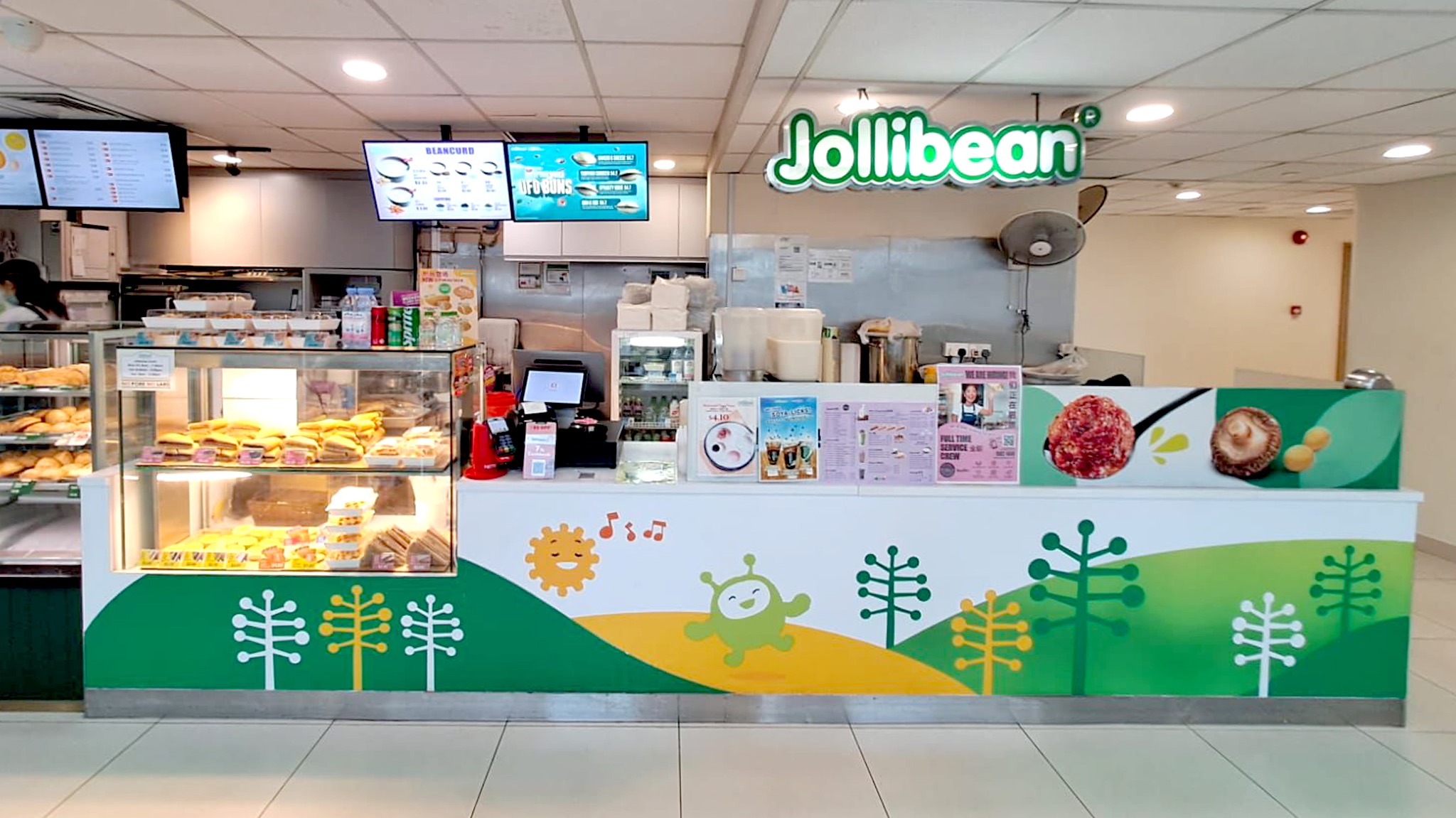
In a troubling turn for employees at Jollibean, 29 workers are currently receiving assistance for unpaid salaries, as reported in a joint statement from the Tripartite Alliance for Dispute Management and the Ministry of Manpower on July 12. These salary disputes are not a recent development; they have been cropping up intermittently since December 2024.
Drastic Downsize at Jollibean
Once a dominant presence with over 30 outlets across Singapore, Jollibean’s store count has dwindled to just five locations. The company’s director, Shahrul Nazrin Mohd Dahlan, now navigating the firm under new ownership, has assured that they are working closely with authorities to resolve the salary issues by the end of this month. However, specifics regarding the delayed payments remain murky.
Voices of Concern: Employees Speak Out
An employee, revealed her distress over unpaid wages for May and June, with her December 2024 salary delayed by nearly three weeks. “It’s like being in a suspense thriller—you never know what’s going to happen next. I’ve had to dip into my savings just to handle rent and other bills,” she said, highlighting the struggles faced by her and other front-line staff. “It would have been helpful if management had given us a heads up about the company’s struggles instead of leaving us in the dark.”
Ongoing Investigations and Future Prospects
As the situation unfolds, the Ministry of Manpower is conducting an investigation into Jollibean for possible violations of the Employment Act and is committed to assisting impacted employees. Jollibean was established in Singapore back in 1995, becoming a beloved brand known for its soya milk and traditional pancake snacks, conveniently located in bustling shopping malls and MRT stations.
However, the company’s fortunes began to wane during the Covid-19 pandemic, with a steady decline in brand popularity detailed in Berjaya Food’s annual reports after the Malaysian F&B operator acquired Jollibean in 2012 for SGD7.5 million (USD 5.86 million). Once the post-pandemic world opened up, Jollibean faced a challenging landscape marked by weakened consumer sentiment, dwindling foot traffic in the Central Business District, rising living costs, and a persistently uncertain economic climate.
Questions & Answers
What led to Jollibean’s financial difficulties?
Jollibean has struggled due to various factors, including decreased consumer sentiment during the pandemic, lower foot traffic from flexible work arrangements, and increased living costs, all compounded by an uncertain economic outlook.
How many employees are currently affected by unpaid wages?
Currently, 29 workers are seeking assistance for unpaid salaries, as reported by the Tripartite Alliance for Dispute Management and the Ministry of Manpower.
What actions are being taken to address the salary issues?
Jollibean’s new ownership is collaborating with authorities to resolve outstanding salary payments, and the Ministry of Manpower is investigating the company for potential violations of the Employment Act.