
Tag: s&p

  • SP Telecom offers direct connection to Google Cloud

    SP Telecom offers direct connection to Google Cloud

    SP Telecom, a joint venture between ST Engineering and Singapore Power group, has become the first network service provider in Singapore to announce support for Google Cloud Partner Interconnect.

    With the agreement SP Telecom, a fiber network provider which builds its network using the passive infrastructure of Singapore’s national power grid, will allow customers to connect to Google Cloud Platform globally.

    The connectivity will be enabled by SP Telecom’s Cloud Interconnection Service to enable direct connectivity to Google Cloud, while taking advantage of SP Telecom’s network infrastructure.

    SP Telecom will provide direct connectivity from customers’ facility to Google Cloud’s points of presence at the Equinix SG3 or Global Switch Singapore data centers.

    SP Telecom VP of product management and business line IT Tan Choon Chai said SP Telecom’s network infrastructure being built on diverse paths that run along the Singapore power grid provides  a reduced risk of network interruption from a power outage or active equipment failure.

    “Today’s rapidly digitizing environment has called for businesses to turn to cloud platforms to support their business needs. SP Telecom is pleased to partner with Google Cloud to bring more flexible and convenient connectivity options to help enhance business operations,” he said.

    “Coupled with our in-built network diversity capabilities, customers can be assured of a network infrastructure which provides resilient network connectivity capable of withstanding risks of network interruption.”
  • Aeon Mall plans ASEAN expansion

    Aeon Mall plans ASEAN expansion

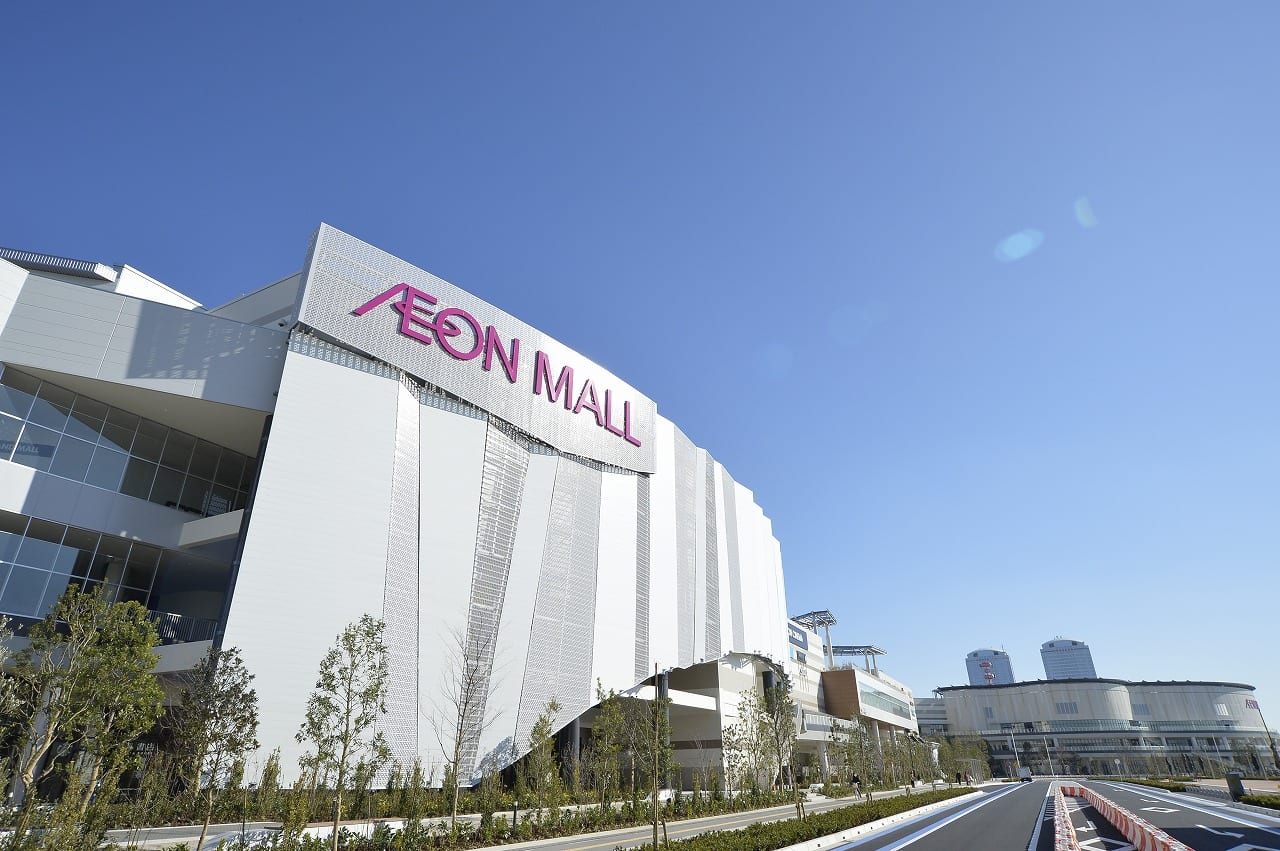
    Japan’s Aeon Mall plans more shopping centres in Indonesia and Vietnam, and is also looking at possibilities in Laos, Myanmar and Thailand.

    Under its 2020 strategy, it is planning five more outlets for Jakarta, after entering the 250-million-strong market with its first Aeon Mall in Indonesia last year, and will also add three more branches in Ho Chi Minh City and another in Hanoi.

    Aeon Mall’s ASEAN division director and executive GM Mitsugu Tamai says the company is also studying the feasibility of business development in Thailand, Laos, Myanmar and Thailand.

    He says the aim is to have its first Aeon Mall in Thailand by 2020, probably on the outskirts of Bangkok. The project would be undertaken either through its own investment or via a joint venture.

    As well as Aeon Mall BSD City in Indonesia, the group has 24 locations in Malaysia and another mall in Phnom Penh, with another on the books for the Cambodian capital. For this, the Japanese retailer will continue its collaboration with Bangkok-based Major Cineplex Group with a Major Cineplex at the mall.

    Major Cineplex chairman Vicha Poolvaraluk says his company is investing about Bt200 million (US$6.5 million) on a 10-screen theatre, including an IMAX laser theatre, as well as 20 bowling lanes.

    Other Thai companies, including Black Canyon Coffee, Fuji Restaurant, Jaspal and S&P, are also interested in opening branches at the mall, which will cover 100,000 sqm in Pong Peay district, and is scheduled to open in the first half of 2018.

    Aeon Mall is also looking at China as a key destination for overseas expansion. It already has 11 malls there, and by 2020 hopes to have more than 10 per cent of its revenue contributed by overseas business, up from 2 to 3 per cent now.

    “With aggressive outlet expansion, the company aims to see a 120 per cent year-on-year increase in terms of revenue from overseas markets,” says Tamai.

  • Lenders’ Struggle for Funding to Continue: S&P

    Lenders’ Struggle for Funding to Continue: S&P

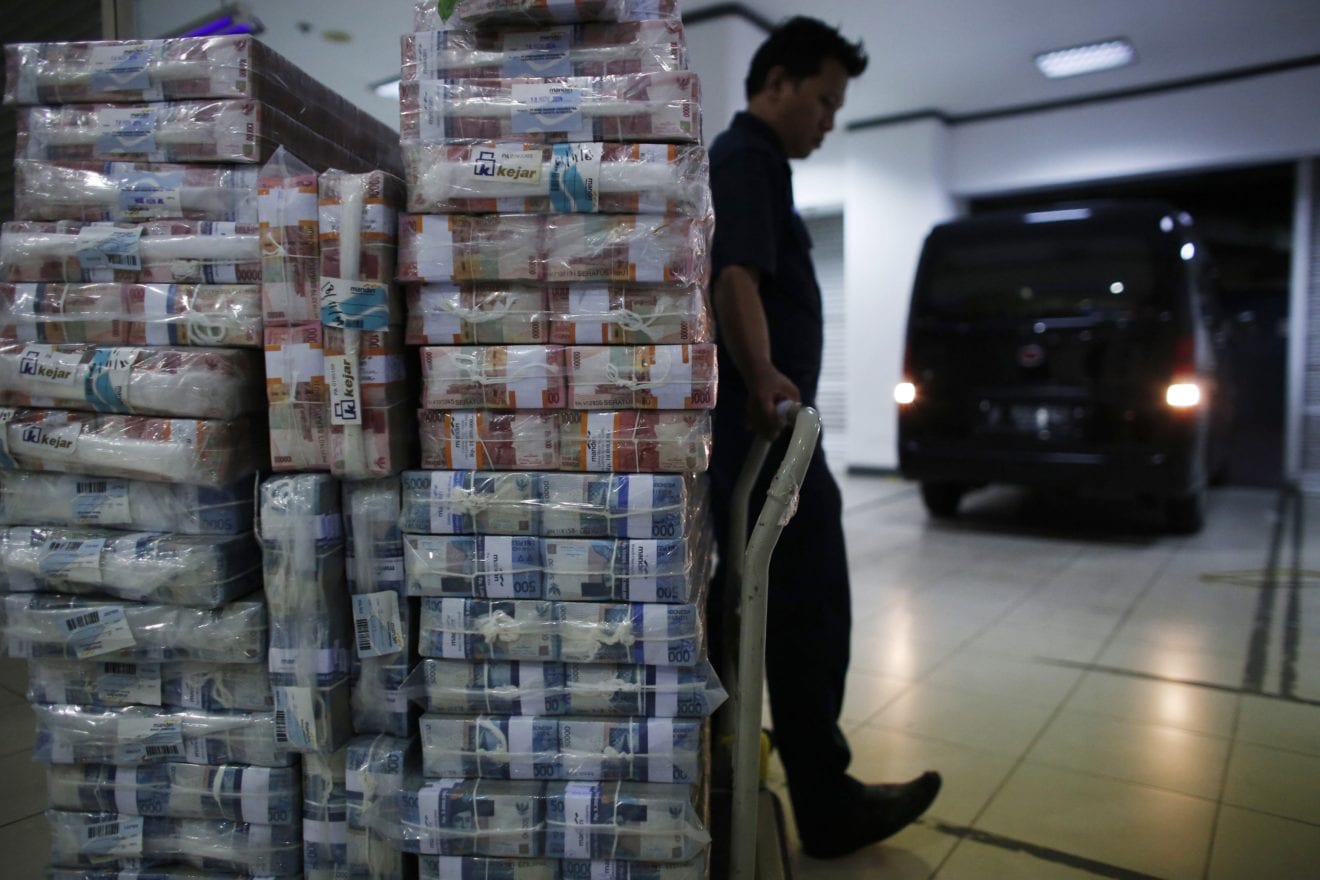
    Funding strains among Indonesian banks is likely to persist this year, undermining the industry’s profitability and growth ahead, according to credit rating agency Standard & Poor’s.

    In a report released last Thursday, S&P estimates lending growth in Indonesia to reach between 13 percent and 15 percent in 2015, higher than last year’s pace of 11.4 percent. That level of growth is projected to keep funding costs high, despite the regulatory caps implemented by the Financial Services Authority (OJK) last October.

    “Indonesian banks that struggle to attract sufficient deposits will face a tough choice of reining in credit growth or paying the penalty for breaching regulatory liquidity ratios,” said Standard & Poor’s credit analyst Ivan Tan, referring to Bank Indonesia’s mandate that maintained loan-to-deposit ratio (LDR), an indicator for liquidity, at 92 percent.

    LDR among commercial banks in Indonesia stood at 88.26 percent in February, an improvement from 90.47 percent in the same period last year, OJK data showed. That lower ratio indicated more money available for lending.

    Tan added that tighter competition for funding will eat into banks’ profitability in the next 12 to 18 months, forecasting net interest margin ­— a measure of a bank’s profitability — to reach around 4 percent this year. This would be a 20 basis-point decline from 4.2 percent last year.

    Under the current conditions, S&P expects Indonesian lenders will see “a new normal” in lending growth as banks work on preserving their liquidity instead. This could mean slower lending growth, greater efforts to expand branch networks for new sources of funding and regulatory changes for short-term relief. Before 2014, lending growth was above 20 percent for several years.

    Tan noted that the impact will likely be “asymmetric,” depending on each bank’s financial performance and operational presence, saying: “Banks with a strong domestic deposit franchises and extensive branch networks should weather the conditions better than peers with less-robust deposit franchises.”