Retail News CRM

Tag: spam

  • Hong Kong and Cambodia Unite to Crush Spam Communications: A Victory for Cross-Border Collaboration

    Hong Kong and Cambodia Unite to Crush Spam Communications: A Victory for Cross-Border Collaboration

    The Hong Kong Office of the Communications Authority (OFCA) and the Telecommunication Regulator of Cambodia (TRC) have agreed to a memorandum of understanding (MoU) aimed at bolstering their collaborative efforts in the fight against scam calls, scam messages, and other forms of spam communication.

    Strengthening Regulatory Cooperation

    The MoU was signed on January 26th during a bilateral meeting between Mr. Chaucer Leung, the Director-General of Communications for Hong Kong, and Mr. Chenda Thong, the Chairman of Cambodia’s TRC. This agreement sets out a comprehensive framework that will facilitate closer cooperation and a more streamlined exchange of information between the two regulatory bodies.

    The outlined areas of focus include regulatory practices, public awareness campaigns, and the development of technological practices specifically designed to mitigate the impact of scam and spam communications, such as voice calls and SMS messages.

    Shared Commitment to Tackling Scam and Spam Communications

    Commenting on the significance of the MoU, Mr. Chaucer Leung noted its importance in facilitating the sharing of expertise and experiences in battling scam and spam communications. He elaborated that it would also encourage the timely sharing of insights regarding emerging market trends and developments, allowing both regulators to identify and effectively tackle evolving scams and spam threats in Hong Kong and Cambodia. The MoU, according to Mr. Leung, is a clear demonstration of their joint commitment to devising and improving measures to effectively handle scam and spam communications.

    Measures in Place in Hong Kong

    In Hong Kong, the OFCA has been collaborating closely with telecommunications service providers and government departments to maintain the integrity of its communications network. These efforts have seen the implementation of key measures such as requiring operators to block suspected fraudulent phone numbers and websites, barring suspicious inbound calls that attempt to spoof the +852 Hong Kong prefix, the introduction of the SMS Sender Registration Scheme, and the enforcement of the Real-Name Registration Program for SIM cards.

    Questions & Answers

    What is the main focus of the MoU signed between the Hong Kong OFCA and the Cambodian TRC?
    The MoU provides a framework for cooperation and information sharing between the two regulators, aimed at combating scam and spam communications. This includes voice calls and SMS messages.

    Who signed the MoU on behalf of the two countries?
    The MoU was signed by Mr. Chaucer Leung, the Director-General of Communications for Hong Kong, and Mr. Chenda Thong, the Chairman of Cambodia’s Telecommunication Regulator.

    What measures have been implemented in Hong Kong to tackle scam and spam communications?
    In Hong Kong, various measures have been put in place. These include requiring operators to block suspected fraudulent phone numbers and websites, barring suspicious inbound calls spoofing the +852 Hong Kong prefix, implementing the SMS Sender Registration Scheme, and enforcing the Real-Name Registration Program for SIM cards.

  • Indosat’s AI-Driven Shield: Blocking 200 Million Spam & Scam Contacts in 90 Days!

    Indosat’s AI-Driven Shield: Blocking 200 Million Spam & Scam Contacts in 90 Days!

    Indosat Ooredoo Hutchison (IOH) has announced significant success in the initial months following the launch of its AI-powered Anti-Spam and Anti-Scam feature. Just three months after its introduction, the feature has blocked hundreds of millions of potential digital fraud attempts. Launched on August 7, 2025, the tool has intercepted more than 200 million potentially harmful calls, flagged over 90 million dubious messages, and safeguarded an average of 11.5 million customers per month from possible scams.

    Artificial Intelligence Meets 5G

    This anti-fraud feature is a key component of Indosat’s AIvolusi5G program, an initiative that combines the power of artificial intelligence with cutting-edge 5G technology to enhance the safety and dependability of the network. This system works automatically on a network level, screening calls and messages for possible fraudulent activities. This does not necessitate the installation of additional applications or the use of specific devices by customers.

    According to the Global Anti-Scam Alliance’s 2025 State of Scams in Indonesia report, 66% of Indonesian adults have been the target of scam attempts in the past year, with 14% suffering financial losses totaling IDR 49 trillion (USD 3.3 billion). The majority of these scams have taken place through direct-messaging channels like SMS and chat platforms.

    Impressive Results

    Indosat’s internal data has revealed that the company’s VoLTE network alone has detected over 290 million spam calls. When expanded to encompass Indosat’s entire customer base, this results in more than 500 million identified scam and spam calls and messages within just two and a half months. Additionally, the system has flagged over 145 million spam and scam messages, which includes 110 million confirmed fraudulent messages.

    Bilal Khazmi, Director and Chief Commercial Officer of Indosat Ooredoo Hutchison, commented on the results, saying: “Our technology is designed to help customers of all age groups navigate the digital world with increased confidence. By offering fast connectivity, accessible products, and robust protection, we remain dedicated to delivering superior digital experiences that connect and empower every Indonesian.”

    While the system has not managed to block all malicious communications, Indosat has noted that its early warning alerts have contributed to reducing financial losses and increasing public awareness of online threats. Customers receive alerts about potentially harmful numbers or messages before they interact with them, enabling them to take preventative measures.

    Indosat’s approach to cybersecurity follows the Zero Trust principle, which emphasizes verification over trust assumptions. This principle forms the foundation of Indosat’s efforts to combine technological safeguards with continuous digital literacy programs.

    Questions & Answers

    What is the AIvolusi5G program?
    The AIvolusi5G program is an initiative by Indosat that merges artificial intelligence with 5G technology to improve the security and reliability of their network.

    What is the primary goal of Indosat’s Anti-Spam and Anti-Scam feature?
    The primary goal of this feature is to protect customers from potential digital fraud attempts by screening calls and messages for suspicious activity.

    How does Indosat’s cybersecurity approach work?
    Indosat follows the Zero Trust principle, prioritizing verification over trust assumptions. This approach underpins their efforts to combine technological safeguards with ongoing digital literacy programs.

  • Meta Tests Monthly Message Caps On Whatsapp To Curb Spamming

    Meta Tests Monthly Message Caps On Whatsapp To Curb Spamming

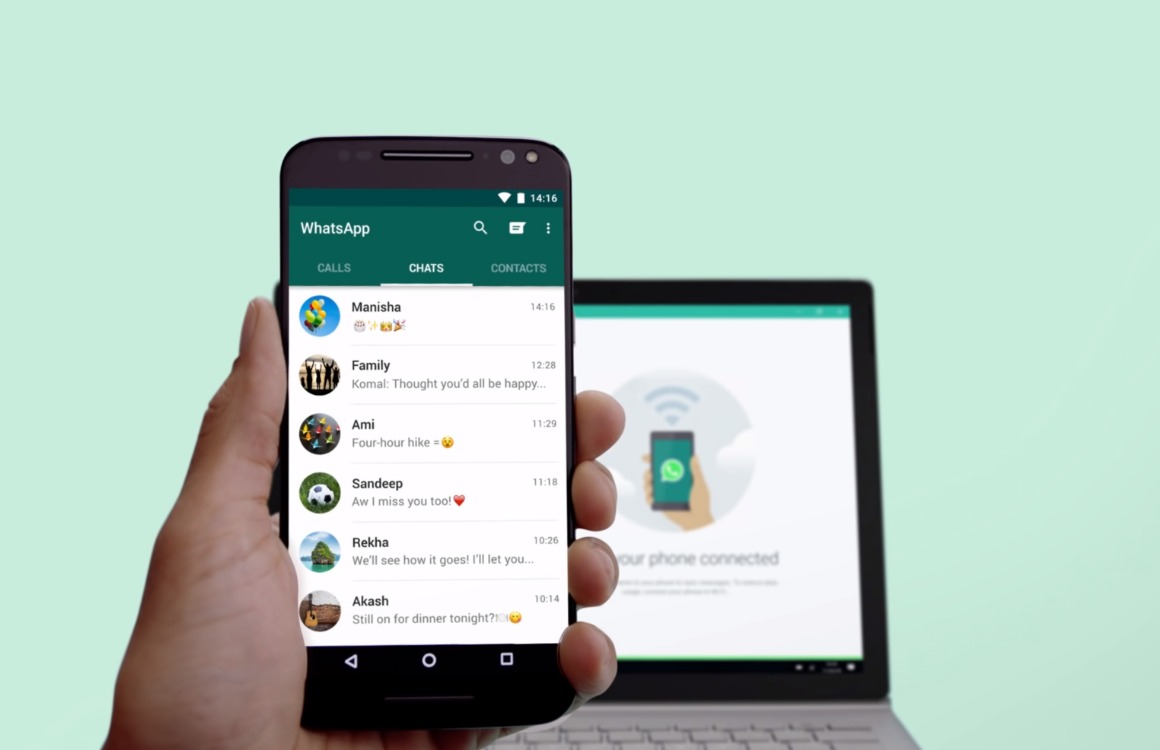
    Meta is planning on introducing a message limit for both individual users and businesses on its platform, WhatsApp. This move is designed to deter messages being sent en masse to unknown contacts without eliciting a response.

    Details of the New Limit

    The tech giant’s new strategy is to implement a monthly cap on the number of messages that can be sent without receiving a reply. All the messages dispatched on the platform will count towards this proposed limit. The exact number constituting the monthly cap remains undisclosed with Meta confirming that it is still in the process of testing various thresholds.

    In the upcoming weeks, the company plans to initiate trials of these new restrictions in multiple countries, although the specifics have yet to be determined.

    User Notifications and Alerts

    WhatsApp will proactively alert users who are nearing the set limit through a pop-up notification. This alert will indicate the remaining number of messages that can be sent before the limit is reached, thus enabling users to manage their activity and avoid being completely barred from sending messages.

    Impact on the Average User

    Meta assures that the average user will not be impacted by this new measure. The company explains that the limits are primarily intended to combat spam and will therefore not affect most users. As long as users are not excessively sending messages to a wide range of contacts, they are expected to remain unaffected by this change.

    This is not the first instance of WhatsApp taking measures to combat spam. Previous features introduced by the company were aimed at enabling users to easily exit unfamiliar group chats, block messages directly from the lock screen, and entirely block messages from unknown users.

    Curbing the Spread of Spam

    While Meta acknowledges that the new message limit will not entirely resolve the issue of spam on WhatsApp, it believes that it will effectively curtail its proliferation. The company is optimistic that this measure will deter spammers who indiscriminately send messages to random WhatsApp numbers, thereby making the process of spamming more challenging.

    Questions & Answers

    What is the new limit that Meta is introducing on WhatsApp?
    Meta is implementing a monthly cap on the number of messages that can be sent on WhatsApp without receiving a reply. The exact number constituting this limit is still being tested.

    How will users know if they are approaching the message limit?
    WhatsApp will alert users nearing the set limit through a pop-up notification. This will indicate the number of messages remaining before the limit is reached.

    Will the average user be affected by this new limit?
    According to Meta, most users will not be affected by this new measure as it is primarily being introduced to combat spam. If users are not excessively sending messages to a wide range of contacts, they are likely to remain unaffected.

  • China, Myanmar, Thailand Unite to Combat Rising Telecom Fraud Threats Together

    China, Myanmar, Thailand Unite to Combat Rising Telecom Fraud Threats Together

    In a decisive move against burgeoning criminal enterprises, China, Myanmar, and Thailand have committed to strengthening their collaboration in dismantling elaborate scam networks proliferating across Southeast Asia, with a particular focus on the notorious Myawaddy region. This area has gained infamy as a major hub for fraudulent activities, and the three nations aim to eradicate such operations.

    Strengthening Cross-Border Alliances

    China’s Ministry of Public Security unveiled this agreement following a recent trilateral ministerial meeting dedicated to intensifying efforts against telecom fraud. Attended by law enforcement officials from each country, the high-level gathering was a platform for discussing comprehensive action plans to apprehend suspects and obliterate scam centers in Myawaddy and other known hotbeds of deceit. The endeavors have already seen over 5,400 Chinese nationals repatriated to China for investigation linked to their involvement in fraud schemes.

    Past Success Fuels Future Initiatives

    This isn’t China’s first foray into collaborative law enforcement; the nation has previously allied with its Southeast Asian neighbors to tackle telecom fraud. In 2024 alone, joint operations between Chinese and Myanmar police led to the arrest of more than 53,000 suspects within major scam compunds along the China-Myanmar border. China’s effectiveness in this realm was further demonstrated by the successful repatriation of 268 suspects engaged in cross-border telecommunications fraud, through cooperation with Laos.

    A Call for Broader Alignment

    China’s strategy is not limited to these three nations. The government is actively encouraging additional Southeast Asian countries, such as Cambodia and Vietnam, to partake in its crusade against online gambling and telecom scams, which frequently operate in tandem. Guo Jiakun, spokesperson for the Chinese Foreign Ministry, articulated that engaging in these battles is essential for protecting the common interests of China and its regional partners. It’s a bit like forming a super team against digital villains, where every country’s participation can tilt the scales of justice.

    Supporting Regional Frameworks

    International support for this trilateral initiative has been forthcoming. Benedikt Hofmann, Acting Regional Representative of the United Nations Office on Drugs and Crime (UNODC) for Southeast Asia and the Pacific, deemed the cooperation as “encouraging,” highlighting its potential to pave the way for deeper, sustained regional cooperation in the fight against crime.

    Questions & Answers

    How are China, Myanmar, and Thailand planning to strengthen their cooperation against telecom fraud?
    The three nations recently met to agree on intensified joint crackdowns on telecom fraud, including the commitment to arrest all suspects and eliminate scam operations, particularly in Myawaddy.

    What past successes have contributed to the current efforts against scam networks?
    In 2024, a collaborative effort led to the arrest of over 53,000 suspects in Myanmar, as well as the repatriation of 268 suspects involved in cross-border telecom fraud.

    Which other countries is China encouraging to join this fight against online scams?
    China is inviting Cambodia and Vietnam to participate in the fight against telecom scams and online gambling, emphasizing the need for a united front in safeguarding regional interests.

  • Vodafone Idea Launches AI-Powered Spam Detection Solution

    Vodafone Idea Launches AI-Powered Spam Detection Solution

    ages, according to a statement from the company on Monday.

    “As more customers embrace digital communication, we recognize the growing threat posed by SMS-based spams and potential scam attempts,” said Jagbir Singh, CTO, Vodafone Idea Limited.

    “Our AI-powered spam detection technology reinforces our commitment to customer safety by delivering proactive, real-time protection,” he added.

    Vi’s AI algorithms are trained on millions of SMS examples to detect potential threats, such as fraudulent links, unauthorized promotions, and identity theft attempts. The predictive AI system learns from patterns in incoming data, including phishing links, unusual sender information, and common spam phrases, improving its detection accuracy over time.

    In September, Bharti Airtel, India’s second-largest telecom service provider, introduced an AI-powered solution to notify smartphone users about potential spam messages. Airtel’s solution analyzes one trillion records in real time and has demonstrated its ability to accurately predict more than 99% of spam messages and 97% of spam calls, according to the company.

  • WhatsApp might finally allow users to protect themselves from spam

    WhatsApp might finally allow users to protect themselves from spam

    WhatsApp has been working on a new feature allowing users to prevent unknown accounts from sending them messages. This has been in development for quite some time, but WhatsApp seems to be confident in the end result and is now making the feature available to beta testers.

    The fine folks at WABetaInfo report that WhatsApp is now rolling out a new update on Android devices that introduces the ability to block messages from unknown accounts.

    The new security feature is hidden in the Advanced tab under the Privacy Settings menu and comes in the form of a simple toggle, which allows users to turn it off and on whenever they wish. While having the option to block messages coming from unknown accounts certainly keeps spam to a minimum, the way WhatsApp is implementing it isn’t as we would’ve expected.

    Apparently, WhatsApp will only block messages from unknown accounts if they exceed a certain volume. It was implemented that way in order to allow business accounts or other accounts that you haven’t interacted with to still be able to send you messages that might prove to be important. Not only that, but WhatsApp will lift the block once the messaging volume returns to normal, which seems like a rather bad decision. In any case, the security feature is still being tested, so the final version might work slightly differently than it is now.

    If you’re enrolled in the beta program, you should be looking for WhatsApp beta for Android 2.24.20.16. Keep in mind though that the feature seems to be available only to a select number of users, although WhatsApp is expected to expand its availability to even more users in the coming weeks.

    Those who want to check out the new security feature but aren’t yet enrolled in the beta can do so via the Google Play Beta Program link.

  • Instagram’s new feature puts an end to DM requests spamming

    Instagram’s new feature puts an end to DM requests spamming

    Instagram is finally adding one of the most requested features since it introduced the ability to send direct messages. A new update makes it possible for Instagram users to restrict who can send them DM requests.

    The new feature was tested last month and now it’s rolling out to all Instagram users. The first limitation introduced with the new feature prevents you from sending more than on DM request to a person who doesn’t follow you on Instagram. If they accept your request, then you will be able to continue to send them new DM requests.

    The second limitation is that DM invites can’t contain images, videos or voice notes, so you can send text-only DM requests to those who don’t follow you on Instagram.

    “We want people to feel confident and in control when they open their inbox. That’s why we’re testing new features that mean people can’t receive images, videos or multiple messages from someone they don’t follow, until they’ve accepted the request to chat. We’re grateful for the feedback we hear from our community — and we’ll keep listening to find ways to help everyone feel safer on Instagram.

    Apart from introducing these new limitations that basically remove DM requests spamming, Instagram also added a Restrict setting that makes it possible to monitor an account that you don’t want to block, but still want to restrict their presence on your Instagram page.

    Once you restrict an account, their comments on your posts will only be visible to them. More importantly, they won’t know that no one can see their posts, and their DMs will be automatically sent to your DM requests folder. It’s a middle-ground solution in case you don’t want to outright block an account, but still want some protection against bullying.

  • Google gives more options for Call Blocking

    Google gives more options for Call Blocking

    Google has had the automatic spam call warnings available for a while now, to the point where many we know have simply begun ignoring calls when the Red Screen of Spam pops up on their phone. But, there have also been some missing options in terms of call blocking on Android. Google allowed for blocking specific numbers, but now there are even more options to let users block calls.

    Previously, the only option for blocking calls was to add numbers to a call block list from the Phone app’s Recent calls page, but now there are four new options for blocking calls. If you want, you can block all calls from numbers that aren’t in your contacts list, block calls from private or unknown numbers, or even block calls made from pay phones. That last one is a bit surprising because as mobile phones have taken over and become commonplace, pay phones have slowly been removed from public spaces. There are likely still places around the world with pay phones, but it’s been quite a long time since we’ve seen any in the U.S.

    Oddly enough though, the new options won’t be found in the Phone app. Instead, Google put the new options in the Contacts app all the way at the bottom of the Settings page, under the Manage contacts header. That will give you toggles for the new call block features as well as a list of numbers you’ve already blocked.

  • Twitter makes a change in Limiting your Followers

    Twitter makes a change in Limiting your Followers

    In an effort to stop spammers from taking over Twitter, the social media app is limiting the number of followers that can be added to an account on a single day. Previously that number was 1,000 and a tweet from the Twitter Safety account reveals that the new cap is 400. This is supposed to prevent spammers from adding a large number of followers and then deleting them in a “bulk, aggressive or indiscriminate manner” that violates Twitter’s rules.

    By adding all these followers, spammers hope that the majority will follow them back. Those that do will soon find a number of spams in their timeline. Those that don’t will soon be unfollowed by the spammers. This is a cycle that continues over and over again. In a series of tweets, Twitter’s Yoel Roth explains that lowering the number of followers a day from 1,000 to 400 won’t stop the spammers, but it will slow them down. The 400 limit will “make each spam account less effective, slower, and more expensive to operate.”

    Roth adds that Twitter decided to make the new cap 400 because it allows people to follow the accounts they’re interested in while it stops the most spam. Almost half of the accounts that were following 400 Twitter users per day were engaged in churning, which is defined as “repeatedly following and unfollowing the same accounts” in an attempt to grow the number of followers that a Twitter subscriber has. He adds that 99.87% of Twitter use will be unaffected by this new rule.

  • Google yanks controversial app from the Play Store

    Google yanks controversial app from the Play Store

    Axios revealed last week that Google has removed the Living Hope Ministries app from the Google Play Store. Those who installed the app could listen to recordings of sermons and view texts of devotionals for men, women, parents and their children. However, despite the Ministry’s denial, the app was also known for offering gay conversion therapy. This is a controversial method that some (including Vice President Mike Pence) believe will convert gay and bisexual men and women to a heterosexual orientation. The conversion is done by a brainwashing-like technique that uses psychology and religious belief to pound messages into subjects over and over again. Some say that this technique is harmful, ineffective, and could lead to depression, drug use and suicide.

    Meanwhile, Google’s action came after 142,212 people signed a petition on Change.org that called for the app’s removal. Several LGBTQ organizations also demanded that the app is removed. But Google did not respond immediately; it took months of protesting before the company finally followed the lead of other tech firms that had already removed the app from their storefronts such as Apple, Microsoft and Amazon.

    “It took months of activism by Truth Wins Out and Change.org, and today Human Rights Campaign, to get Google to pull a conversion therapy app. I called Google out in the press about this in January. They took no action. Credit is due for finally acting — but Google now needs a serious internal audit examining why it delayed so long.”-Sen. Brad Hoylman.

    “After consulting with outside advocacy groups, reviewing our policies, and making sure we had a thorough understanding of the app and its relation to conversion therapy, we’ve decided to remove it from the Play Store, consistent with other app stores.”-Google

    Before the Human Rights Campaign fought for the removal of the app, it had given Google a perfect 100% score for its annual Corporate Equality Index. The score was based on Google’s offering of health benefits for same-sex couples, and for providing health care to Transgender employees. However, the organization pulled its support for Google because it would not originally remove the Living Hope Ministries app.

  • WhatsApp building a New Feature Allowing Users to detect spam and fake news

    WhatsApp building a New Feature Allowing Users to detect spam and fake news

    Facebook owned WhatsApp is testing a new feature that will allow a user to see how many times a message has been forwarded. The beta update to version 2.19.80 includes a new functionality allowing a user to view how many times a message he or she received has been forwarded. To obtain this information, the user needs to forward a received message, open up the Message info section, and the data will be there. A message that has been forwarded five or more times will receive a bubble that says “Frequently Forwarded.”
    The number of times that a message you sent via WhatsApp has been forwarded is something that can already be found in the Message info section. If you install the beta version of the messaging app on your Android or iOS phone (via TestFlight) you will be able to see the number of times both a sent and received message has been forwarded. WhatsApp is adding this feature to help a user see whether a message is spam. Some messages that have been forwarded a number of times are spam, or might be “fake news.”
    Facebook acquired WhatsApp in a blockbuster deal that closed in October, 2014. Originally valued at what was considered an outrageous amount of money at the time the deal was announced ($16 billion), by the time the transaction closed eight months later the purchase was valued at $21 billion.
  • Smart Axiata deploys SMS spam filtering suite

    Smart Axiata deploys SMS spam filtering suite

    Cambodia’s Smart Axiata announced it has deployed an SMS spam filtering and A2P SMS monetization platform from 365squared for its more than 8 million customers.

    The operator is using the 365secure service to continuously monitor and filer SMS traffic from any source on a round-the-clock basis. The service is designed to detect and block fraudulent SMS messages delivered through gray routes.

    Smart will also be able to use the service’s proprietary 365analytics software to conduct detailed traffic analysis and reporting. The implementation was conducted by 365squared last month.

    “Spam messages are disliked by everyone. The partnership with 365squared stands on our desire to strengthen customer relationships based on trust,” Smart Axiata CEO Thomas Hundt said.

    “By filtering intrusive and uninvited messages we provide to our customers peace of mind and therewith step up our customer experience efforts further.”

    Smart Axiata launched LTE services in January 2014, and has now expanded the network to cover 25 key provincial capitals as well as other key cities. The company’s combined 2G, 2.5G, 3G, 3.75G and 4G mobile network covers more than 98% of the Cambodian population.