Tag: spanish

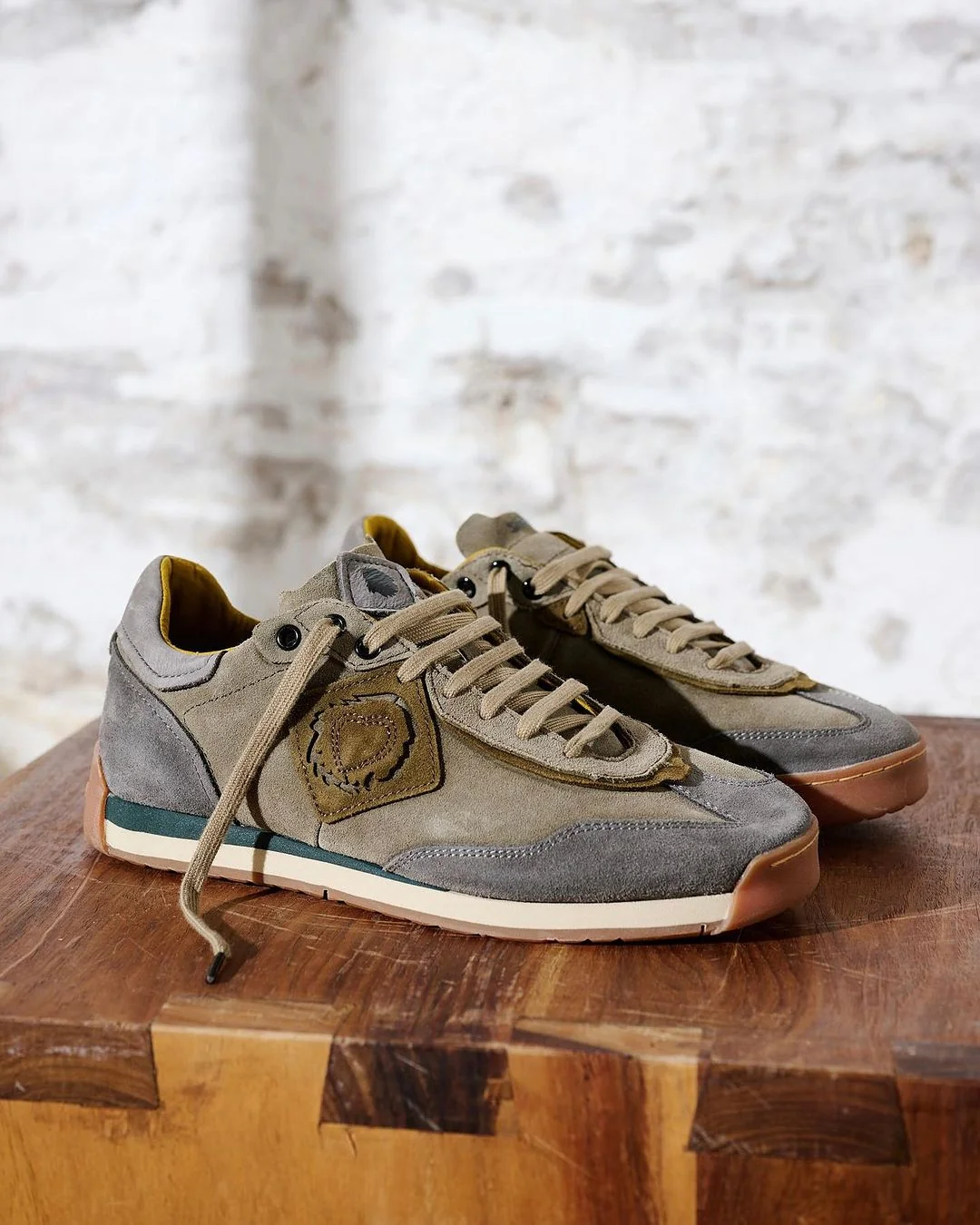
  • Satorisan Marches into China: Spanish Footwear Brand Expands Asian Presence

    Satorisan Marches into China: Spanish Footwear Brand Expands Asian Presence

    Recognized as an influential player in the footwear industry, Spain’s Satorisan has successfully broken into the Chinese market. This strategic move is part of their ongoing venture to expand their reach across Asia, following a solid foundation laid in Europe and South Korea.

    Satorisan was established in 2010 by Alejandro Monzó Tadeo, who has over two decades of experience in the active footwear industry. Since its inception, the brand has witnessed steady growth, with sales surpassing 1.6 million pairs in over 100 countries worldwide.

    Satorisan’s Debut in China

    Satorisan unveiled its presence in China through a showroom presentation of their Fall/Winter 2026 collection at Shanghai Fashion Week. The brand also launched its official account on Xiaohongshu, a popular social media and e-commerce platform in China, marking its initial entry into this vast market.

    International Growth Strategy

    Satorisan has been working consistently on their international growth strategy. In Spain, the brand operates flagship stores under the ‘Satori Home’ concept. Their Valencia store, located at Calle Sorní 25, exemplifies this concept. Established in 2016 within a renovated modernist building, it serves as both a retail store and a showroom, hosting events and community-led initiatives.

    Entering the Competitive Chinese Market

    China’s footwear market is highly competitive, with both local and global brands vying for consumers’ attention. By entering this market, Satorisan positions itself among these contenders, aiming to meet the growing demand for comfortable, lifestyle-oriented footwear.

    Questions & Answers

    What is Satorisan’s background?
    Satorisan was founded in 2010 by Alejandro Monzó Tadeo, a veteran in the active footwear industry. It has witnessed steady growth, with sales surpassing 1.6 million pairs in over 100 countries.

    How has Satorisan entered the Chinese market?
    Satorisan made its debut in China through a showroom presentation at Shanghai Fashion Week and by launching an official account on Xiaohongshu, a popular social media and e-commerce platform in China.

    What kind of competition does Satorisan face in the Chinese market?
    The Chinese footwear market is highly competitive, with both local and international brands targeting consumers. Satorisan, with its focus on comfortable, lifestyle-oriented footwear, is positioning itself to meet this robust demand.

  • Pull&Bear Bids Farewell to Singapore: Iconic Spanish Retailer Closes Final Store

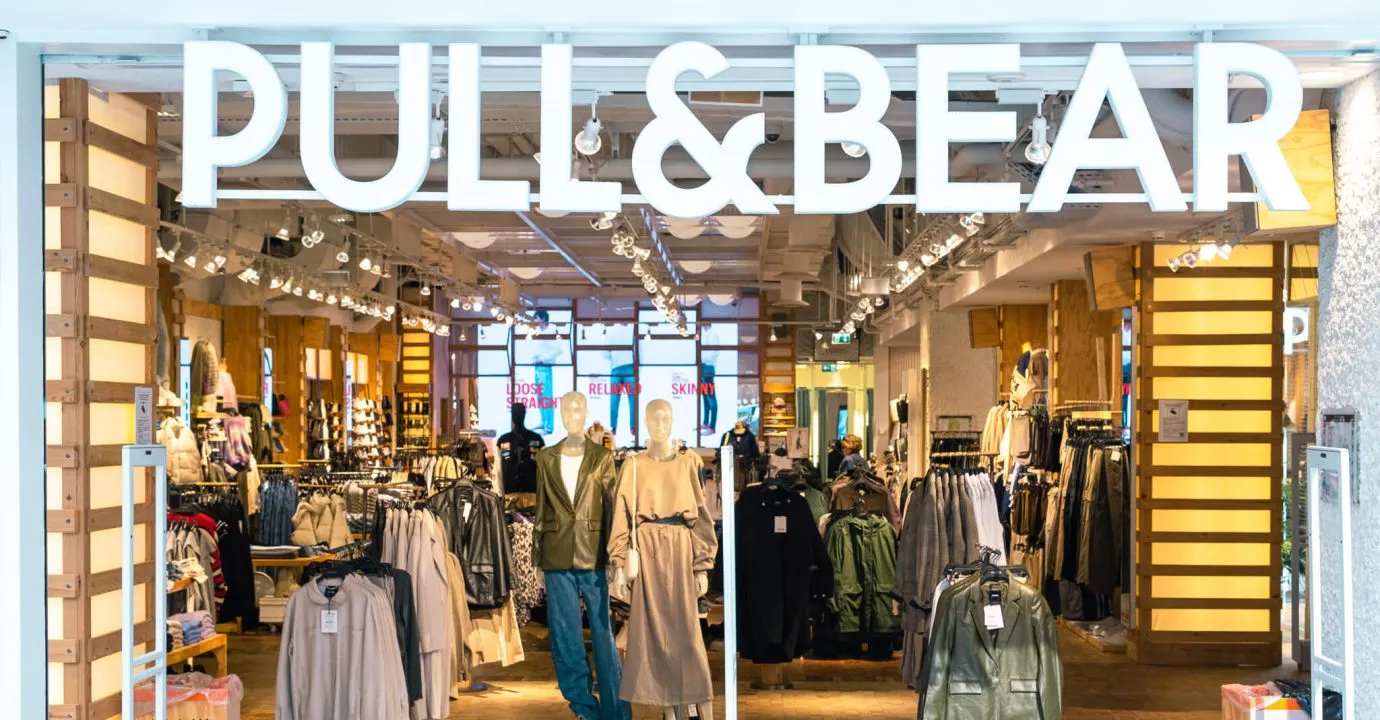
    Pull&Bear Bids Farewell to Singapore: Iconic Spanish Retailer Closes Final Store

    Pull&Bear, a renowned Spanish fashion label, has decided to withdraw its presence from Singapore following the closure of its remaining outlet at VivoCity Mall. The final day the store was open for business was February 22, 2026, as indicated by an announcement on the brand’s official website. Unfortunately, the company did not reveal the rationale behind the decision.

    Despite the closure, the fashion retailer has assured that customers are still able to return purchased items at the closed outlet. It encourages those who have recently made purchases to inspect their receipts to understand the return timeframe.

    Pull&Bear first launched in Singapore in 2006 with a prominent flagship store inaugurated at VivoCity. At the height of its operations, the brand had four operational outlets in the country.

    Pull&Bear is one of the principal brands under the umbrella of Spanish fashion conglomerate Inditex, which also owns other popular brands including Zara, Bershka, Massimo Dutti, and Stradivarius.

    The exit of Pull&Bear from Singapore is part of a larger global strategy of the parent company that involved the closure of over 100 outlets in the previous year. Furthermore, two other Inditex brands, Stradivarius and Bershka, have also confirmed the closure of their respective outlets in Singapore.

    Questions & Answers

    When did Pull&Bear close its last store in Singapore?
    The last Pull&Bear store in Singapore closed on February 22, 2026.

    Why did Pull&Bear decide to exit Singapore?
    The company did not provide specific reasons for the closure of its Singapore outlet.

    Are other Spanish fashion brands also closing outlets in Singapore?
    Yes, Stradivarius and Bershka, two other brands owned by Inditex, the parent company of Pull&Bear, have also closed their outlets in Singapore.

  • Delpozo to arrive in South Korea with KLH International

    Delpozo to arrive in South Korea with KLH International

    Spanish luxury designer brand Delpozo has entered into a partnership with South Korean firm KLH International to open six locations in South Korea.

    Two of the Delpozo South Korea stores have already begun trading, with the third opening shortly. The remaining three are planned to launch within two years.

    The first Delpozo South Korea store in Seoul, at 63sqm, launched September 14 at the Lotte World Tower. The second location in Lotte Busan measures 57sqm and opened five days after Seoul. The third – and largest at 100sqm – opens early next month in Hyundai Mainwill.

    Grupo Perfumes y Diseno has owned the Delpozo brand since 2013. The company’s president and owner Pedro Trolez said the partnership marks further expansion in the Asian market.

    “We are very excited about opening the first three locations, with more expected for the next two years,” he said.

    KLH International CEO Thomas Hahn said the launch will “give a new impulse into the stagnant women’s clothing market”.