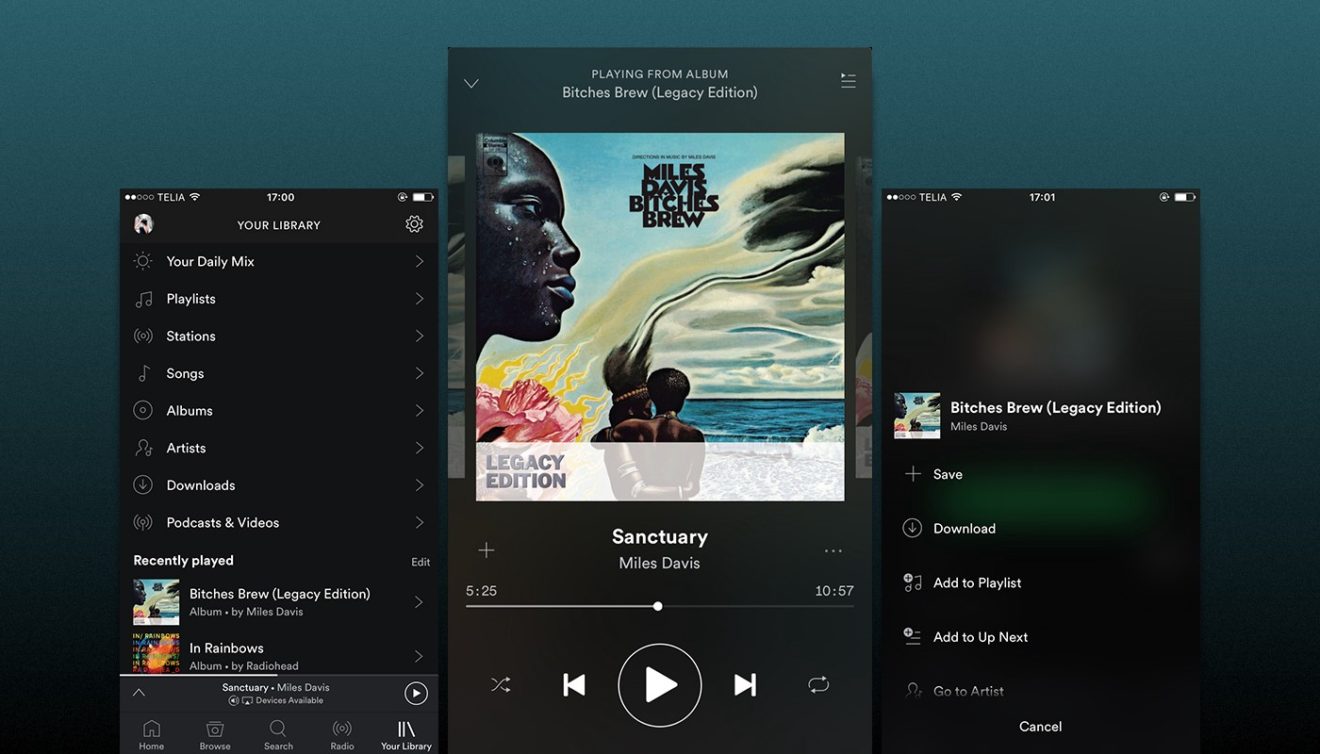
Just like arch-rival Apple, Spotify cares first and foremost about its music streaming service’s number of paying subscribers. Unlike Apple Music, though, the global leader of this thriving industry also welcomes people unwilling to pay for their favorite tunes, allowing them to listen to songs they might enjoy with ads, no offline support, and shuffle-only playing capabilities.
Tag: Speaker
-

Spotify joins forces with Amazon and Bose
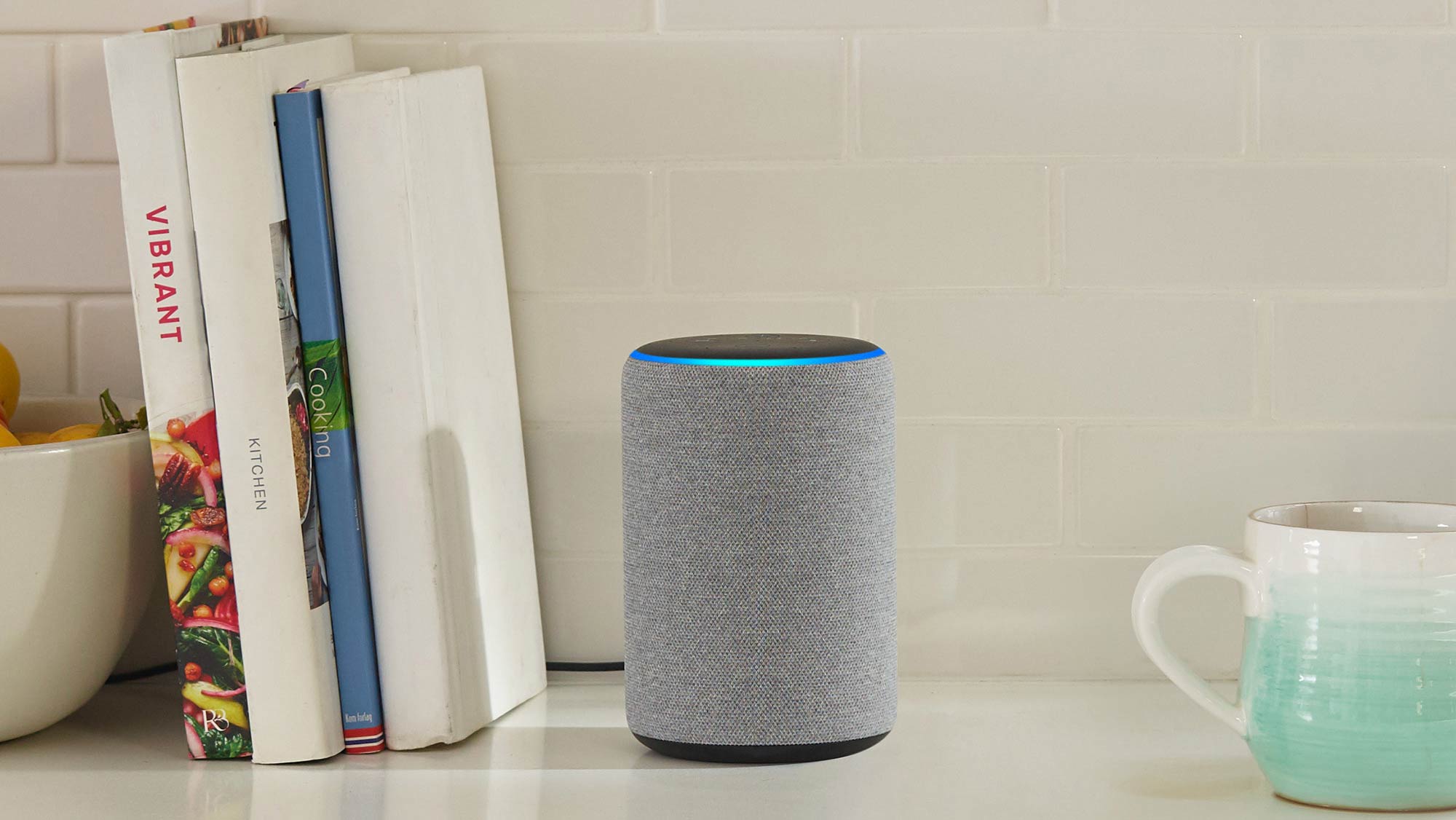
In addition to those compromises and a sound quality downgrade, Spotify Free users were imposed several restrictions until recently in terms of devices they could stream their music on, but now a bunch of restrictions are being lifted, which is likely to further expand the platform’s reach and boost its already impressive tally of 248 million monthly active users (including both paying and non-paying subscribers).Shortly after Sonos, Amazon and Bose are joining the list of major Spotify partners supporting free streaming on their popular smart speakers. That’s right, you can now ask Alexa to play Today’s Top Hits or a custom-made playlist on an Echo device or Fire TV. This is an especially notable event given Amazon’s own music streaming service includes a free, ad-sponsored tier as well, once again proving the e-commerce giant knows how to collaborate with rivals in mutually beneficial ways. It’s also interesting to point out Spotify has a history of high-profile marketing alliances with Google, so who knows, maybe its Premium subscribers will be offered free Echo Dots too in the near future.Linking your free Spotify account and setting the service as a default on an Echo or Echo Dot is as simple and straightforward as you imagine, with your detailed instructions available at this link here.Meanwhile, if you’re the proud owner of a high-quality Bose Home Speaker 300, Home Speaker 450, Home Speaker 500, Portable Home Speaker, Soundbar 500, or Soundbar 700, you’ll need to follow a set of even simpler instructions after updating your Spotify Connect or Bose Music app to the latest version to be able to stream and control your tunes over Bluetooth or Wi-Fi without spending a dime this holiday season. -
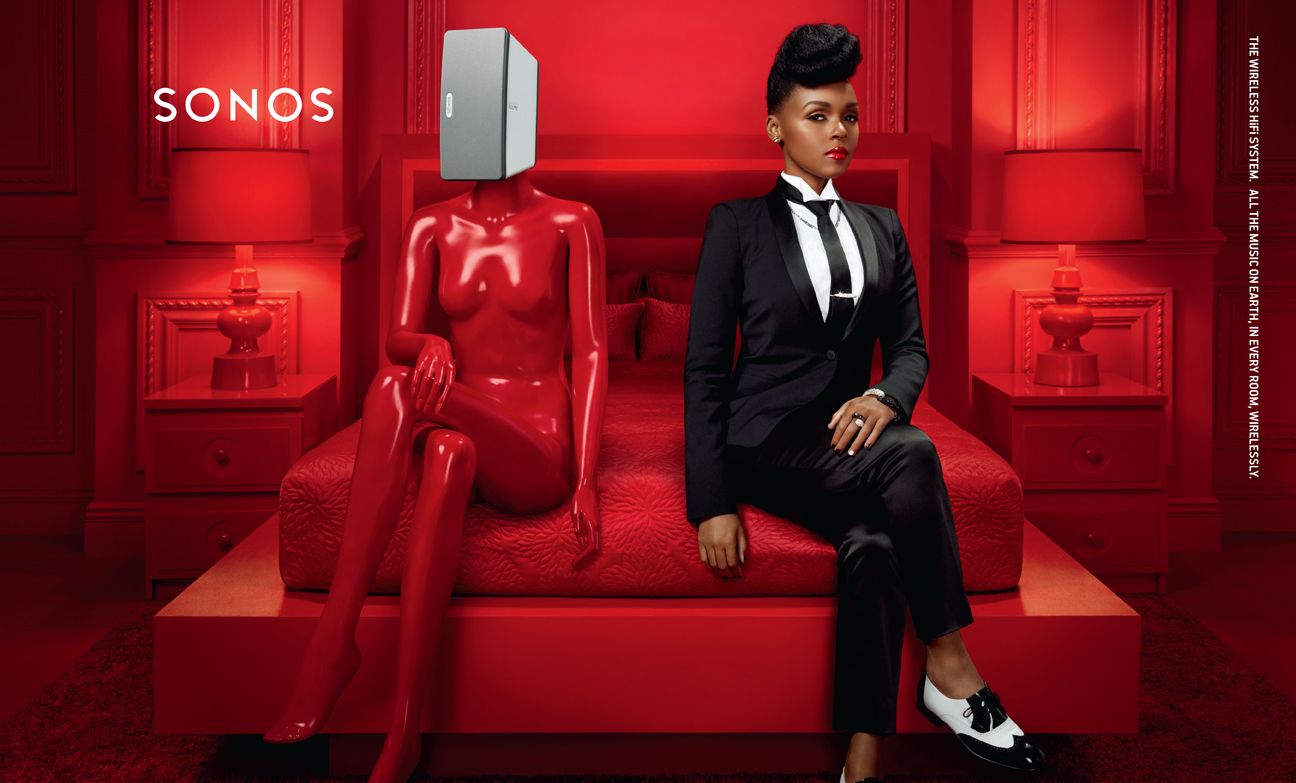
More Spotify users can now stream their music on popular Sonos sound systems
Unlike arch-rival Apple Music, Spotify has both free and paid service tiers, which explains why the industry-leading streaming platform jumped to a mind-blowing 248 million monthly active users at the latest quarterly count while racking up “only” 113 million premium subscribers.
Of course, it can be profitable to get people to use Spotify without paying a $9.99 standard monthly fee too, both because those users are likely to be inclined to upgrade to a Premium subscription in the long run and because one of the downsides of not paying for unlimited music streaming is being served the occasional ad, which naturally makes the company quite a bit of moolah.
As such, it shouldn’t come as a big surprise that a basic feature previously offered exclusively with Spotify Premium accounts is finally extending to Free users. Starting now, you can play your tunes on Sonos sound systems without having to sign up for a premium Spotify subscription. All you need to do after updating the Sonos app to its latest version is head to its Settings menu, then Services, and finally, tap the Spotify option to link your free account.
Apart from having to learn to live with ads constantly interrupting your jam sessions, opting for free Spotify access means listening to (most) tracks on shuffle and being unable to skip songs at will.
Like Spotify, Sonos has been taking a number of steps meant to further widen the appeal and reach of its high-quality but often expensive speakers and soundbars recently, adding Google Assistant support at long last and releasing the company’s first portable model that’s unsurprisingly costly.
-

Apple updates HomePod with important new features
Until Apple releases a HomePod Mini, we’re stuck with the regular one that comes at a higher price. Those who already cave in to Apple and bought one will be happy to know a new software update is now rolling out to all HomePod units out there.
The update brings a handful of new features and improvements such as the ability for Apple’s smart speaker to recognize the voices of different family members (up to six) so that it can provide a tailored experience for everyone.
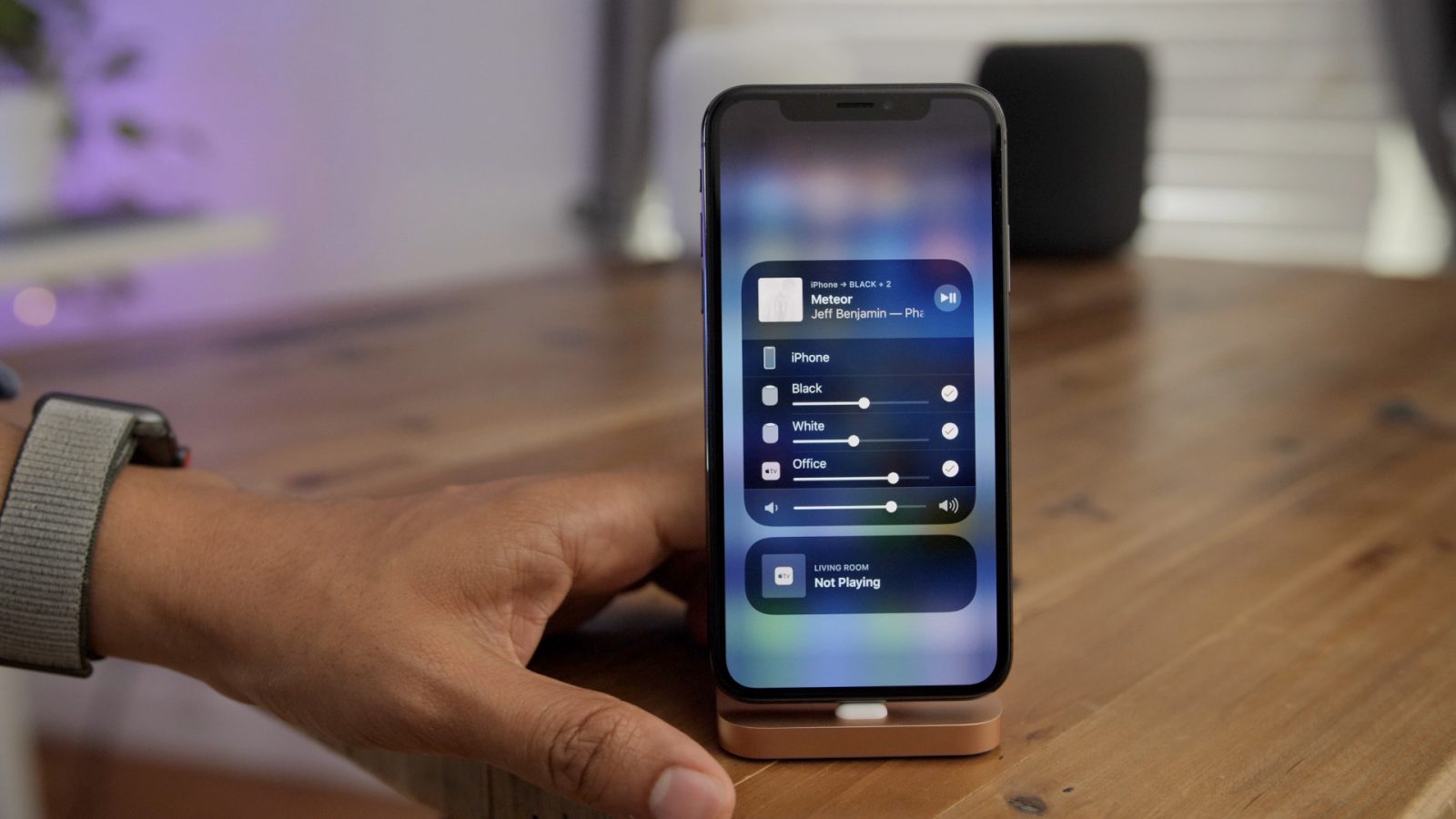
With the new handoff feature, HomePod users will be able to switch between the smart speaker and the iPhone much easier. The only thing you must do is keep your iPhone closer to the HomePod until a notification pops up on your display.
Also, after the latest update, you will be able to add music to your HomeKit scenes. Finally, the update introduces Ambient Sounds that should allow you to play relaxing high-quality soundtracks before you go to sleep. You can also set sleep timers to fall asleep to music or Ambient Sounds.
-

Sonos just the start of Ikea’s investment in smart home
Ikea Australia is previewing its highly anticipated collaboration with Sonos in its Tempe store, ahead of the national launch of the Symfonisk range in September.
The range, which includes a table lamp and bookshelf with built-in connected speakers, is just the start of Ikea’s push into the smart home space, the retailer said in a statement circulated on Friday.
“Ikea sees great potential in the smart home business,” Ikea Australia spokesperson Mark Mitchinson said in a statement.
“We strive to make solutions for life at home by integrating technology into our home furnishing offer that is easy to use and affordable, thereby making smart home technology accessible to many people.”
Mitchinson said there will be additional launches, enabling people to build onto their smart home solution in the years to come.
The Symfonisk range, which Ikea first announced in a video in January, will be available in-store and online from September 27.
Designed in collaboration with US smart speaker company Sonos, the range aims to “democratize music and sound in the home”, the retailer said in a statement.
“Sound enhances our life at home and the collaboration will enable many more people to create an atmosphere in the home with great design and sound,” Mitchinson said.
The range includes a table lamp with a built-in speaker, which Ikea said will help de-clutter homes by eliminating cords. Priced at $269, the lamp-speaker partly springs from the idea of a fireplace, the retailer said – one single piece that spreads warm light as well as sound.
It also includes a wi-fi bookshelf speaker priced at $149, which can double as a shelf that holds up to 3kg with the bracket. It can also be attached to almost any kitchen rail, the retailer said.
Both products are compatible with Sonos’ own product range and can be steered through the Sonos app.
They can also be steered via the Ikea Home Smart app, which is part of the retailer’s range of connected products, from speakers and charging pads to bulbs and light panels. The products are newly categorized under the collective name ‘Home Smart’, and share the common goal of saving customers time, money and energy.
Customers can experience Ikea’s new Symfonisk range and take part in immersive experiences at the retailer’s Tempe store in Sydney from yesterday, July 25, through to August 4.
-

Amazon’s Alexa Guard Arrived to Guard your Home
Even though music streaming remains the primary use case for Amazon and Google’s insanely popular smart speakers, it goes without saying Alexa and Google Assistant can do many other cool, innovative, and practical things simply by listening to your voice. The Echo lineup arguably maintains its superiority in the living room, hiding plenty of neat smart home tricks up its sleeve, the latest of which is specifically designed to keep an eye on things while you’re away.
Formally unveiled way back in September and made available by invitation only a couple of months after that, the very ingenious Alexa Guard feature is now rolling out more widely in the US at last. All you have to do to activate this functionality is remember to say “Alexa, I’m leaving” every single time you exit the premises of your house and want your digital assistant to keep its virtual ear to the ground.
After setting Guard to “away mode” with the aforementioned magic phrase, your Echo device will stay alert and send notifications to your phone if it detects the sound of smoke alarms, carbon monoxide alarms, or glass breaking. Obviously, you shouldn’t panic as soon as you get a “smart alert”, and instead try to determine if the danger detected by Alexa is actual cause for concern by listening to a 10-second audio recording from your house or even “drop in” on your Echo remotely to check exactly what its microphone is picking up.
By no means a replacement for a real security system, Alexa Guard can enhance the capabilities of popular setups from Ring and ADT, while also working in tandem with connected smart lights to discourage burglary attempts. Most importantly, the feature naturally doesn’t cost a thing. The latest version of the mobile Alexa app lets you enable it from the “Settings” menu, where you’ll find a Guard-dedicated subsection containing simple step-by-step setup instructions.
-

Sonos to bring Google Assistant to its smart speakers
The neverending saga regarding Sonos connected speakers and Google Assistant is about to end next week if the American company keeps its most recent promise. After a few years of uncertainty, the situation is about to get out of limbo with Sonos finally delivering Google Assistant support to its high-end speakers.
As the company announced back in January, the Sonos One and Sonos Beam will receive an update that will make Google Assistant available to users. The information has been confirmed by Sonos in a shareholder letter released ahead of the company’s quarterly earnings call.
The update that will add Google Assistant support will be available next week in the United States, but Sonos plans to bring it to other markets as well in the “next few months.” Although Sonos’ previous statement confirmed Google Assistant will be added to older speakers as well, the shareholder letter doesn’t include any mentions to these devices.
We’ll update the story once Google Assistant support hits the Sonos One and Sonos Beam, but if what the US company says it’s true, you should be able to start using Google’s personal digital assistant no later than next week.
-

Samsung’s Galaxy Home Finally to Arrive
In addition to being the world’s largest handset vendor, Samsung also continues to dominate the TV market while supplying the vast majority of smartphone displays out there and topping global chip sales. The tech giant is a major tablet and smartwatch manufacturer as well, but one industry the company hasn’t been able to crack just yet is ruled by arch-rivals Amazon and Google.
We’re talking about digital assistants in general and AI-powered smart speakers in particular, like Bixby and the Galaxy Home aren’t exactly considered serious challengers for Google Assistant, Alexa, and their army of standalone devices designed for home use. Of course, a big reason why the Samsung Galaxy Home hasn’t managed to take off might be that it’s still not actually up for grabs anywhere around the world.
First showcased a whopping nine months ago, the Google Home Max and Apple HomePod rival looked destined for an impending commercial debut several times since then, but unfortunately for Samsung, none of the optimistic rumors floating around materialized. At one point, the company’s own CEO was reportedly quoted as teasing this bad boy’s arrival “by April”, although subsequent statements brought back the vagueness, hinting at a launch in the “first half of 2019.”
With the HomePod and Google Home Max out for a few years now, not to mention a flurry of lower-end, lower-cost models from both Google and Amazon, it felt late for the Samsung Galaxy Home to join the party even last fall. But while Bixby is still widely derided or, at best, ignored, its recent progress is also undeniable. Apart from handy voice assistance and smart home controls, Samsung’s first in-house smart speaker aims to shine in the audio quality department thanks to premium AKG enhancements. Perhaps that could be its saving grace.
-

Google Assistant brings its bedtime stories to Smartphones
One of the major Google Assistant features aimed at children, the ability to tell them stories, made its way to Google Home smart speakers about two years ago. Starting this weekend, the so-called Tell Me a Story feature, which is available in English, will be coming to Android and iOS phones in the US, UK, Canada, Australia and India.
To activate the feature, simply say “Hey Google, tell me a story,” but you can also use the “Hey Google, tell me a bedtime story” if you want to get your kids ready for bed. Before you’ll be able to do that, make sure that you have the latest version of Google Play Books for Android or iOS installed.
In addition to being able to listen to bedtime stories, families in the United States will be given access to a feature called read along, which is available on all Google Home smart speakers, including Home, Mini, Max, and Hub. Thanks to this feature, your bedtime stories will be more immersive since Google Assistant will add sound effects as you read select Disney Little Golden Books aloud, such as Coco, The Three Little Pigs, Alice in Wonderland, and many more.
If you want to use read along, you’ll have to use a different command: “Hey Google, let’s read along.” You’ll also be able to ask Google Assistant to read an audiobook on Google Play by saying “Hey Google,” and you’ll hear a free sample if you don’t already own the audiobook.
Keep in mind that audiobooks are available on Google Assistant in English in the US, Australia, Canada and Great Britain, in addition to German and Japanese.
-

SK Telecom unveils AI smart speaker
SK Telecom has revealed plans to launch a new AI voice activated digital assistant named NUGU Nemo.
NUGU Nemo is an AI speaker with a 7-inch display that contains a range of free video and learning content for children.
This includes Pinkfong from SmartStudy, which comes with a range of video and audio content as well as games aimed at helping kids learn Korean, English and mathematics.
The device uses video recognition technology to protect children’s’ eyesight by advising them to move back from the screen if they move within 15cm of it.
For adults, the device displays information on its screen including stock information, real-time foreign exchange rates and a Korean-English dictionary to enhance user experience.
The device will be priced at 199,000 won ($175) and be available to preorders from April 23, SK Telecom said.
-

Qualcomm’s new line of chips will make smart speakers better than ever
Qualcomm, manufacturer of the popular Snapdragon chips that power billions of devices, is now aiming to dominate another segment of smart products: speakers and displays with voice assistant support. To do that, the company announced today a new family of chips called the QCD400 Series Smart Audio SoCs. The new chips are designed specifically for the needs of smart speakers like the Google HomePod and Home mini, Amazon’s Echo lineup and others. That is why Qualcomm has focused on two main aspects: sound reproduction and voice recognition.
The QCS400 line promises “truly superior audio performance” that should come not only from Qualcomm’s own technologies, but support for Dolby Atmos and DTS:X as well. The chips will be capable of supporting up to 32 audio channels.
To make your communication with the voice assistant better, Qualcomm is once again putting AI to use. The AI should help with voice recognition so you can expect fewer misheard words and phrases in the future. The new chips should also allow the device to better separate voices from background noises or music and detect trigger words easier.
Besides those main capabilities, Qualcomm is also looking to improve a couple more things that are also quite important.The first one is an improvement in power consumption which will come handy for portable Bluetooth speakers and other battery-powered devices. Devices with the new chips are expected to have a significantly longer standby time during which voice wakeup will be available.
And finally, the new chips will ensure that your smart device is always well connected. Whether that is to the internet via Wi-Fi or to your phone through Bluetooth, Qualcomm has made improvements in any aspect of the smart speaker connectivity.
The QCD400 chips are four in total, two of them are for audio only. The least powerful is the dual-core QCS 403, followed by a quad-core QCS404. The two chips that come with video capabilities have the Adreno 306 GPU and support HDMI. Only the highest tier chip, the QCS407 supports 32 channel audio, while the rest top up at 12 channels.
If you’re a frequent user of smart speakers these new developments are good news for you. And if not, well, you’re probably concerned about the fact that soon these pesky always-listening devices will be able to hear you even better. Like them or not, it seems they’re here to stay!
-

Amazon’s first-gen Echo well priced for Launch
Smart speakers have become a global phenomenon less than five years after the limited release of Amazon’s original Echo, with an estimated installed base of 66 million units in the US alone as of December 2018, and around 100 million devices in use worldwide, according to a slightly older market report. Naturally, there are now more options than ever for smart speaker buyers, ranging from the ultra-affordable Echo Dot and Google Home Mini to premium Echo Show models with screens.
But if you can find it, the first-generation Amazon Echo is still a pretty great choice, fetching a significantly lower price than back in the day. We’ve seen this tall and handsome cylinder cost as little as $30 in refurbished condition with a 90-day warranty included last month, and although the newest deal may not look quite as irresistible at first glance, it’s actually better in a way.
That’s because AT&T appears to sell brand-new Echo units at $50 apiece right now, no doubt throwing in a standard one-year manufacturer warranty. That’s a whopping $129 off the smart speaker’s original list price, as well as $50 less than what the second-gen Echo usually fetches. It’s also pretty much on par with the typical price of a third-gen Echo Dot, which obviously packs significantly less power in a diminutive body.
Despite its advanced age, the OG “regular” Amazon Echo is largely capable of the same things as all the new Alexa-controlled smart speakers, including hands-free music streaming, smart home management (with compatible accessories), setting alarms, timers, and reminders, reading the news, answering the most diverse and complex questions, and even making voice calls, as well as sending and receiving messages. There are also loads of new Alexa skills added every day, all of which are supported on the full range of Echo devices.
-

Number of AI speakers in Korea to hit 8 million
The number of artificial intelligence (AI) speakers in Korea is expected to reach the 8 million mark in the new year as the devices gain popularity, a report by a local digital media lab said Sunday. According to the findings by KT Group affiliate Nasmedia, some 40 percent of the country’s 20 million households will likely have an AI speaker in 2019. The numbers represent a sharp increase from just 1 million units supplied in 2017 and the nearly 3 million that have reached the market this year.
“The rise in demand comes from greater choice in terms of the products being offered, as well as more upgraded features that have made the AI speakers more attractive to ordinary consumers,” the 2019 digital media and marketing forecast report claimed.
It added that greater competition among manufacturers to secure the growing market is fueling the spread of such smart devices.
Korean companies – such as SK Telecom, KT, Naver and Kakao – have all rushed to release new AI speakers.
Nasmedia said that, in particular, there has been considerable competition in the area of children-related content and audio shopping services with companies vying with one another to “lock” customers into their ecosystem.
The speakers have been marketed as personal home assistants for adults and even as private tutors for small kids.
-

Devialet is expanding in Asia
Nowadays, new technologies and innovations enable consumers to improve their lifestyle. In the domain of audio, it allows music to be more accessible, while delivering a better quality of sound. It is through this vision that Devialet operates in the industry.
Devialet is a French tech start up and innovator in breakthrough sound technology. The brand invented proprietary technologies to deliver the highest sound quality including ADH (Analog Digital Hybrid) Intelligence. This invention enables hybridization between the preciseness of analogue sound and the power of digital to produce a sound with the upmost clarity without any saturation or distortion. This innovation constitutes a major milestone in the history of the audio industry. Founded in 2007 by three French co-founders, Devialet quickly imposed itself in the audio market as a high-tech innovative brand. Indeed, its disruptive technology is combined with an iconic design to offer desirability and uniqueness.
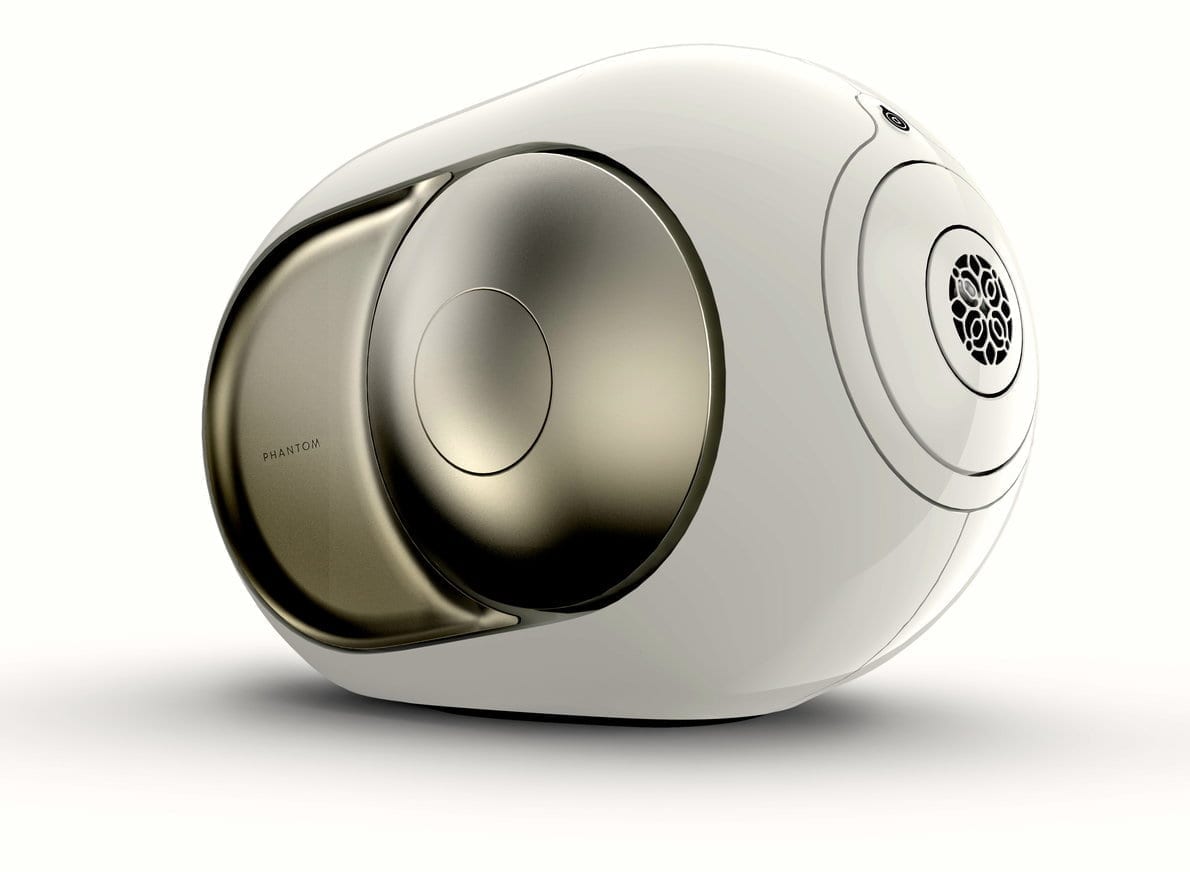
Two lines are available on the market at the moment. The Expert Pro range, introduced in 2010, features the best performance amplifier systems for audiophiles regardless of the price and size. In parallel, the Phantom – a high performance wireless speaker featuring Devialet’s proprietary technology has been available since 2015. Phantom is the pinnacle of high-end audio devices, delivering a revolutionary acoustical experience that has zero distortion, saturation or background noise. The Phantom is available in three different specifications: Phantom (750W, 99dB), Silver Phantom (3000W, 105dB) and Gold Phantom (4500W, 108dB).
As Julien Bergère, General Manager of Devialet Asia Pacific tells us, it is hard to identify a specific profile of consumer. He justifies his opinion by stating that “music is universal” and customers need to “experience the power of Devialet sound for themselves”. To Julien, it’s “always interesting to welcome a customer whose intention is to purchase a Bluetooth audio system retailing at 300USD for example, who then ends up purchasing our Phantom which starts at just over 2,000USD”. In order to create such opportunities, Devialet is working on further developing its brand awareness and securing high visibility and high traffic premium retail locations. In this way, the brand can deliver an intense audio experience that potential customers will remember.
In addition to its strategic locations, Devialet also places great emphasis on its store design to enhance the customer’s experience. All of the boutiques have at least one sealed listening room where customers can enjoy sound demos from the Phantom range. This original retail concept allows the brand to share the Devialet difference with potential customers and in the case of the Harbour City store with two listening rooms – multiple clients can enjoy a private demo at the same time. According to Julien Bergère, this is the “key to discovering the power of Devialet sound”. This concept was first introduced in Hong Kong in 2016. An immersive room (a Devialet pop-up concept) was installed in Pacific Place for local customers to experience the Phantom.
Moreover, this pop-up triggered the beginning of Devialet’s retail expansion in Asia. The first flagship store opened in January 2017 in Hong Kong’s IFC mall, followed by the opening of a second store in Harbour City on June 22nd 2017. A Devialet immersive room will also open in Festival Walk in July. Elsewhere in Asia, a Devialet immersive room launched in Taipei on 1st June and the brand will open two stores in Singapore in July to accelerate its expansion in the region.
This consequent growth comes with the Devialet’s will to innovate and share their passion. Julien Bergère mentions the importance of partnerships to enhance the brand’s experience further. As he says, “we are looking for partnerships that speak to our hearts as musicians”. In March of this year, Devialet launched a partnership with the French leather-maker Berluti to create a limited edition leather Cocoon (the Phantom travel bag), which is available in Hong Kong with extremely limited quantities. In parallel, Devialet announced a 10-year partnership with the Paris Opera, which will start in September with a series of collaborations. This includes a Sound Discovery Area inside the Paris Opera, a co-branded product line and an Opera “hors le murs” outside the walls project, offering new way to listen to and experience opera through live-streaming. Again, this illustrates the constant desire to innovate and improve consumer’s lifestyles and elevate the listening experience.
-

Apple debuts HomePod speaker to bring Siri into the living room
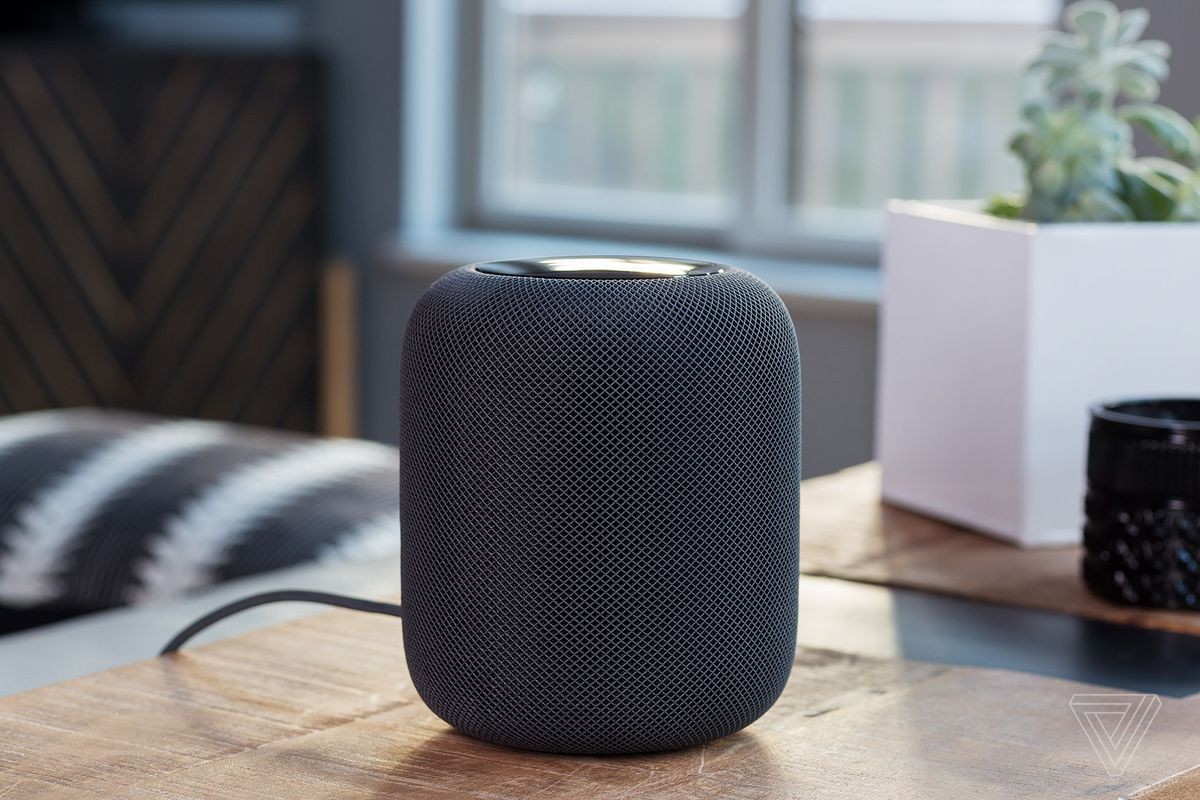
The HomePod speaker stands just under seven inches (18 cm) tall and is covered in fabric mesh that will come in white or gray. Apple on Monday introduced the HomePod, a voice-controlled speaker that can make music suggestions and adjust home temperatures, taking aim at Amazon.com’s Alexa feature and Echo devices.
The move is the first into a completely new area by Apple for more than two years as the world’s most valuable technology company looks to make up for a dip in iPhone sales and new ways to get customers to use more of its money-making apps and services.
Apple’s Siri assistant will be integrated into the $349 speaker, and can make music recommendations that pair with the company’s Apple Music service, send text messages, check news and sports scores and control compatible home gadgets like lightbulbs and thermostats.
HomePod users may initially be constrained by Siri’s lack of capabilities as compared to Alexa, which also boasts the ability to order millions of Amazon products as well as food from restaurants like Domino’s.
Apple is expected to announce plans this week to make its Siri voice assistant work with a larger variety of apps, but initial changes were expected to add just a small number of capabilities.
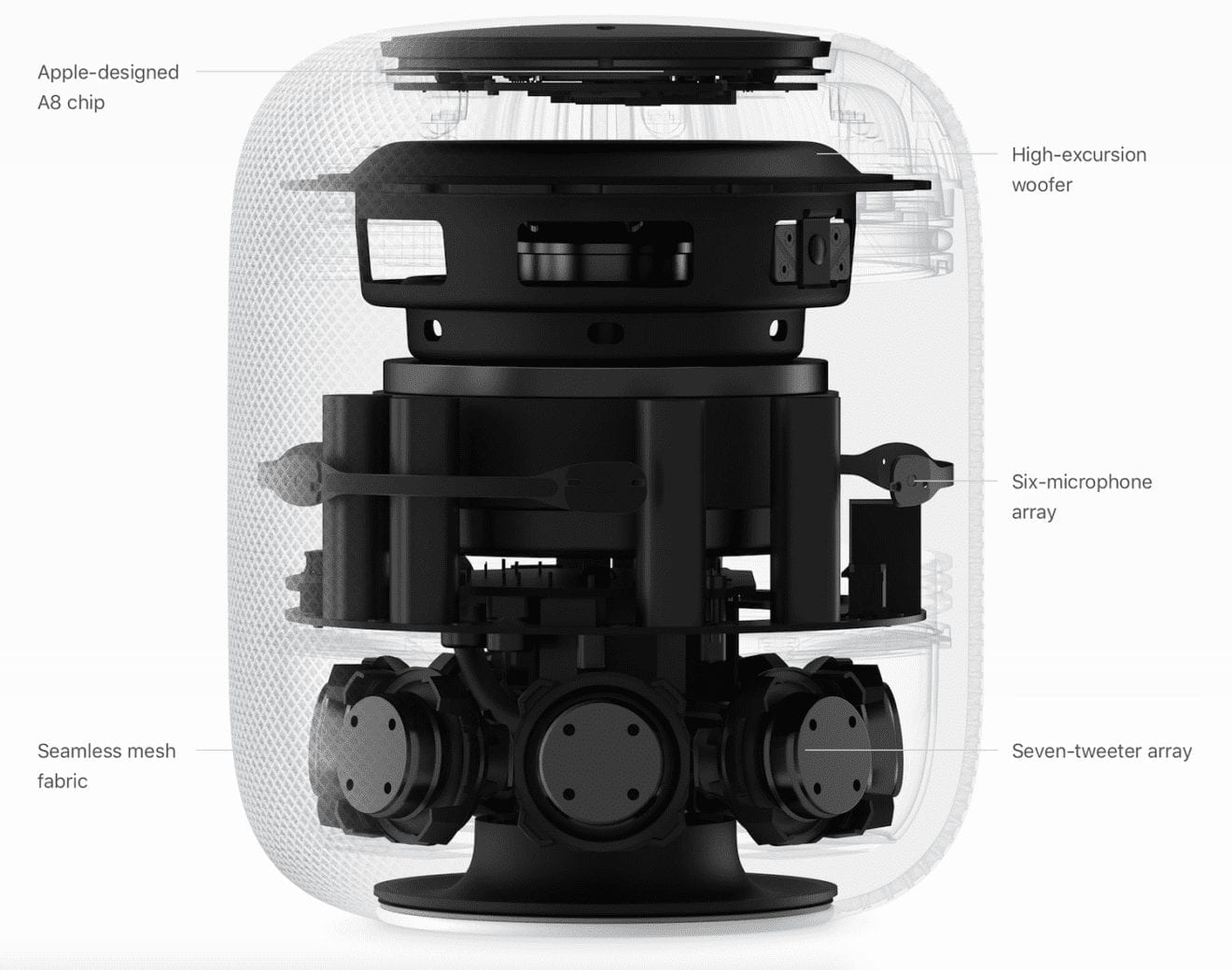
Apple will begin shipping the HomePod to the United States, Britain and Australia in December.The HomePod speaker stands just under seven inches (18 cm) tall and is covered in fabric mesh that will come in white or gray. A computer processor will tune sound to the room and beam specific parts of music, like a singer’s voice, toward the listener.
The speaker, while expected by some industry watchers, marked Apple’s first new product announcement since the Apple Watch in September 2014. As a music-playing device, it will also be a challenger to Sonos, whose wifi-controlled speakers are used by many smartphone users for home entertainment.
A new Siri interface on the Apple Watch will also blend users’ calendar information with other useful details, like airline tickets they may have booked, the company said.The Cupertino, California-based company said Siri, which also competes with Alphabet Inc’s Google Assistant, will now work across devices.
Apple shares closed down 1 percent at $153.93, not far below the all-time high set last month.Apple also used its annual developer meeting in San Jose, California – its largest ever with some 5,000 people attending – to offer hints about so-called augmented reality technology.
Augmented reality
The technology, a feature of the wildly successfully smartphone game Pokemon Go, overlays digital information on real-world images and is seen as an area in which the keenly awaited 10th-anniversary iPhone can stand out from competitors.
New indoor maps of areas like malls and airports indicated that Apple might be laying groundwork to display information over images of those places in the future.
The company also rolled out tools for developers to create augmented reality applications for iPhones and iPads. To show the tools off, Apple invited Wingnut AR, the company formed by “Lord of the Rings” director Peter Jackson, on stage.