Tag: specialty retail

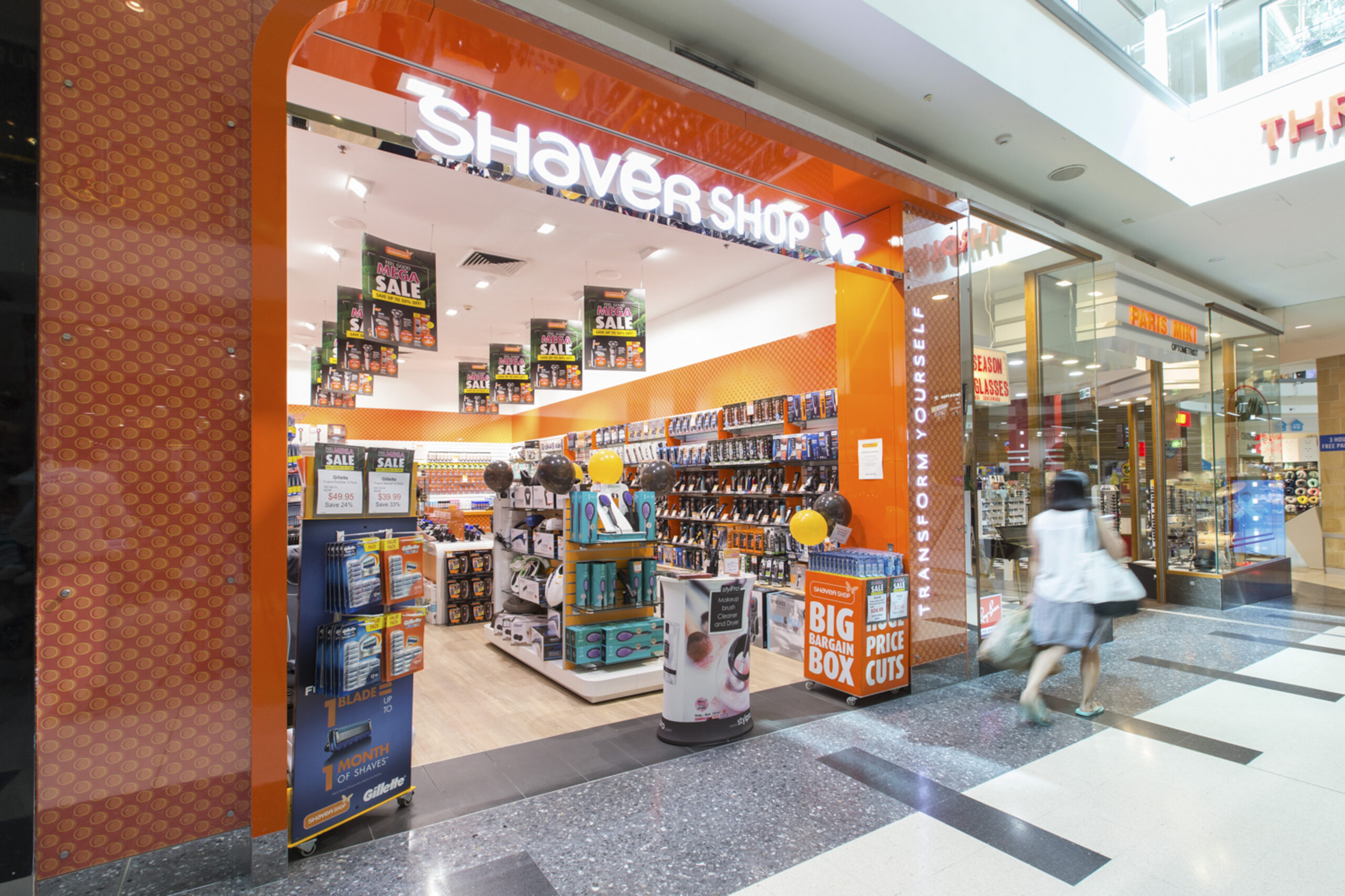
  • Shaver Shop Posts Record FY26 Sales of AU$225.1M Before Early FY27 Slump

    Shaver Shop Posts Record FY26 Sales of AU$225.1M Before Early FY27 Slump

    Shaver Shop generated record sales of AU$225.1 million in the year ended June 30, lifting annual revenue by 3 per cent.

    Gross profit climbed 4.7 per cent to a record AU$104.2 million as the personal grooming specialist leaned on higher-margin private labels to counter inflation.

    Private brand Transform-U drove much of the margin gains, accounting for about 8 per cent of total sales compared with 3.4 per cent in the prior year. Managing director and chief executive Cameron Fox noted that strong operating execution helped offset macroeconomic headwinds that intensified during the second half.

    Store expansion and the early FY27 drop

    The retailer altered its store footprint across the twelve months by opening three new sites and shuttering one underperforming location. That brought the store network to 126 shops at the end of June, followed by a new store opening in Brighton in late July.

    Trading conditions deteriorated immediately after the financial year closed. Sales between July 1 and August 22 dropped 3.2 per cent compared to the prior corresponding period, while like-for-like sales fell 4.3 per cent.

    Management blamed the slow start on heavy promotional discounting pulled forward into June, paired with stock shortages and transport disruptions across supplier networks.

    Margin defence through private labels

    Specialty personal care and electronics chains across the region face tighter household budgets, forcing operators to rely on exclusive brand ranges rather than top-line volume growth. Shaver Shop’s strategy mirrors broader retail trends where house labels provide a vital buffer against freight costs and supplier price hikes.

    Gross margins through the first eight weeks of the new financial year tracked slightly above last year despite the top-line decline. Attention turns to whether supplier shipments stabilise before peak holiday inventory build-up begins in October.

  • SM Retail’s First-Half Profit Rises Amid Strong Consumer Demand and Store Expansion

    SM Retail’s First-Half Profit Rises Amid Strong Consumer Demand and Store Expansion

    SM Retail achieved a 5% rise in net income during the first half of 2026, reaching US$143.8 million (PHP8.9 billion). The Philippine retail giant attributed this performance to sustained consumer demand for daily necessities and the ongoing expansion of its physical store footprint.

    Operating income saw an even stronger increase, climbing 12% to US$226.2 million (PHP14.0 billion). This indicates the company’s effective management of operational costs, even in a period of higher inflation. SM Investments Corporation President and CEO, Frederic DyBuncio, highlighted the resilience of the Filipino consumer despite recent economic challenges, noting the robust performance of their consumer-led businesses and the contributions from a diversified portfolio.

    Diverse Growth Across Segments

    The company’s food retail sector demonstrated consistent sales growth across its supermarket and minimart chains. Specialty retail also saw higher sales, particularly in the Home, Other Fashion, and Kids categories. The Home category’s growth was fueled by continued demand for alternative power sources, while the Other Fashion segment was boosted by brands like Kultura and Crocs. The Kids category benefited from increased spending on toys, pet supplies, and stationery.

    SM Retail’s strong showing contributed significantly to SM Investments’ overall consolidated net income, which reached US$741.7 million (PHP45.9 billion) for the first half, an 8% increase from the previous year. Retail accounted for 15% of SM Investments’ net income, following banking (47%) and property (27%). The group’s mall business also reported an 8% revenue increase to US$675.5 million (PHP41.8 billion), a result of higher occupancy rates, stronger tenant sales, and improved operational efficiency.

    Strategic Outlook for Continued Expansion

    Looking ahead, SM Investments CEO Frederic DyBuncio expressed optimism for the second half of the year, while acknowledging potential macroeconomic uncertainties. He stressed that the company’s diversified portfolio, prudent balance sheet, and disciplined approach to capital allocation position it well to continue investing in the Philippines. This strategy aims to create long-term value for customers, communities, and shareholders.

    The emphasis on physical store expansion and diversified retail formats aligns with broader trends in Southeast Asia, where companies often combine digital strategies with a strong brick-and-mortar presence to capture varying consumer preferences and reach underserved areas. Retailers across the region are increasingly focusing on everyday essentials and adapting their offerings to meet shifting consumer priorities, especially after periods of economic fluctuation.