Retail News CRM

Tag: speed

  • Balancing Speed and Security: UOB CEO Wee Ee Cheong’s Take on AI Adoption in Fintech

    Balancing Speed and Security: UOB CEO Wee Ee Cheong’s Take on AI Adoption in Fintech

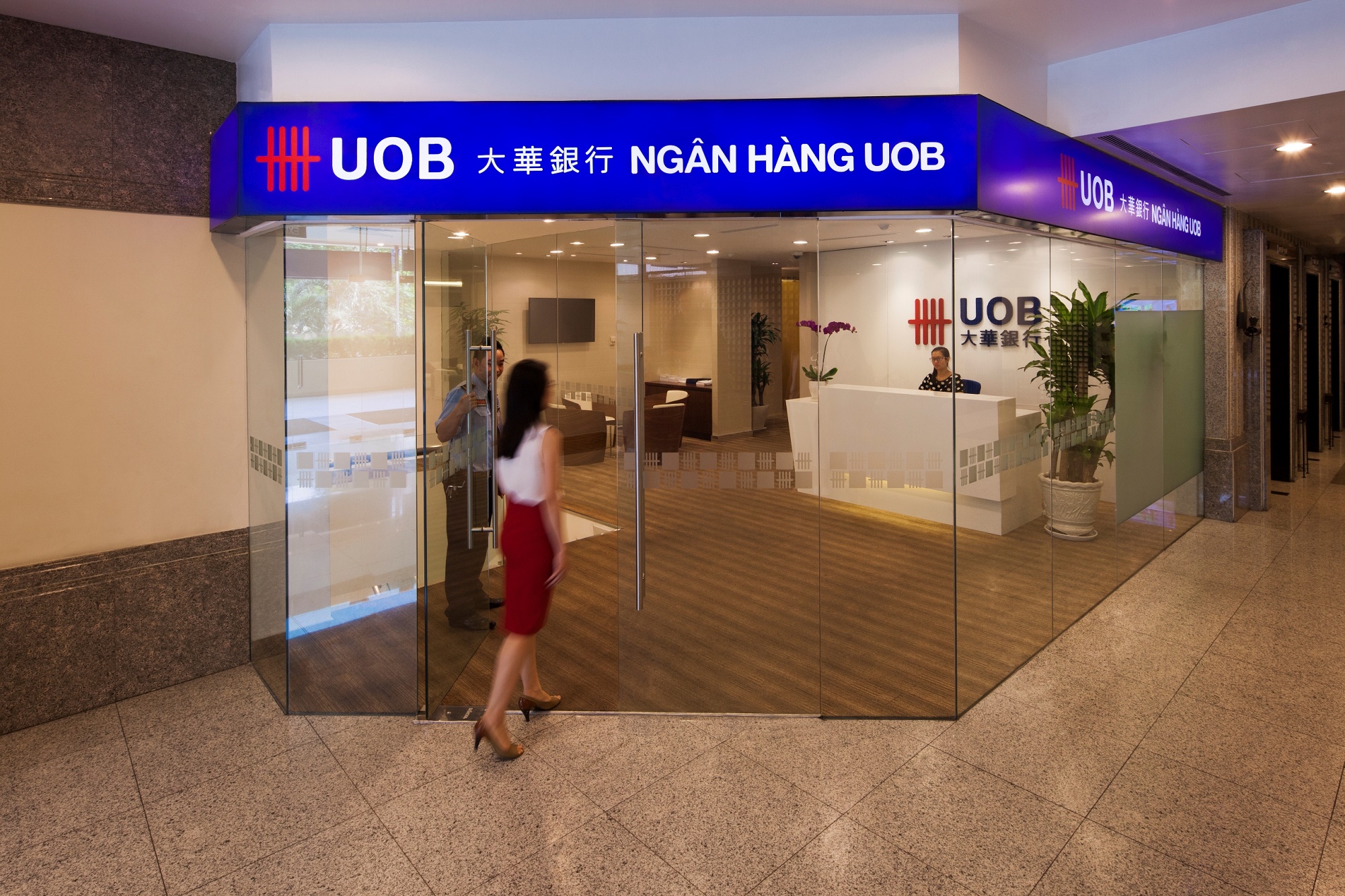
    United Overseas Bank (UOB) CEO, Wee Ee Cheong, recently expressed his concerns over the potential risks that come with the swift implementation of technology. He emphasized that in the financial services sector, ensuring security and maintaining trust is crucial to prevent undesired consequences.

    Striking a Balance between Progress and Risk

    There’s no denying that the integration of artificial intelligence (AI) brings about a myriad of advantages. However, it is equally important to recognize that with these benefits comes an array of risks. These risks can take various forms, from distorted results due to faulty data interpretation, breaches of data privacy, to the rise of sophisticated fraudulent activities. Wee Ee Cheong highlighted that the pace at which these technologies are adapted should be tempered with appropriate security measures.

    According to Wee, “Speed without security is fragile. The foundation of lasting relationships is trust,” while speaking at the Singapore FinTech Festival in 2025. He underscored the importance of regulatory transparency and the need for standardization within the industry.

    AI: An Aid, Not a Substitute

    Wee also shed light on the broader societal implications of the widespread use of AI, emphasizing that technology cannot and should not replace humans.

    “AI cannot replicate the empathy in advice, the ethics in decision-making, or the leadership and judgement that builds trust over time,” said Wee. He stressed the role of AI as a tool to assist humans in improving efficiency and increasing productivity rather than replacing them.

    A “Mindset-First” Approach

    Wee proposes that the financial sector should adopt a “mindset-first approach”. This approach centers on problem-solving guided by purpose and value, as opposed to a “technology-first approach” that promotes innovation solely for its own sake.

    As an illustration of this approach, he mentioned initiatives at UOB such as a program that has assisted 1,000 SMEs in Southeast Asia in the initial stages of AI integration and efforts to improve the skills of the bank’s 32,000 employees through an innovation academy.

    By working together, Wee believes we can shape a financial industry that is resilient, adaptive, and aligned with society’s changing needs and values.

    Questions & Answers

    What are the potential risks associated with the rapid adoption of AI in the financial sector?
    Answer: Risks can range from data misinterpretation leading to inaccurate results, violation of data privacy, and the emergence of sophisticated fraud schemes.

    What is the role of AI according to UOB CEO, Wee Ee Cheong?
    Answer: Wee views AI as a tool to aid humans in increasing efficiency and productivity, not as a replacement for human empathy, ethics, leadership and judgement.

    What approach does Wee advocate for in the financial sector regarding technology adoption?
    Answer: Wee advocates for a “mindset-first approach” that focuses on problem-solving guided by purpose and value, as opposed to a technology-centric approach that promotes development purely for the sake of innovation.
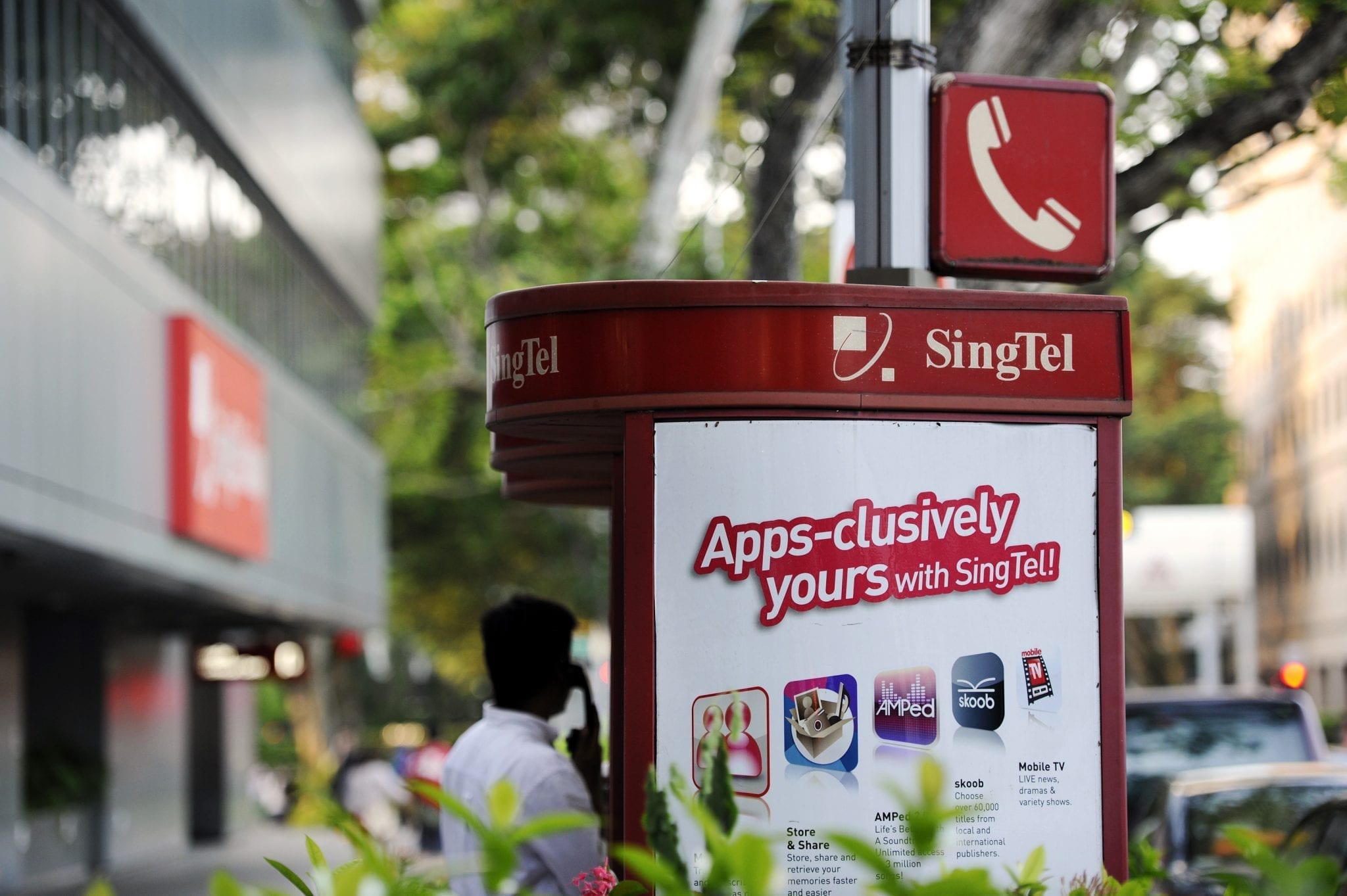
  • Singtel, Ericsson And Hp Launch 5g+ Workspace: Revolutionizing Esim Management And Enterprise Security

    Singtel, Ericsson And Hp Launch 5g+ Workspace: Revolutionizing Esim Management And Enterprise Security

    In a joint venture with Ericsson and HP Inc, Singtel has launched a service featuring the Ericsson Enterprise Virtual Cellular Network. This service automates eSIM profile management, allowing zero-touch provisioning and secure access to corporate applications from nearly any location. This automation gives enterprises total control over eSIM activation and deployment, thus simplifying operations and reducing IT overhead.

    5G+ Workspace and HP’s Role

    The 5G+ Workspace is also equipped with HP’s enterprise-grade, AI-ready laptops and digital workplace tools. This combination simplifies device management for modern, geographically dispersed teams. Each device is fitted with Singtel’s 5G+ eSIM during production, ensuring secure connectivity straight out of the box. The intelligent management platform automatically activates 5G connectivity according to company policies, enabling IT teams to manage devices, monitor usage, and optimize the employee experience throughout the device’s lifecycle.

    Addressing Hybrid Work Challenges

    With 76% of employers in Singapore transitioning to hybrid work models, concerns about connectivity, security, and IT complexity have emerged. Singtel’s 5G+ Mobile Workspace addresses these concerns by offering a secure, intelligent mobility platform that supports cloud-native, AI-driven applications on a large scale.

    Benefits of the 5G+ Mobile Workspace

    The 5G+ Mobile Workspace provides flexible, secure, and cost-effective real-time communications, including voice, messaging, and video, without the need for additional infrastructure investment. Security is enhanced through SingVerify and Mobile Protect, which authenticate digital identities and block threats before they reach users’ devices, even when abroad.

    Enterprise Mobility Management

    Singtel’s unified dashboard allows IT teams to have full visibility and control over enterprise mobility. From a single interface, teams can monitor device usage, enforce compliance, allocate resources, and apply access policies by app, user, or location. This efficient approach eliminates the need for on-site infrastructure and simplifies operations across distributed workforces.

    The platform also supports the direct activation of advanced network services like network slicing, which facilitates high-speed data transfer and real-time analytics.

    5G+ Coverage and Performance

    Singtel’s nationwide 5G+ coverage, including the 700 MHz spectrum, ensures stronger indoor connectivity, ultra-low latency, and speeds up to four times faster. Singtel has demonstrated the scalability of its 5G+ network at high-traffic events, maintaining seamless connectivity even during peak demand.

    Questions & Answers

    What is the purpose of the Ericsson Enterprise Virtual Cellular Network?
    The Ericsson Enterprise Virtual Cellular Network automates eSIM profile management. This allows for zero-touch provisioning and secure access to corporate applications from almost any location.

    How does the 5G+ Workspace benefit distributed teams?
    The 5G+ Workspace simplifies device management for modern, geographically dispersed teams. It automatically activates 5G connectivity according to company policies, enabling IT teams to manage devices, monitor usage, and optimize the employee experience throughout the device’s lifecycle.

    What security measures does Singtel’s 5G+ Mobile Workspace offer?
    The 5G+ Mobile Workspace enhances security through SingVerify, which authenticates digital identities, and Mobile Protect, a network-level defense that blocks threats before they reach users’ devices, even when users are abroad.

  • Singapore raises alarm over speeding violations

    Singapore raises alarm over speeding violations

    Singapore will impose stricter penalties for speeding from next year, following a sharp rise in road accidents, fatalities, and violations over the past years.

    Singapore’s Home Affairs and Law Minister K. Shanmugam said on Feb. 15 that the number of road accidents in the country has increased “very significantly” since 2020.

    In 2024, there were nearly 7,200 accidents with 142 fatalities, while the number of speed-related fatal incidents shot up by almost 44% from 2023, to 46.

    The number of speeding violations detected – 192,000 – was also the highest in the past decade, Shanmugam noted.

    While the Traffic Police have stepped up enforcement, such as activating the speed enforcement function in red-light cameras, he said more needs to be done to change or shape behavior.

    To address this issue, the Singapore Road Safety Council (SRSC) is collaborating with various stakeholders to develop public education initiatives aimed at promoting road safety awareness, including the use of social media to reinforce safe driving habits.

    Starting Jan. 1, 2026, the demerit points and total penalties for speeding violations in Singapore will be increased.

    Singaporean authorities will provide further details on the new penalties in due course.

  • Telstra Boasts Fastest Speed in Australia

    Telstra Boasts Fastest Speed in Australia

    Telstra is Australia’s fastest mobile network for the first half of 2022, based on results from the Ookla Speedtest Awards from January to June 2022.

    Telstra has a median download speed of 81.57 Mbps and median upload of 11.38 Mbps, representing an improved speed from the second half of 2021.

    Telstra also has the fastest mobile network speeds in the cities of Sydney, Greater Melbourne and Greater Brisbane – where nearly half of Australia’s overall population resides.

    “Keeping our customers connected is at the centre of everything we do, and one part of that is giving customers access to the largest and most reliable mobile network in Australia. That includes expanding our 5G coverage to allow for faster speeds as well as improving the capacity of our 4G network, and it’s also about the new technologies we’re developing like mmWave 5G,” Telstra commented.

    Telstra currently covers 80% of Australia’s population with 5G, with plans to roll out 5G to 95% of the population by 2025.

  • Global broadband less affordable in 2021

    Global broadband less affordable in 2021

    Internet connectivity became less affordable around the world in 2021, according to the latest statistical analysis by the International Telecommunication Union (ITU) and the Alliance for Affordable Internet (A4AI).

    The share of people’s incomes spent on fixed broadband and mobile Internet services increased globally last year, in parallel with upticks in demand and usage compared to 2020, reveals an ITU-A4AI policy brief, “The affordability of ICT services 2021”.

    Relative prices of fixed broadband services climbed to 3.5% of gross national income (GNI) per capita globally in 2021, up from 2.9% in 2020. The relative prices of mobile broadband services around the world also edged up to 2% of GNI per capita, from 1.9% a year earlier.

    Yet people have sacrificed other goods and services to maintain reliable Internet access during the COVID-19 pandemic. Those who can have largely stayed connected, even at relatively higher prices.

    “Broadband services have ceased to be a mere luxury,” said ITU secretary-general Houlin Zhao. “They are a necessity for communication, teleworking, online education, and other essential services. Still, we must urgently address the issue of affordability if we hope to achieve our goal of universal and meaningful connectivity.”

    Affordability gaps have persisted or widened over the past year. Fewer economies now meet the affordable cost target of 2% of monthly GNI per capita for entry-level broadband service, as set out by the United Nations Broadband Commission.

    Consumers in low- and middle-income economies typically paid five to six times more, relative to their income, to use information and communication technology (ICT) services than consumers in high-income economies did in 2021.

    At the regional level, users in Africa paid more than three times the global median price for mobile broadband services, and over five times the global median for fixed broadband.

    “The affordability gap for Internet access between those living in low- and middle-income countries and those living in high income countries is inexcusably high,” said Sonia Jorge, executive director of A4AI. “Moreover, people in rural areas, and women everywhere, are disproportionately affected. A continued failure to address this worsens the situation for those who need help the most. The public and private sectors must work together to connect humanity with affordable and meaningful access.”

    Worldwide, only 96 economies met the UN Broadband Commission target for the prices of data-only mobile broadband prices in 2021, seven fewer than in 2020. At the same time, only 64 economies met the Commission’s target for fixed-broadband prices, down by two from 2020.

    “These findings are a warning sign, and significant improvement is needed as the Broadband Commission’s 2025 target date for achieving global broadband affordability edges ever closer,” said Doreen Bogdan-Martin, director of ITU’s Telecommunication Development Bureau. “The past few years have proven that connectivity is vital. As we move to post-pandemic recovery, we need to make connectivity affordable for everyone to ensure that we leave no one behind in this digital era.”

    Among the world’s 46 least developed countries, entry-level fixed or mobile broadband Internet costs less than 2% of GNI per capita in only four cases: Bangladesh, Bhutan, Myanmar, and the Republic of Nepal.

    Fixed broadband services saw the highest jump, with prices increasing by 8% last year (as measured in US dollars, adjusting for inflation).

    This meant fixed broadband became less affordable for many users, with relative prices climbing from 2.9% of GNI per capita in 2020 to 3.5% in 2021. The price of mobile broadband services also increased slightly, from 1.9 to 2.0% of GNI per capita worldwide.

    Historically, global demand for broadband services and their overall affordability have appeared to climb hand in hand, with price drops typically prompting more subscriptions.

    Even with last year’s price rises, both data usage and the number of fixed and mobile broadband subscriptions continued growing globally, suggesting people were cutting other expenses to be able to keep using the Internet.

    To some extent, the relative price increase for broadband services reflects a global economic downturn triggered by the COVID-19 pandemic. Many countries have seen GNI reductions, offsetting gains for consumers even where prices declined.

    On the positive side, broadband operators in many countries increased the data allowance included in their benchmark baskets. Users who could afford those baskets, therefore, received greater value for money.

  • TRAI releases consultation paper on satellite gateway

    TRAI releases consultation paper on satellite gateway

    Telecom Regulatory Authority of India (TRAI) has extended an invitation to industry stakeholders to gather inputs on a framework for satellite gateways in India. This will facilitate the launch of satellite communication services in India.

    Prior to this, the Department of Telecommunications (DoT) has requested TRAI to furnish recommendations on licensing framework for establishing a satellite gateway. DoT has requested TRAI to address existing limitations in satellite gateway operations as there is no provision regarding the use of gateway by service providers established by a satellite constellation operator.

    The regulator is called to look into factors and make recommendations on entry fee, license fee, bank guarantee, NOCC charges, and other issues which may concern LEO, MEO and HTS systems.

    TRAI has since released a consultation paper to garner inputs by 13 December.

  • UBS to Double Software Engineering Speed

    UBS to Double Software Engineering Speed

    Slowly but surely isn’t good enough principle for the development of software in times of rapid technological progress. UBS, therefore, found a partner that will help it double the speed of development by using a dedicated cloud solution.

    Switzerland’s No. 1 bank has signed an agreement with Gitlab, an open-source platform, to help it achieve a faster pace in innovations. The deal with the San Francisco-based company spans several years, according to a statement released on Thursday.

    UBS will receive access to the so-called DevOps software. At UBS, Agile and DevOps are crucial for constantly developing, testing, and deploying digital solutions, with speed and while they are running, the bank said.

    The collaboration with GitLab is at the heart of DevCloud, which enhances UBS’s ability to cover the entire development process with just one DevOps platform and will advance UBS on its journey to a modernized cloud-based and service-oriented software development lifecycle.

    The goal of the collaboration with GitLab is to enable UBS’s engineers to develop in the cloud and to fully realize the benefits of DevOps and an agile software development approach. This is expected to increase quality and decrease time-to-market significantly: UBS expects to more than double the speed of software engineering by the end of 2021.

  • Taiwan overtakes Singapore in broadband speed

    Taiwan overtakes Singapore in broadband speed

    The global average in terms of broadband speed is 11.03Mbps since May 2019, compared to it being 9.14 at the same time last year. The data from this new research was gathered by a US-based open-source project called Measurement Lab (M-Lab).

    “With average broadband speeds rising by 20.65% in the last year the global picture looks rosy. But the truth is faster countries are the ones lifting the average, pulling away at speed and leaving the slowest to stagnate. Last year, we measured the slowest five countries at 88 times slower than the five fastest. This year they are 125 times slower,” commented Dan Howdle, consumer telecoms analyst at Cable.co.uk, with regards to the M-Lab research.

    The top 15 in the league tables of 2019 comprise of all European and Asian countries, with the US being number 16 on the list.

    Some of the European countries that made it to the top 15 were Belgium, the Netherlands, Denmark, Norway, Sweden and Switzerland. As for Asian countries, it included Japan and Singapore.

    The league table showed that downloading a movie in HD of around 5GB in size takes 8 minutes and 2 seconds on average in Taiwan while it took 30 hours in Yemen, which was the last-placed country in the league table.

    M-Lab is led by a variety of teams based at Code for Science and Society, Google Princeton University’s PlanetLab, New America’s Open Technology Institute among others.

    “Average speed rankings by country are.. a great starting point for deeper research and statistical analysis of the state of broadband using M-Lab’s global broadband measurement datasets,” said Chris Ritzo, M-Lab’s programme management and community lead.

    The research carried out 276 million speed tests, all on 70 million IP addresses.

  • Apple agrees to notify users when iOS updates impacts performance

    Apple agrees to notify users when iOS updates impacts performance

    Following the last year debate about whether or not Apple should have informed consumers that some of its updates will slow down their iPhones, the UK Competition and Markets Authority kicked off an investigation to learn more about the matter.

    The investigation only started after Apple admitted that the iOS update it pushed in late 2017 throttled down the performance of older iPhones. Fast forward more than one year and it looks like the UK government and Apple have found common ground. Apple has officially agreed to notify consumers when an iOS update will affect the performance of their iPhones.

    To ensure compliance with consumer law Apple has formally agreed to improve the information it provides to people about the battery health of their phones and the impact performance management software may have on their phones.

    The official statement on UK government’s website also mentions that Apple has agreed to provide easily accessible information about battery health and unexpected shutdowns, which the company has already done, along with guidance on how iPhone users can optimize the health of their phone’s battery.

    Everything that Apple agreed to applies both for current and future iPhones. In case any of the commitments made by Apple will be breached at any time in the future, the company could be sanctioned by the CMA (Competition and Markets Authority).

  • McLaren Took 260 Hours To Paint This 720S Spider

    McLaren Took 260 Hours To Paint This 720S Spider

    McLarens are always special, aren’t they? All of them look dramatically beautiful and of course, all of them are fast. But when you know that McLaren has taken 260 hours to paint one, its special quotient reaches another level. The Paint Job on the McLaren 720S Spider was done by McLaren Special Operations which is one of their internal divisions that makes special and customised models for its customers.

    The gorgeous deep blue paint is brand new and was designed by mixing three colours- Cerulean Blue, Burton Blue and Abyss Black. McLaren is calling the new colour- Coriolis. The paint was applied as an addition to the Metroite Grey body. The base colour is yet another special shade designed by McLaren Special Operations for special cars and special customers.

    The process involves expert painters and artists who very diligently and precisely apply the paint in such a way that the fade effects would mimic the way the car moves. The effect is subtle but instantly catches your attention. The McLaren 720S Spider is powered by a 4.0-litre, twin-turbocharged V8 motor which churns out 710 bhp and 770 Nm of peak torque. It can go to 200 kmph from standstill is just 7.9 seconds and can clock a top speed of 341 kmph.

  • Korea’s KT 5G bus hits the road

    Korea’s KT 5G bus hits the road

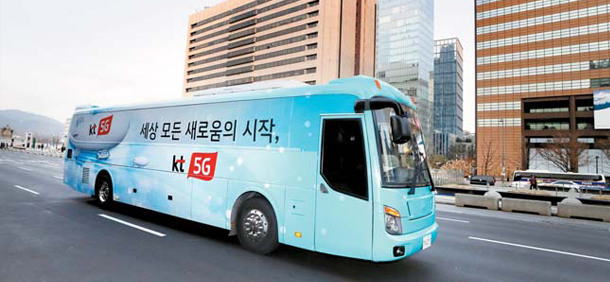
    Are you curious about all the hype over 5G? A ride on a 5G-powered bus may answer some questions. Mobile carrier KT announced Tuesday that people can sign up for free rides on its 5G bus. The bus will be connected to its ultra-fast 5G wireless network and will demonstrate devices that can be used to enjoy new media services like KT’s GiGA Live TV. GiGA Live is a head-mounted display – thick goggles with a screen embedded inside. GiGA Live supports virtual reality (VR) media services, including live sports broadcasts, as well as 360-degree films.

    VR and augmented reality (AR) are commonly cited as the technologies that have the most to benefit from 5G network. Because 5G promises up to 20 times faster speeds than LTE, it can transfer large volumes of data quickly in real-time, which is integral to the proper operation of VR and AR services.

    Those who want to take 30-minute sojourns on the 5G bus can apply online at www.kt5Gbus.com. The bus will run in the Gwanghwamun area from Jan. 15 to 24, and Gangnam Station from Jan. 25 to Feb. 2. Rides will be offered five times a day, excluding Sundays and Mondays.

    “5G network makes it possible to transfer huge volumes of information safely and in real-time,” said Park Hyun-jin, head of KT’s 5G business. “We will continue to offer innovative 5G services that can provide new experiences and value to consumers.”

    Earlier this month, KT added 5G-capabilities to its barista robot B;eat in Samsung Life Insurance’s Seocho District office. The robot, which looks like an advanced vending machine, can now recognize customers’ presence and send real-time footage of orders to human managers.

  • Factories, tractors and robots benefit from 5G in Korea

    Factories, tractors and robots benefit from 5G in Korea

    All three of Korea’s mobile carriers launched their 5G networks on Saturday, the first day of December, officially kicking off an era of the high-speed network. SK Telecom started transmissions from its Bundang network management center in Seongnam, Gyeonggi; KT from its Gwacheon network control center in Gyeonggi; and LG U+ from Magok Science Park in western Seoul. All of the 5G networks operate on a 3.5-gigahertz (GHz) frequency band.

    5G boasts a 20 times faster data transmission speed than the currently prevailing fourth-generation long-term evolution (LTE). Its competitive edge lies in ultra-wide bandwidth, ultra-low latency and ultra-fast connectivity. Data transmission speed of 5G is more than 20 gigabytes per second (Gbps), meaning a 2.5-gigabyte ultra high-definition video can be downloaded in just one second.

    The network can currently only be accessed by corporate clients, not individual users. Businesses can use the card-shaped mobile routers to pick up the 5G network and convert it into super-fast Wi-Fi.

    Individual subscribers are expected to be able to start using 5G from March, when smartphone devices supporting the new network will become available. Samsung Electronics is expected to unveil its Galaxy S10 smartphone as early as February and may come up with two different versions: one supporting LTE and one that works on 5G.

    SK Telecom’s first 5G customer was Myunghwa, a product quality assessment firm in Banwol Industrial Complex in Ansan, Gyeonggi. The company is using the network to process ultra-high definition photos of auto components taken from different perspectives as the products are being moved on a conveyer belt. The images are transmitted using the 5G mobile router to a cloud server, where a high-performance artificial intelligence interface can instantly tell whether a product is faulty.

    SK Telecom also began test operations of its 5G autopilot vehicles in Hwaseong and Siheung, both in Gyeonggi. The vehicles are able to exchange information about their status while on the road with a control center and traffic lights dozens of times per second.

    KT celebrated the launch of its 5G network by having a robot as its first subscriber. The robot, called Lota, will be guiding visitors to the Seoul Sky observatory at Lotte World Tower in Songpa District, eastern Seoul.

    “We chose Lota to show that 5G doesn’t simply mean a generational shift, but will become a platform that will innovate our overall lives and industry,” said KT in a statement.

    KT plans to prioritize 24 major cities nationwide as well as key public transportation routes and university areas, where traffic demand is expected to be high, for 5G installation in the near future.

    LG U+’s first corporate customer is LS Mtron, an industrial machine developer based in Anyang, Gyeonggi. The two companies have jointly developed a 5G remote-controlled tractor, the first in Korea. LG U+ said 5G-based remote-controlled technologies may minimize human engagement in risky working environments, such as the removal of mines and industrial waste disposal.

  • Ministry working on faster internet with private sector

    Ministry working on faster internet with private sector

    Korea is pushing to commercialize 10-gigabit transfer speeds that are 10 times faster than Giga Internet, the fastest broadband service currently available in the country, the Ministry of Science and ICT said Sunday.

    The ministry would work closely with local IT companies to adopt 10-gigabit service, considered the core technology behind 5G wireless technology, virtual reality and augmented reality. Under the plan, the ministry plans to form a consortium to develop basic equipment and prepare networks for the rapid commercialization of 10-gigabit speeds.

    “The ministry hopes to achieve competitiveness in the ICT industry by commercializing 10-gigabit internet through close cooperation between public and private sectors,” a ministry official said.

  • Australia plans to mandate 25Mbps broadband speeds

    Australia plans to mandate 25Mbps broadband speeds

    The Australian government has introduced new legislation that would mandate the supply of broadband services with peak speeds of at least 25Mbps to all premises in the country.

    The proposed Telecommunications Reform Package would require that services provided over the in-construction National Broadband Network (NBN) – even the fixed-wireless and satellite services – would need to be capable of broadband speeds of at least 25Mbps downlink and 5Mbps uplink.

    A draft version of the reforms published last December excluded the fixed wireless and satellite components of the network from this obligation.

    The legislation would also introduce the government’s planned A$7.10 ($5.36) per connection Regional Broadband Scheme, a levy that operators will pay to nbn for each connection capable of download speeds of 25Mbps.

    The levy will be used to defray the expected A$9.8 billion in losses over 30 years that are expected to be accrued by the fixed wireless and satellite components of the network due to the shortage of customers.

    In a concession for smaller players, the first 25,000 connections serviced by a broadband provider will not be subject to the levy for the first five years.

    The new reform package will also mandate the delivery of voice capability over the nbn in fixed line and fixed wireless areas.

    The Australian Communications Consumer Action Network (ACCAN)  has welcomed the consumer protection measures of the proposed legislation.
    “The legislation includes big wins for all consumers, especially for regional, rural and remote consumers,” ACCAN CEO Teresa Corbin said.

    “Broadband services are essential for consumers, yet currently, there is no requirement on nbn to connect and provide ongoing services to all premises. We are pleased that consumers can now be reassured that under the proposed legislation all premises must be able to access a broadband network capable of a minimum peak speed of 25Mbps download and 5Mbps upload.”

    But she said ACCAN will also be pushing to ensure that public phones will be provided where they are needed and consumers relying on satellite services have access to reliable telephony and broadband services.

  • Vietnam, Indonesia have much faster internet speed than India

    Vietnam, Indonesia have much faster internet speed than India

    Ranked 89 globally, India’s average internet connection speed of 6.5 Mbps is slower than Vietnam and Indonesia, which are much faster, a report said on Friday.

    While Vietnam, ranked 58, had an average internet speed of 9.5 Mbps, Indonesia at rank 77 provided a speed of 7.2 Mbps, Global leader in content delivery network services Akamai Technologies’ “The State of the Internet Q1 2017 Connectivity” found.

    The report also said that India witnessed a 4 Mbps broadband adoption of 42 per cent in the first quarter of 2017 with a year-over-year change of 81 per cent.

    “Increases in connection speeds and broadband penetration have helped enable the internet to support levels of traffic that even just a few years ago would have been unimaginable,” David Belson, editor of the report, said in a statement.

    “One need only look to January’s US Presidential Inauguration, which broke traffic records for live coverage of a single news event delivered by Akamai, largely thanks to the combination of more viewers watching at increasingly higher levels of video quality,” Belson added.

    On a global level, the average connection speed was 7.2 Mbps – an increase of 15 per cent year-over-year – and average peak connection speed increased 28 per cent year-over-year to 44.6 Mbps in the first quarter of 2017.

    “While South Korea had the highest average connection speed globally at 28.6 Mbps in the first quarter, Singapore had the highest peak connection speed at 184.5 Mbps in the first quarter,” the report noted.

    The average mobile connection speeds ranged from a high of 26 Mbps in Britain to a low of 2.8 Mbps in Venezuela. Germany had the highest peak mobile connection speed at 200 Mbps in the first quarter.