Tag: Speedo

  • Milo x Speedo makes a splash with limited-edition swimwear launch

    Milo x Speedo makes a splash with limited-edition swimwear launch

    The collaboration we didn’t know we needed until now!

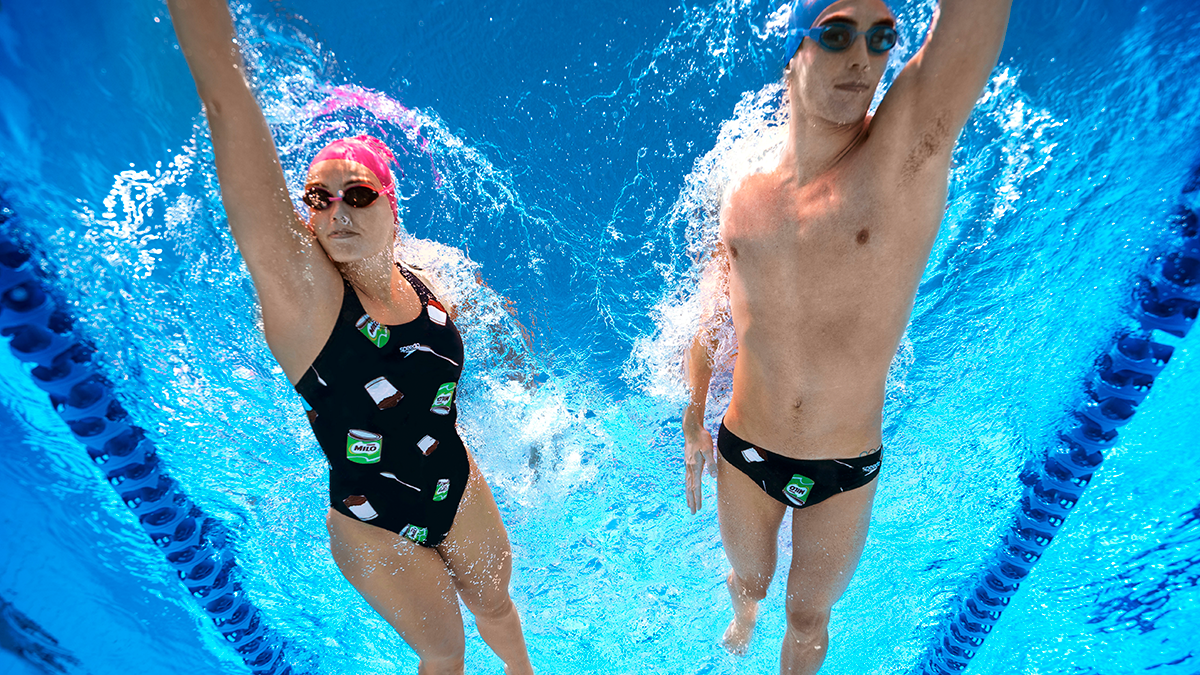
    Two of Australia’s most iconic brands, Milo and Speedo, have joined forces for summer’s hottest collaboration, the Milo x Speedo limited-edition swimwear range, sure to stir up some summer vibes and nostalgic fun. 

    I mean there’s nothing more Aussie than having a glass of Milo (cold of course) after swimming all day in your Speedo. Whether it be in the pool or at the beach. That’s what summer’s all about!

    There’s something for everyone with four iconic Speedo swimwear styles, plus a towel and swimming cap, get your summer swag on!

    The range will also be available to purchase in store and online from Speedo from the 10th October 2022 while stocks last. Get in quick and stir up some swimming fun. 

  • Dutch chain Topshelf to close down

    Dutch chain Topshelf to close down

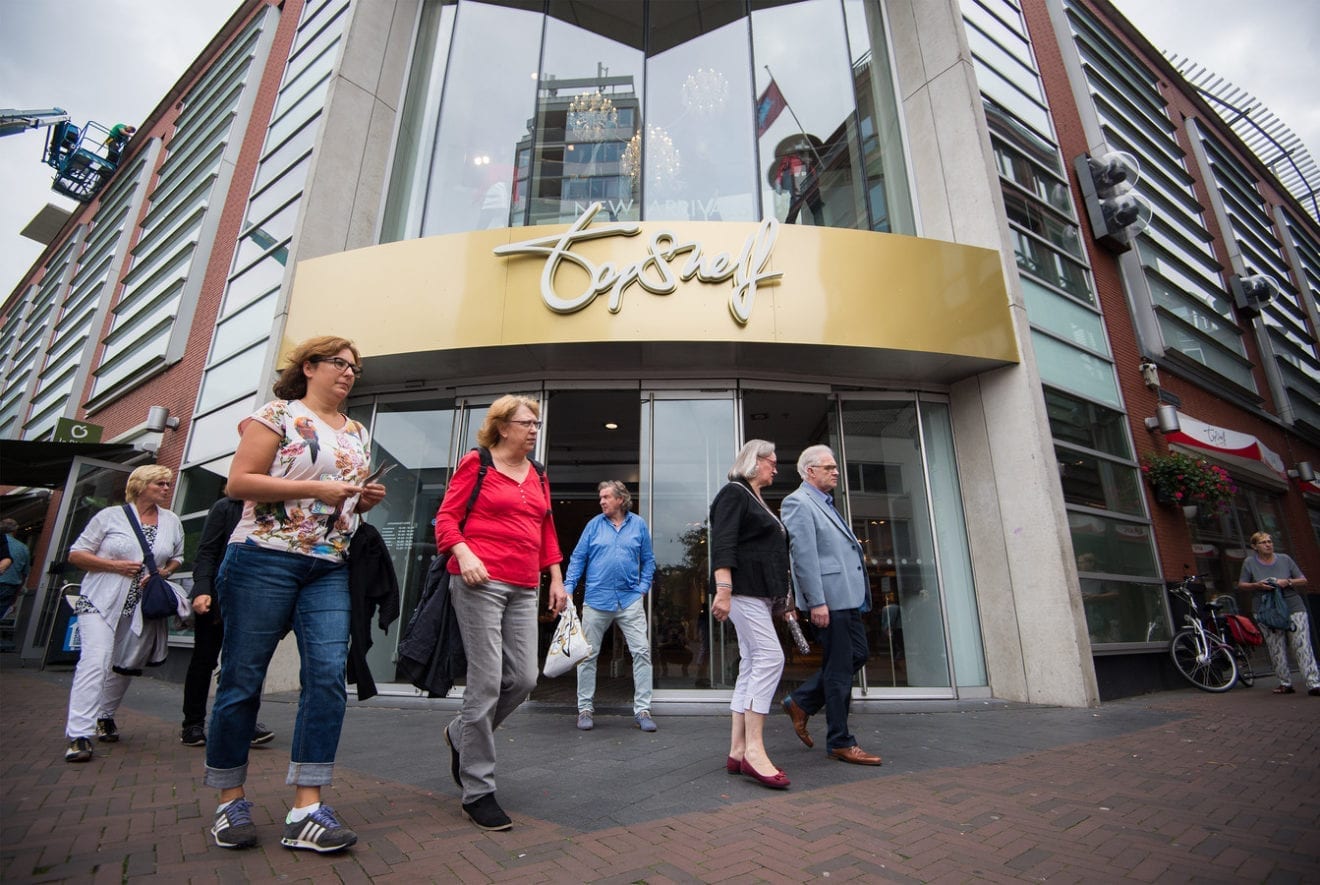
    Dutch department store operator Topshelf appears to be closing down.

    The company has announced its last store in Alkmaar will close in mid-January, following the shuttering of stores in Arnhem, Nijmegen and Groningen.

    The company has not filed for bankruptcy and it says it will continue to employ existing staff as it quits remaining stock. Disappointing sales were cited as the reason for the closure.

    Topshelf – no relation to the UK-headquartered Topshop and Topman retail brands – was launched in 1995 as a megastore, focusing on sports and outdoors wear, called Sportsworld. At the end of 2015, it opened stores in premises occupied by collapsed department store chain V&D, expanding further in April last year into Arnhem and Nijmegen en Groningen.

    With sales remaining weak last December, the company decided to convert the city stores – Arnhem, Nijmegen, Groningen and Alkmaar – to Topshelf, continuing to operate other branches in Beuningen, Leerdam and Cruquius, outside the city, as Sportsworld.

    The Topshelf stores stocked luxury gifts, fashion and homewares and ranged products from brands including Versace, Guess, McGregor, Superdry, Lacoste, Tommy Hilfiger, Speedo, Calvin Klein, Ray Ban, O’Neill and Atomic.

  • Fashion house Calvin Klein rebranding

    Fashion house Calvin Klein rebranding

    Fashion house Calvin Klein, a wholly owned subsidiary of PVH, plans to rebrand its men’s and women’s contemporary apparel and accessories business.

    It is changing from Calvin Klein Platinum to CK Calvin Klein, with a global roll-out of the new branding to start this month.

    In Asia and Japan, in coordination with licensing partners Club21 and Onward Kashiyama respectively, the CK Calvin Klein rebranding will be introduced with this year’s spring season. Freestanding stores opening this year in Asia will feature the new branding, while existing stores will be transitioned on a rolling basis.

    Founded in the US in 1968 by Calvin Klein and his business partner Barry Schwartz, the company had global retail sales exceeding US$8 billion in 2015 with distribution in more than 110 countries. Calvin Klein employs more than 10,000 people globally, and was acquired by PVH in 2003.

    With a history of more than 130 years, PVH is an apparel company with a presence in more than 40 countries and more than $8 billion in revenues. As well as Calvin Klein it owns the Arrow, Izod, Olga, Speedo, Tommy Hilfiger, Van Heusen and Warner’s brands.

  • Calvin Klein Hong Kong opens first accessories store

    Calvin Klein Hong Kong opens first accessories store

    Calvin Klein, Inc, a wholly owned subsidiary of PVH Corp, has opened the first Calvin Klein accessories store in Hong Kong, at IFC Mall.

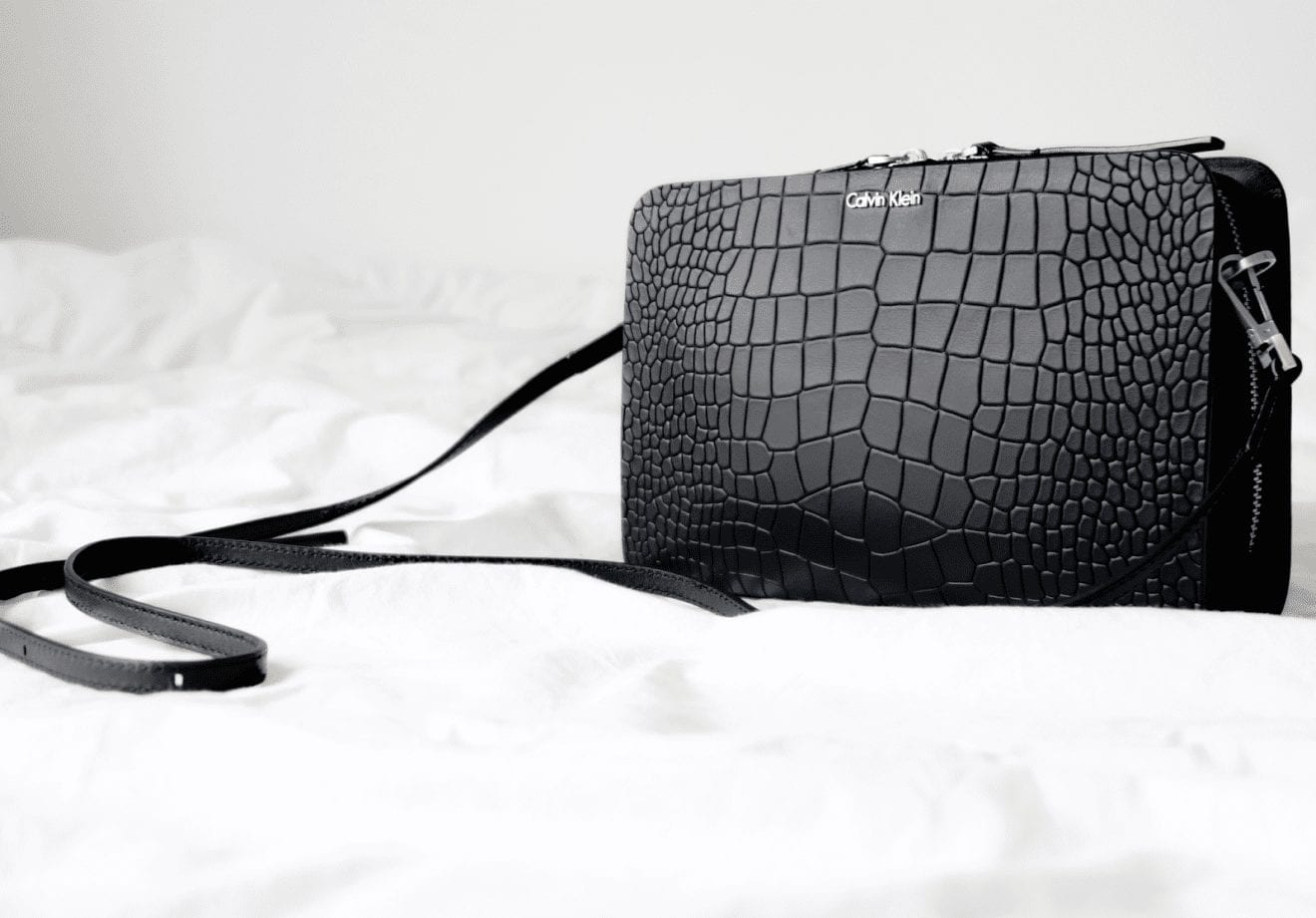
    Located on level one of the mall, the store offers both men’s and women’s Calvin Klein Platinum accessories and leather goods. Its interior features simple geometric forms as a framework for product display, contrasted with oiled wood, rose-toned metal, honed stone and concrete.

    CK Hong Kong accessories store-Matthew Ng

    Product lines under various Calvin Klein brands include women’s dresses and suits, men’s clothing, sportswear, golf apparel, jeanswear, underwear, fragrances, eyewear, hosiery, socks, footwear, swimwear, jewellery, watches, outerwear, handbags, small leather goods and home furnishings (including furniture).

    CK Hong Kong accessories store-Matthew Ng 4


    For more than 130 years, PVH Corp. has been growing US brands and businesses, becoming one of the largest apparel companies in the world. It has more than 30,000 associates in 40-plus countries, with more than US$8 billion in revenues last year. As well as Calvin Klein, PVH owns such brands as Arrow, Speedo, Tommy Hilfiger, Van Heusen and Warner’s.

    CK Hong Kong accessories store-Matthew Ng 3

  • PVH takes control of Tommy Hilfiger China

    PVH takes control of Tommy Hilfiger China

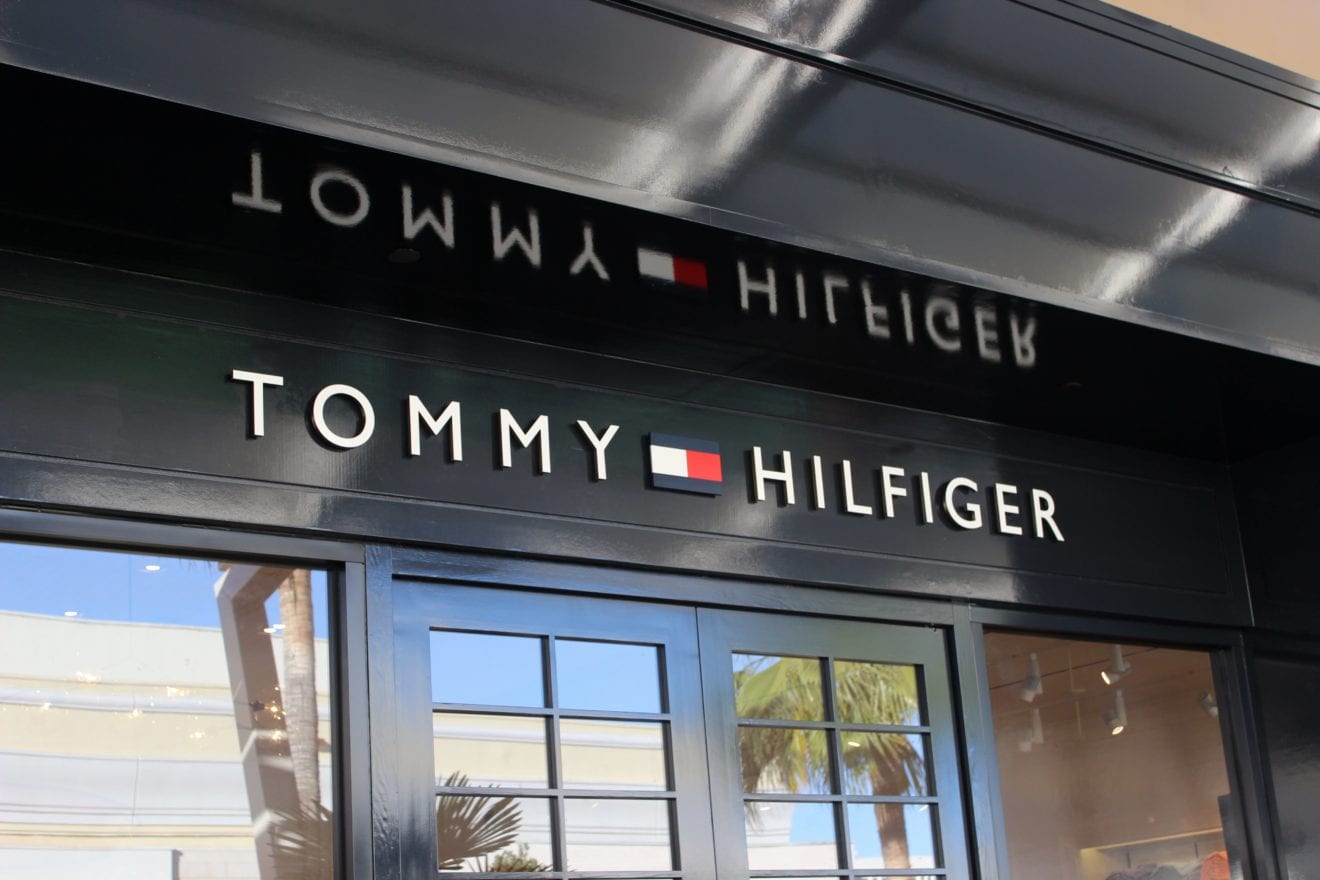
    PVH Corp, the parent of the Tommy Hilfiger brand, is to take full control of its China business.

    PVH, together with funds advised by Apax Partners, will acquire the 55 per cent interest in TH Asia Ltd, their joint venture for Tommy Hilfiger China, which PVH does not already own.

    The purchase price for the transaction is about US$172 million, net of cash of approximately $100 million, subject to adjustment.

    The closing, which is subject to customary closing conditions and regulatory approvals, is expected to occur early in the second quarter of 2016.

    “Today’s announcement represents a significant development for our company as we continue to execute against our key strategic priorities and demonstrates our commitment to making strategic investments to support the long term growth of PVH and our Tommy Hilfiger business,” said Emanuel Chirico, chairman and CEO of PVH.

    “This transaction enables the Tommy Hilfiger business to directly operate its fastest growing market, while leveraging our well-established infrastructure in Asia, our regional leadership expertise and strong brand momentum across both our Tommy Hilfiger and Calvin Klein businesses in the region.”

    This transaction has been envisioned since PVH and the funds advised by Apax Partners established the Tommy Hilfiger China joint venture in connection with the Tommy Hilfiger acquisition in 2010.

    Since 2012, the first full year of operations after the joint venture acquired the Tommy Hilfiger China business from the former licensee, the Tommy Hilfiger business in China has doubled from approximately $70 million in revenue to a projected $140 million in 2015, with over 350 stores, of which 65 are directly operated.

    Daniel Grieder, CEO of Tommy Hilfiger, commented: “We are looking forward to executing a more fully integrated strategy for China that takes advantage of our current momentum in the region. This will allow us to further realise the growth opportunities that exist for the brand by offering consumers a greater breadth of Tommy Hilfiger product lines and a more elevated brand presentation. Building on our strong existing regional foundation, we plan to accelerate the growth of the Tommy Hilfiger business by increasing our brand marketing in China and capitalising on our strong market positioning and price, value proposition. We plan to invest further in driving the expansion of the brand through new store openings (both company-operated and franchised stores) and improved productivity in existing stores, while rapidly expanding our traditional and digital marketing initiatives to further reinforce the brand in this exciting market.”

    PVH Corp owns and markets Calvin Klein and Tommy Hilfiger brands worldwide. It is the world’s largest shirt and neckwear company and markets a variety of goods under its own brands, Van Heusen, Calvin Klein, Tommy Hilfiger, Izod, Arrow, Warner’s and Olga, and its licensed brands, including Speedo, Geoffrey Beene, Kenneth Cole New York, Kenneth Cole Reaction, Michael Michael Kors, Sean John and Chaps.

    The other shareholders in the China joint venture include an affiliate of Silas Chou and, indirectly through an investment vehicle controlled by funds advised by Apax Partners, members of Tommy Hilfiger management at the time of the acquisition in 2010, such as Fred Gehring (former CEO and executive chairman, Tommy Hilfiger and current vice chairman of PVH), Daniel Grieder (CEO, Tommy Hilfiger), and Tommy Hilfiger himself.

  • British brands invading Philippines

    British brands invading Philippines

    Asif Ahmad, the UK ambassador to the Philippines, is one of the busiest diplomats in the country, as he leads, almost on a weekly basis, the opening of new outlets put up by dozens of British companies which are taking advantage of the rapidly growing consumer market and improved purchasing power of Filipinos.

    Ahmad, the 59-year-old diplomat who has been assigned in the Philippines since July 2013, says while several British companies have established their presence in the country for several decades now, more are expected to land in the Philippines soon.

    “We have done it in fashion.  We have done it in cars. We have done it in films and music.  The next story is eating and drinking,” says Ahmad, during the opening of the second outlet of Costa Coffee in the Philippines at Robinsons Place in Ermita, Manila.

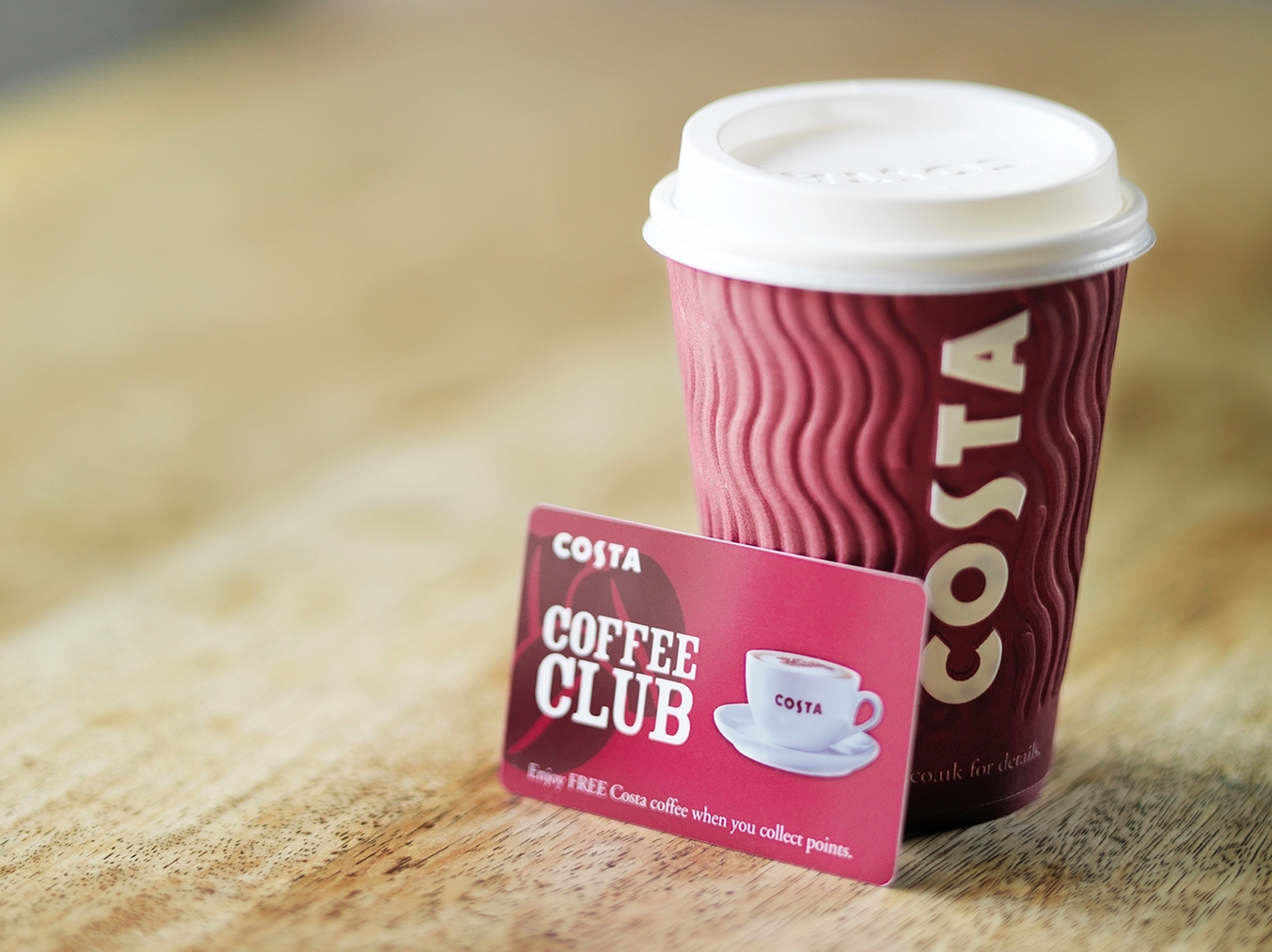
    Costa Coffee, the leading coffee chain in the United Kingdom, is the latest British brand setting its sights on the Philippine market, which Ahmad says offers a lot of opportunities for foreign companies.

    The ambassador says the expansion of British firms in the country is a part of a deliberate effort of the London government to triple its exports to the world to 1 trillion pounds by 2020.

    Unilever, an Anglo-Dutch company, is one of the biggest distributors of consumer products in the Philippines while Royal Dutch Shell Plc. is one of the three largest petroleum players in the country.

    The last couple of years saw dozens of UK firms opening outlets or expanding their presence in the Philippines.  In November 2013, London opened its airspace to Philippine Airlines via Heathrow Airport, with the help of Ahmad.  This has triggered a faster movement of people, including investors and tourists, between the two countries.

    British financial giants HSBC, Standard & Chartered, Barclays and Pru Life UK have strong presence in the Philippines while UK companies that are expanding in the country include Pearson Plc., Ashmore Group, British American Tobacco, British Petroleum, ECR Minerals Plc., CRH Plc., Arup, Nectar Group Ltd., MacKay Green Energy Inc., Forum Energy, Pitkin Petroleum Plc., Eaton Corp. Plc. and Weir Engineering Services Ltd.

    Top British brands opening or adding outlets in the Philippines include Rolls Royce, Range Rover, Jaguar, Mini Cooper, Morgan Motors, Tesco, The Body Shop, Fitness First, Toni & Guy, Remington UK, Marks & Spencer, Debenhams, Lee Cooper, F&F, John Lewis, Burton, Reiss, Speedo, Hamleys, Burberry, Topshop, Topman, Dorothy Perkins, Mitre Sports, Berghaus, Kangaroos, Superdry, Warehouse, Clarks Shoes, Paul Smith, Mothercare, Hackett London, Lush, TM Lewin, River Island, Cath Kidston, Pepe Jeans London, Savile Row, Lyle & Scott,  Whyte & Mackay, Twinings, Diageo, Union Jack Tavern, Wolf & Fox, Chuck’s Grub, Waitrose and Yummy Organics.

    Ahmad says more brands will expand in the Philippines soon. “We have a strong presence of British brands that is gonna grow.  My government, the UK, has said that we must triple exports to 1 trillion [pounds]. My mission here is to grow three times more than before.  That is a very strong target to have,” he says.

    The UK is already the largest investor among European countries in the Philippines.  “The easy target that we have met is being the number one investor in the Philippines from the European Union. We have achieved that already,” he says.

    “In terms of trade, we have a long way to go.  If we added it both ways, it [bilateral trade] adds up to $2 billion.  We have to make it $6 billion,” says Ahmad.

    He says the UK embassy is working with the British Chamber of Commerce to help more companies navigate the Philippine market.  British investors are looking at infrastructure, public-private partnership projects, water, healthcare, education, information technology and defense sectors, he says.

    The British Chamber of Commerce is arranging more trade missions to bring more British brands in the Philippines this year to look at opportunities, given the country’s improving economy.

    “What we are seeing is that the government has more money.  The infrastructure projects are now speeding up, after a difficult start.  We are seeing people consuming more, spending money more, not just in houses and cars, but also in their lifestyle,” Ahmad says.

    Ahmad says Filipinos can afford to buy British brands.  “It [local market] has been ready for quite some time.  That’s why we have been very successful here.  If you go back, they [British companies] have been here for a long time and they are expanding still.  New ones are coming onboard.  What Costa Coffee does is something different.  It is in food and beverage segment, which has much more to offer,” he says.

    Costa Coffee opened its first outlet at Eastwood Citywalk 1 in Libis, Quezon City in June and plans to open three more branches this year at Tera Towers in Fort Bonifacio, E. Rodriguez Jr. Ave. in Quezon City and Robinsons Antipolo in Rizal.

    “We plan to open 70 Costa Coffee branches in the Philippines over the next five years,” says Costa Coffee Philippines general manager Corinne Milagan, who heads a new unit of Robinsons Retail Holdings Inc. to guide the expansion of the Costa brand in the country.

    Among those who attended the opening of the Costa Coffee branch at Robinsons Place Manila are Ahmad, Milagan, Robinsons Retail Holdings president and chief operating officer Robina Gokongwei-Pe, Costa Coffee International managing director Chris Rogers, Robinsons Land Corp. president and chief operating officer Frederick Go and Costa Coffee franchise manager for Southeast Asia and India Matt Kenley.

    RRHI formed a new company called Robinsons Gourmet Food and Beverage Inc. to operate the Costa Coffee chain in the country. Robinsons Gourmet teamed up with Whitbread Plc. of the United Kingdom to bring the British coffee brand to the Philippines.

    “The Philippines has fantastic opportunity for the Costa brand.  It brings something different to the market. A different coffee, a different environment and a great people.  And it brings a little taste of London to the Philippines,” says Rogers.

    “We have been looking forward to the next 20 to 30 years. The Philippines is an exciting place to be, because of the potential growth.  The economy is growing strongly. The consumer population is growing. There are good dynamics,” says Rogers, who joined Whitbread eight years ago.

    Rogers has been leading the international expansion of the Costa Coffee brand since July 2012.

    Robinsons Retail plans to open 70 Costa Coffee stores in the Philippines over the next five years, with an average cost of P10 million per outlet.

    Rogers says Costa Coffee has found its niche in the competitive coffee market.  “Our difference is our coffee.  We have the Mocha Italian blend.  We are very particular with the beans we choose–high-quality beans with a particular taste. The environment is also very different,” he says.

    Milagan says the Philippine coffee market is now prepared for a British brand.  She says coffee lovers, including British expatriates, were lining up hours prior to the opening of the Costa Coffee branch at Robinsons Place Manila on July 31.

    “The [coffee] market is not yet saturated. The Philippine market has matured in terms of  food and drinking preference. We are graduating now from instant coffee and we are now shifting to coffee made in a hand crafted way,” says Milagan.

    Milagan says “the Filipino taste has become discriminating, as they travel abroad.”

    Costa Coffee was founded by Italian immigrants Sergio and Bruno Costa in 1971 in Lambeth, London. The Costa brothers were known for creating their unique blend of coffee, a combination of Arabica and Robusta beans. They called it Mocha Italia, a blend that is a closely guarded secret to this day.

    The brand was acquired by Whitbread Plc. in 1995.  The UK firm continues to serve the original Mocha Italia recipe, which is slowly roasted in the Old Paradise Street Roastery in London.

    Milagan says Costa coffees are all handcrafted and espresso-based.

    Costa Coffee now has 3,000 stores in more than 30 countries. Costa employs Master Genarro Peliccia as the official coffee master who ensures that the taste remains consistent to the original blend.

    Gokongwei-Pe says Costa Coffee is the second British brand brought to the Philippines by Robinsons Retail, the first being the fashion brand Topshop.  She says her company will bring more foreign brands, depending on the performance of Costa Coffee.

    “We have to make sure this works first,” she says, adding that the outlook for the Costa brand in the Philippines is promising.

    “I believe in good luck.  I believe in good vibrations,” she says.