Tag: spirits

  • Medusa to Raise ₹200 Crore and Enter Spirits with Third Eye Distillery

    Medusa to Raise ₹200 Crore and Enter Spirits with Third Eye Distillery

    Medusa Beverages Pvt. Ltd plans to raise ₹200 crore over the next two fiscal years to scale operations and enter India’s spirits sector through a tie-up with Goa-based Third Eye Distillery.

    Under the agreement, founder and chief executive Avneet Singh is targeting gross revenue of ₹210 crore in FY27, up from ₹165 crore in FY26, as the brewer adds higher-margin spirits to offset seasonal dips in beer sales.

    The partnership gives Medusa exclusive rights to bottle, distribute and sell Third Eye brands across 15 states in North India and Jharkhand, targeting ₹20 crore in gross revenue in its first year. Medusa manufactures the lines through its network and sells them into bars, restaurants and hotels. The initial rollout includes Short Story gin and vodka, together with Stranger & Sons gin, followed by Peru Road gin and planned whisky lines.

    Margin Shift and Off-Peak Hedging

    Gross margins in India’s beer sector hover around 30 to 35 per cent, whereas premium spirits reach roughly 65 per cent, founder and chief executive Avneet Singh said. The arrangement lets Medusa add high-margin spirits lines without spending capital to build an operating distillery from scratch.

    Seasonal swings dictate the logic. Beer consumption in northern India drops sharply during the winter months, idling distribution assets and eroding cash flow. Packing a portfolio with dark spirits and gin smooths seasonal revenue while running the same sales pipeline into regional on-premise accounts.

    “The economics of the two categories are also different. Beer generates gross margins of around 30-35%, while premium spirits can generate margins of about 65%,” Singh said.

    The operational pivot places Medusa directly against established alcoholic beverage giants including United Breweries, Carlsberg and Anheuser-Busch InBev, alongside craft peers such as Simba and Kati Patang. While multinational brewers possess balance sheets capable of absorbing margin squeezes, smaller challengers face rising operational hurdles when state excise policies restrict price adjustments.

    By stepping into spirits, Medusa shifts execution risk onto retail trade compliance across India’s fragmented state alcohol boards. Securing shelf space and bar listings for craft spirits demands working capital upfront, particularly in price-controlled markets where distribution costs can outrun volume gains.

    Revenue Targets and Factory Footprint

    Medusa targets 210 crore rupees in gross revenue for FY27, up from 165 crore rupees reported in FY26. It sold 1.35 million cases of beer in FY26, though packaging cost increases and shortages of aluminium cans held performance below earlier corporate goals.

    Financial filings show profitability remains elusive for both businesses. Medusa reported a net loss of 4.2 crore rupees in FY25, widening from 2.8 crore rupees in FY24, according to platform Tofler. Third Eye Distilleries generated 17.9 crore rupees in FY25 sales, paring its annual net loss to 4.8 crore rupees from 24.1 crore rupees a year earlier.

    Contract facilities still handle all of Medusa’s beer manufacturing today. The company avoids sinking capital into owned brick-and-mortar breweries until regional sales volumes reach utilization thresholds that support fixed asset overhead.

    Capital Structure and Product Rollouts

    The planned 200 crore rupee fundraising round will close in two tranches, taking 50 crore rupees in FY27 through compulsorily convertible debentures and 150 crore rupees in FY28. The program follows a 56 crore rupee Series A round secured in January 2025 from private investors, including Ohm Stock Broker promoter Amal N. Parikh and Alchemy Capital Management co-founder Ashwin Kedia.

    Proceeds will fund commercial distribution, manufacturing infrastructure and inventory across its ten existing state markets, led by Delhi, Haryana and Uttarakhand. Affordable lagers like Medusa Premium Strong Beer generate 82 per cent of sales, with premium variants including its Air lager providing the remaining 18 per cent.

    Medusa will introduce its own branded whisky within the next 45 to 60 days, priced between 850 and 1,000 rupees a bottle.
  • Australia Faces $1.23 Billion Alcohol Tax Deficit as Illicit Market Expands

    Australia Faces $1.23 Billion Alcohol Tax Deficit as Illicit Market Expands

    The Australian Taxation Office projects uncollected alcohol excise will reach $1.23 billion across the 2024 to 2025 financial year as illicit market transactions outpace domestic compliance efforts.

    That shortfall represents 13.7 per cent of total expected alcohol tax revenue, climbing roughly 0.4 per cent year on year.

    Shadow economy transactions drive the vast bulk of the leakage. An estimated $1.06 billion, or 91.8 per cent of the total uncollected sum, stems directly from off-grid, untaxed trade rather than technical filing discrepancies by registered businesses.

    Shadow Trade Squeezes Formal Retailers

    The swelling tax gap alters competitive dynamics across Australia’s bottle shops, hospitality operators and regional producers. Licensed retailers face biannual automated indexation increases on spirits and beer excise, widening the price gulf between compliant shelves and illicit sellers. High shelf prices encourage consumer leakage into underground channels, compressing gross margins for legitimate store owners.

    Distillers and brewers operate under tighter working capital requirements while illegal operators operate without duty obligations. Commercial suppliers that rely on mainstream wholesale distribution face declining volume turnover in price-sensitive spirits categories. The resulting distortion hits mid-tier domestic craft producers hardest, as they lack the scale to absorb heavy tax overheads.

    Broadening Regulatory Deficit Since 2015

    Tax leakage in the category has expanded steadily over the past decade. The uncollected tax share stood at 9.3 per cent in 2015, showing a persistent upward trajectory as excise rates increased through regular inflation adjustments. While overall revenue collection expanded during the period, the share escaping public coffers grew by more than four percentage points.

    Enforcement agencies now face sophisticated illicit supply chains that bypass conventional import gates and domestic manufacturing controls. For the federal treasury, losing over a billion dollars annually complicates broader fiscal planning while leaving legitimate retail channels bearing the enforcement burden.

    Enforcement Targets for the Coming Budget Cycle

    Tax monitors are shifting resources toward cross-border freight audits and unlicensed domestic distilling operations. Revenue officials will reconcile commercial raw material flows against recorded retail sales volumes to identify production diversions.

    Retail networks and trade associations will track whether the federal government freezes upcoming automated alcohol excise indexations in the forthcoming budget review to prevent further migration into illicit buying channels.

  • Radico Khaitan Profit Jumps 66.5% as Premium Liquor Sales Surge

    Radico Khaitan Profit Jumps 66.5% as Premium Liquor Sales Surge

    Indian distillers and brewers posted diverging September quarter earnings as affluent drinkers bought top-shelf liquor while inflation-squeezed consumers slashed purchases of entry-level brands.

    The divide cut across both spirits and beer, driving profit jumps at premium-focused producers while dragging on volume for mass-market operators.

    Spirits Split by Income

    United Spirits reported a consolidated revenue drop of 2.5 per cent to ₹7,014 crore for the September quarter, down from ₹7,199 crore a year earlier. Net profit fell 7.7 per cent to ₹428 crore. The slump was concentrated at the bottom of its portfolio: popular brands like Director’s Special and DSP Black saw sales value drop 22.7 per cent year-on-year to ₹181 crore, with volumes shrinking 29.7 per cent to 1.58 million cases.

    Its prestige and above category, which includes Johnnie Walker and Smirnoff, expanded 6.3 per cent. To maintain clean comparisons, the company shifted McDowell’s No.1 brandy from popular into prestige and above.

    Radico Khaitan experienced an even sharper contrast. Its prestige and above volumes jumped 36 per cent year-on-year to 5.28 million cases, while regular and lower-tier lines, including 8PM whisky and Contessa rum, fell 9.7 per cent. Total Indian Made Foreign Liquor volumes rose 7 per cent. Consolidated revenue climbed 10 per cent to ₹5,582 crore, and net profit surged 66.5 per cent to ₹232 crore.

    “We are seeing a lot of shift, especially with the Gen Z and the younger generation and the women coming in, their liking is towards the white spirits because it is more easily mixable,”

    Radico Khaitan managing director Abhishek Khaitan said during the earnings call.

    Beer Demand Shifts Upward

    United Breweries turned in a 16 per cent increase in overall beer volumes, propelled by high-margin lines. Premium beer volumes climbed 38 per cent year-on-year. Heineken Silver surged 67 per cent, while Kingfisher Ultra rose 44 per cent.

    Revenue rose 23.7 per cent to ₹4,623 crore. Net profit reached ₹134.8 crore, compared to ₹46.3 crore in the year-ago period, though that total was helped by ₹36 crore in interest income on an income tax refund.

    Allied Blenders, the maker of Officer’s Choice and Sterling Reserve, posted consolidated revenue of about ₹2,085 crore, up 6.8 per cent, with net profit rising 9.6 per cent to ₹69 crore. Overall volumes reached 10 million cases, an 11.1 per cent gain, lifted by its mass-premium brands Officer’s Choice Blue and ICONiQ White, which grew 15.5 per cent by volume.

    Margin Squeeze and Debt Pressures

    For retailers, pub chains and brand owners across Asia, India’s alcohol split shows that consumer spending is polarizing rather than rising evenly across society. Wealthy urban households are absorbing price hikes and trading up to imported labels or craft spirits, while lower-income blue-collar workers are cutting back or exiting the legal liquor market entirely. Companies with deep balance sheets can withstand the mass volume loss by chasing margin, but retailers relying on high-volume, low-margin shop turnover face leaner cash flows.

    Distillers that depend on commodity inputs cannot rely solely on price hikes to protect earnings. Higher grain, sugar, and glass packaging costs are hitting Indian producers at the same time state governments are slow-walking excise approvals. When lower-tier volumes vanish, factory fixed overheads get spread across fewer bottles, creating an unyielding drag on manufacturing margins.

    Acquisitions and Packaging Costs

    Raw material inflation already left a mark during the September quarter. Radico Khaitan chief financial officer Dilip Banthia noted that packaging and raw material inflation took a ₹27 crore bite out of quarterly earnings, even though gross margin expanded 440 basis points to 48 per cent on favorable product mix.

    Tilaknagar Industries recorded revenue of ₹2,437 crore, rising 171.8 per cent from ₹896.9 crore a year earlier, while volumes reached 8.9 million cases. Those figures reflect its buyout of Imperial Blue, masking the baseline organic trend. Brokerage Nuvama Institutional Equities estimated raw material costs shaved about ₹25 crore off Tilaknagar’s operating profits in each of the first two quarters of fiscal 2027.

    Brewers face similar cost burdens heading into the second half of the fiscal year. United Breweries projected input cost inflation will reach between ₹350 crore and ₹400 crore for fiscal 2027, leaving the group dependent on pending state-level pricing approvals to keep profit margins intact.

  • Pernod Ricard Sales Dip 0.9% as India Boom Cushions Steep China Fall

    Pernod Ricard Sales Dip 0.9% as India Boom Cushions Steep China Fall

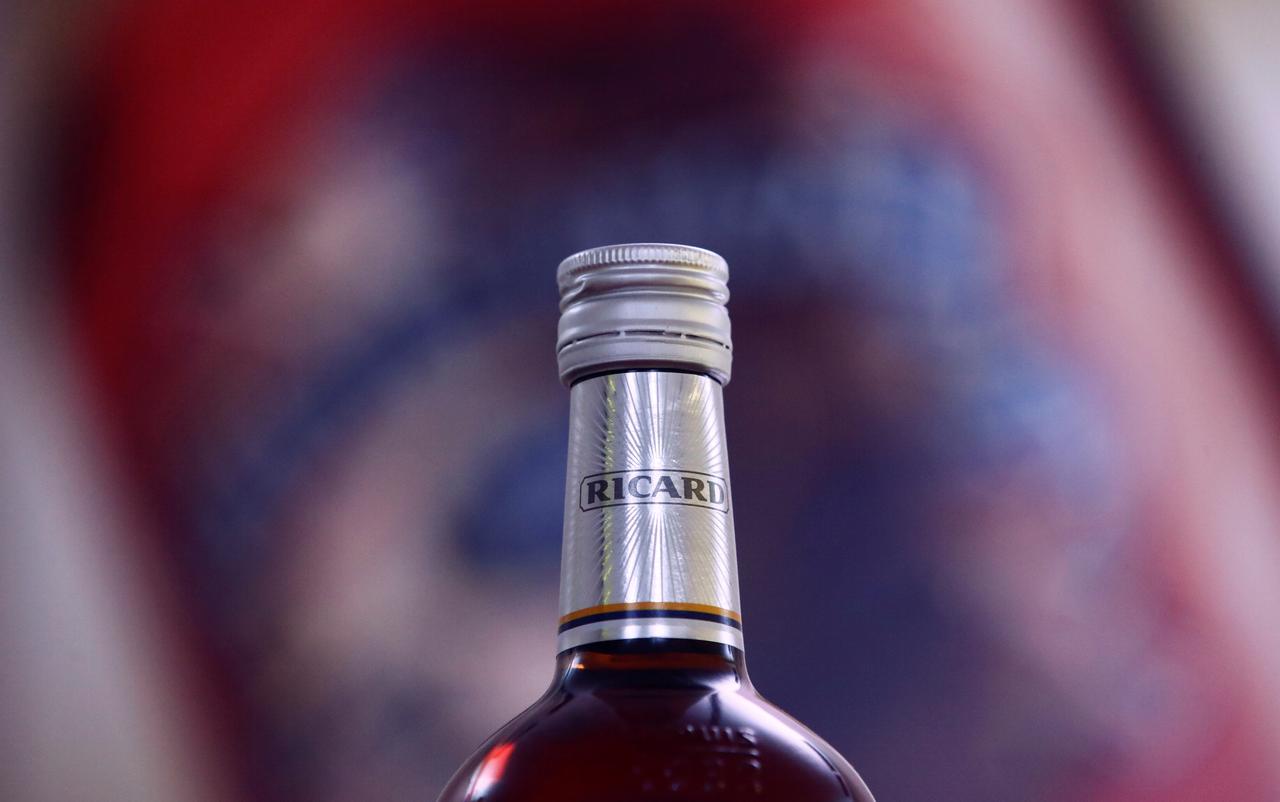
    Pernod Ricard posted a 0.9 per cent organic net sales decline to €2.234 billion for its fiscal first quarter. The result beat market forecasts of a 1.7 per cent drop.

    Sales in India jumped 19 per cent, offsetting double-digit slumps across mainland China and the United States. Group net sales reached the equivalent of $2.5 billion in the three months to September 30. Paris-listed shares rose 3 per cent.

    India drives volume as listing nears

    India delivered the strongest performance across the group’s global network, serving as its primary growth engine for premium spirits in South Asia. Demand for Absolut vodka and Martell cognac remained resilient across Indian retail outlets and hospitality venues. Distributors in western markets, by contrast, continued to trim excess inventory.

    Preparatory work is underway for a potential initial public offering of the Indian business. Execution remains subject to board approval and broader market conditions. Finance chief Mauve Croizat noted the listing process will take several months to complete once cleared.

    China consumption shifts behind closed doors

    Revenue in China plunged 25 per cent during the quarter as weak consumer sentiment and distributor destocking took a toll. Wholesalers across tier-one and tier-two cities held back on orders to avoid accumulating slow-moving stock ahead of key promotional windows.

    Croizat told analysts that inventory adjustments in China and the United States will persist throughout the fiscal year. Chinese drinking habits are also shifting toward private gatherings at home. Moving away from nightclubs, banquet halls, and dining out reduced high-margin venue sales for premium cognac.

    Diverging fortunes across regional retail

    Beverage distributors and bar operators in Asia face sharply diverging conditions in India and China. Indian retail channels are expanding rapidly into higher-tier spirits categories, giving brand owners pricing power that has vanished in East Asia. In China, distributors face prolonged margin compression as they discount slow-moving luxury stock to protect working capital.

    Relying on traditional Chinese banqueting channels to sustain luxury valuations carries clear risks. While rival Diageo and regional cognac houses face identical headwinds across East Asia, Pernod Ricard has cushioned the blow through its dominant distribution footprint across the subcontinent. Competing distillers without established Indian bottling networks now risk falling further behind in total regional volume.

    Defending margins in an extended downturn

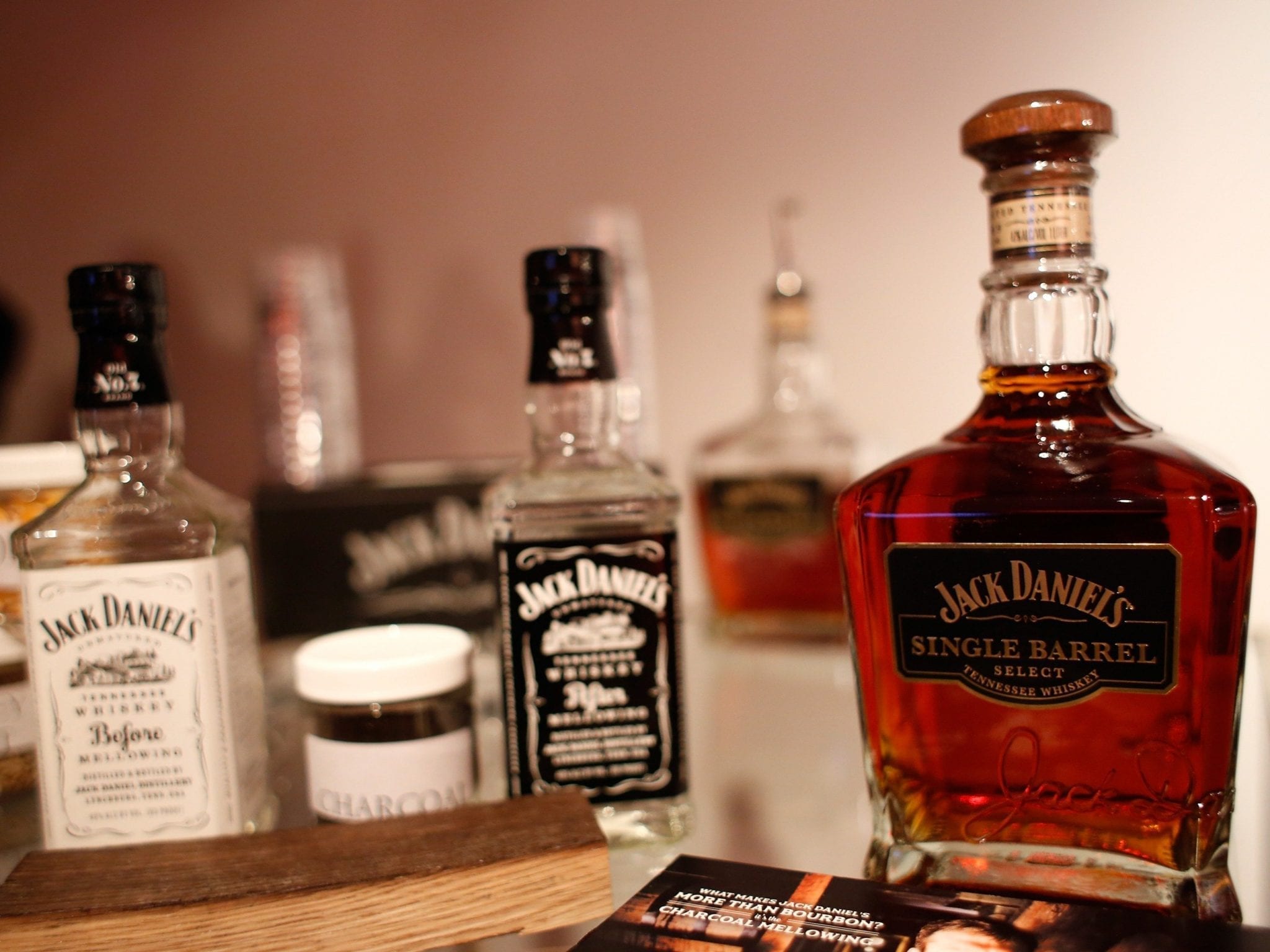
    Earlier this year, Pernod Ricard made an unsuccessful merger approach to Jack Daniel’s owner Brown-Forman to weather post-pandemic demand weakness. Net sales across the United States fell 10 per cent in the quarter, matching sluggish retail patterns seen across North America over the past eighteen months.

    Management reiterated guidance for broadly stable net sales across the full 2027 fiscal year, relying on strict cost controls to defend organic operating margins. Through 2029, the company expects annual net sales growth to track at the lower end of its 3 to 6 per cent medium-term target range, with investors focused on the board’s formal decision on the timing of the Indian market float.

  • Lark Master Distiller Chris Thomson to Step Down After 20 Years

    Lark Master Distiller Chris Thomson to Step Down After 20 Years

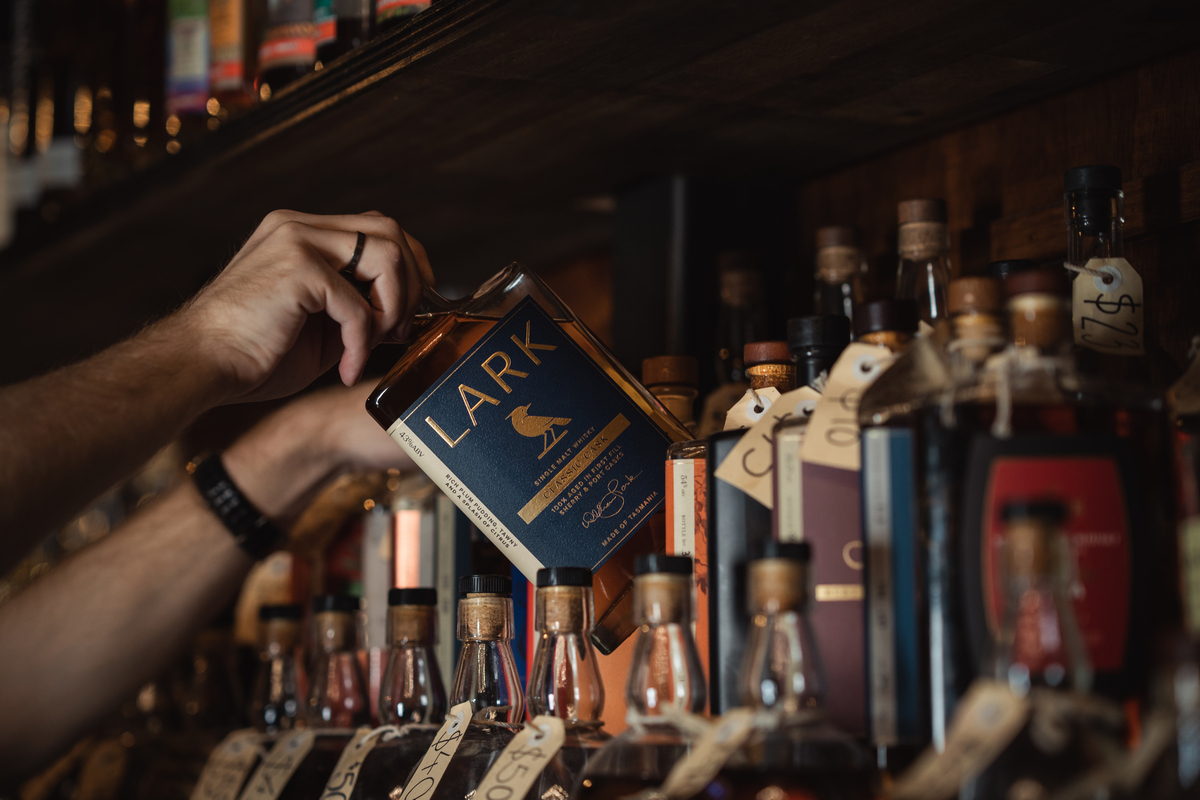
    Lark Distilling Co master distiller Chris Thomson will leave the Tasmanian whisky maker at the end of 2026 after nearly two decades. He plans to launch his own spirits venture.

    His exit follows a financial year in which the Pontville-based distiller lifted international export sales 69 per cent to AU$1.8 million. Global travel retail revenue rose 43 per cent to AU$2.2 million.

    Thomson joined Lark in February 2007 and became master blender and distiller in 2010 after training under founder Bill Lark. He finishes his tenure in late December. He will take several months off with family before launching the new whisky project.

    Export expansion and production scale

    Net sales grew 15.1 per cent for the financial year ending June 30, 2026. Gains came from expanding beyond domestic bottle shops into regional duty-free hubs and offshore export channels across Asia-Pacific.

    Primary distillation and cask storage shifted to the expanded Pontville site north of Hobart, building an inventory reserve for larger commercial runs. Thomson oversaw the formulation and rollout of the luxury single malt range earlier this year. He established standard production recipes to maintain barrel consistency as volume expands.

    Leadership changes at Pontville

    Former Four Pillars gin co-founder Stuart Gregor took over as Lark chief executive and managing director in late 2025. He praised Thomson’s contribution across the past two decades.

    “Chris has been much more than an integral member of our team; he has been our beating heart and soul for more than half of our existence and one of the world’s great distillers,” Gregor said.

    This leadership handover tests whether a craft spirits label can maintain its liquid profile without its longtime blender. For liquor retailers and regional distributors, the challenge is whether brand equity survives the exit of the personality behind the product.

    Industry recognition and market shifts

    Thomson collected the Rest of the World title for Master Distiller and Master Blender of the Year at the 2026 World Whiskies Awards Icons of Whisky. The Spirits Business Awards also named him runner-up Blender of the Year in 2025.

    Tasmanian single malts face tougher shelf competition in Asian travel retail corridors from Japanese, Taiwanese and Scottish distillers. Lark has relied on limited-cask releases and luxury pricing to protect margins against higher local excise rates and rising logistics overheads.

    Operational handover ahead of 2027

    Production staff at Pontville will handle distillation and blending once Thomson departs at year-end. Lark has not named an external successor for the master distiller post.

    Investors and retail buyers will watch the distillery’s half-year trading update in early 2027 to see whether export momentum across Asian duty-free accounts holds under Gregor.

  • The GlenAllachie Returns to Australia After Two-Year Absence

    The GlenAllachie Returns to Australia After Two-Year Absence

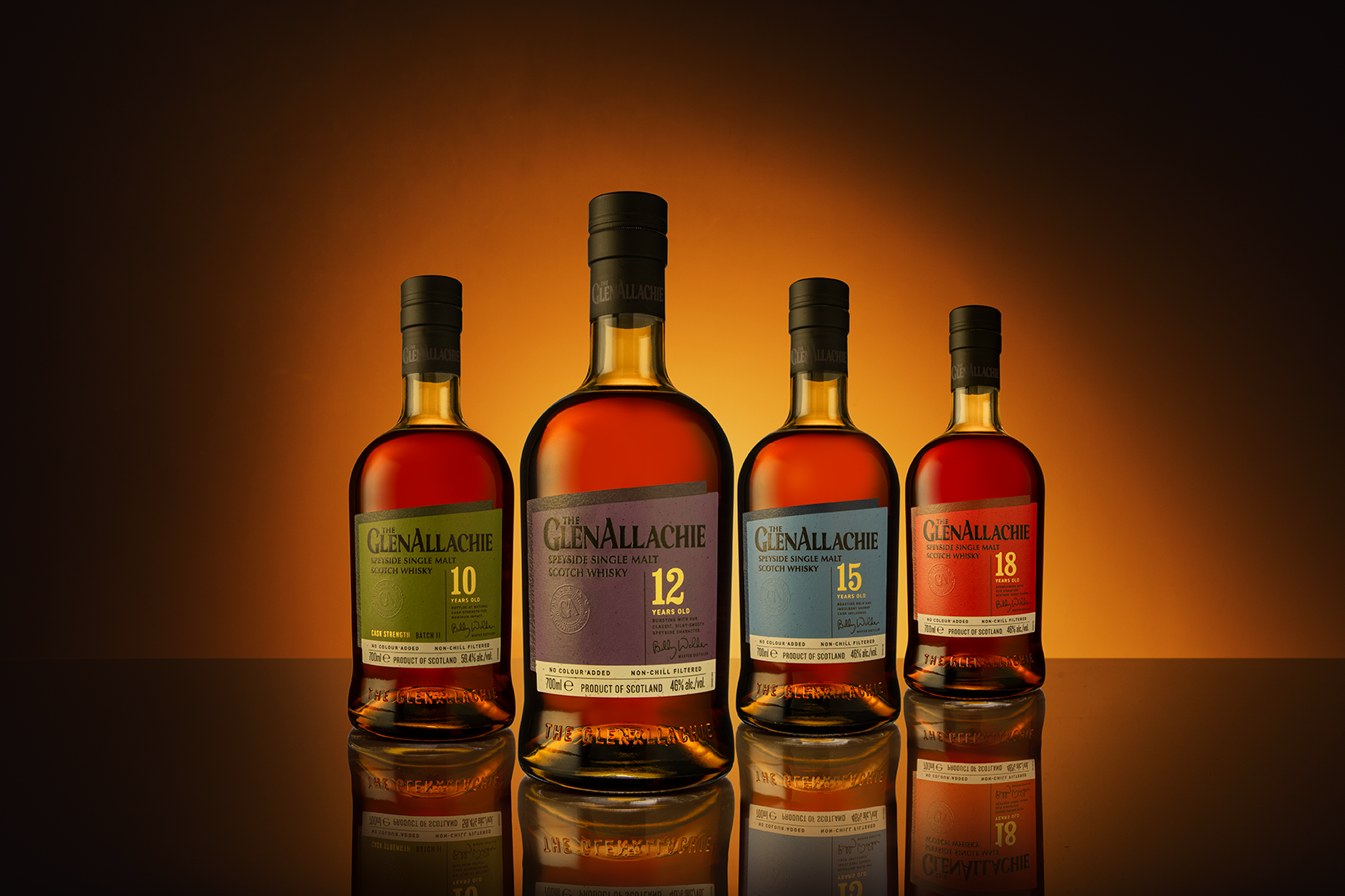
    Scottish single malt producer The GlenAllachie has returned to the Australian market after a two-year absence. The brand signed a national distribution agreement with specialist importer The Whisky List. Shipments arrive in late October 2026 across independent bottle shops, bars and direct-to-consumer channels ahead of peak holiday sales.

    Core age-stated bottles, cask-strength releases and rare single malts make up the initial commercial range. Prices span from $129 for the 12-Year-Old up to $2,499 for a 1990 35-Year-Old bottling. In the weeks following this rollout, the distributor will also bring in Meikle Tòir, the Speyside distillery’s peated whisky label.

    Wholesale Range and Shelf Pricing

    Stock focuses heavily on sherry wood maturation bottled at 46 per cent ABV or higher, without chill filtration or added caramel colouring. The 12-Year-Old opens at $129. The 15-Year-Old steps to $175, and the 18-Year-Old hits shelves at $265. Limited allocations include the 10-Year-Old Cask Strength at 59.8 per cent ABV for $179 and an 11-Year-Old Palo Cortado finish priced at $155.

    Wholesale orders and retailer allocations opened ahead of physical stock arriving at Australian ports. Trade buyers in independent bottle shops and on-premise venues will receive priority allocations alongside The Whisky List’s direct consumer base.

    Channel Strategy for Independent Retail

    Australian distributors have pivoted toward high-proof, un-chill-filtered single malts. Local buyers are moving away from mass-volume blended Scotch toward verifiable wood provenance. Securing independent spirits distribution gives specialty bottle shops margin protection against supermarket duopoly discounting, where house labels and commercial volume brands dominate shelf space.

    Direct-to-consumer tasting events, regional whisky fairs and online allocations will run alongside physical wholesale supply to build volume without discounting the core bottles. The commercial risk sits in the crowded $130 to $200 price tier. Australian craft distilleries and Japanese imports compete fiercely for discretionary spending during an inflationary retail climate.

    Pernod Ricard Carve-Out to Independent Importer

    Billy Walker bought The GlenAllachie from Pernod Ricard in 2017. He converted the Speyside site from an industrial bulk supplier for blended Scotch into an independent single malt producer. The distillery previously reached Australian shelves through Vanguard Luxury Brands. Supply then paused for more than two years while management renegotiated international trade agreements.

    “In The Whisky List team, we’ve found a shared passion for Scotch whisky and a partner that is genuinely committed not only to growing The GlenAllachie’s presence in Australia, but to supporting and growing the Scotch whisky category as a whole,” said Ciara Hepburn, international sales manager at The GlenAllachie.

    Supply Timeline for Holiday Trade

    Freight arrives in late October to capture early holiday retail purchasing. Trade accounts take initial delivery four weeks before Christmas trading peaks. Retail activations and national masterclasses will run across capital cities through early 2027 as the distillery approaches its 10th anniversary under independent ownership.

  • Vodka Reaches Record Share in India as White Spirits Surge

    Vodka Reaches Record Share in India as White Spirits Surge

    Vodka has taken a record share of India’s liquor market as demographic shifts push drinkers toward white spirits.

    Purchases by younger consumers and women are driving the category, altering demand patterns in a sector historically dominated by commercial whisky.

    Shift toward white spirits

    Distillers are adjusting their product mixes to capture changing consumer tastes across retail stores and bars. Radico Khaitan expanded its vodka operations over the past five years to secure stronger positions in urban retail channels. The change pulls volume away from entry-level brown spirits into clear, mixable drinks.

    Premiumisation drives portfolio overhaul

    Spirits makers are overhauling existing product lines to protect operating margins against rising bottling and raw material costs. Radico Khaitan upgraded its whisky portfolio into higher price bands, cutting its exposure to mass-market commodity liquor. Liquor retailers across India are allocating more shelf space to premium white spirits as manufacturers phase out unprofitable lower-tier labels.

    Investors and distributors now await next quarter’s sales filings to assess how volume gains in premium vodka balance margin declines in mass-market spirit lines.

  • Chris Hemsworth Buys Stake in Archie Rose Distilling Co

    Chris Hemsworth Buys Stake in Archie Rose Distilling Co

    Australian actor Chris Hemsworth has acquired an equity stake in Archie Rose Distilling Co, partnering with founder Will Edwards to finance an international retail rollout.

    The Sydney-based spirits producer plans to use the capital injection to enter the United States later this year while introducing three new whiskies across Asia and New Zealand.

    Global push from Sydney

    Hemsworth will work directly on product development at the distillery alongside his co-ownership role. The collaboration focuses on blending three distinct whiskies tailored for regional export markets.

    Archie Rose has built its business on botanical gins, single malts, and rye whiskies in Australia. Securing high-profile backing reflects a broader push by independent Australian craft distillers to secure distribution shelf space in high-margin Asian retail channels and premium hospitality venues.

    Whisky demand in Asia

    Regional consumers across Southeast Asia and East Asia continue to trade up into premium and craft brown spirits. Independent distillers often struggle against established global liquor conglomerates for retail distribution in major commercial hubs without significant marketing support.

    The company plans to complete its initial US market entry before rolling out the three Hemsworth-backed whisky releases to Asian retail partners in the coming months.

  • Lark Distilling Sales Rise 15% to $18 Million on Asia and Travel Retail Push

    Lark Distilling Sales Rise 15% to $18 Million on Asia and Travel Retail Push

    Tasmanian single malt whisky maker Lark Distilling Co lifted annual net sales 15.1 per cent to $18 million for the year ended June 30.

    Export expansion and global travel retail channels drove the performance, offsetting softer broader consumer spending in mature domestic bottle shops.

    Export Demand Drives Gains

    International sales jumped 69 per cent to $1.8 million during the 12-month period. Global travel retail delivered $2.2 million in sales, representing an increase of 43 per cent over the prior year.

    Lark now distributes its spirits across 10 Asian markets. Regional airport duty-free counters and specialty spirits retailers served as the primary entry points for the Tasmanian brand as it built overseas distribution volume.

    Regional Premium Spirits Shift

    Australian craft distillers are increasingly targeting Asia-Pacific travel corridors to find higher margin buyers for aged stock. Demand for premium brown spirits across North and Southeast Asia has created an opening for niche single malts outside traditional Scottish and Japanese categories.

    Distributors will track whether Lark can sustain double-digit overseas momentum as additional export inventory arrives across its newer Asian accounts in the coming quarters.

  • Corby Spirits Sells Leading Rum Brand Lambs for $55.5 Million in Strategic Deal

    Corby Spirits Sells Leading Rum Brand Lambs for $55.5 Million in Strategic Deal

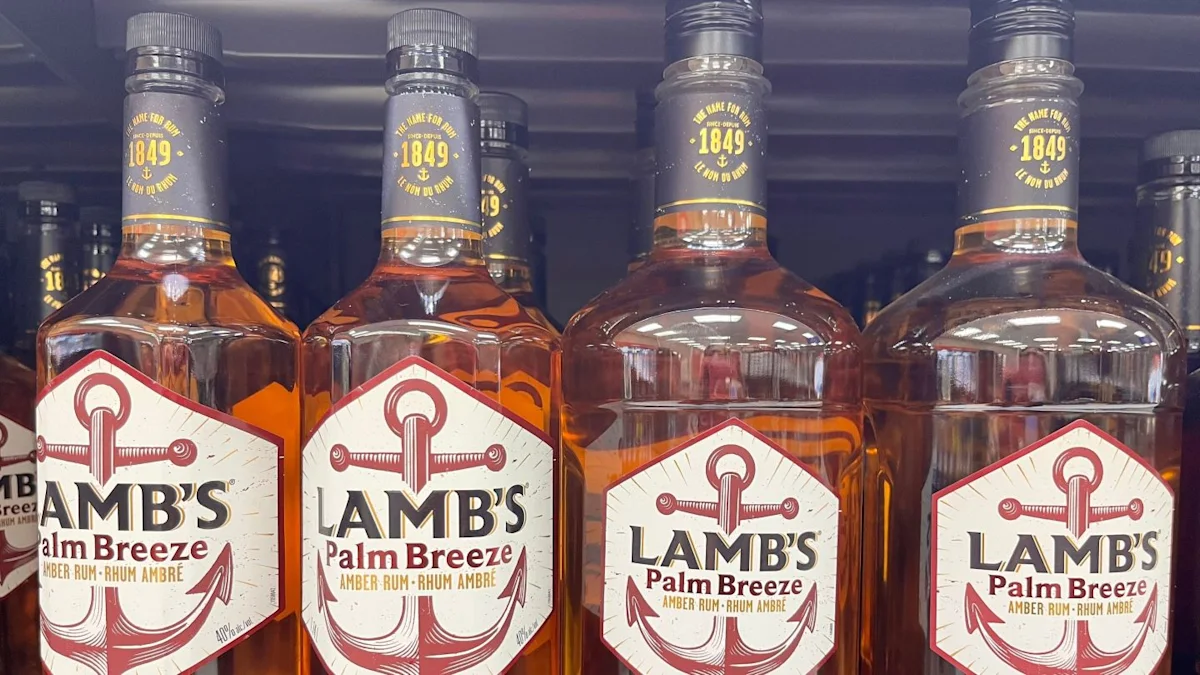
    Corby Spirit and Wine Limited has divested its British rum brand, Lamb’s, for the sum of US$39.2 million ($55.5 million) to Canadian and French firms, Phildan and Cofepp, respectively. Lamb’s holds a predominant position among rum brands in the UK and Canada, with its unique blend also available in Australia via select merchants and liquor retailers. The brand was acquired by Corby in 2006.

    Portfolio Simplification and Strategic Acquisition

    The business arrangement sees Phildan, a subsidiary of the Dandurand Group, taking over the North American rights to the brand, while Cofepp will hold the rights for the rest of the globe. The deal is part of a strategic decision by Corby to streamline its business portfolio and concentrate its efforts on growing priority categories, such as premium spirits and ready-to-drink beverages. According to Corby President and CEO, Florence Tresarrieu, the selling off of Lamb’s is a disciplined portfolio management decision that aligns with Corby’s long-term goals.

    The acquisition serves to bolster Phildan’s spirits portfolio, reflecting its sustained dedication to investing in brands with robust consumer recognition and growth potential. Hugues Gauthier, the president of Phildan, expressed his pride at the addition of one of Canada’s most recognized rum brands to their portfolio.

    Christophe Pichambert, the International Director at Cofepp’s subsidiary La Martiniquaise-Bardinet, stated that Lamb’s, being an established brand, would supplement their existing portfolio and align with their strategic objectives. He conveyed their excitement for the future opportunities and their commitment to support the continued success of the brand.

    Awaiting Deal Completion and Support Agreement

    While the transaction is still pending customary adjustments, Corby and its associated companies have pledged to provide post-closing production and distribution support to the new brand owners.

    Questions & Answers

    Who are the new owners of the Lamb’s brand?
    Corby Spirit and Wine Limited has sold the Lamb’s brand to the Canadian firm, Phildan, and the French firm, Cofepp.

    Why did Corby Spirit and Wine Limited decide to sell the Lamb’s brand?
    The decision to sell Lamb’s was made as part of a strategic plan to streamline Corby’s portfolio, enabling them to focus on growth categories including ready-to-drink beverages and premium spirits.

    What will be the future role of Corby Spirit and Wine Limited concerning the Lamb’s brand?
    Corby and its affiliates will provide post-closing production and distribution support to the new brand owners, Phildan, and Cofepp.

  • Australian Spirits Industry Outraged as Tax Relief Measures Favor Beer Over Liquor

    Australian Spirits Industry Outraged as Tax Relief Measures Favor Beer Over Liquor

    In Australia, the spirits industry is set to miss out on tax relief measures currently extended to the beer industry, following a failed debate on alcohol taxation in the Senate.

    The Failed Amendment

    An amendment proposed to extend the excise freeze, currently applied to draught beer, to tap spirits was voted down by the Labor and Greens parties. In addition to this, the amendment suggested a review of the alcohol tax system. The proposed changes, which received support from the opposition and several independent senators, would have served as a cost-of-living measure for patrons of pubs and clubs if approved.

    Steven Fanner, executive director of Spirits & Cocktails Australia, expressed disappointment at the outcome, stating that the amendment had the backing of consumers and also encouraged a review of alcohol taxation in the country.

    He was quoted as saying, “To see the amendment voted down without its supporters even being provided the opportunity to debate it in the Senate is disappointing.” He found it perplexing that the Greens opposed a review of the alcohol tax, considering that tax reform has been part of their policy platform for years.

    Call for Tax System Review

    Industry representatives continue to advocate for a reevaluation of the tax system, highlighting the stark contrast in taxation between different types of alcohol. For instance, a consumer purchasing a gin and tonic is taxed almost three times more than a beer drinker, and up to eight times more than a wine drinker. Fanner believes this system reflects outdated consumption patterns and fails to align with the current market conditions.

    Spirits are increasingly becoming a significant part of the product mix offered in bars, clubs, and smaller venues. The excise on spirits is adjusted bi-annually, and after the most recent adjustment in February, the tax collected on a standard 700ml bottle of gin or whisky stands at about $32.

    During the promotion of the draught beer excise freeze, Government MPs stated that the policy was intended to alleviate cost-of-living pressures and support hospitality businesses. According to Fanner, however, the current measure is only applicable to beer, not all alcohol categories.

    Questions & Answers

    What was the proposed amendment to alcohol taxation in Australia?
    The amendment proposed to extend the excise freeze currently on draught beer to tap spirits. It also called for a review of the alcohol tax system.

    What was the outcome of the debate on the amendment?
    The amendment was voted down in the Senate, with the Labor and Greens parties opposing it.

    What is the current state of alcohol taxation in Australia?
    Currently, the excise freeze is applied only to beer. A gin and tonic consumer pays nearly three times the tax a beer drinker pays, and up to eight times more than a wine drinker. The excise on spirits, which is adjusted twice a year, currently stands at $32 on a standard 700ml bottle of gin or whisky. Industry representatives are calling for a review of this system.

  • Haiver Spirits introduces two brewed hard teas

    Haiver Spirits introduces two brewed hard teas

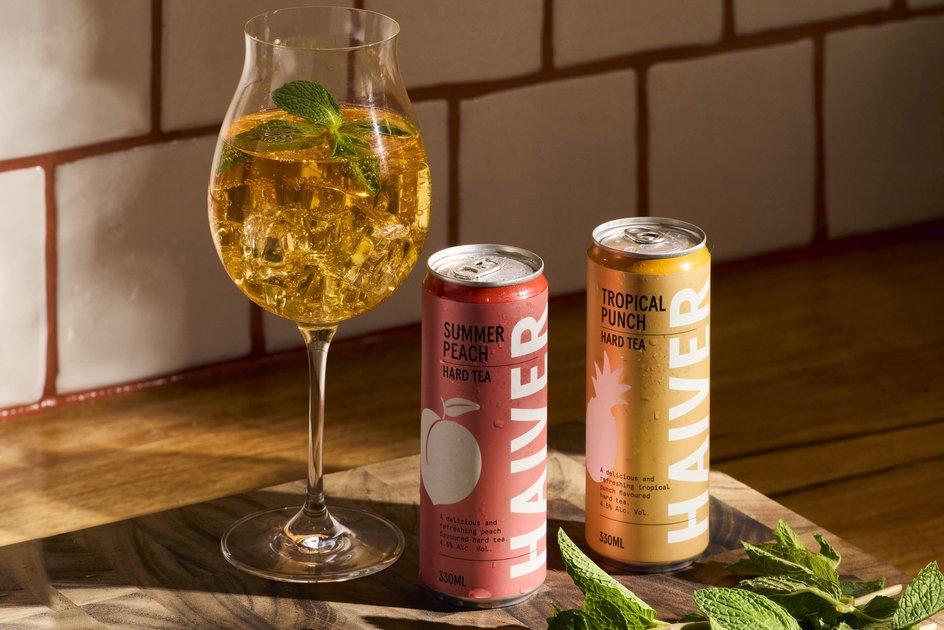
    Haiver Spirits, a renowned vodka brand, has broken new ground in the beverage market, venturing into the ready-to-drink category with the introduction of its first-ever brewed hard teas. This innovative offering marks a significant expansion for the brand, which is well-known for its vodka.

    The Inspiration behind the Brewed Hard Teas

    Matthew Anastassiou, the founder of Haiver Spirits, explained that the motivation behind the creation of these brewed hard teas was his enduring love for iced tea. He had a vision to craft a spirited variation of the classic drink that retained its refreshing essence, while adding a unique twist.

    The drinks are lightly carbonated, a feature that Anastassiou says helps to retain the original flavor of the drink, just as he intended.

    Production and Unique Features

    The hard tea range is produced in Victoria, utilizing Haiver Spirits’ proprietary vacuum distillation techniques. A key characteristic of the range is its infusion with fresh fruits, which lends an element of vibrancy to the two debut flavors – ‘Summer Peach’ and ‘Tropical’.

    In a departure from the traditional blending of tea with spirits, Anastassiou took an innovative approach for the hard tea range. He brewed the beverages on a beer base, a strategic move aimed at giving the product a smooth, full-bodied mouthfeel that closely resembled real iced tea. He described the end product as “crisp and refreshing”.

    Product Availability

    With an alcohol content of 4.5 per cent ABV, the hard tea range is conveniently packaged in 330ml cans. The retail price commences at $26 for a four-pack.

    Questions & Answers

    What inspired the creation of Haiver Spirits’ hard tea range?
    Matthew Anastassiou, the founder of Haiver Spirits, was inspired by his love for iced tea. He wanted to create a boozy version that retained the refreshing quality of classic iced tea while adding a unique edge.

    How does Haiver Spirits’ hard tea range differ from traditional tea-infused spirits?
    Rather than blending tea with spirits, Anastassiou chose to brew the beverages on a beer base. This innovative approach gives the product a smooth, full-bodied mouthfeel that closely resembles real iced tea.

    What is the alcohol content and packaging of the hard tea range?
    The hard tea range has an alcohol content of 4.5 per cent ABV and is available in 330ml cans.

  • Swift & Moore Partners With Otter Craft Distilling For Nationwide Spirits Distribution

    Swift & Moore Partners With Otter Craft Distilling For Nationwide Spirits Distribution

    Swift & Moore, a beverage distributor, has recently formed a collaboration with Otter Craft Distilling (OCD). As part of this new alliance, Swift & Moore will be taking over the nationwide distribution of the Sydney-based distillery’s variety of small-batch spirits.

    Collaboration Details

    In addition to taking over the distribution, Swift & Moore will also relocate some of its spirits production to Otter’s Marrickville facility. This strategic decision is designed to enhance Swift & Moore’s impact in the high-end spirits category, a segment that continues to experience growth in both retail and on-site sales channels.

    Established in 2015, Otter Craft Distilling produces a selection of Australian vodka, gin, and whiskey. The company has built a reputation for its small-scale, hands-on production methods. All their products are made in controlled quantities directly on-site. This collaboration provides the brand with access to Swift & Moore’s comprehensive national sales and logistics network.

    CEO’s Remarks

    “OCD represents the creativity and quality that consumers are growing more interested in when it comes to craft spirits,” observed Michael McShane, CEO of Swift & Moore. He further noted, “This partnership allows us to introduce their exceptional products to a larger audience and persist in driving growth and customization in the premium spirits category.”

    Swift & Moore manages a collection of numerous beverage brands, comprising both local and international producers. The company has gradually shifted its focus towards premium spirits as a key aspect of its growth strategy.

    Distribution Status

    The partnership started immediately, with OCD products being incorporated into Swift & Moore’s national distribution system well before the holiday trading season.

    Questions & Answers

    What products does Otter Craft Distilling produce?
    Otter Craft Distilling makes a selection of Australian vodka, gin, and whiskey.

    What is Swift & Moore’s growth strategy?
    Swift & Moore has gradually been focusing more on premium spirits as a significant part of its growth strategy.

    How will the partnership benefit Otter Craft Distilling?
    The partnership will give Otter Craft Distilling access to Swift & Moore’s comprehensive national sales and logistics network, helping the brand expand its reach.

  • Us Spirit Exports Plunge Amid Rising Trade Tensions, Major Markets Show Sharp Decline

    Us Spirit Exports Plunge Amid Rising Trade Tensions, Major Markets Show Sharp Decline

    The Distilled Spirits Council of the United States (DISCUS) has reported that the nation’s spirit exports saw a 9% decrease in the second quarter. The organization indicated that this marked a sharp downturn from the solid export performance recorded in 2024. The major markets that experienced steep falls include the European Union, Canada, Britain, and Japan, which collectively contribute to 70% of the total export value. DISCUS, a trade association representing leading spirit producers such as Pernod Ricard, maker of Jameson Irish whiskey, and Brown-Forman, producer of Jack Daniel’s, attributed the slump to increasing trade tensions.

    Significant Market Drops

    Canada recorded the highest decline, with US spirit exports plummeting 85% to less than $10 million in the second quarter. The majority of Canadian provinces maintain a ban on American spirits in their stores, a measure implemented in response to US tariffs targeting Canada. However, Canada lifted retaliatory tariffs in September.

    Meanwhile, other significant markets also experienced drops. Exports to the EU, the industry’s largest market, declined 12% to $290.3 million, while shipments to Britain decreased 29% to $26.9 million. Exports to Japan also fell 23% to $21.4 million.

    Industry Concerns

    “There’s a growing concern that our international customers are increasingly opting for domestically-produced spirits or imports from countries other than the US, signalling a shift away from our great American spirits brands,” commented DISCUS President Chris Swonger.

    Swonger’s statement reflects wider apprehensions in the consumer goods industry about rising anti-American sentiment in the wake of the extensive tariff regime and other policies pursued by the US government.

    Reports have also suggested that this export slump coincides with American whiskey producers struggling with slowing domestic sales and historically high inventory levels.

    Call for Tariff Revisions

    Swonger emphasized the interconnectedness of the spirits sector, implying that US tariffs impact the industry as a whole. He appealed to the administration to focus on reestablishing zero-for-zero tariffs with trading partners.

    Questions & Answers

    What was the percentage drop in US spirit exports in the second quarter?
    There was a 9% decrease in US spirit exports.

    Which country recorded the most dramatic fall in US spirit exports?
    Canada recorded the most dramatic fall with an 85% decrease in US spirit exports.

    What are some of the challenges faced by American whiskey producers?
    American whiskey producers are facing challenges such as slowing domestic sales and record-high inventory levels.

  • El Toro Expands Portfolio With Innovative Coconut Tequila: A Unique Blend Of Agave And Tropical Flavors

    El Toro Expands Portfolio With Innovative Coconut Tequila: A Unique Blend Of Agave And Tropical Flavors

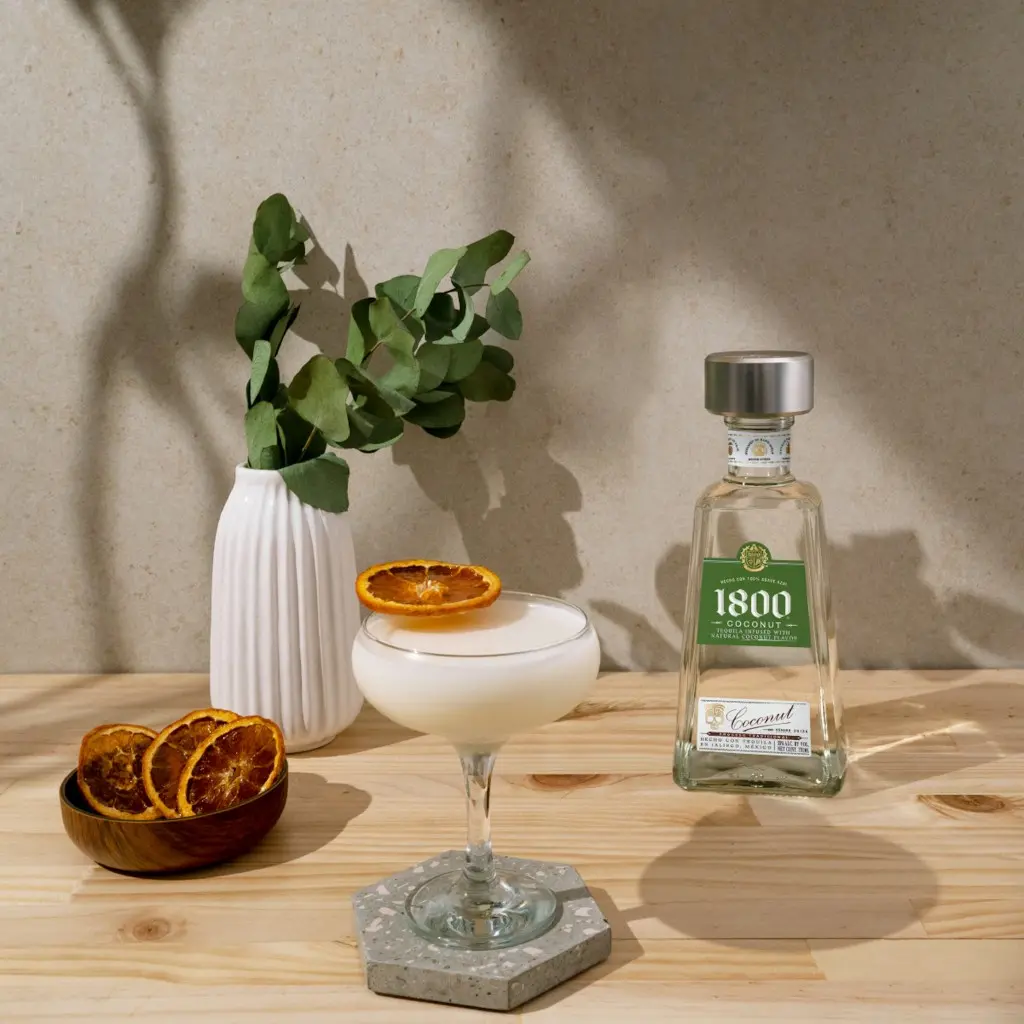
    El Toro has broadened its range of offerings with the introduction of its newest product, Coconut Tequila. This innovative blend marries the robust agave notes inherent in tequila with the smooth sweetness of coconut.

    This new spirit is characterized by its creamy, tropical, and toasted scent profiles. It beautifully balances the distinctive agave and coconut flavors, enhanced further by hints of citrus and a subtle hint of warmth.

    Eloise Penny, brand manager at Vok Beverages, expressed that Australians have a well-established fondness for coconut flavors. By combining this familiar taste with tequila, El Toro provides venues and bottle shops with a unique and premium option. This versatile spirit can be enjoyed neat, over ice, or as part of a mixed drink.

    The El Toro Coconut Tequila is offered at 35 percent Alcohol By Volume (ABV), packaged in a 700 ml bottle with a recommended retail price of $70. It is available for purchase across the nation via El Toro and Sippify.

    Questions & Answers

    What is unique about El Toro’s new Coconut Tequila?
    The Coconut Tequila from El Toro is a unique blend that combines the robust agave notes inherent in tequila with the smooth sweetness of coconut.

    How can El Toro’s Coconut Tequila be consumed?
    El Toro’s Coconut Tequila is a versatile spirit that can be enjoyed neat, over ice, or as part of a mixed drink.

    Where can consumers purchase El Toro’s Coconut Tequila?
    El Toro’s Coconut Tequila is available for purchase across the nation via El Toro and Sippify.