Tag: sponsorship

  • Heineken Activates F1 Campaigns as Motorsport Returns to Malaysia After 9 Years

    Heineken Activates F1 Campaigns as Motorsport Returns to Malaysia After 9 Years

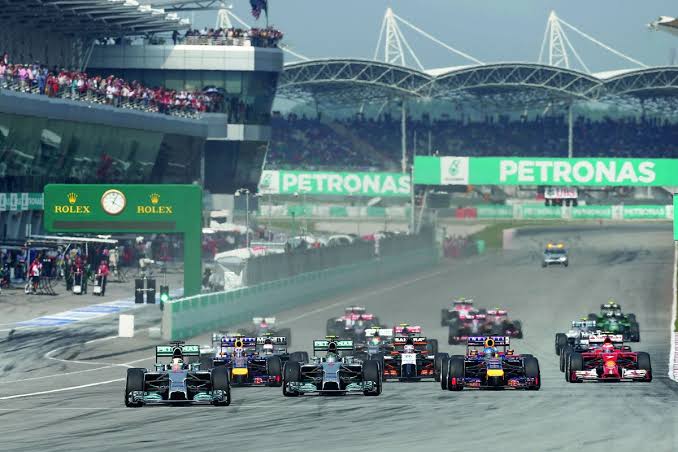
    HEINEKEN Malaysia ran trackside activations, venue watch parties, and music events at Sepang International Circuit as Formula 1 returned to Malaysia after a nine-year hiatus.

    Both core lager and zero-alcohol Heineken 0.0 featured across on-premise outlets and circuit hospitality areas during the race weekend in October 2026.

    Trackside Operations and On-Premise Venue Tie-Ins

    Sepang hosted the championship round across the weekend. Outside the grandstands and circuit bar areas, the brewer set up official viewing events at selected bars nationwide, backing partner venues with promotional packages and marketing collateral.

    Concerts anchored the circuit schedule. Swedish DJ Axwell performed on Saturday, October 3, followed by Dutch producer Martin Garrix on Sunday, October 4. The company linked the shows to its Fans Have More Friends platform, connecting live sport with nightlife entertainment.

    Trackside signage placed Heineken 0.0 at key circuit corners. The brewer tied the placement to its global transport safety campaign, reminding consumers not to drink before driving. Activations were strictly restricted to non-Muslim consumers aged 21 and older.

    Commercial Impact for Malaysian Hospitality Operators

    Major sporting fixtures deliver key volume spikes for beverage suppliers and licensed food and beverage operators in Southeast Asia. For bar operators in the Klang Valley, coordinated viewing events turned fan interest into foot traffic and longer table dwell times during race broadcasts.

    Targeting marketing budgets at zero-alcohol lines allows global brewers to stay visible under strict regional advertising rules. The category gives distributors access to venues and public spaces where standard alcoholic drinks face promotional limits.

    Regional Sponsorship Precedents and Distribution Strategy

    As a Global Partner of Formula 1 since 2016, Heineken has deployed similar event-driven marketing across Grand Prix stops worldwide. Southeast Asia serves as a proving ground for experiential marketing as beverage giants battle regional craft labels and commercial rivals for tap space.

    Motorsport’s return to Sepang tested whether fan demand can sustain hospitality revenue outside traditional tourism hubs. On the track, Max Verstappen took first place for Red Bull Racing in the Red Bull Ford Powertrains car, finishing ahead of the upcoming round in Singapore.

    Sponsorship History and Community Programs

    Malaysia hosted annual Formula 1 races until 2017, when the circuit paused its contract over rising hosting fees and shifting tourism priorities. The return to Sepang in October 2026 renewed commercial partnerships across the hospitality, logistics, and retail sectors.

    Local trade and community efforts have long anchored the brewer’s domestic work, including education fundraisers like the Tiger Chinese Education Charity Concert, which generated over RM 6.5 million for school infrastructure in October 2022.

    Outlet activations will expand across Malaysian bars as the motorsport calendar heads toward the Singapore Grand Prix.
  • PepsiCo Introduces STING Energy as Official Formula 1 Partner in Southeast Asia

    PepsiCo Introduces STING Energy as Official Formula 1 Partner in Southeast Asia

    PepsiCo introduced its STING Energy brand as an official partner of Formula 1 in Malaysia and Singapore on September 28, 2026. The debut links the multinational’s regional energy beverage line directly to Southeast Asian motorsport race calendars.

    The push expands PepsiCo’s sports sponsorship presence in core ASEAN convenience and retail channels. STING centers its promotional activations on high-speed brand association across retail shelves and consumer engagement events in both territories.

    Race Season Rollout

    Activations roll out across hypermarkets, mini-marts and petrol stations throughout peninsular Malaysia and Singapore. Retailers receive co-branded point-of-sale displays and seasonal packaging designed to capture race-weekend shoppers.

    STING Energy uses the global motorsport platform to target young, mobile consumers seeking functional beverages at affordable price tiers. The campaign coordinates convenience-store placement with digital race-week content.

    Energy Drink Market Dynamics

    Energy drinks continue to generate consistent velocity for modern trade operators in Southeast Asia. Category volumes benefit from high turn rates at petroleum forecourts and 24-hour convenience chains, where grab-and-go purchases drive basket margins.

    Rival brands have long dominated motorsport sponsorships across the region. By stepping into Formula 1, PepsiCo challenges established competitors for prime counter placement and cold-vault real estate in urban hubs.

    Channel Strategy Across Southeast Asia

    Distributors face the task of keeping store shelves stocked through high-traffic race periods. Regional convenience chains routinely report beverage volume surges during major regional sports broadcasts.

    For retail buyers, tiered sports partnerships provide predictable promotional calendars. Stocking commitments tied to international race circuits allow supermarkets and regional distributors to plan inventory buys months ahead of key fixtures.

    What to Track Next

    Attention turns to distribution figures across regional retail chains following the race season launch. Inventory turnover numbers across Malaysian and Singaporean convenience outlets during upcoming race fixtures will show how effectively global sports branding converts to sustained register receipts.

  • China Gains 221 Million Formula 1 Fans as Brand Backing Lags

    China Gains 221 Million Formula 1 Fans as Brand Backing Lags

    China counted an audience of 221 million Formula 1 fans in March 2026, yet commercial brand activations across the domestic market remain largely muted despite a sold-out Shanghai Grand Prix.

    Ticket allocations for the Shanghai race cleared out immediately as a younger demographic increasingly directs discretionary spending toward live sports and experiential hospitality over traditional product purchases.

    Premium hospitality meets young consumers

    The core of luxury engagement at Formula 1 centres on the Paddock Club, an exclusive hospitality tier positioned directly above team garages that provides pit lane access and curated dining. Premium lifestyle houses use these paddock suites as private commercial salons, bringing VIP clients into high-touch environments that combine networking with entertainment.

    Global luxury conglomerate LVMH established the modern benchmark for motorsport marketing by securing a 10-year, billion-dollar worldwide sponsorship deal covering multiple brands across its portfolio. That agreement placed watches, champagne, and fashion labels directly into the race weekend ecosystem across international circuits.

    Hesitation among domestic consumer labels

    Chinese domestic labels have hesitated to commit major marketing budgets to motorsport, leaving trackside activations dominated by traditional global sponsors. Local consumer brands often prioritize short-term e-commerce livestreaming conversions over multi-year experiential sports rights that require extensive hospitality infrastructure.

    This reluctance creates an opening for European luxury groups and regional lifestyle retailers to capture high-net-worth race attendees without facing heavy counter-bidding from local players. The risk for brands sitting out the circuit is losing direct access to young, affluent consumers who view live racing as a primary cultural identifier.

    The shift toward live entertainment spend

    The current race sellouts follow years of steady motorsport audience building in mainland China, accelerated by digital streaming access and international team promotion. Younger urban consumers who cut back on conventional luxury goods are still allocating capital to ticketed trackside events and associated travel.

    Commercial focus now turns to whether local consumer electronics makers and domestic apparel groups step into paddock hospitality tiers before the next regional race calendar locks in multi-year partner rosters.

  • GAC Signs Villarreal CF Sleeve Sponsorship to Back European Electric Vehicle Push

    GAC Signs Villarreal CF Sleeve Sponsorship to Back European Electric Vehicle Push

    Guangzhou Automobile Group signed an official automotive partnership with Spanish football club Villarreal CF on September 10, 2026, securing shirt sleeve branding across European competition.

    Under the agreement signed at the Estadio de la Cerámica, the Chinese automaker’s logo will appear on the left sleeve of Villarreal’s first-team shirts during domestic LaLiga fixtures and UEFA Champions League matches.

    Sleeve Sponsorship and EV Lineup

    GAC is tying the football partnership directly to the rollout of two battery-electric passenger models aimed at European drivers. The carmaker plans to feature the AION V, an electric sport utility vehicle tailored for family buyers, alongside the AION UT, a compact electric hatchback designed for urban commuting.

    Match-day activations, digital campaigns and fan events across Spain and broader tournament stops will give prospective buyers direct access to both vehicles. Placing the brand on a squad competing in continental club tournaments offers immediate television exposure across core Western European markets where Chinese automotive nameplates still struggle with consumer familiarity.

    The European Market Play

    Securing football inventory has become the standard playbook for Chinese electric vehicle manufacturers seeking rapid legitimacy in Europe. BYD took official tournament partner status for UEFA Euro 2024, and GAC is now deploying a similar sponsorship model at club level to bypass the slow, expensive grind of building retail recognition from scratch.

    For dealership groups and fleet buyers across Europe, the sponsorship signals that GAC is committing marketing capital rather than testing the waters with low-volume imports. The commercial risk sits in conversion: high-profile stadium exposure creates top-of-funnel awareness, but turning match viewers into EV buyers requires competitive financing packages, dense service networks and spare parts availability that Chinese brands must build on the ground.

    Expanding the Global Network

    The European push follows earlier sports marketing initiatives by GAC in Latin America and aligns with the company’s broader One GAC 2.0 strategy. That framework divides international expansion across target territories in Asia-Pacific, the Middle East, Africa, Europe, the CIS and Latin America through localized sales channels and aftersales operations.

    Attention now shifts to the commercial deployment of the AION V and AION UT across regional dealer networks, alongside the establishment of certified local repair centers before tournament group matches get underway.

  • Global FMCG Brands Reshape Experiential Deals Across Asia-Pacific

    Global FMCG Brands Reshape Experiential Deals Across Asia-Pacific

    Global consumer goods manufacturers are restructuring major event partnerships across Asia-Pacific, shifting capital into high-traffic sports and cultural fixtures that drive direct product trial.

    Treasury Wine Estates flagship label Penfolds took an event supporter role at the Formula 1 Australian Grand Prix at Albert Park in March 2026. The four-day motorsport contract replaced its five-year tenure at the Melbourne Cup carnival, aligning the label with international broadcast reach during the 75th anniversary of its Grange vintage.

    On-Ground Services and Market Reach

    Consumer goods conglomerate Procter & Gamble expanded its multi-market Olympic platform to integrate retail campaigns directly with athlete usage. During the Milano Cortina 2026 Olympic Winter Games, the company ran its Champions Clubhouse across the Milano and Cortina villages, servicing more than 3,500 athletes with grooming, hair care and recovery facilities.

    The group distributed product kits across 25 corporate labels, including SK-II, Head & Shoulders, Oral-B and Gillette Venus. That athlete-facing footprint converts into localized supermarket campaigns across the region, including an ongoing partnership with eight-time Olympic gold medallist Lisa Carrington in New Zealand.

    Community Anchors and High Volume

    Pernod Ricard brand Absolut continues to direct festival marketing toward high-throughput consumption formats. The spirits maker pairs rapid-service cocktail menus with cultural events, including its long-running alignment with the Sydney Gay and Lesbian Mardi Gras in Australia and massive activations at Coachella in North America.

    Alcohol and personal care groups across Asia-Pacific are increasingly moving away from passive perimeter signage. Instead, brand owners want dedicated on-premise pours and physical service lounges that put physical inventory straight into shoppers’ hands.

    Brand teams now face the next test of this experiential spending when race organizers release spectator attendance and paddock hospitality figures for the upcoming grand prix calendar.

  • Samsung to support the Olympics through 2028

    Samsung to support the Olympics through 2028

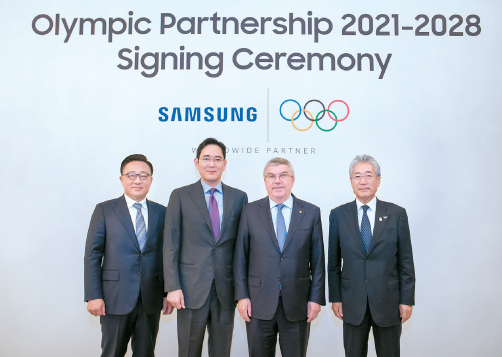
    Samsung Electronics announced on Tuesday it will extend its partnership with the International Olympic Committee (IOC) through 2028, from the original 2020 end date of the collaboration. The two parties signed an agreement at a ceremony at the Hotel Shilla in central Seoul in the presence of IOC President Thomas Bach and Samsung Electronics Vice Chairman Lee Jae-yong, as well as other executives from the company and officials from the committee.

    Samsung said it will continue as a Worldwide Olympic Partner in the wireless communications equipment and computing equipment category and promote the artificial intelligence (AI), virtual reality (VR), augmented reality (AR) and 5G features of the supplied equipment. Samsung will continue the support beyond the Olympic Games in Tokyo in 2020 through to the Los Angeles 2028 Olympics. The agreement also covers the Youth Olympic Games through 2028.

    Samsung will continue to support the IOC, the national Olympic Committee and the teams, the technology company added. The company will remain a Worldwide Partner of the International Paralympic Committee, extending a relationship that began in 2006.

    In collaboration with the IOC and the Organizing Committees, Samsung plans to continue its Athlete Phone Program. Under this program, it provides Olympic Edition Galaxy phones to all participating Olympic and Paralympic athletes.

    “As part of the agreement, the IOC and Samsung will further develop their strategic digital collaboration to engage young generations around the world in order to promote the power of sport and the values of Olympism,” Samsung said in a statement.

    “As a Worldwide Olympic Partner for the last 22 years, Samsung has been inspired by the spirit of hope, friendship and unity,” said Koh Dong-jin, president and CEO of the IT and mobile communications division at Samsung Electronics. “Through our innovative wireless and computing equipment, which supports AI, VR, AR and 5G technology, we hope to spread the excitement of the games so that fans and athletes around the world can stay connected and share in the journey to achieve greatness at the highest level of sportsmanship.”

  • AirAsia is official airline partner for SEA Games 2017

    AirAsia is official airline partner for SEA Games 2017

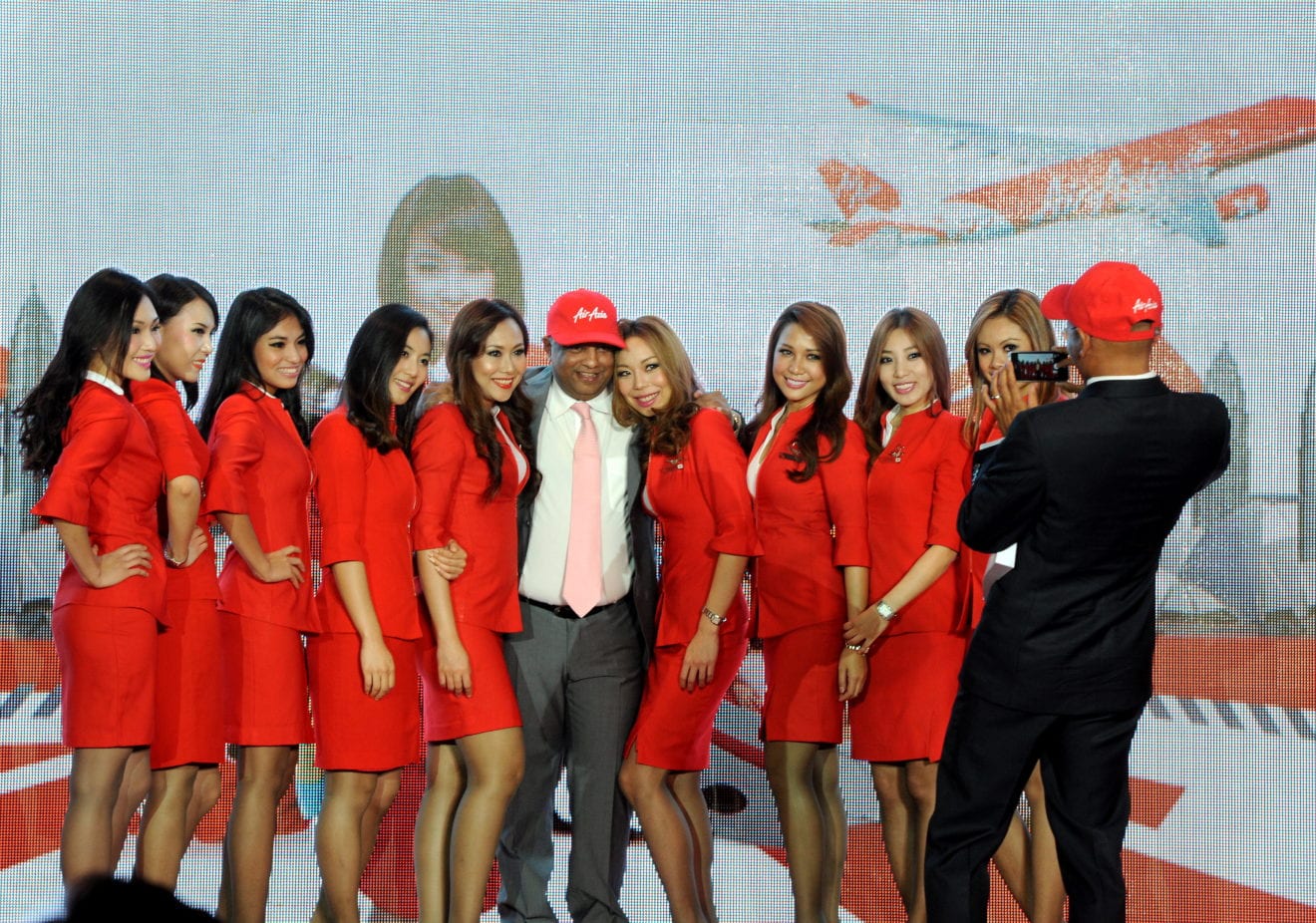
    Budget airline AirAsia Bhd has lent its support to Malaysia’s hosting of the 29th Southeast Asian Games from Aug 19 to 31, 2017 and 9th Asean Para Games from Sept 17 to 23, 2017.

    As a Gold Sponsor, AirAsia will be providing flights for the Malaysia Organising Committee (MASOC) officials within the airline’s Asean network for the purpose of organising both sporting events.

  • Go-Jek secures title sponsorship right for Indonesia’s top soccer league

    Go-Jek secures title sponsorship right for Indonesia’s top soccer league

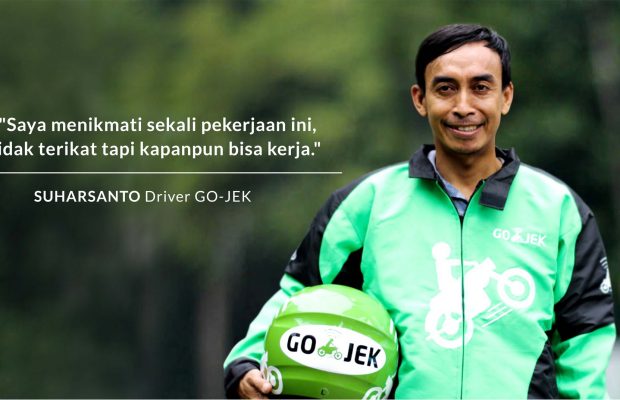
    Local online transport and services app Go-Jek announced on Tuesday its partnership with PT Liga Indonesia Baru to become the title sponsor for the country’s top professional soccer league for the 2017 tournament season.

    The company expects the partnership will help popularize its distinctive service solutions to cater activities related to the soccer league, such as providing transport to and from games using its Go-Ride and Go-Car and purchase of game tickets through Go-Tix.

    “We are excited to become part of Liga 1’s management, as we feel that soccer has become a widely loved sport that is able to unite all layers of Indonesian society,” Go-Jek CEO Nadiem Makarim said in a statement.

    “We also see the economic enthusiasm by the people surrounding the tournaments themselves, which is in line with our mission to empower Indonesia’s micro-entrepreneurs and small businesspeople.”

    Liga 1, previously known as the Indonesia Super League, will kick off this year’s season on April 15, with 18 participating teams, including Arema FC, Bali United, Barito Putera, Madura United, Mitra Kukar, Persib Bandung and Persija Jakarta.