Tag: sporting goods

  • Rebel Opens 3,000Sqm Flagship Store in Hobart

    Rebel Opens 3,000Sqm Flagship Store in Hobart

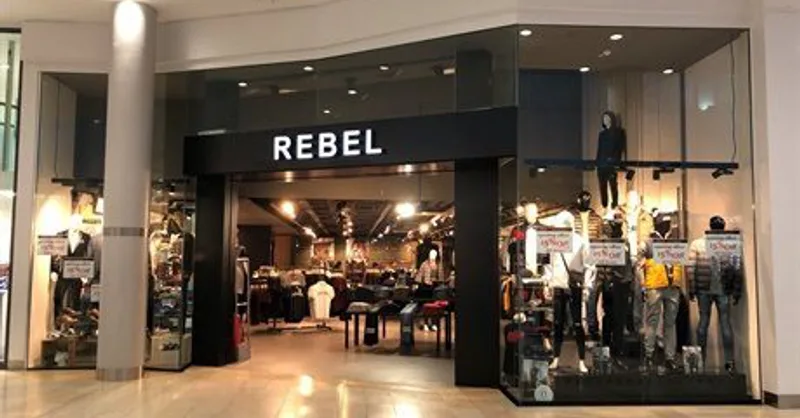
    Rebel opened its largest Tasmanian store on Murray Street in Hobart in September 2026, spanning 3,000 square metres across two floors. The flagship created more than 40 jobs.

    The two-level site replaces a former H&M location in the central business district. It brings the sporting goods chain to three outlets across the state alongside existing stores in Rosny Park and Launceston.

    Interactive format on Murray Street

    This Hobart flagship is the retailer’s second Rebel Customer Experience format in Tasmania. An interactive football zone lets shoppers test boots and equipment before paying. The store also stocks gear for cricket, basketball and Australian rules football.

    Shelf space leans heavily into Tasmanian Devils teamwear and guernseys ahead of the state entering the Australian Football League. Dedicated testing zones help defend physical store sales against online sports apparel retailers.

    Shifting footprints across regional centres

    Athletic specialty stores face rising occupancy costs in central business districts, yet taking over vacated department and fast-fashion spaces provides pre-built foot traffic. For landlords, experiential sporting anchors balance slowing apparel footfall in secondary city centres.

    Conversion rates must stay high to justify multi-level rents. Interactive zones increase customer dwell times, but they require higher staffing ratios on the floor to manage testing areas and equipment fittings.

    Five-year expansion targets 70 stores

    Super Retail Group appointed Jenny Child as managing director of Rebel earlier in 2026. Store portfolio expansion sits at the centre of the brand’s capital deployment.

    We know how passionate Tasmanians are about sport and with the state’s first AFL team on the horizon, there’s never been a more exciting time to open a store of this scale in Hobart.

    Hobart’s opening kicks off a five-year development cycle aimed at mid-sized and regional hubs. Rebel currently operates 39 regional locations across Australia. It plans to scale that network to 70 sites by June 2031 across RCX, foundation and compact formats.

    Next openings in the pipeline

    Rollout schedules over the next four quarters will determine how quickly Rebel opens the remaining 31 regional sites to meet its June 2031 target.
  • Singapore Retail Sales Growth Slows to 1.5% in July as Luxury Holds Firm

    Singapore Retail Sales Growth Slows to 1.5% in July as Luxury Holds Firm

    Singapore retail sales excluding motor vehicles rose 1.5 per cent year-on-year in July to SG$3.7 billion (US$2.9 billion), slowing from a 4.1 per cent gain in June.

    Official Department of Statistics data released on Monday showed shoppers pared back daily supermarket and fuel spending while sustaining double-digit increases on high-end discretionary items. Online transactions generated 18.3 per cent of total retail turnover during the month.

    Discretionary Spend Defies Inflation

    Recreational goods rose 13.9 per cent year-on-year, propelled by sports equipment purchases. Turnover for watches and jewellery climbed 11.1 per cent over the same period, giving both categories three consecutive months of double-digit expansion.

    Everyday retail categories faced a sharper contraction. Fuel receipts dropped 1.1 per cent in July after an 8.0 per cent expansion in June, reflecting a mid-year drop in pump prices before crude costs picked up again heading into late third-quarter trading. Supermarkets, convenience stores, mini-marts, and food and alcohol retailers all posted annual revenue declines.

    Right now, this is a market where retailers serving the masses are struggling, while those attracting the wealthy thrive.

    Josh Gilbert, lead analyst for Apac at Etoro, noted that households have adjusted their budgets around elevated living expenses by cutting routine spending to protect big-ticket purchases.

    Department Stores Squeezed

    Department stores suffered their sixth contraction in seven months. The persistent slide exposes structural problems for general merchandise retailers competing against specialized mono-brand stores on one side and cross-border e-commerce platforms on the other.

    Landlords across central shopping corridors face an increasingly split tenant base. Prime retail space dedicated to athleisure, fitness gear, and hard luxury continues to deliver higher sales densities, while suburban grocery anchors and legacy multi-brand floors yield lower turnover rents.

    Distortions and the Next Baseline

    Part of the drag on staple retail reflects a high comparative base from July 2025, when households spent state-issued SG60 vouchers across neighborhood stores and supermarkets.

    August retail numbers will reveal whether renewed oil price volatility and the complete runoff of previous fiscal stimulus further weaken food receipts, ahead of fourth-quarter lease renegotiations across major shopping mall portfolios.