Tag: sports marketing

  • China Gains 221 Million Formula 1 Fans as Brand Backing Lags

    China Gains 221 Million Formula 1 Fans as Brand Backing Lags

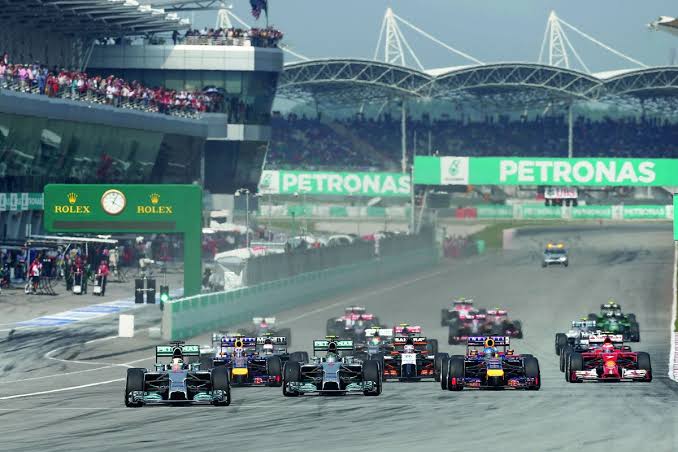
    China counted an audience of 221 million Formula 1 fans in March 2026, yet commercial brand activations across the domestic market remain largely muted despite a sold-out Shanghai Grand Prix.

    Ticket allocations for the Shanghai race cleared out immediately as a younger demographic increasingly directs discretionary spending toward live sports and experiential hospitality over traditional product purchases.

    Premium hospitality meets young consumers

    The core of luxury engagement at Formula 1 centres on the Paddock Club, an exclusive hospitality tier positioned directly above team garages that provides pit lane access and curated dining. Premium lifestyle houses use these paddock suites as private commercial salons, bringing VIP clients into high-touch environments that combine networking with entertainment.

    Global luxury conglomerate LVMH established the modern benchmark for motorsport marketing by securing a 10-year, billion-dollar worldwide sponsorship deal covering multiple brands across its portfolio. That agreement placed watches, champagne, and fashion labels directly into the race weekend ecosystem across international circuits.

    Hesitation among domestic consumer labels

    Chinese domestic labels have hesitated to commit major marketing budgets to motorsport, leaving trackside activations dominated by traditional global sponsors. Local consumer brands often prioritize short-term e-commerce livestreaming conversions over multi-year experiential sports rights that require extensive hospitality infrastructure.

    This reluctance creates an opening for European luxury groups and regional lifestyle retailers to capture high-net-worth race attendees without facing heavy counter-bidding from local players. The risk for brands sitting out the circuit is losing direct access to young, affluent consumers who view live racing as a primary cultural identifier.

    The shift toward live entertainment spend

    The current race sellouts follow years of steady motorsport audience building in mainland China, accelerated by digital streaming access and international team promotion. Younger urban consumers who cut back on conventional luxury goods are still allocating capital to ticketed trackside events and associated travel.

    Commercial focus now turns to whether local consumer electronics makers and domestic apparel groups step into paddock hospitality tiers before the next regional race calendar locks in multi-year partner rosters.
  • Hisense Extends UEFA Partnership Through 2028 European Championship

    Hisense Extends UEFA Partnership Through 2028 European Championship

    Hisense extended its sports sponsorship portfolio on September 3, 2026, signing on as an official partner for the UEFA EURO 2028 tournament.

    The agreement secures the Chinese consumer electronics manufacturer its fourth consecutive European championship contract since its tournament debut in 2016.

    Announced during the IFA consumer technology trade show in Berlin, the agreement retains Hisense as UEFA’s dedicated display technology partner. The Chinese appliance maker has integrated display hardware across match operations and fan venues while operating marketing zones at European and global football events.

    Expanding Global Screen Presence

    Chinese television manufacturers continue to channel marketing budgets into high-profile athletic tournaments to dislodge South Korean and Japanese incumbents across Western retail channels. Hisense, which took the top global market share position in television sets sized 100 inches and above between 2023 and the first quarter of 2026 according to Omdia data, relies heavily on large-format sports broadcasts to move premium RGB MiniLED sets.

    Rival panel manufacturers TCL and Skyworth deploy similar sporting playbooks across basketball and regional leagues, but Hisense holds the most extensive European football footprint among Asian consumer electronics brands. The commercial payoff rests entirely on whether Western consumer demand for premium home theatre setups offsets the escalating rights fees charged by international sports federations.

    Sponsorship Track Record

    The company became the first Chinese brand to sponsor the UEFA EURO tournament during the 2016 event in France, subsequently renewing for the 2020 and 2024 competitions. Outside European continental football, Hisense backed the FIFA World Cup tournaments in Russia in 2018 and Qatar in 2022.

    As the first Chinese sponsor of the UEFA EURO, over the past decade we have grown beyond pure brand sponsorship to become UEFA’s dedicated display technology partner, progressing hand-in-hand.Catherine Fang, Vice President of Hisense Group and President of Hisense Global Commercial Center

    Football investments sit at the core of the group’s overseas expansion strategy, which now reaches retail channels across more than 180 countries. UEFA reinvests 97.5 per cent of its total commercial revenue back into football development, providing top-tier brand partners with year-round visibility across 55 national member associations.

    Hardware Deliveries for 2026

    Commercial execution now shifts to the FIFA World Cup 2026, where Hisense serves as an official sponsor ahead of the 2028 European tournament. Retail inventory planning across European retail chains for the company’s next-generation RGB MiniLED lineup begins in early 2027.

  • MILO Partners Malaysian Sports Ministry Ahead of SEA Games 2027

    MILO Partners Malaysian Sports Ministry Ahead of SEA Games 2027

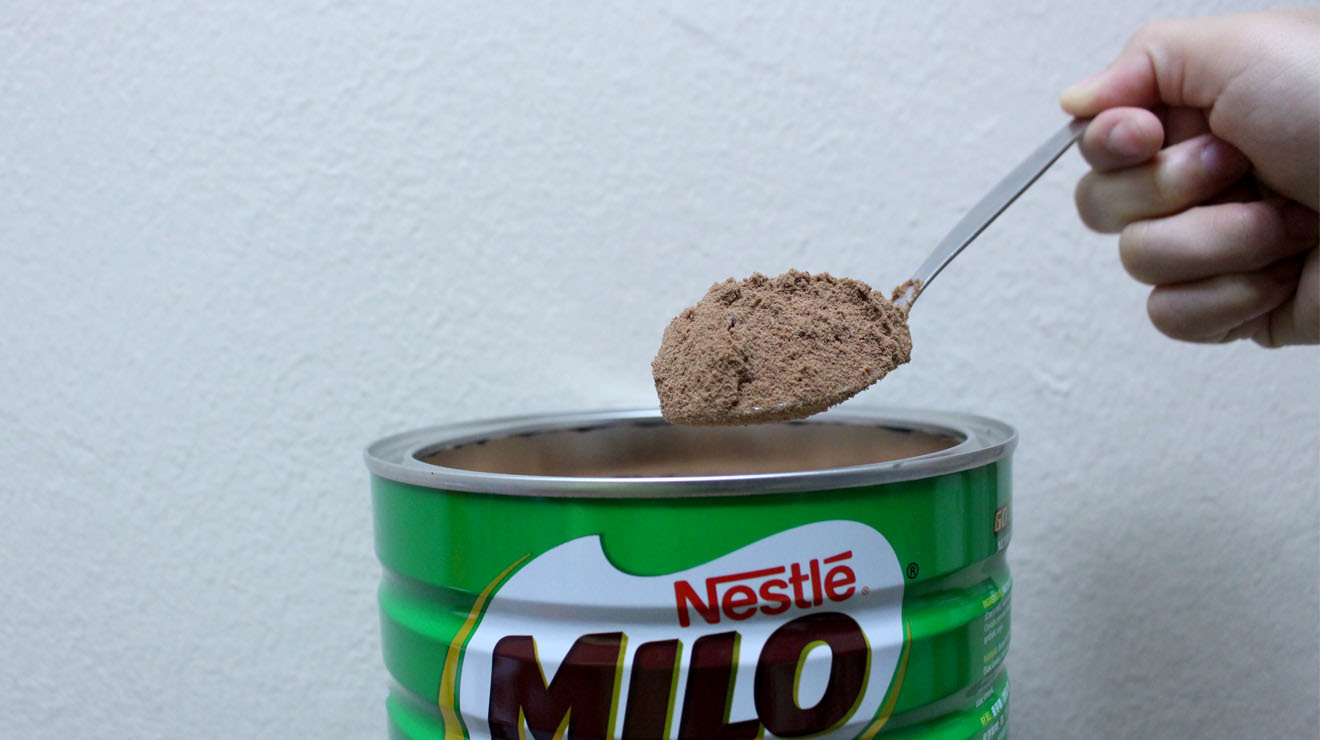
    MILO partnered with Malaysia’s Ministry of Youth and Sports in Putrajaya to distribute more than 100,000 cups of malt beverage during national day celebrations.

    The sampling initiative tied the chocolate malt brand directly to state-backed athletic programs ahead of the 2027 Southeast Asian Games. Grassroots sports alignment remains central to NestlĂ©’s commercial strategy for the brand across Southeast Asia.

    Sampling and Sports Alignment

    Field teams deployed distribution vans across Putrajaya on 31 August 2026 during Malaysia’s 69th Independence Day gathering. Officials from the Ministry of Youth and Sports joined the event, linking the brand’s school sports outreach to national youth athletic development.

    Sports partnerships have anchored MILO’s market share in Malaysia for decades, insulating the brand from newer ready-to-drink beverage competitors. Rivals in the dairy and malt category rely heavily on supermarket retail promotions, while NestlĂ© uses institutional sporting ties and on-ground school van activations to secure early brand loyalty.

    Preparation for Regional Games

    Both parties structured the collaboration around youth athletic readiness ahead of Malaysia hosting the SEA Games in 2027. The ministry plans to use existing youth development tracks to identify talent across primary and secondary schools nationwide over the next 12 months.