Tag: sports retail

  • Index Living Mall Invests up to 100 Million Baht in Bangkok Sports Complex

    Index Living Mall Invests up to 100 Million Baht in Bangkok Sports Complex

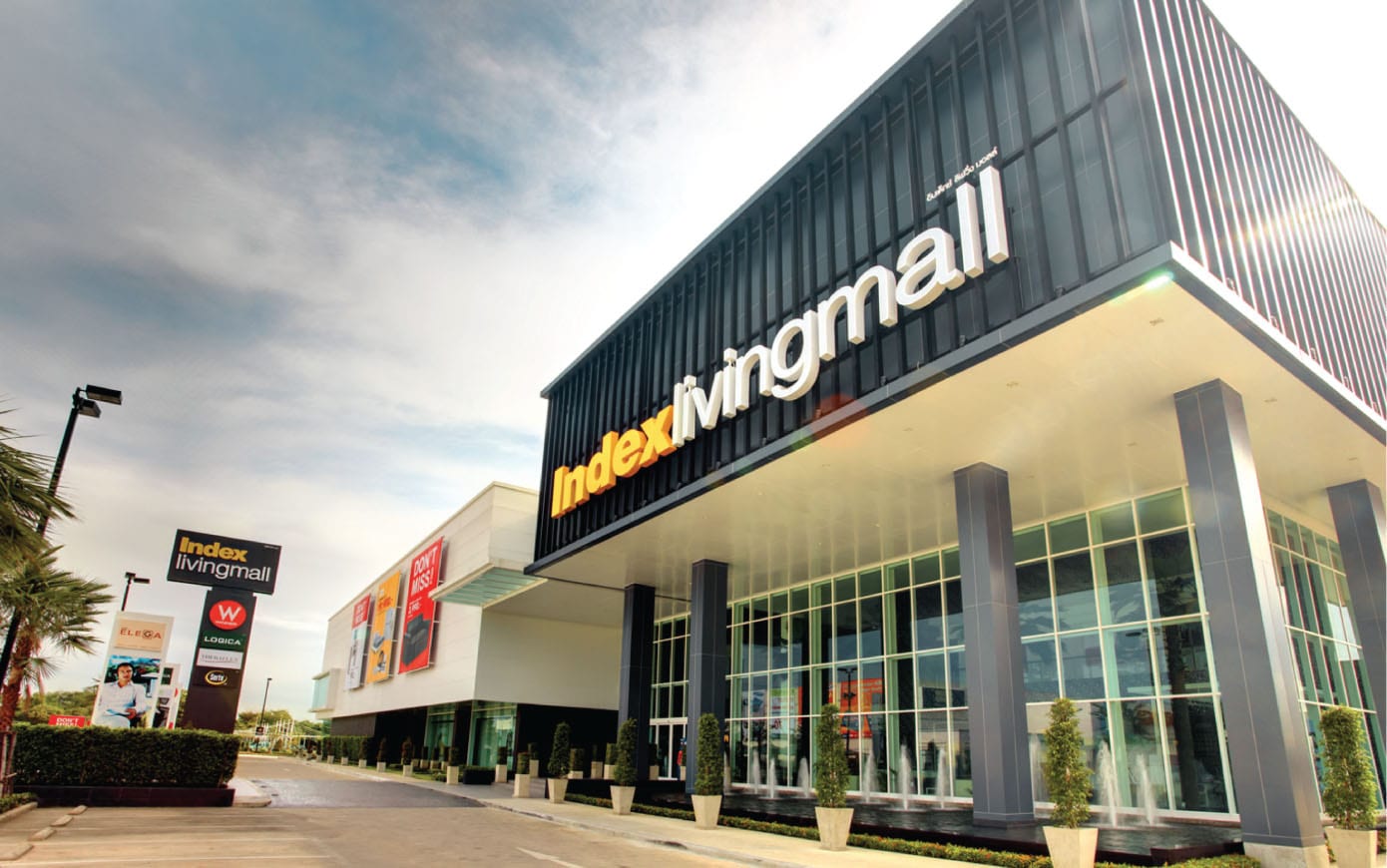
    Index Living Mall Plc (ILM) has invested between 80 million and 100 million baht to launch Talent Sport Academy, an indoor sports complex at The Walk Ratchaphruek in western Bangkok.

    Chief property management officer Ekalak Patamasatayasonthi said the company expects the athletic hub to lift foot traffic at the community mall by 5 to 7 per cent, with consumer spending projected to climb 10 per cent.

    The venue targets annual revenue of 15 million baht directly from the academy, capitalising on rising fitness demand following a year in 2025 when Thailand’s fitness industry revenue topped 12 billion baht.

    Rethinking Community Mall Real Estate

    The Walk Ratchaphruek currently draws about 5,000 visitors a day on weekdays and 8,000 on weekends. The facility features three popular sports — tennis, pickleball and basketball — targeting the “premium mass” segment while also offering customisable training programmes led by professional coaches.

    The location aligns with the Ratchaphruek area’s demographic profile, which comprises high-end families and offers strong growth potential due to robust purchasing power, Mr Ekalak said. The area is also home to international schools, prestigious educational institutions and extensive amenities, with connectivity linking Bangkok to Nonthaburi and Pathum Thani provinces.

    Mr Ekalak said the investment is part of ILM’s growth strategy to develop new revenue streams alongside its core business. The academy will maximise space utilisation and create opportunities to attract new tenants, such as lifestyle brands, apparel retailers, sports equipment stores, and health-focused food and beverage outlets, while broadening the customer base to include sports and wellness enthusiasts.

    The Talent Sport Academy is expected to strengthen the education centre zone, which occupies over 30% of the retail space at The Walk Ratchaphruek, Mr Ekalak said.

    Fitness Sector Momentum

    The academy aligns with the growing wellness trend. The global wellness economy is projected to reach US$7.9 trillion by 2026, with an average annual growth rate of 7.6% over the past three years, according to the Global Wellness Economy Monitor by the Global Wellness Institute.

    Thai consumers are mirroring this trend, with more individuals regularly engaging in physical activities and opting for paid fitness services, Mr Ekalak said. According to Kasikorn Research Centre, Thailand’s fitness industry revenue exceeded 12 billion baht in 2025, an 18% increase, with over 80% of the market concentrated in the Bangkok metropolitan area, which has high purchasing power.

    Pipeline Across Suburban Locations

    The company plans to open 1-2 sports complexes annually in “The Walk” or “Little Walk” projects, initially focusing on high-potential locations with consistent foot traffic. Two additional branches are scheduled to open in 2027 at Little Walk Liap Khlong Song and Little Walk Phran Nok.

    The company currently operates three The Walk and seven Little Walk projects in Thailand.
  • Techcombank Hanoi International Marathon Injects Nearly $14M into Capital Economy

    Techcombank Hanoi International Marathon Injects Nearly $14M into Capital Economy

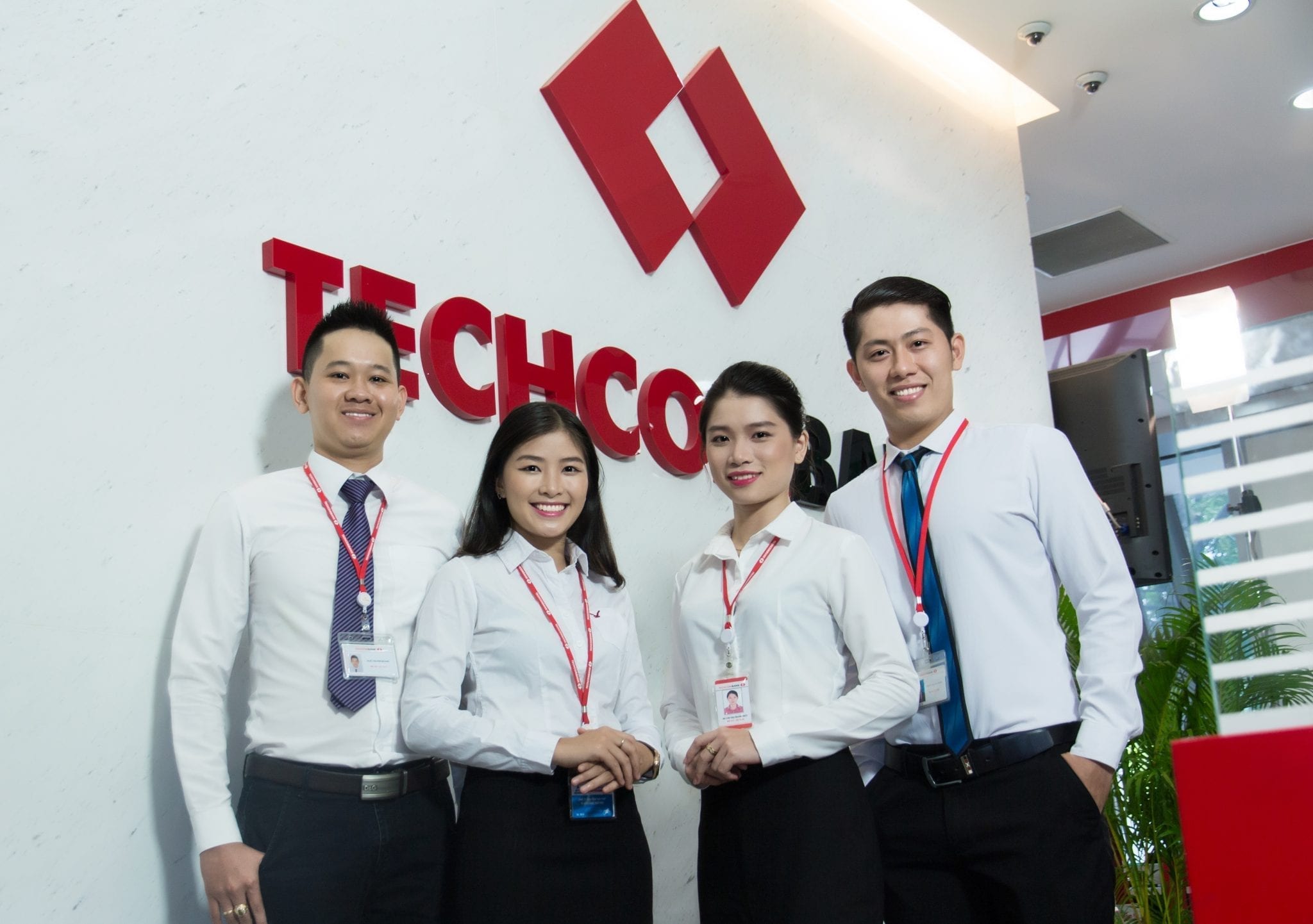
    The Techcombank Hanoi International Marathon generated 13.7 million dollars for Hanoi’s local economy during its 2025 race, according to event organiser Sunrise Events Vietnam.

    More than 13,000 runners from 55 countries and territories joined the fourth edition, almost doubling participation from the 7,000 registered at the inaugural 2022 race. Visiting participants and traveling supporters drove direct receipts across hotels, dining venues, transport networks, and retail outlets across the capital.

    Tourist Spending Beyond Race Day

    Organisers built the 42-kilometer course to pass 37 landmarks and historical sites, including St. Joseph’s Cathedral. The route funnels foot traffic through central commercial districts, encouraging traveling runners to extend their stays for leisure and shopping.

    Domestic and international visitors traveling for mass-participation athletic events spend substantially more than standard leisure travelers on local services. Extended stays generate ancillary business for neighborhood restaurants, street vendors, and transport providers outside typical tour-bus corridors.

    Digital Guidance And Brand Sponsorships

    Sunrise Events Vietnam rolled out SEV RunConcierge for the event cycle, an artificial intelligence digital assistant built on the Neurun platform. The tool provides racecourse navigation alongside curated directories for Hanoi dining and cultural destinations.

    Commercial sponsors have linked merchandising directly to race turnout. German sportswear group Adidas signed on as Official Apparel Sponsor for the upcoming fifth edition, providing official race kits for participants and anchoring brand visibility across the event.

    Regional Race Economics And Commercial Scale

    Major municipal marathons across Southeast Asia, from Singapore to Bangkok, have turned into commercial platforms for retail brands and hospitality operators looking to capture affluent fitness consumers. Hanoi’s fast-expanding participant roster mirrors this shift, pulling private banking sponsors, international athletic brands, and local service providers into a single revenue ecosystem.

    For city administrators and local operators, the commercial risk rests on logistics management and road closures that can disrupt regular weekend trading. When managed effectively, the concentrated influx of out-of-town runners delivers high-density weekend revenue that traditional tourism marketing campaigns rarely match.

    Five Years Of Event Expansion

    The marathon launched in 2022 with 7,000 participants as Vietnam reopened international travel and public events. Registration expanded each subsequent year, reaching 13,000 in 2025 as inbound flight connectivity recovered across East Asia and Southeast Asia.

    Registration for the fifth edition targets more than 14,000 competitors across the race weekend scheduled for Oct. 2 to 4, 2026.

  • Speediance Signs Mark Cavendish to Lead Global Smart Fitness Push

    Speediance Signs Mark Cavendish to Lead Global Smart Fitness Push

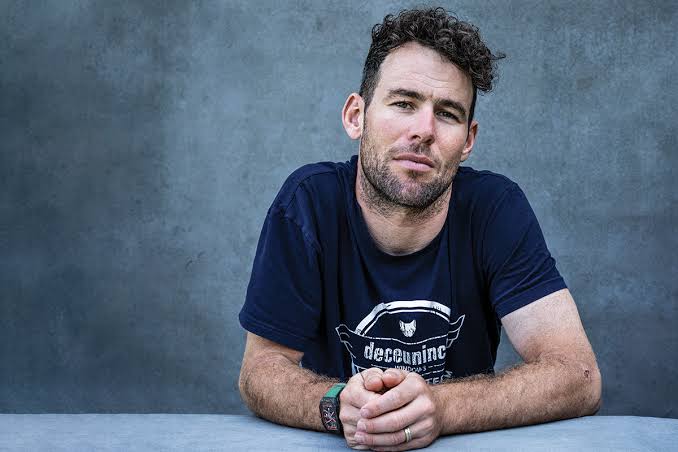
    Smart fitness equipment maker Speediance signed 35-time Tour de France stage winner Sir Mark Cavendish on September 12. Cavendish will serve as global brand ambassador for the company’s new Build for Belief campaign.

    The deal pairs the Shenzhen-founded connected gym manufacturer with cycling’s most decorated sprinter. It lands as hardware makers battle cooling post-pandemic demand for premium home workout gear.

    Speediance launched the campaign with a digital training film featuring Cavendish. The video focuses on resistance training and physical rehabilitation routines. Speediance develops digital cable resistance machines, including its flagship Gym Monster series and VeloNix stationary bike, using electronic motors instead of weight plates to adjust loads.

    Hardware Pivot to Athletic Credibility

    Bringing in an elite endurance athlete shifts the brand away from casual lifestyle marketing toward performance training. Connected fitness startups spent years targeting recreational home users with touchscreen consoles. Falling hardware margins and subscription fatigue changed that approach. Now, brands must prove real functional value to dedicated athletes.

    For retail buyers and fitness distributors across Asia and Europe, the push signals an effort to challenge commercial gym suppliers directly. Speediance must convince specialty sports retailers that multi-functional digital resistance units can win floor space from traditional free weights and stationary cardio machines.

    Defending Intellectual Property in Global Markets

    High-profile athletic endorsements also give the Chinese manufacturer clear identity in crowded Western retail channels. Distributors in Europe and North America often hesitate to stock new Asian hardware brands facing patent or design disputes from copycat rivals.

    Speediance is actively defending its industrial designs abroad. Earlier this month, the company secured an injunction in the Cologne Regional Court against rival maker AEKE over Gym Monster design infringements. Strong athlete partnerships give distributors added legal and commercial confidence when allocating prime floor space.

    Expanding Physical Retail Footprint

    Founded in 2020, the company builds compact home workout machines using direct digital motor resistance. It expanded its reach through physical concessions earlier this year, placing its Gym Monster 2s line inside Smartech flagship department stores.

    Wholesale conversion is the next major test. Speediance must now turn online marketing buzz into firm stock orders from department stores and athletic retail chains ahead of the year-end holiday shopping cycle.

  • NFL Australia Fixture Drives 400 per Cent Surge in Online Merchandise Traffic

    NFL Australia Fixture Drives 400 per Cent Surge in Online Merchandise Traffic

    Online traffic for National Football League merchandise surged roughly 400 per cent in Australia during the month before Melbourne’s inaugural regular-season game.

    More than 100,000 spectators attended the fixture between the Los Angeles Rams and the San Francisco 49ers at the Melbourne Cricket Ground. That capped a week of commercial activations across the city.

    Merchandise demand and consumer spending spikes

    Digital traffic for NFL gear was already running 310 per cent above baseline levels across the twelve months ending in August, according to data from Adobe. Sponsors hold high expectations. Adobe found 72 per cent of brands investing in the Melbourne fixture anticipate a 1.5-times return on spend. Another 30 per cent expect to double their outlay.

    Local spending patterns mirrored established habits. Carly Lynch, principal strategist of retail, media and travel at Adobe’s digital strategy group for Asia-Pacific, noted that 79 per cent of Australian households buy goods tied to major Australian Football League finals. During similar sporting windows, spending on streaming hardware jumps 74 per cent as consumers upgrade home setups.

    The commercial stakes for regional retailers

    For electronics retailers and licensed apparel distributors, foreign sports codes create a revenue window outside the traditional domestic footy calendar. Department stores and specialty chains face sharp demand spikes. These require precise inventory timing rather than prolonged shelf space. The immediate payoff sits with official merchandise and home viewing tech, leaving general retailers with minimal spillover.

    Buying teams face real risks if they overcommit stock beyond headline event weeks. Domestic leagues offer six months of consistent weekend matches. In contrast, overseas touring properties generate intense, narrow purchasing bursts that drop quickly once teams leave.

    A four-year runway in Victoria

    The Melbourne match is the first stage of an agreement between the league and the Victorian Government to host three games across four years. It follows a sustained effort by NFL Australia to build fan engagement and retail tie-ins before bringing full-scale games to the region.

    Charlotte Offord, general manager of NFL Australia and New Zealand, now targets a permanent annual fixture at the MCG under future scheduling arrangements.

  • Chelsea Stablecoin Shirt Deal Sparks Hong Kong Merchandising Regulatory Fears

    Chelsea Stablecoin Shirt Deal Sparks Hong Kong Merchandising Regulatory Fears

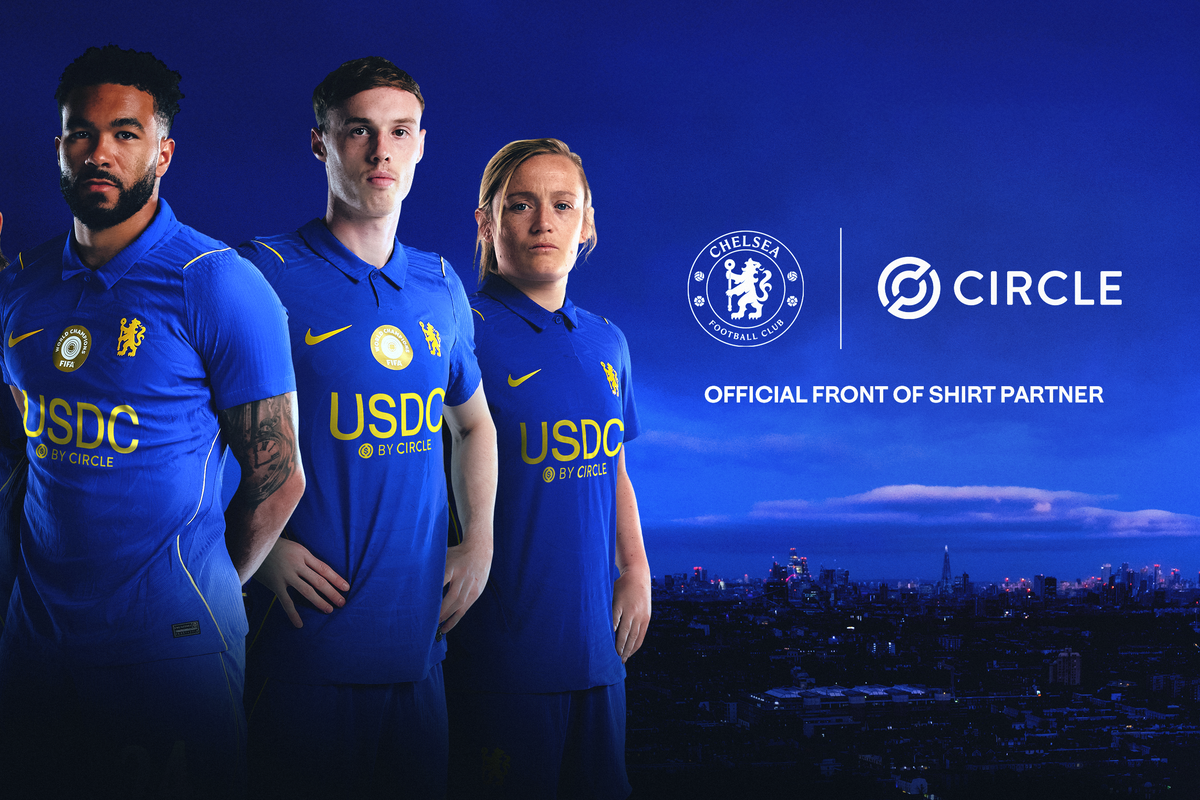
    English Premier League club Chelsea signed a front-of-shirt sponsorship deal with Circle in late August to display its USDC stablecoin logo across official jerseys for the 2026-27 season. The agreement has created immediate uncertainty for Hong Kong sports apparel retailers and consumers navigating the city’s strict digital asset marketing framework.

    Only two stablecoin issuers, Anchorpoint Financial Limited and HSBC, currently hold operating licences in Hong Kong. Circle’s USDC token is neither issued nor licensed under Hong Kong law, putting local replica jersey distributors in an uncertain regulatory position.

    Licensing Limits Under City Ordinance

    The legal friction stems from Hong Kong’s Stablecoins Ordinance, which took effect on August 1, 2025. Under guidelines issued by the Hong Kong Monetary Authority (HKMA), actively marketing unlicensed fiat-referenced stablecoins to the public is illegal.

    Regulators assess active marketing based on target audience, language, local domain usage, and whether an intentional promotional strategy exists. While the ordinance provides exemptions for live broadcast networks that do not control commercial content, it does not explicitly clarify whether physical apparel retail falls under promotional activity.

    Apparel stockists in major retail hubs are already weighing the commercial risk. Hammer Chung, owner of football apparel store DirectSoccer in Mong Kok, questioned whether stocking and retailing replica kits bearing unlicensed crypto logos exposes shop owners to regulatory enforcement.

    Retail Merchandising and Active Marketing Rules

    Supporter demand across Asia remains a vital revenue stream for European football merchandise, but grey areas in sports sponsorship compliance are multiplying. European teams continue to sign lucrative sponsorship contracts with global crypto firms, yet Asian jurisdictions are enforcing increasingly localised virtual asset licensing regimes to protect retail consumers.

    The UK Financial Conduct Authority warned Premier League clubs three months before the Chelsea deal about partnering with unregulated crypto platforms. In Hong Kong, consumer advocates and digital asset compliance specialists, including VerifyVASP, have called for clearer retail guidance and on-screen disclaimer requirements for televised fixtures.

    Retailers in the city are now waiting to see whether the HKMA issues formal enforcement guidance on replica sports merchandise before peak sales for the 2026-27 European football season get underway.