Retail News CRM

Tag: Spot

  • Malaysia Soars to 15th Spot in Global Economic Competitiveness, Credits Boom in AI and Semiconductor Industry

    Malaysia Soars to 15th Spot in Global Economic Competitiveness, Credits Boom in AI and Semiconductor Industry

    In the most recent 2026 IMD World Competitiveness Ranking, Malaysia’s standing significantly improved, moving up eight spots to claim the 15th place. This notable advancement represents the country’s greatest leap in recent years. The International Institute for Management Development, the authority that published the ranking, attributed Malaysia’s enhanced position to advancements across all four pillars of competitiveness.

    The four pillars considered in the ranking include economic performance, government efficiency, business efficiency, and infrastructure. Malaysia demonstrated remarkable progress in all these areas. The country obtained 4th place worldwide for economic performance, while government efficiency ascended 11 places, reaching the 14th position. Business efficiency moved up 16 spots to the 16th position, and infrastructure experienced a slight boost, improving two spots to rank 33rd.

    An Examination of Sub-factors

    Looking deeper into the sub-factors, Malaysia’s domestic economy ranking ascended four places, achieving the 11th position, and the international trade ranking rose one spot to the 5th position. One significant leap was observed in the international investment sector, which climbed seven places to reach the 19th position.

    The IMD ranking evaluates 70 economies based on the aforementioned four fundamental pillars. Malaysia’s consistent improvement is evidenced by its steady ascent over the years. In the previous year, the nation jumped 11 places to secure the 23rd position among 69 economies. This was a marked improvement from the 34th position it held among 67 economies in 2024.

    According to economists, the critical factors contributing to Malaysia’s elevated ranking include a robust economic foundation, heightened trade competitiveness, improved public and business sector performance, and expanding opportunities within the technology sector.

    Stephen Innes, Managing Partner at SPI Asset Management, believes that Malaysia’s substantial boost in competitiveness is not merely indicative of a short-term recovery. Instead, he points to the rapid growth of artificial intelligence and the semiconductor industry as key drivers of this progress. Innes notes that Malaysia’s advantageous positioning across the electrical and electronics supply chain, coupled with its appeal in attracting investment in advanced packaging and data centers, makes it a natural beneficiary of global supply chain diversification.

    Questions & Answers

    What factors led to Malaysia’s improved ranking in the 2026 IMD World Competitiveness Ranking?
    Malaysia’s improvement is attributed to advancements in economic performance, government efficiency, business efficiency, and infrastructure. The rapid growth in artificial intelligence and the semiconductor industry were also highlighted as key contributors.

    How has Malaysia’s ranking evolved over the years?
    Malaysia has shown steady improvement in its standing, moving from 34th out of 67 economies in 2024, to 23rd out of 69 in 2025, and finally to 15th out of 70 economies in 2026.

    What sub-factors saw notable improvement in Malaysia’s ranking?
    Significant improvements were observed in the country’s domestic economy, international trade, and international investment rankings.

  • Costco Australia Outperforms: Profits Soar by 40% Taking Top Spot Over Aldi

    Costco Australia Outperforms: Profits Soar by 40% Taking Top Spot Over Aldi

    Costco, the United States-based wholesale giant, continues to make waves in the Australian market. The company has seen a significant year-on-year profit increase of 39.4%.

    The financial report for the fiscal year ending on August 31, 2025, reveals an impressive annual income of $10.8 billion for the company. With a global footprint of 923 outlets, Costco currently provides employment to nearly 13,000 individuals.

    Australian Operations Showing Strength

    The Australian segment of Costco, which also oversees operations in Taiwan, has reported a profit increase from $279 million in 2024 to $389.1 million. This demonstrates the continuing growth and profitability of the company in the region.

    Costco has established 15 warehouses across Australia since launching its first location in Docklands, Melbourne, in 2009. The company’s expansion plans include the opening of another site in Victoria and a new location in Western Australia by 2027.

    Outperforming Competition

    Costco’s after-tax profits now surpass those of Aldi, which is currently the third-largest supermarket in terms of market share in Australia. This achievement indicates Costco’s aggressive growth strategy and successful performance in the competitive Australian market.

    Questions & Answers

    What is the recent growth rate of Costco in the Australian market?
    Costco has seen a significant year-on-year profit increase of 39.4% in the Australian market.

    How many Costco warehouses are there in Australia?
    As of now, Costco has established 15 warehouses across Australia.

    How does Costco’s after-tax profit compare with that of Aldi in Australia?
    Costco’s after-tax profits now surpass those of Aldi, which is the third-largest supermarket in the country in terms of market share. This indicates Costco’s strong performance in the competitive Australian market.

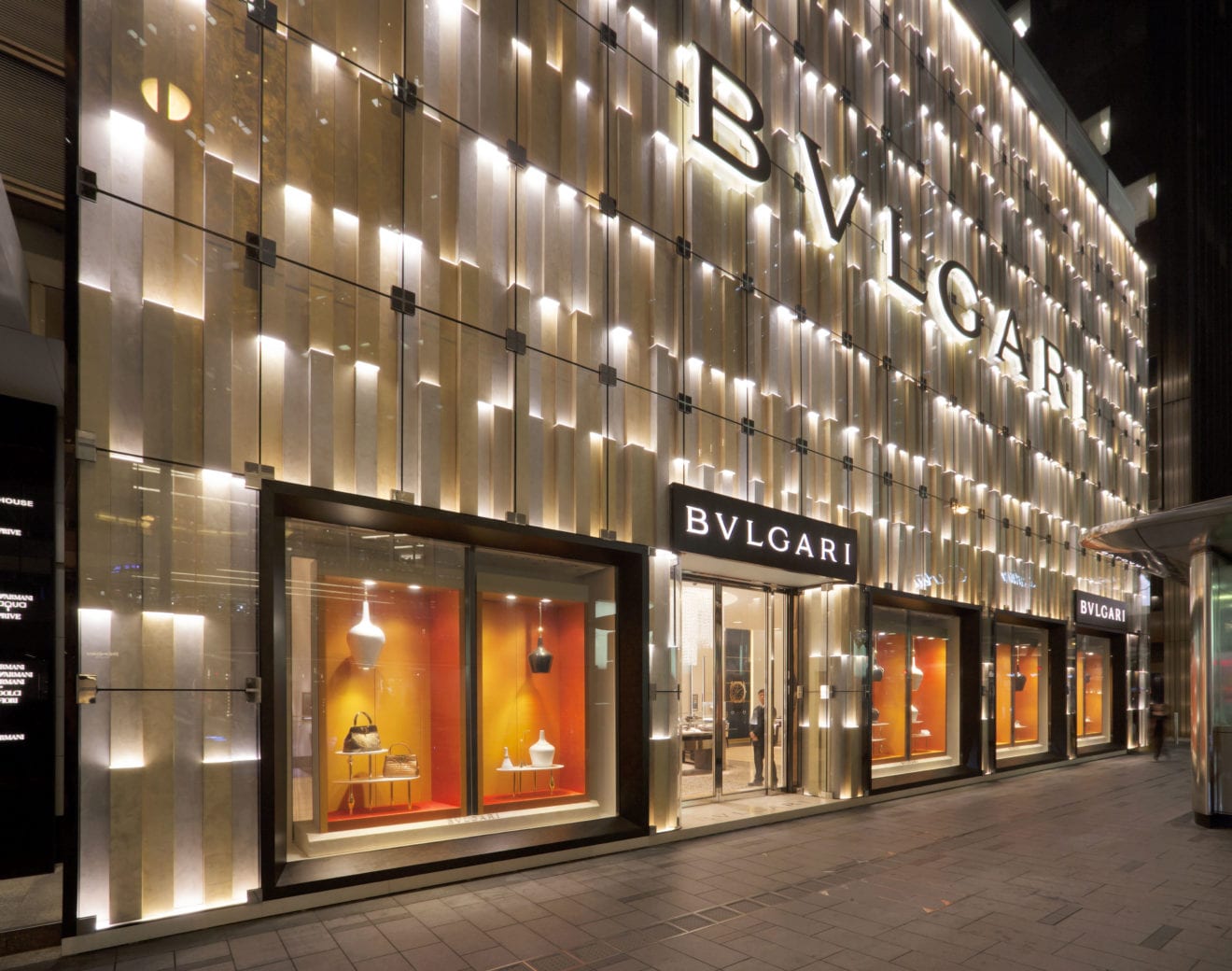
  • Laura Burdese Ascends to Bulgari’s Top Spot: A New Era Dawns for Iconic Luxury Brand

    Laura Burdese Ascends to Bulgari’s Top Spot: A New Era Dawns for Iconic Luxury Brand

    LVMH, the esteemed French luxury consortium, has announced the appointment of Laura Burdese as the Chief Executive Officer (CEO) for the renowned Italian high jewellery brand, Bulgari. Her tenure is slated to begin in July of the coming year.

    Transition in Leadership

    Jean-Christophe Babin, who is currently serving as the CEO, will be relinquishing his role. However, he will maintain his connection with the company by continuing as Chairman of the Board, Chief of Bulgari’s hotel business unit, and President of the Bulgari Foundation.

    Burdese is not a new face at LVMH. She joined the luxury group in 2016, initially undertaking the role of CEO for the Italian fragrance brand, Acqua di Parma. She transitioned to Bulgari three years ago, taking charge of marketing and communications. Her exceptional performance led to her promotion to Deputy CEO last year.

    Honoring Excellence

    Stephane Bianchi, Group Managing Director and CEO of LVMH Watches and Jewelry, lauded the efforts of both Burdese and Babin, acknowledging their major contributions to expanding the brand. He affirmed that the appointment of Laura Burdese signals the start of a fresh chapter for Bulgari, a testament to her substantial accomplishments at the company.

    Bianchi also extended high praise to Babin, who has translated his senior leadership roles at Tag Heuer and Bulgari into over a quarter-century of success. Babin’s tenure has allowed both companies to carve out unique paths in their respective industries.

    Bianchi firmly believes in Babin’s continued influence in his new roles, expressing confidence that Babin’s vision and energy will persist in driving LVMH and its brands forward.

    Questions & Answers

    Who has been appointed as the new CEO of Bulgari?
    Laura Burdese has been appointed as the new CEO of Bulgari, effective from July of the coming year.

    What roles will the current CEO, Jean-Christophe Babin, continue to hold post-transition?
    Jean-Christophe Babin will continue as the Chairman of the Board, Chief of Bulgari’s hotel business unit, and President of the Bulgari Foundation.

    What was Laura Burdese’s role at Bulgari before her appointment as CEO?
    Laura Burdese served as the Deputy CEO of Bulgari, leading the brand’s marketing and communications.

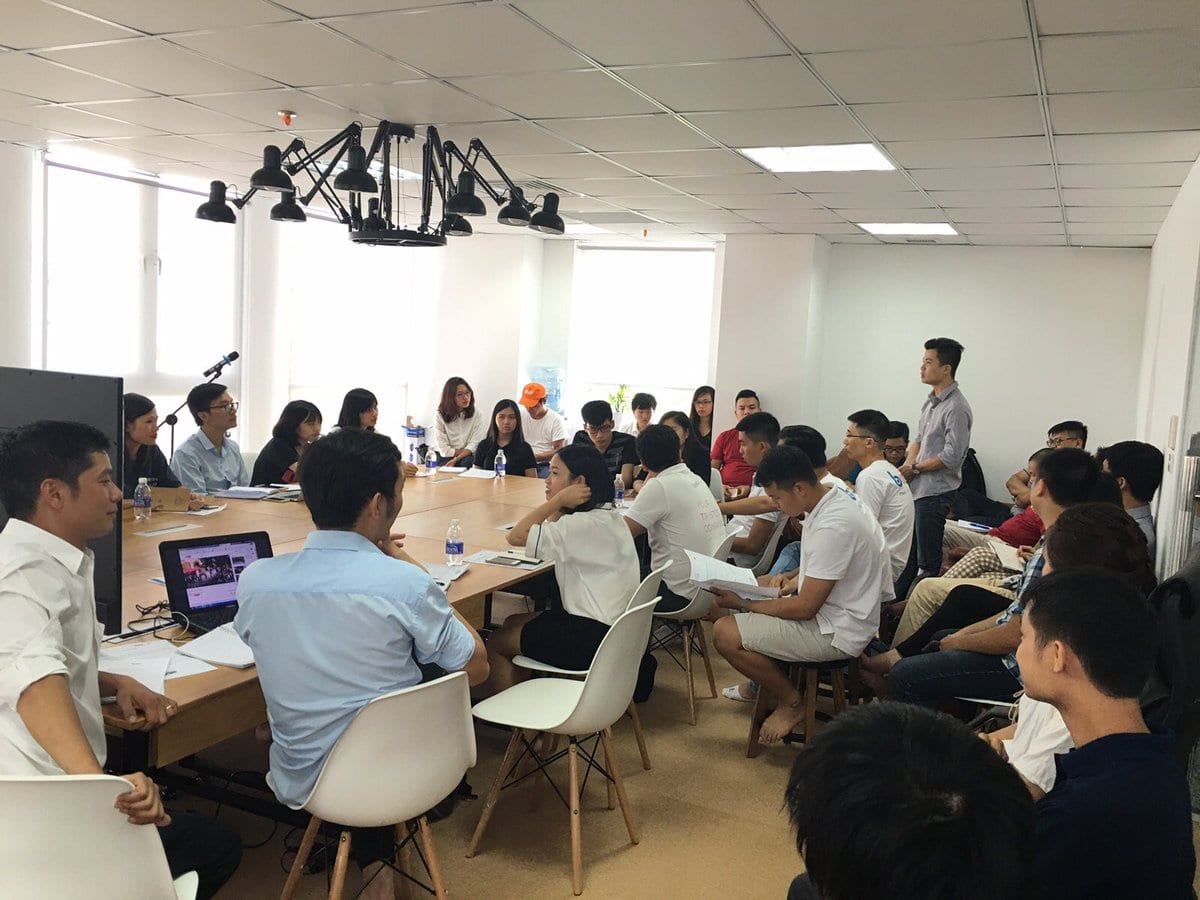
  • Vietnam Climbs to 5th Spot in US International Student Rankings; Contributes $1.15B to Economy

    Vietnam Climbs to 5th Spot in US International Student Rankings; Contributes $1.15B to Economy

    During the previous academic year, U.S. higher education institutions saw an unprecedented influx of nearly 25,600 students from Vietnam. As such, Vietnam now holds the title of being the fifth most significant source of international students for the United States.

    Academic Year 2024-2025: A Closer Look

    The 2024-2025 academic session witnessed a significant 15.9% increase in Vietnamese students studying in the U.S., taking the total count to 25,584. This not only marked the highest inflow of Vietnamese students ever recorded but also contributed nearly US$1.15 billion to the U.S. economy.

    The data, which was recorded by the Institute of International Education (IIE), is the highest it has ever been since the IIE commenced tracking Vietnamese students in the U.S. in the 2000-2001 academic session.

    The majority of these students were enrolled in undergraduate programs, comprising 63% of the total. They were followed by graduate students at 17.3%, students on Optional Practical Training (OPT) at 14.2%, and non-degree students making up the remainder.

    Global Presence

    In the same academic year, more than 1.17 million international students from over 200 countries and territories chose to study in the U.S., marking a 4.5% increase from the previous academic year. These international students constituted 6% of the total U.S. higher education population and contributed nearly $55 billion to the U.S. economy, thereby supporting over 355,000 jobs.

    The top countries contributing to the U.S. student population were India with 363,019 students (a 9.5% increase), China with 265,919 students (a 4% decrease), South Korea with 42,293 students (a 2% decrease), and Canada with 29,903 students (a 3% increase).

    Interestingly, while there was a 2.7% decrease in the number of students enrolled in graduate programs (master’s or doctorate degrees), undergraduate student enrollment witnessed an increase of 4.2%. This marks the first significant surge in undergraduate enrollment since the onset of the Covid-19 pandemic. The number of international students pursuing OPT also experienced a substantial growth, reaching 294,253 – constituting a 21% increase from the previous year.

    Over half (57%) of international students across all academic levels pursued STEM fields (Science, Technology, Engineering, and Mathematics). The most popular fields were Mathematics and Computer Science, chosen by one in four students, followed by Engineering, and Business & Management.

    However, it is important to note that despite the overall growth in the number of international students, new enrollments, i.e., students studying for the first time, decreased by 7.2% to 277,118 in 2024-2025.

    Questions & Answers

    What was the increase in Vietnamese students studying in the U.S. during the 2024-2025 academic year?
    The number of Vietnamese students studying in the U.S. increased by 15.9% during the 2024-2025 academic year.

    Which countries contributed the most to the U.S. student population in the 2024-2025 academic year?
    The top countries contributing to the U.S. student population in the 2024-2025 academic year were India, China, South Korea, and Canada.

    Which academic fields were the most popular among international students in the 2024-2025 academic year?
    The most popular academic fields among international students in the 2024-2025 academic year were Mathematics and Computer Science, followed by Engineering, and Business & Management.