Retail News CRM

Tag: stability

  • Lanvin Takes Strides Towards Stability in Q2 Despite Falling Sales: The Power of Restructuring Examined

    Lanvin Takes Strides Towards Stability in Q2 Despite Falling Sales: The Power of Restructuring Examined

    In the words of Zhen Huang, Chairman, Lanvin experienced a steadier second half following a tumultuous year where restructuring efforts started to show promise. Sales for the brand itself, however, observed a downturn of nearly a third.

    The Current Economic Climate and Restructuring Efforts

    Huang explained that despite the tough macroeconomic environment, the company continued to simplify its operations and bolster the long-term position of its brands.

    The luxury conglomerate, a parent to brands like Lanvin, Wolford, Sergio Rossi, and St John, clocked in a full-year revenue of US$281 million, witnessing an 18% dip compared to the previous year.

    This decrease in revenue mirrored a weakened demand in key markets, including EMEA and Greater China. This was also a result of ongoing plans such as shutting down stores and undertaking renovations.

    The gross profit stood at $164 million, yielding a margin of 58%. Meanwhile, the adjusted EBITDA (earnings before interest, taxes, depreciation, and amortisation) loss slightly reduced to $105.5 million.

    Performance of Individual Brands

    Among all the brands under the group’s umbrella, Lanvin saw the most significant decline with a 30% drop in revenue, which amounted to $68 million.

    Wolford followed suite with a 14% dip in revenue, amounting to $89.1 million. However, the company noticed an uptick in performance in the second half of the year, backed by a robust product inventory and a 19% surge in wholesale revenue.

    Sergio Rossi also experienced a decline in revenue by 30%, bringing it down to $35.2 million.

    Contrarily, St John demonstrated resilience as its revenue experienced a minor 1% drop, amounting to $91.5 million. The brand saw growth in the North American region and an increase in wholesale and e-commerce sales.

    Huang expressed optimism regarding the upward momentum observed in the second half of the year and remained hopeful about the group’s ability to yield sustainable growth over time.

    Questions & Answers

    What was the full-year revenue of the luxury group?
    The group reported a full-year revenue of US$281 million.

    Which brand under the group’s umbrella recorded the sharpest decline in revenue?
    Lanvin recorded the sharpest decline in revenue with a 30% fall.

    Which brand proved to be more resilient and saw growth?
    St John demonstrated resilience by maintaining its revenue with only a 1% drop and experiencing growth in North America with stronger wholesale and e-commerce sales.

  • Revolutionizing IT Stability: How 24/7 Monitoring Shields Japanese Firms from Downtime Risks

    Revolutionizing IT Stability: How 24/7 Monitoring Shields Japanese Firms from Downtime Risks

    The necessity for constant system monitoring is gaining traction among Japanese businesses, as it plays a crucial role in ensuring IT operations run smoothly and minimizes the chances of service disruptions. As dependence on digital infrastructures grows, it’s essential to maintain consistent system performance. This rings true for a variety of sectors, from e-commerce platforms to manufacturing systems and financial services, all of which demand nearly uninterrupted availability.

    24/7 Monitoring: The New Norm

    To cater to this demand, organizations are opting for round-the-clock monitoring strategies aimed at fostering stable, secure, and responsive systems. Continuous monitoring enables the early detection of potential problems, which can help to decrease service interruptions and uphold performance standards.

    Enterprise systems these days are often spread across intricate environments that mesh cloud infrastructure, databases, applications, and integrated services. In such landscapes, even minor unresolved issues can escalate into significant operational problems if not attended to promptly.

    A 24/7 monitoring setup offers real-time insights into system health and performance, fostering speedy detection and response to arising issues. Advantages of this approach commonly include early problem detection, less downtime, and enhanced system performance. These factors can facilitate smoother operations as businesses expand their digital services.

    The Digital Transformation Wave

    As the digital transformation journey advances, Japanese businesses are growing more reliant on robust IT systems. Reports predict that Japan’s expenditure on digital transformation will surpass US$73 billion by 2027, mirroring the increasing demand for stable and efficiently managed infrastructure.

    The rise in real-time platforms and hybrid cloud environments usage has led to monitoring solutions becoming a core part of IT operations.

    The Impact of System Downtime

    System downtime can have operational and financial repercussions. In sectors like finance, e-commerce, and manufacturing, even minor disruptions can influence transactions, delay processes, and affect user experience.

    Industry estimates point out that downtime cost for large corporations can be substantial, depending on the scale of the system and business model. Beyond direct financial damage, downtime can interrupt revenue streams, impede productivity, damage reputation, disappoint customers, and necessitate additional recovery efforts.

    For corporations managing environments that mix legacy systems with modern cloud platforms, minimizing disruption risks is an ongoing concern.

    Continuous Monitoring: A Risk Management Strategy

    Continuous monitoring is a strategy embraced to manage these risks. Monitoring systems typically offer real-time data and trigger alerts when irregular activity is detected, allowing technical teams to respond promptly.

    Typical practices include performance tracking, automated alerts, predictive analysis, and incident response mechanisms. Collectively, these functions reinforce system reliability and help manage operational risks.

    An all-encompassing monitoring strategy may encompass infrastructure, applications, security, and incident management. These elements are often merged to support overall system availability.

    Certain businesses collaborate with external service providers to oversee monitoring and related operations.

    Questions & Answers

    What is the role of continuous monitoring in modern businesses?
    Continuous monitoring plays a crucial role in modern businesses, enabling early detection of potential issues which can reduce service interruptions and maintain performance standards.

    What is the predicted expenditure of Japan on digital transformation by 2027?
    Japan’s expenditure on digital transformation is projected to exceed US$73 billion by 2027.

    What are the implications of system downtime?
    System downtime can have significant operational and financial implications, including interrupted transactions, delayed processes, poor user experience, revenue losses, reduced productivity, reputational damage, and additional recovery efforts.

  • Cambodia Tightens Grip on Retail Fuel Sales to Ensure Safety and Stability

    Cambodia Tightens Grip on Retail Fuel Sales to Ensure Safety and Stability

    The Ministry of Commerce in Cambodia has sent out a public appeal to all citizens and fuel station owners to desist from hoarding fuel in an attempt to maintain a stable supply chain throughout the country. The public notice, issued on the 6th of March, further implores strict adherence to safety standards when selling and storing petroleum products, as a measure to mitigate any potential safety hazards.

    Emphasizing Risk Management in Fuel Trade

    The Ministry stressed on the importance of risk management in the processes of buying, selling, and storing fuel. This is deemed critical to protect consumers and preempt any accidents that could potentially result from unsafe storage practices. It also highlighted that improper or excessive storage of fuel can lead to severe risks, such as fire hazards that could pose a threat to properties and community safety.

    Appeal for Responsible Fuel Usage

    In the public notice, the Ministry further urged the citizenry to use fuel responsibly and refrain from panic buying or unnecessary stockpiling of fuel. The notice cautions that excessive storage could lead to unwarranted safety challenges.

    Continual Inspections by Regulatory Officials

    Simultaneously, officials from the Ministry’s General Department of Consumer Protection, Competition and Fraud Repression, in collaboration with provincial and municipal commerce departments and local offices of the Ministry of Mines and Energy, are conducting regular inspections of fuel stations across the country. These checks aim to ensure that the stations are in compliance with technical standards, maintain fair practices in fuel sales and proactively prevent any cases of opportunistic price manipulation or irregular price hikes.

    Questions & Answers

    What measures are being taken by the Cambodian Ministry of Commerce to ensure a stable fuel supply?
    The Ministry has issued a public notice urging the citizens and fuel station operators to avoid hoarding fuel and to adhere to safety standards when selling and storing petroleum products.

    What is the importance of risk management in the fuel trade as highlighted by the Ministry?
    The Ministry emphasizes that proper risk management in buying, selling, and storing fuel is critical to protect consumers and prevent accidents arising from unsafe storage practices.

    What is the purpose of continual inspections of fuel stations?
    The ongoing inspections by ministry officials aim to ensure that fuel stations comply with technical standards, maintain fair practices in fuel sales, and prevent opportunistic price manipulation or irregular price increases.

  • Vietnam Gold Prices Tumble Despite Global Stability: A Detailed Analysis Amid US Interest Rate Speculations

    Vietnam Gold Prices Tumble Despite Global Stability: A Detailed Analysis Amid US Interest Rate Speculations

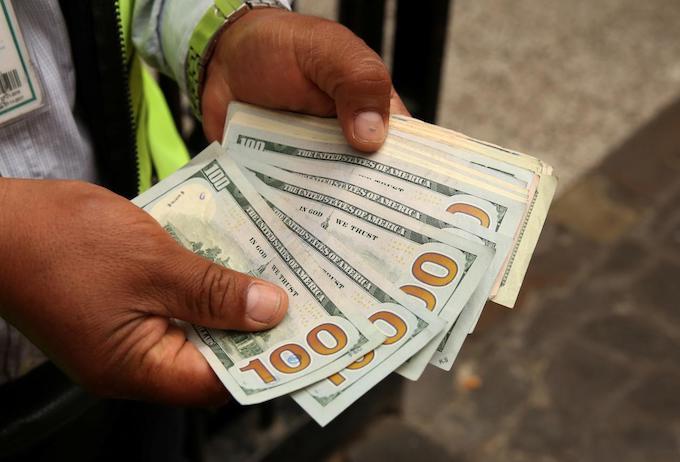
    On Tuesday morning, the price of gold in Vietnam dropped, even as global rates remained stable. A notable drop was seen in the gold bar from Saigon Jewelry Company, which decreased by 0.53%, making its current price VND148.2 million (US$5,628.34) per tael.

    Changes in Local and Global Gold Prices

    There was also a decrease in the price of gold rings, with rates falling by 0.34%, establishing a current price of VND145.9 million per tael of 37.5 grams, or 1.2 ounces. Despite such recent drops, there has been a significant increase in the price of gold in Vietnam throughout the year, with a surge of 76% observed so far.

    On a global scale, gold prices remained largely unchanged as investors anticipated the U.S. private payroll data expected to be released later this week. This data is critical in assessing the potential for an additional interest rate cut from the U.S. Federal Reserve this year.

    Stability in Spot Gold Prices

    Spot gold displayed minimal changes, maintaining a steady rate at $3,993.10 an ounce. Edward Meir, an analyst at Marex, suggests that gold is in the process of establishing a trading range, potentially in the high 3000s to the mid-4000s. This range is considered a consolidation following a significant move in prices.

    Despite a sharp increase of 53% this year, there has been an 8% decrease in the price of the metal from the record high that was observed on October 20th. Ole Hansen, the head of commodity strategy at Saxo Bank, commented on the current trend in gold prices. He noted, “Gold’s pause still looks like a breather, not a breakdown. Seasonal softness, temporary Chinese policy noise, and a firmer dollar explain the short-term retreat, but none change the longer-term narrative.”

    Questions & Answers

    What is the current price for Saigon Jewelry Company’s gold bar?
    The current price for Saigon Jewelry Company’s gold bar is VND148.2 million (US$5,628.34) per tael.

    By how much has the price of gold in Vietnam increased this year?
    The price of gold in Vietnam has seen a substantial increase of 76% this year.

    What factors are contributing to the current global gold price trend?
    Several factors, including seasonal softness, temporary Chinese policy noise, and a stronger dollar, are contributing to the short-term retreat in global gold prices. However, these do not influence the longer-term narrative.

  • Asia’s Retail Revolution: The Rise And Impact Of Pop-up Stores

    Asia’s Retail Revolution: The Rise And Impact Of Pop-up Stores

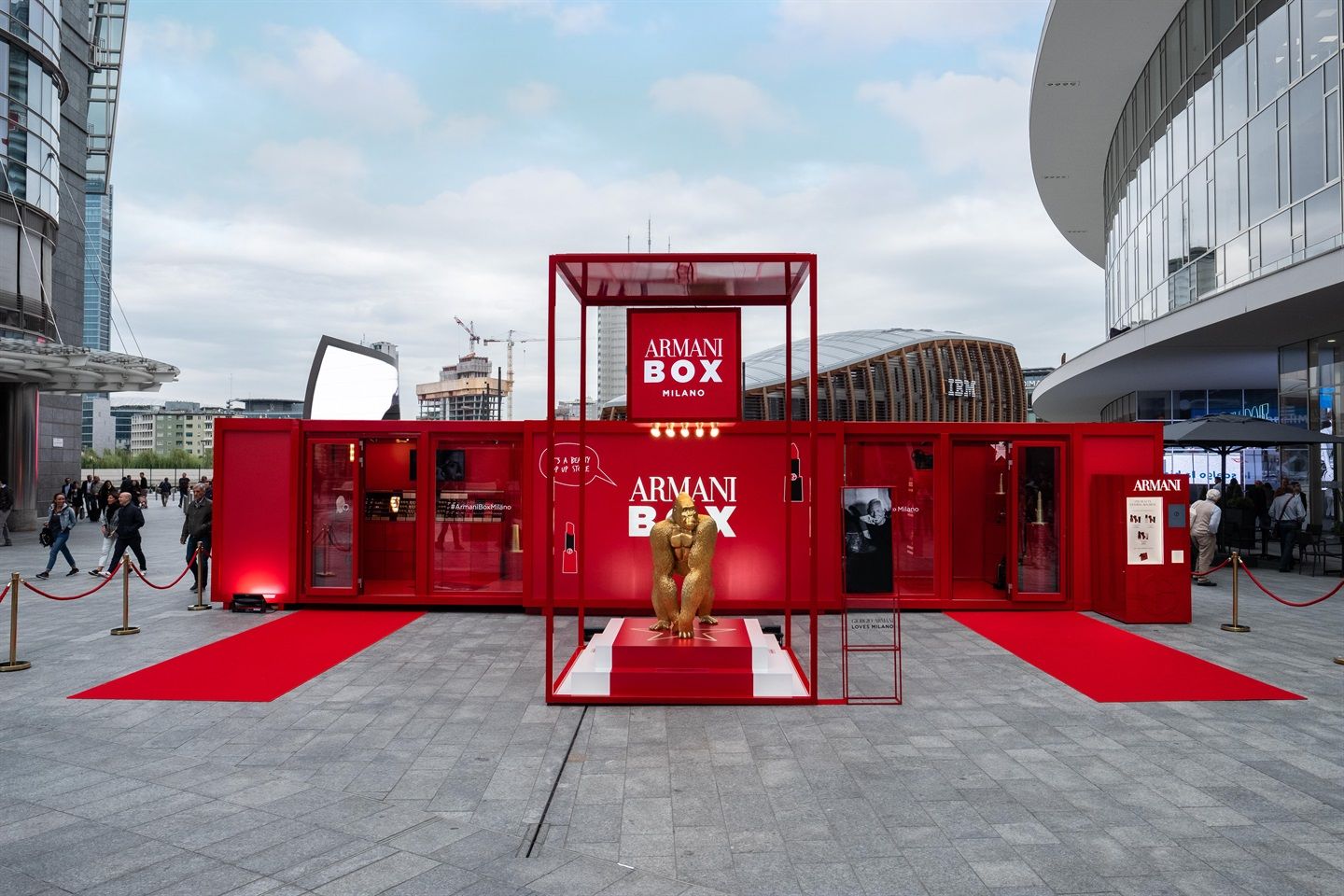
    The retail landscape in Asia is experiencing a significant transformation as businesses increasingly turn to innovative strategies to engage consumers. Amid this shift, a recent report highlights the rising trend of pop-up stores, which are capturing the imagination of shoppers and brands alike.

    The Allure of Pop-Up Stores

    Pop-up stores are sprouting across major cities, offering brands a unique opportunity to create immersive experiences that transcend traditional retail boundaries. These temporary setups not only drive foot traffic but also foster a sense of urgency among consumers. Whether it’s a themed cafe or a limited-time fashion boutique, pop-ups are designed to enchant and entice, encouraging shoppers to take action before it’s too late.

    Recently, leading fashion retailers have embraced this trend, recognizing the value of direct consumer engagement and the ability to test new markets with minimal risk. For instance, a well-known Japanese streetwear brand launched a pop-up in Tokyo’s bustling Shibuya district and reported a significant increase in brand awareness and sales.

    The Digital Shift

    In today’s digital age, pop-ups have evolved beyond mere physical spaces. Many are harnessing social media to create buzz even before opening their doors. Engaging visuals, teasers, and interactive campaigns drive anticipation and attract a dedicated following. Brands that integrate seamless online and offline experiences find themselves ahead of the competition, attracting a tech-savvy consumer base eager for unique encounters.

    And let’s not forget the unexpected perks—creating a FOMO effect among potential customers often means they’ll happily share their experience online, further amplifying the store’s reach.

    The Importance of Experience

    Today’s shoppers crave experiences just as much as they do products. Pop-up stores allow brands to tell their story through engaging encounters, turning a mundane shopping trip into something memorable. Customers leave not just with a purchase but with a narrative that binds them to the brand—a critical factor in fostering loyalty in an oversaturated market.

    With the emergence of experiential retail, brands can showcase their values and connect emotionally with consumers. Whether it’s through interactive installations or exclusive merchandise, the experience is king.

    As businesses pivot to adapt to changing consumer demands, the allure of pop-up spaces is likely to ignite even more interest in 2024. Retailers who blend creativity with strategy will undoubtedly set themselves apart in this fast-paced environment.

    So, what’s the next twist in this evolving tale of retail innovation?

    Questions & Answers

    What’s driving the rise of pop-up stores in Asia?
    The increasing consumer desire for unique and memorable shopping experiences, paired with brands’ need to engage directly, are key drivers behind the pop-up trend.

    How can online marketing enhance pop-up store success?
    Leveraging social media to generate buzz and excitement before opening can create anticipation, attracting customers both online and in-store.

    Why are experiences important in retail today?
    Experiences foster emotional connections between consumers and brands, encouraging loyalty and enhancing consumer engagement in an oversaturated market.

  • Gold Prices Hold Steady Amidst Global Bullion Decline

    Gold Prices Hold Steady Amidst Global Bullion Decline

    Vietnam’s gold market is experiencing a cautious day as prices struggle to rise back to their historic highs reached earlier this year. On Tuesday morning, the gold bar price from the Saigon Jewelry Company saw a modest increase of 0.17%, now standing at VND118 million (approximately US$4,529.31). Meanwhile, the price of gold rings ticked up by 0.18%, reaching VND114 million per tael, where one tael equals 37.5 grams or 1.2 ounces.

    Despite these slight gains, gold prices have skyrocketed by 40% since the start of the year, reflecting a persistent interest in the precious metal amid fluctuating global rates.

    Global Trends Impacting Local Prices

    Internationally, gold faced pressures as the dollar dipped from a recent peak, causing some hesitation among investors. The recent uncertainty surrounding the U.S.-China trade agreement has left market participants cautious, contributing to a limited decline in gold’s value, according to reports. Spot gold saw a 0.5% decline, reaching $3,362.57 per ounce after peaking earlier in the day. U.S. gold futures fell by 0.3% to $3,386.60.

    Brian Lan, managing director at GoldSilver Central in Singapore, commented on the current market dynamics: “As the dollar recovers slightly, gold prices have dropped. There is an inverse correlation right now.” Yet, Lan noted that gold continues to serve as a safe haven for investors, who have only slightly reduced their holdings. This caution contrasts with previous instances of easing global tensions when sell-offs were more pronounced.

    So, while the gold market may feel the pinch from outside forces, it remains a glittering beacon in unpredictable times. After all, who would’ve thought a metal could so elegantly dance with the complexities of international trade?

    Questions & Answers

    What is the current price of gold bars in Vietnam?
    Gold bars in Vietnam now sell for VND118 million, approximately US$4,529.31.

    How much has gold risen in price this year?
    Gold prices have surged by 40% since the beginning of the year.

    What factors are influencing the global gold market?
    The market is currently impacted by fluctuations in the dollar and ongoing uncertainties within U.S.-China trade relations.

  • Stability Prevails in Singapore’s Retail Sales Amid Consumer Demand Trends

    Stability Prevails in Singapore’s Retail Sales Amid Consumer Demand Trends

    Singapore’s Political Landscape: Stability Persists Amid Growing Challenges

    Amid rising consumer concerns and economic pressures, Singapore’s political scene sees a reaffirmation of the status quo as the People’s Action Party (PAP) retains power.

    In a political landscape marked by uncertainty, Singapore holds its position as a leading financial hub, drawing parallels with global giants like New York and London. This weekend’s elections have revealed not only the resilience of the PAP but also the complex dynamics that shape the future of this Southeast Asian city-state.

    The Enduring Influence of the People’s Action Party

    For 60 years, the PAP has been synonymous with governance in Singapore, a legacy built by the late Lee Kuan Yew. His vision transformed the nation from a developing country into a thriving economy, establishing a reputation for stability and reliability. Despite occasional challenges, Singaporeans have consistently supported the PAP, reflecting their trust in the party’s ability to maintain these foundational values.

    A New Face: Prime Minister Lawrence Wong

    Prime Minister Lawrence Wong’s ascent marks a generational shift in Singapore’s leadership. As the successor to Lee Hsien Loong, Wong is the first Prime Minister not directly linked to the founding generation. His comparatively shorter political career raised questions about his popularity and experience, creating an unpredictable environment ahead of the recent parliamentary elections.

    Rising Consumer Concerns and Inflation Pressures

    Increasing living costs and heightened inflation — particularly in the property market — have fueled public dissatisfaction, especially among younger voters. With calls for a stronger opposition to challenge the ruling party’s authority, many were anticipating a change in the political tide.

    Unexpected Election Results

    Contrary to expectations of a potential setback for the PAP, the ruling party achieved a decisive victory, while opposition parties made only modest gains. This outcome underscores the electorate’s preference for stability amid global uncertainties, particularly influenced by geopolitical tensions involving superpowers like the United States and China.

    Implications for Singapore’s Financial Sector

    The implications of this election are significant for Singapore’s financial sector, which houses numerous Swiss enterprises. The PAP’s continuation in power signals a commitment to maintain the country’s reputation for stability and reliability, vital traits in an increasingly complex global landscape.

    Looking Ahead: A Stable Future for Singaporeans

    As Singapore continues to navigate the fluctuations of world trade and international diplomacy, the recent electoral results affirm the public’s desire for dependable governance. The PAP’s sustained leadership suggests a concerted effort to balance local needs with global aspirations, making it a key player in shaping future consumer trends and economic policies in the region.

    As the retail sector adapts to changing dynamics, consumers can expect a focus on stability that will influence economic growth and opportunities in the coming years.