Tag: stabilization

  • Telecom CapEx Stabilization: A New Era of Smarter, Not Bigger Networks

    Telecom CapEx Stabilization: A New Era of Smarter, Not Bigger Networks

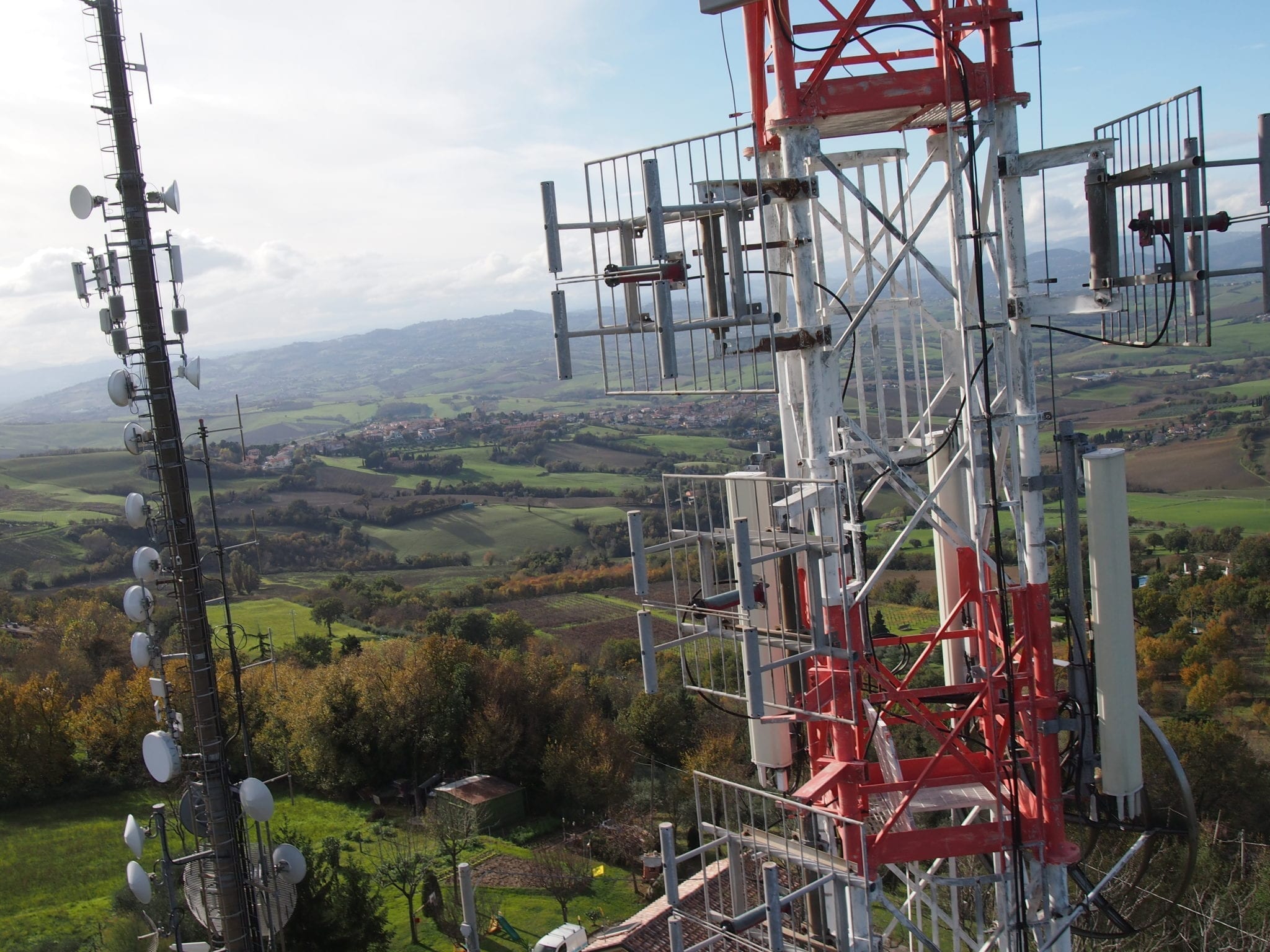
    The telecommunications industry is entering a new era. Mobile data traffic is surging, artificial intelligence (AI) implementation is speeding up, and government digital transformation investments are heavy. However, the capital expenditure of telecom companies, known as CapEx, doesn’t seem to be aligning with these trends. Instead of continuously increasing, spending has begun to stabilize as companies shift their focus from network expansion to extracting more value from their existing infrastructure.

    According to industry analysts, the worldwide CapEx of telecom operators is projected to remain relatively unchanged throughout the second half of the decade. While this could be mistaken as a sign of reduced innovation, it instead indicates a strategic shift. Companies are now investing more in areas such as fiber, cloud-native architectures, AI, automation, and software-defined infrastructures. These investments promise better long-term returns and improved operational efficiency. Today, the industry is less about building larger networks and more about building smarter ones.

    Moving Beyond the 5G Buildout

    The period leading up to the stabilization of CapEx saw one of the highest infrastructure investment cycles in telecommunication history. Commercial 5G deployments that began in 2019 called for significant investments in areas such as spectrum licenses, Massive MIMO radios, cloud-native core networks, fiber backhaul, and urban networks. Today, this capital-intensive rollout has largely concluded in many developed markets.

    However, the demand for network services continues to rise. Mobile operators are projected to invest approximately USD 1.5 trillion through 2030, with the majority of this supporting 5G infrastructure. While the total investment is considerable, yearly spending is predicted to level off, in contrast to the rapid growth seen during the initial years of deployment.

    In the near future, global 5G subscriptions are projected to exceed six billion. The rise in mobile data traffic is expected to continue, driven by the growing popularity of AI applications, cloud computing, fixed wireless access, video streaming, and immersive digital services. This divergence between traffic growth and relatively stable CapEx illustrates the significant evolution of network technology. Modern mobile networks can handle much more data than previous generations without corresponding increases in physical infrastructure.

    The Rising Influence of AI

    One of the most significant shifts in telecom investment is the growing influence of AI. Operators are moving away from simply opening new radio sites, instead investing more in areas such as AI-ready optical transport, edge computing platforms, and intelligent network automation.

    AI is transforming network operations both internally and externally. Predictive maintenance, intelligent traffic management, AI-driven fault detection, and automated energy management are all made possible by AI, improving efficiency across large network footprints. AI also creates new revenue opportunities for operators through cloud connectivity, edge computing, managed AI infrastructure, and digital platform services.

    Questions & Answers

    What is the current trend in telecom CapEx?

    Telecom CapEx is stabilizing rather than continually increasing. Telecom operators are focusing on extracting greater value from their existing infrastructure.

    How is AI influencing telecom investment?

    AI is having a significant impact on telecom investment. Operators are investing more in AI-equipped areas, such as edge computing platforms, intelligent network automation and AI-ready optical transport.

    What is the future outlook for telecom growth?

    The next growth phase in telecom will be fueled by the integration of fiber, AI, cloud-native networks, automation, and shared infrastructure into smart digital platforms.
  • Iranian Conflict Sparks 7% Surge in Vietnam’s Gasoline Prices: Government Leans on Stabilization Fund

    Iranian Conflict Sparks 7% Surge in Vietnam’s Gasoline Prices: Government Leans on Stabilization Fund

    The price of gasoline is on a continual rise, leading the government to depend on its stabilization fund to provide subsidies. On Tuesday, there was yet another increase, with the price of RON95 fuel skyrocketing by 7.69% to VND29,120 (US$1.11) per litre.

    Biofuel and Diesel Prices Also Rise

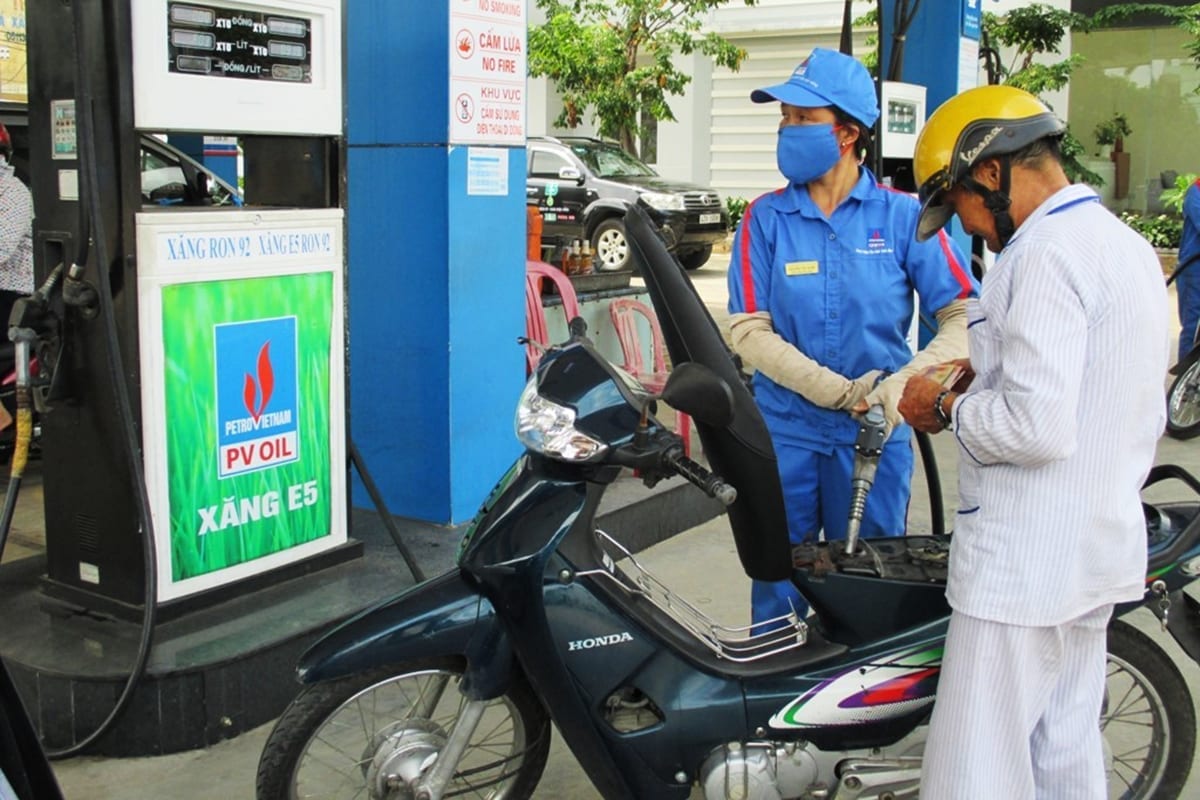
    Alongside gasoline, the prices of biofuel E5 RON92 and diesel also saw an increase. Biofuel E5 RON92 rose by 5.35% to VND26,570 per litre, while diesel prices saw a 1.59% increase, taking the price to VND30,710 per litre.

    For the first time in three years, both the Ministry of Industry and Trade and the Ministry of Finance have been forced to tap into the fuel stabilization fund. This has been done in an effort to subsidize RON95 by VND4,000 per litre and diesel by VND5,000 per litre.

    The price of RON95 is now approximately at the same level as it was in July 2022, a period when the global fuel supply chain was disrupted due to the Russia–Ukraine conflict. Diesel, on the other hand, is at its highest level since 2019.

    Global Market and Production Disruptions

    Ongoing military conflicts involving the United States, Israel, and Iran over the weekend have impacted the global market, according to ministry reports. All oil-exporting countries within the Gulf have cut down production as transport through the Strait of Hormuz is currently disrupted.

    It’s also notable that the trend of most countries stockpiling fuel has resulted in a sharp rise in global prices.

    The price of RON95 gasoline has seen a dramatic 27% increase to $147.5 per barrel, with diesel rising by 20%, kerosene by 4%, and mazut by 41%.

    Changes in Pricing and Supply

    Fuel prices in Vietnam were adjusted on Tuesday, deviating from the usual Thursday adjustment, to reflect global price changes of over 7%. Although global prices have begun to stabilize, domestic prices remain high due to a delay in the pricing cycle.

    Earlier on Tuesday, prices began to decline following a statement from U.S. President Donald Trump indicating that the conflict in the Middle East would soon come to an end.

    The prices of RON95 gasoline and diesel have dropped by around $20 per barrel in Singapore, falling to $127.2 and $160.4 respectively. These lower levels will be reflected in Vietnam after the next adjustment.

    To ensure short-term supply, Deputy Minister of Industry and Trade, Nguyen Sinh Nhat Tan announced that the government had procured four million barrels of oil from its partners. With this existing crude oil stockpile and further supplies expected shortly, he projects that the supply will suffice for 30–45 days, depending on demand and production plans at domestic refineries.

    Government Measures to Control Prices

    In addition to ensuring supply, the government is taking measures to control retail prices. They have slashed most favored nation import tariffs on gasoline and certain blending materials to zero. This move is intended to incentivize distributors to import fuel from countries that do not have free trade agreements with Vietnam.

    The Ministry of Finance has also requested that the government abolish the environmental protection tax on fuel starting March 12. Currently, this tax ranges from VND1,000-2,000 per litre, depending on the type of fuel.

    Questions & Answers

    What measures are the government taking to control the rising fuel prices?
    The government is using its stabilization fund to subsidize gasoline. They have also cut import tariffs on gasoline and certain blending materials to zero and are considering removing the environmental protection tax on fuel.

    What significant change has occurred in Vietnam’s fuel pricing system?
    Fuel prices were adjusted on Tuesday instead of the usual Thursday, due to the significant global price changes.

    How is the government ensuring short-term fuel supply?
    The government has procured four million barrels of oil from its partners, and more supplies are expected shortly. This is expected to meet domestic demand for the next 30–45 days.