Retail News CRM

Tag: staff

  • UOB Defies Profit Dip to Bestow 6,000 Junior Staff with Surprise Half-Month Salary Bonus

    UOB Defies Profit Dip to Bestow 6,000 Junior Staff with Surprise Half-Month Salary Bonus

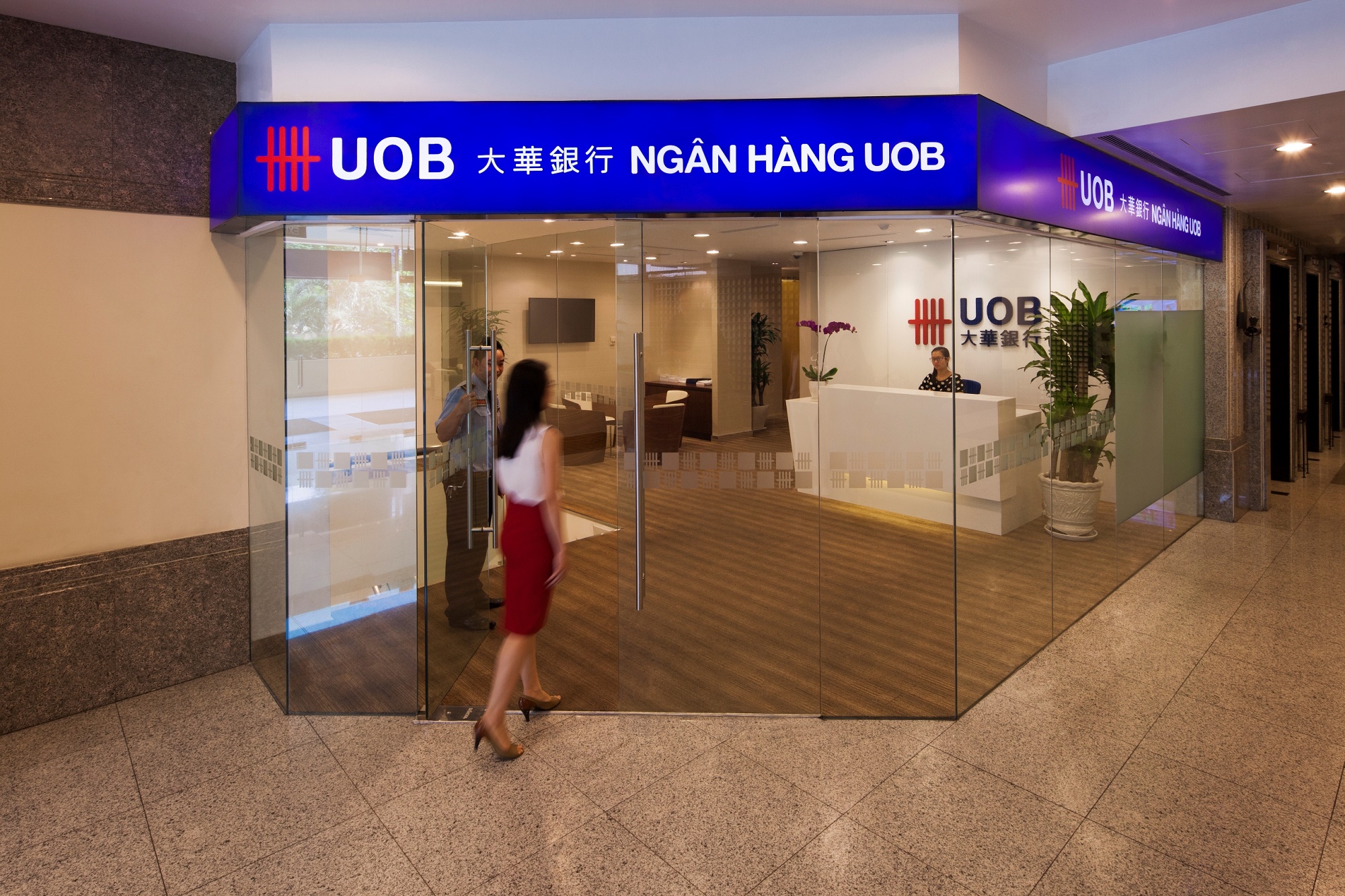
    Despite a dip in 2025 net profits, the United Overseas Bank (UOB) of Singapore plans to award approximately 6,000 junior staff members with a half-month base salary payout. This one-time payment aims to recognize their hard work and contributions amidst trying external circumstances.

    A Rewarding Gesture

    UOB intends to distribute these payouts in the second quarter of this year. The total sum of the payouts will amount to roughly S$4 million (US$3.16 million), as disclosed in the bank’s recently released earnings report.

    In the report, UOB also reaffirmed its dedication to uphold a competitive and equitable wage structure for all its employees.

    Financial Performance in 2025

    This generous gesture comes in spite of UOB’s net profit experiencing a 7% year-on-year decline in the fourth quarter, closing at S$1.41 billion. This decrease resulted from margin pressures counterbalancing loan growth.

    For the entire year, UOB’s net profit was recorded at S$4.7 billion, showing a decrease from S$6 billion in 2024. UOB identified the primary cause for this decline as the precautionary general allowances it had allocated in the third quarter, intended to fortify provision coverage in response to increasing macroeconomic uncertainties.

    A critical profitability indicator for the bank, its net interest margin, decreased to 1.89% in 2025, down from 2.03% in the previous year. Simultaneously, net interest income saw a 3% decline, amounting to S$9.36 billion.

    A Trend in Singaporean Banking

    UOB is not the only Singaporean bank showing appreciation for its employees in such a manner. Another prominent bank in the country, DBS, also declared a S$1,000 bonus for its numerous junior employees upon the disclosure of its 2025 earnings earlier this month.

    Questions & Answers

    What is the total amount UOB plans to distribute to its junior staff as a reward?
    UOB plans to distribute around S$4 million (US$3.16 million) among approximately 6,000 junior staff members.

    What caused UOB’s net profit to decrease in 2025?
    The decrease in UOB’s net profit for 2025 is largely attributed to the bank setting aside precautionary general allowances in the third quarter, aimed at bolstering provision coverage due to escalating macroeconomic uncertainties.

    Did other banks in Singapore also provide bonuses for their junior employees?
    Yes, DBS, another prominent bank in Singapore, also announced a S$1,000 bonus for its junior employees when it released its 2025 earnings.
  • Nestlé To Cut 16,000 Jobs Globally In Cost-cutting Initiative

    Nestlé To Cut 16,000 Jobs Globally In Cost-cutting Initiative

    Nestlé, a global leader in the food and beverage industry, has recently announced plans for a significant reduction in its worldwide workforce. Over the next two years, the company intends to eliminate approximately 16,000 positions as part of its ‘Fuel for Growth’ cost-cutting initiative.

    Workforce Reduction Plan

    In a bold move to streamline operations and achieve financial targets, Nestlé’s management has decided to cut costs by raising the ‘Fuel for Growth’ program’s objective to CHF 3.0 billion (equivalent to US$3.8 billion) from the previously set goal of CHF 2.5 billion (approximately $3.1 billion) by the close of 2027.

    The proposed downsizing, which will be implemented following applicable consultative processes, is expected to affect around 12,000 salaried professionals across various functions and geographical locations. The company believes that this measure will facilitate annual savings of up to CHF1 billion ($1.26 billion) by 2027.

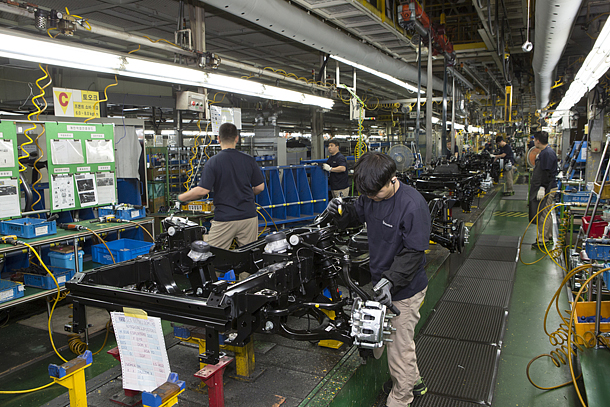
    In addition, Nestlé plans to layoff 4,000 employees as part of ongoing productivity efforts in its manufacturing and supply chain operations.

    Adapting to Change

    “The world is evolving rapidly, and to stay ahead, Nestlé must adapt at an even faster pace,” stated CEO Philipp Navratil. He acknowledged the necessity of making tough decisions, including reducing staff numbers, over the coming two years.

    Emphasizing the company’s commitment to handling these changes with respect and transparency, Navratil affirmed that these actions are crucial to securing Nestlé’s future as a leader in its industry.

    Financial Focus

    Beyond workforce reduction, Nestlé also plans to intensify its focus on driving cash generation. This shift is designed to ensure sustainable returns to shareholders, with the aim of delivering free cash flow exceeding CHF8 billion within the current year.

    In terms of sales growth, Nestlé reported an organic growth of 4.3% in the third quarter. The company also noted ongoing challenges in the Greater China region, which is now managed by a new team focused on business transformation. The first nine months of the year saw organic sales growth of 3.3%, with real internal growth (RIG) at 0.6% and pricing at 2.8%. There were sequential improvements across major markets, global businesses, and categories during this period.

    Despite a more challenging comparison base expected in the fourth quarter, the company anticipates recording annual organic sales growth for the full year.

    Leadership Changes

    Earlier in the month, Nestlé’s chairman Paul Bulcke stepped down from the board ahead of schedule. Vice chairman Pablo Isla is set to assume the role.

    Questions & Answers

    What is Nestlé’s ‘Fuel for Growth’ program?
    This is the company’s cost-cutting strategy aimed at achieving financial targets by streamlining operations and reducing expenditures.

    How many employees will be affected by Nestlé’s workforce reduction plan?
    The plan entails a reduction of approximately 16,000 positions worldwide over the next two years.

    What other financial plans does Nestlé have in place?
    Aside from cost-cutting, the company also intends to concentrate on driving cash generation to ensure sustainable returns to shareholders.

  • BHV Employees Protest Over Controversial Partnership With Fast-fashion Giant Shein

    BHV Employees Protest Over Controversial Partnership With Fast-fashion Giant Shein

    Employees at the BHV department store in Paris staged a demonstration on Friday to voice their disapproval of the recent decision by the store’s management to collaborate with fast-fashion retailer, Shein. The protest was triggered by the agreement to allocate a permanent spot to Shein on the store’s seventh floor.

    The proprietor of BHV, Société des Grands Magasins (SGM), has been the subject of significant backlash in France in the wake of this partnership’s announcement with Shein. This comes as a reaction to Shein’s business model which involves shipping inexpensive garments directly from Chinese manufacturers to customers in over 160 countries worldwide.

    On the day of the protest, dozens of employees congregated outside the department store at 3:30 pm local time, brandishing labour union flags. Union representatives and local government officials addressed the crowd with speeches.

    Concerns about Job Security and Business Practices

    BHV has encountered fiscal challenges for some time now, leading to delayed payments to brands and subsequent product shortages. These issues have impacted sales and stirred anxiety among employees about job security, as expressed in a statement by the union.

    The employee union also expressed concern about the withdrawal of several French brands from BHV following the announcement of the collaboration with Shein. Florine Biais, a BHV employee and union representative, explained that customers have started turning away due to unavailability of desired products and concern over Shein’s introduction.

    SGM, when questioned about the payment delays, attributed the issue to the transition to new payment systems following its acquisition of BHV in November 2023. They assured that the problem is temporary and would be resolved in a few weeks.

    SGM’s Perspective and Shein’s Ambitions

    SGM has been optimistic about the partnership with Shein, anticipating it to draw in a younger demographic and contribute to BHV’s modernization efforts. They expressed their conviction that the partnership would be beneficial for both the company and its employees.

    Shein’s spokesperson, Quentin Ruffat, echoed these sentiments, arguing that the proposed store would enhance BHV’s footfall and in turn, benefit other retailers.

    Shein, a Chinese company established in 2012, has seen exponential growth, becoming the world’s largest fast-fashion retailer. However, it has also received criticism for its factory working conditions, high carbon emissions, and lack of transparency regarding its management and finances.

    Following fines totalling 191 million euros from French and Italian regulators since July, Shein is now focused on strengthening its internal controls to adhere to regulations more strictly and enhance its consumer reputation.

    Questions & Answers

    Why are BHV employees protesting against the Shein collaboration?
    The employees, backed by their union, are concerned about job security due to poor sales and late payments to brands. They also fear the exit of French brands following the Shein collaboration.

    What is SGM’s response to the protest?
    SGM acknowledged the payment delay issues but attributed them to the transition to a new payment system. They assured that the problem is temporary and that the collaboration with Shein would be advantageous for the company and employees.

    What are some criticisms Shein has faced?
    Shein has been criticized for poor working conditions in its factories, high carbon emissions, and a lack of transparency about its management and finances.

  • Understaffed businesses need 300,000 plus workers in HCMC

    Understaffed businesses need 300,000 plus workers in HCMC

    Facing labor shortages, businesses and factories in HCMC need around 310,000 workers this year should Covid be controlled.

    According to a recent survey by the HCMC Center of Forecasting Manpower Needs and Labor Market Information (Falmi), the city’s labor market faces two scenarios depending on future Covid development.

    If Covid-19 is brought under control, businesses need to recruit 280,000-310,000 workers. The demand for human resources in the first quarter would be nearly 87,000, second quarter over 72,000, third quarter 74,000, and fourth quarter, 77,000.

    Should the pandemic situation remain complex, the city’s labor demand would be about 255,000-280,000 staff. The highest would be in the first three months of the year at over 78,000.

    The trade and service sector has shown the sharpest increase in recruitment demand this year, accounting for nearly 66 percent and including commerce, transportation and warehousing, accommodation, catering and others.

    Recruitment demand for the industry and construction group accounts for over 33 percent, including mechanical engineering, electronics production, food processing, beverage, and pharmaceuticals.

    The report found up to 86 percent of recruitment demand does not require workers to have a college degree.

    Regarding market response, Falmi stated that on average, the city produces about 500,000 students and graduates each year, including from university, college, intermediate, elementary and vocational training levels.

    Therefore, it is expected the city’s labor force would meet recruitment demand among enterprises this year.

    The agency noted that this year the city’s labor force would reach nearly 5 million employees, of which more than 3 million work in enterprises and factories.

    Last year, according to a Falmi survey, nearly 65,000 businesses across HCMC had to recruit more than 174,000 workers, though the number of job seekers was only around 135,000.

  • Airport ground service firm reports $1.4 mln loss

    Airport ground service firm reports $1.4 mln loss

    Taseco Air Service JSC, owner of restaurants, duty-free shops, and advertising contractor at several airports across Vietnam, has posted a VND31.8 billion ($1.4 million) loss in Q1.

    This is the fourth consecutive quarter that the firm has reported a loss as it goes through one of the most challenging times for the aviation industry. International flights remain restricted after more than a year and the Covid-19 outbreak triggered late January hampered domestic travel recovery.

    The firm’s revenue fell 70 percent year on year to VND58.3 billion.

    It currently operates over 100 restaurants and souvenir shops at seven international airports nationwide.

    The firm has targeted VND317 billion in revenues this year, down 12 percent from last year. It expects to suffer a VND83.87 billion loss this year.

  • Some of Apple’s staff is returning to work at its offices

    Some of Apple’s staff is returning to work at its offices

    With the beginning of next week, June 15, Apple will have some of its employees return to work at its headquarters in Cupertino. According to sources, the company has informed its staff that this will only apply for a small number of employees, while most won’t have to return to their offices for at least a few more months.

    The very limited “phase 1” of bringing Apple employees back to HQ will only allow them in the offices on certain days, depending on the nature of their jobs, as the company wrote in a recent internal memo to its staff, promising more details later through the month.

    In the memo, the company has stated that only a limited number of people will be allowed in buildings and other work areas at the same time. Social distancing and mandatory temperature checks will be required every day. Sources also note that Apple strongly encouraged its staff to take Covid-19 tests provided by it, either at home or on-site, before visiting its headquarters. In addition, face masks will be required at all times, in all of Apple’s offices and campus locations.

    As the coronavirus pandemic took over the world, Apple, like many businesses, had to close its retail stores and offices, with some employees continuing to work from home, as long as their position allowed for it. Last month the company began gradually opening its retail stores again, and alternatively introduced Apple Store Online.

    Likely thanks to the lockdown, April showed Apple’s strongest growth for its App Store since late 2017, and was the fourth consecutive month of increasing App Store downloads for the Cupertino giant. App Store purchases for the iPad, in particular, hit a record $2.1 billion in the first quarter of 2020, as people were staying at home, with many relying on apps for work, entertainment and education.

  • Zilingo trims staff, refocuses on Asia

    Zilingo trims staff, refocuses on Asia

    Online fashion platform Zilingo has axed about 45 staff, including 30 in its Singapore head office, as it refocuses on Asia in the wake of the coronavirus pandemic.

    The layoffs represent about 5 percent of the company’s global workforce of 900.

    “Zilingo has had to make several tough decisions in line with this approach and last week we announced internally company-wide restructuring measures that reflect this strategic direction,” a spokesperson for the company told DealStreetAsia.

    A year ago, Zilingo raised US$226 million in Series D funding saying at the time it wanted to invest in long-term value building across the supply chain, building new and deeper relationships with manufacturing partners in Vietnam, Cambodia, Sri Lanka and China, and expanding into new markets such as the Philippines, Indonesia, Australia and the US.

    Another $100 million was raised last September to fund growth in Europe, Australia and the Middle East.

    However, with fewer people buying fashion during the Covid-19 pandemic, the five-year-old company has decided to rein in its global reach, to concentrate on Asia and developing markets, shelving operations in the US and Europe.

    “As we continue with the internal reorganization and move forward, we seek the support and cooperation of our merchant partners, sellers and the Zilingo family at large in our combined efforts,” the spokesperson said.

    Zilingo has previously revealed its platform links 60,000 retail partners and 6000 factories spanning 17 countries.

  • 7-Eleven Thailand recruits thousands delivery staff

    7-Eleven Thailand recruits thousands delivery staff

    Convenience-store chain 7-Eleven Thailand is recruiting 20,000 workers to make deliveries in the midst of the coronavirus outbreak.

    With many Thai nationals, visitors and residents confining themselves to home in the interests of social distancing, and malls and most shops and entertainment venues closed, 7-Eleven Thailand parent CP All has announced moves to increase delivery services to support those in isolation.

    New staff would be working deliveries from all 7-Eleven locations throughout the country.

    Those eligible for the employment opportunity must be over 18 and ideally have their own vehicles. The firm is accepting online applications for the positions.

    With more than 800 coronavirus cases and climbing, Bangkok has largely shut down its retail sector as department stores, bars, dine-in restaurants and outlets not trading in essential goods have been forced to shut for several weeks.

  • 7-Eleven parent cuts staff an store closings

    7-Eleven parent cuts staff an store closings

    Japanese 7-Eleven parent Seven & I Holdings is preparing to cut 3000 jobs in its 2022 fiscal year.

    The move will be the firm’s largest payroll cut since it opened and reflects increasing competition from e-commerce and shopping malls, as well as chronic shortages in labor.

    The firm is planning a structural reform initiative to rebuild customer support, including the shedding and downsizing of some of its less profitable Sogo, Seibu and Ito-Yokado branded stores.

    “The stores we’re keeping have the ability to attract customers,” Seven & I president Ryuichi Isaka told Nikkei. “We’ll focus our investment there and do more to revitalize them.”

  • 600 Vietnamese staff trained for Hanoi’s metro line Opening

    600 Vietnamese staff trained for Hanoi’s metro line Opening

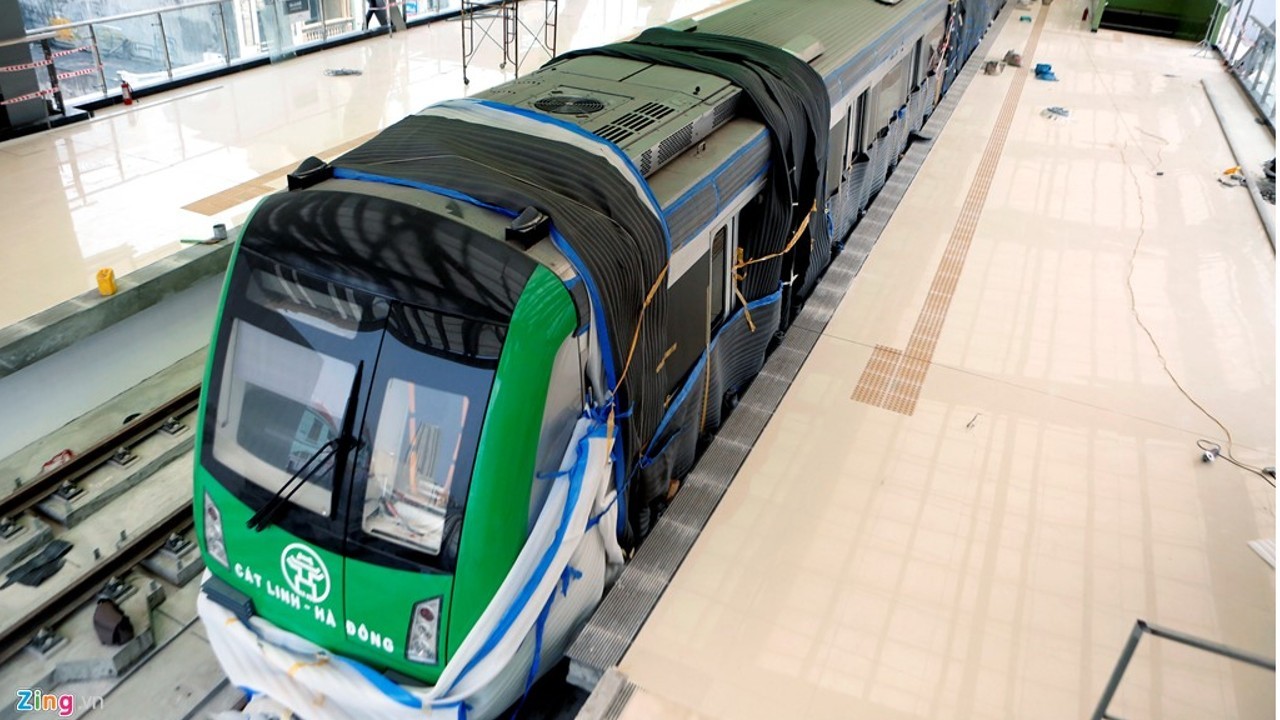
    Operational staff for Hanoi’s first metro line has been trained, but its opening date remains up in the air. 86 of them are in the driving department, with 46 main drivers. The rest are substitute drivers and technicians. All drivers have been trained and have practiced in Beijing, China for a year. Their experience ranges from driving 5,000-20,000 kilometers.

    “To prepare for the commercial operation, we have done both practical training and simulator training, including dealing with unexpected events,” said driver Tran Thanh Long.

    Over 500 people will work in the operating center to manage trains, maintain infrastructure, distribute tickets and discharge other responsibilities. Over this and next month, they will run drills for emergency evacuation, handling a large number of passengers and dealing with malfunctioning trains. The Vietnamese staff has been trained by Chinese experts. A representative of the contractor said that “most Vietnamese staff have met training standards and can operate the metro line immediately.”

    Another reason was that the Chinese contractor, China Railway Sixth Group Co., Ltd, has not submitted necessary documents to authorities for a final inspection, a source said then. But it is still unclear when the metro will start its commercial operations. The city’s long delayed Cat Linh – Ha Dong metro route missed last month’s deadline for commercial operation since construction was still not complete.

    Work on the metro started in October 2011 and was originally scheduled for completion in 2013. But several hurdles, including loan disbursement issues with China that were only resolved in December 2017, stalled it for years.

    The original estimated cost of $553 million ballooned to more than $868 million, including $670 million in loans from China.

    When completed, Hanoi’s first metro line will run from Cat Linh Station in downtown Dong Da District to the Yen Nghia Station in the south-west Ha Dong District.

  • Gucci store closed after staff Measles

    Gucci store closed after staff Measles

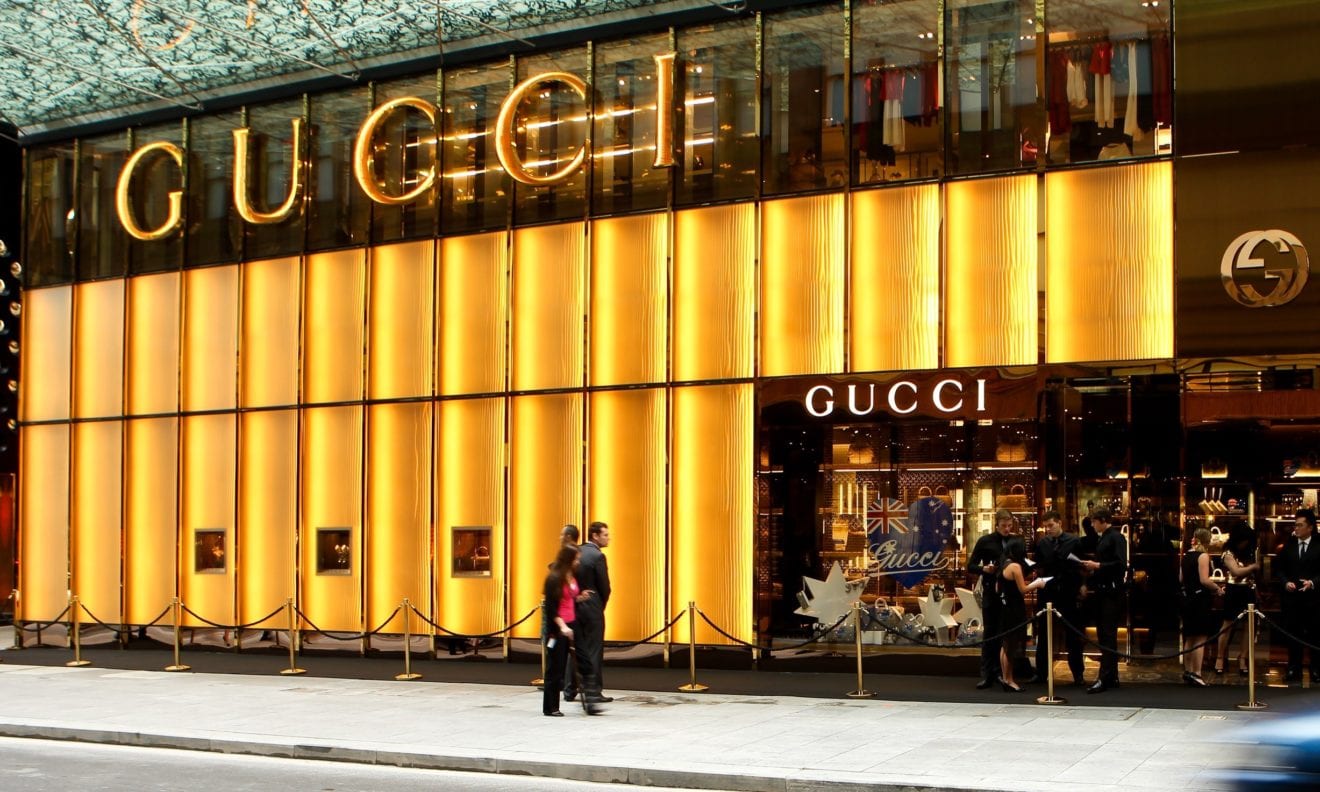
    Gucci’s Harbour City store has been closed for disinfecting after three staff members fell ill with measles within the last week.

    A Harbour City spokeswoman told that store staff advised mall management about the infections last evening and the Canton Road store was closed early.  Gucci’s office at Ocean Centre has also been closed.

    “We are carrying out thorough disinfection and extra cleaning throughout the mall,” the spokeswoman said. “The two washrooms near the store have also been temporarily suspended for disinfection and cleaning.”

    Hong Kong health officials are on high alert as the territory has witnessed a rapid escalation in the number of measles cases reported in recent weeks. Last year, 15 people were reported to have contracted the highly infectious disease, but already this year there have been 73 cases, including 29 people working at Hong Kong International Airport.

    According to the SCMP, the first Gucci staff member, a male aged 30, became ill last Tuesday after flying to Tokyo. He is now back in Hong Kong and recovering in hospital.

    The second and third victims, both women aged 25, have since developed symptoms and are also recovering in hospital.

    The incubation period of measles lasts from seven to 21 days before symptoms are obvious.

    None of the three staff had worked at other Gucci shops and none of their family members have developed symptoms.

  • Miroglio and Workplace keep collaboration in fashion

    Miroglio and Workplace keep collaboration in fashion

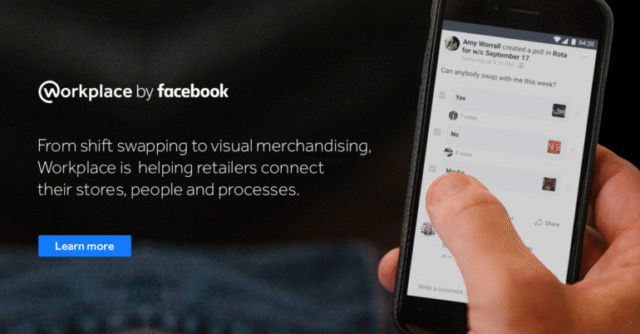
    Miroglio Fashion is the women’s clothing arm of Miroglio Group – a 71-year-old Italian conglomerate operating in 22 countries. The group joined Workplace in 2016. Since then, says CEO Hans Hoegstedt, it has “revolutionized our way of working.” “Over the last few years, the role of the CEO has changed. It is crucial for a CEO today to create culture, to remove filters and blockers so there can be a transparent and constructive dialogue between everyone. I was confident that Workplace was a platform that would help us achieve this,” he explains.

    “We chose Workplace because everyone in the company knows how to use Facebook. And they just instinctively ‘got it’. Right from the first day, people began to spontaneously interact with each other in a genuine way with no training required. We launched Workplace at our annual convention two years ago. Over 1,100 stores in our various brands swung into action along with the head office. We set up all the Workplace groups that we use for various parts of the business, like visual merchandising, product, innovation, communication and so on”.

    The result was instant. Within a short space of time, barriers and distances disappeared. People who had found it difficult to make themselves heard by head office suddenly had a direct, filter-free channel. It has given the company a more innovative and efficient way of working.

    “A clear example is the visual merchandising team. Before Workplace, the team would create a model window and send it out to all the stores by email. With Workplace, the VM team now posts the image of the model window into a group. All the shops reply with their versions, comments, and suggestions. The VM team then provides instant feedback for the stores.

    This allows to have hundreds of examples of how to dress the window instead of just one, and people can take ideas and inspiration from the others. There is a better dialogue and smarter collaboration that results in better window displays.

    Hoegstedt continues “There are functions we did not use at the outset that have now become core features for us. Auto Translate was crucial when we extended the platform to our colleagues in Russia. Everyone posts in their own language and Workplace auto translates. Simple and effective. It’s a powerful way to create a vast international network, and we’ll be relying on the translations as we deploy Workplace in Romania, Spain, and France. We also now use Live Video whenever we present a new collection”.

    “For me, as a CEO, it is also a way of ‘taking the pulse’ of the company. Of getting a quick sense of how people are feeling. It’s a kind of mass collective intelligence.”

    From frontline to back office to HQ, Workplace connects entire retail organisations so they can share, collaborate and transform the customer experience with next-generation technology.

  • Vietnamese banks report solid profits, employees hopeful of high bonuses

    Vietnamese banks report solid profits, employees hopeful of high bonuses

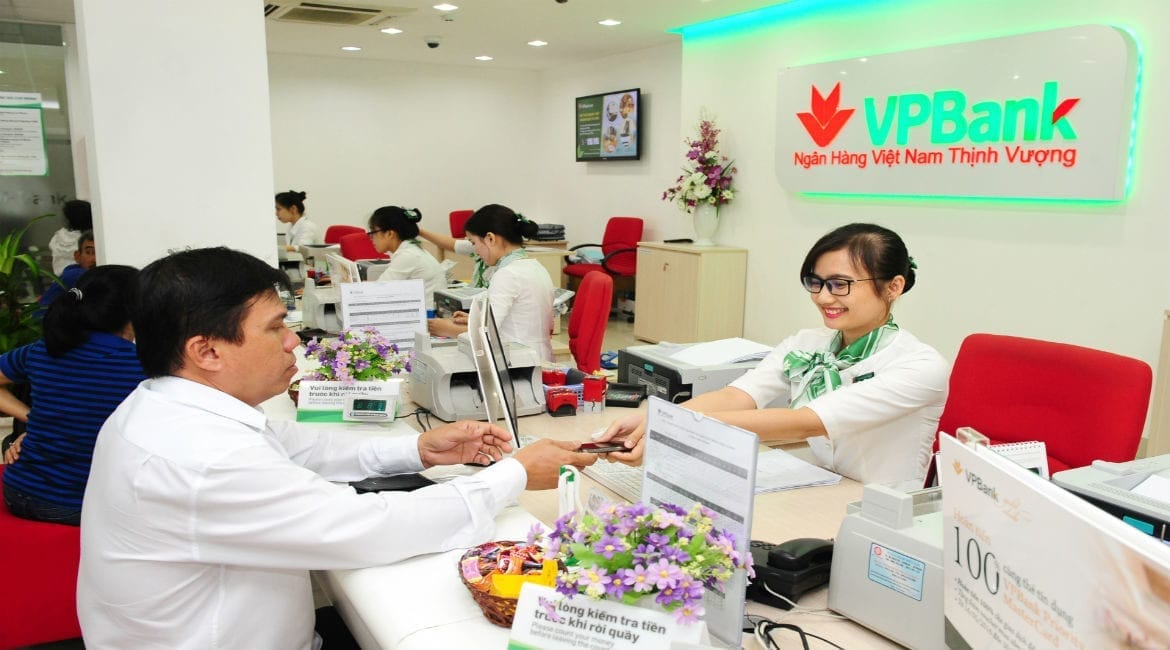
    With Vietnamese banks reporting substantial profits last year many of their employees are expecting higher Lunar New Year bonuses. The banking sector’s overall profit before tax increased by 40 percent year-on-year, according to the National Financial Supervisory Commission. Vietcombank, the largest bank by market capitalization, said in a recent report that its consolidated pre-tax profit was up 62 percent to VND18.3 trillion ($789.55 million).

    TPBank said pre-tax profit doubled to VND2.26 trillion ($97.5 million), exceeding its target of VND2.2 trillion ($94.93 million). The lender’s profit has almost quadrupled against 2015.

    Sacombank’s profit before tax of VND2.2 trillion ($94.93 million) was 20 percent higher than its target.

    Bank employees are thrilled by the performance ahead of Tet, Vietnam’s Lunar New Year, which falls on February 5 this year.

    Mai, a Sacombank worker who asked to be identified only by her given name, said: “Our bank’s profit is a few times that of 2017, so we hope to have a higher bonus.”

    Minh Nhat of Orient Commercial Bank, said his bank determines Tet bonuses based on the performance of each branch and individual. Last year his most productive colleagues had received a five-month bonus, while everyone got at least a month’s salary as bonus. He hopes this year it would be even higher.

    Le Minh Tan, director of the Ho Chi Minh City Department of Labor, Invalids and Social Affairs, told VnExpress that the highest Tet bonus this year is by a HCMC-based bank — VND1.17 billion ($50,493) for an employee.

    Companies plan to pay VND3.4 million ($147) on average, 30 percent higher than last year, he added.

    Three bank leaders said they are still calculating the rewards.

    “We calculate rewards using personal KPI (key performance indicator) and branch productivity, so the bonus will vary between individuals,” one CEO said, adding that some employees would receive a three- or four-month bonus or even higher, while some would get nothing.

  • Nestlé launches Workplace by Facebook

    Nestlé launches Workplace by Facebook

    Nestlé has adopted Workplace by Facebook as its global internal communication tool, to connect its workforce and better serve consumers.  The announcement comes as the latest and largest wave of staff join the platform, part of a process that began only nine months ago. Today, around 210,000 of its employees worldwide use the platform to connect and collaborate. Nestlé has pledged to move quicker to turn good ideas into great products to meet fast-changing consumer demand. With the majority of its employees active on the platform, Workplace is already making a difference. Internal engagement is higher and responses faster. People are experimenting and collaborating more, as well as sharing information and ideas.

    Workplace offers familiar Facebook features such as News Feed, Groups, Chat, events and live streams, as well as seamless mobile integration.  Because Workplace is easy to use, it can connect everyone and reach employees where they are.

    The first wave of market adoption including Mexico, Brazil, the Middle East and South Africa saw 25 times higher engagement per post and very high rate of use on mobile devices. Amongst other advantages, managers can use Live video to connect directly with employees at different locations. Sales teams can also use Workplace for daily check-ins and to share information and best practice.

    Commenting on the move to Workplace, Nestlé Executive Vice President Chris Johnson, said: “Nestlé is a people-first environment. We really rely on our talented teams to manage more than 2,000 Nestlé brands worldwide. We help our employees develop and we give them the right tools, so Workplace is a perfect fit.”

    The move to Workplace is part of Nestlé’s commitment to empower people and sustain a high-performance culture. The company is moving more and more to offer open office configurations and more flexible working environments.

    Workplace is also a great example of Nestlé constantly embracing the best technology and systems. Filippo Catalano, Chief Information Officer at Nestlé: “Today, using Workplace by Facebook we are able to give our employees across the globe a platform to build connections, enabling faster and more engaging sharing of information.”

    Julien Codorniou, vice president of Workplace by Facebook said, “As the global work landscape continues to change and the demand for better collaboration, best-of-breed IT and mobile-first work increases, we are honored to partner with a company like Nestlé to help employees work together to allow for limitless innovation.”

    While a large majority of users has now joined the Workplace platform, the rollout will continue throughout 2019.

  • SsangYong Motor rehires 60% of its workers

    SsangYong Motor rehires 60% of its workers

    SsangYong Motor said Monday that it has rehired 60 percent of workers who were sacked amid the carmaker’s restructuring efforts over a decade ago. The maker of the Rexton and Tivoli SUVs has been mired in protracted disputes with those who left the company against their will in 2009 after it was placed under court receivership. At that time, 900 workers who carried out a strike at the company’s main Pyeongtaek plant in Gyeonggi were ordered to choose between unpaid leave or voluntary retirement.

    Those who decided not to pick either option were later fired.

    In 2013, the 454 workers who had chosen unpaid leave were all reinstated, but the 165 fired workers were not permitted to return to work.

    After a series of negotiations in 2015, the company and its union agreed to gradually reinstate the fired workers, although some were left out of the agreement.

    In September 2018, the company and its union reached an agreement to rehire the remaining 119 fired workers by this year.