Tag: standards

  • Volvo Cars To Harness Real-Time Data From Customer Cars To Set New Safety Standards

    Volvo Cars To Harness Real-Time Data From Customer Cars To Set New Safety Standards

    The next generation of Volvo cars are set to be the company’s safest ever, thanks to cutting-edge software and hardware levels, coupled with continuous and more rapid improvements to safety features with the help of real-time data. Volvo Cars has always taken a data-driven approach to safety, using traffic data from real-life situations to develop new safety technologies and make its cars even safer. For its next generation of cars, Volvo Cars is now looking towards processing data from customer cars in real-time, if customers choose to share data and help Volvo Cars make its cars safer.

    Volvo Cars and Zenseact are investing in a data factory that will contain over 200 PebiBytes (225 million gigabytes) of data within the next few years.

    By allowing customers to choose and be a part of improving safety levels and traffic safety in this way, Volvo Cars can make continuous and much faster improvements to its cars, constantly improving safety levels. This data would include continuous inputs on the car’s environment from sensors like the high-resolution LiDAR delivered by technology company Luminar.

    Volvo Cars engineers would be able to validate and verify autonomous drive (AD) features quicker, to promote a safe roll-out of AD technology. Thanks to the data generated from millions of kilometers driven by tens of thousands of Volvo drivers around the globe, engineers would be able to validate AD features for specific geographic locations much quicker than with a limited number of cars on a test track.

    Verified updates to existing systems and new features can be rolled out rapidly through over-the-air updates, increasing the safety of Volvo cars step by step. The first car to benefit from this new approach to safety development is the company’s first SUV on a completely new electric-only technology base.

    To process the real-time traffic data they will collect, Volvo Cars and Zenseact are investing in a data factory that will contain over 200 PebiBytes (225 million gigabytes) of data within the next few years. By using artificial intelligence (AI) capabilities, data can be crunched at record times. Customers will be able to choose whether this data is collected about them, and all collected data will be aggregated with adequate safeguards for customer privacy.

    Volvo Cars engineers would be able to validate and verify autonomous drive (AD) features quicker, to promote a safe roll-out of AD technology.

    The use of real-time data is part of Volvo Cars’ longer-term vision for a future where collisions simply no longer happen, by equipping its cars with some of the best sensors available and advanced, continuously improving safety and autonomous drive systems.

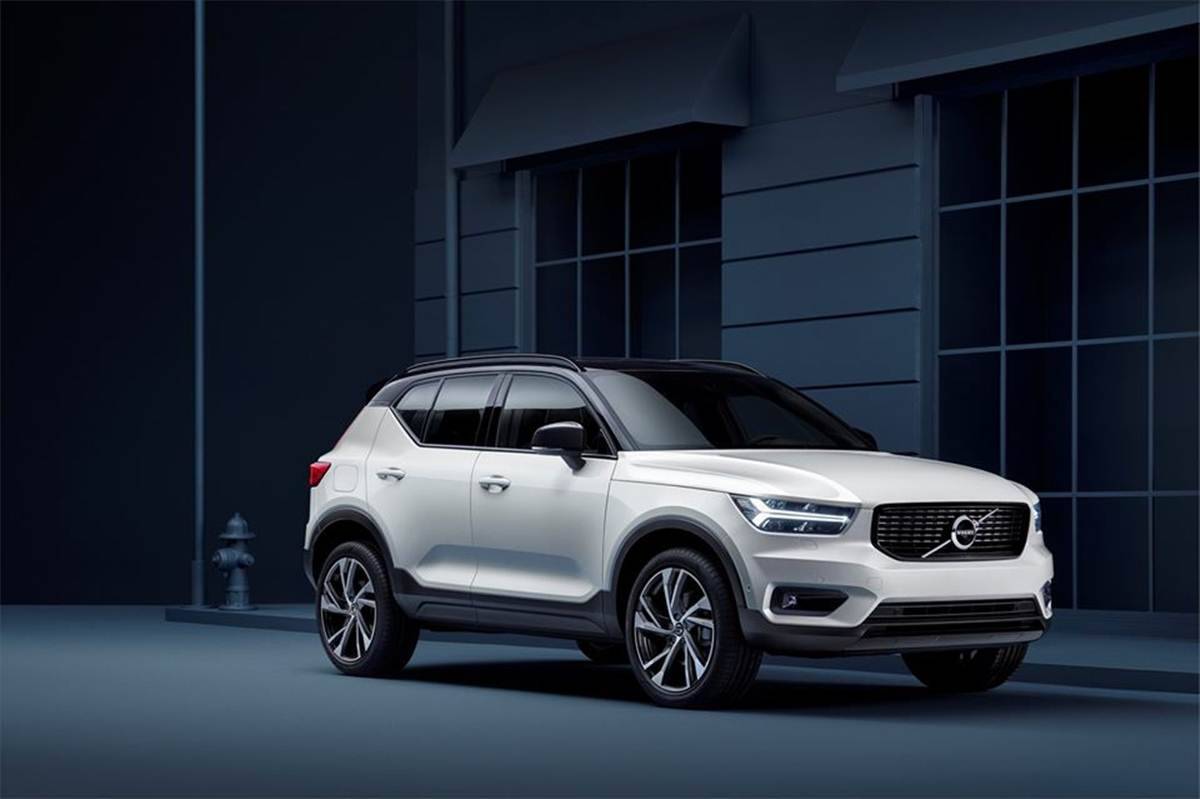
    Volvo Cars’ forthcoming fully electric flagship SUV will have industry-leading safety technology as standard, helping the company to save even more lives as it sets a new standard for automotive safety. It will come with state-of-the-art sensors, including a LiDAR developed by Luminar and an autonomous driving computer powered by the NVIDIA DRIVE Orin system-on-a-chip, as standard.

    By combining this state-of-the-art hardware with software by Volvo Cars, Zenseact and Luminar for the next generation of its well-established collision avoidance technology, Volvo Cars expect its new safety package to reduce fatalities and accidents as a whole.

    Over time the car will improve and have the hardware and software capabilities to allow the car to take over on its own, in case the driver does not respond in life-threatening situations after repeated warnings. So while the driver always remains in ultimate control, the car and its safety technology can both support and watch over the driver like an extra pair of eyes and brains.

  • Cellcos to spend $250m on pre-standards 5G networks by year-end

    Cellcos to spend $250m on pre-standards 5G networks by year-end

    Mobile operators will spend more than $250 million on pre-standards 5G network rollouts by the end of 2017, according to SNS Research’s latest report.

    Despite the lack of sufficient LTE coverage in parts of the world, mobile operators and vendors have already embarked on R&D initiatives to develop 5G, the next evolution in mobile networks.

    5G is expected to provide a single network environment to deliver not only existing mobile broadband and IoT services, but also new innovations such as self-driving cars, cloud robotics, 3D holographic telepresence and remote surgery with haptic feedback.

    In fact, many mobile operators are betting on 5G to diversify their revenue streams, as conventional voice and data service ARPUs decline globally.

    At present, the 3GPP and other SDOs (Standards Development Organizations) are engaged in defining the first phase of 5G specifications. However, pre-standards 5G network rollouts are already underway, most notably in the United States and South Korea, as mobile operators rush to be the first to offer 5G services.

    Although 2020 has conventionally been regarded as the headline date for 5G commercialization, the very first standardized deployments of the technology are expected to be commercialized as early as 2019 with the 3GPP’s initial 5G specifications set to be implementation-ready by March 2018.

    Between 2019 and 2025, SNS Research expects the 5G network infrastructure market to aggressively grow a CAGR of nearly 70%, eventually accounting for $28 billion in annual spending by the end of 2025.

    These infrastructure investments will be complemented by annual shipments of up to 520 million 5G-capable devices.

  • Hyundai joins ITU to help drive connected car standards

    Hyundai joins ITU to help drive connected car standards

    South Korea’s largest automaker Hyundai Motor Company has joined the ITU’s standardization arm (ITU-T) to contribute to creating standards for connected cars.

    As a new member, Hyundai will support the coordinated development of intelligent transport systems that will improve the passenger experience, road safety and reduce traffic congestion and emissions.

    “ITU is well placed to encourage the public-private partnerships required to improve road safety,” said ITU Secretary-General Houlin Zhao. “Joining the ITU membership, Hyundai has entered the company of governments, industry players and academic and research institutes working together to build cohesion in ICT innovation.”

    The ITU has been ramping up efforts in recent years to provide a unique, global platform for automotive-ICT collaboration, which has already sparked the development of a range of ITU standards tailored to the automotive industry.

    “Hyundai Motors is looking forward to participating in ITU and will bring important momentum from the automotive industry to advance the future of connected car technology,” said Eon Youl Shin, Director, Hyundai.

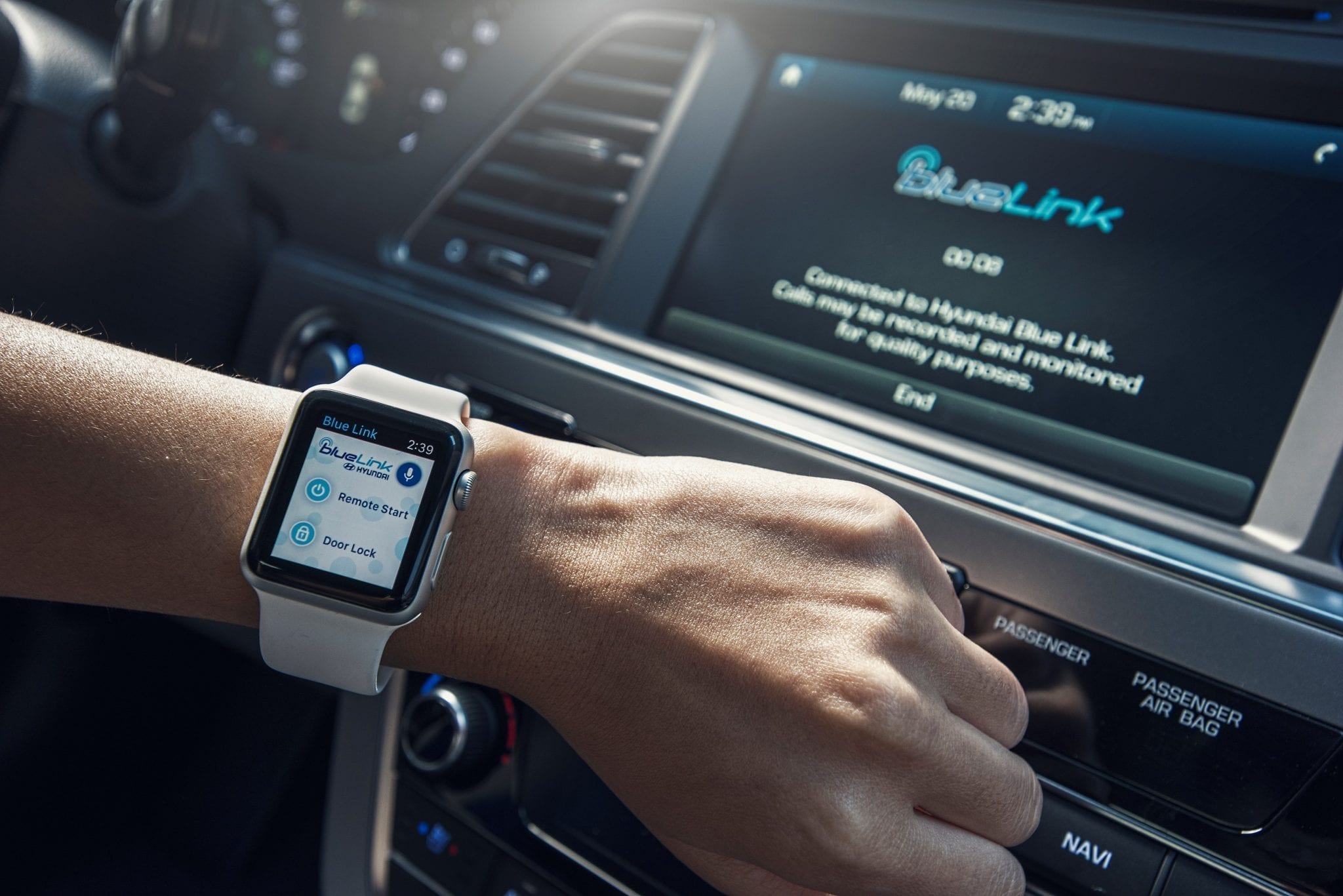
    Hyundai’s participation in ITU will also support the company in building its “hyper-connected intelligent cars” platform, which includes smart remote maintenance services, autonomous driving, smart traffic flow, and a connected “mobility hub” to provide security and data management for connected cars.
    ITU said it will host discussions on the status and future of intelligent transport systems at the Geneva International Motor Show in March 2017 at the Symposium of the Future Networked Car.

    “Standardization will be essential in building a trusted ecosystem of intelligent vehicles,” said Chaesub Lee, Director of the ITU Telecommunication Standardization Bureau. “ITU standardization work is supporting the increasing integration of ICTs in vehicles with road safety and data security as our top priorities.”

    An ITU standard for secure over-the-air software updates for connected cars is expected to be approved in early 2017, and new ITU standards are under development to reduce technology-related driver distraction.