Retail News CRM

Tag: Starmart

  • ‘Modest’ growth for Dairy Farm International

    ‘Modest’ growth for Dairy Farm International

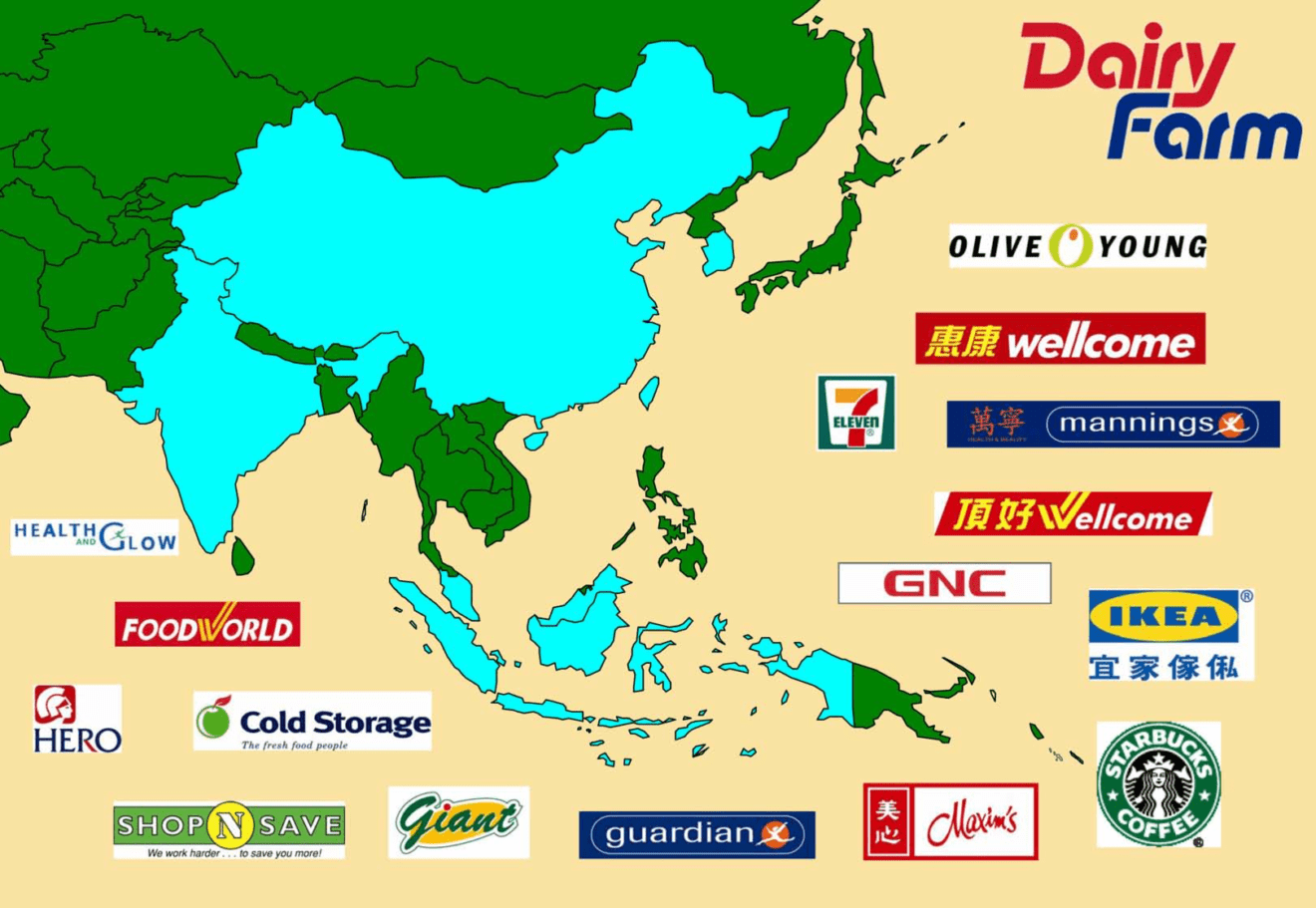
    Pan-Asia retailer Dairy Farm International Holdings reports “modest” sales growth for the six months ended June 30.

    Underlying profit was slightly ahead as higher contributions from food, home furnishings, restaurants and China hypermarket Yonghui offset a lower contribution from the group’s health and beauty division. The group is seeing the benefits from investments made last year.

    Sales for the period, excluding associates and joint ventures, were down 1 per cent but up 2 per cent at constant exchange rates. Sales were impacted by the closure of underperforming stores in Indonesia and Singapore.

    The operating profit was stable at US$197 million, compared with $201 million in the first half of last year.

    Under pressure

    In the food division, sales within supermarkets and hypermarkets were up 2 per cent despite deflationary pressures.

    In Hong Kong, sales increased modestly but profits were impacted by higher rental and labour costs. In Indonesia and Singapore, profitability improved despite reduced sales following store closures. Sales were flat but profits lower in Malaysia, while the Philippines had good sales growth and improved profitability.

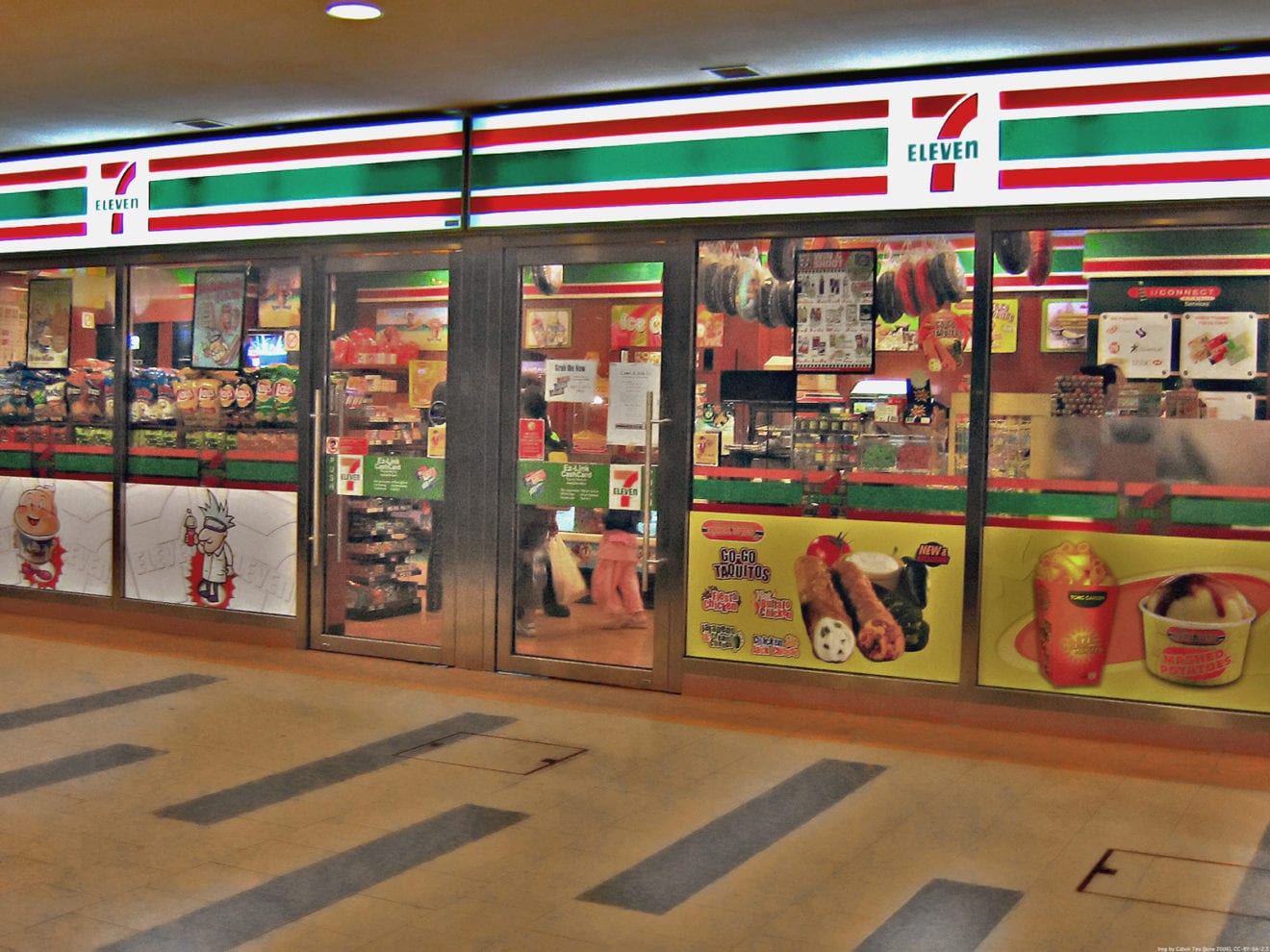
    Convenience stores in Hong Kong and Macau performed satisfactorily in a difficult trading environment, while overall sales in Singapore were flat because of the cutback in stores yet sales were positive and profits higher.

    Store expansion continued in mainland China, and there was good sales and profits growth.

    In the health and beauty division, sales improved in Hong Kong but Macau and Malaysia were behind with lower profitability.

    Like-for-like sales were positive in China, and in Indonesia “encouraging” improvements were made in sales and profits following a store rationalisation program.

    In the Philippines, good progress continues to be made on the integration of Rose Pharmacy.

    In home furnishings, Ikea performed well, producing growth in both sales and profits in its three markets. Store expansion opportunities are being pursued.

    Still expanding

    In the restaurant division, Maxim’s maintained its impressive track record with higher sales and profits in China and Hong Kong. The group is growing its presence on the mainland and continues to expand its Starbucks network in Cambodia and Vietnam.

    Yonghui reported 18 per cent revenue growth in the first half.

    In February, PT Hero agreed to sell its remaining Starmart stores in Indonesia. The transfer of the stores is expected to be completed in the fourth quarter.

    In March, the group refinanced short-term borrowings of $900 million, to be used in part to invest a further $191 million in Yonghui. This will maintain the group’s 19.99 per cent interest following the placement by Yonghui of a 10 per cent shareholding to JD.com.

    In April, Maxim’s acquired the Cova patisserie and restaurant franchise in Hong Kong, which has 10 outlets. Maxim’s also opened its first The Cheesecake Factory in Shanghai Disney Town.

    At the end of June, Dairy Farm, including Yonghui, had about 6500 outlets across all formats and employed 180,000-plus people.

    “While sales and profit performance in the first half have been encouraging in a challenging
    trading environment, the outlook remains uncertain with consumer confidence fragile in most
    Markets,” says chairman Ben Keswick.

    Incorporated in Bermuda, Dairy Farm International Holdings has its primary listing on the London Stock Exchange with secondary listings in Bermuda and Singapore. The group’s businesses are managed from Hong Kong by Dairy Farm Management Services through its regional offices. Dairy Farm is a member of the Jardine Matheson Group.
  • Mixed fortunes for Dairy Farm Indonesia

    Mixed fortunes for Dairy Farm Indonesia

    Dairy Farm International’s Indonesia operation continues to struggle in food – but Ikea trades above expectations.

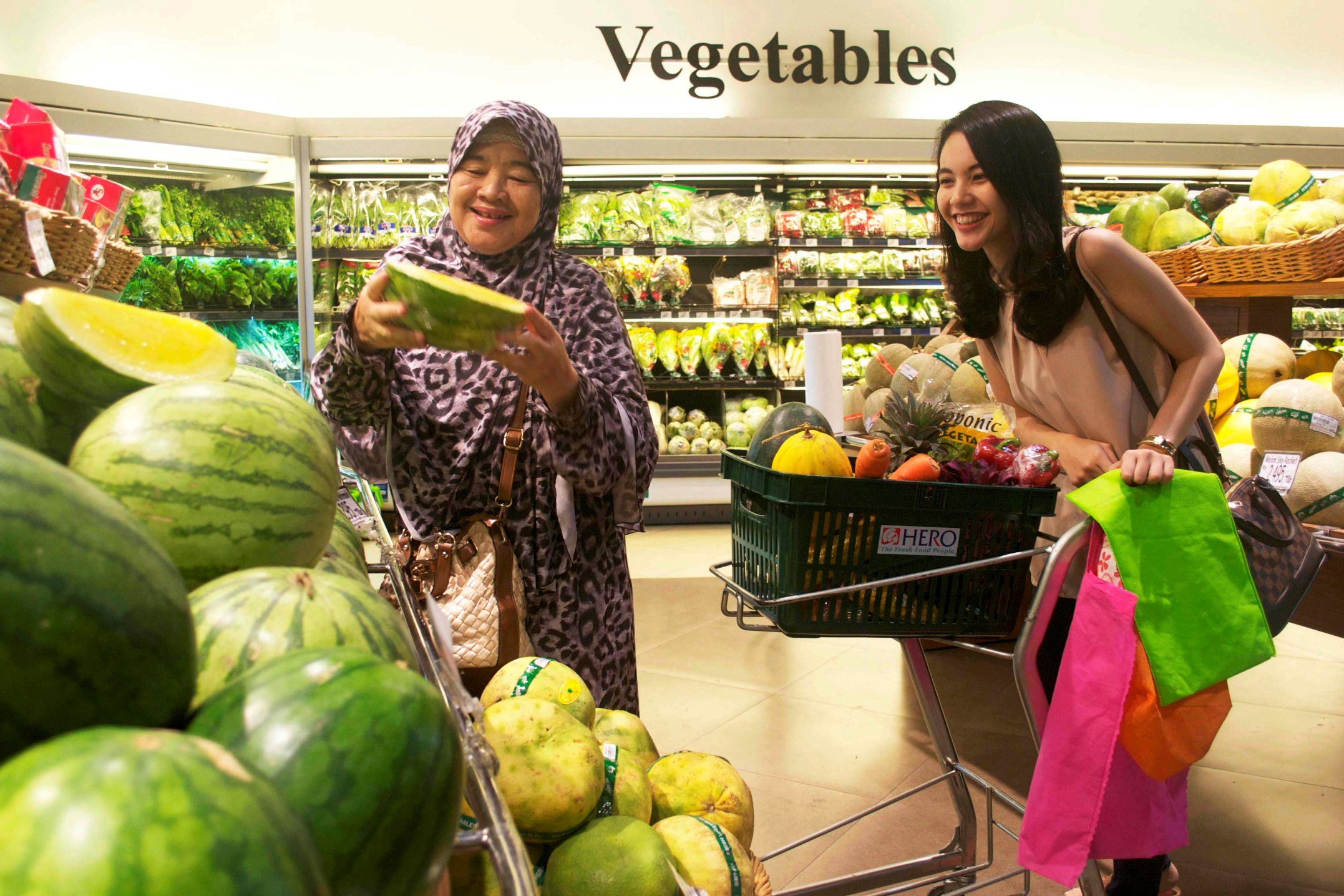
    The Hong Kong-listed company holds a controlling 83.9 per cent share in PT Hero Supermarket Tbk, which operates Giant hypermarkets and grocery stores, Guardian pharmacies and has the nation’s Ikea franchise, among others.

    Hero has reported a first quarter sales decline of 3 per cent to IDR3,409 billion (US$258 million), a 2 per cent improvement in gross profit, but a net loss of IDR 35 billion ($2.65 million).

    “While there are initial signs of margin improvement, the trading conditions for food are expected to remain challenging,” said president director Stephane Deutsch.  “Various initiatives are underway to improve the profitability of the Food business, and continuing progress is expected in both health and beauty and Ikea.”

    Although still relatively new, Ikea was the star of the quarter with sales up by double digits, exceeding both sales and profitability expectations.

    A total 28 net stores were closed in the first quarter, including one Giant Ekspres, 24 Guardian and five Starmart convenience stores. This was offset by the opening of one Guardian and 1 Giant Ekstra.

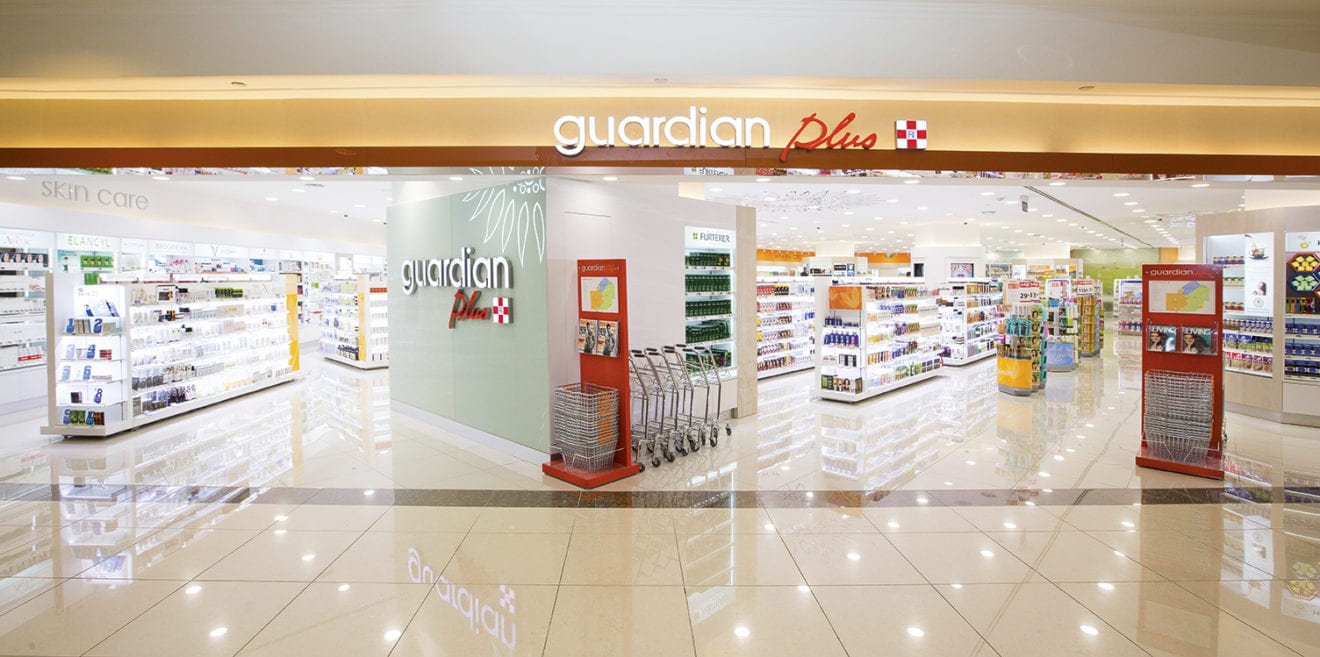
    In health and beauty, Guardian’s store rationalisation program is “progressing well”, said Deutsch. Together with the introduction of refreshed branding and increasing private label development, the restructure is leading to improvements in both sales and profitability.

    But profitability in the food operations was reduced due to the lower sales, higher stock provisions and increasing costs resulting from last year’s wage increases.

    “Significant attention continues to be given to driving sales growth, and several initiatives are underway to mitigate the effects of rising costs through energy savings and improved productivity,” said Deutsch.

    In food, the strategic decision to increase the focus on fresh produce is showing promising results with strong like-for-like sales growth.

    “Disappointing grocery and general merchandise sales, however, impacted negatively the overall food [division] performance during the quarter, especially in Giant. Action is also being taken to improve the efficiency of the supply chain, with increased centralisation through the group’s distribution centres,” he said..

    Both Giant Ekstra and Ekspres are taking action to improve their trading and their profitability.

    Dairy Farm Indonesia’s upscale format, Hero Supermarket, had stable like-for-like sales and continues to focus on enhancing its offer across the fresh, imported and exclusive ranges to provide a more distinctive choice for customers.

    At the end of the quarter (March 31), Hero operated 582 stores: 54 Giant Ekstra, 153 Giant Ekspres and Hero Supermarket, 295 Guardian Health and Beauty stores, one Ikea and 79 Starmart convenience stores.

  • Singapore, Indonesia drag Dairy Farm Group food division

    Singapore, Indonesia drag Dairy Farm Group food division

    Weak performances in Singapore and Indonesia eroded underlying profits in multinational retailer Dairy Farm Group’s food division last year.

    Last week, Dairy Farm reported a 5 per cent overall increase in sales on a constant currency basis, but a 14 per cent decline in underlying profit due to the “challenging” operating environment across Asia. Sales totalled US$11.137 billion, profit fell from $509 million to $424 million.

    Dairy Farm’s interests span convenience stores, hypermarkets, supermarkets, fast food restaurants, cafes, pharmacies, beauty stores and Ikea franchises. While all divisions reported mixed results by markets, it was the core food division where the gaps seemed widest.

    CEO Graham Allan said Wellcome supermarkets and 7-Eleven convenience stores in Hong Kong traded well, and Wellcome Taiwan also delivered encouraging results with its targeted focus on upscale customers.

    In Hong Kong, despite a competitive trading environment and declining Mainland visitor traffic, Wellcome achieved gains in both sales and market share, he said.

    “In the face of steep increases in rental costs, profitability remained strong due to sales growth and prudent management of other costs. In 2015, the group acquired and successfully integrated the San Miu supermarket business in Macau, which delivered a higher than expected profit contribution.”

    Food (excluding the Yonghui China business in which Dairy Farm acquired a 19.99 per cent stake during the year) reported US$8.2 billion in sales, a decrease of 2 per cent, while operating profit declined by 21 per cent to US$236 million principally driven by disappointing results for supermarkets and hypermarkets in Singapore and Indonesia.

    In Mainland China, 7-Eleven showed further improvement despite the market slowdown. But in Singapore, “further margin erosion resulted from higher labour costs and rents, soft consumer sentiment, a weaker Singapore dollar” and intense competition in the supermarket sector.

    “Operating profit was significantly lower than in 2014, mainly due to lower margins from Cold Storage’s price campaigns, a store rationalisation program and operational challenges. In a difficult segment, Giant ended the year with improvement in both sales and profits.”

    Allan says in 2016, the group will optimise its product offer with improved fresh items and ready-to-eat meals, with the aim of growing market share, boosting stock management capability and fine tuning brand positioning.”

    In Malaysia, the introduction of GST in April and weak consumer confidence dampened retail spending and profitability.

    “Post-GST consumer apprehension, currency weakness, lower subsidies and political uncertainty brought consumer sentiment to its lowest point in 10 years and negatively impacted sales in the remainder of the year.

    “Nevertheless, improved retail execution, assortment enhancements and tactical investments in margin to improve price perception have helped to maintain sales in a soft market,” said Allan.

    “In the Philippines, the upscale and community supermarkets reported sales growth, while hypermarket sales were slightly positive. The group opened three new Rustan’s and three new Wellcome stores, and ended the year with 56 outlets. Enhancing the quality and breadth of the fresh offer, embracing more impactful merchandising and display practices and building corporate brands are central to the group’s plans for 2016.”

    In Indonesia, profitability declined significantly as a result of higher labour costs, price investments to drive customer traffic and changes associated with more rigorous stock management, Allan said. While its Giant supermarkets there enjoyed a better year and produced double digit sales growth, and its larger Giant hypermarkets also grew, Hero supermarkets sales were steady.

    “While overall margins improved, partly due to excellent growth in fresh food, earnings suffered from increases in labour costs, stock clearance activities and store rationalisation.”

    Results from PT Hero were also depressed by 12 per cent with the weakening rupiah affecting the outcome on translation. Hero, majority owned by Dairy Farm Group, has sold the majority of its Starmart convenience stores and will close the remaining ones.

    And in Vietnam, Giant achieved strong like-for-like sales with increases in both customer traffic and basket size.

    “Facing strong competition from new entrants and existing players, the group repositioned its fresh strategy with lower prices and a wider product offer to grow market share.”

    Convenience stores

    Operating profit in the convenience store division of the broader food business dropped by 12 per cent to US$64 million.

    Allan said in Mainland China, 7-Eleven saw a pleasing increase in sales and profits over the previous year, with like-for-like sales growth and store network expansion. Despite signs of an economic slowdown in China, profitability improved. Ready-to-eat was the leading category in terms of sales and contribution and this category will continue to be a major area of focus in 2016.

    “In Hong Kong, the group achieved excellent like-for-like growth and gained market share across most categories. Rapidly escalating operating costs, especially store labour and rental expenses, crimped profit growth. Sales momentum in Macau slowed during the second half of the year due to an increase in cigarette taxes in July and reductions in tourist numbers from Mainland China,” he reported.

    In Singapore, 7-Eleven’s results were impacted by lower sales from the tourist segment, by lower liquor sales partly due to new regulations curtailing late night alcohol sales, and by increased store labour costs and operating costs in the Distribution Centre.

    “Major initiatives for the coming year will focus on strengthening the ready-to-eat supply chain.”

  • Dairy Farm exits Starmart Indonesia

    Dairy Farm exits Starmart Indonesia


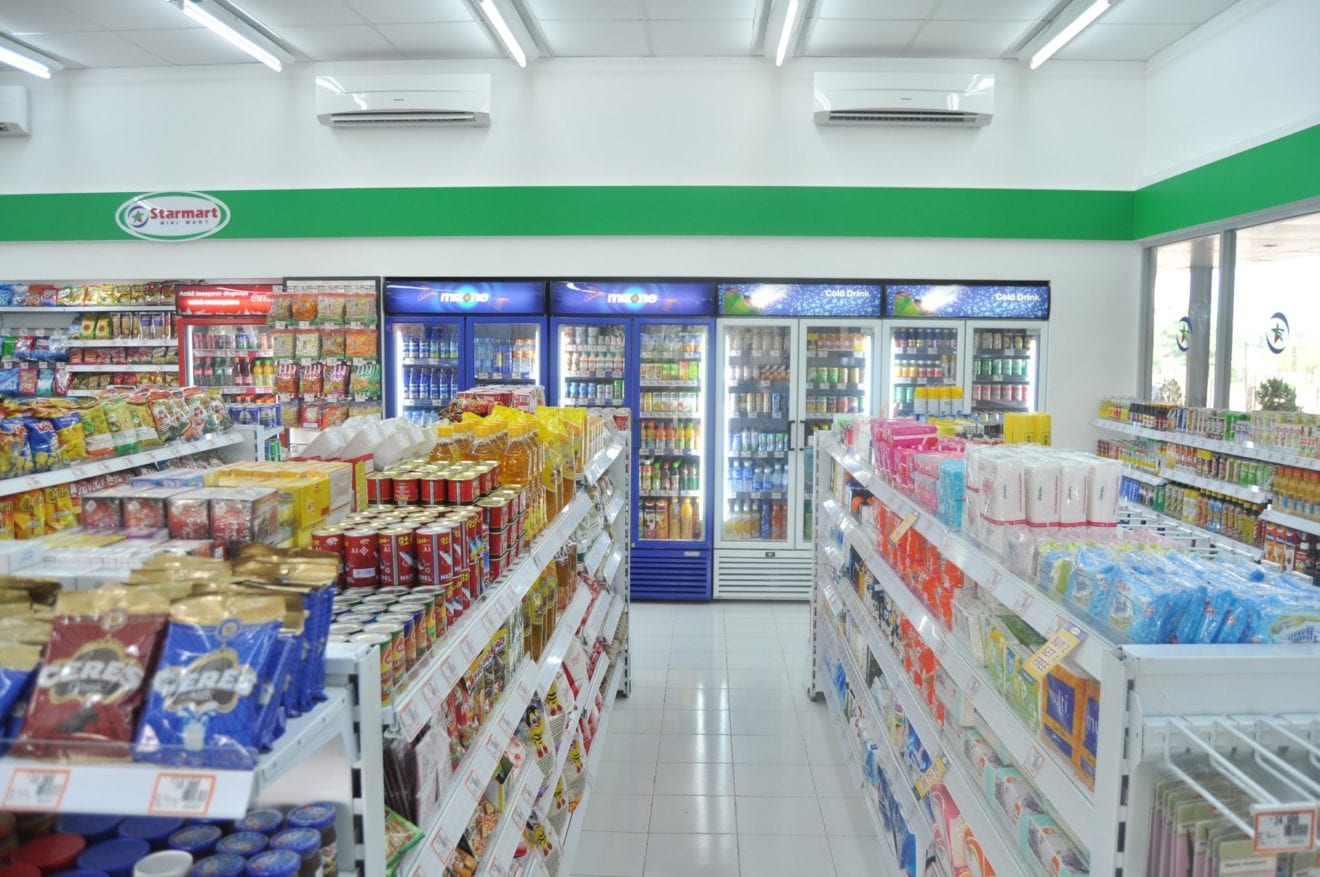
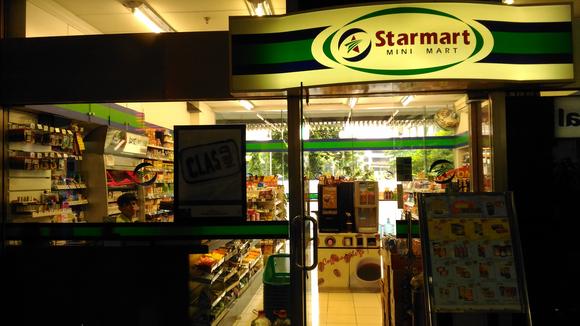
    Convenience store and grocery retailer Hero Supermarket is to exit the troubled Starmart Indonesia business.

    Hero, a subsidiary of Hong Kong-headquartered Dairy Farm International, has announced the sale of 80 stores to Fajar Mitra Indah, a subsidiary of Wings Group, an Indonesian food conglomerate which owns the FamilyMart franchise in the country. The networks will be merged by the year’s end under the FamilyMart banner, taking that network to 80.

    The sale follows the closure of 50 poorly performing stores in the network last September after a long-running strategic review. The balance of the stores – the number of which is undisclosed – will be shuttered.

    The Starmart business had effectively been kneecapped by rapidly implemented Indonesian government policies, most significantly a ban on convenience stores selling alcohol which took effect last April. A general economic slowdown has not helped sales of other goods.

    In a statement, Hero said it would withdraw entirely from the convenience stores business in Indonesia. No transactional details were revealed but the company said the closure would have no material impact on its trading figures this year.

    Both Starmart and FamilyMart are relative minnows in the Indonesian convenience store sector – local chains Alfamart and Indomart – each about 10,000 outlets strong – dominate.

    According to a report in the Nikkei Asian Review, Hero’s profit fell 90 per cent in 2014 and slipped into the red in 2015. Its supermarket business is under pressure from discounters and the company has also shuttered a number of unprofitable Guardian drugstores.

  • Hero Supermarket Indonesian retailer unloads convenience stores

    Hero Supermarket Indonesian retailer unloads convenience stores

    Indonesian retailer Hero Supermarket on Wednesday said it will sell its poorly performing Starmart convenience store business to local food conglomerate Wings Group.

    Hero is selling about 80 Starmart outlets to Fajar Mitra Indah, a unit of Wings Group and the franchisee of Japan’s FamilyMart convenience stores in the country. The move follows the closure of 50 Starmart stores in 2015. In a press release, Hero said it will pull out entirely from the convenience store business. The sale will have no material impact on the company’s finances, it added. The value of the transaction was not disclosed.

    A Startmart outlet in Jakarta

    Fajar Mitra plans to convert 50 of the Starmart stores to FamilyMarts by the end of the year, which will help raise the number of FamilyMart stores to around 80, according to a person familiar with the matter.

    Starmart has been struggling to compete against the top two local brands, Alfamart and Indomaret, which run about 10,000 outlets each and are expanding aggressively. Hero’s move comes after Supra Boga Lestari, a high-end supermarket operator, recently announced the sale of its Ministop convenience store business.

    Hero’s core supermarket business, which targets middle-class shoppers, has also faced intense competition from hypermarkets, which purchase large amounts of merchandise and sell at low prices. Combined with slowing consumer spending and rising labor costs, the company’s earnings have eroded quickly. Hero’s net profit in 2014 plunged more than 90% from the previous year, and it slipped into a loss for the nine months ended September 2015.

    In addition to Starmart, Hero has also closed some of its Guardian drugstores. Searching for new sources of revenue, the company became the franchisee of Swedish furniture retailer Ikea, opening its first store in Indonesia in 2014. But its prospects have been clouded by a recently published Supreme Court ruling that allowed a local furniture company to use the Ikea trademark.

    Hero is owned by the retail arm of Hong Kong-based conglomerate Jardine Matheson Holdings. Jardine, which also controls Indonesia’s largest automaker, Astra International, has been increasing its investment in other countries in the region, such as Thailand and Vietnam.

  • Dairy Farm closes more Indonesia stores

    Dairy Farm closes more Indonesia stores

    Dairy Farm International says it has now closed 74 stores in Indonesia – and more will follow before the year ends.

    Dairy Farm is the majority owner of the PT Hero retail network which includes supermarkets, Guardian pharmacies and Starmart convenience stores, which at the beginning of this year numbered 715.

    In July the company said it had shuttered 39 of its 75 stores bearing the Starmart brand. Last week it issued new figures showing 74 stores have now closed, including 22 Guardian pharmacies.

    “We are closing stores every year and every semester. We believe that we need that to change our portfolio,” said finance director, Xafier Thiry, adding that while more would close in the latter part of this year, the pace of the cull would slow.

    Dairy Farm’s network has been hit hard by the Indonesian government’s ban on convenience stores selling alcohol which took effect in April. A general economic slowdown has not helped sales of other goods. In July Dairy Farm said it was reviewing the future of the Starmart business.

    The other stores closed so far this year were 10 Ekspres and Hero stores and three Ekstra stores.

  • Hero to open more stores  to boost revenues

    Hero to open more stores to boost revenues

    Retail company PT Hero Supermarket (Hero) will spend up to Rp 640 billion (US$48 million) this year for business expansion with retail plans to open stores in several cities across the country.

    The move will be made to restore the company’s disappointing financial performance earlier this year.

    Hero, which operates hypermarkets, supermarkets, convenience stores, drug stores and furniture stores, plans to open four Giant Ekstra hypermarkets and six mid-sized Giant Ekspres supermarkets in several regions, including Bangka and Lombok. Arief Istanto, a director with Hero, said each Giant Ekstra would cost between Rp 100 billion and Rp 150 billion while the Giant Ekspres would cost about Rp 20 billion. It means the company will allocate between Rp 440 billion and Rp 640 billion in capital expenditure to build the stores this year.

    Arif said the company aimed to improve its financial performance and hoped to book profits like it did in previous years. The company will use its internal funds for the expansion.

    “We would like to expand our network so that it can attract more customers. Thus, our top line will also increase,” he said after an extraordinary shareholders’ meeting on Tuesday. At the meeting, they agreed not to disburse the Rp 43.75 billion in dividends to shareholders and instead spend it on the company’s business expansion plan.

    Hero Supermarket previously suffered Rp 33.19 billion in net losses during the first quarter of this year amid a 14 percent increase in net revenues of Rp 3.57 trillion, making it the worst performer in the country’s retail industry.

    Last year, the company saw its net profit dive to Rp 43.75 billion from Rp 671.13 billion in 2013. A 13.94 percent increase in revenues, which stood at Rp 13.56 trillion at that time, could not ease the ballooning operating expenses, which hit Rp 3.31 trillion.

    “Our 2014 financial results were disappointing with weak sales growth and a significant increase in operating costs across all businesses as well as higher overhead and store pre-opening costs,” Stephane Deutsch, Hero’s president director, said in a statement.

    In 2014, the company launched a flagship furniture store under Swedish brand IKEA in Alam Sutera, Tangerang, Banten, some 25 kilometers west of Jakarta’s city center.

    Arief confirmed Hero has planned to build five more IKEA stores in the future as the company was upbeat about the prospects of the franchise furniture store.

    “At the moment, we are looking for land for the second store. It is supposed to be done this year,” Arief said, adding that the second store would be located in Greater Jakarta.

    According to him, IKEA has contributed around Rp 200 billion to Hero’s revenues in the first quarter of this year,

    Hero says it hopes to book 30 to 40 percent growth in revenues during the fasting month of Ramadhan this year. The company currently operates 33 Hero supermarket stores, 341 Guardian healthcare stores, 98 Starmart convenience stores, 53 Giant Ekstra stores, 121 Giant Ekspres stores, two Jason supermarket stores and one IKEA store.

  • Dairy Farm Indonesia reviews struggling Starmart

    Dairy Farm Indonesia reviews struggling Starmart

    Dairy Farm Indonesia is reviewing the future of its Starmart convenience store chain after closing nearly a third of its stores in the latest half year.

    The chain has been hit hard by the Indonesian government’s moves to limit the sale of alcohol, banning liquor sales in c-stores in April.

    Since then, Hong Kong headquartered Dairy Farm Indonesia subsidiary PT Hero Supermarket group has closed 39 stores leaving just 95.

    “A detailed strategic review of this business is currently being undertaken,” the company said in its earnings statement released Tuesday.

    The company said the closures would improve the profitability of the banner, but its prospects do not appear bright.

    PT Hero operates 641 stores in all, including 53 Giant Ekstra hypermarkets, 155 Hero Supermarkets and Giant Ekspres stores, 337 Guardian health and beauty stores and one Ikea.

    Overall, the group experienced a 15 per cent increase in revenue in the first half year, with gross profit up nine per cent, but it still posted a net loss of Rp 32 billion (HK$18.4 million).

    Food and health & beauty sales, showed strong like for like growth in the half year, despite a soft trading environment, and Ikea showed “very promising” early trading figures, the company said.

    “Despite the sales momentum, profitability was negatively impacted by outpacing costs resulting from minimum wage increases, stocktake improvements and store rationalisations. Strong actions on energy saving and productivity are being taken to mitigate the impact of increasing costs. In Food, investment in price has led to a reduction in the gross profit margin.”Besides the Starmart closures, PT Hero shuttered another 24 stores across its brands.

    Stephane Deutsch, president director, said in food, the company was concentrating on increasing fresh produce sales.

    “This has helped to increase like for like sales, especially in Giant where progress is being made on growing its market share. Action is also being taken to improve the efficiency of the supply chain.”

    The hypermarket operation, Giant Ekstra, and the supermarket operation, Giant Ekspres, are both taking steps to improve the customer shopping experience in selected stores prior to rolling out the initiative more broadly across the country, he said.

    “The upscale format, Hero Supermarket, is continuing to enhance its offer across the fresh, imported and exclusive ranges to provide a more distinctive choice for customers.”

    In Health and Beauty, Guardian’s store expansion program is “progressing well” alongside the introduction of refreshed branding and increasing private label development, leading to further improvements in like for like sales.

    “The strategic partnership with the local pharmacy operator Apotik Melawai, which combines their local pharmacy strengths with the broader health and beauty offering of Guardian, is showing encouraging results.”