Tag: startup life

  • Financial startup Anfin raises $4.8 mln

    Financial startup Anfin raises $4.8 mln

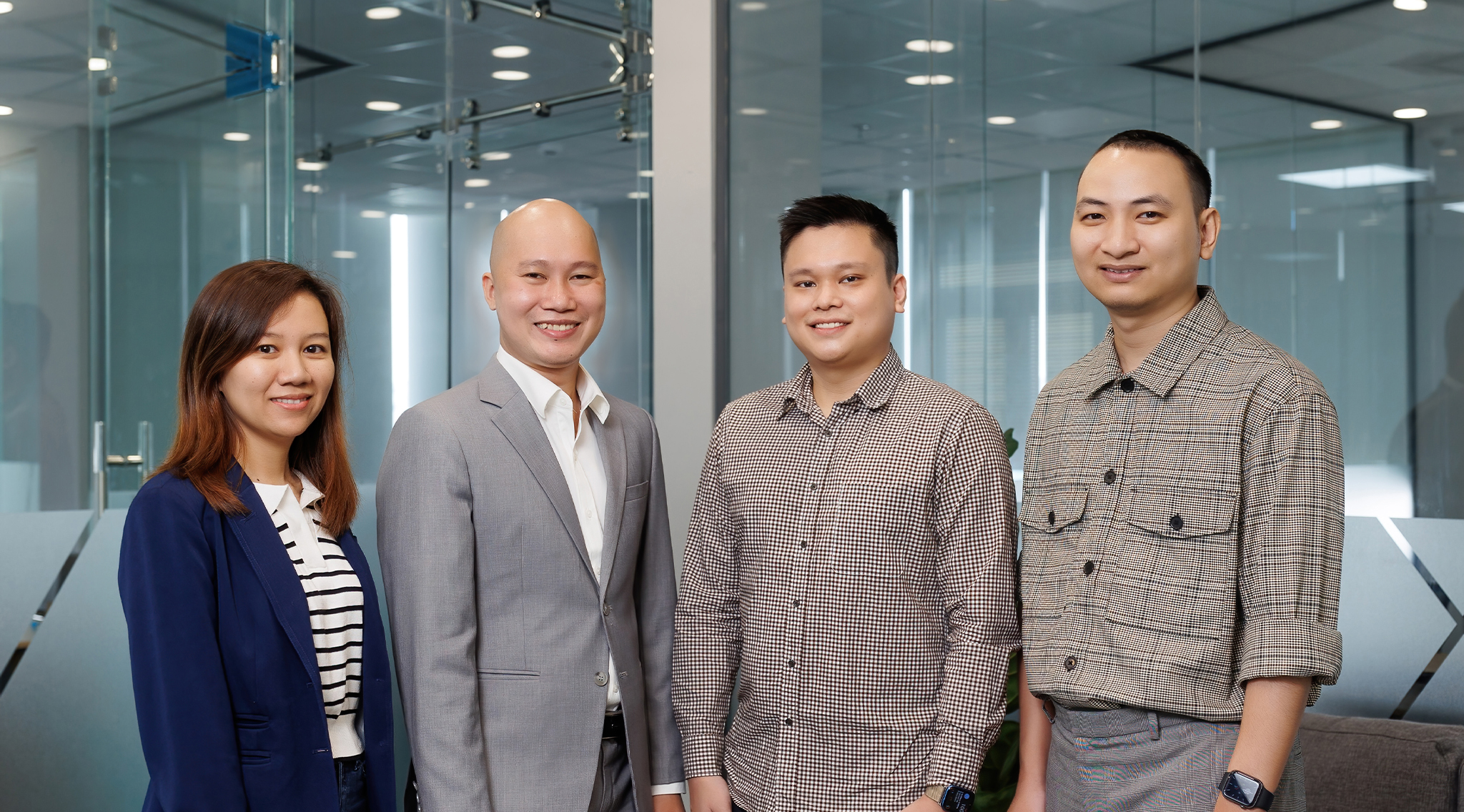
    Financial startup Anfin, which seeks to make stock investment easy for any user, has raised funding of $4.8 million in a Pre-Series A round from a consortium of investors.

    It was led by angel investor Clement Benoit and U.S.-based startup accelerator Y Combinator. The money will be used to improve its app by building a social network in it so users can share their investment knowledge.

    Anfin was launched in October last year and has raised around $7 million to date.

    Its app allows users to invest as little as VND10,000.

    Its CEO, Phuoc Tran, said the app has over 100,000 active accounts with a total transaction value of $10 million.

    Benoit said creating a product that serves many groups of people in society is the right move in a big market such as Asia.

    He hoped the company would branch out to other countries and succeed in its social investing business model.

    Interest in stocks remains sky-high in Vietnam, with 476,300 new accounts opened in May, a new record.

    Phuoc said despite the volatility in the market, stocks remain an asset class with great prospects.

    Data from investment fund Dragon Capital Vietnam shows that in the last five years, stocks have given investors an average return of 16 percent a year, higher than real estate, bonds or gold.

  • Singapore and Hong Kong Named as Unicorn Incubators

    Singapore and Hong Kong Named as Unicorn Incubators

    The city-state’s unicorn businesses take an average of 6 years and 11 months to reach the valuation of $1 billion.

    Singapore is the joint fourth best country in the world for unicorn start-ups, according to a recent study by credit broker Money.co.uk, with six businesses currently valued at over $1 billion.

    The top country for unicorns is China, with 155 such companies, which take an average of 5 years 10 months to reach this status. Hong Kong, which has five unicorns, is the second-fastest country for businesses to reach $1 billion, which take an average of 6 years and 1 month, followed by Japan unicorns, which take average of 6 years and 3 months.

    According to the study, which cited data by private equity firm CB Insights, there are only 750 unicorns – defined as independently owned and valued at over $1 billion – globally. The U.S., also in joint fourth position, has the most, at 378.

    Globally, there are 131 fintech unicorns, which took an average of 7 years 1 month to reach $1 billion.

  • Honestbee seeks court protection in order to survive

    Honestbee seeks court protection in order to survive

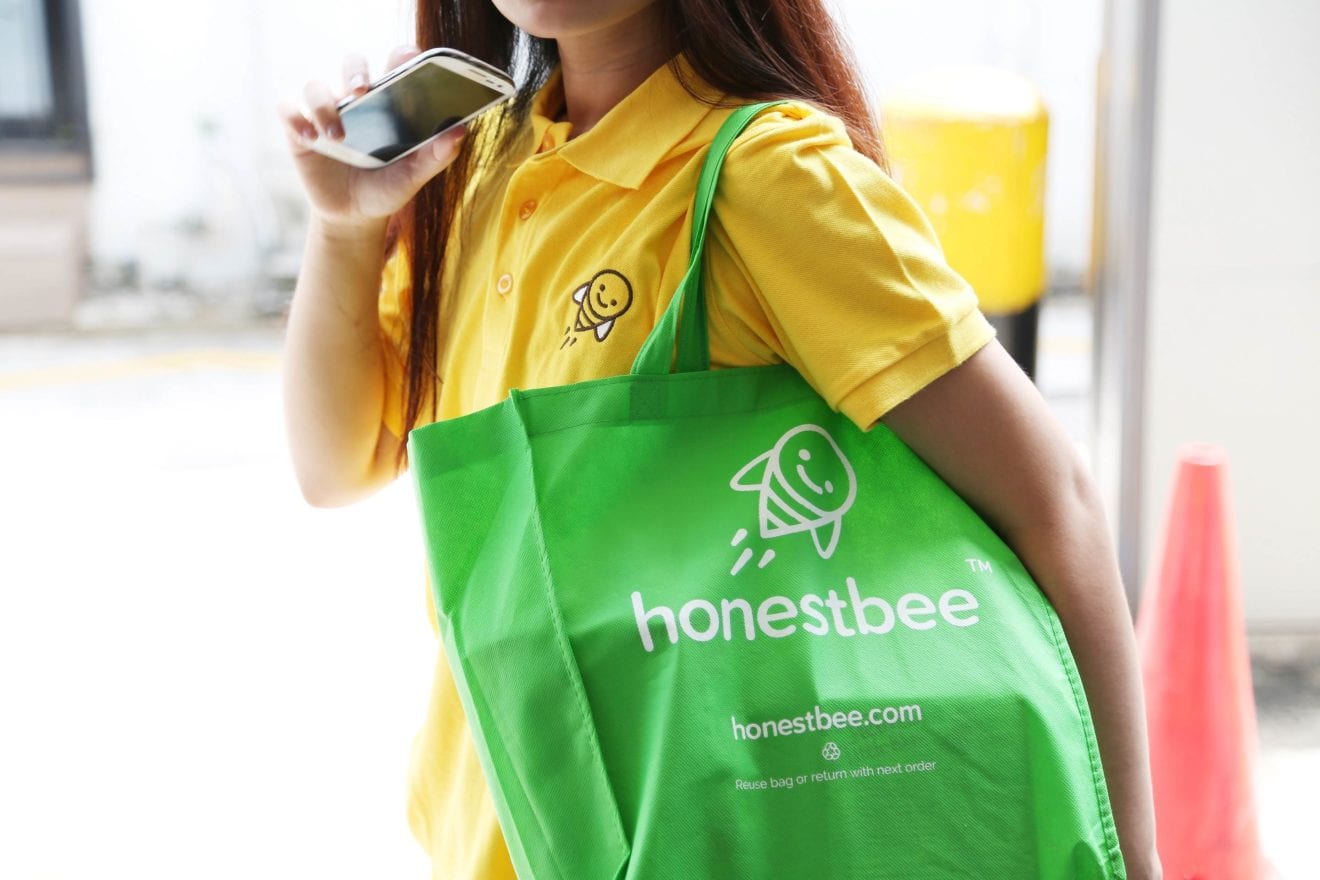
    Sinking in debts of around US$180 million, Singapore grocery retailer Honestbee is seeking court protection from creditors to allow it to restructure.

    The company has applied to the High Court to commence a process which reportedly would give it six months protection from creditors lodging winding up procedures or other legal attempts to recover what they are owed.

    News of the move surfaced late Friday at the same time the company confirmed it was laying off 38 staff in Singapore.

    “As a result of our reduced operations globally, the company has made a decision to rightsize the company in order to cut costs and streamline its business,” a spokesman said in a  statement to the Straits Times.

    “The move is necessary to ensure that the company has the right structure in place for long-term stability and success.”

    Friday’s news came one week after the company announced the appointment of a new CEO, Ong Lay Ann, who has actually been in the role since July 15, atkin over from interim CEO and investor Brian Koo, who remains chairman. That followed the resignation of CTO and co-founder Jonathan Low four days earlier.

    Koo is also a founding partner in Formation Group, one of Honestbee’s largest creditors. Koo is part of the family which owns South Korean industrial giant LG. Parties associated with the Koo family are said to be owed as much as $50 million by Honestbee.

    In a statement, Honestbee said a court-supervised restructuring would allow management to focus on re-evaluating the business free from interference, to streamline operations, improve efficiencies and reduce overheads.

    “As part of the restructuring process, Honestbee will work closely with their advisers, creditors and stakeholders to achieve the best possible outcome for all interested parties,” the company said.

  • Grocery e-commerce startup Kurly raises Millions

    Grocery e-commerce startup Kurly raises Millions

    Korean grocery delivery service Kurly has closed an upsized Series D round that hit US$113 million.

    The round was announced last April at $88 million, but has since attracted an additional $25 million funding from China’s Hillhouse Capital.

    Kurly delivers all orders placed by 11 pm before 7 am the following morning, prioritising convenience over cost savings and focusing closely on self-branded produce and groceries. This distinguishes its service from competing retail giant Coupang’s moves in the sector, which uses a marketplace platform to connect retailers and consumers.

    “The latest round of investment is a major endorsement of the progress we’ve made differentiating ourselves in the market through our cold-chain fulfillment infrastructure and unique offering of premium, curated products,” said company founder Sophie Kim. “Our focus is on further strengthening our relationships with our suppliers, developing our fulfillment infrastructure and continually improving our customer experience.”

    Kurly’s revenue tripled year-on-year to hit $131 million last year, although the firm did not release its profit-and-loss figures.

    Hillhouse Capital has offices in Hong Kong, Beijing, Singapore and New York. It focuses on investments in Asia.