Retail News CRM

Tag: station

  • Eg Group Eyes Billion-dollar Divestment Of Australian Service Station Network

    Eg Group Eyes Billion-dollar Divestment Of Australian Service Station Network

    EG Group Plans to Divest Australian Service Station Network

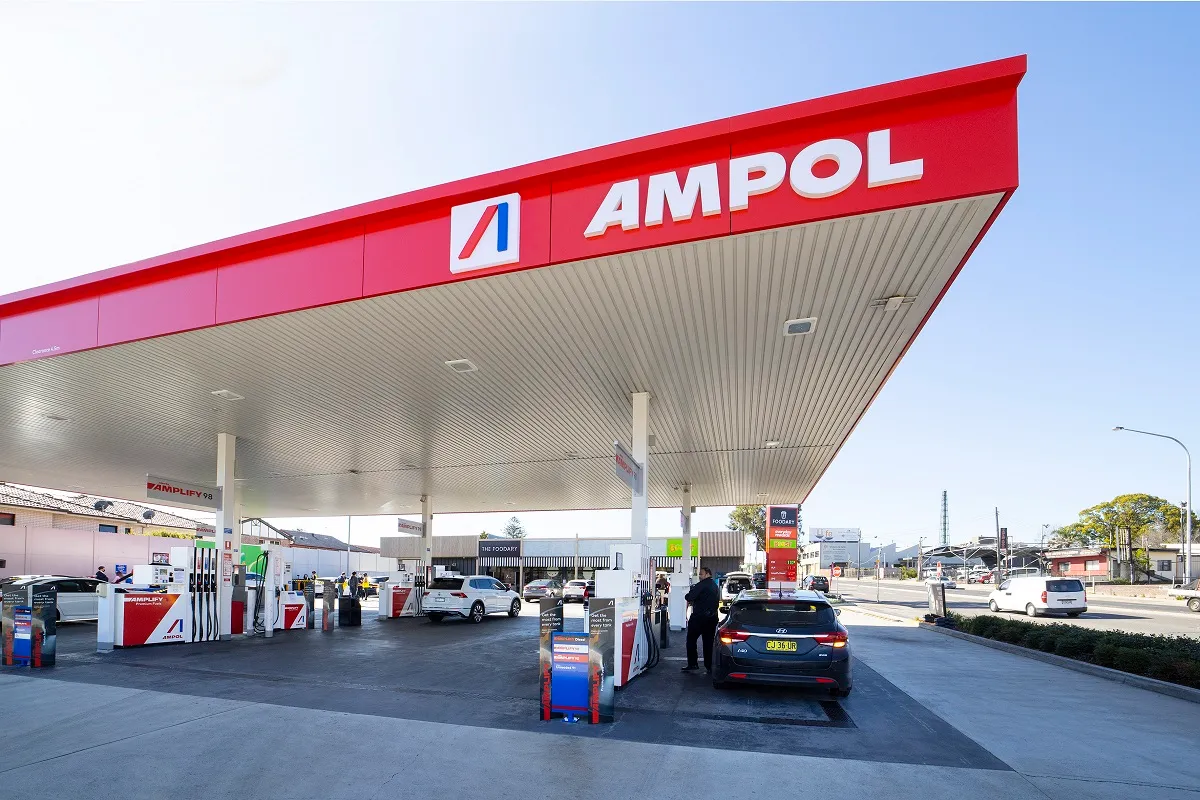
    UK-based EG Group is planning to divest its EG Ampol service station network in Australia. Ampol, EG Group’s wholesale supplier, is considered the most likely purchaser.

    EG Group acquired 540 fuel convenience sites from Woolworths in April 2019 for $1.73 billion. The company is now reportedly looking to sell its Australian division to mitigate losses and withdraw from the marketplace.

    Insiders report that EG Group and its advisors are in confidential discussions with prospective buyers regarding a sale valued at over $1 billion.

    Ampol as the Probable Buyer

    Ampol, EG Group’s wholesale supplier, has surfaced as the possible buyer, given that the service station chain bears its name. Ampol has been delivering fuel to the business under a long-standing commercial agreement dating back to the time when Woolworths was the proprietor.

    Over the years, Ampol has made several acquisitions, including Milemaker in Melbourne, Gull NZ, SeaOil and Z-Energy in New Zealand.

    EG Ampol’s Performance

    As of the end of the previous year, EG Ampol had 517 locations. Its annual sales had fallen 6.4% to $4.24 billion.

    EG Group has shut down marginally profitable or loss-making sites. The retail fuel volumes industry-wide have also witnessed a decline as more drivers shift towards hybrid or electric vehicles.

    Another significant player in the sector is Viva Energy, which acquired fuel and convenience store chain operator OTR Group for $1.22 billion last year.

    Questions & Answers

    What is EG Group planning for its EG Ampol service station network?
    EG Group is reported to be planning to sell its EG Ampol service station network in Australia.

    Who is the most likely purchaser of this network?
    Ampol, EG Group’s wholesale supplier, is considered the most likely purchaser of the network.

    What has been the impact on the retail fuel volumes industry-wide?
    The retail fuel volumes have declined across the industry as more motorists shift towards hybrid or electric vehicles.

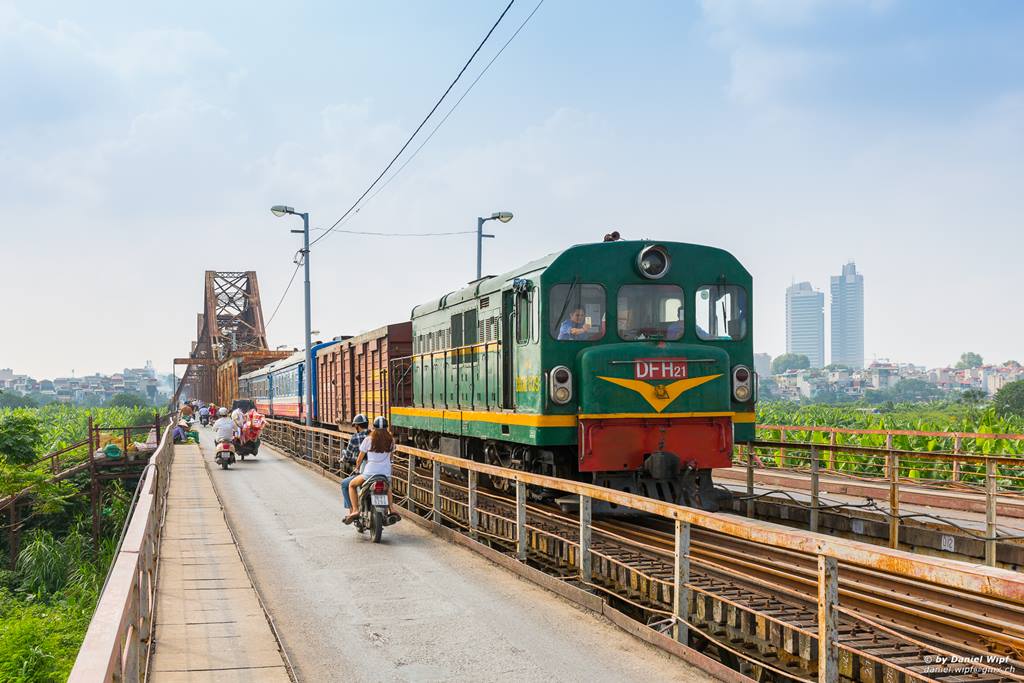
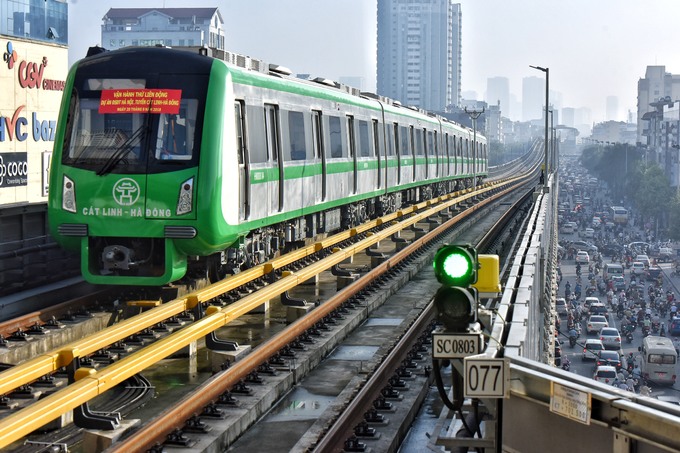
  • Hanoi Railway Transport reports record profit

    Hanoi Railway Transport reports record profit

    The Hanoi Railway Transport Joint Stock Company has reported record after-tax profits of VND54 billion (US$2.2 million) mainly due to a nonrecurring revenue item, interest in bank deposits.

    It received interest of VND245 billion on deposits, but also managed to trim expenses, according to its latest financial statements. Gross profit rose 40% year-on-year to VND110 billion. However, total revenues were down 5% to VND637 billion.

    The company has improved its profits for three consecutive quarters, but still has accumulated losses of VND285 billion after 11 quarters of losses during the Covid pandemic.

    For the year to date it had revenues of VND1.895 trillion and profits of VND98 billion, the former only slightly up year-on-year but the latter surging 2.8-fold.

    This year the company is promoting cargo transportation and joining hands with major travel agencies to transport foreign tourists.

    The company, one of the two biggest subsidiaries of the Vietnam Railways Corporation, operates northern and the Hanoi-Ho Chi Minh City routes and international transportation of goods and passengers through two northern border gates.

  • Fuel market cannot be regulated by administrative diktats

    Fuel market cannot be regulated by administrative diktats

    The recent fuel shortages happened because retail prices did not follow the market economy principles, and the government cannot mandate prices, Prime Minister Pham Minh Chinh said.

    “Businesses only operate if they gain profits. It is difficult for the government to use administrative measures with them in a market economy.”

    He pointed out that calling on businesses to sacrifice their own interests for the nation could only be done during wartime, and authorities need to be flexible and keep up with the market.

    “When retail prices correctly reflect costs, retailers started to sell again because they see profits.”

    The government has instructed the Ministry of Industry and Trade to amend regulations to ensure demand and supply principles are followed.

    Many localities, including Hanoi and Ho Chi Minh City, reported fuel shortages for weeks in October and early November as gas stations said they were selling at a loss since retail prices were too low.

    The situation has improved in the last three weeks, with long queues no longer seen at filling stations.

    State-owned fuel distributor Petrolimex said it is set to increase supply by 40% to 2,000 cubic meters daily.

  • Three VinSmart phone models make US debut

    Three VinSmart phone models make US debut

    Three smartphone models produced by VinSmart, a unit of Vietnamese private conglomerate Vingroup, have been sold in the U.S. since earlier this year.

    Carrier AT&T distributes the phones under the names Fusion Z, Motivate, and Maestro Plus through its own stores and some retail chains like Walmart.

    The model codes match those of three VinSmart models licensed by the U.S. Federal Communications Commission (FCC) to be sold in the U.S.

    Their prices range from $39 to $89, including promotions and a two-year warranty.

    All three 4G models have six-inch screens and operate on the Android 10 operating system.

    VinSmart was partnering with AT&T to produce smartphones, with around two million units in the first batch.

    VinSmart declined to comment on the reports.

    The three phones are part of 10 smartphone models approved by the FCC, including Vsmart Aris, the latest mid-range model produced by VinSmart and is being sold in Vietnam.

    VinSmart’s factory, located in Hoa Lac Hi-Tech Park in Hanoi, is capable of producing 125 million smartphone units annually.

  • BP pulls sexualised magazines from stores

    BP pulls sexualised magazines from stores

    Fuel giant BP Australia has joined 7-Eleven and pulled two “M+” rated magazines from its 350 petrol outlets across the country after complaints they sexualized young girls and promoted harassment.

    People and The Picture magazines, published by Bauer, will be pulled from the shelves BP has confirmed.

    “M+ rated magazines will no longer be stocked at our 350 company-owned stores across Australia,” BP tweeted on Monday night.

    Its decision comes after activist group Collective Shout said it alerted BP to recent covers of the Australian magazines, which frequently publish pictures of glamour models and stories with a sexual element.

    Headlines on the covers included “Better Than Viagra” and featured a photograph of a young woman in pigtails with the caption “I have no gag reflex”, Collective Shout said.

    Now the group has set its sights on supermarket giant Coles, which still stocks the publications.

    “The display and sale of pornographic magazines in the public space creates a hostile environment for women and girls,” campaigns manager Melinda Liszewski said in a statement.

    “We urge other retailers selling these magazines – such as Coles Express – to follow the example set by 7-Eleven and BP and cease the sale of ‘unrestricted’ pornographic magazines immediately.”

    7-Eleven recently stopped selling the magazines in its 700 convenience stores.

    Collective Shout campaigns against the objectification of women and the sexualization of girls, according to its website.

  • JR East metro station outlets opening in Singapore

    JR East metro station outlets opening in Singapore

    East Japan Railway Co. is expanding its operations into Singapore with new JR East metro station stores launching in island’s metro stations.

    The firm is planning to set up store clusters at 27 out of the 32 stations on the Thomson-East Coast Line, which will be partially operational by the end of the year. It is the first Japanese railways firm to start-up commercial operations in another country.

    The firm’s contract to establish JR East metro station stores along the line was secured via its local unit along with SMRT Experience and store chain operator NTUC Fairprice Co-operative for S$24 million (US$17.3 million) last month. The three partners will trade as Stellar Singapore, in which JR East will hold a 35 percent shareholding.

    Under the terms of the agreement, Stellar Singapore will rent 5000sqm of total floor space at the stations under a 16-year lease. The largest single shopping center will cover 1570sqm at Woodlands Station.

  • Slow Charging Could Be The Long-Term Solution To Sustainable EV Charging Infrastructure

    Slow Charging Could Be The Long-Term Solution To Sustainable EV Charging Infrastructure

    Automakers around the world are pushing hard for new networks that can charge electric cars fast. In Europe, some power companies and grid operators are testing whether it might be smarter and cheaper to move into the slow lane.

    A 15-month study of electric car charging behaviour in Germany has concluded that consumers can be persuaded to accept slow, overnight recharging that could help avoid brownouts from surges in electricity demand or costly upgrades to power grids.

    The prospect of millions of EVs hitting the roads as governments gradually ban new diesel and gasoline cars is seen as a major challenge for power companies, especially in Germany which is switching from nuclear and coal to less predictable sources of energy such as wind and solar.

    The small study in the wealthy Stuttgart suburb of Ostfildern-Ruit though has helped alleviate the concerns of some grid operators that too many electric vehicles (EVs) charging at peak times could cause network crashes.

    The engineers at Netze BW, the local grid operator behind the trial, found that all the households involved came around to leaving their electric cars plugged in overnight and only half ever charged simultaneously.

    “Since the experience with the project we have become a lot more relaxed. We can imagine that, in future, half of the inhabitants of such a street own electric vehicles,” said Netze BW engineer Selma Lossau, project manager for the study.

    Still, with limited EV battery ranges for now, slow, overnight charging doesn’t get around the problem of how to persuade drivers to ditch petrol cars altogether.

    Without a network of fast-charging stations offering quick refuelling, drivers may be wary of using EVs for long trips – which is why some automakers want lots of fast-charging stations to encourage the widespread adoption of electric cars. Slower, or delayed, charging has already gained traction in Norway, Europe’s leading EV market, where nearly 50% of new car sales are zero-emission vehicles.

    A study by energy regulator NVE showed that Norway faces a bill of 11 billion crowns ($1.2 billion) over the next 20 years for low- and high-voltage grids, substations and high-voltage transformers – unless it can persuade car owners to charge outside peak afternoon hours.

    The investment cost to the country of 5.3 million people could drop to just over 4 billion crowns if cars are charged in the evening, and may fall close to zero if batteries are only plugged in at night, NVE said.

    NVE is now working a tariff proposal which will penalise peak-hours charging. Tibber, a Norwegian power company, already offers cheaper electricity for EV charging if you let it decide when your car is charged while firms such as ZAPTEC offer ways to adjust charging to the available grid capacity.

    Some of the 10 households participating in the Stuttgart trial said they initially wanted to keep topping up their cars for fear of running out of juice, but soon adapted to leaving the power company to handle it as it saw fit overnight.

    “At the start, I did not want to take any risks and charged frequently in order to feel secure. Over time, I changed my outlook,” said Norbert Simianer, a retired head teacher who drove a Renault Zoe during the trial. “I grew used to the car and became more at ease in handling the loading process.”

    Simianer and his neighbours were given electric cars and 22 kilowatt (kW) wall-boxes for their garages, alongside two charging points in the street, all free of charge.

    In return, they gave up their normal cars and allowed Netze BW, which is a subsidiary of German utility EnBW (EBKG.DE), to monitor and carry out a deferred and down-scaled charging process during a seven-and-a-half-hour period overnight.

    Netze BW tried various options, either slotting cars in at the maximum 22 kW charging flow one after another, or lengthening the charging time for individual cars by adjusting the power flow, or combining both methods, Lossau said.

    The participants, who used apps to check the status of their car batteries, grew accustomed to the lack of instant charging capability because their vehicles could always handle their everyday commutes of up to 50 km (31 miles).

    EnBW said nine of the 10 households in the trial on Ostfildern-Ruit’s Belchenstrasse had opted to keep the wall-boxes and most were exploring leasing electric car.

    Lossau said monitoring 10 households did not in itself provide the “empirical mass to draw conclusions for the load profile of all of Germany”.

    She also said there would need to be better two-way communication between EVs, the grid and consumers for the system to function efficiently on a large scale.

    “There will have to be more exchange of information between e-cars and the grid to update the loading status in real-time, because otherwise, there can be the wrong impression about the speed of loading,” she said.

    Utility companies developing so-called vehicle-to-grid (V2G) services, however, are struggling to persuade some automakers to use technology that allows two-way flows of information, and power, between batteries and grids.

    Carmakers such as Volkswagen , Daimler and Ford, for example, are prioritising one-directional fast-charging instead to overcome consumer resistance to EVs.

    Japan’s Nissan (7201.T) has been leading the way among carmakers exploring V2G though Germany’s BMW has now decided to develop it too, saying cooperation between cars and grids will be key to making e-mobility ready for mass markets.

    “It is about making sure there is enough supply for the electric cars and that the lights do not go out elsewhere,” a BMW spokesman said. “The cars don’t just load when it’s best for the market, but they can also supply power back to the grid to help even out demand spikes.”

    “There has to be more progress on the data exchanges, however. It is not yet the standard,” he said.

    Nevertheless, the Ostfildern-Ruit trial has raised hopes that power grids might be able to cope with an influx of electric cars, especially if the consumers play ball.

    Even if drivers resist overnight charging, suppliers of software and equipment to power grids, such as Germany’s Siemens, are also looking at safer and more efficient ways to manage how and when power is used to charge cars.The German city of Hamburg, for example, started a three-year pilot project this month with Siemens to pre-emptively identify overloads on transformers and along cables, and manage EV charging points accordingly.

    “Loading processes offer so much flexibility that the overload on the networks can be reduced by deferring loading times or reducing the load that is supplied,” said Thomas Werner, expert at Siemens Digital Grid.

    “This happens through the digitisation of hardware and software and with communication technology,” he said.

    Using software to help protect ageing power networks from predictable surges could also avoid costly hardware upgrades to parts of the 1.7 million km of distribution grids in Germany.

    With few than 100,000 electric-only cars in Germany at the moment, there is little threat of blackouts from over-demand. But the Transport Ministry in Berlin envisages up to 10 million electric cars on the roads by 2030.

    The number of charging points across the country also only stands at 21,000. That’s up 50% over the last year but still barely a fraction of future needs.

    Next up for Netze BW is a trickier test.

    Managing the power for 10 households with electric cars in a suburban street of 22 homes is one thing, now the power company is launching a study of car charging behaviour in an apartment block with 80 flats, where quarrels over access are likely.

    It is also looking at a study in rural areas, where the longer cables required present challenges in maintaining stable voltages for charging.

    But that’s still only part of the story. Lossau said power companies would have to work more closely with carmakers to fill knowledge gaps and exchange information.

    “It can only work if we get more data from each other.”
  • Gull continues CEO search

    Gull continues CEO search

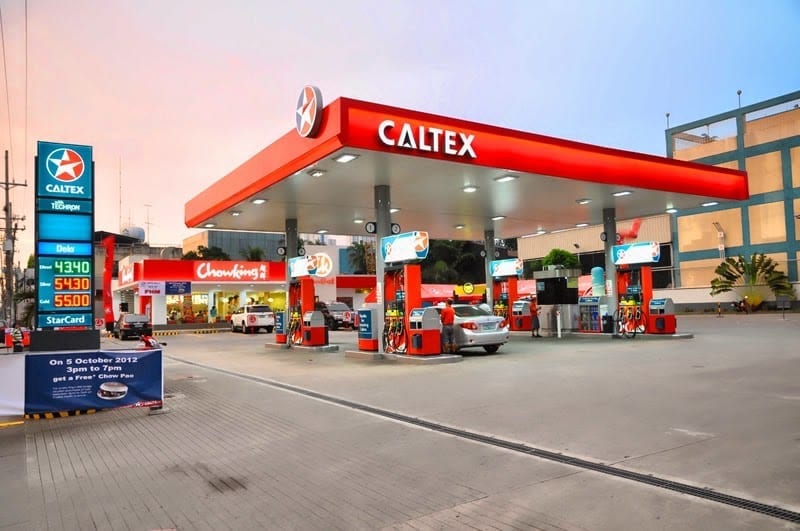
    The leader of Caltex Australia for the past decade has announced his upcoming retirement.

    Managing director and chief executive Julian Segal, who started at the petrol and convenience business in 2009, will stay on board until a suitable replacement is found.

    Caltex chairman Steven Gregg said Segal has made significant contributions to the company during his tenure.

    “Julian has delivered outstanding outcomes for Caltex’s shareholders, improving operational and financial performance and steering the company through a number of challenges and transitions,” Gregg said.

    “We are pleased that Julian will continue to work to execute our strategy and ensure continuity of leadership as we implement plans to find his successor.”

    Julian oversaw major milestones in the petrol business, such as the closure of the Kurnell refinery, the establishment of Ampol Singapore, our expansion into New Zealand and the Philippines, and developing Caltex’s international fuel sourcing and supply chain, as well as driving an improved convenience offer in Australia.

    According to Gregg, Segal will be leaving an agile and resilient Caltex that is poised for further growth.

    Segal said leading the business has been an honour, and that he is committed to leading the business through the search for his replacement.

    “I am proud of what’s been achieved for shareholders, customers, employees and our community partners,” Segal said.

    “Caltex’s strength has always been its ability to adapt and transform and the company has an exciting future. I look forward to continuing to work with my colleagues to deliver the Caltex strategy as the Board works through the succession process.”

    Caltex will deliver its half-year results later this month. It expects group earnings before interest and tax to be just $120-140 million, compared to the $443 million it reported in the 2018 half, due to difficult conditions rising from a slowing Australian economy.

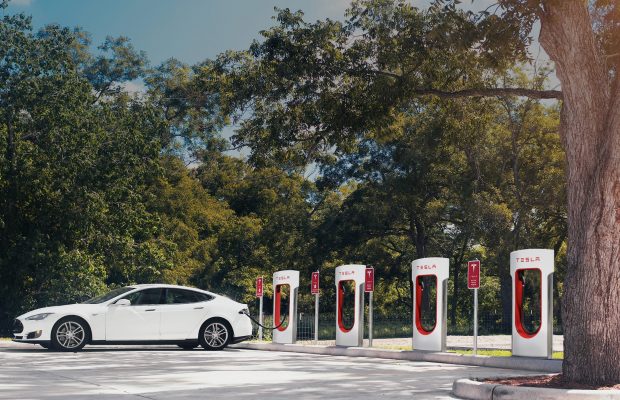
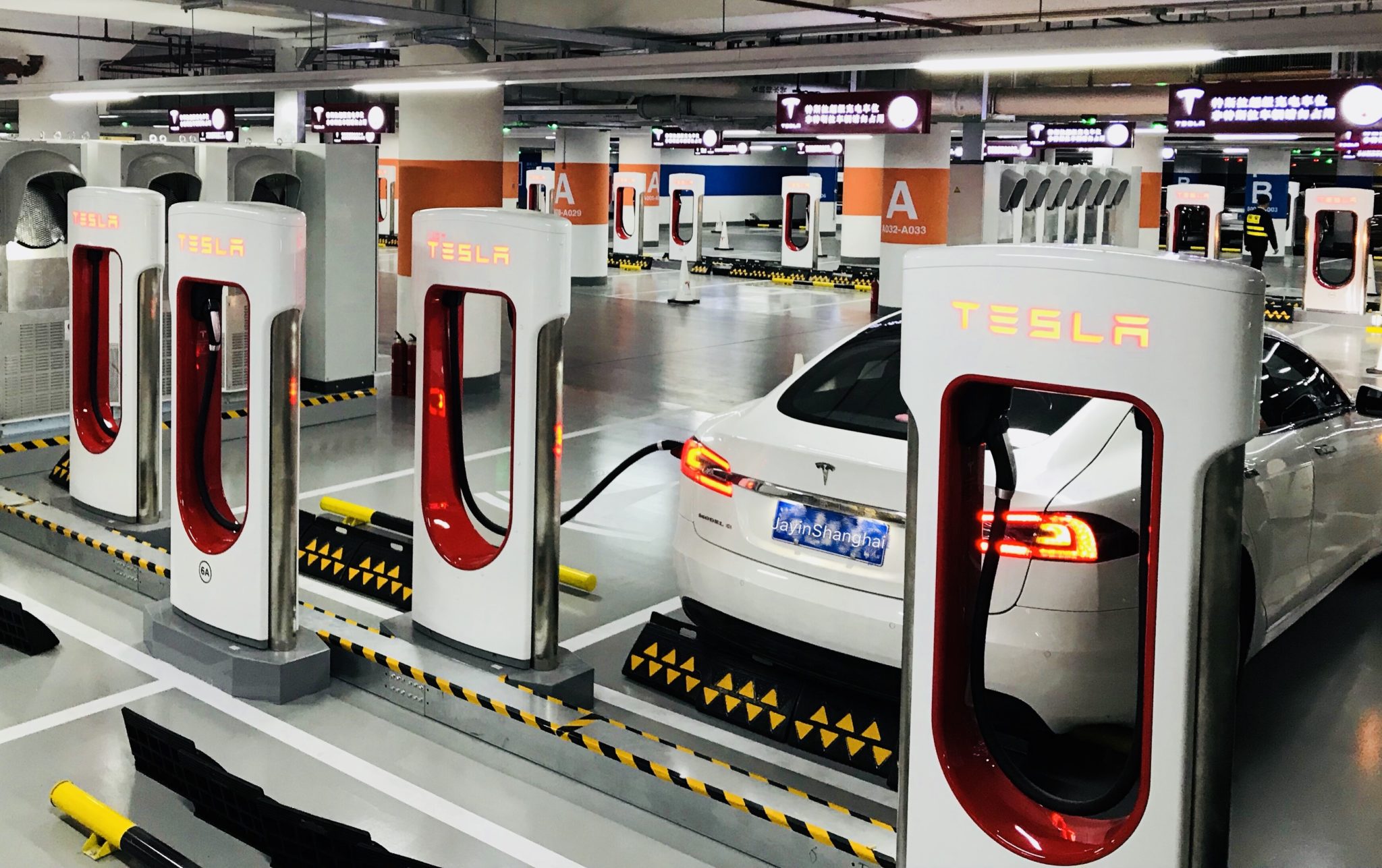
  • Some Tesla Supercharger Stations To Limit Charging To 80 Per Cent

    Some Tesla Supercharger Stations To Limit Charging To 80 Per Cent

    Electric vehicle-maker Tesla is updating some of its supercharger stations to limit the top state of charge (SoC) to 80 percent at busy stations to reduce wait times. “The limit will be enforced at 8 percent of the stations 24/7, while the rest will be affected by the limitation at peak hours. Tesla says owners that stop by at an affected station will receive a notification,” the Engadget reported on Saturday.

    The EV-maker claimed the new feature, combined with other recent updates to its supercharger network, may cause a 34 percent improvement in throughput at the charging stations.

    “When combined with the recently-released On-Route Battery Warmup feature and V2 supercharger upgrades (to 150 kW), we expect 80 percent SoC limit enforcement to result in a 34 percent improvement in throughput at our busiest supercharging locations — creating a better, more efficient supercharging experience for owners,” the Electric quoted the company as saying.

    Few supercharger stations have been reported to get very busy during holidays, causing long wait times.

  • Parkson Retail to open store above Chinese railway station

    Parkson Retail to open store above Chinese railway station

    Parkson Retail Group is preparing to occupy a complex above Nanjing Railway Station in Chinese Jiangxi.

    The group, a Hong Kong-listed firm controlled by Malaysian Parkson Holdings Bhd, won its US$6.1 million bid for the tenancy of buildings above the Bayi Guan Station of the Nanchang Rail Transit Line 1 in the city.

    The 12-year tenancy will allow a 42,903sqm retail space for the firm, although no formal agreement on the tenancy has been signed as of yet.

    A statement from the firm read: “The tenancy, if materialised, may constitute a discloseable transaction for PRGL,” given its alignment with the firm’s development strategy for the province.

  • Kia Partners With Amazon To Sell Charging Stations For Electric Vehicles

    Kia Partners With Amazon To Sell Charging Stations For Electric Vehicles

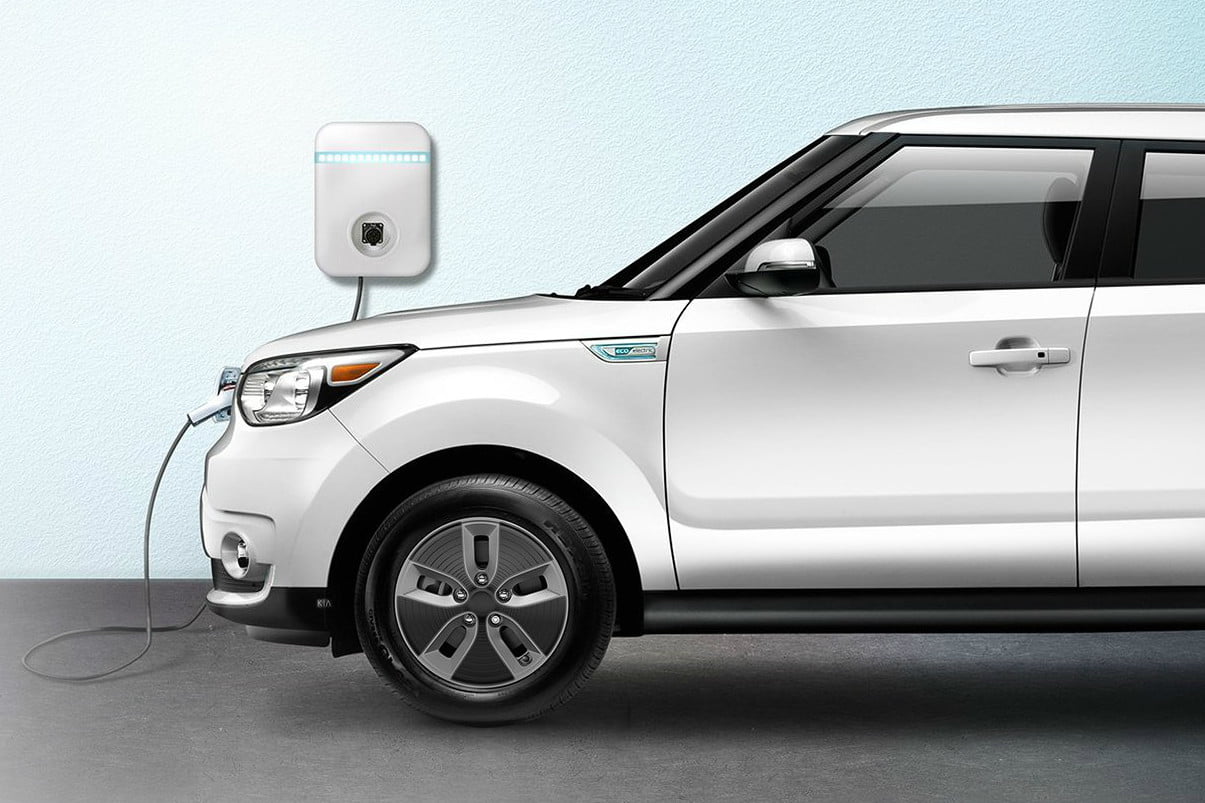
    Kia Motors America (KMA) in partnership with Amazon Home Services has announced a new program for its plug-in vehicle customers. The program will see Amazon sell and install electric vehicle charging stations at the customers house or office. The tie-up makes Kia, the second automaker after Tesla in America to offer the service online with the electric charging network. The manufacturer says the process of purchasing and installing a charging station will be as easy as buying other products on Amazon.

    Speaking about the new initiative, KMA – Car Planning and Telematics, Executive Director, Orth Hedrick said, “Home-charging can’t get any easier than this. Being able to order a Level 2 charger and installation through Amazon further demystifies and simplifies the experience for new Kia EV and PHEV owners. It’s just another example of how we’re constantly striving to provide the very best vehicles and customer experience.”

    Kia Motors has been actively working on improving its charging infrastructure in the US as it adds more electric cars to its portfolio. The company currently retails the Soul EV, Niro EV1, Niro PHEV and Optima PHEV, among other models in the country. Customers will find recommended Level 2 or 240-volt charging units selected by Kia on Amazon, along with information about home charging installation and customer reviews. The site also gives customers the cost for the installation and will schedule a licensed electrician for the same, if needed. The charging stations are backed by Amazon’s Happiness Guarantee plan. Kia’s vehicles in the US are offered with a 10 year/160,000 km warranty cover and roadside assistance.

    Kia and Amazon have set up a new ‘Charge my Kia’ portal for the sale of the electric charging stations. While buyers can purchase the Bosch 40-amp station that is available in partnership with the manufacturer, there are other charging stations available as well from companies like Chargepoint and Juicebox.

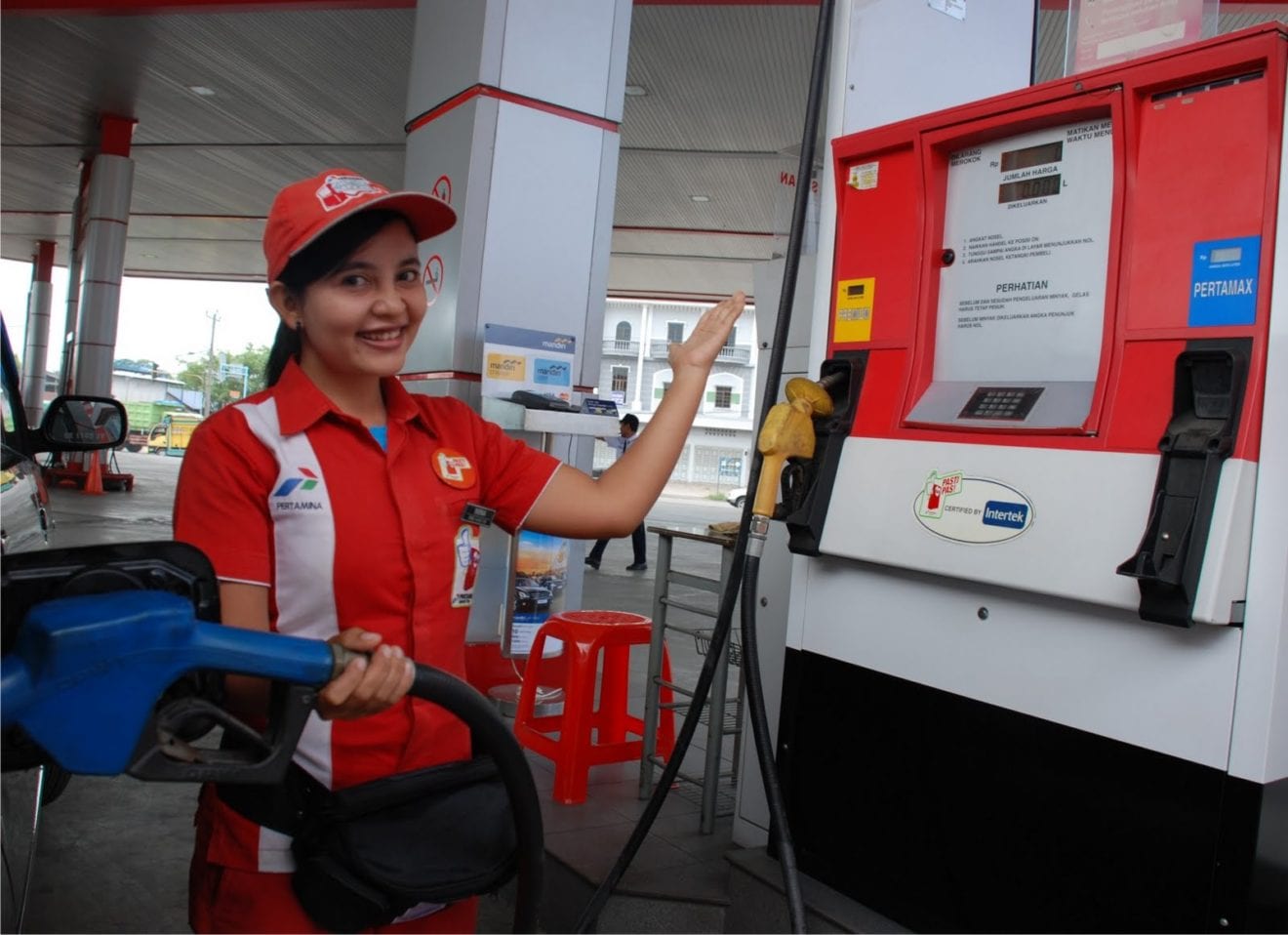
  • Pertamina Reports Net Profit rp23,8 Trillion Six Months

    Pertamina Reports Net Profit rp23,8 Trillion Six Months

    PT Pertamina reported US$1.83 billion (Rp23.8 trillion) in net profit in the first half of the year, or an increase of 221 percent from the same period last year.

    Chief Executive of the state-owned energy company Dwi Soetjipto attributed the increase in profit to improved performance of its business units and efficiency in operation.

    “We are grateful that efficiency and increase in performance in the upstream and downstream operations have resulted in an increase in net profit to US$1.83 billion,” Dwi said.

    He said in the first half of the year, the company was still confronted with declining prices of oil in the world market.

    The condition served a big blow to oil companies in the world though the impact was less damaging on Pertamina, he said.

    The prices, however, began to pick up in the following three months, he added.

    Pertaminas Finance Director Arief Budiman said in the first half of 2016 the company recorded US$17.19 billion in income, down 21 percent from US$21.79 billion in the same period last year.

    Its operating income rose 110 percent from US$1.56 billion in the first six months of 2015 to US$3.28 billion in the same period in 2016.

    “We are strong in cash flow with balance reaching US$5 billion. Therefore, we are strong enough to carry out corporate action when necessary,” he said.

    He said the company produced 640,000 barrels of oil equivalent per day consisting of 305,000 barrels of crude oil and 1,938 mmscfd of gas.

    Investment in a number of upstream projects have been implemented such as in the 1×55 MW geothermal power project of PLTP Ulubelu 3, and 2×55 MW PLTP Lumut Balai now 45 percent completed .

    The company also continued to develop infrastructure both for gas transport and processing and marketing.

    Among gas pipe projects such as Arun-Belawan-KlM-KEK, Muara Karang-Muara Tawar, Gresik-Semarang, and Porong-Grati gas pipes have been more than 80 percent completed.

    Development of processing infrastructure is being accelerated such as Refinery Development Masterplan Program (RDMP) of Kilang Balikpapan, which is now in the final phase of “Basic Engineering Design”, and RDMP of the Cilacap refinery now in the phase of “Front End Engineering Design”.

    Meanwhile, a number of marketing infrastructure projects have been in the final phase of development such as Pulau Sambu and Tanjung Uban oil fuel terminals, procurement of oil fuel and crude oil tankers of the General Purposes (GP) and Medium Range (MR) types with delivery expected this year.

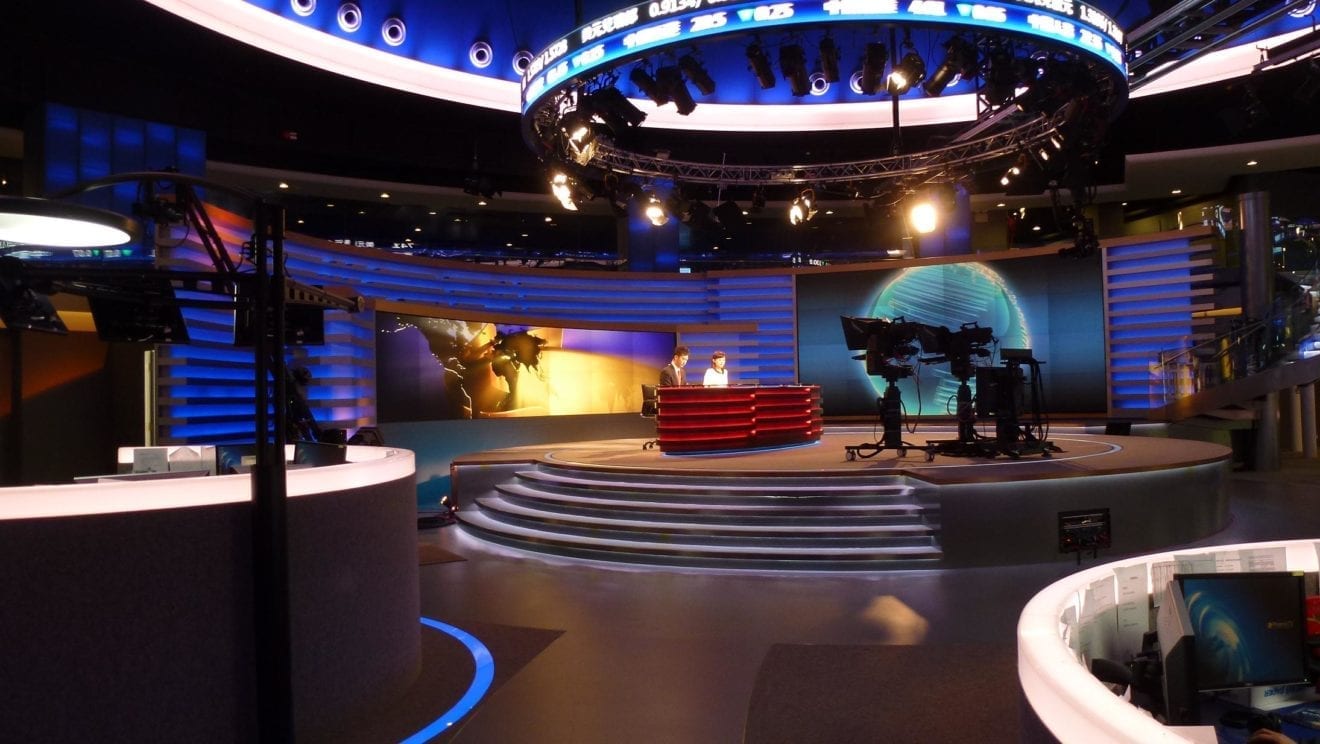
  • Temanggung to Establish Local TV Station

    Temanggung to Establish Local TV Station

    Temanggung administration will establish a local tv station as a medium for education in current globalization era.

    Temanggung administration official, Suyono, in Temanggung on Friday, May 27, 2016, said before the construction of the tv station building, his office had conducted a survey of local residents.

    “[Survey] result shows that the majority of Temanggung residents support the establishment of Temanggung tv station,” he said in the cornerstone-laying of the construction of Temanggung tv station by Temanggung Regent Bambang Sukarno.

    “Temanggung tv station is not only expected to bTemanggungecome a medium for communication and interaction of Temanggung residents, but also to be a medium for education, information for the residents; information has become a basic need,” he said.