The global planner notebook market is projected to expand at a compound annual growth rate of 3.2 percent from 2026 to 2035, according to a report published by IndexBox in September 2026.
Market value growth is set to outpace volume growth over the forecast period as consumers increasingly opt for higher-priced, benefit-led products, lifting the sector index to 137 by 2035 from a base of 100 in 2025.
Asia-Pacific will remain the largest consumer market globally, supported by population scale and rising disposable incomes, while North America and Europe lead adoption across premium product categories.
How Price Tiers Split the Retail Shelf
The global retail landscape has split into two separate operating tracks. On one side sits a high-volume, commoditized mass-market segment dominated by supermarket distribution, back-to-school promotional discounting, and heavy private-label competition. On the other side is a high-margin premium segment where direct-to-consumer digital channels and specialty bookshops sell brand equity, lifestyle aesthetics, and tactile user experiences.
Mainstream mid-tier brands face the sharpest margin squeeze. Mass merchandisers and drugstores continue to expand their private-label stationery assortments, undercutting standard branded notebooks on price. To defend gross margins, branded manufacturers are moving upmarket into benefit-led products that combine habit tracking, mindfulness prompts, and bullet journaling layouts that private-label lines struggle to replicate.
North America holds 25 percent of the global market and Europe claims 20 percent, with both regions leading in average selling price. Latin America and the Middle East and Africa each represent 10 percent of worldwide consumption, where demand remains focused in urban centers and reliant on imported inventory.
Supply Chain Decoupling and Manufacturing Shifts
Production models have adapted to this bifurcated retail demand. Basic component manufacturing, standard paper milling, and entry-level binding stay concentrated across large-scale industrial bases in Asia, giving mass-market suppliers the scale required for low-cost volume contracts.
Finishing, custom embossing, and high-spec packaging for premium lines are increasingly localized or handled through regional direct-to-consumer fulfillment hubs. This split allows stationery companies to manage raw material price swings in paper pulp and shipping freight while selling personalization features at substantial retail markups.
Direct-to-consumer e-commerce acts as the main customer acquisition engine for specialized brands. Instead of relying purely on physical stationery retail, producers use online platforms to sell accessories, page refills, and digital courses alongside physical books, increasing lifetime customer spending and insulating margins from distributor cuts.
Japanese Makers Set the Standard in Asia
Stationery brands in Japan, China, and South Korea have built strong domestic followings that now drive export volume into Western markets. Japanese producers such as Hobonichi, Kokuyo, and Muji established early commercial footholds by treating daily planners as cultural staples rather than basic office supplies.
Hobonichi built a global cult following around its daily techo planners, proving that premium paper quality and functional layout design command high overseas shipping premiums. Western players like Moleskine, Leuchtturm1917, and Erin Condren must now compete directly against Asian precision stationery brands across both physical specialty stores and international e-commerce marketplaces.
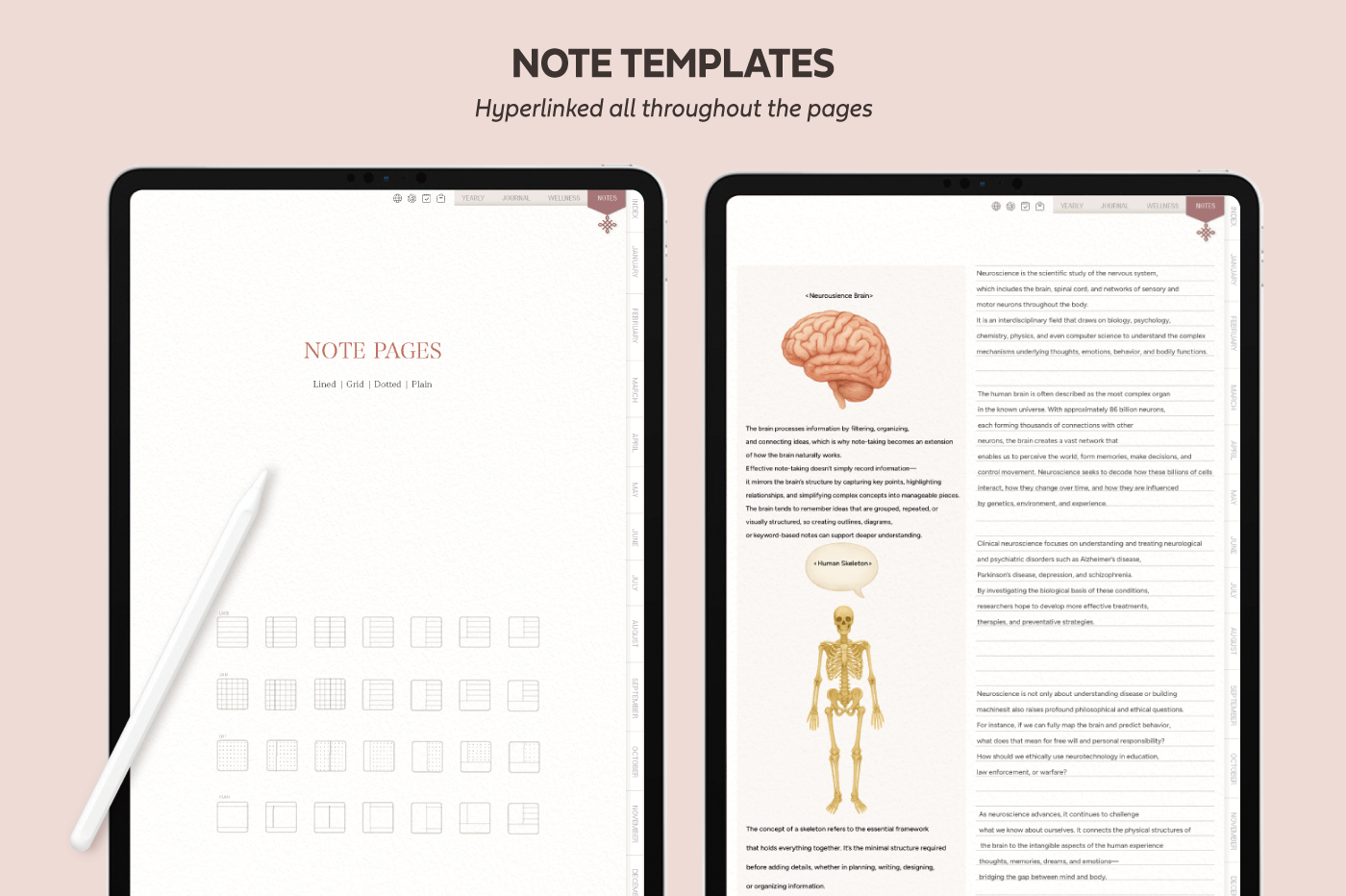
Digital substitution remains the primary operational threat to paper planners, especially among younger demographics who rely on free smartphone calendar applications. Successful stationery makers counter this attrition by positioning paper as a tactile digital detox tool, while introducing hybrid products featuring QR codes, app syncing, and scannable templates.
Historical Groundwork and Category Benchmarks
Between 2012 and 2025, stationery manufacturers weathered repeated waves of digital calendar adoption by transitioning away from utilitarian office pads toward lifestyle and personal productivity systems. That commercial pivot established the pricing tiers that now govern the retail trade.
Corporate procurement has also stabilized around hybrid work arrangements. While enterprise software handles shared team scheduling, corporate gifting and branded desk merchandise continue to provide steady contract volume for high-end notebook makers.
Category operators are now locking in their product catalogs and channel allocations for the next academic and calendar cycle, with brands watching whether raw paper input costs stabilize before committing to wholesale discount schedules for 2027.