Tag: steepest

  • Vietnam’s VN-Index Takes Steepest Dive in a Year Amid Geopolitical Tensions and Skyrocketing Oil Prices

    Vietnam’s VN-Index Takes Steepest Dive in a Year Amid Geopolitical Tensions and Skyrocketing Oil Prices

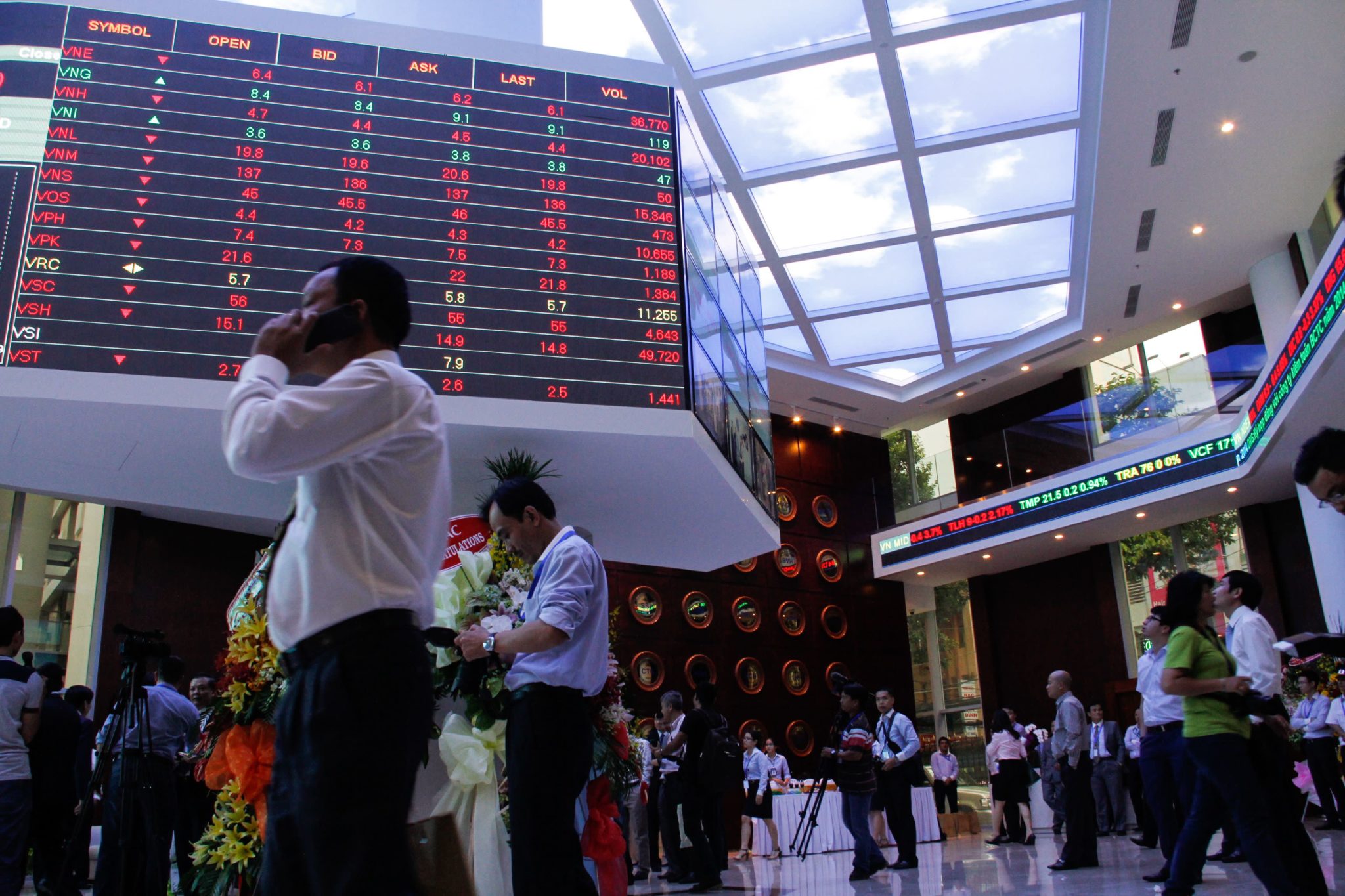
    Vietnam’s primary stock index, the VN-Index, experienced a significant drop of 5.86% during Monday morning trading, as investors initiated a sell-off due to geopolitical uncertainties and rising oil prices.

    Steep Fall of VN-Index

    On Monday, the VN-Index experienced a 6.38% fall from its reference level, marking the sharpest dip in almost a year. The last substantial drop was seen on April 8, when the index declined by 6.43%. This was a result of a prolonged market correction after the announcement of reciprocal tariffs by the U.S. President.

    Despite pessimistic predictions regarding short-term market developments from many securities companies prior to Monday’s trading, a drastic drop in the VN-Index was not anticipated. Amidst pressure from negative events at home and abroad, MBS analysts predict that the index may drop to around 1,700–1,750 points, a decline of about 20–70 points compared to the previous week’s closing level.

    Similarly, Yuanta Securities Vietnam suggested that the index could decline to a support zone of 1,715–1,740 points before a potential technical rebound occurs.

    Various Factors Influencing the Index Drop

    An MBS analyst pointed out that the domestic stock market showed strong resilience to the pressure of slightly increasing deposit interest rates before the Middle East conflict. The VN-Index had reached the 1,900-point level. However, the market now faces risks related to inflation, exports, financial instability, and supply chain disruptions due to the interest-rate pressure and the Middle East conflict.

    Tyler Nguyen Manh Dung, Senior Director of Market Strategy Research at HSC Securities, attributed the sharp market correction to a sudden increase in margin calls from securities firms. Dung warned of a potential sharp market fall tomorrow if there is a lack of capital to absorb the volume of shares waiting for forced liquidation at floor prices.

    Le Vu Kim Tinh, branch director at Phu Hung Securities, echoed Dung’s thoughts, adding that the deeper cause of the market correction is a series of negative developments related to geopolitical tensions.

    Signs of Hope Amid the Market Decline

    Despite the shocking correction, there are still some positive market signals. Tinh noted that oil and gas stocks continue to act as a market pillar due to benefits from the escalating Middle East conflict.

    Dung also highlighted that shares of some banks and many securities companies have corrected to levels that present attractive buying opportunities.

    Despite the widespread decline, 16 stocks remained in positive territory after an hour of trading on the HoSE, with oil and gas shares accounting for most of these gainers. The rally in oil and gas stocks is expected to continue as Brent crude oil prices surged nearly 20% to $111 due to escalating conflict in the Middle East raising investor concerns that supply could tighten further.

    Questions & Answers

    What was the extent of the drop in the VN-Index?
    The VN-Index experienced a significant drop of 5.86% during Monday morning trading.

    What factors led to the drop in the VN-Index?
    The drop in the VN-Index was attributed to a series of negative developments related to geopolitical tensions and a sudden increase in margin calls from securities firms.

    Despite the market decline, what positive signals were identified?
    Despite the market correction, oil and gas stocks continue to act as a market pillar, and shares of some banks and many securities companies present attractive buying opportunities.
  • Gold Prices Plunge In Record Daily Drop: Market Volatility And Increased Dollar Index To Blame

    Gold Prices Plunge In Record Daily Drop: Market Volatility And Increased Dollar Index To Blame

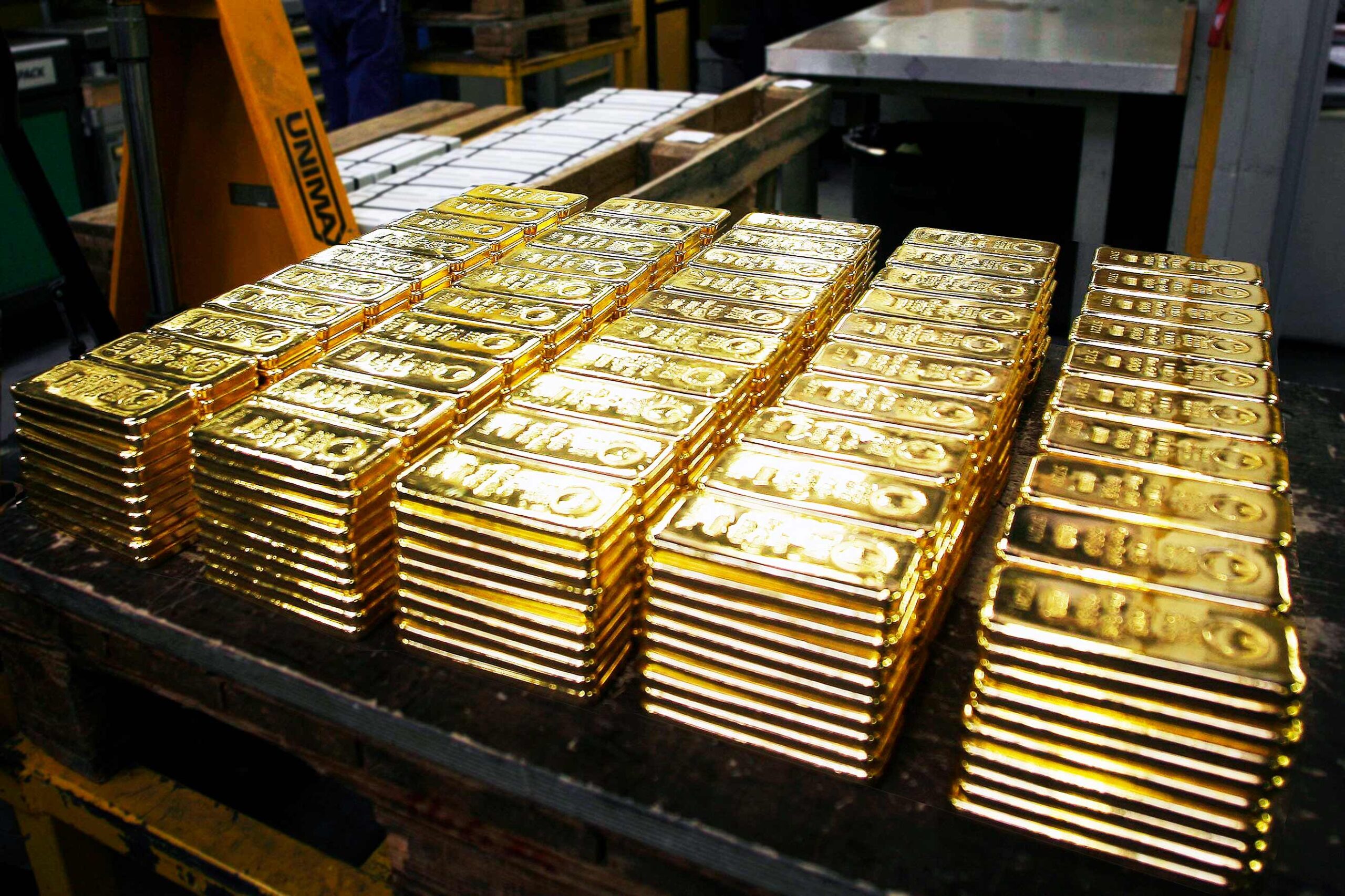
    In a shocking turn of events, gold prices experienced their most significant daily drop in five years, resulting from investors cashing in their gains after the precious metal reached an unrivaled high in the preceding trading session. On Tuesday, spot gold fell by 5.5% to a one-week low of US$4,115.26 per ounce, marking its steepest decline since August 2020. Meanwhile, U.S. gold futures for December saw a slightly steeper dip, settling 5.7% lower at $4,109.10 per ounce.

    A Year of Substantial Gains

    After reaching a record-breaking peak of $4,381.21 on Monday, gold prices have seen an approximate 60% increase over the year. This impressive surge is primarily attributed to factors such as geopolitical instability, economic uncertainty, predictions of interest rate cuts, and continued purchasing by central banks.

    Independent metals trader, Tai Wong, remarked on the recent fluctuations in gold prices. “As recently as yesterday, gold dips were being purchased,” he said. “But the sharp increase in volatility at the highs over the past week is a warning sign that may prompt some short-term profit-taking.”

    A rise of 0.4% in the dollar index also played a role in this situation, as it made gold a more expensive investment for individuals holding other currencies.

    Other Factors at Play

    Senior analyst at Kitco Metals, Jim Wyckoff, highlighted the impact of improved risk appetite in the marketplace on precious metals. He noted, “The better risk appetite observed in the general marketplace earlier this week is bearish for safe-haven metals.”

    Further, Citi analysts projected that the resolution of the ongoing U.S. government shutdown and upcoming announcements regarding the U.S.-China trade deal could lead to the stabilization of gold prices in the coming two to three weeks.

    In the same vein as gold, spot silver also experienced a significant dip, falling by 7.6% to $48.49 per ounce. Wong provided his insights on the matter, stating, “Silver is stumbling badly today and has dragged the entire complex lower. It seems we have a short-term peak at $54, and while sentiment wobbles under $50, silver is likely to trade sideways with substantial volatility as long as gold remains relatively firm.”

    Other precious metals such as platinum and palladium also showed a decrease in value, shedding 5.9% and 5.3% respectively.

    Looking Forward

    As we approach the end of the week, traders eagerly anticipate the release of the U.S. consumer price index report for September, previously delayed due to the U.S. government shutdown. Predictions suggest a year-on-year rise of 3.1%.

    Furthermore, market expectations lean towards a 25 basis point cut in interest rates by the Federal Reserve at its policy meeting next week. As a non-yielding asset, gold typically profits in a low-interest-rate environment.

    Questions & Answers

    What was the recent record high for gold prices?
    The record high for gold prices was $4,381.21 per ounce, reached on Monday.

    What are the main factors contributing to the surge in gold prices this year?
    The surge in gold prices this year can be attributed to geopolitical and economic uncertainty, rate-cut predictions, and sustained central bank buying.

    How does the dollar index affect gold prices?
    An increase in the dollar index makes gold more expensive for holders of other currencies, potentially impacting demand and therefore gold prices.