Tag: Stellantis

  • Leapmotor Launches A10 SUV in Thailand with 30 Outlets Planned

    Leapmotor Launches A10 SUV in Thailand with 30 Outlets Planned

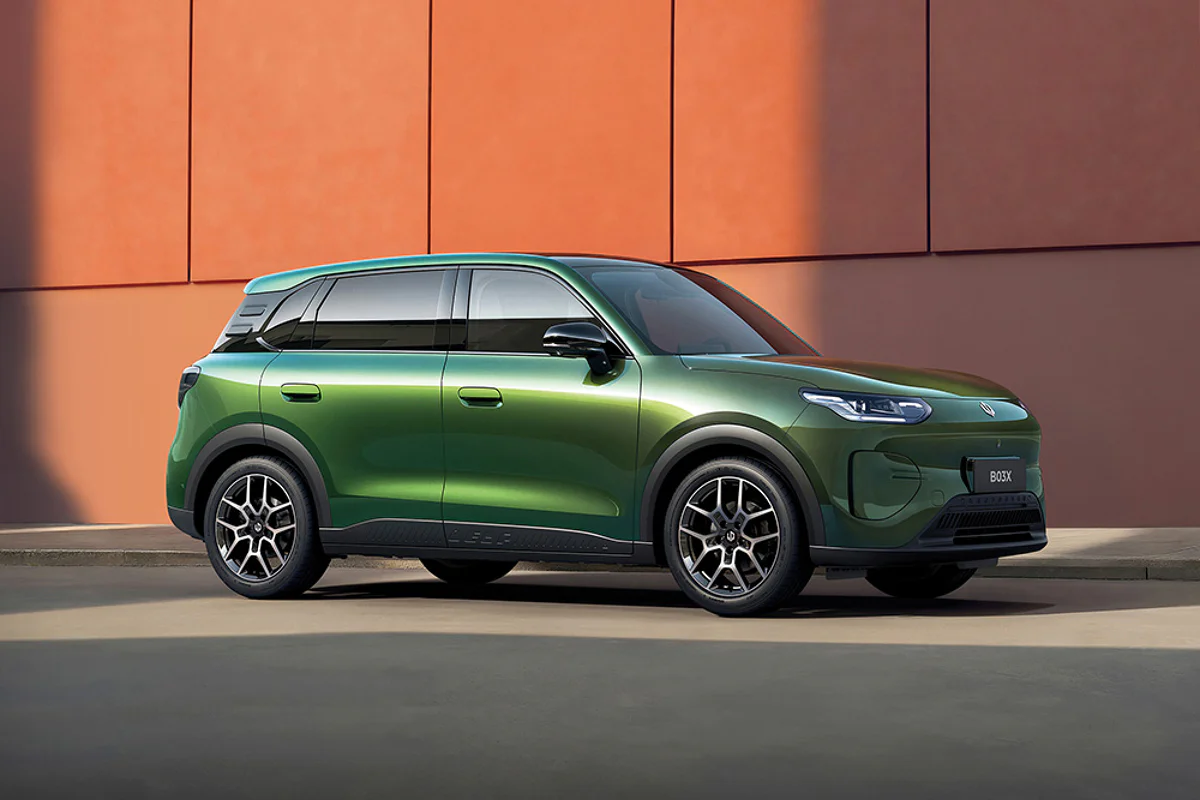
    Leapmotor launched its A10 compact electric sport utility vehicle in Thailand on Friday, sending the model to 19 local showrooms as it chases export volume across Southeast Asia.

    The carmaker plans to expand that sales and service footprint to 30 locations nationwide before the end of the year.

    Showroom rollout and vehicle specs

    Known internationally as the B03X, the small SUV features a long-range battery rated for 450 kilometers under NEDC testing standards. It accepts direct-current fast charging up to 133 kW, filling the battery from 30 percent to 80 percent in 16 minutes under test conditions.

    Cabin hardware includes a 14.6-inch 2.5K central display screen compatible with Apple CarPlay and Android Auto. Practical features focus on urban buyers, adding semi-autonomous driver aids alongside a 106-liter washable cargo bin fitted under the rear floorboards. Leapmotor did not release retail pricing or a delivery schedule during the Bangkok presentation.

    Dealership network and parts supply

    Expanding dealership coverage forms the core of the Thai strategy. Alongside the push to reach 30 retail points, the carmaker is building a dedicated regional parts distribution hub and a technical support depot to speed up repair turnaround.

    Chinese brands entering Southeast Asia regularly encounter resistance around replacement component delays and depreciating resale values. Setting up physical maintenance hubs alongside new showrooms addresses that dealer friction directly. It gives fleet operators and individual motorists a clearer operational backing than independent importers can provide.

    The export joint venture

    International distribution runs through Leapmotor International, an operating venture owned 51 percent by Stellantis NV. The European automotive group holds exclusive manufacturing and distribution rights for all Leapmotor vehicles sold outside Greater China.

    That corporate partnership provides instant scale, allowing the Chinese marque to bypass the slow, expensive process of constructing solo distribution networks across developing markets. It also gives the brand an established logistics apparatus to ship right-hand-drive vehicles across ASEAN ports without building regional factories first.

    Expanding product cadence

    Friday’s launch extends a product rollout that began when Leapmotor brought the larger C10 SUV to Thailand in 2024. The carmaker followed that introduction by rolling out the B10 electric SUV in October 2025.

    Deliveries outside China have become central to Leapmotor’s balance sheet. The automaker exported 27,454 vehicles in September, representing a 298.58 percent rise year-on-year and a 50.39 percent lift from August. Over the first nine months of the year, outbound shipments reached 159,572 units, climbing 322.46 percent year-on-year. Global deliveries across domestic and foreign operations reached 105,656 vehicles in September, pushing nine-month output to 666,539 cars.

    Thai retail pricing remains the immediate figure to watch, followed by the planned commercial debut of the refreshed C10 SUV in 2026.
  • Jeep Resumes Production in China for Global Export Excluding US

    Jeep Resumes Production in China for Global Export Excluding US

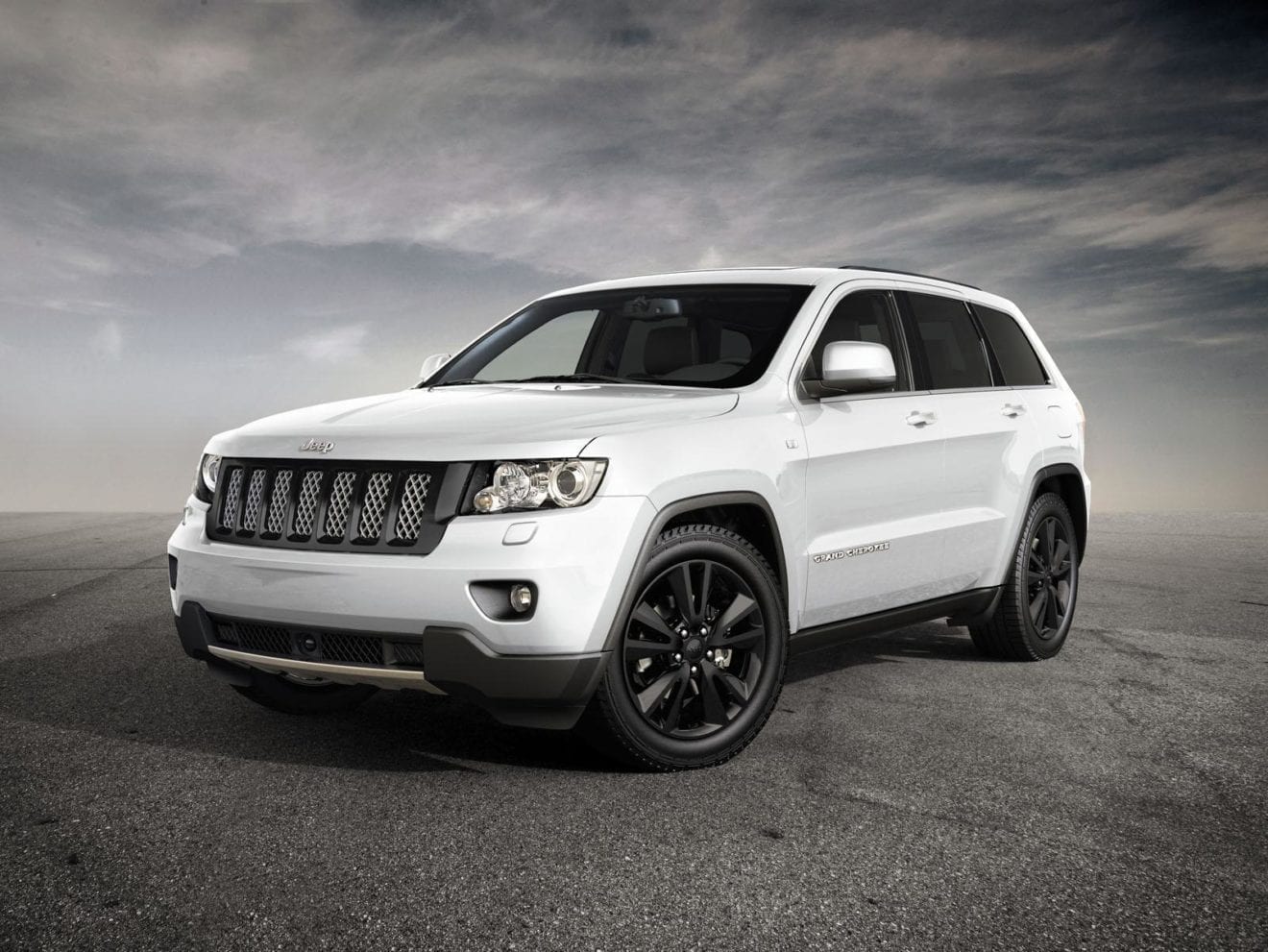
    Jeep has resumed manufacturing vehicles in China this week to supply export markets worldwide, deliberately excluding shipments to the United States.

    The assembly restart pivots Chinese factory capacity entirely toward international demand across three regions, Asia, Europe and emerging markets, rather than domestic retail buyers or North American showrooms.

    Export Hub Strategy Takes Shape

    Stellantis altered its industrial footprint after winding down earlier local joint venture production. Utilizing Chinese manufacturing capacity purely as an export platform allows the carmaker to benefit from local supply chains and component pricing without relying on direct retail volume inside the competitive domestic market.

    Excluding the American market avoids heightened import tariffs and regulatory hurdles currently facing Chinese-made vehicles entering the US. Sourcing vehicles from China for other regional markets frees up capacity at Western plants while keeping production costs down for competitive export territories.

    Rival Carmakers Expand China Outbound Shipments

    Global carmakers increasingly treat China as a dedicated export base rather than just an end market. Tesla, Volvo and domestic joint ventures operated by European manufacturers already ship substantial volumes from Chinese ports to Southeast Asia, Latin America and Europe.

    Suppliers across China gain steady manufacturing orders from export-focused lines even as domestic price wars squeeze margins at retail dealerships. The primary operational risk rests on potential tariff adjustments in destination markets outside North America, where trade authorities continue monitoring vehicle imports built in China.

    Shifting Away From Joint Venture Woes

    Foreign automakers spent years building vehicles in China primarily for domestic consumers through 50-50 joint ventures. Intensifying competition from local electric vehicle manufacturers shifted that balance, prompting international brands to rethink their asset allocation across Chinese industrial hubs.

    Production runs for outbound markets will determine how efficiently Stellantis scales capacity across its reconfigured assembly lines in the quarters ahead.

  • Chinese Automakers Rule Out Italy over Lack of Turnkey Factories

    Chinese Automakers Rule Out Italy over Lack of Turnkey Factories

    Chinese automakers looking to expand production capacity in Europe have ruled out Italy because the country lacks suitable turnkey factories, Italian industry minister Adolfo Urso said on Wednesday, October 14.

    Urso confirmed that Chinese auto industry representatives, including BYD European adviser Alfredo Altavilla, inspected Italian facilities and met government officials several times without finding viable production sites.

    The Search for Turnkey Sites

    Chinese car companies touring Europe want operational manufacturing facilities that can start vehicle assembly immediately. Brussels is preparing regulations that will impose minimum local content requirements on electric vehicles sold across the European Union, prompting Chinese brands to secure localized assembly footprint within the trading bloc.

    Urso told lawmakers in Rome that Chinese delegations inspected several Italian facilities. None met their operational criteria.

    “They are touring Europe and what are they asking for? A turnkey factory,” Urso told lawmakers in Rome, referring to a production site that would be ready to operate immediately.

    Stellantis Retains Italian Footprint

    Italy holds only one domestic volume car manufacturer, Stellantis. Urso explained that Stellantis decided against selling or transferring any of its Italian plants to foreign competitors, choosing instead to pursue joint production partnerships with Chinese automakers.

    Because Stellantis kept all its Italian production lines open, no idle, ready-to-run auto plants exist in Italy for foreign buyers to take over. That stance closed the door on Chinese automakers looking for standalone acquisitions in the country.

    BYD Shifts Focus to Western Europe

    The refusal to sell legacy plants directly conflicts with the expansion playbook favored by major Chinese electric vehicle brands. BYD rejected shared-production arrangements and joint ventures in the country, seeking full ownership of its European manufacturing assets instead.

    Altavilla confirmed that BYD is concentrating its factory acquisition efforts on alternative European markets, specifically Spain and France. Securing dedicated assembly lines allows Chinese electric vehicle groups to maintain direct control over supply chains, production quality, and proprietary technology.

    European Manufacturing Timelines

    Automakers from China face mounting pressure to finalize European production locations before the European Commission enacts stricter local assembly mandates. Companies that fail to establish domestic production lines risk tariffs and regulatory barriers on imported completely built-up units.

    The next phase of European expansion now rests on negotiations with French and Spanish authorities, where Chinese carmakers continue to evaluate industrial sites capable of rapid commissioning.

  • Momenta Secures Stellantis Deal to Supply Peugeot and Jeep from 2027

    Momenta Secures Stellantis Deal to Supply Peugeot and Jeep from 2027

    Momenta signed a global partnership with Dongfeng Stellantis Automotive Technology in Shanghai to supply intelligent driving systems for Peugeot and Jeep vehicles rolling out from 2027.

    The agreement covers battery-electric and plug-in hybrid models sold across China, Europe and other international markets, taking the Chinese software developer into mass-market export vehicles.

    Under the deal signed on September 24, Momenta will integrate its R7 World Model software into new production models engineered by Dongfeng Stellantis Automotive Technology (Wuhan), known as DSAT. The joint venture will combine chassis tuning, steering calibration, braking response and powertrain controls with Momenta’s software platform. Peugeot variants will focus on handling and road dynamics, while Jeep models will adapt the system for off-road use. The technical scope also includes joint development of Level 3 automated driving functions.

    Expanding From German Luxury to Volume Fleets

    The contract shifts Momenta’s commercial footprint away from a reliance on German premium brands toward high-volume vehicle manufacturing. The software developer already provides driver assistance for Mercedes-Benz on the electric CLA in China, alongside joint projects with BMW and Audi. Those existing German deployments remain confined to the Chinese domestic market. Partnering with DSAT gives Momenta immediate factory access to European showrooms through Stellantis distribution channels.

    Supplying mainstream brands across multiple continents presents structural software challenges that domestic Chinese rollouts avoid. Road infrastructure, road user habits and regulatory testing requirements in Europe differ substantially from urban traffic conditions in eastern China. If Momenta succeeds in validating Level 3 features under European safety rules, it will establish a blueprint for Chinese software firms to bypass regional trade barriers by exporting code inside legacy Western nameplates.

    Competitive Shift for Western Automakers

    Western automakers operating in Asia have abandoned attempts to develop proprietary driving stacks in isolation. Stellantis established DSAT with Dongfeng in August to address rapid market share losses in China, where domestic electric vehicle brands hold a decisive software advantage. Sourcing production-ready algorithms from an established local supplier reduces development spending and accelerates time to market for refreshed model ranges.

    Competitors face rising pressure from this supplier integration model. Japanese and South Korean manufacturers that rely on legacy Tier 1 component vendors risk lagging in software response times and over-the-air update cycles. By outsourcing autonomous architecture to Momenta while maintaining control over vehicle dynamics and suspension tuning, DSAT keeps its brand identities distinct while closing the digital feature gap.

    Scale Across Production Platforms

    Momenta expanded its commercial deployment rapidly in early 2026 before completing the Stellantis agreement. The company installed its driver-assist software in roughly 321,000 additional vehicles during the first half of 2026, an 83.7 percent increase compared with the same period a year earlier. Total installations have surpassed 1.2 million vehicles across 105 production models, backed by supplier relationships with 26 automakers.

    Chinese AI is taking a growing role in the development of intelligent vehicles worldwide.

    DSAT general manager Lv Haitao signed the agreement alongside Momenta chief executive Cao Xudong, who confirmed the software developer is positioning its architecture ahead of a broader global market shift toward automated driving platforms.

    Target Dates for Global Production

    Automotive supply chains now turn to hardware validation ahead of the scheduled 2027 market introduction. DSAT has not disclosed initial production volumes, factory allocation or the specific vehicle nameplates that will debut the R7 system. Momenta will prepare software localized for European roadway certifications ahead of 2028, the target year its management expects global adoption of advanced driver assistance to accelerate sharply.

  • Amazon Will Be The First Customer For The RAM ProMaster EV

    Amazon Will Be The First Customer For The RAM ProMaster EV

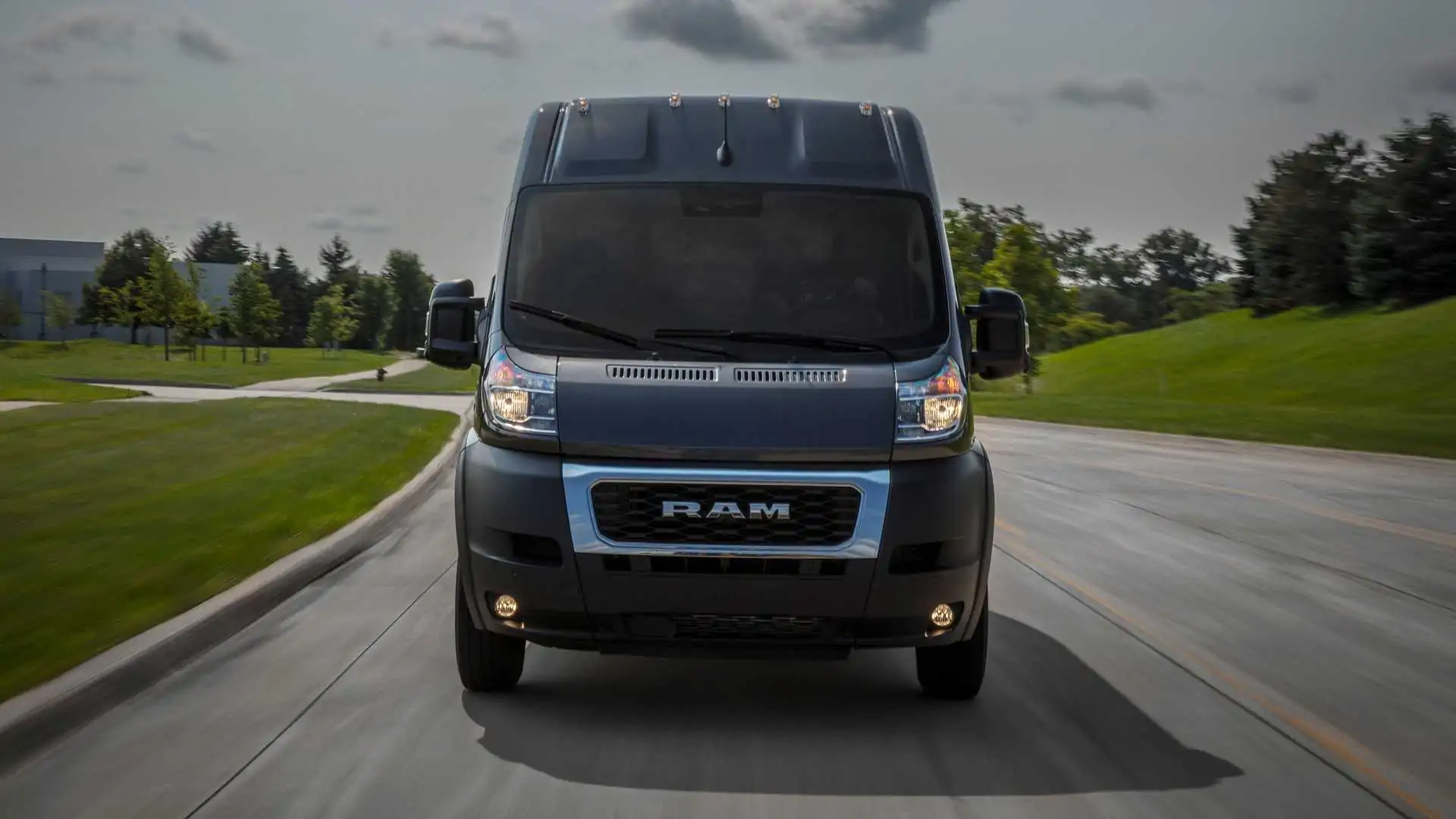
    Stellantis owned RAM is also slated to go EV first sometime by the end of the decade. Stellantis announced a bunch of partnerships at CES especially big ones with Amazon, but hidden within them was a footnote around RAM’s upcoming ProMaster electric van which will launch in 2023.  Amazon will become its first commercial customer. Notably, this news comes after it was revealed that Rivian’s exclusivity its for its order of 100,000 electric vans ends in 2023 and it will be free to sell its electric van to third parties. This is notable because Amazon is also a major investor in Rivian.

    Rivian expects to ship the first 10,000 units in 2022 and has already started delivering its electric van to Amazon which has already been spotted in the wild. Amazon reportedly has ordered thousands of ProMaster EVs as the e-commerce giant attempts to clean up its carbon footprint on the logistics side of its business.

    This is not the first time Stellantis has partnered with Amazon. Amazon in the past has had separate relationships with RAM, Fiat, Peugeot, and Citroen. Interestingly, Fiat and RAM are part of FCA which merged with PSA which includes Peugeot and Citroen to form Stellantis.

    The RAM ProMaster EV is being billed as a competitor to the Ford E-Transit. “We always knew that our ambitious sustainability goals in our last mile operations would require multiple electric delivery van providers. We continue to be excited about our relationship with Rivian, and this doesn’t change anything about our investment, collaboration, or order size and timing,” said an Amazon spokesperson.

    FCA was owned by Exor, the holding company of the Agnelli family which also owns Ferrari separately. After the merger with PSA, Exor continues to have a major holding in Stellantis with John Elkan being on its board. Ferrari in the last couple of years has become very close to Amazon for AWS.  Amazon is also working with Stellantis for AWS and STLA.

    In fact, Rivian, whose 20 percent stake is owned by Amazon has also released a statement on the deal – and said it is good for the industry. “Large fleets focused on electrification and carbon neutrality represent a win for the mission of both companies. Amazon’s scale is globally unprecedented, and we expect them to purchase vehicles from many providers – our own partnership with them is intact, thriving, and growing,” said Rivian on the announcement of the partnership between Amazon and RAM.

  • Amazon And Stellantis Partner To Deploy Smarter Cars, Cleaner Vans

    Amazon And Stellantis Partner To Deploy Smarter Cars, Cleaner Vans

    Amazon.com Inc and Stellantis NV said Wednesday they will collaborate to develop cars and trucks with Amazon software in the dashboards and deploy electric vans made by Stellantis on Amazon’s delivery network. The agreements expand Amazon’s efforts to get a bigger foothold in the transportation industry and could help Stellantis close the gap with Tesla Inc in developing vehicles with sophisticated, software-powered infotainment features that are connected to the data processing cloud. Stellantis shares were up more than 3 per cent in Milan.

    The agreements between Stellantis and Amazon, the online retailer and cloud computing power, announced in conjunction with the CES technology conference, are wide-ranging, involving software and hardware.

    Amazon and Stellantis said they will work together to develop software for the “digital cockpit” infotainment systems of Stellantis vehicles that will start launching in 2024. Stellantis said it will use Amazon’s Alexa technology for voice-controlled features, “navigation, vehicle maintenance, e-commerce marketplaces, and payment services.”

    Big e-commerce delivery fleet operators such as Amazon will be key to determining winners and losers as established automakers compete with startups to electrify the world’s package delivery system.

    Stellantis Chief Software Officer Yves Bonnefont said during a conference call Wednesday that the automaker’s use of Alphabet Inc’s Android software for vehicles will “evolve over time.”

    Amazon will also help Stellantis speed up the development of new digital products and “upskill Stellantis’ global workforce.” Stellantis and other established automakers are scrambling to match Tesla’s ability to rapidly deploy new vehicle features and revenue-generating subscription services using software delivered over the air.

    As part of the partnership, Stellantis will use Amazon as its “preferred cloud provider” to provide the mobile network and computing power future vehicles will need.

    Under what Stellantis said is a separate agreement, Amazon will be the first customer for Stellantis’ new line of electric delivery vans due to launch in 2023. The companies said they plan to put thousands of Stellantis Ram ProMaster electric vans on the road every year.

    Amazon has a previous agreement to buy up to 100,000 electric vans from startup Rivian Automotive.

    Stellantis in May had agreed with iPhone assembler Foxconn to create a joint venture to supply in-car and connected-car technologies across the auto industry.

  • Stellantis To Push Into Challenging Indian Market With Citroen

    Stellantis To Push Into Challenging Indian Market With Citroen

    Carmaker Stellantis plans to launch a new model in India and Latin America next year under its Citroen brand, the group said on Thursday, as it aims to push out of its European turf and branch further into emerging markets where it has less exposure.

    The plan marks Citroen’s return to India, a market it left in the 1930s, and comes at a time when some other foreign carmakers are leaving the country after struggling to make a profit.

    Stellantis, which was formed earlier this year by the merger between Fiat Chrysler and Peugeot-maker PSA, has brands like Jeep and Ram in the United States, but is still aiming to reduce its reliance on Europe.

    The company said it plans to produce a new version of the Citroen C3, positioned as a city car in Europe, in India and Latin America for launch in the second half of 2022.

    Citroen said it would be the first of three models which it will produce and aim at India and Latin America over the next three years.

    Stellantis has said it expects India to become the world’s third-biggest car market after China and the United States by 2030 with total new cars in the country reaching 4-5 million cars a year.

    Still, the country has proved challenging for many foreign carmakers, which compete with local manufacturers such as Maruti Suzuki there as well as South Korea’s Hyundai. Ford last week said it was stopping production in India.

    Stellantis aims to grow sales outside Europe to 30% of its revenue by the middle of this decade, compared to 15% now.