Tag: storage

  • Yusen opens cold storage facility in Cambodia

    Yusen opens cold storage facility in Cambodia

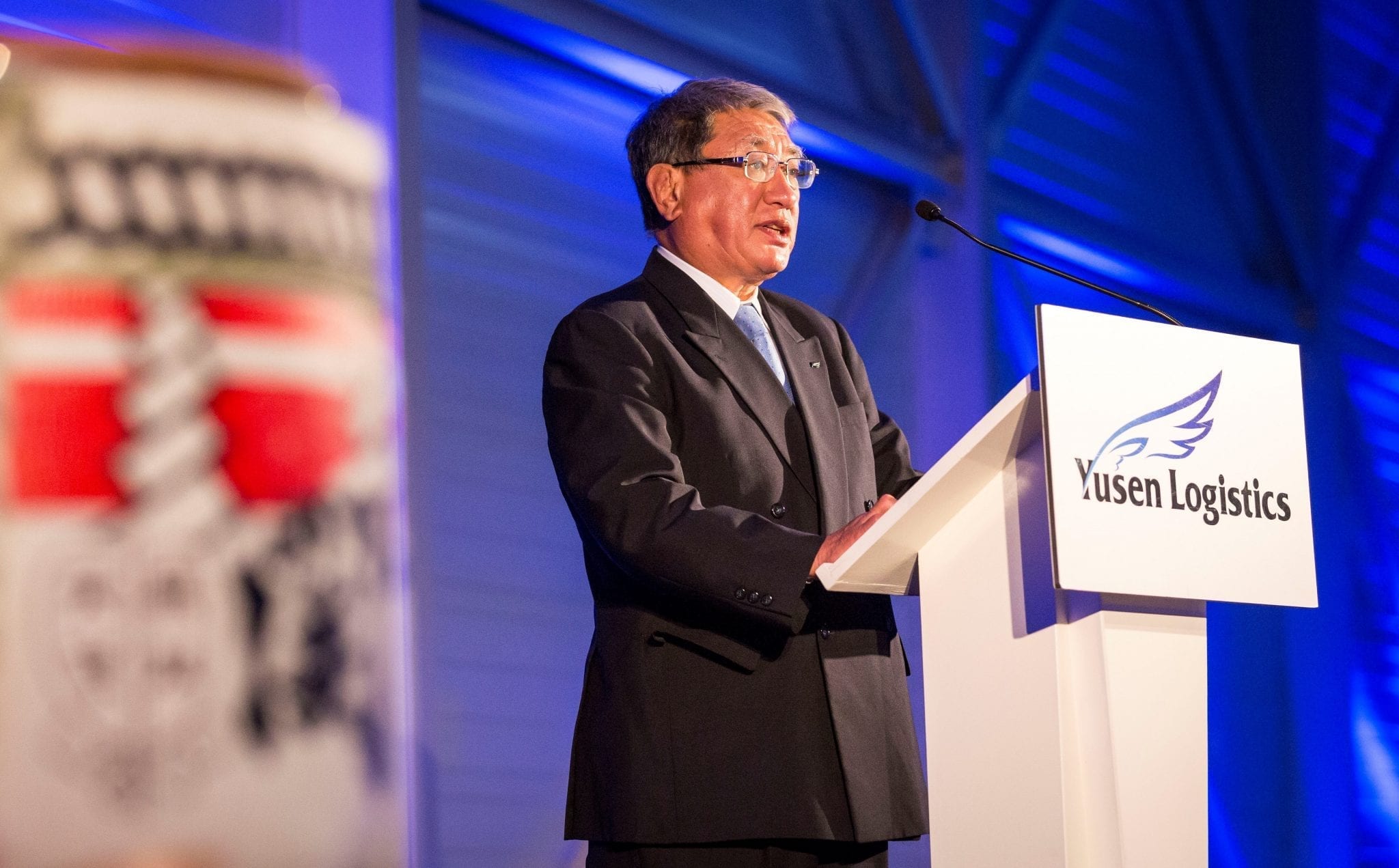
    Yusen Logistics is establishing a temperature-controlled distribution center in Phnom Penh, Cambodia.

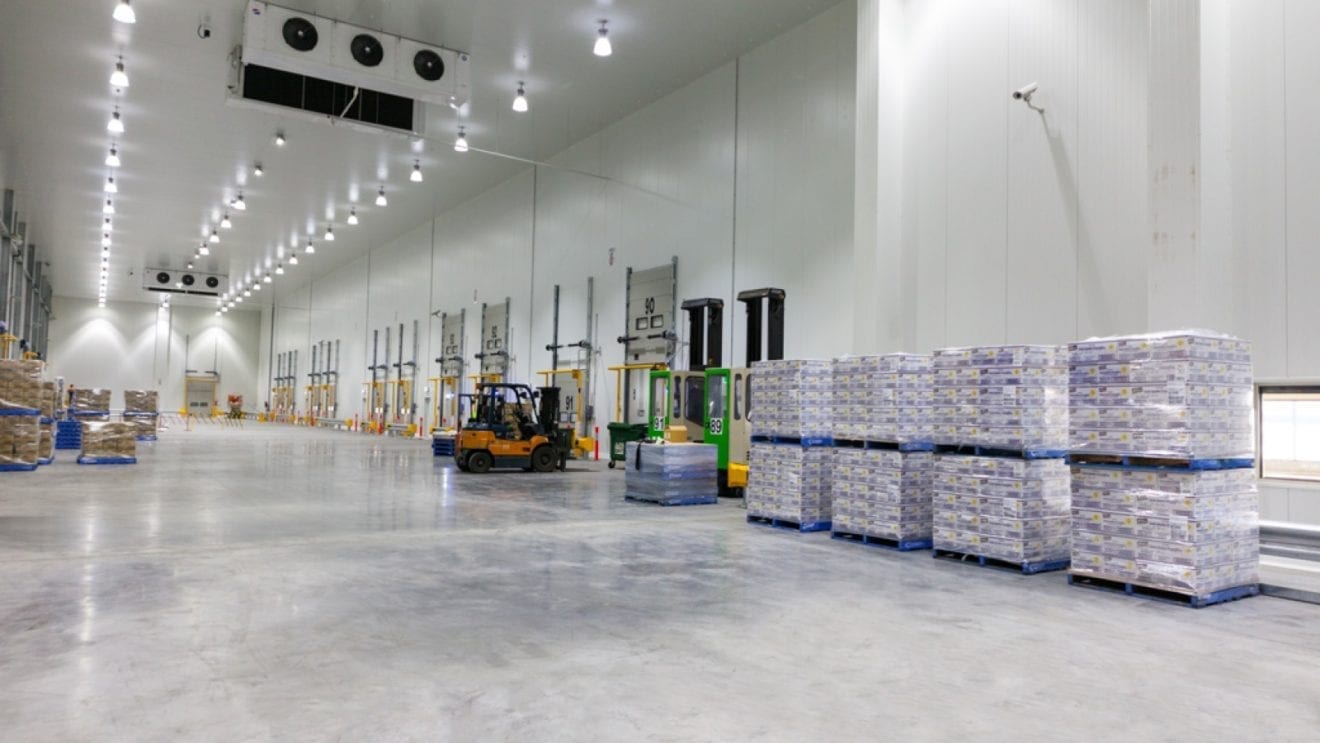
    It is one of Cambodia’s largest cold storage facilities. The facility strengthens Yusen Logistics distribution network in Asia and will support Cambodia’s growing demand for warehouse storage for imported general consumer goods and chilled and frozen goods.

    In addition, the company will be offering Cambodia’s first consolidated delivery service in Phnom Penh for retailers and wholesalers.

    The new facility has about 3,000 -square-meter, almost double the capacity of the existing warehouse which included the 120 -cubic-meter temperature-controlled storage area. The expansion will enable the company to handle the storage, processing and distribution of chilled and frozen goods with quality assurance and compliance.

    The consolidated delivery service will be available to customers in Phnom Penh on a daily basis, excluding weekends. Yusen Logistics will also provide the same service for chilled and frozen goods using cold-storage boxes and will ensure product quality is maintained up to the point of delivery.

    The group’s Medium-Term Business Plan, “GO FORWARD, Yusen Logistics – Next Challenges”, positions the ASEAN region as a critical region. The Cambodia subsidiary, which began operations in 2013, has provided a diverse and varied range of logistic services, including ocean and air freight forwarding, customs clearance, domestic delivery, and cross border transportation.

    It has contributed to the smooth supply of goods to Cambodia’s domestic market with the knowledge it has built up in the import of a wide range of goods, especially foods, as well as everyday items. The company is striving to meet the logistics needs of its customers in Cambodia by blending a diverse range of services with the capabilities of new facilities.

  • Only four Asian nations safe for data storage

    Only four Asian nations safe for data storage

    Only four Asian nations are considered truly secure for data storage, according to a new report by secure data center operator Artmotion.

    Combining independent data from the United Nations, World Economic Forum, Transparency International and several other leading privacy groups, the report titled “Data Danger Zones” ranks over 170 nations on their abilities to keep digital information safe, private and secure.

    Globally, the benchmark identified Switzerland as the safest nation for data storage, receiving a “potential risk score” of only 1.6%. Singapore was ranked as the the safest Asian nation, with a risk score of 1.9% as a result of the island state’s independent privacy legislation and political stability.

    Hong Kong (5th place), Taiwan (6th place) and South Korea (15th place) also join Singapore in the top 15 safest nations globally, ahead of the United Kingdom and the United States of America which ranked 23rd and 38th respectively.

    Despite Asia’s growing role as a market for data storage, the new benchmark suggests that it is falling behind other regions when it comes to data security and privacy. While only a few IT managers have chosen to store data in Afghanistan or Yemen, rapidly expanding data center markets such as China did not even qualify for the top 50 safest nations.

    More surprisingly, India, one of Asia’s key technology hubs and home to the largest data center in the world, ranked only 107th on the list, falling below Russia and Turkey.

    Commenting on the new study, data privacy expert Mateo Meier said: “It’s very easy for businesses and individuals to forget the importance of physical location when selecting a cloud hosting service or data hosting provider.

    “Especially in today’s volatile world, businesses need to not only consider data privacy regulations, but also take into account other risk factors such as political environments, geographic locations and physical infrastructure.

    “In support of this point, the Data Danger Zones report examines over 3.5 trillion IP addresses in 170 assessing countries, providing one of the most comprehensive guides ever created for data safety. Through this analysis, we want businesses to be able to make a more informed decision of how and where to store their data, and have a better understanding whether or not it is truly safe.”

  • Australia’s Cold Store Operator Seeks Partner for Asian Expansion

    Australia’s Cold Store Operator Seeks Partner for Asian Expansion

    Australia’s largest privately-ˇowned cold storage operator, Oxford Cold Storage is seeking an operational and financial partner to expand its world-ˇclass cold storage services across Asia.

    In a global first, Oxford is piloting a system of Automated Guided Vehicles (AGVs) in a third party temperature controlled environment to ensure accuracy, improve safety standards and allow for 24-ˇhour operation, delivering significant competitive advantage in the industry leader’s push for international expansion.

    Founded by the Fleiszig and Stern families over four decades ago, Oxford is a third-ˇgeneration business, now operated by brothers, Paul and Mark Fleiszig, alongside their cousin, Rodney Fleiszig. At the helm are brothers Stephen, Gabor and Luis Fleiszig. “Oxford is extremely well positioned to take advantage of the thriving Asian middle-ˇclass’ skyrocketing demands for produce. As this demographic develops, there is less time for people to wait for fresh food in a traditional market sense, so cold storage is becoming a vital component of the food chain,” said Oxford Director, Paul Fleiszig.

    Paul Profile Pic copy[3IxI]

    “We are at the forefront of logistics technology, designing our own systems with growth in mind to ensure scalability for the next phase, supported by our expertise in data mining and high-ˇdensity operation.” Delivering an annual turnover of $80 million within a robust growth industry (5% p.a. in Australia), Oxford was the first company to introduce a real-ˇtime radio frequency track and trace warehouse management system in 1995.

    “A key priority for us is staying ahead of the logistics technology curve through continuous improvement across warehouse operations. Our R&D team is responsible for ensuring we exceed national and international regulations, meeting the increased need for “paddock to plate” tracing while delivering the best possible service for our customers,” Paul explained.

    As the operator of the largest third-ˇparty temperature controlled warehouse in the country and 20th largest operator globally, Oxford offers racked storage for over 175,000 pallets, with the capacity to freeze 12,000 cartons and carcasses daily. Mike Robbins, Oceania Head of Physical Logistics at Nestlé Australia Ltd said: “Oxford Cold Storage is the most innovative operator in the Australian temperature controlled supply chain. The business invests heavily in technology, offering benefits within and beyond the warehouse.”

    “Oxford is extremely agile and are able to react quickly to changing customer requirements. Through the application of flexible IT solutions applied to operations optimisation Oxford have been able to deliver end to end supply chain efficiencies in warehousing, transport and inventory management.”

  • Pos Indonesia to expand storage facilities

    Pos Indonesia to expand storage facilities

    State postal service firm PT Pos Indonesia plans to expand its warehouse facilities from 3 hectares to 3 hectares to improve its logistics services.

    The land acquisition and development is estimated to cost US$250 million to $300 million.

    PT Pos Indonesia president director Gilarsi Wahju Setijono did not say how the firm would finance the land procurement, but did say the company was in talks with other state-owned enterprises ( SOEs ) for asset swaps. The company has many assets in strategic locations that it could exchange for larger plots of land in other locations.

    “We are asking them to exchange their plots, such as at the airport or seaport with our assets in strategic places,” Gilarsi said.

    Despite having assets in strategic places, PT Pos is struggling with increasing expenditure that is eating away at its profits. It posted Rp 16 billion ( US$ 1.2 million ) in profit last year.

    “Our revenue increased a bit from Rp 4.3 trillion ( US$ 324 million ) in 2014 to Rp 4.6 trillion ( US$ 326 million ) in 2015, but our expenditure increased more than our revenue,” Gilarsi said.

    PT Pos is currently conducting restructuring in its logistics business. The company will also revive its financial services business, such as offering money transfers and utilizing postmen as payment agents in the next four years.

    “Sixty percent of the Indonesia population do not use online banking. We’ve got many branches and will employ our postmen as payment agents,” he said.