Tag: store closures

  • Vietnam’s PNJ Shuts 30 Stores and Sheds 1,041 Jobs as Losses Mount

    Vietnam’s PNJ Shuts 30 Stores and Sheds 1,041 Jobs as Losses Mount

    Phu Nhuan Jewelry incurred a net loss of nearly VND258 billion (US$10 million) during the third quarter of fiscal 2026 as consumer demand softened.

    The financial strain forced the Vietnamese jewellery retailer to scale down operations, trimming its store network to 424 locations by September 30.

    That closure of 30 doors since June accompanied significant staff cuts, with payroll shrinking from 8,164 workers in December to 7,123 employees by the end of the quarter.

    Headcount drops past thousand mark

    PNJ’s payroll contracted alongside the store closures. The company had 7,123 employees on its books at the end of September, compared to 8,164 workers at the close of December, according to its latest financial disclosures. That represents a reduction of 1,041 jobs over nine months.

    Trading conditions across Vietnam’s discretionary retail sector deteriorated through the middle of the year as consumer sentiment flagged. For branded jewellery chains, fixed lease obligations and floor-staff costs turn cash-negative quickly when ticket sizes drop and shopper traffic thins.

    Pruning prime retail footprints

    The swift reversal at PNJ alters leasing dynamics for mall operators and high-street landlords. Retail landlords counted on domestic jewellery powerhouses to anchor regional centres and street corners through earlier retail cycles. With PNJ pruning underperforming locations rather than defending store counts, commercial property owners face lease renegotiations or vacancies in prime retail corridors.

    Competitors face identical consumer belt-tightening across Vietnam. Unbranded gold shops and local chains carry lower real estate overheads, leaving large organised networks exposed whenever discretionary spending retreats. PNJ is prioritising balance-sheet protection and working capital control over market coverage.

    Reversing post-pandemic network scale

    The retrenchment follows years of aggressive retail network expansion across second- and third-tier provincial markets. PNJ had scaled its retail presence beyond 400 branches to consolidate market share away from traditional independent gold stalls, betting on rising middle-income household consumption.

    That momentum reversed sharply during the third quarter. The abrupt shift from network additions to network consolidation indicates that the drop in discretionary spending caught the retailer with surplus floor space and excess store payroll.

    Targets and fourth-quarter demand

    Attention turns to whether fourth-quarter bridal purchases and holiday demand can stem further store closures before the Lunar New Year shopping period. PNJ’s upcoming full-year filing will show whether the network contraction stabilised at 424 branches or extended deeper into secondary cities.

  • Chow Tai Fook Dawn Line Reaches HK$2.8 Billion in Sales

    Chow Tai Fook Dawn Line Reaches HK$2.8 Billion in Sales

    Chow Tai Fook Jewellery generated approximately HK$2.8 billion in retail sales from its new signature collection, Dawn, by the end of September. The line, launched in April, brought in more than HK$870 million in its initial three months before adding nearly HK$2 billion in the following quarter.

    The product success unfolded alongside an ongoing contraction of the company’s retail network. Total retail value slipped 0.5 per cent year on year for the three months ended September 30, even as group profit for the fiscal first half jumped between 90 per cent and 100 per cent.

    Accounting adjustments drove the bottom-line expansion: fair value gains recognized on gold loan contracts replaced losses recorded during the prior-year period. These paper gains on bullion hedge positions offset an uneven retail performance across regional channels.

    Pruning Doors Across Mainland China

    The jeweller ran 5,192 points of sale at the end of September, down net 242 locations from June. Across mainland China, the company opened 23 retail points and shut 263, pushing ahead with an estate consolidation plan that discards underperforming doors.

    Directly operated stores in the mainland managed a 2.2 per cent rise in same-store sales during the second fiscal quarter. Franchised locations told a different story, falling 2.9 per cent by the same measure.

    Mainland sales volumes dropped 9.7 per cent on a same-store basis. Higher ticket sizes absorbed part of the traffic decline. Mainland average selling prices for weight-based gold jewellery rose to HK$10,200 from HK$9,500 a year earlier.

    Hong Kong and Macau Rebound

    Mainland operations generate more than 83 per cent of group retail value, leaving total group turnover exposed to domestic mainland demand. Retail value in the mainland dropped 5.3 per cent during the quarter, pulled down by shuttered doors and cautious discretionary spending.

    Hong Kong, Macau and overseas territories counterbalanced that drag. Retail value across those offshore markets grew 33.2 per cent, contributing nearly 17 per cent of group retail value.

    Same-store sales in Hong Kong and Macau gained 29.6 per cent, helped by returning tourists and steady foot traffic. Macau expanded 47.3 per cent on a same-store basis, while Hong Kong climbed 24.0 per cent. Same-store transaction volumes in both cities grew 14 per cent, even as the average selling price for weight-based gold softened from HK$16,800 to HK$15,400.

    New Product Lines Take the Strain

    Product repositioning shielded cash receipts from deeper erosion. The Dawn signature collection, introduced in April, generated more than HK$870 million in its initial three months.

    Demand accelerated through the summer. The Dawn line generated roughly HK$2 billion more across the September quarter, producing approximately HK$2.8 billion in retail sales during its first six months on shelves.

    For mall landlords across secondary Chinese cities, the estate culling signals persistent pressure on jewellery tenancy margins. Chow Tai Fook is abandoning aggressive physical door expansion, a playbook shared by regional peers that flooded lower-tier shopping centres.

    The group added one high-end boutique during the quarter, lifting its mainland total of that format to 13.

    Targeting High-End Formats

    Gold price volatility creates an earnings paradox for jewellery retailers across Asia. Rapid price spikes yield non-cash revaluation windfalls on hedging tools, yet steep metal prices squeeze consumer appetite for physical gram-based ornaments.

    Chow Tai Fook is addressing that squeeze by directing capital toward design-led collections that sell on fixed retail prices rather than strict weight metrics.

    Management retains an active rollout plan for 50 high-end image boutiques in mainland China by the end of fiscal 2027.

  • Seven & I Exits India as Reliance Retail Closes 7-Eleven Network

    Seven & I Exits India as Reliance Retail Closes 7-Eleven Network

    Seven & i Holdings confirmed the closure of its entire 7-Eleven network in India. Master franchisee Reliance Retail shuttered all operating stores, ending a five-year push into the market.

    The first Indian location opened in late 2021. Reliance Retail targeted rapid expansion across Greater Mumbai before the partnership ceased operations this month.

    A Five-Year Run in Mumbai

    Operations began with a two-storey, 1,700-square-foot outlet on the first floor of an Andheri East apartment complex. That debut site featured round-the-clock trading, an in-store cafe counter, and local fresh food and packaged snacks. Reliance Retail positioned the concept as a modern convenience model for dense metropolitan neighborhoods.

    Expansion remained concentrated in Mumbai rather than scaling nationwide. The operator gradually reduced store commitments before Seven & i verified the complete shutdown of the franchise network.

    Format Pressures in Indian Retail

    Japanese convenience formats face operational hurdles across South Asia. While 7-Eleven dominates dense urban corridors in Thailand, Taiwan and Japan, Indian convenience chains compete directly against millions of neighborhood mom-and-pop grocers offering instant credit and home drop-offs. Quick-commerce operators also deliver packaged food and daily essentials in 10 minutes, cutting into foot traffic.

    For retail landlords and commercial operators, the exit leaves prime ground-floor space vacant across Mumbai suburbs. Suppliers of fresh ready-to-eat meals and cold-chain logistics providers also lose a dedicated 24-hour distribution channel.

    Regional Shifts for Seven & i

    Tokyo-based Seven & i has restructured international assets to protect operating margins. It is focusing capital on high-yield territories. The Japanese retail group has faced investor scrutiny over capital allocation outside its core domestic and North American convenience store businesses.

    In 2021, Reliance Retail took over the 7-Eleven franchise rights after Future Group ended its own master franchise agreement without opening a single outlet. Reliance integrated the brand alongside its existing grocery store formats before unwinding the portfolio.

    Next Steps for Master Franchise Partnerships

    Across the region, Seven & i is reviewing franchisee arrangements in emerging Asian markets to assess long-term store profitability. Reliance Retail continues to operate its proprietary convenience and supermarket networks.

  • Starbucks Plans to Close 250 North American Stores

    Starbucks Plans to Close 250 North American Stores

    Starbucks announced plans last week to close 250 more underperforming stores across North America.

    The cafes represent about one per cent of Starbucks’ 18,000 US and Canadian locations, which COO Mike Grams argued either offered a poor customer experience or were not performing financially.

    The decision follows a similar move last year, when Starbucks reduced its store count by one per cent while investing in renovations and overhauling its loyalty program in a major turnaround push.

    Culling underperforming real estate

    Trimming the bottom tier of a massive store base reflects standard operating discipline for mature retail networks. In dense metropolitan centers, older cafes often suffer from cramped layouts that cannot efficiently process digital mobile orders or accommodate higher-volume food preparation. Shutting these units protects operating margins and eliminates lease liabilities on drag assets.

    For commercial landlords, the loss of an anchor tenant creates immediate vacancy risk, though prime street corners rarely stay empty long. In urban cores, independent operators and regional bakery chains have moved quickly to claim vacated ground-floor footprints, benefiting from existing plumbing, grease traps, and electrical fit-outs left behind by the outgoing chain.

    Transfers and site takeovers

    In Starbucks’ home market of Seattle, two of the 250 locations are slated for closure. At least six previously shut Starbucks sites across the city have already transitioned into local bakeries and independent specialty cafes, including Petit Pierre Bakery, which took over a former cafe in the Ballard neighborhood for its third retail outlet.

    Secondary operators gain substantial capital expenditure savings by stepping into pre-fitted food and beverage real estate. Taking over spaces with established beverage counters and drainage cuts store setup costs significantly compared to building out a raw shell.

    Previous cuts across Europe and America

    The latest 250 closures follow a larger restructuring drive completed last year, when Starbucks closed 627 stores across North America and Europe. That earlier round also trimmed approximately one per cent of the network while the chain directed capital toward store refurbishments and an overhaul of its customer loyalty program.

    Capital discipline has taken priority over raw store expansion in Western markets as operational costs, wages, and lease renewals rise. By pruning weak units, the company channels investment into higher-yielding drive-thrus, digital order pickup hubs, and renovation programs for top-quartile stores.

    What comes next for the network

    Starbucks will manage staff transfers and lease expirations across the 250 affected North American locations through the coming quarter. Financial impacts from the closures and related severance expenses will appear in subsequent quarterly filings as the portfolio adjustment concludes.

  • Oh!Some Scales Back in Vietnam 16 Months After Opening Flagship

    Oh!Some Scales Back in Vietnam 16 Months After Opening Flagship

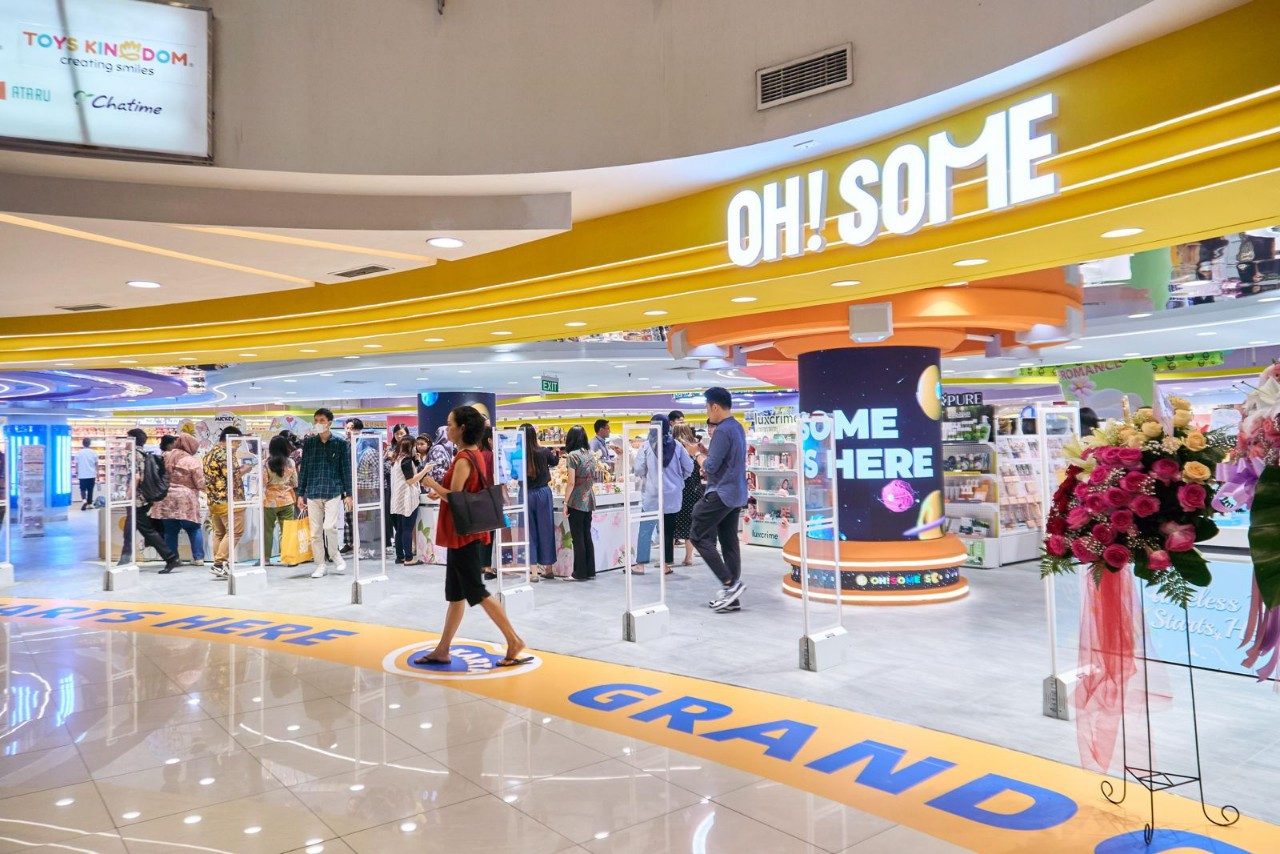
    Chinese lifestyle chain Oh!Some is closing stores across Vietnam. The closures come 16 months after it opened a 2,000-square-metre flagship in central Ho Chi Minh City.

    The retailer entered Vietnam in April 2025 and expanded quickly. Mounting losses soon forced a reassessment. High mall rents, logistics expenses and rising wages squeezed margins across its Vietnamese outlets, according to people familiar with the operations.

    Retreat across regional hubs

    Vietnam is not the only market where the chain has pulled back. Oh!Some has already shut all stores in Singapore, where parent firm Blue Origin Group is based. Its only branch in Hong Kong also closed recently.

    Oh!Some sells beauty products, homeware, accessories, toys and daily essentials. The group had targeted Southeast Asia for rapid expansion. It drafted launch roadmaps for Thailand and Cambodia, and named Indonesia as its main regional engine.

    High overheads pinch lifestyle chains

    Budget lifestyle chains across Southeast Asia face stiff competition from rivals like Miniso and local value merchants. Massive central footprints make the problem worse. Oh!Some took a multi-level site at Vincom Center Dong Khoi, leaving the low-margin business exposed when basket sizes failed to cover prime leasing costs.

    Blue Origin Group has not stated whether it will exit Vietnam entirely or keep a smaller store footprint in secondary shopping centres.

  • Giordano Net Profit Drops to HK$108 Million as Asian Margins Lag

    Giordano Net Profit Drops to HK$108 Million as Asian Margins Lag

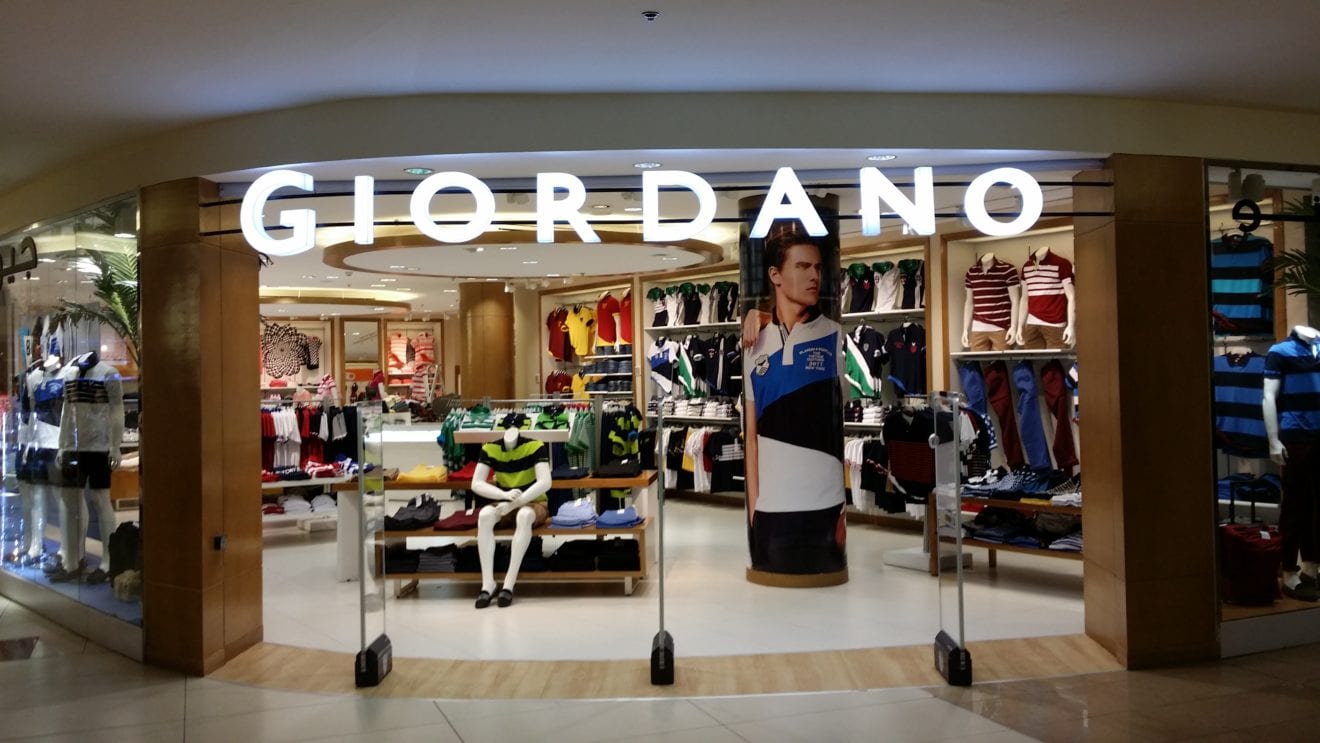
    Giordano International reported a net profit drop to HK$108 million for the six months to June 30, down from HK$121 million a year earlier.

    Group revenue slipped 1 per cent to HK$1.914 billion as store counts dropped across Mainland China and Indonesia, leaving the apparel retailer heavily dependent on earnings from the Gulf Cooperation Council.

    The geographic split reveals an uneven business. Greater China, Southeast Asia and Australia generated HK$1.572 billion, representing 82.1 per cent of total sales, but produced only 61 per cent of segment results. In contrast, the GCC delivered HK$62 million in segment profit on just 18 per cent of revenue, even after traffic in Gulf stores fell by up to 40 per cent following regional disruption in late February.

    Pruning China and Sourcing Locally

    In Mainland China, Giordano cut its store footprint to 239 doors from 359 a year earlier, halving its directly operated outlets to 48. The downsizing helped narrow the mainland segment loss from HK$16 million to HK$9 million, with constant-currency revenue down 0.9 per cent at HK$334 million. Management cleared older stock through VIP.com and shifted higher-margin product lines to Tmall, intending to rebuild physical retail starting in southern China.

    Southeast Asia and Australia remained the largest regional earnings contributor at HK$86 million in segment results on revenue of HK$699 million. Indonesia, the anchor market, brought in HK$330 million after import restrictions slowed merchandise shipments and forced store closures from 199 locations to 176. The company countered the disruption by shifting production to Indonesian factories, which began delivering local stock in June.

    Taiwan proved the regional exception. Segment profit climbed to HK$21 million from HK$15 million on a 5.9 per cent constant-currency revenue gain, meaning Taiwan generated more profit than Hong Kong, Macau and Mainland China combined.

    Korean Drag and the Next Overhaul

    The company faced additional pressure from its 48.5 per cent-owned South Korean joint venture, where revenue slid 8.9 per cent to KRW59.7 billion and 19 stores closed. Giordano deliberately restricted wholesale shipments into the venture to clear excess stock, causing group wholesale revenue to decline 12.2 per cent and cutting royalty income.

    For years, Giordano relied on high-density physical networks in lower-tier Chinese cities and steady franchised wholesale to support its balance sheet. With those legacy channels retreating under fierce domestic e-commerce competition and supply chain friction, the group is now forced to extract higher gross margins from a much smaller physical footprint across Asia.

    Management plans to launch its Giordano 2.0 concept in the fourth quarter, rolling out revamped store layouts and core product lines in Hong Kong and Singapore before expanding to overseas digital channels in Europe and North America.

  • Louis Vuitton Exits Chinese Province After Sales Drop and Trademark Dispute

    Louis Vuitton Exits Chinese Province After Sales Drop and Trademark Dispute

    Louis Vuitton closed its retail footprint in a Chinese province after local store sales dropped and a trademark dispute sparked consumer backlash against the French luxury house.

    The pullout follows intense public scrutiny in China over the brand’s legal enforcement of its intellectual property, which prompted pushback from shoppers and weakened foot traffic across regional department stores.

    Reassessing Regional Footprints

    Luxury groups in mainland China are reviewing their exposure to lower-tier provincial markets where operating costs outpace store revenue. Falling retail demand across secondary cities has pushed European fashion houses to trim underperforming storefronts and redirect capital toward flagship flagships in tier-one hubs.

    Shopper sentiment in the affected province turned sharply against the brand during the legal dispute. Local consumers shifted spending away from the label, accelerating management’s decision to shut down operations in the territory entirely.

    Consolidation in Core Hubs

    European luxury labels previously expanded across provincial capitals to capture rising domestic wealth outside Beijing and Shanghai. That expansion model now faces pressure as consumer spending concentrates in top-tier commercial centres and duty-free zones such as Hainan.

    LVMH continues to review its retail network across Greater China, with future store renewal deadlines and regional lease expiries determining where the group will prune or retain square footage.

  • Louis Vuitton to Close Guiyang Store as Southwest China Footprint Shrinks

    Louis Vuitton to Close Guiyang Store as Southwest China Footprint Shrinks

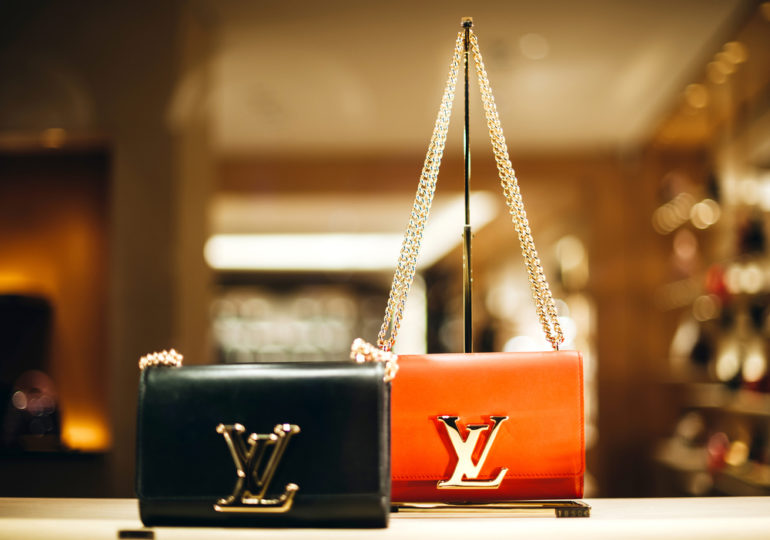
    Louis Vuitton will close its only store in Guiyang on August 31, cutting its footprint in southwestern China to three locations.

    The retreat brings the French luxury house down from a peak of six stores across the southwestern region.

    An on-site notice confirmed the pending exit in the capital of Guizhou province. The closure follows a wider review of the brand’s network across mainland China, where consumer spending on luxury goods has softened and purchasing habits continue to evolve.

    Network cuts in the southwest

    Trimming regional outposts allows luxury operators to protect margins while focusing resources on premier flagship locations in tier-one hubs. Southwestern provincial capitals once served as key targets for European brands seeking newly affluent shoppers outside Beijing and Shanghai. That rapid retail buildout has steadily unwound across secondary hubs as consumer footfall and basket sizes contract.

    Legal pushback and consumer sentiment

    The network changes coincide with active trademark enforcement in mainland courts. In July, Chinese beverage chain Molly Tea was ordered to pay Louis Vuitton 10.3 million yuan ($1.5 million) over the use of a similar logo. While the court ruled in favour of the luxury brand, the verdict generated public sympathy for the domestic drinks company across Chinese social platforms.

    S&P Global Ratings director Sandy Lim noted that while immediate sales effects from the dispute are limited, brand perception among younger buyers requires attention. Lim stated that this emerging consumer group prioritises cultural respect alongside prestige when selecting brands.

    Operations at the Guiyang store cease on August 31, leaving three operational sites in the southwestern provinces as luxury houses track autumn demand trends.