Tag: store expansion

  • Ikea Thailand Targets 2029 for Relocated Phuket Store

    Ikea Thailand Targets 2029 for Relocated Phuket Store

    Ikea Thailand is prioritizing small-format stores across secondary provinces while partnering with Thailand Post to establish parcel collection points, curbing the high capital expenditure required for suburban big-box sites.

    E-commerce now generates 26 to 30 per cent of Ikea’s sales in Thailand, shifting consumer traffic patterns and forcing the furniture giant to rethink how it deploys physical space outside Bangkok.

    Large destination stores demand extensive land acquisition, substantial civil works, and protracted planning cycles. Leonie Hoskin, retail business manager of Ikea Thailand and Vietnam, confirmed that the Swedish home furnishing retailer views compact formats as low-capital beachheads in provincial markets where customer density does not yet justify an industrial-scale warehouse footprint, ahead of a planned store opening targeted within the next year or two.

    Sizing Down the Footprint

    The retailer currently operates three small-format locations across the country. These include a 700-square-metre showroom in Chiang Mai, an 800-square-metre unit in Khon Kaen, and a 2,000-square-metre outlet in Phuket.

    Those footprints stand in stark contrast to the brand’s established base around the capital. The medium-sized Sukhumvit city store covers 12,000 square metres, while the suburban flagship complexes at Megabangna in Samut Prakan and Bang Yai in Nonthaburi each measure 25,000 square metres.

    Compact footprints reduce opening overheads, but they remove the self-serve warehouse floor that defines standard Ikea operations. Without on-site storage, small stores function primarily as display galleries and planning studios, requiring continuous replenishment and regional parcel fulfillment to complete sales.

    Fulfillment Pressures and Postal Partnerships

    Operating furniture showrooms without inventory reserves exposes retailers to higher last-mile delivery costs. Bulky home goods restrict carrier options, raise parcel handling fees, and increase merchandise transit damage.

    To protect margins, the company is preparing a distribution framework with state-owned carrier Thailand Post. Under the arrangement, customers can collect parcels from postal pick-up points rather than paying for direct home delivery, shifting the final stage of freight expenses off the retailer’s balance sheet.

    Physical locations remain essential for customer acquisition, even as digital transactions approach one-third of total revenue. Shoppers consistently inspect materials, confirm dimensions, and test colour palettes in showrooms before checking out online, turning local branches into customer service anchors rather than cash-and-carry points.

    Phuket Expansion and Capital Allocation

    In tourist-heavy Phuket, where Ikea has traded for roughly a decade from its 2,000-square-metre base, the brand has decided that the small format has reached its limit. Hoskin stated the company wants to relocate the branch into a standalone facility of 10,000 to 12,000 square metres.

    “We are looking to relocate the Phuket branch into a space of 10,000 to 12,000 sq m,”

    she said.

    The southern relocation is penciled in for around 2029, reflecting the long gestation periods of regional real estate projects. In the near term, management intends to open another outlet within one to two years, though site locations have not been disclosed.

    Balancing Provincial Reach Against Bangkok Assets

    Across Southeast Asia, home furnishing operators face escalating construction costs and shifting lease dynamics. The traditional model, building massive 25,000-square-metre stores on city fringes, locks up capital for years and relies on consumers owning vehicles capable of hauling flat-pack boxes. By relying on smaller showroom formats, Ikea cuts pre-opening cash burn and tests consumer appetite in provincial hubs before committing to heavy land investments.

    Yet stripping warehouses out of retail units transfers commercial risk directly into the supply chain. If third-party logistics networks encounter delays or mishandle fragile stock, delivery penalties and return rates quickly consume the rent savings gained from downsized floorplates. Commercial success now rests on whether Thailand Post’s network can process heavy parcels at acceptable service levels.

    The company also holds an undeveloped land parcel in Rangsit, north of Bangkok. That plot offers the option for a third full-sized metropolitan flagship or a consolidated national fulfillment hub, though management expects any major development there to remain several years away.
  • Yum China Lifts Store Target to 2,400 Outlets After Net Profit Rises

    Yum China Lifts Store Target to 2,400 Outlets After Net Profit Rises

    Yum China raised its annual store opening target to more than 2,400 outlets after reporting an 8 per cent rise in third-quarter revenue to US$3.5 billion.

    Operating profit climbed 13 per cent to $451 million as the company added a net record of 692 restaurants, lifting its total estate across mainland China to 19,989 locations.

    The previous target stood at 1,900 net new stores for 2026. Chief executive Joey Wat confirmed the operator will pass the 20,000-store mark before the end of the year, backed by a 20 per cent rise in diluted earnings per share. In constant currency terms, system sales grew 3 per cent while core operating profit rose 6 per cent. That performance represented the company’s tenth consecutive quarter of concurrent growth across system sales, operating profit and operating margin.

    Margin Defense Against Lower Ticket Averages

    Same-store sales slipped to 97 per cent of prior-year levels during the quarter. The company faced adverse weather in August alongside tough comparisons against heavy third-party delivery platform subsidies disbursed in the prior year.

    Customer traffic offset that pressure. Same-store transactions grew 3 per cent, marking the fifteenth straight quarter of volume gains. Diners spent less per visit, but more of them came through the doors.

    Restaurant margins widened 50 basis points year on year to 17.8 per cent, matched by a 40 basis point rise in operating margin. Management attributed the margin resilience to negotiated rent reductions, automated kitchen processes, centralized operations support and lower delivery-rider expenses per completed order. Profitability also received a clean lift from the full buyout of the Pizza Hut mainland China business, which permanently extinguished brand royalty and licensing fees payable on those locations.

    Smaller Formats Target Unpenetrated Counties

    Rapid store openings now lean directly on downsized footprints designed for lower overheads. During the first nine months of the year, Yum China rolled out 1,888 net new locations, with chief financial officer Adrian Ding confirming that more than half were opened in new cities, strategic locations or trade zones without existing dine-in or delivery coverage.

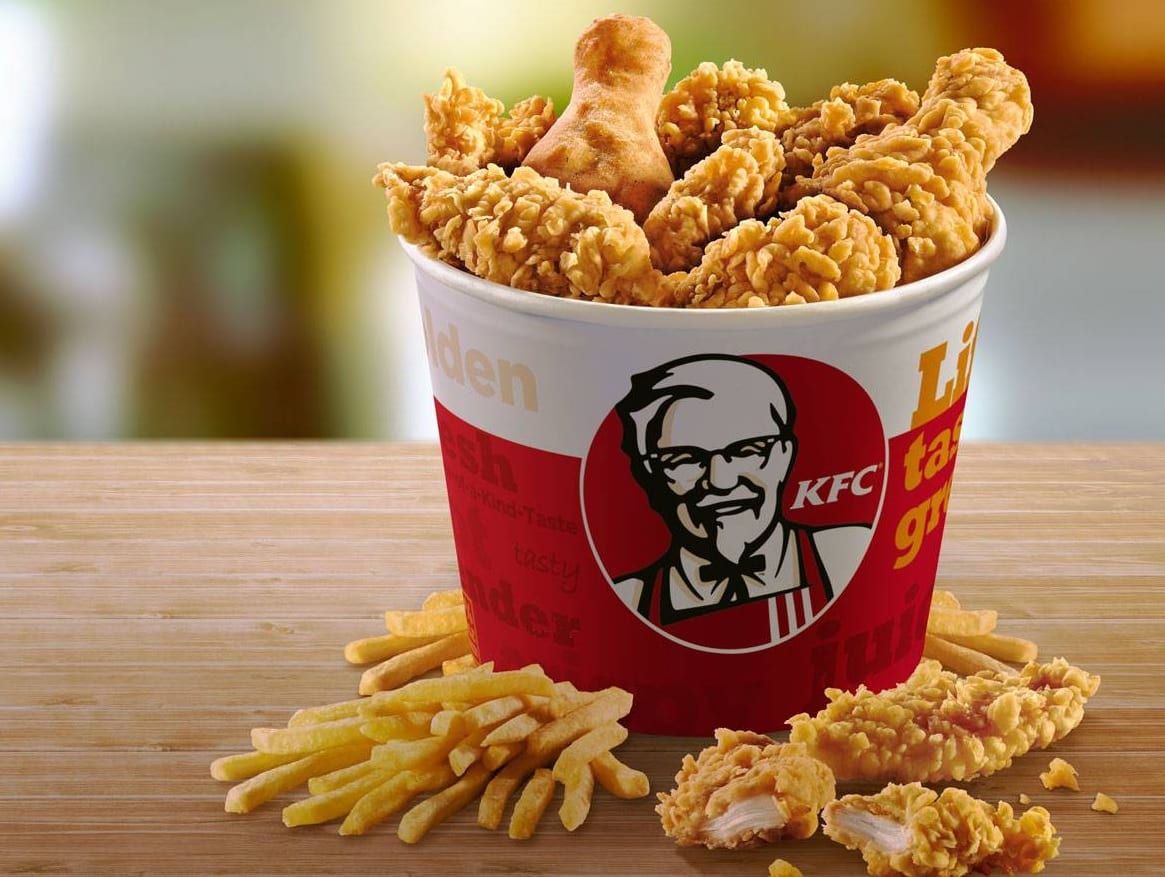
    To penetrate smaller settlements without cannibalizing revenue, the operator rolled out formats including KFC Small Town, Pizza Hut WOW and dual-branded KFC-Pizza Hut Gemini sites. These smaller templates accounted for over half of all openings across lower-tier cities this year, holding store payback periods between two and three years.

    The white space remains substantial. Wat noted that KFC has no presence in roughly 1,000 Chinese cities, while Pizza Hut remains absent from 1,500 cities. In another 1,500 locations where KFC already trades, Pizza Hut has yet to open a single kitchen. KFC’s footprint passed 14,000 restaurants during the quarter after adding more than 500 net units.

    Rival Pressures and Digital Takeaways

    Yum China’s physical push contrasts sharply with regional competitors that are slowing development pipelines to protect cash reserves. Local Chinese fast-food challengers and Western franchisors alike have struggled against discounting wars in tier-one and tier-two shopping malls, where consumer caution has dragged down average spend. By steering capital expenditure into lower-tier cities with compact layouts, Yum China secures cheaper commercial leases while spreading its central supply chain costs over larger sales volumes.

    Landlords in lower-tier markets face high vacancy rates and are granting substantial rent concessions to secure anchor fast-food tenants. For Yum China, the primary operational risk shifts from retail rental inflation to consumer price elasticity, since secondary-town shoppers demonstrate little loyalty if ticket prices creep up. Digital platforms continue to command consumer access: delivery revenue increased 7 per cent in the quarter to generate 54 per cent of all company sales, making unit-level economics increasingly sensitive to rider logistics costs.

    Earlier quarterly results showed the company holding a conservative opening pace before accelerating installations through the late summer. The group generated $362 million in shareholder capital returns during the third quarter alone, maintaining a broader plan to return $1.5 billion across 2026. Active digital loyalty members across the KFC and Pizza Hut ecosystems exceeded 278 million.

    Management reiterated its target for 2027 of zero to 2 per cent same-store sales growth alongside double-digit diluted earnings growth, with full-year 2026 network counts scheduled to clear the 20,000 threshold in the fourth-quarter filings.

  • Castlery Opens 448Sqm Melbourne Showroom in Richmond

    Castlery Opens 448Sqm Melbourne Showroom in Richmond

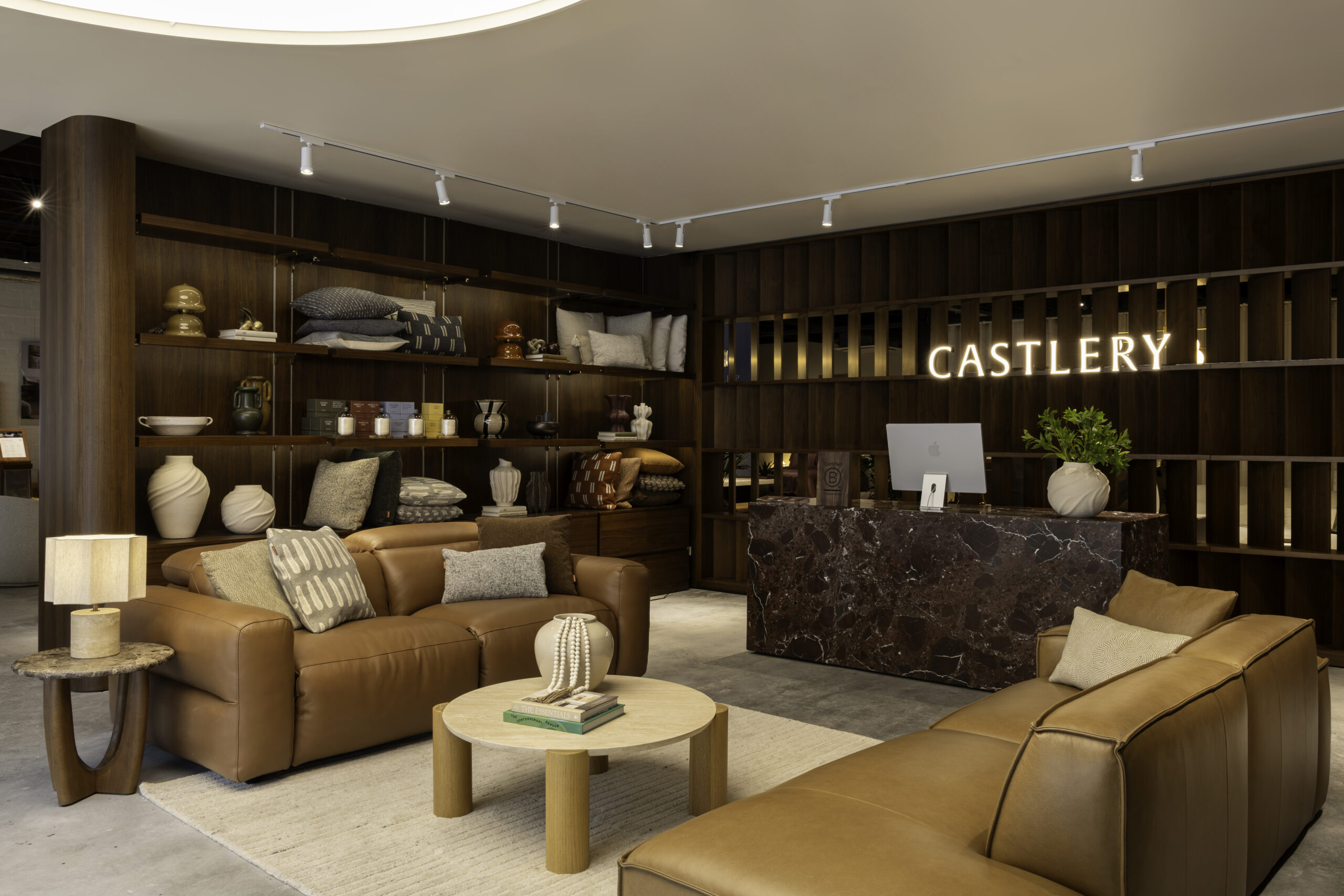
    Castlery has launched a 448sqm showroom on Yorkshire Street in Richmond, Melbourne, marking its third physical location in Australia. The soft opening on October 29 precedes an official public launch event scheduled for November 14 and 15, introducing 17 dedicated room sets to local shoppers.

    The Richmond site marks the Singapore-founded company’s fifth showroom worldwide, joining earlier Australian openings in Sydney in June 2024 and Brisbane in August 2025. Leah Howatson, Castlery’s general manager of international markets, noted that the brand has already served more than 60,000 homes across Melbourne.

    Australia was Castlery’s first overseas market, and the company is preparing to mark 10 years of trading in the country next year. Drawing interior inspiration from the reading room at the State Library Victoria, the space complements designs established at the retailer’s Sydney and Brisbane outlets.

    Expanding Physical Footprints in Core Markets

    “Melbourne has been two years in the making for us. We knew we wanted to be here, but finding the right location mattered,” said Leah Howatson, GM of international markets at Castlery.

    “Australia was Castlery’s first international market, and as we approach 10 years in Australia next year, opening our third Australian showroom represents another important step in putting down deeper roots here.”

    Castlery said the design of its Richmond showroom took inspiration from the reading room in the State Library Victoria, with the rest of the design following the interiors of Sydney and Brisbane.

    Melbourne Site Follows East Coast Rollout

    “Melburnians know good design and care about how their homes feel. With Castlery already in more than 60,000 Melbourne homes, we wanted a location that would bring us closer to our customers while placing us within the city’s design community,” Howatson added.

    “Melbourne has a special way of bringing old and new together, with homes that feel layered and collected over time rather than designed all at once. That sense of character shaped how we approached the showroom.”

    “We wanted it to feel connected to the city around it, while still expressing Castlery’s unique point of view.”

  • Nick Scali ANZ Orders Drop 15 per Cent After Cyberattack and Market Slump

    Nick Scali ANZ Orders Drop 15 per Cent After Cyberattack and Market Slump

    Nick Scali has cautioned investors that first-half revenue across Australia and New Zealand will drop by approximately 11 per cent to 14 per cent compared to the prior corresponding period. The ASX-listed furniture retailer recorded a 15 per cent decline in first-quarter sales orders following a mid-August cyberattack and persistent weakness across its core consumer markets. That contraction contrasts with the first quarter of fiscal 2026, when sales climbed 11 per cent.

    The mid-August intrusion triggered “uncertainty and delays” for shoppers, the company stated at the time. Nick Scali alerted the Australian Cyber Security Centre and the Australian Federal Police, which subsequently investigated the security incident.

    By contrast, the company reported stronger momentum in the UK, where it entered the market through the acquisition of Fabb Furniture in 2024. Ongoing capital expenditure into renovating and expanding British stores helped lift written orders by 29 per cent year-on-year in the first quarter.

    The Cost of Three Weeks Offline

    The operational disruption began in mid-August when unauthorised parties breached internal systems and accessed customer names, addresses, emails and phone numbers. Nick Scali informed the Australian Cyber Security Centre and the Australian Federal Police to investigate the intrusion.

    Enterprise resource planning systems stayed offline for roughly three weeks. Store staff continued writing business manually while technicians contained the incident.

    Cleaning up the breach generated a $980,000 bill for legal advisers and forensic consultants. Management will classify those advisory expenses as non-underlying items rather than counting them against operating earnings.

    Contrasting Fortunes in Britain

    Nick Scali is finding better traction in the United Kingdom, where it acquired Fabb Furniture in 2024 to seed an offshore division. Written orders in the British network jumped 29 per cent year-on-year during the first quarter.

    Like-for-like sales across the UK estate grew 14 per cent. Temporary closures during store refurbishments accounted for the gap between total orders and comparable trade.

    Management plans to launch one new British showroom in late December as it refits existing Fabb sites under the core retail brand. The retailer continues to invest capital to convert British floorspace while protecting group gross margins and cutting administrative overhead.

    Diverging Paths for Bulky Goods Operators

    Big-ticket homeware merchants face a difficult climate as households cut discretionary outlays and housing market turnover moderates. Australian domestic demand has cooled under high interest rates, hitting furniture chains harder than nondiscretionary retailers.

    Retail landlords housing large-format showrooms also face reduced turnover rents and tougher renewal discussions.

    The contrast between Britain and the domestic market exposes the split in modern retail turnarounds. British consumers are taking to newly upgraded store concepts even in a flat economy, while Australian shoppers are staying away from domestic showrooms despite decades of brand loyalty.

    Shifting Consumer Spending Patterns

    The current slump follows an extended boom when post-lockdown home renovations drove furniture sales across Australia and New Zealand. That surge eventually ebbed into an Australian retail recession across 2023 and 2024 before stabilizing.

    Economic forecasts published in September projected national retail turnover growth to ease from 2.8 per cent in fiscal 2026 to 1.5 per cent in fiscal 2027. While that deceleration remains milder than the downturn seen two years ago, big-ticket home goods retailers face the steepest drop.

    Nick Scali operates 132 stores worldwide across its three geographic territories. Despite the order decline in Australasia, the retailer will open two new stores in Australia and New Zealand in late December alongside its British debut.

  • Cin Cin Targets Stores in New York and Miami as US Demand Grows

    Cin Cin Targets Stores in New York and Miami as US Demand Grows

    Australian resortwear label Cin Cin is preparing to open standalone stores in the United States, targeting New York and Miami in October 2026 to capture its largest online buying demographic.

    The brand, founded by Louise Lazarus and Geo Moriarty, manufactures its retro-styled swimwear and apparel lines in Bali, Indonesia, where both founders are based and where the company operates physical storefronts.

    Bali manufacturing footprint

    Lazarus and Moriarty built the label around 1970s bohemian prints and saturated palettes, placing product development and garment production directly in Indonesia. Operating local stores in Bali gave the business an immediate testing ground with international holidaymakers before scaling wholesale and direct-to-consumer digital channels overseas.

    Direct control over Indonesian workshop capacity allows the company to turn around seasonal collections faster than competitors who outsource offshore without an on-the-ground presence. Keeping operations in Southeast Asia while selling into high-spending Western markets maintains strong unit economics for premium resortwear.

    The direct-to-consumer export corridor

    Cin Cin follows a proven path carved by Australian apparel exporters, including Monday Swimwear, PE Nation and Silk Laundry, that built international volume by pivoting early toward US shoppers. North American consumers continue to show heavy demand for southern-hemisphere lifestyle branding, particularly in coastal and warm-weather metropolitan hubs.

    Maintaining that momentum requires transition from pure-play e-commerce and multi-brand stockists into owned brick-and-mortar units. High freight rates and cross-border return friction frequently cap international digital growth, making localized storefronts essential to defend margins.

    “Our dream would be to open in New York or Miami, as our largest customer bases are there.”

    Margin pressures in physical expansion

    Leasing prime retail space in Manhattan or South Beach carries high fixed overheads and substantial upfront fit-out commitments. For independent resort labels, winter trading in non-sunbelt cities presents cash-flow risks that require disciplined inventory management across contrasting hemispheres.

    Retail property landlords in both New York and Miami are demanding solid balance sheets and proven trading histories from foreign direct-to-consumer entrants. Cin Cin will need to balance the costs of long-term commercial leases against seasonal wholesale partnerships with department stores and specialty boutiques.

    Next steps in retail rollout

    The label previously prioritized building out its retail base across tourist hubs in Bali alongside global e-commerce fulfillment. That dual structure generated the cash reserves needed to finance initial overseas market research and site scouting.

    Cin Cin is now reviewing retail real estate options and wholesale distribution schedules across North America for upcoming seasonal drops, with site selection in Florida and New York serving as the benchmark for its physical rollout.

  • Luckin Coffee Opens 100Th Singapore Store in Bugis Expansion

    Luckin Coffee Opens 100Th Singapore Store in Bugis Expansion

    Luckin Coffee opened its 100th store in Singapore on September 29, 2026, setting up in the commercial and transit hub of Bugis. The milestone establishes the Chinese chain as the city-state’s second-largest coffee operator by store count three years after its local launch.

    Customer volumes drove the physical expansion. More than 1.9 million cumulative transacting customers have bought drinks through the brand’s app-led ordering system in Singapore since the first outlet began trading in 2023.

    Footprint Strategy in Transit Nodes

    The Bugis site follows Luckin’s standard format across Southeast Asia: compact footprints near high-density commuter pathways and retail developments. Placing locations directly inside transport interchanges and office basements reduces seating overhead while maintaining order throughput during morning and lunch rush hours.

    Digital pickups handle the bulk of transactions. By requiring customers to order and pay via mobile application before collecting at the counter, the chain keeps queue times low and processes hundreds of drinks per hour with small front-of-house teams.

    Shifting Market Dynamics for Local Operators

    Reaching 100 outlets in three years puts immediate pressure on established mid-market chains and legacy regional brands. Fast store rollouts backed by aggressive digital discounting force competing operators to protect market share by upgrading their own mobile ordering apps and matching promotional drink pricing.

    Commercial landlords benefit from the format’s flexibility. Luckin takes micro-units and irregular floor plans that sit outside traditional full-service cafe requirements, generating steady rental income from transit corridors that previously housed service kiosks or sat vacant.

    International Growth Beyond the Domestic Base

    Singapore served as Luckin’s first international testing ground when the company entered the market in early 2023. Building a profitable operating model outside mainland China required adapting supply chains and menu profiles for Southeast Asian consumer tastes while retaining its core low-cost automated store design.

    Sustained transaction growth in Singapore validates the exportability of the grab-and-go model across high-rent Asian cities. The rapid climb to 100 units demonstrates that digital-first coffee retail can secure substantial market penetration even in mature, highly competitive metropolitan markets.

    Next Steps for Southeast Asian Expansion

    Attention now turns to whether Luckin can sustain repeat purchase frequency without deep promotional couponing. As the network reaches saturation in central commercial districts, subsequent sites must extract volume from suburban housing estates and secondary retail malls.

    Market watchers will track upcoming company filings for unit-level margins and regional store target updates across neighbouring Southeast Asian markets.

  • JD Sports Sales Dip Globally as Asia Pacific Delivers 10.7% Organic Growth

    JD Sports Sales Dip Globally as Asia Pacific Delivers 10.7% Organic Growth

    JD Sports lifted organic sales in Asia Pacific by 10.7 per cent in the six months to August 1. It was the retailer’s sole expanding region globally.

    Total group revenue dipped 0.7 per cent to $11.1 billion (£5.89 billion) during the half-year period. Weaker consumer spending across larger Western markets weighed on the top line.

    Asia Pacific Leads Organic Revenue

    North America generated the largest share of group receipts. However, regional demand slowed compared with previous reporting periods. Asia Pacific bucked that trend with double-digit organic expansion while other divisions contracted.

    Brick-and-mortar shopping drove the regional gain. The company opened six stores across Asia Pacific in the half-year, lifting same-store receipts through event-driven sports merchandise sales.

    “We remained focused on ‘controlling the controllables’ – progressing our strategy at pace while maintaining tight cost and capital discipline,” said Régis Schultz, chief executive of JD Sports.

    Store Expansion and Footfall Dynamics

    Stores remain central to the JD Sports operating model, generating 79 per cent of group turnover during the period. Organic e-commerce sales rose 5.2 per cent.

    For landlords across Asia, the numbers confirm steady footfall demand for multi-brand athletic anchors. Standalone mono-brand stores face margin volatility. In contrast, multi-brand formats draw wider traffic by consolidating footwear lines under one roof.

    Local wage pressure and fit-out inflation still threaten store expansion. Managing occupancy costs across prime retail hubs will determine whether new sites generate positive returns on capital over the next cycle.

    Product Mix Shifts to Apparel

    Category diversification provided extra sales insulation. Apparel and accessories climbed to 36 per cent of total group sales. Demand grew for technical running gear and newly introduced shoe silhouettes.

    A push into higher-margin apparel gives the retailer flexibility against footwear supply bottlenecks from major athletic brands. Regional rivals have also built up non-footwear inventory to defend transaction values against cautious discretionary spending.

    Earnings Rebound and Regional Headwinds

    Group pre-tax profit rose nearly 75 per cent to $454 million, up from $260 million a year earlier. The prior-year figure had absorbed a $307 million one-off charge that suppressed net earnings.

    World Cup demand lifted regional merchandise sales, helping offset softer retail sentiment in Australia and New Zealand. The next test comes in the second half, when tournament sales cycles fade and the retailer must sustain full-price sell-through rates across its Asia-Pacific stores.

  • Miniso First-Half Revenue Rises 22% to $1.7 Billion on China and US Gains

    Miniso First-Half Revenue Rises 22% to $1.7 Billion on China and US Gains

    Miniso lifted its first-half revenue 22.4 per cent to RMB11.5 billion (US$1.69 billion) as Chinese domestic demand rebounded and foreign store openings accelerated. Second-quarter revenue rose 17 per cent to RMB5.81 billion (US$856.4 million) in the three months to June 30.

    Domestic sales supplied the momentum. Mainland China revenue climbed 26.2 per cent during the six months, marking the company’s fastest first-half expansion rate in three years. North American operations posted a 37 per cent top-line increase over the same period, while the Top Toy pop-culture unit grew revenue 32.7 per cent.

    Global Store Count Nears 8,700

    Network growth continued across offshore territories. Miniso finished June with 8,674 stores worldwide, adding 769 doors in 12 months. International locations accounted for almost half of all net-new store openings during the year.

    New market entries pushed the retailer’s footprint to 113 countries and territories after opening its first store in Switzerland. Top Toy also moved past mainland borders, adding storefronts in Taiwan and the US. Domestic registered members reached 130 million, up 31 per cent year on year, while US loyalty members doubled to roughly 5.8 million.

    IP Formats and Capital Allocation

    Value retailers across East Asia face margin pressure from discount e-commerce platforms, pushing operators to rely on licensed intellectual property and larger destination shops to protect transaction values. Miniso has shifted toward branded character goods and blind-box toys to lift average basket spend rather than relying solely on cheap household consumables.

    Founder and chief executive Guofu Ye said the group will keep directing capital toward proprietary IP lines and large-format retail sites while pursuing regional localisation.

    Capital management plans remain active following the June rollout of a HK$2 billion (US$255 million) share buyback program, which runs alongside Ye’s personal commitment to increase his equity stake in the business.

  • Chagee Second Quarter Profit Jumps to $68.5 Million as Overseas Sales Surge

    Chagee Second Quarter Profit Jumps to $68.5 Million as Overseas Sales Surge

    Chagee posted a net income of RMB464.8 million ($68.5 million) for the second quarter, up from RMB77.2 million a year earlier as international expansion lifted returns.

    Net margin climbed to 13.6 per cent from 2.3 per cent in the prior-year period. Total revenue rose 2.5 per cent to RMB3.4 billion ($503.3 million) for the three months ended June 30, supported by an 8.5 per cent increase in store count to 7,639 locations worldwide.

    Overseas Momentum Offsets Domestic Softness

    Operating income surged 387.6 per cent to RMB524.7 million after the chain cut operating expenses by 10 per cent. While gross merchandise value dropped 9 per cent in Greater China, sales across eight international markets jumped 114.3 per cent.

    Seoul provided an early spark for that overseas push. Three teahouses in the South Korean capital sold over 16,000 drinks during their first three days, driven by more than 46,000 mobile app downloads recorded ahead of the launch.

    The divergence between domestic and overseas performance reflects the intense discounting battle among premium tea brands inside mainland China. Rivals such as Nayuki and Heytea have faced margin erosion at home, prompting operators to look abroad where pricing power remains intact and consumer demand for Chinese milk tea formats is expanding rapidly.

    Member Retention and Sales Outlook

    Loyalty membership reached 257 million registered users by the end of June. Repurchase rates among active loyalty users held above 43 per cent during the period.

    Management reported that same-store sales declines moderated in July, with comps projected to swing into positive territory in August.

  • Fossil India Bets on Analogue Revival as Young Buyers Build Watch Wardrobes

    Fossil India Bets on Analogue Revival as Young Buyers Build Watch Wardrobes

    Fossil India is repositioning its product lineup toward premium analogue timepieces as younger domestic consumers buy multiple watches for different occasions rather than relying on a single device.

    The shift follows a rebound in traditional watch demand across India, aided by the proliferation of secondary wearables like smart rings that free up wrist space previously dominated by connected screens.

    Freeing wrist space for premium mechanicals

    Speaking at the ETRetail ShopFWD Summit in Bengaluru, Fossil India managing director Johnson Verghese said younger shoppers are researching models independently, entering the category earlier and curating separate watches for work, sports and evening social events. Fossil manages its own label alongside licensed fashion brands including Michael Kors, Emporio Armani and Diesel in the Indian market.

    To capture higher spending, the group introduced higher-priced mechanical models such as the racing-inspired X1 automatic watch, pricing it well above Fossil’s historic average in India. Verghese noted that buyers willingly paid the premium because of upgraded materials like ceramic and titanium, automatic movements and distinct visual design.

    Across Asia-Pacific markets, watchmakers face a dividing consumer base: entry-level connected fitness monitors on one side and design-led mechanical timepieces on the other. For accessible fashion watch brands, category growth depends on positioning the traditional watch as a personal accessory rather than a functional clock.

    Expanding retail footprint beyond metropolitan centres

    In-store services, particularly caseback engraving, have become central to conversion rates by turning purchases into personalised gifts and commemorative items. Verghese stressed that modern buyers research specifications online before testing weight and wrist fit in physical stores, making consistent pricing and stock data essential across both channels.

    Fossil India plans to direct its next store rollouts toward tier-II and tier-III cities, where quality retail space remains limited despite rising disposable incomes among first-time corporate workers.

  • Moshi Moshi Lifts First-Half Profit 21.5% as Thai Network Expands

    Moshi Moshi Lifts First-Half Profit 21.5% as Thai Network Expands

    Thai lifestyle retailer Moshi Moshi increased its first-half net profit by 21.5 per cent to 352.83 million baht, driven by new store openings and stronger gross margins.

    Operating revenue rose 17.3 per cent year on year to 1,654 million baht across the six months, keeping pace with management’s annual growth target of 15 to 20 per cent.

    During the second quarter, operating revenue climbed 17.2 per cent to 956.1 million baht, while net profit gained 20 per cent to 161.86 million baht. Gross margin widened 140 basis points to 56.4 per cent. Same-store sales grew 4.0 per cent in the quarter, building on a 15.2 per cent jump in the prior-year period.

    The company operated 218 stores at the end of June, an increase of 37 outlets over 12 months. Most of Thailand’s 76 provinces and Greater Bangkok now host at least one location. Management plans 35 net new store openings for the full 2026 financial year, having completed roughly half that target by mid-year.

    Inventory Velocity and Mall Pipeline

    Product turnover drives customer traffic across the chain’s 13 merchandise categories, which span stationery, beauty, plush toys, apparel and home accessories. Moshi Moshi manages an inventory catalogue of more than 25,000 stock-keeping units and releases approximately 1,000 new items every month at accessible price points.

    Physical malls remain the core sales channel. Key landlords Central Pattana, Central Retail’s Robinson lifestyle malls, Berli Jucker’s Big C, and CP Axtra’s Lotus’s offer about 500 commercial sites nationwide. The company is also opening stand-alone outlets near some of Thailand’s 150 universities, including a campus branch at Chulalongkorn University in Bangkok.

    Wholesale revenue, which represents 11 per cent of total turnover, expanded at a slower rate during the half. Disruption from bridge construction near Bangkok’s Platinum Fashion Mall cut pedestrian traffic and limited tour bus access to the company’s wholesale unit. Digital channels accounted for just 3 per cent of total sales across Shopee, Lazada and TikTok.

    Regional Competition and Overseas Targets

    Domestic mall coverage will eventually hit saturation as Moshi Moshi fills out second-tier provincial cities and campus locations. Maintaining double-digit annual sales growth beyond Thailand requires entering neighbouring Southeast Asian markets with matching demographics.

    Competitors are already securing positions across the region. Singapore-based lifestyle brand Oh!some operates stores in Cambodia across three Aeon malls in Phnom Penh, runs outlets in Hanoi and Ho Chi Minh City, and trades from three stores inside Bangkok. For Moshi Moshi, replicating its format in Vietnam, Indonesia and Cambodia represents the logical next leg of expansion once Thai site availability narrows.

    The company continues store renovations and floor-space expansions across its domestic mall network while tracking toward its target of 35 net new store additions by December 2026.

  • Levi’s Expands India Store Footprint and Women’s Wear to Chase Global Sales Target

    Levi’s Expands India Store Footprint and Women’s Wear to Chase Global Sales Target

    Levi Strauss & Co. Is expanding retail floor space across major Indian cities, targeting higher-margin women’s apparel and non-denim categories to fuel regional revenue growth.

    The apparel maker recently crossed 500 stores in India, which now ranks among its top six markets globally. Rather than simply adding shop fronts, the company is increasing the square footage of existing and new locations in metros including Mumbai, Bengaluru, and Delhi, alongside secondary hubs such as Chandigarh, Pune, Ahmedabad, and Chennai.

    Direct-to-consumer sales through its larger ICON store format now generate approximately 20 per cent of the brand’s India DTC revenue. Hiren Gor, managing director for South Asia, Middle East, and Africa at Levi Strauss & Co., noted that adding retail space in high-performing locations delivers equivalent commercial returns to opening separate doors.

    Category Shift Toward Women and Tops

    Consumer buying habits in India are diverging sharply from global denim baselines. Indian shoppers purchase more than one top for every bottom, compared to a global average of one top for every three bottoms sold.

    Demand patterns reflect that split. While both denim and non-denim lines are expanding at mid-double-digit rates, women’s apparel is advancing at high double digits. The company’s upscale casual line, Red Loop, now accounts for roughly 15 per cent of its Indian menswear sales, also expanding at a high double-digit pace.

    Supply chain localization underpins the category push. More than 95 per cent of the products Levi’s sells in India are manufactured domestically, supported by an in-house design team of 10 that creates 85 per cent of its product range specifically for the local market.

    Direct Retailing and Regional Reach

    International fashion labels in South Asia have routinely faced floor space constraints when attempting to sell complete lifestyle collections rather than single staple items. Shifting capital expenditure into large-format direct retail allows multinational brands to show complete lines, capture higher basket values, and protect margin against wholesale discount cycles.

    Parent group Levi Strauss & Co. Recorded $6.3 billion in global revenue for fiscal year 2025. The company is leaning on higher square footage and expanded apparel assortments in India to close the gap toward its stated $10 billion global revenue target.

  • Yum China Opens 300Th Pizza Hut Burger Bar as Fast-Food Demand Grows

    Yum China Opens 300Th Pizza Hut Burger Bar as Fast-Food Demand Grows

    Yum China opened its 300th Pizza Hut Burger Bar in Wuhan, expanding a side-by-side restaurant format that reached the threshold within ten months of its national rollout.

    The concept grew from zero to more than 200 locations in its first six months, relying on shared kitchen space and existing staff inside established Pizza Hut outlets to keep capital expenditures low.

    Shared Kitchens and Dough Buns

    Pizza Hut entered the burger category two years ago by using baked pizza dough as buns. The Burger Bar format formalised that experiment into a dedicated counter model, preparing patties on a hot griddle in an open kitchen beside the main dining room.

    The 300th unit in Wuhan introduced regional menu items, including a crayfish crispy lotus root cheeseburger, tailoring offerings to local tastes. Management expects total burger sales across regular restaurants and dedicated Burger Bars to top RMB1 billion (US$148.6 million) this year. That total represents between 5 per cent and 6 per cent of Pizza Hut China’s overall revenue.

    Chasing Fast-Food Growth

    Fast-food chains across Asia are leaning heavily into lower-cost, single-diner formats to capture shifting customer habits. Smaller household sizes, tight consumer budgets and a preference for fast, individual meals have turned Western fast food into a contested segment in mainland cities.

    Market researcher Emergen Research valued China’s burger sector at US$18.4 billion in 2025, forecasting an annual growth rate of 8.7 per cent through 2035. While western burger chains continue adding standalone stores, Yum China is using its existing Pizza Hut footprint to capture market share without the overhead of building new restaurant shells.

    Yum China raised its expansion targets for the broader Pizza Hut chain, aiming for more than 800 net new store openings annually in 2027 and 2028, up from its earlier guidance of 600.

  • Thai Hypermarket Operators Face Slowing Growth Under Stiff Competition

    Thai Hypermarket Operators Face Slowing Growth Under Stiff Competition

    Thailand’s hypermarket operators face an uphill battle to expand as stiff competition and sluggish market momentum stall growth across large-format stores. The segment contends with difficult trading conditions where incremental gains require heavy operational effort against entrenched local rivals.

    Competition Slows Large Store Expansion

    Retail analyst Michael Baker reported that large-format grocery and general merchandise chains across Southeast Asia, led by Thailand, now operate in a grinding environment defined by slow forward momentum. Operators face intense rivalry that makes physical network expansion costly and difficult to sustain.

    Big-box retailers across the region have struggled to replicate past expansion rates as neighborhood formats, specialty retailers, and convenience networks pull shoppers away from suburban megastores. In markets like Thailand, where retail space per capita in urban centers is already high, winning market share requires squeezing efficiency out of existing floorspace rather than adding square footage.

    Market Headwinds Across Southeast Asia

    Large-format food and merchandise chains must resolve internal operating pressures while adapting store formats to retain foot traffic. Slower retail turnover across broad merchandise categories has forced chains to rethink store layout and inventory deployment.

    The next quarterly retail filings across Thai listed operators will show whether store rationalization and format downsizing can protect operating margins.

  • SM Retail’s First-Half Profit Rises Amid Strong Consumer Demand and Store Expansion

    SM Retail’s First-Half Profit Rises Amid Strong Consumer Demand and Store Expansion

    SM Retail achieved a 5% rise in net income during the first half of 2026, reaching US$143.8 million (PHP8.9 billion). The Philippine retail giant attributed this performance to sustained consumer demand for daily necessities and the ongoing expansion of its physical store footprint.

    Operating income saw an even stronger increase, climbing 12% to US$226.2 million (PHP14.0 billion). This indicates the company’s effective management of operational costs, even in a period of higher inflation. SM Investments Corporation President and CEO, Frederic DyBuncio, highlighted the resilience of the Filipino consumer despite recent economic challenges, noting the robust performance of their consumer-led businesses and the contributions from a diversified portfolio.

    Diverse Growth Across Segments

    The company’s food retail sector demonstrated consistent sales growth across its supermarket and minimart chains. Specialty retail also saw higher sales, particularly in the Home, Other Fashion, and Kids categories. The Home category’s growth was fueled by continued demand for alternative power sources, while the Other Fashion segment was boosted by brands like Kultura and Crocs. The Kids category benefited from increased spending on toys, pet supplies, and stationery.

    SM Retail’s strong showing contributed significantly to SM Investments’ overall consolidated net income, which reached US$741.7 million (PHP45.9 billion) for the first half, an 8% increase from the previous year. Retail accounted for 15% of SM Investments’ net income, following banking (47%) and property (27%). The group’s mall business also reported an 8% revenue increase to US$675.5 million (PHP41.8 billion), a result of higher occupancy rates, stronger tenant sales, and improved operational efficiency.

    Strategic Outlook for Continued Expansion

    Looking ahead, SM Investments CEO Frederic DyBuncio expressed optimism for the second half of the year, while acknowledging potential macroeconomic uncertainties. He stressed that the company’s diversified portfolio, prudent balance sheet, and disciplined approach to capital allocation position it well to continue investing in the Philippines. This strategy aims to create long-term value for customers, communities, and shareholders.

    The emphasis on physical store expansion and diversified retail formats aligns with broader trends in Southeast Asia, where companies often combine digital strategies with a strong brick-and-mortar presence to capture varying consumer preferences and reach underserved areas. Retailers across the region are increasingly focusing on everyday essentials and adapting their offerings to meet shifting consumer priorities, especially after periods of economic fluctuation.