Retail News CRM

Tag: store opening

  • Columbia Sportswear Unveils Its Biggest Store Yet in Japan, Elevating Outdoor Retail Experience

    Columbia Sportswear Unveils Its Biggest Store Yet in Japan, Elevating Outdoor Retail Experience

    As consumers in Asia increasingly navigate a complex retail landscape, retailers are adapting to meet their evolving preferences and expectations. The recent wave of innovations confirms that traditional shopping habits are undergoing significant transformation, reflecting broader societal changes influenced by technology and lifestyle shifts.

    Tech-Savvy Consumers Demand Seamless Experiences

    More than ever, shoppers are seeking convenience, efficiency, and personalization in their shopping experience. According to a recent survey, nearly 70% of consumers across Asia indicate that they prefer an omnichannel approach, blending online and offline shopping experiences. Retailers who fail to meet these demands risk losing market share to competitors who offer seamless transition between their digital platforms and brick-and-mortar stores.

    Mobile shopping, in particular, has seen an exponential rise, with consumers often using their smartphones not only for purchases but also for comparing prices, reading reviews, and accessing loyalty rewards. A surprising 80% of respondents stated they frequently use mobile apps while shopping in physical stores, highlighting the need for retailers to invest in robust digital environments to engage their customers effectively.

    The Rise of Sustainable Retail

    Sustainability is no longer a mere buzzword; it’s a vital part of the retail narrative in Asia. Brands that prioritize eco-friendly practices are resonating with consumers, particularly the younger demographic, who are increasingly making purchasing decisions based on a company’s environmental credentials. Recent figures show that 64% of consumers would pay more for products that are sustainably sourced. Retailers who embrace this shift not only enhance their brand image but also foster a loyal customer base motivated by shared values.

    Innovative concepts, such as using recyclable materials and incorporating circular economy principles, are becoming the standard for leading brands. Some retailers are even launching initiatives that allow consumers to return used goods for discounts on future purchases, turning past purchases into a sustainable cycle.

    Experiential Retail Takes Center Stage

    The age-old maxim that “experiences sell” holds truer now than ever. Retailers are realizing that creating engaging and unique in-store experiences can significantly elevate foot traffic and customer loyalty. From interactive displays to themed events, shops are transforming into destinations rather than just sales points.

    One notable example is the integration of augmented reality in stores, allowing customers to visualize products in their own spaces before purchasing. These immersive experiences break the monotony of traditional shopping and invite customers to engage with brands in unprecedented ways, turning routine errands into adventures.

    A Look Ahead: What’s Next for Retail in Asia?

    As we ponder the future, it’s clear that adaptability is key for retailers navigating this dynamic market. Brands that harness data analytics to understand consumer behaviors and preferences will undoubtedly be at the forefront. The integration of artificial intelligence and machine learning for personalized marketing also holds great promise, providing retailers with insights into individual customer journeys.

    In conclusion, as Asia’s retail sector continues to evolve, the focus on seamless experiences, sustainability, and unique engagements is reshaping the shopping landscape. Retailers who embrace these trends will not just survive but thrive, making a lasting impression in the hearts of consumers.

    Questions & Answers

    How important is sustainability to Asian consumers?
    Sustainability has become critical, with recent surveys revealing that 64% of consumers are willing to pay extra for sustainably sourced products, indicating a significant shift in purchasing priorities.

    What role does technology play in modern retail?
    Technology is central to retail evolution, as a staggering 70% of consumers prefer omnichannel shopping experiences and 80% use mobile apps while in-store, underscoring the importance of digital integration.

    Why is experiential retail gaining popularity?
    Experiential retail is favored because it turns routine shopping into exciting adventures, with interactive displays and events that engage customers in meaningful ways, driving foot traffic and loyalty.
  • Tiitan Holdings plans to open 50 stores in India

    Tiitan Holdings plans to open 50 stores in India

    Hong Kong-based digital accessories firm Tiitan Holdings plans to invest US$5 million to set up its first 50 branded outlets in India by March next year.

    The company announced its foray into India in collaboration with distribution firm Mak Mobility – which also makes and sells fitness band Aq-Fit under its sister firm in the territory.

    “This alliance will help us in reaching the customers in India and boost our strategy of increasing our pan-India presence and thereby reaching to customers,” said Tiitan Holdings co-founder Piyush Sharma. “Also, this collaboration will help both the companies to further leverage its innovative product range to customers across India.”

    Tiitan Holdings has plans to make its smart accessories – bluetooth speakers, headphones, intelligent charger, wireless power bank, etc, – at Mak Mobility’s manufacturing facilities.


  • Costco China planning first store opening

    Costco China planning first store opening

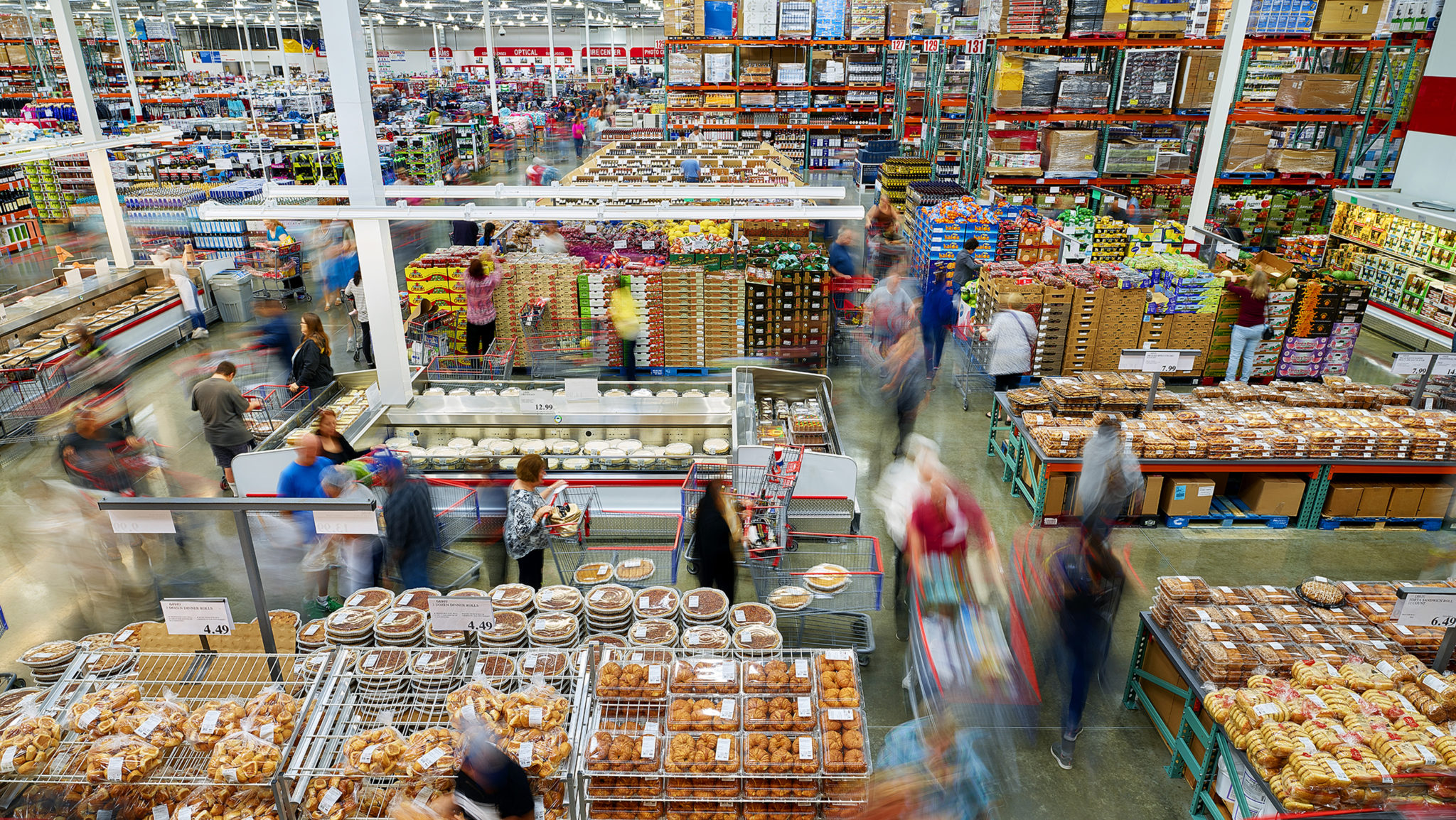
    Costco China plans to open its first store in China next year, even as other international retailers like Lotte and Tesco scale back because of market barriers and disappointing sales.

    The American wholesale giant has signed an agreement with state-owned Shanghai Pudong Kangqiao Group to set up the headquarters of its Chinese business in Kangqiao, in Shanghai’s Pudong district, according to local media reports. Costco is also opening a membership retail club store with Shenzhen-based real-estate firm Galaxy Holding.

    Kuaxiaopin.net says Costco will open its first physical store for China in Shanghai’s Minhang district next year. A second store is planned for Pudong, to open in 2021.

    The retailer has been targeting Chinese consumers since 2014 via Tmall, the online marketplace of e-commerce giant Alibaba where it sells branded products including healthcare and personal care goods.

    Costco currently has 749 warehouses, including 519 in the US and Puerto Rico, 98 in Canada, 38 in Mexico, 28 in the UK, 26 in Japan, 14 in Korea, 13 in Taiwan, nine in Australia, two in Spain, one in Iceland and one in France. The company also has e-commerce sites in Canada, Korea, Mexico, Taiwan, the UK and the US.

  • Giant Zara Barcelona store opens

    Giant Zara Barcelona store opens

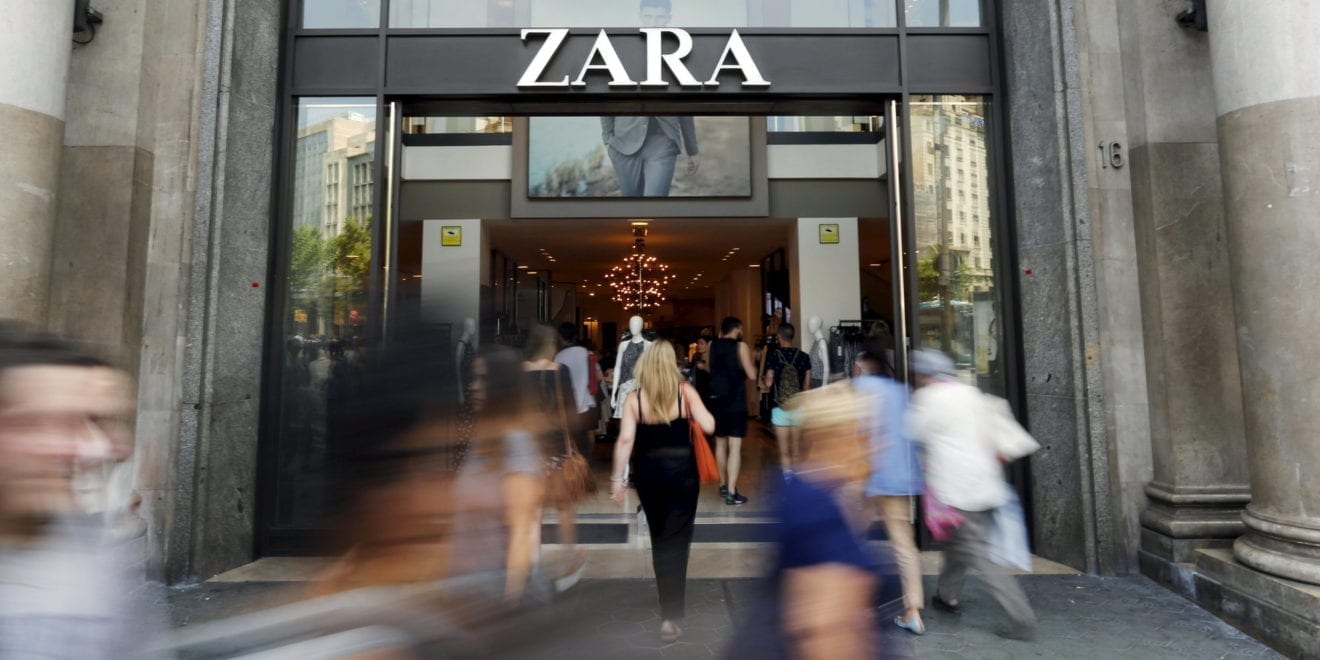
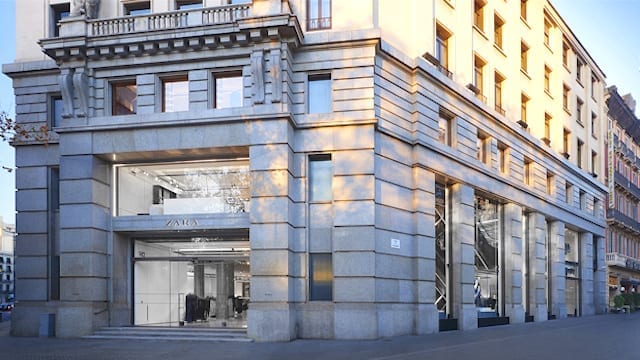
    A giant Zara Barcelona flagship store has opened its doors at Number 5, Plaça de Catalunya, Barcelona’s tourist and commercial epicentre.

    Zara describes the store as one of its “most emblematic”, housed in a 1930s property which has been fully refurbished and recovered for the city. It has more than 3600 sqm of space spread over three floors, housing the Zara Woman, Man and Kids collections.

    The new Zara Barcelona shop occupies a building designed in 1931 as the Barcelona head office of Banco de Bilbao by Basque architect Eugenio Pedro Cendoya, also responsible for the Montjuïc National Palace, built to accommodate the World Fair celebrated in the city in 1929.

    The architectural plans devised for this new store, spearheaded by Coruña-based architect Elsa Urquijo, focused on preserving the former bank’s original architectural treasures such as its impressive glass dome, the atrium flanked by columns and decked with the marble floors characteristic of the public buildings of the time and the murals decorating the pedestrian staircase. The interior is dominated by a pale colour palette and textures that tone down the spaces. The layout of the store fittings was articulated around free-standing units in neutral tones that place the spotlight on the brand’s collections and the building’s impressiveness.

    “The result is a diaphanous and uncluttered retail space with a ground floor open to the city and two upper floors demarcated by the majestic central space that is visible from anywhere in the store, bathed at all times by the daylight filtered in through its glass dome,” says Zara parent Inditex.

    In keeping with Inditex’s Environmental Plan, the new store has been built to stringent green building standards, sustainability criteria applying to its actual construction as well as ongoing operation and usage. Over half of Inditex’s worldwide stores are now eco-efficient, implying electricity and water savings of 30 per cent and 40 per cent respectively compared with conventional stores.