Tag: store openings

  • Levi Strauss Expands in China After Asia Revenue Rises 10 per Cent

    Levi Strauss Expands in China After Asia Revenue Rises 10 per Cent

    US apparel retailer Levi Strauss & Co plans fresh capital investment and new store openings across China, moving against broader retail headwinds as multinational rivals shutter underperforming outlets. The San Francisco-based group is expanding its network after steady demand from younger consumers.

    Asian net revenues rose 10 per cent year on year in the third quarter, representing a third consecutive period of double-digit expansion for the territory. Markets outside North America now account for more than 60 per cent of total global business, though regional management still classifies Asia as a small contributor with long-term expansion potential.

    Executive vice-president and chief commercial officer Gianluca Flore confirmed that mainland operations have improved markedly over the past 12 months, allowing the company to reset commercial targets. “We are going to be able to see China become a much bigger portion of our business globally,” Flore said. “I’m aware of other brands, even luxury brands, that are reducing [their footprint]. I’m personally and professionally bullish on China.”

    Flore added that Levi’s remains a relatively small brand insulated from direct macroeconomic shifts, noting he expects China’s broader consumer environment will eventually improve.

    Tier-One Hubs and Franchises

    Levi Strauss is directing direct capital expenditure toward first-tier metropolitan hubs while partnering with local operators to scale franchise locations. Core demand centers on fashion-conscious consumers aged 20 to 30, prompting regional merchandising teams to adapt global assortments.

    “Within the global assortment, we have some fine tuning, some nuances that we bring to the products in certain cases,” Flore said. “We are really open, and we try … To be flexible and agile to adapt to that nuance.”

    Execution risks remain centered on product responsiveness and inventory control. Wang Tianshi, an analyst at Shanghai-based LeadLeo Research Institute, noted that foreign operators must flatten operational hierarchies to navigate rapid consumption shifts.

    “Merchandising must cater closely to local niche preferences in China, reduce standard global sourcing and expand locally developed products,” Wang said. “Only by keeping pace with China’s fast-shifting consumption trends can foreign retailers turn their brand equity into sustainable competitive advantages.”

    Earlier Footprint Moves

    The push follows targeted brick-and-mortar marketing pilots across key regional shopping corridors. In September, Levi’s opened a pop-up store at Leighton Centre in Hong Kong’s Causeway Bay district to show localized assortments ahead of broader regional store rollout initiatives.

  • Hashi Market Takes 35,715 Square Feet of Former Amazon Fresh Space in Seattle

    Hashi Market Takes 35,715 Square Feet of Former Amazon Fresh Space in Seattle

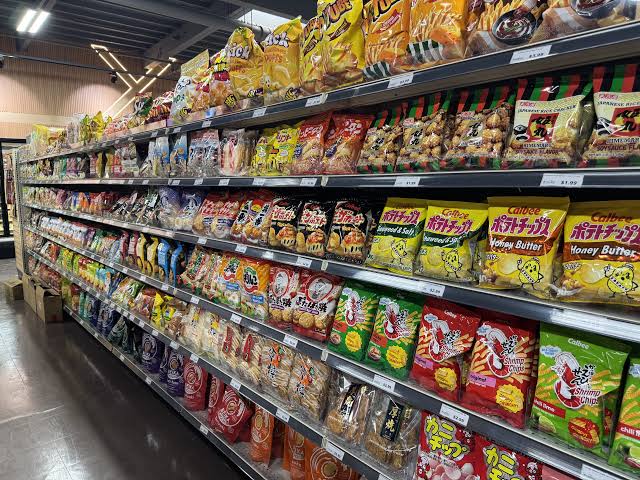
    Japanese grocer Hashi Market leased a 35,715-square-foot retail unit in North Seattle to open its first location in the city.

    The store occupies space at 13025 Aurora Avenue N previously run by Amazon Fresh. The site became available after Amazon closed its Fresh- and Go-branded brick-and-mortar grocery stores nationwide earlier this year.

    New footprint on Aurora Avenue

    Hashi Market plans to stock fresh Japanese produce, packaged groceries, and home goods across the single-level footprint. The North Seattle format will also run on-site catering services alongside dedicated sections for beauty products and household essentials.

    Taking over built-out supermarket real estate reduces upfront capital spending on refrigeration and distribution fixtures. Former Amazon Fresh properties feature heavy electrical infrastructure, cold storage rooms, and loading docks that grocery operators can repurpose without full structural refits.

    Filling vacancies left by Amazon Fresh

    Amazon spent years testing automated checkouts and custom grocery layouts before shuttering dozens of Go and Fresh units across US metropolitan markets. That retrenchment opened suburban strip-centre boxes to specialty food operators hunting for turnkey retail space.

    Asian grocery chains have expanded steadily into North American secondary and primary corridors, filling mid-sized footprints between 30,000 and 50,000 square feet. Hashi Market steps into a corridor where demographic demand for imported Japanese pantry staples, prepared foods, and cosmetics remains underserved by traditional supermarkets.

    Asian specialty grocers take suburban sites

    Specialty grocers benefit from higher basket sizes and stronger customer retention than conventional general merchandisers in competitive metro areas. Asian supermarket operators often rely on extensive fresh counters, hot meal programs, and imported stock keeping units that conventional chains do not carry.

    The Aurora Avenue location gives the Japanese banner highway visibility in a dense commercial corridor. Reallocating the floor plate to prepared meals and catering allows the operator to generate secondary revenue streams beyond standard shelf-stable retail sales.

    Timeline and upcoming launch

    Amazon’s decision to exit its experimental grocery formats in 2026 accelerated store turnover throughout the Puget Sound region. Landlords have moved quickly to backfill these suburban shells with established ethnic grocery operators able to draw consistent foot traffic.

    Hashi Market has begun fitting out the 13025 Aurora Avenue N property ahead of its scheduled public opening.

  • Maison Margiela Fragrances Opens First Store at AEON Mall Phnom Penh

    Maison Margiela Fragrances Opens First Store at AEON Mall Phnom Penh

    Maison Margiela Fragrances has opened its first standalone boutique in Cambodia at AEON Mall Phnom Penh this week. The space debuts the brand’s complete Replica perfume collection in the capital.

    It gives the brand a direct retail presence in the country. International beauty houses previously reached local shoppers only through multi-brand counters and cross-border grey channels.

    Replica Portfolio in Phnom Penh

    Inside, the boutique stocks personal scents, scented candles, home diffusers, and bath items. Customers can also use on-site customisation services, including personalised cotton pouch labels and bespoke bottle tags.

    Store staff provide fragrance consultations based on memory-driven scent profiles. That setup mirrors the format used in Bangkok, Singapore, and Seoul flagships.

    Shifting Luxury Footprints in Indochina

    Global beauty groups are testing frontier markets across Southeast Asia as tier-one capitals mature. Rapid shopping centre growth in Phnom Penh over the past five years has provided the climate-controlled, managed floor space needed for direct investments.

    Securing standalone niche fragrance boutiques helps mall operators like AEON lift tenant quality and raise basket values. High-margin fragrance concessions also generate resilient revenue per square metre compared to standard apparel retail.

    Regional Retail Rollout

    L’Oreal’s luxury division, which holds the Maison Margiela beauty licence, has expanded standalone boutiques across Southeast Asia since 2022. The brand opened locations in Thailand, Malaysia, and Vietnam before entering Cambodia.

    Distributors in Phnom Penh previously focused on designer lines from Chanel, Dior, and Gucci. The arrival of dedicated niche fragrance stores reflects shifting demand among younger Cambodian consumers toward artisanal perfumery.

    Store Operations and Next Steps

    Trading on the ground floor, the store is now open seven days a week. Retailers in the capital will watch whether parent operators follow this debut with satellite counters in AEON Mall Sen Sok City or downtown department stores over the next fiscal year.

  • Kushal’s Launches Silver Brand Anera Targeting Rs 25 Crore

    Kushal’s Launches Silver Brand Anera Targeting Rs 25 Crore

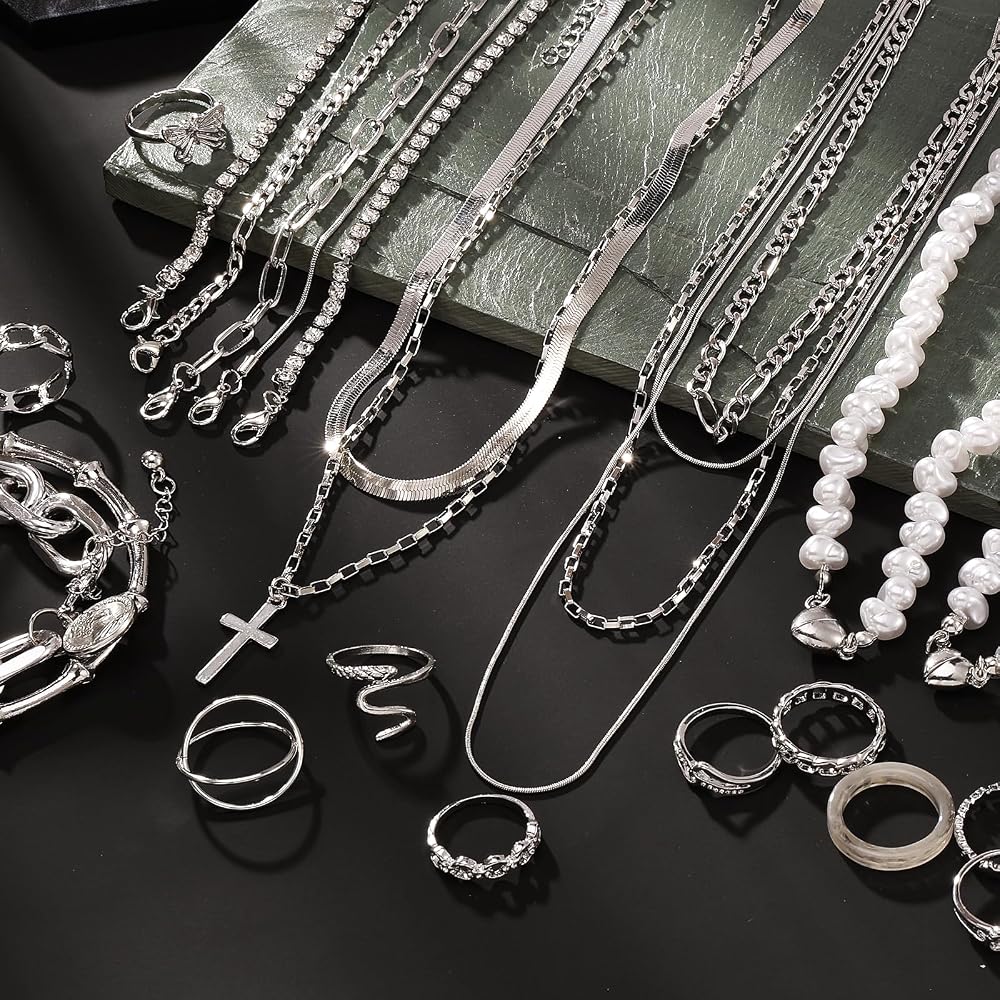
    Indian fashion jewellery retailer Kushal’s launched a standalone silver jewellery brand named Anera, targeting Rs 25 crore in first-year revenue across a new standalone retail network in southern India.

    The expansion commits the Bengaluru-based company to six initial high-street stores covering 2,500 to 3,000 square feet each, starting with a flagship location in Bengaluru on September 26.

    Five additional outlets will follow over the subsequent seven weeks across Bengaluru, Hyderabad, Coimbatore and Vijayawada. The initial footprint allocates two stores each to Bengaluru and Hyderabad, alongside single units in Coimbatore and Vijayawada. Founder Kalpesh Gulechha confirmed the brand will evaluate store unit economics across these four cities over a three to six-month test period before deploying capital toward a broader pan-India store opening programme.

    High-Street Stores and Metal Mix

    Silver accounts for a rapidly expanding share of the parent company’s existing merchandise mix. Contribution from the metal rose from between 2 and 3 per cent four to five years ago to between 15 and 18 per cent today, prompting management to separate the category from its traditional imitation fashion jewellery counters.

    Anera targets shoppers aged 25 to 45 with merchandise tailored for daily office wear, weddings, festive collections and self-gifting. The business model relies on converting younger buyers seeking design variety without committing to the higher price points commanded by gold.

    “We want to shift the conversation from the metal value to meaning, style, expression and emotion,” Gulechha said.

    The standalone retail format requires larger store footprints than typical fashion jewellery kiosks, opting for dedicated high-street frontage to build a premium atmosphere. That retail footprint increases fixed lease commitments, putting the onus on high sales density per square foot to justify standalone store viability.

    South Indian Test Bed

    Selecting Bengaluru, Hyderabad, Coimbatore and Vijayawada gives Kushal’s an immediate reading on regional appetite across tier-one and tier-two southern retail corridors. South India remains the country’s most active regional jewellery market, though organized competition in branded silver has expanded as apparel and lifestyle chains compete for the same discretionary spend.

    For high-street landlords, the entry of dedicated silver formats adds another commercial tenant category competing for ground-floor fashion frontage against traditional gold retail giants and beauty brands. The operational risk sits in managing inventory turnover across fast-moving fashion designs while silver raw material costs fluctuate.

    Before launching Anera, Kushal’s built its core business around costume and fashion jewellery retail, gradually increasing its fine silver assortment inside existing stores over the last half-decade. That shift laid the groundwork for carving out a separate retail brand once internal sales data demonstrated steady customer migration toward higher-ticket precious metal purchases.

    Management projected Anera’s annual revenue to reach Rs 65 crore in its second year. Performance metrics from the first six southern stores across the upcoming six-month trial window will determine the pace and geography of the brand’s national retail rollout.

  • Adidas Reopens 569-Square-Metre Chadstone Store Under Home of Sports Concept

    Adidas Reopens 569-Square-Metre Chadstone Store Under Home of Sports Concept

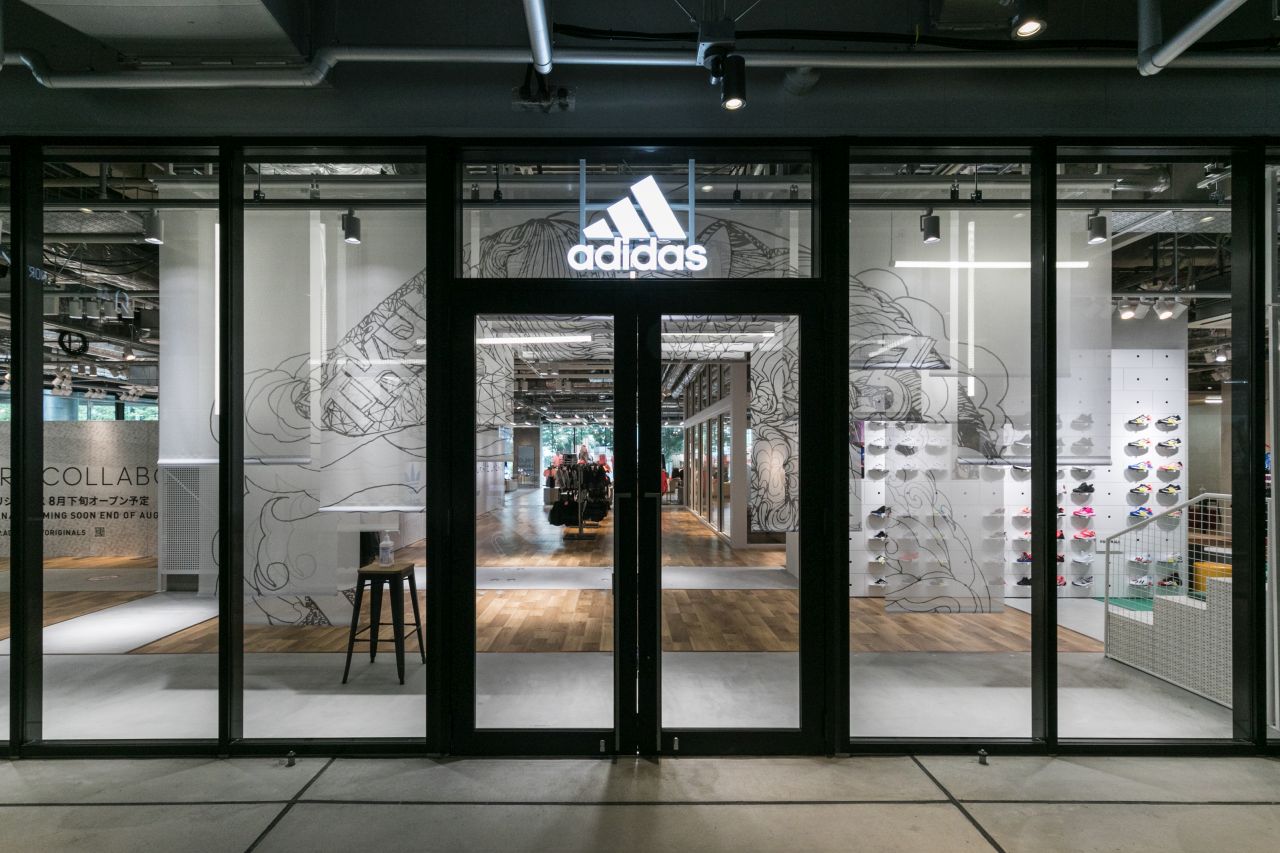
    Adidas reopened its Chadstone store in Melbourne with 569 square metres of selling space, making it the first location in the region built around the Home of Sports concept.

    The store returned to trading following a three-month renovation designed to expand floor capacity and introduce new merchandising layouts.

    Customisation and Footwear Ranges

    Part of the expanded floor plan houses a dedicated Originals shop-in-shop, using the brand’s Collection V2 design for the first time in the Australian market. Two main footwear walls show inventory spanning running, training, football and lifestyle lines.

    Shoppers can also use a dedicated Made for You counter near the point of sale. The station applies heat-pressed patches and personalised name sets directly onto apparel and shoes during purchase.

    Foot Traffic and Format Rollouts

    Securing prime space matters for sportswear operators chasing high-volume sales. The Chadstone shopping centre draws more than 22 million visitors each year, giving the brand direct exposure to one of the highest-density retail corridors in the country.

    Sportswear majors across Asia-Pacific continue to replace standard mall units with larger experience-led stores that combine performance categories with lifestyle streetwear under one roof. Nike and Puma have followed similar paths across regional gateway hubs, using flagship remodels to push direct-to-consumer sales and higher-margin personalised gear.

    The business opened the upgraded doors with a weekend roster of local pop-up collaborations, with attention now turning to how the Home of Sports layout performs ahead of wider network updates across Australia.

  • Haigh’s Chocolates Enters Queensland with First Brisbane Store

    Haigh’s Chocolates Enters Queensland with First Brisbane Store

    Haigh’s Chocolates has launched its first physical store in Queensland at Westfield Mt Gravatt in Brisbane. The opening establishes a direct retail footprint in the state ahead of two further Brisbane outlets scheduled for November.

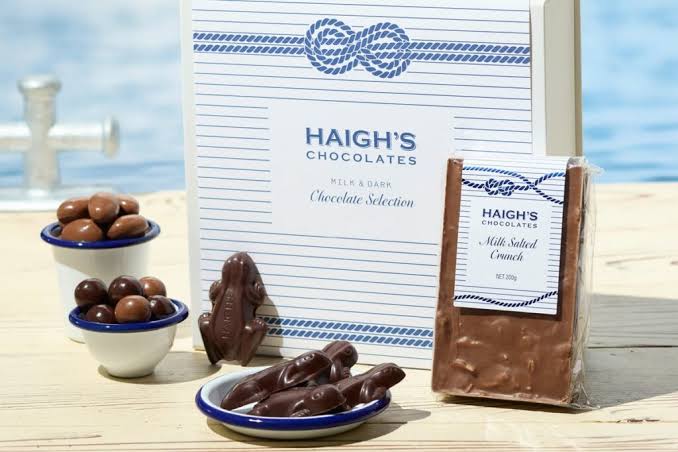
    The family-owned South Australian confectioner took space on Level 2 of the shopping centre next to cosmetics retailer Mecca. The store sells the brand’s core artisan chocolate lines alongside complimentary tasting counters.

    Queensland Footprint Expands

    Online sales in Queensland prompted the physical rollout. Customer order volumes across the state showed sufficient local demand to justify bricks-and-mortar leases, according to the company.

    “Since announcing that we were coming to Brisbane, we have had so many Haigh’s fans and online customers reaching out, asking where they can visit and when we will be open,” said Haigh’s Chocolates chief executive Peter Millard.

    Two more retail sites are in the pipeline. Outlets at Westfield Chermside in Brisbane’s north and Westfield Carindale in the east will open before the end of the year.

    Supply Chain Backing

    The Queensland rollout relies on supply chain capacity completed last year. Haigh’s opened a 120 million Australian dollar production and logistics facility in Salisbury South, South Australia, designed to support national distribution and higher store volumes.

    Converting digital customer density into shopping centre tenancies mirrors how regional specialty retailers derisk capital expenditure in Australia. By validating regional demand through online fulfilment first, brands reduce opening risk in major retail malls before committing to long-term leases.

    Fit-out work is continuing at both the Chermside and Carindale locations ahead of their planned November trade debut.

  • Skechers Opens 8,650-Square-Foot Superstore at Sunway Pyramid in Malaysia

    Skechers Opens 8,650-Square-Foot Superstore at Sunway Pyramid in Malaysia

    Skechers opened an 8,650-square-foot Superstore at the Sunway Pyramid mall in Subang Jaya, expanding its physical presence in Malaysia.

    The relocated store is nearly six times larger than the brand’s previous 1,453-square-foot unit at the same shopping centre. It is the company’s first Superstore format in Subang Jaya. The launch lifts its nationwide network to 120 doors.

    Zoned layout and digital fitting

    Dedicated zones divide the catalogue into sections for walking, running, trail, pickleball, performance apparel and children’s collections. The store also includes SafeSize 3D foot-scanning hardware to generate personalised sizing data. Alongside the scanners, an in-store customisation station lets shoppers modify selected shoes and garments.

    Footwear retailers across Southeast Asia continue to trade standard mall units for large experiential spaces. The bigger layouts capture higher basket sizes and accommodate specialized athletic lines that boutique footprints cannot hold.

    Expansion pipeline across Malaysia

    Malaysia is a key sales volume driver for the American brand. Cedrick Tan, president of Skechers Southeast Asia, Hong Kong and South Korea, said the group will maintain its brick-and-mortar investment pace to keep up with domestic demand.

    More outlets will launch across the country over the coming months to build on the 120-store base.

  • Domino’s China Operator DPC Dash Adds 235 Stores as Revenue Hits RMB3.13 Billion

    Domino’s China Operator DPC Dash Adds 235 Stores as Revenue Hits RMB3.13 Billion

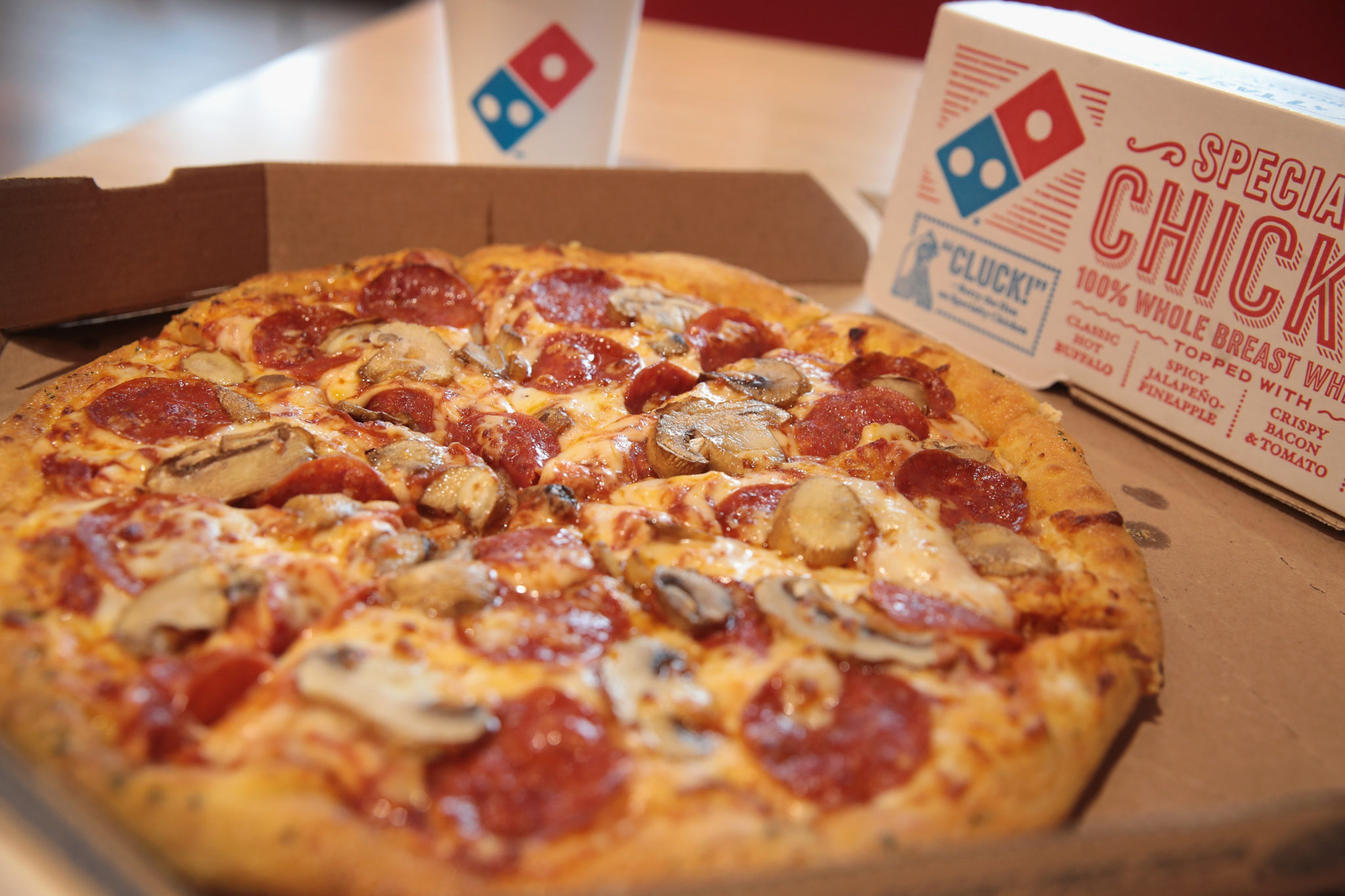
    DPC Dash added 235 net new Domino’s Pizza stores in China during the first half of 2026. Group revenue rose 20.8 per cent.

    Revenue for the six months ended June 30 reached RMB3.13 billion (US$440 million). Net profit rose 22.9 per cent year on year to RMB81 million, supported by a 7.1 per cent lift in same-store transactions.

    That buildout took the chain’s network to 1,550 stores across 75 cities. The operator entered 15 new municipal markets during the period.

    Pushing Into Lower-Tier Markets

    Lower-tier Chinese cities now make up the bulk of the brand’s footprint. The operator runs 1,018 stores outside Tier 1 hubs, compared with 532 locations across primary metropolitan areas.

    DPC Dash holds exclusive master franchise rights for Domino’s in mainland China, Hong Kong and Macau. Chief executive Aileen Wang said the company will focus on lifting average transaction value and expanding customer volume as third-party food delivery subsidies diminish across the sector.

    Western fast-food chains in China have redirected capital expenditure away from saturated top-tier cities to capture cheaper real estate and consumer demand in secondary markets. While quick-service competitors battle heavy price discounting on aggregator apps, Domino’s relies on its own delivery network and lower operating costs to protect unit margins.

    Pipeline Toward 350 Openings

    Between June 30 and August 14, the operator launched another 27 stores across the country.

    Another 38 locations are under construction, with 36 additional leases signed or approved. Those sites keep the business on track toward its full-year target of approximately 350 net new store openings.

  • Lovisa Lifts Full-Year Profit 10.7 per Cent as Network Reaches 1,136 Stores

    Lovisa Lifts Full-Year Profit 10.7 per Cent as Network Reaches 1,136 Stores

    Australian fast-fashion jewellery retailer Lovisa increased net profit after tax by 10.7 per cent to $95.6 million for the 2026 financial year.

    Total revenue rose 17.6 per cent to $938.8 million, supported by 160 store openings and a 2 per cent rise in global comparable store sales. Gross margin widened by 60 basis points to 82.6 per cent, helped by lower sourcing costs and tighter promotional spending, while earnings before interest, tax, depreciation and amortisation grew 20.9 per cent.

    Offshore sales outpace domestic trade

    Western markets delivered the bulk of the growth. Sales in the Americas rose 29.6 per cent, while European revenue increased 29.5 per cent over the twelve-month period.

    The company accelerated its physical expansion by launching 160 locations and shuttering 43 underperforming sites. That netted 117 additions and lifted the total footprint to 1,136 stores across more than 50 markets. Lovisa relies on small-format stores with low fitout costs to enter new territories quickly, a model that allows it to exit unprofitable leases without heavy capital losses.

    Early momentum in the new financial year

    Trading in early fiscal 2027 maintained that pace. Total sales climbed 16.4 per cent over the first eight weeks of the new financial year, with comparable store sales up 3 per cent and momentum accelerating through August.

    Management plans to add further physical and digital stores across both established and new territories. Investors will track whether store opening targets hold as the group rolls into additional franchise and company-owned markets in the first half.

  • Adore Beauty Expands Physical Network to 20 Stores in Omnichannel Shift

    Adore Beauty Expands Physical Network to 20 Stores in Omnichannel Shift

    Adore Beauty opened 13 physical stores during fiscal 2026. The Melbourne online retailer now has 20 locations across Australia.

    This expansion more than doubled its brick-and-mortar footprint. The brand had operated primarily as a pureplay digital platform for 26 years.

    Store Rollout Across Two Banners

    Openings included 11 flagship Adore Beauty storefronts and two locations under the IKOU brand. Group management committed tens of millions of dollars during the year to fund retail leases, supply chain infrastructure and expanded warehouse capacity.

    Those physical storefronts trade alongside the digital platform. Customer retention efforts helped expand the Adore Rewards loyalty program to 538,000 active participants during the financial year.

    Shifting Channel Economics

    Pureplay online beauty retailers across the Asia-Pacific region face climbing digital customer acquisition costs. Physical networks give digital operators direct access to foot traffic and higher-margin basket sizes, mirroring omnichannel rollouts across regional markets.

    Another five physical stores are scheduled to open as the company builds out its national retail pipeline.

  • Uniqlo to Open First Kyoto Global Flagship Store on Kawaramachi-Dori

    Uniqlo to Open First Kyoto Global Flagship Store on Kawaramachi-Dori

    Uniqlo will open its first global flagship store in Kyoto on 6 November. The new site replaces the retailer’s existing Kyoto Kawaramachi shop, which is currently its largest location in the city.

    Located on Kawaramachi-dori, central Kyoto’s primary shopping boulevard, the new store trades on a strip packed with major retail complexes and heavy pedestrian traffic from both domestic shoppers and international tourists. Fast Retailing plans expanded sales floors at the location to carry its full LifeWear apparel range alongside interior features drawn from Kyoto’s traditional craft culture.

    Upgrading Prime Street Footprints

    Upgrading an existing high-street location to flagship status mirrors Fast Retailing’s broader store strategy across key Asian metros. Rather than multiplying smaller satellite outlets in secondary suburban hubs, the apparel group concentrates capital into dense, high-visibility corridors where large-format stores capture heavy tourist footfall.

    Flagship formats in major Japanese tourist cities serve a dual commercial purpose. They generate steady baseline trade from residents while reinforcing brand awareness for inbound visitors who shop the label across greater Asia, Europe, and North America.

    Focus on Inbound Travel Hubs

    Kawaramachi-dori serves as Kyoto’s main commercial artery, linking central rail transit to the city’s key retail and hospitality zones. Replacing the older Kawaramachi shop provides Uniqlo with modernized floor space built to handle heavy transaction volumes during peak travel periods.

    The company scheduled the launch for 6 November, positioning the expanded sales floors to trade directly into Kyoto’s busiest autumn tourism weeks.