
Tag: store operations

  • Southeast Asian Luxury Tourist Influx Projected to Drop 38 Percent

    Southeast Asian Luxury Tourist Influx Projected to Drop 38 Percent

    Southeast Asian luxury boutiques face an abrupt end to a decade of passive tourist spending, with luxury tourism growth projected to decline by up to 38 percent following maritime route closures in the Strait of Hormuz and global geopolitical disruption. Flagship stores across Jakarta, Bangkok, Singapore, and Kuala Lumpur must now rely entirely on domestic consumers to absorb regional inventories, according to projections from the UN Tourism and Retail Asia Economic Outlook.

    A joint study by Harvard Business Review and Deloitte reveals that execution failures on the sales floor account for up to 72 percent of in-store purchase cancellations, driven by unproactive staff and poor customer experience rather than a lack of buying interest. To stop this revenue leakage, boutique operators are turning to artificial intelligence tools, including Nimbly Echo from Nimbly AI, to monitor floor interactions and audit service quality.

    The shift follows years of unearned footfall that left store teams ill-prepared for domestic clienteling, with research showing that more than 85 percent of boutique visitors enter with specific purchase intent, while price resistance accounts for less than 5 percent of abandoned sales.

    The Conversion Gap on the Sales Floor

    Data shows that shoppers entering luxury stores arrive ready to spend. Harvard Business Review retail behavioural research indicates that more than 85 per cent of boutique visitors enter with specific purchase intent or targeted collection interest, while shoppers without buying intent account for roughly 6 per cent. An Econsultancy study shows price friction causes fewer than 5 per cent of abandoned luxury transactions.

    Instead, transactions collapse because boutique personnel fail to engage visitors. Operational data gathered through Nimbly AI’s conversation tracking tool, Nimbly Echo, shows staff proactively recommend products in only 40.9 per cent of interactions. Store associates demonstrate or explain new collections to just 14.0 per cent of visitors, despite data showing positive shopper response rates reach 52.9 per cent when staff present products directly.

    Inventory friction deepens the drop-off. When requested stock is missing from display shelves, 83.9 per cent of store associates fail to suggest alternative items available in the boutique. The Shopper Dismissal and Luxury Retail Service Gap Study found that 73 per cent of VIP consumers report encountering cold treatment or neglect on their initial visit, prompting permanent customer churn. Globally, poor customer service costs the luxury sector up to $1.7 trillion, according to data from IHL Group.

    Pivoting from Point of Sale to Experience Centres

    Luxury operators in Southeast Asia are reworking their retail spaces to focus on long-term client relationships rather than quick tourist transactions. A study from Bain and Company indicates that personalised clienteling focused on brand heritage can lift customer lifetime value in luxury retail by 3.5 times. Retaining local VIP clients also costs up to five times less than acquiring new shoppers in a depressed tourist market, according to Deloitte.

    The operational shift requires luxury brands to discard traditional store auditing tools. Overhead door sensors track staff, cleaners and security guards indiscriminately, skewing conversion ratios. Standard checkout point-of-sale registers record paid purchases but capture nothing about the 70 per cent of buyers who leave without purchasing. Periodic mystery shopper visits offer only staged snapshots during quiet periods rather than daily performance under floor pressure.

    Deploying Conversation Intelligence in Stores

    To audit customer interaction, retail groups are rolling out retail-contextual artificial intelligence tools such as Nimbly Echo. The software evaluates spoken dialogue on the shop floor to measure service tone and warmth against luxury brand standards. It also logs verbal objections and stock requests, giving inventory planners direct visibility into unfulfilled local demand.

    Store managers use interaction data to test sales scripts and guide associate coaching. The technology replaces manual walkarounds with automated alerts on floor performance, letting regional directors benchmark store execution across multiple Southeast Asian markets.

    The Bottom-Line Hurdle for Retail AI

    For store operators and landlords, this shift exposes a major commercial divide: technology that tracks service performance must prove it can lift net revenue. Luxury brands across Asia previously spent capital on digital floor displays and clienteling apps that produced operational records but failed to stem floor leakage. If conversation intelligence merely flags unhelpful associates without lifting conversion per square metre, finance chiefs will cut the software line.

    Tracking spoken retail conversations also brings execution risks. Associates pushed to follow artificial conversational scripts often deliver mechanical service, the exact opposite of what affluent domestic buyers expect. Landlords holding premium mall leases will monitor whether these monitoring investments protect store sales productivity as tourist traffic remains volatile.

    Shifting Demographics and Financial Pressures

    For nearly a decade, regional luxury outposts generated steady revenues from incoming high-net-worth travellers, requiring little active selling from floor staff. That commercial buffer evaporated as geopolitical unrest disrupted regional airline routes and maritime transit, triggering the 38 per cent decline projected by the UN Tourism and Retail Asia Economic Outlook.

    Financial pressure inside retail groups complicates software adoption. A cross-industry CEO survey by Gartner found that 44 per cent of chief executives struggle to prove measurable financial returns from artificial intelligence deployments. McKinsey’s 2026 State of AI survey revealed that 37 per cent of companies attribute earnings before interest and taxes impact to AI implementations, identical to the previous year’s level. Retailers deploying conversational auditing will face intense scrutiny from finance teams requiring cashable savings rather than soft efficiency metrics.

    Luxury networks across Southeast Asia are now testing whether automated frontline monitoring can lift conversion rates before full-year financial allocations close.
  • Singapore McDonald’s Shuts as Crowds Rush for $8 K-Pop Hats

    Singapore McDonald’s Shuts as Crowds Rush for $8 K-Pop Hats

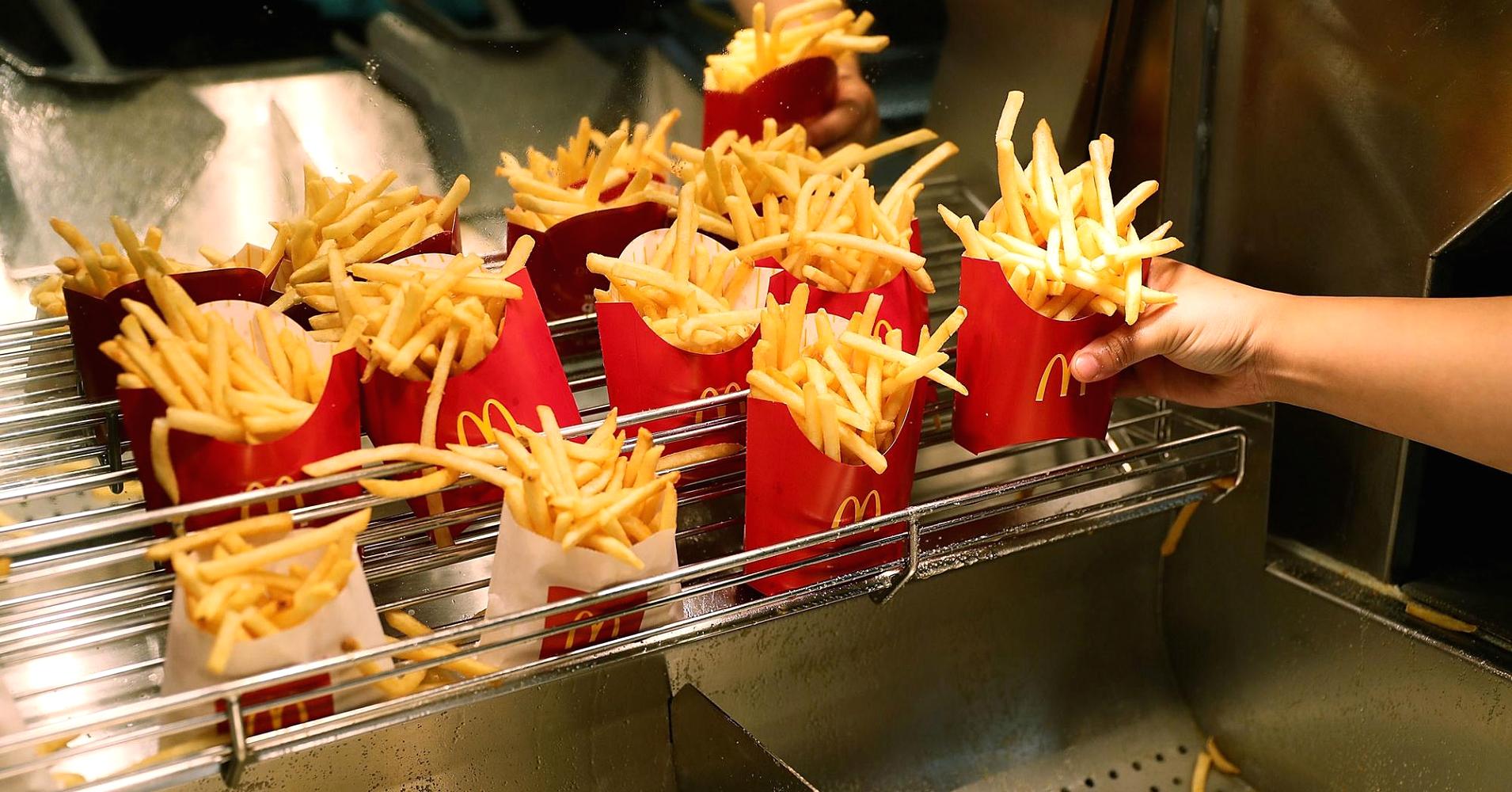
    A McDonald’s restaurant in Singapore suspended operations this week and pulled down its shutters after crowds mobbed the outlet during a launch for eight-dollar hats tied to a K-pop celebrity.

    Surging foot traffic overwhelmed staff and on-site capacity, forcing store management to close physical access to maintain crowd safety.

    Operational disruption from merchandise drops

    Quick-service restaurant operators across Southeast Asia frequently deploy co-branded entertainment partnerships to drive foot traffic, but physical merchandise sales introduce crowd control dynamics that standard fast food store formats are ill-equipped to handle. When low-cost, high-profile items such as eight-dollar branded apparel hit the counter, transactional volume quickly outstrips kitchen and ordering throughput.

    The physical closure of an active unit during peak trading hours creates direct revenue loss on core food items alongside third-party delivery cancellations. Fast food layouts prioritise rapid ordering, fast kitchen turnaround and short table dwell times rather than orderly queuing for physical retail inventory.

    The economics of limited-run fast food tie-ins

    Entertainment collaborations serve as high-margin marketing vehicles for global chains, generating substantial digital impressions and attracting younger demographics. The primary margin driver remains the accompanying food bundle, yet the secondary resale value of limited-edition collectibles frequently attracts scalpers who distort store footfall.

    Physical item allocations without dedicated ticketing or queue infrastructure leave frontline restaurant workers managing volatile retail bottlenecks. When merchandise sells out or access is restricted, customer frustration shifts onto restaurant staff, increasing brand friction rather than building goodwill.

    Crowd control risks for quick-service operators

    Mall operators and commercial landlords monitor safety protocols closely across high-density retail centres in Singapore. Uncontrolled queue spillover into common corridors disrupts neighbouring retail tenants and risks landlord penalties or regulatory intervention.

    For food chains, shifting exclusive merchandise sales to digital pre-orders, lottery allocations or app-based collection windows reduces physical crowding. Direct in-store sales of highly sought-after cultural tie-ins continue to expose operators to unexpected operational stoppages.

    Supply management across Southeast Asian hubs

    Consumer appetite for Asian pop culture collaborations remains exceptionally strong across urban regional hubs, including Singapore, Bangkok and Manila. The friction seen at retail counters demonstrates that demand forecasting for collectible merchandise often diverges from standard fast food sales forecasting models.

    Future promotional rollouts across regional quick-service networks will test whether chains continue open over-the-counter sales or transition high-demand merchandise releases entirely to digital redemption channels.

  • Sensormatic Solutions Forecasts Peak 2026 Holiday Shopping Days in Asia-Pacific

    Sensormatic Solutions Forecasts Peak 2026 Holiday Shopping Days in Asia-Pacific

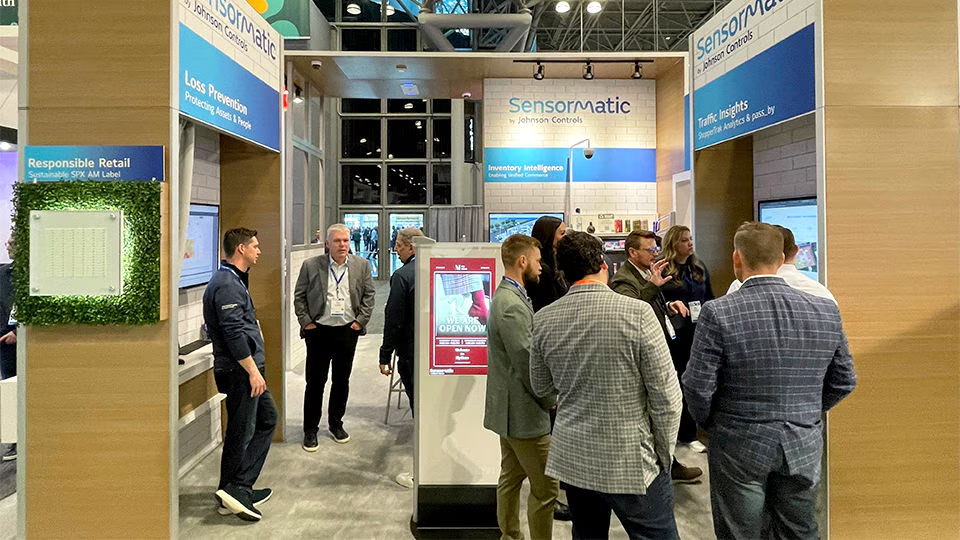
    Sensormatic Solutions issued its annual foot traffic forecast for the 2026 holiday shopping season across retail markets in Asia-Pacific. The predictive traffic analysis targets store operators and mall owners preparing staffing, inventory, and promotional schedules for peak year-end commercial dates.

    The analytics provider tracks in-store sensor data and historical shopper volume to identify the days expected to generate the heaviest physical store traffic. Store chains use these projections to align workforce rotas, supply chain delivery windows, and loss prevention protocols ahead of peak trading surges.

    Data modeling for store operations

    Physical store operations face tighter labor margins and shifting shopper patterns across regional commercial centers. Accurate traffic modeling gives floor managers the lead time needed to schedule floor staff during peak hours while avoiding overstaffing during quieter morning trade.

    Inventory distribution across store networks depends on matching replenishment runs with peak footfall periods. Bottlenecks at cash desks and fitting rooms quickly erode conversion rates when customer traffic outpaces front-line coverage.

    Shifts in regional holiday footfall

    Retailers across Asia-Pacific face divergent calendars, from November promotional events to traditional December holiday spending and regional year-end sales. Compressing shopping activity into fewer peak days raises operational pressure on store teams and physical checkout infrastructure.

    Mall landlords also rely on traffic forecasts to coordinate security deployment, crowd management, and extended operating hours. Misjudging peak hours leads to congested parking facilities and frustrated shoppers.

    Balancing physical stores and online fulfilment

    Physical stores increasingly double as local fulfilment nodes for click-and-collect orders during peak shopping periods. When in-store shopper volumes surge, staff dedicated to picking and packing online orders compete for floor space with walk-in customers.

    Store networks that separate stock management from front-of-house service maintain higher customer satisfaction during traffic spikes. Clear footfall visibility prevents floor staff from being pulled away from direct customer service during critical trading hours.

    Preparing for peak trading dates

    Sensormatic Solutions provides annual traffic benchmarks to help retail chains assess their performance against broader market averages. Comparing individual store entry numbers against market footfall trends helps operators evaluate the return on holiday marketing spend.

    Retailers across the region will monitor preliminary footfall tallies as peak holiday campaigns launch across Asia-Pacific retail corridors.

  • Australian Shoppers Trust AI Recommendations over In-Store Retail Staff

    Australian Shoppers Trust AI Recommendations over In-Store Retail Staff

    Australian consumers now place more trust in artificial intelligence for shopping recommendations than in human retail staff, according to new industry research tracking store-floor buyer habits.

    The findings point to a decisive shift in how shoppers research products, compare prices, and finalize purchasing decisions across Australian retail channels.

    The shift away from floor staff

    Shoppers increasingly turn to automated search assistants, chatbot tools, and algorithm-driven recommendation engines before speaking to floor employees. Fast access to product specifications, unvarnished peer reviews, and real-time inventory checks gives digital tools an edge over human staff who may lack deep product knowledge.

    Retail workers face higher shopper expectations as a result. Store visitors often arrive having already researched technical details online, using physical visits primarily to confirm choices rather than seek basic sales guidance.

    What the preference change means for store networks

    Across the Asia-Pacific region, merchants in mature retail markets like Australia, Japan, and Singapore are reallocating technology budgets to support instant customer queries at the shelf edge. Retailers that integrate generative assistants into loyalty apps and in-store digital kiosks capture buyer intent earlier in the shopping cycle.

    Store operators must now decide how to retrain frontline staff to handle complex customer service issues rather than standard product lookup tasks.

  • FamilyMart Rolls Out T-Shirt Uniforms and Relaxes Hair Color Rules in Japan

    FamilyMart Rolls Out T-Shirt Uniforms and Relaxes Hair Color Rules in Japan

    FamilyMart introduced casual T-shirt uniforms and relaxed hair color restrictions for store clerks across Japan to widen its recruitment pool. The convenience store operator replaced its traditional buttoned jackets with casual wear to make daily shifts more practical during hot summer months.

    Store employees can now dye their hair freely, removing a long-standing guideline that required natural or strictly regulated dark tones. The policy applies to both full-time store staff and part-time workers across the chain’s franchised and company-owned network.

    New dress code for store staff

    The new uniform lineup features lightweight, breathable T-shirts designed for high-turnover shift work and stock handling. Staff can wear the shirts as their standard work attire rather than layering heavy branded vests or stiff aprons over personal clothing.

    Easing appearance rules directly targets younger job seekers and student workers who frequently cited grooming mandates as a barrier to working in convenience retail. Store managers also gain flexibility to recruit older part-timers and foreign workers who prefer less formal uniform requirements.

    Labor pressures in Japanese retail

    Convenience operators across Japan are adapting store operations to manage an acute shortage of frontline labor. Rival chains Lawson and Seven-Eleven Japan have rolled out self-checkout kiosks, automated ordering systems, and revised shift schedules over the past two years to keep stores staffed around the clock.

    Relaxing dress standards represents an inexpensive retention and hiring tactic compared to sharp wage increases. Japanese retailers historically enforced strict uniform and grooming standards to present an orderly, uniform brand image to local shoppers.

    FamilyMart franchisees will complete the uniform transition across regional store clusters as autumn inventory distribution schedules take effect.