Retail News CRM

Tag: Store

  • Marimekko Unveils Flagship Store In Causeway Bay: A Revitalized Shopping Experience

    Marimekko Unveils Flagship Store In Causeway Bay: A Revitalized Shopping Experience

    Marimekko, the iconic Finnish design company, is globally renowned for its fashion and home decor products featuring vivid, abstract prints designed to spread an ethos of joy and positivity. This lifestyle brand is an embodiment of timeless elegance and a summery sense of joy. If you are drawn to the brand’s vibrant ‘flower power’ aesthetic, make a note of October 16 in your diary. That’s when Marimekko is set to unveil a new flagship store in Causeway Bay. This eagerly awaited launch is significant, as it symbolizes not only a new beginning for Marimekko in Hong Kong but also the company’s dedication to crafting an immersive in-store retail experience that strikes a chord with customers.

    Marimekko’s Return to Causeway Bay

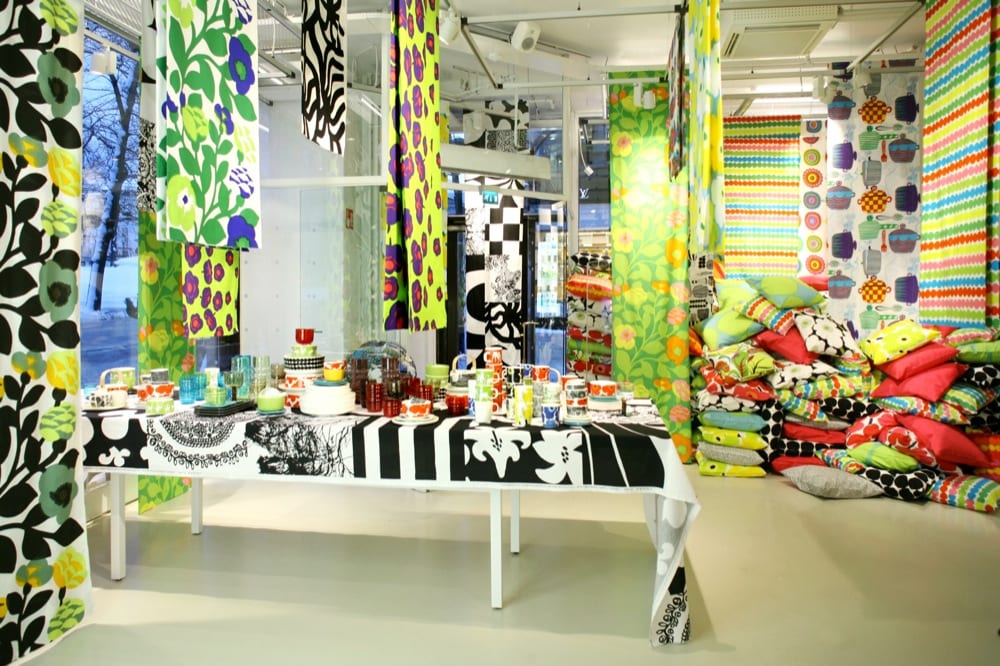
    Marimekko first broke into the Hong Kong market in 2012, opening a store on Leighton Road in Causeway Bay. The forthcoming flagship store, remaining on the same street, represents a sort of homecoming for the brand. However, this is not just a return, but a stunning transformation; a fresh design and expanded offerings promise a completely reimagined Marimekko experience for its Hong Kong-based fans. Moreover, the store’s façade, centered around Marimekko’s well-known ‘Unikko’ print, will be unmissable, serving to highlight the brand’s printmaking legacy. Upon entering the shop, customers will feel as though they’ve been transported to Marimekko’s textile printing factory in Helsinki, with the striking interior design inspired by the Finnish workshop.

    What to Expect from the New Flagship

    Marimekko fans can anticipate a carefully curated collection of products, including clothing, accessories, home furnishings, and even printed fabrics — all emblazoned with the brand’s signature prints. Items featuring the ‘Unikko’ design are sure to be a hit, but the bold ‘Kivet’ and sleek ‘Tiiliskivi’ prints are expected to be crowd pleasers as well.

    At present, Marimekko has six retail sites in Hong Kong, including an outlet shop at Citygate Outlets in Tung Chung, so the new Leighton Road flagship will find itself in good company. Furthermore, according to a Marimekko Instagram post, eligible purchases will be accompanied by a complimentary Marimekko tote bag — an incentive that is sure to entice shoppers!

    Questions & Answers

    When did Marimekko first enter the Hong Kong market?
    Marimekko first entered the Hong Kong market in 2012, with a store on Leighton Road in Causeway Bay.

    What’s special about the new flagship store in Causeway Bay?
    The new flagship store represents a homecoming for Marimekko. It features a completely new design and an expanded range of offerings, promising a unique Marimekko experience for fans in Hong Kong.

    What can customers expect from the new Marimekko store?
    Customers can look forward to a carefully curated selection of products, including clothing, accessories, home goods, and printed fabrics, all featuring the brand’s signature prints.
  • Reviving Nostalgia: Bandai’s Tamagotchi Factory Revamps Interactive Retail In Tokyo’s Harajuku District

    Reviving Nostalgia: Bandai’s Tamagotchi Factory Revamps Interactive Retail In Tokyo’s Harajuku District

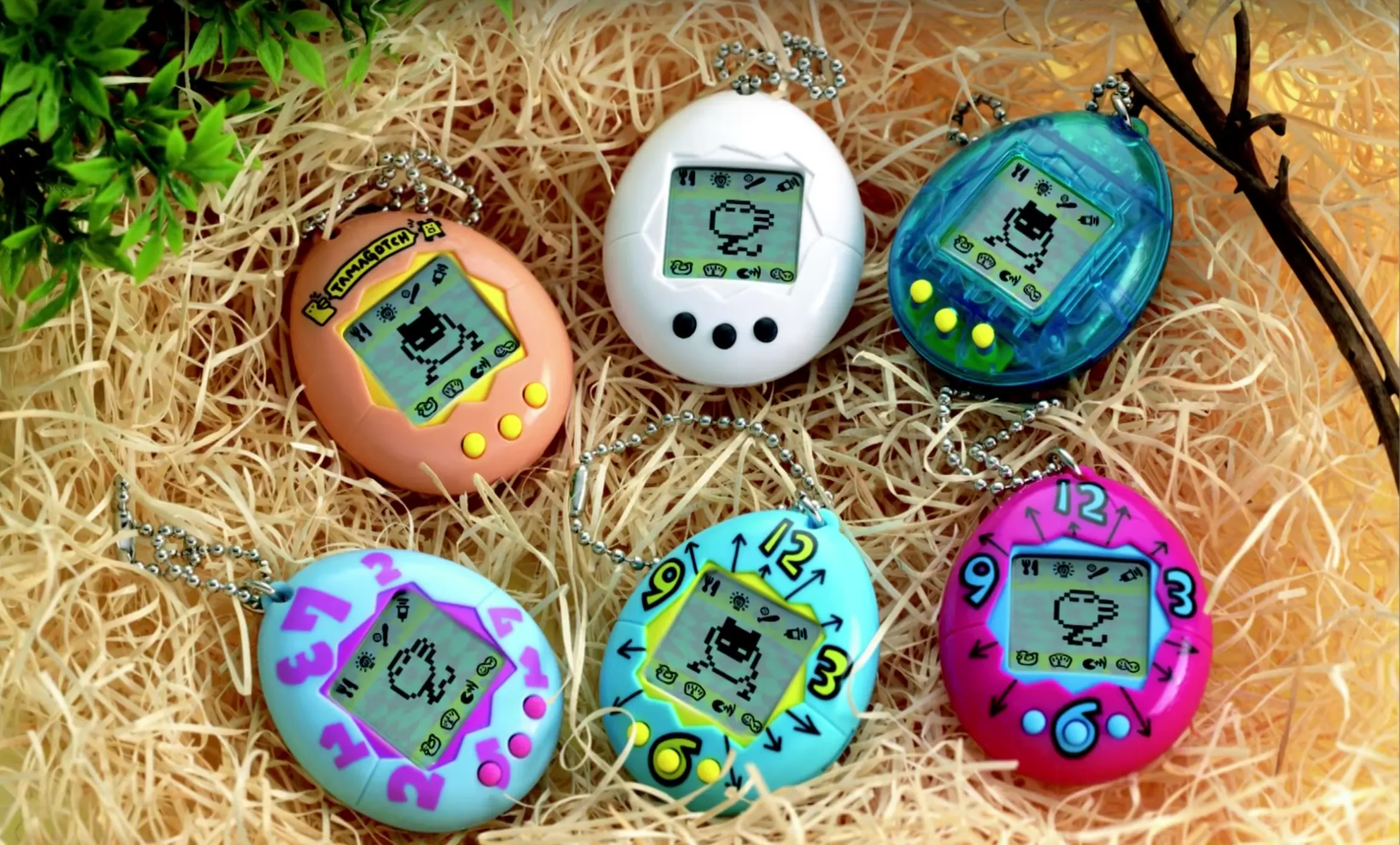
    A unique factory-themed concept store named “Tamagotchi Factory!” is preparing to open its doors in the Harajuku district of Tokyo. This venture is Bandai’s first permanent retail space since the shuttering of Tama Depa in 2017 and it comes in response to a resurgence in the brand’s popularity worldwide.

    The Tamagotchi Factory! will be located on the third floor of the Harakado building in the Jingumae area of Shibuya. This store will offer patrons an opportunity to blend retail shopping with an interactive experience, centered around the theme of a fun, functioning factory.

    Visitors to the store will have the opportunity to customize their virtual pets to their liking. The store’s interior decor, as well as the staff uniforms, have been designed to reflect the whimsical factory theme, effectively immersing patrons into the lively factory environment.

    Of the store’s many attractions, one standout feature is the “Minitama Fill-Up!” station. Here, customers will be able to fill up Tamagotchi-shaped bottles with miniature figures and themed items. The selection will include a variety of items such as sweets, rice balls, and even the brand’s signature “poop” icons.

    The virtual pet franchise, which made its debut in the 1990s, has sold over 100 million units globally. It continues to expand and evolve, capturing the hearts and minds of both nostalgic collectors and a new generation of Tamagotchi fans.

    Questions & Answers

    What is Tamagotchi Factory!?
    Tamagotchi Factory! is a factory-themed concept store owned by Bandai, located in the Harajuku district of Tokyo. This store encompasses a unique combination of retail shopping and interactive elements, providing a fun and immersive experience for visitors.

    What can visitors expect at the Tamagotchi Factory!?
    Visitors to the Tamagotchi Factory! can customize their virtual pets, fill Tamagotchi-shaped bottles at the “Minitama Fill-Up!” station with a variety of miniature figures and themed items. The store’s interior decor and staff uniforms are designed to reflect a whimsical factory theme.

    What is the history of the Tamagotchi brand?
    Tamagotchi is a virtual pet franchise that debuted in the 1990s and has since sold over 100 million units worldwide. The brand continues to expand, appealing to both nostalgic collectors and a new generation of fans.

  • Budget bakery boom as Koreans turn to convenience store bread

    Budget bakery boom as Koreans turn to convenience store bread

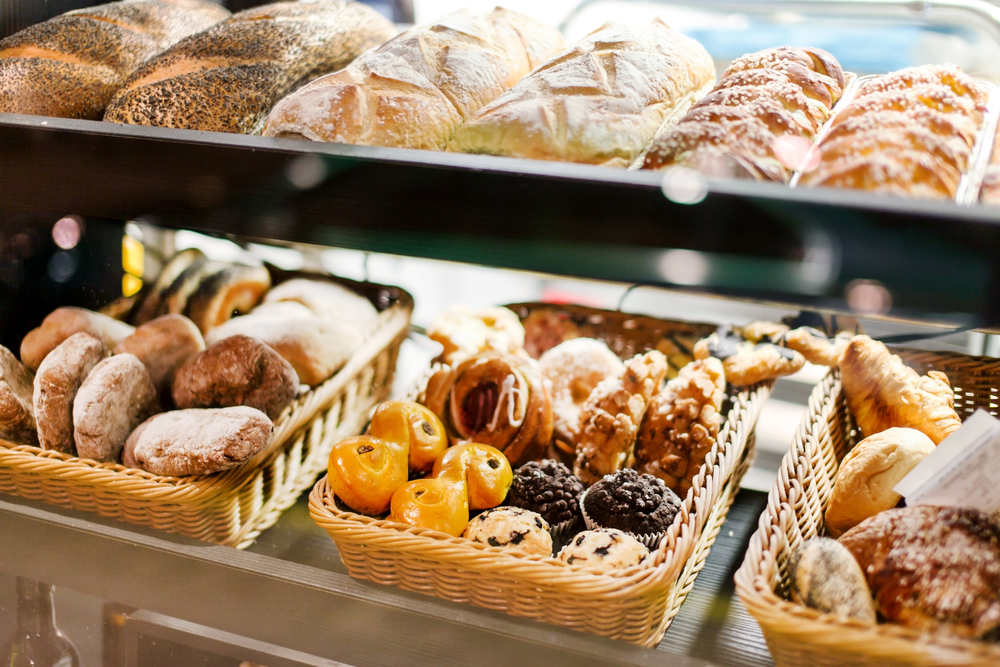
    In response to escalating prices in bakery franchises, that can exceed 10,000 won for just a few items, South Korean consumers are progressively seeking out more affordable private label (PB) bread. These are readily available in convenience stores and large retailers. As a consequence, the rise in sales of PB bread has prompted industry insiders to refer to the phenomenon as a ‘budget bakery boom’.

    The Surge of Private Label Bread

    Major convenience store chains report that PB bread now constitutes over 20 percent of all bakery sales. The market share of CU’s PB products has more than doubled from 9.4 percent in 2023 to 21 percent between January and September 2025. Similarly, GS25 experienced a rise from 21.1 percent to 24.9 percent, and 7-Eleven increased its PB ratio from 15 to 20 percent within the same timeframe.

    Due to this growing trend, retailers have been quick to introduce new in-house bakery brands. CU’s ‘Bakehouse 405’ launched in August 2023 and currently offers around 30 products. GS25 operates two PB lines, ‘Breadyque’ and ‘Seongsu’, which were launched in 2021 and 2024 respectively. These lines have sold 70 million and 3 million units to date. The ‘Seven Select’ range offered by 7-Eleven features approximately 40 varieties, and Emart24’s ‘Bakery of the Day’ (BOTD) was introduced in June with an initial selection of seven products.

    Price Versus Quality

    The primary attraction for consumers is the price tag. Items from CU’s Bakehouse 405, such as a sweet pastry, are priced at just 1600 won. Similarly, GS25’s bun is priced at 2100 won, and 7-Eleven’s honey hotteok is a mere 1500 won. Even on the higher end of the price scale, Emart24’s apple pie retails for 2400 won, which is less than a third of the price of similar pastries in high-end bakeries.

    In addition to the cost savings, the stores have also expanded their product ranges. Their selections now include a wide variety of items such as bagels, cream buns, baguettes, roll cakes, and even pizza rolls. Retailers stress that PB bread is not only affordable, but also of high quality. This is attributed to their partnerships with small manufacturers, which help to cut out middleman costs and marketing expenses.

    Supermarkets Join the Trend

    Large supermarkets are also following the trend. Homeplus runs ‘Mont Blagé’ bakery corners in over 120 stores nationally, offering traditional red bean, custard, and soboro buns for around 2000 won each. Lotte Mart’s ‘Poongmiso’, which was launched in 2022, is also growing its reach. Meanwhile, Emart has been selling imported ready-made cakes and dough under its ‘No Brand’ and ‘Peacock’ ranges since 2024, highlighting the advantages of affordability and convenience.

    Industry pundits believe that the popularity of PB bread highlights a shift in consumer thinking, driven by continuous inflation. Consumers are prioritising practicality and taste over brand prestige.

    Questions & Answers

    What is causing the ‘budget bakery boom’ in South Korea?
    The ‘budget bakery boom’ is due to rising prices in bakery franchises, prompting South Korean consumers to seek out more affordable private label bread from convenience stores and large retailers.

    How is the industry responding to the increased demand for private label bread?
    The industry is responding by introducing new in-house bakery brands. These brands offer a wide variety of products at a fraction of the cost of high-end bakeries.

    What are the advantages of buying private label bread?
    The main advantages of buying private label bread are affordability and quality. These breads are more inexpensive due to partnerships with small manufacturers that reduce costs. The quality of the bread also remains high, providing consumers with a cost-effective alternative to higher-priced branded products.

  • BHV Employees Protest Over Controversial Partnership With Fast-fashion Giant Shein

    BHV Employees Protest Over Controversial Partnership With Fast-fashion Giant Shein

    Employees at the BHV department store in Paris staged a demonstration on Friday to voice their disapproval of the recent decision by the store’s management to collaborate with fast-fashion retailer, Shein. The protest was triggered by the agreement to allocate a permanent spot to Shein on the store’s seventh floor.

    The proprietor of BHV, Société des Grands Magasins (SGM), has been the subject of significant backlash in France in the wake of this partnership’s announcement with Shein. This comes as a reaction to Shein’s business model which involves shipping inexpensive garments directly from Chinese manufacturers to customers in over 160 countries worldwide.

    On the day of the protest, dozens of employees congregated outside the department store at 3:30 pm local time, brandishing labour union flags. Union representatives and local government officials addressed the crowd with speeches.

    Concerns about Job Security and Business Practices

    BHV has encountered fiscal challenges for some time now, leading to delayed payments to brands and subsequent product shortages. These issues have impacted sales and stirred anxiety among employees about job security, as expressed in a statement by the union.

    The employee union also expressed concern about the withdrawal of several French brands from BHV following the announcement of the collaboration with Shein. Florine Biais, a BHV employee and union representative, explained that customers have started turning away due to unavailability of desired products and concern over Shein’s introduction.

    SGM, when questioned about the payment delays, attributed the issue to the transition to new payment systems following its acquisition of BHV in November 2023. They assured that the problem is temporary and would be resolved in a few weeks.

    SGM’s Perspective and Shein’s Ambitions

    SGM has been optimistic about the partnership with Shein, anticipating it to draw in a younger demographic and contribute to BHV’s modernization efforts. They expressed their conviction that the partnership would be beneficial for both the company and its employees.

    Shein’s spokesperson, Quentin Ruffat, echoed these sentiments, arguing that the proposed store would enhance BHV’s footfall and in turn, benefit other retailers.

    Shein, a Chinese company established in 2012, has seen exponential growth, becoming the world’s largest fast-fashion retailer. However, it has also received criticism for its factory working conditions, high carbon emissions, and lack of transparency regarding its management and finances.

    Following fines totalling 191 million euros from French and Italian regulators since July, Shein is now focused on strengthening its internal controls to adhere to regulations more strictly and enhance its consumer reputation.

    Questions & Answers

    Why are BHV employees protesting against the Shein collaboration?
    The employees, backed by their union, are concerned about job security due to poor sales and late payments to brands. They also fear the exit of French brands following the Shein collaboration.

    What is SGM’s response to the protest?
    SGM acknowledged the payment delay issues but attributed them to the transition to a new payment system. They assured that the problem is temporary and that the collaboration with Shein would be advantageous for the company and employees.

    What are some criticisms Shein has faced?
    Shein has been criticized for poor working conditions in its factories, high carbon emissions, and a lack of transparency about its management and finances.

  • Nike Franchise Collapse Sparks Debate: Is The Retail Franchise Model Nearing Its Limits?

    Nike Franchise Collapse Sparks Debate: Is The Retail Franchise Model Nearing Its Limits?

    The franchise model has long been an effective method for expanding retail reach. However, the downfall of AF-1, an Australian franchisee that managed seven Nike stores in Sydney, has sparked questions about whether this model is reaching its limits.

    Challenges Facing Franchisees

    Operating costs are increasingly high, consumer demand is unpredictable, and the space for mistakes is shrinking. As global brands evolve at a rapid pace towards direct-to-consumer, data-informed decision-making, and experience-focused retail, franchisees that adhere to older structures and slower cycles are under strain.

    The closure of AF-1 led to more than 110 job losses, immediate store closures across Sydney, and the nullification of all existing store credits and gift certificates. This liquidation took place amidst difficult conditions for Australian retailers and marked the termination of almost twenty years of AF-1’s operations of Nike franchises in Sydney.

    Transformation of the Retail Landscape by 2025

    By 2025, the retail landscape is predicted to have undergone a significant shift, influenced by retailers’ digital integration, changing consumer expectations, and the move towards brand centralisation.

    This shift is indicative of a larger trend towards a centralised brand strategy. Here, the importance of consistency, data ownership, and customer experience surpass the benefits of decentralised franchising. Today’s consumers expect smooth, omni-channel experiences, and maintaining consistent brand standards across multiple franchises can pose a challenge.

    Although the franchise model remains feasible, it is less dominant than before, particularly for brands with the capability and resources to manage their own stores.

    The Potential Advantages of Nike Controlling Its Operations

    If Nike were to take full control of its retail stores, it could unlock significant benefits. This would mean prioritising brand control, customer experience, and data integration over rapid growth through franchising.

    A centralised brand control would enable Nike to offer a consistently premium worldwide experience, from cutting-edge store design to unified customer engagement and merchandising.

    Full ownership of data would give Nike the ability to apply insights from every customer interaction to strategic decisions, enabling a tailored customer experience. The brand would also gain operational agility, quickly introducing new technologies, sustainable practices, or innovative merchandising without dealing with delays from franchise partners.

    Direct ownership would also eliminate the need for profit-sharing with franchisees, allowing Nike to maintain higher margins and control pricing and promotions for maximum value.

    Enhancing the Nike Experience

    For consumers, store ownership by Nike would mean an improved and seamless journey, regardless of whether they are shopping online, in-store, or through the Nike app.

    Store teams directly trained by Nike would provide consistent expertise and premium service. Owned stores could offer exclusive access to unique product releases, customisation experiences, community events, and tech integrations specific to Nike’s brand ethos. The customer would also benefit from increased trust and transparency, with authenticity, ethical standards, and sustainability consistently maintained throughout the shopping experience.

    Questions & Answers

    What are the challenges facing franchisees in the retail industry?
    High operational costs, unpredictable consumer demand, and shrinking margins for error due to rapid changes in retail trends are some of the key challenges faced by franchisees.

    What are the potential benefits if Nike were to fully control its operations?
    Nike could unlock significant advantages such as prioritising brand control, customer experience, and data integration, maintaining higher margins, and controlling pricing and promotions for maximum value.

    What would store ownership by Nike mean for consumers?
    A seamless shopping journey across various platforms, consistent expertise and premium service, increased trust and transparency, and exclusive access to unique product releases and experiences would be the benefits for consumers.

  • Shein’s Landmark French Expansion: A Shift In Strategy Or Threat To Local Retailers?

    Shein’s Landmark French Expansion: A Shift In Strategy Or Threat To Local Retailers?

    Online rapid-fashion retailer Shein is set to establish its first ever permanent brick-and-mortar stores in France this November. This significant move has been facilitated through a partnership with department store owner, Société des Grands Magasins (SGM), and has been met with criticism from French retailers.

    Shein’s New Brick-and-Mortar Ventures

    The new Shein outlets will be “shop-in-shops” located in the BHV department store in central Paris and in Galeries Lafayette department stores across five provincial cities. This represents a fresh direction for the retailer, which has so far only ever held transient pop-up stores worldwide, primarily for marketing purposes.

    SGM’s president, Frédéric Merlin, expressed that the introduction of Shein’s outlets would invite a younger demographic to their department stores. He went on to suggest that the same customer may well indulge in a Shein product and a designer handbag during the same shopping trip.

    Controversy Surrounding Shein’s Expansion

    Despite the optimism surrounding this new venture, Shein, known for their highly affordable apparel – including 12-euro dresses and 20-euro jeans – is facing resistance from rival retailers, politicians, and regulators in France. French lawmakers have supported a draft law that proposes regulations on fast fashion. If enacted, this law would prohibit Shein from promoting their products through advertising.

    Yann Rivoallan, head of the fashion retail association Fédération Francaise du Pret-a-Porter, responded to the news with disapproval. In his statement, he expressed his concern about the impact of Shein’s massive influx of disposable products on the French market, after already causing the decline of several local brands.

    French retailers were already experiencing tough competition from global brands like Zara and H&M when Shein made its entry, attracting customers with its continuous discounts and engaging app. This year, a number of French rapid-fashion retailers, including Jennyfer and NafNaf, have had to initiate insolvency proceedings.

    The inaugural Shein store, located on the sixth floor of the BHV, is expected to open in early November. Additional openings in Galeries Lafayette department stores in Dijon, Grenoble, Reims, Limoges, and Angers are planned for the near future.

    Questions & Answers

    What is the significance of Shein’s new stores in France?
    The establishment of permanent physical outlets marks a major change in Shein’s retail strategy, as they have traditionally relied on temporary pop-up stores and online sales.

    Why is Shein’s expansion in France causing controversy?
    The rapid-fashion retailer’s expansion has been met with resistance due to concerns about their impact on local brands, and because they are under scrutiny from lawmakers proposing regulations on fast fashion advertising.

    When and where will the first permanent Shein store open?
    The first store is set to open in early November on the sixth floor of the BHV department store in central Paris. More stores are planned for Galeries Lafayette department stores in various French cities.

  • Monclos Unveils Flagship Store In Seoul: A Sensory Experience In Farm-to-beauty Retail Innovation

    Monclos Unveils Flagship Store In Seoul: A Sensory Experience In Farm-to-beauty Retail Innovation

    Monclos, a renowned South Korean beauty brand, recently announced the unveiling of its premiere flagship store, located in the bustling neighborhood of Hannam-dong in Seoul.

    Store Design and Layout

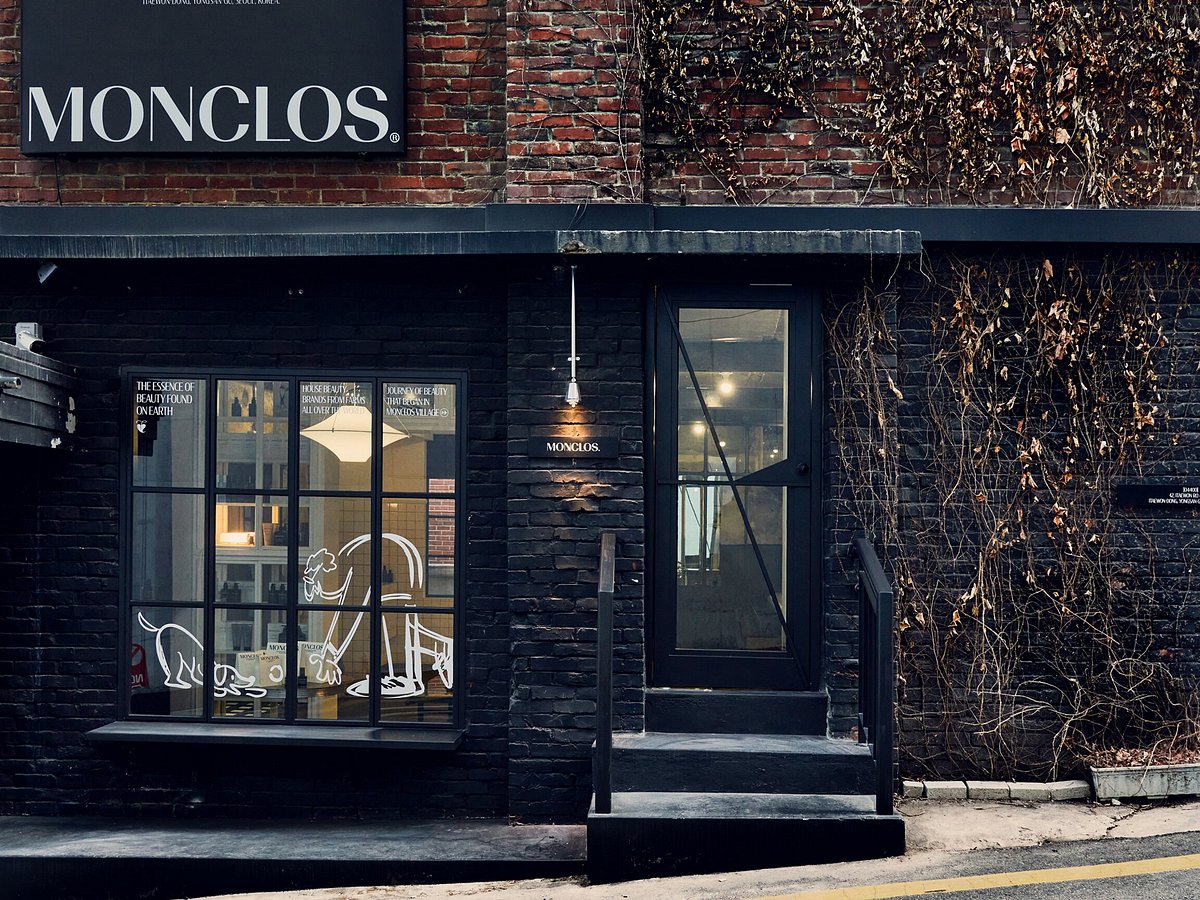
    The store’s design is a reflection of Monclos’ unique farm-to-beauty ethos, with its exterior adorned with a lush curtain of vines, an industrial-style framework, and domestic-style tiles. The interior of the store is partitioned into three distinct areas: a product testing zone dedicated to hair and body care items, a home fragrance section, and a gift area.

    Monclos places a strong emphasis on sensory engagement, creating an inviting environment where products are artfully displayed to mimic common home settings, a departure from the more traditional retail shelving approach.

    Unique Features and In-Store Experience

    The home fragrance zone offers a stunning view of a seasonal mini-garden that transforms throughout the year, adding a dynamic touch of nature to the shopping experience. Additionally, elements of the brand’s farm-inspired characters are subtly integrated into the store’s design.

    The store also offers customers the chance to put a personalized touch on their shopping experience, with the ability to create their own customized hand creams while in-store.

    A Living, Evolving Space

    Monclos describes its Hannam flagship store as a vibrant, living entity that evolves and matures with its visitors. The company emphasizes that the products on offer are not merely for purchase but are designed to infuse everyday life with a refreshing touch and awaken the senses in new and exciting ways.

    Questions & Answers

    What are the unique features of Monclos’ flagship store?
    Monclos’ flagship store features a design inspired by their farm-to-beauty ethos, with areas dedicated to product testing, home fragrances, and gifts. The store is also home to a seasonal mini-garden and offers customers the opportunity to create personalized hand creams.

    How does Monclos’ new flagship store differ from traditional retail spaces?
    Monclos’ new flagship store veers away from conventional retail layouts, instead featuring product displays that mimic everyday home settings. This creates an engaging, sensory shopping experience that offers a refreshing departure from more traditional retail environments.

    What is the vision behind Monclos’ Hannam flagship store?
    Monclos views its new flagship store as a dynamic and evolving space that grows and matures with its visitors. Products are presented not just as items for purchase, but as elements designed to rejuvenate daily life and awaken the senses.

  • H&M Eyes Expansion In Ho Chi Minh City Amid Southeast Asia Growth Strategy

    H&M Eyes Expansion In Ho Chi Minh City Amid Southeast Asia Growth Strategy

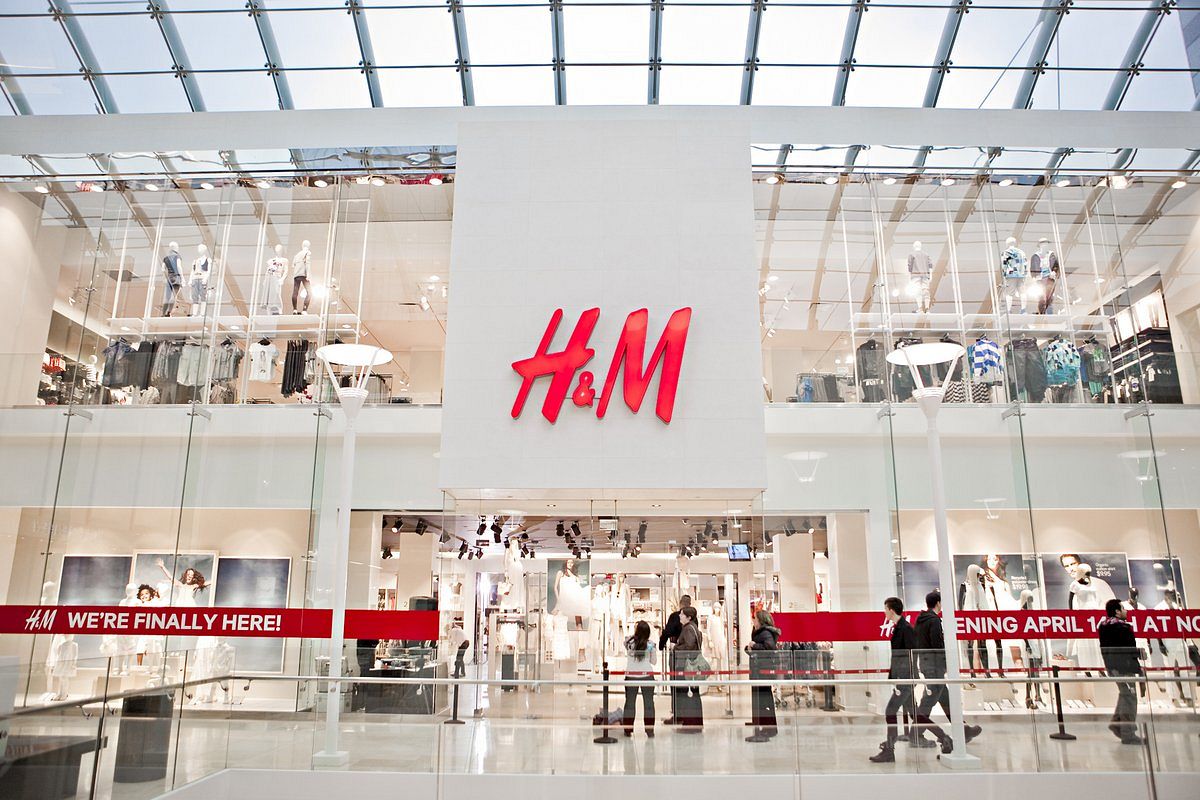
    The Swedish fast-fashion behemoth, H&M, is set to broaden its reach in Ho Chi Minh City, a bustling retail hotspot in Vietnam, as a crucial part of its larger growth strategy for Southeast Asia.

    Expansion Plans for H&M in Vietnam

    According to local sources, H&M Vietnam is actively scouting for opportunities to inaugurate new stores in the city’s prime commercial hubs. As it stands, the brand runs 14 stores throughout the country, with plans to increase this to 20 in the upcoming years. A significant emphasis is being placed on the city center of Ho Chi Minh City for these new store openings.

    In order to ensure a smooth expansion, H&M is diligently navigating local lease processes and adhering to regulatory requirements.

    H&M’s Growth in Vietnam and Beyond

    H&M ventured into the Vietnamese market in 2017. Despite this, its store count remains small when stacked against other markets in the region, such as Malaysia, Thailand, and the Philippines.

    However, it’s worth noting that the brand is experiencing a global resurgence, with its operating profit witnessing a 40 percent surge to US$523 million in this year’s third quarter. Additionally, their operating margin has also seen a rise, going up from 5.9 to 8.6 percent.

    Questions & Answers

    When did H&M first enter the Vietnamese market?
    H&M first entered the Vietnamese market in 2017.

    How many stores does H&M currently operate in Vietnam?
    At present, H&M operates 14 stores across Vietnam.

    What are H&M’s expansion plans in Vietnam?
    H&M plans to grow its presence in Vietnam by increasing its store count from 14 to 20 in the coming years, with a particular focus on central Ho Chi Minh City.

  • Uniqlo To Open Largest Flagship Store In Shanghai: A Fusion Of Fashion, Sustainability, And Technology

    Uniqlo To Open Largest Flagship Store In Shanghai: A Fusion Of Fashion, Sustainability, And Technology

    Once again, China’s industrial landscape is buzzing with activity as renowned fast-fashion brand Uniqlo makes its latest move to capture the hearts of local consumers. The company has announced plans to open its largest flagship store in Shanghai this Friday, covering an impressive 4,000 square meters in the bustling heart of Huaihai Road, a district synonymous with style and culture. This flagship store is set to become a mecca for fans of the brand, equipped with an extensive range of offerings that reflect the latest in apparel trends while keeping Uniqlo’s signature simplicity and comfort in mind.

    New Heights in Urban Retail

    Uniqlo is not merely expanding its footprint; it is embracing a new era of urban retail. This forthcoming flagship store promises a shopping experience tailored to both local tastes and global trends. “Shanghai exemplifies the forward-thinking spirit of urban life,” said a Uniqlo spokesperson, adding a poetic twist to the brand’s commitment to innovation. With the new store, Uniqlo aims to provide both aesthetics and functionality that resonate with the fast-paced lifestyle of city dwellers.

    Focus on Sustainability and Local Culture

    True to its mission, Uniqlo is putting sustainability at the forefront of its operations. Many of the items in the new flagship will feature eco-friendly materials, reinforcing the brand’s dedication to reducing its environmental impact. In addition, the store will showcase local artists through engaging displays, blending fashion with cultural creativity. Customers can expect to encounter a vibrant mural that reflects the city’s spirit and diversity, an artful touch that adds flair to the shopping environment.

    A Store Like No Other

    What’s particularly striking about this store, however, is its integration of technology. With interactive kiosks and augmented reality elements enhancing the shopping experience, customers are invited to engage with products in new, imaginative ways. It almost feels as if the store could come alive and recommend outfits based on your mood, adding an element of whimsy to the retail journey.

    As Uniqlo gears up for this grand opening, it’s clear that the brand is not just setting up a new retail outlet but is making a bold statement about the future of shopping in a rapidly evolving market. The store not only serves as a retail location but as a cultural hub, bringing together fashion, technology, and sustainability under one roof.

    Questions & Answers

    What is unique about Uniqlo’s new flagship store in Shanghai?
    The flagship store stands out with its massive 4,000 square meters of space, interactive technology, and a focus on sustainability, offering customers a distinctive shopping experience that integrates fashion with local culture.

    How does Uniqlo plan to incorporate local culture into its flagship store?
    Uniqlo is incorporating local culture by featuring displays from local artists and a vibrant mural that reflects the city’s spirit, blending fashion with the rich cultural tapestry of Shanghai.

    What are some of the eco-friendly initiatives within the new store?
    The flagship will showcase items made from sustainable materials, aligning with Uniqlo’s commitment to reducing its environmental impact and promoting responsible consumption.

  • Apple Unveils Spectacular Redesign Of Ginza Store, Showcasing Commitment To Japanese Market

    Apple Unveils Spectacular Redesign Of Ginza Store, Showcasing Commitment To Japanese Market

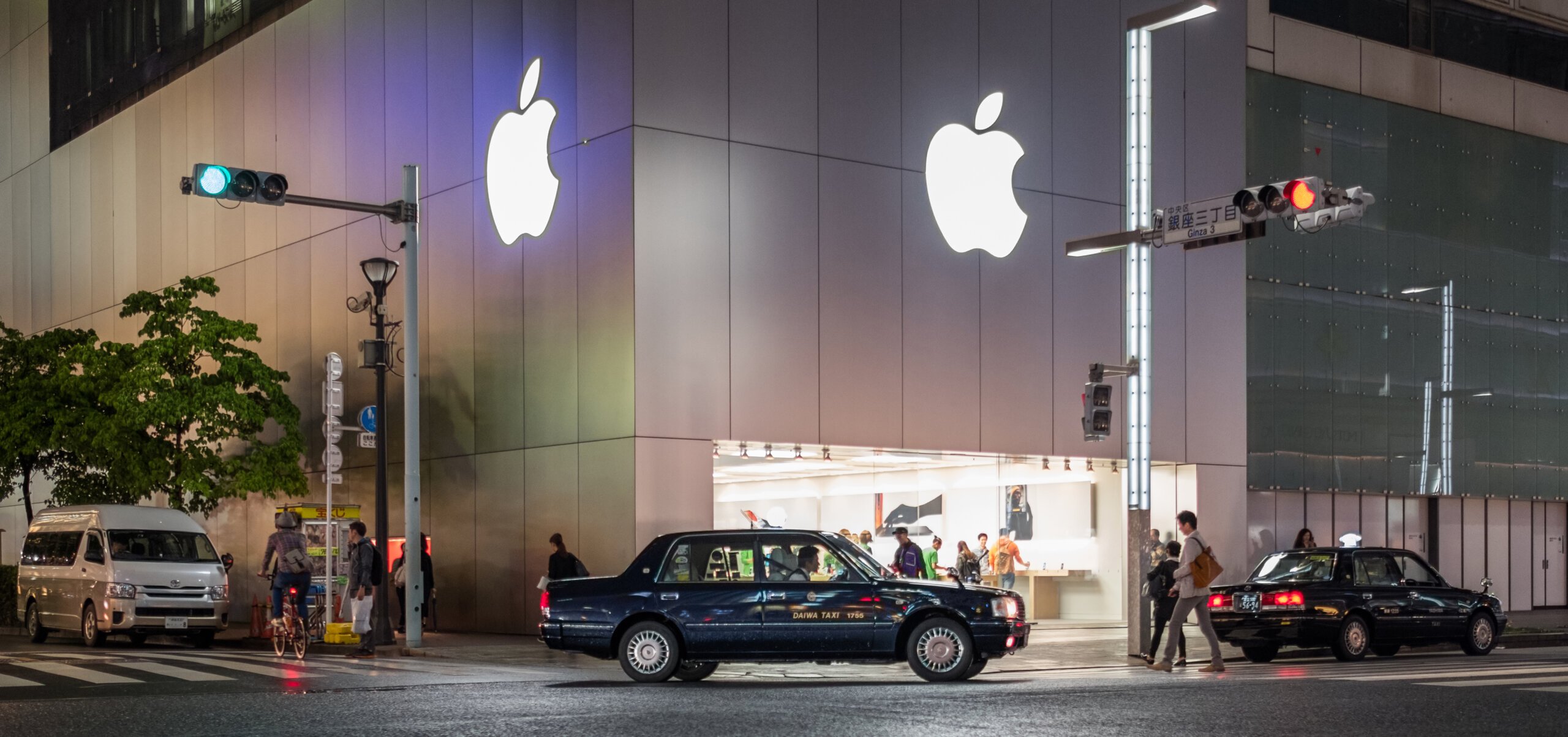
    Apple has unveiled a comprehensive redesign of its Ginza store, a stunning transformation two decades after first establishing its retail footprint in Japan.

    New Design Features

    The four-level retail property exhibits a contemporary layout, seamlessly integrating regionally procured materials into its structure. The use of warm wooden interiors adds an inviting ambiance to the space, while a double-layer glass exterior features adjustable louvres to control light and temperature. The store’s open design allows for abundant natural light to filter through the entire building, with balcony-like spaces adding to its spacious feel.

    Product Availability

    The redesigned store offers customers access to Apple’s complete product portfolio. This includes the latest iPhone 17 series, iPhone Air, Apple Watch Series 11, and AirPods Pro 3. A range of accessories like the iPhone Air Case with MagSafe and the newly released Crossbody Strap are also available for purchase.

    CEO’s Thoughts on Reopening

    Tim Cook, Apple’s CEO, shared his thoughts on the store’s reopening, hailing it as a beacon of the company’s enduring relationship with its Japanese clientele. He expressed his excitement to unveil the strikingly redesigned space and showcase Apple’s latest product offerings. Cook highlighted the significance of this move as a continuation of the remarkable shared history between Apple and its customers.

    Questions & Answers

    What is the significance of the Ginza store reopening?
    The reopening symbolizes the enduring bond between Apple and its Japanese customers and marks a new chapter in their shared history. It also showcases Apple’s commitment to providing an enhanced retail experience.

    What are the features of the redesigned store?
    The store boasts a modern layout, combining regionally sourced materials and warm wood interiors. A double-skin glass facade with adjustable louvres controls light and temperature, while balcony-like spaces and an open design promote natural light flow throughout the building.

    What products are available at the redesigned store?
    The store offers the complete range of Apple products, including the iPhone 17 series, iPhone Air, Apple Watch Series 11, and AirPods Pro 3. Additionally, accessories such as the iPhone Air Case with MagSafe and the new Crossbody Strap are available.

  • Naraya Opens Flagship Store In Bangkok’s Chinatown, Showcasing Exclusive Collections And Extended Hours

    Naraya Opens Flagship Store In Bangkok’s Chinatown, Showcasing Exclusive Collections And Extended Hours

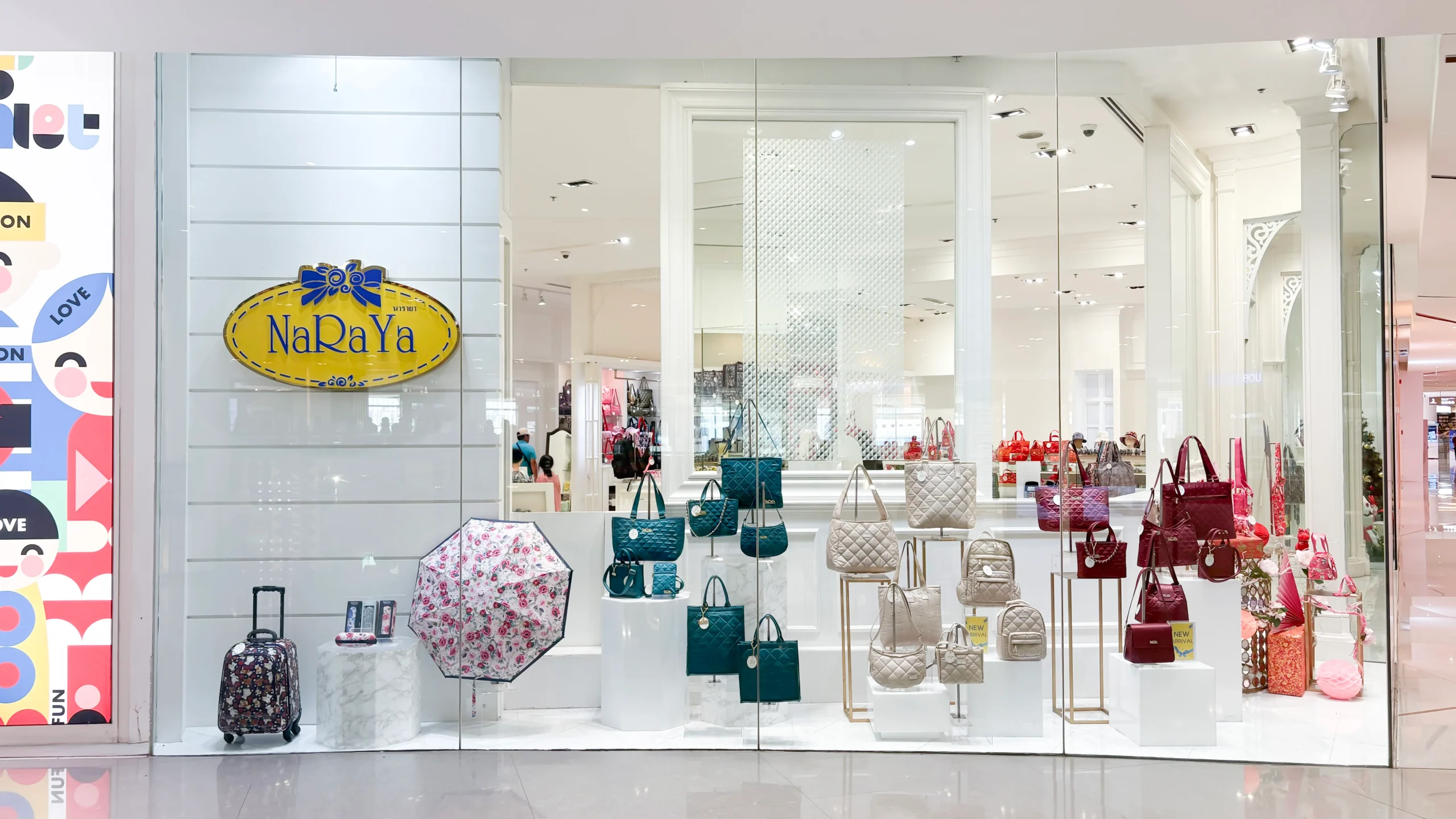
    Naraya, a renowned brand specializing in fabric bags, has established a new flagship store in the heart of Bangkok’s Chinatown, specifically at the busy crossroads of Yaowarat Road and Phadung Dao Road.

    Store Highlights

    The store boasts an extensive collection, with over 2000 specially selected items sourced from the brand’s vast inventory of more than 30,000 SKUs. This new flagship store sets itself apart from the rest with its unique extended hours, from 9 am to midnight. This change is designed to accommodate evening shoppers and international tourists, who often explore the Chinatown district after sunset.

    Exclusive Collections

    In addition to a wide array of offerings, the flagship store showcases exclusive collections, including the Chinese New Year Collection, the Silk line, and the vibrant Vivid Collection.

    Naraya’s Expansion

    Currently, Naraya maintains a strong presence in Thailand with a total of 19 operating stores, which include 18 primary branches and one boutique dedicated to silk products. After experiencing a significant surge in sales last year, the company is poised to continue its expansion plan. It aims to inaugurate five additional stores this year, strategically located across Bangkok and other significant provincial cities.

    Questions & Answers

    What distinguishes the new Naraya store in Chinatown from other branches?
    The Chinatown store offers extended operating hours from 9 am to midnight, specifically catering to evening shoppers and international tourists.

    What are some exclusive collections available at the Naraya flagship store?
    The flagship store features an exclusive Chinese New Year Collection, a Silk line, and the Vivid Collection.

    What are Naraya’s expansion plans for this year?
    Naraya plans to extend its reach by opening five more stores this year across Bangkok and significant provincial cities.

  • Inditex’s Oysho Debuts In Philippines With Innovative Retail Concept At Mall Of Asia

    Inditex’s Oysho Debuts In Philippines With Innovative Retail Concept At Mall Of Asia

    Oysho, an activewear brand under the umbrella of Inditex, the same company that owns Zara, has recently made its grand entrance into the Philippine market with a store opening at the Mall of Asia in Manila.

    A Fresh Concept for Retail Space

    The newly launched 659 square meter, single-level Oysho store is innovatively partitioned into several distinct areas, each offering a unique shopping experience. To begin with, customers are greeted by the Welcome Zone, featuring a ceramic block wall which proudly displays the Athleisure range.

    Following this, there’s the Club Zone, characterized by its oak wood finishes, and the Basics Zone featuring zipper rails for product display. To ensure privacy and comfort during the product trial phase, oak-paneled fitting rooms have also been incorporated into the design.

    The store’s Wow Zone, positioned strategically at the entrance, showcases seasonal collections bolstered by immersive, branded light imagery to captivate and draw in shoppers.

    Consistent Aesthetics and Expanded Presence

    The store’s external facade is adorned with natural stone, giving it a rustic and earthy appeal. Inside, a continuous linear lighting system illuminates the space, delivering a uniform aesthetic throughout the store.

    Oysho’s brand introduction to the Philippines is part of Inditex’s ongoing retail strategy. The company operates eight retail concepts, including Zara, Pull&Bear, and Massimo Dutti. The expansion into the Philippines strengthens Oysho’s presence in Asia, adding to their existing markets in countries such as China and South Korea.

    Questions & Answers

    What makes Oysho’s new store in the Philippines unique?
    The store is uniquely designed with distinct zones, each offering a different shopping experience. It also features branded light imagery and a continuous linear lighting system for a consistent look throughout the space.

    Who owns Oysho?
    Oysho is owned by Inditex, the same company that owns Zara, Pull&Bear, and Massimo Dutti.

    What is the significance of Oysho’s expansion into the Philippines?
    The expansion into the Philippines strengthens Oysho’s presence in Asia, adding to their existing markets in countries such as China and South Korea. It’s an indication of the brand’s growth and success in the Asian market.

  • Google Play Store’s Major Overhaul: New Personalized Hub With Game-changing Features For Gamers

    Google Play Store’s Major Overhaul: New Personalized Hub With Game-changing Features For Gamers

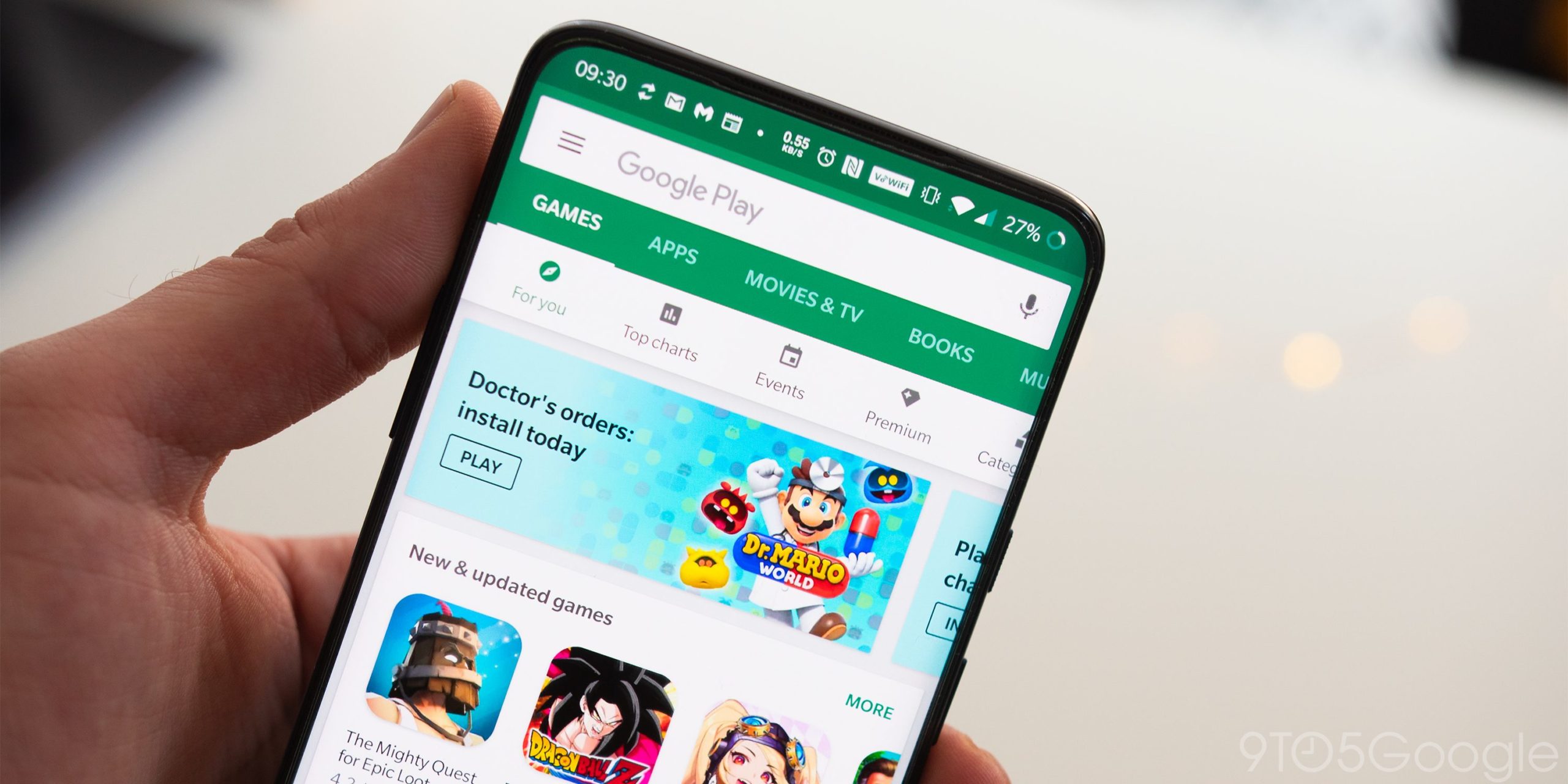
    Google Play Store is undergoing a significant update that will reimagine the platform not just as a place for app downloads, but as a personalized hub for all your content. The update will feature a new “You” tab and a “Sidekick” for gamers.

    What’s New?

    The revamp of Google Play Store features several key updates focusing on personalization and gaming. The update aims to present content without users having to seek it out.

    The primary “Apps” tab is becoming more intelligent. It will feature new sections curated for seasonal topics, visually spotlighting events such as the WNBA playoffs or Halloween, with content aggregated from various apps. The new “Guided Search” will allow users to type in a goal like “find a home,” and AI will categorize relevant apps into useful groups.

    Game-Changing Features for Gamers

    The most substantial transformations are intended for gamers. Google is creating a unified gaming platform embedded within the Play Store. The gaming platform will feature a new gamer profile that tracks stats and achievements across all your games, both mobile and PC. Users can customize these profiles with a Gen-created avatar. A new feature called “Play Games Leagues” will allow users to compete against others in games like Subway Surfers for Play Points rewards.

    The most noticeable addition is the “Play Games Sidekick.” This in-game overlay gives users access to Gemini Live using screen sharing. The feature offers verbal tips and walkthroughs without the need to exit the app.

    The “You” Tab

    All these features culminate in a brand new “You” tab. This personalized home base combines your gaming profile, rewards, and subscriptions with custom recommendations for things like audiobooks and podcasts. It allows users to quickly resume previous activities.

    Questions & Answers

    What is the new “You” tab on Google Play Store?
    The “You” tab is a personalized home base that integrates your gaming profile, rewards, and subscriptions with tailored recommendations, allowing users to resume their previous activities quickly.

    What is the “Play Games Sidekick” feature?
    The “Play Games Sidekick” is an in-game overlay that gives users access to Gemini Live using screen sharing. It provides verbal tips and walkthroughs without the need to exit the app.

    What is the purpose of the Google Play Store update?
    The update aims to transform the Google Play Store into a personalized hub for all user content, with a particular focus on enhancing the gaming experience.

  • Carousell Enters Brick-and-mortar Retail With Luxury Handbag Store In Singapore

    Carousell Enters Brick-and-mortar Retail With Luxury Handbag Store In Singapore

    The Singapore-based e-commerce platform, Carousell, is set to launch its first physical store dedicated to second-hand luxury handbags in the city-state.

    Carousell Luxury Store Opening

    Carousell will debut a 1,400 square foot retail space, christened as Carousell Luxury, at The Centrepoint later this week. The move marks the firm’s first foray into brick-and-mortar retailing under its own brand.

    The store will offer an array of handbags and accessories from high-end labels such as Louis Vuitton, Chanel, Gucci, and Yves Saint Laurent.

    Business Model and Pricing Strategy

    Tresor Anne Tan, the director of client relations at Carousell Group, explained that the store will operate using a “net-earnings model”. In this approach, sellers agree in advance on the amount they will receive once an item is sold.

    Despite the overheads associated with running a physical store, the items will still be priced around the usual market rates. However, Carousell will retain a portion, approximately 25-30%, of the consignment price. This fee helps cover costs such as digital marketing, product photography, and other services that the platform provides.

    Questions & Answers

    What is Carousell’s new venture?
    Carousell is opening a physical retail store named Carousell Luxury, which will sell second-hand luxury handbags and accessories.

    What is the business model for Carousell Luxury?
    The store will operate on a “net-earnings model”, where sellers agree upfront on the earnings they will receive once an item is sold.

    How does Carousell cover the additional costs of running a physical store?
    Carousell will take a cut of about 25-30% from the consignment price of each item sold to cover additional costs such as digital marketing and product photography.

  • Cartier Unveils Asia’s Largest Store In Tokyo, Melding Luxury With Traditional Japanese Aesthetics

    Cartier Unveils Asia’s Largest Store In Tokyo, Melding Luxury With Traditional Japanese Aesthetics

    Cartier, the renowned luxury goods purveyor, has recently inaugurated its most expansive retail location in Asia. The store is situated in Tokyo’s posh Ginza district, a hub of high-end shopping and fashion.

    Store Design and Features

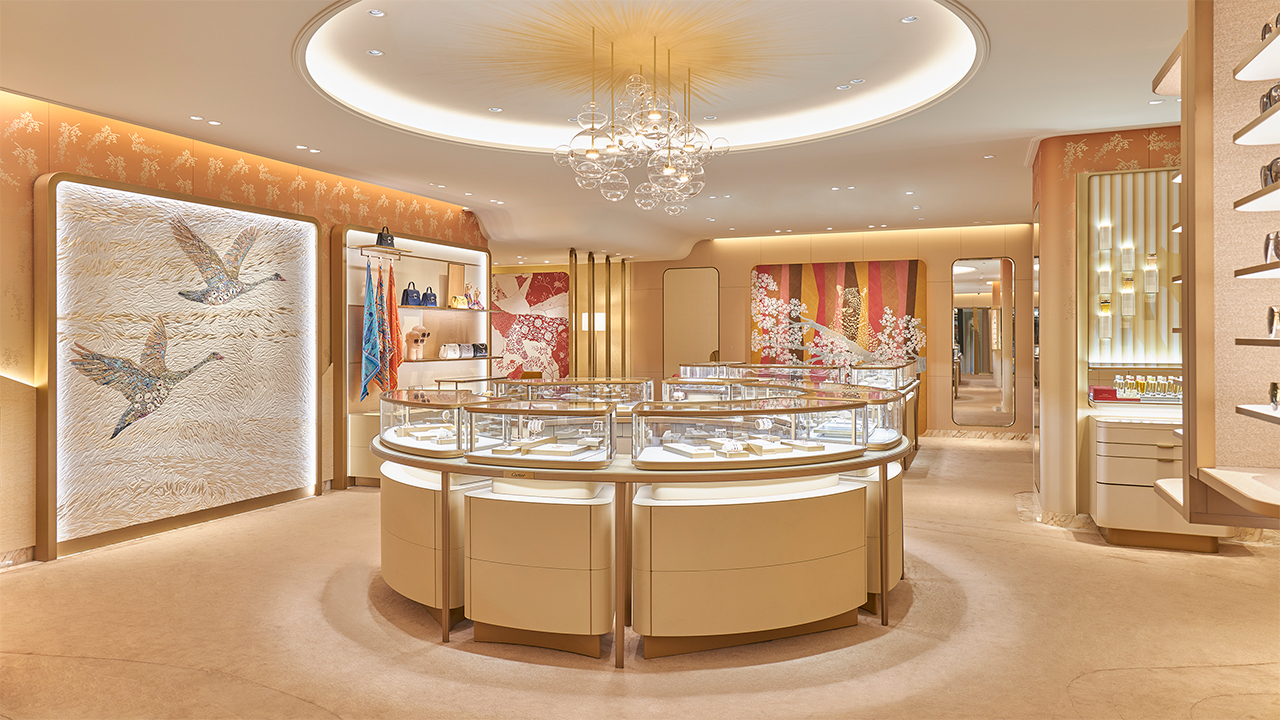
    The flagship store sprawls over four storeys of the Hulic Ginza Sukiyabashi Building. The exterior has been conceptualized and executed by the Tokyo-based Klein Dytham Architecture (KDA). The design places a strong emphasis on the traditional Japanese artistry, drawing inspiration from conventional Japanese textiles, patterns, and art forms, thereby giving a distinct, culturally representative facade to the store. The geometric fan patterns layered on the store’s exterior not only add texture but also pay a subtle homage to the country’s art and craft legacy.

    On the inside, the store follows a minimalist yet elegant aesthetic. It has stone flooring and displays a range of Cartier’s offerings, including jewelry, timepieces, accessories, gifts, and fragrances. The interior design carries the same Japan-inspired theme, featuring various art installations from local artists scattered throughout the space. The most striking feature of the store’s interior is the ceiling. Designed to resemble origami, it covers the entire space, invoking the imagery of a traditional Japanese umbrella.

    The store also houses two additional zones, each dedicated to salon and garden themes. These spaces provide customers with a place to rest and leisurely browse between shopping. The top floor of the store accommodates the ‘Residences’, private spaces intended for exclusive events and special reservations.

    Cartier’s Expansion in Asia

    This move is a testament to Cartier’s ongoing expansion efforts in the Asian market. In August, the luxury retailer opened a duplex boutique in Bangkok. The boutique’s design carefully integrates elements of Thai heritage with Cartier’s signature craftsmanship, reflecting the brand’s commitment to celebrate and incorporate local culture into their store designs.

    Questions & Answers

    What inspired the design of Cartier’s new store in Tokyo?
    The design of the new Cartier store in Tokyo is inspired by traditional Japanese fabrics, artwork, and geometric patterns.

    What does the interior of the store feature?
    The interior of the store features art installations by Japanese artists, stone flooring, and a range of Cartier products like watches, jewelry, and fragrances.

    What are the ‘Residences’ within the store?
    The ‘Residences’ are private spaces located on the top floor of the store that are intended for special event reservations and exclusive use.