Tag: Store

  • Hermes Unveils Expanded Boutique In Seoul: A Fusion Of French Luxury And Korean Tradition

    Hermes Unveils Expanded Boutique In Seoul: A Fusion Of French Luxury And Korean Tradition

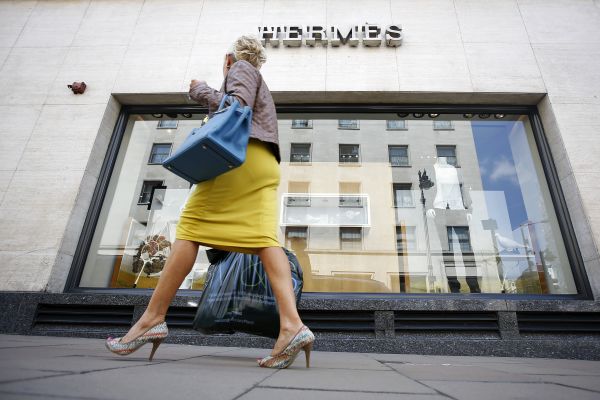
    The renowned brand, Hermes, has recently reopened its enlarged boutique in the high-end shopping zone, Apgujeong Rodeo, within Seoul’s Galleria department store. This area is famously known as a luxury buying hub in the Gangnam district.

    Design and Aesthetics

    The storefront, crafted by the Parisian architecture agency RDAI, is beautifully wrapped in oxidizing metal stripes. This design is an homage to the traditional Korean decorative painting known as Dancheong, creating a perfect blend of modern and traditional. Hermes, the French luxury powerhouse, refers to this as a lively interaction between culture and modernity.

    Upon entering, visitors are greeted with the emblematic ex-libris of the house, embedded into the signature terrazzo Faubourg pattern. The boutique layout accentuates different merchandise categories, with silk items occupying the central space. On the right side, there are men’s shoes and ready-to-wear sections, while home and equestrian collections are located toward the back.

    Showcasing Products

    The goods on display include leather items, jewellery, and watches, which are showcased in dedicated intimate spaces. Women’s ready-to-wear and shoe collections are exhibited against a backdrop of pastel blue terrazzo and silk partitions.

    The interior design incorporates local custom craftsmanship, such as pleated paper lighting created by Jungmo Kwon. This is in addition to pieces from the Emile Hermes collection and contemporary photography.

    The statement from the company further elucidates, “As the store moves to a new location, the two window scenes also lead the viewer on a poetic journey. This narrative transforms the mundane details of daily life into thought-provoking reflections on our collective imagination.”

    The luxury brand extends an invitation to its loyal clientele and prospective customers to explore their timeless creations in a vibrant environment that mirrors the unique culture of Seoul and the impeccable craftsmanship of the house.

    Questions & Answers

    What does the new design of the Hermes store symbolize?

    The new design brings together the elements of traditional Korean decorative painting with modern aesthetics, symbolizing a playful dialogue between heritage and modernity.

    What kind of products are highlighted in the store layout?

    The store layout emphasizes different categories including silk at the center, men’s shoes and ready-to-wear to the right, and home and equestrian collections toward the rear. Leather goods, jewellery, watches, and women’s ready-to-wear and shoes are also showcased.

    What local elements are incorporated in the interior design of the store?

    The interior design incorporates local custom craftsmanship, such as pleated paper lighting by Jungmo Kwon, displayed alongside pieces from the Emile Hermes collection and contemporary photography.
  • Calvin Klein Unveils Global Flagship Store In Tokyo: A Fusion Of Minimalism And Japanese Craftsmanship

    Calvin Klein Unveils Global Flagship Store In Tokyo: A Fusion Of Minimalism And Japanese Craftsmanship

    In the bustling Harajuku district of Tokyo, Calvin Klein is set to unveil its latest global flagship store this Friday. This new move is a significant step in the brand’s ongoing global expansion efforts, following the successful establishment of a store in Paris last year.

    Creating a Unique Shopping Experience

    Calvin Klein aims to offer more than just a shopping destination with its latest flagship. Designed to be a fusion of culture and commerce, the new store seeks to elevate the retail experience for customers. David Savman, appointed as Calvin Klein’s global brand president in May, described the Tokyo flagship as a critical achievement in the brand’s worldwide retail strategy.

    A Blend of Minimalism and Tradition

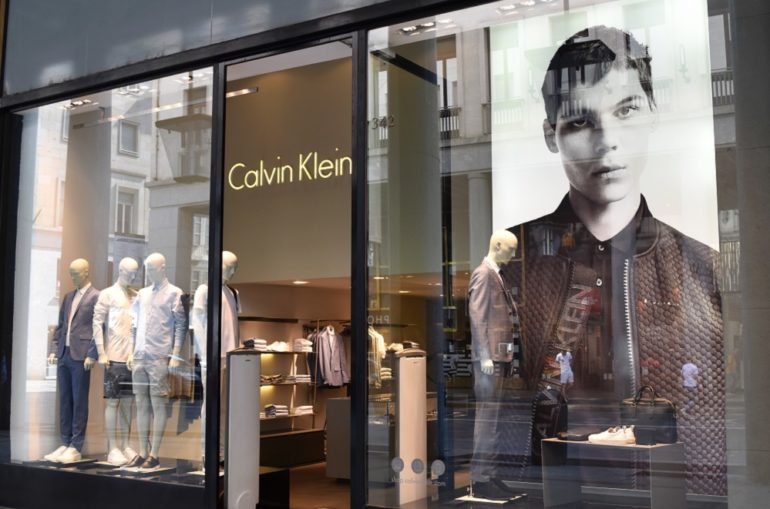
    Spread over three floors, the flagship store is a harmonious blend of Calvin Klein’s signature minimalism and the artistry of traditional Japanese craftsmanship. The store features traditional materials such as stone, plaster, glass, paper, and cedar, all in a natural color scheme. Savman described the store as a place where “the Calvin Klein way of living meets the culture of fashion”.

    At the Intersection of Fashion and Culture

    Calvin Klein has consistently been at the crossroads of fashion and culture, creating products and experiences that inspire and resonate with consumers. According to Savman, the brand’s stores are where this unique aspect of its identity is most fully expressed. The company also hinted at an upcoming New York flagship store, which is scheduled to open later this year.

    Questions & Answers

    Where is Calvin Klein’s newest global flagship store located?
    The newest global flagship store by Calvin Klein is located in the Harajuku district, Tokyo.

    What is unique about the design of the Tokyo flagship store?
    The Tokyo flagship store uniquely blends Calvin Klein’s signature minimalism with the artistry of traditional Japanese craftsmanship.

    What is the next significant opening planned by Calvin Klein?
    Calvin Klein plans to open a flagship store in New York later this year.

  • Bacha Coffee launches first store in Macau

    Bacha Coffee launches first store in Macau

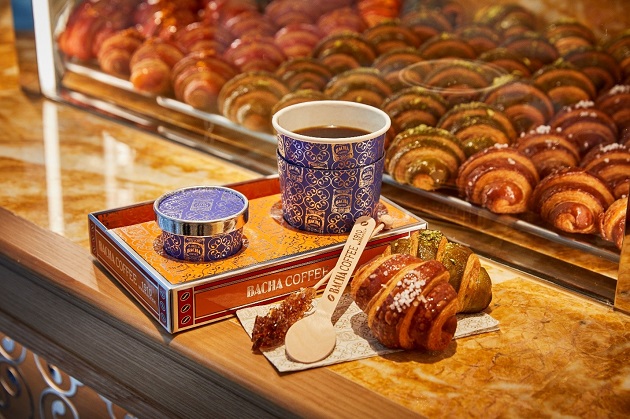
    Bacha Coffee, a premium coffee brand from Morocco, has recently opened a new store in Macau. This follows closely on the heels of their notable full-concept flagship store’s launch in Harbour City, Hong Kong.

    Store Location and Management

    The Macau boutique, positioned on the first level of the Shoppes at Venetian, is under the management of the Hong Kong-based Blue Chip Group. The store, with an impressive area of around 250 square feet, stocks a rich selection of 100% Arabica coffees. These coffees are sourced from over 30 countries globally, emphasizing the brand’s worldwide reach.

    Product Offering

    The boutique carries a diverse range of product offerings to cater to both local customers and international tourists. Apart from Single Origin coffees, the store also includes a selection of Fine Flavoured, Fine Blended, and Naturally CO2 Decaffeinated coffees.

    Noteworthy offerings include single-serve coffee bags and signature blends from famed coffee-growing regions such as Yemen and Jamaica. The store also offers branded merchandise, which includes items like mugs, sugar bowls, and specially curated gift hampers.

    About Bacha Coffee

    Established in 1910 in Marrakech, Morocco, Bacha Coffee presents a range of unique concepts, from Coffee Rooms and Boutiques to Travel Retail and Takeaway formats. The brand, currently serving customers in over 60 countries, has extended its reach across continents, making a mark in Asia, the Middle East, and Europe.

    Questions & Answers

    What is the concept behind Bacha Coffee’s new store in Macau?
    The new Bacha Coffee store in Macau offers a wide range of 100% Arabica coffees sourced from over 30 countries, along with brewing accessories and packaged goods.

    What unique offerings does the Bacha Coffee store in Macau have?
    The Macau store includes unique offerings such as Fine Flavoured, Fine Blended, and Naturally CO2 Decaffeinated coffees. It also offers single-serve coffee bags and signature blends from renowned coffee-growing regions like Yemen and Jamaica.

    Where else is Bacha Coffee present?
    Bacha Coffee has a global presence, serving customers in more than 60 countries across Asia, the Middle East, and Europe. The brand has recently opened a full-concept flagship store in Harbour City, Hong Kong.

  • Asics Unveils Flagship Store In India: A Strategic Move In Expanding Market Presence

    Asics Unveils Flagship Store In India: A Strategic Move In Expanding Market Presence

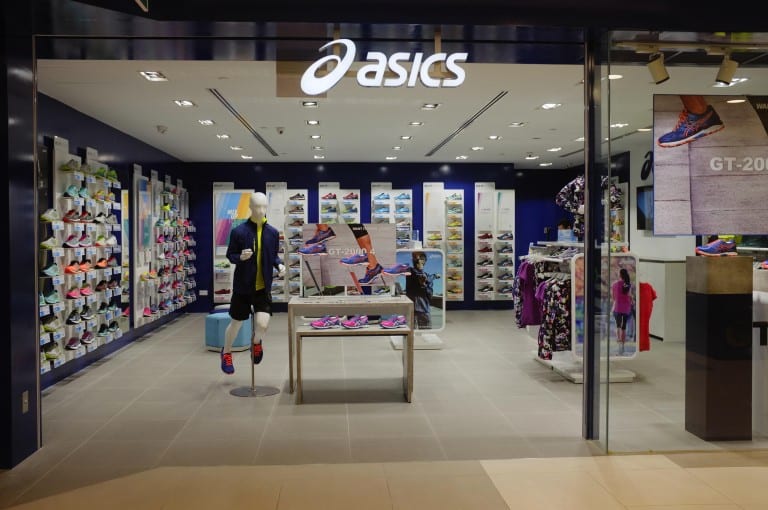
    Global athletic apparel titan Asics has recently unveiled its flagship store in India, occupying a prime location in the heart of New Delhi’s bustling Connaught Place. As the brand’s largest retail space in the country, this new outlet represents a significant strategic move aimed at expanding Asics’ presence in the Indian domestic market.

    The Flagship Store

    Sprawling over an expansive 2800 square feet, the flagship store is a comprehensive showcase of Asics’ diverse product lines. In addition to its highly regarded performance running gear, the store offers a broad range of core performance sports items, SportStyle products, and apparel ranges.

    Asics has designed this extensive retail space to cater to a wide spectrum of consumers. Beyond its core performance offerings, the brand aims to appeal to casual wearers and leisure-focused customers by integrating SportStyle and athleisure into their product repertoire. The store is thus positioned to attract everyone from elite athletes to lifestyle-focused and fitness-conscious consumers.

    Store Design and Layout

    The store layout features numerous wall displays and category zones, reflecting Asics’ commitment to innovation and product discovery. These strategic elements of the store’s design facilitate seamless navigation for customers and ensure that the full range of Asics’ products are effectively showcased.

    Brand Expansion and Growth

    The launch of this flagship store underscores Asics’ ongoing investment in strategic store zoning, comprehensive product assortments, and experiential sales formats. Furthermore, it serves as a clear signal of the brand’s expansion objectives, with plans to establish a network of 200 stores across the country by the forthcoming year. This ambitious expansion includes the launch of the brand’s first company-owned outlet later this year.

    Asics’ decision to strengthen its physical retail footprint in India is a testament to the country’s robust footwear market, which is projected to grow at a compound annual growth rate (CAGR) of 12.2 per cent.

    Manufacturing Plans

    In response to India’s stringent import regulations, Asics announced in June its plan to increase domestic manufacturing to 40 per cent over the coming years, thereby ensuring a consistent product supply.

    Questions & Answers

    What is the significance of Asics’ new flagship store in India?

    The new flagship store represents Asics’ strategic move to expand its market presence in India and cater to a broader range of consumers, from elite athletes to lifestyle-focused and fitness-conscious individuals.

    What is Asics’ expansion plan in India?

    Asics plans to extend its network to 200 locations across India by next year, including the launch of its first company-owned outlet.

    How does Asics plan to maintain a steady supply of products in India?

    To ensure a consistent supply chain, Asics intends to increase its domestic manufacturing in India to 40 per cent over the coming years, in response to the country’s strict import regulations.

  • Jollibee Foods Reports 5.6% Rise In Q2 Net Income, Fueled By Overseas Growth And Record Sales

    Jollibee Foods Reports 5.6% Rise In Q2 Net Income, Fueled By Overseas Growth And Record Sales

    Jollibee Foods Corporation (JFC), a leading global fast-food company, has reported a 5.6% year-on-year rise in the second quarter’s attributable net income, reaching $57.78 million. This increase was primarily fueled by robust gains from the firm’s overseas operations and record-breaking system-wide sales (SWS).

    Expansion of Global Store Network

    By the end of June, JFC’s global store network had grown by 45.5% compared to the previous year, sporting a total of 10,119 outlets. This figure includes 6,695 international branches spread across China, North America, EMEA, and other key markets in Asia.

    Record Sales and Revenue

    The SWS for the quarter saw a 19.6% increase, reaching $2.06 billion. This was backed by a rise of 32.6% in the company’s international business. The coffee and tea segment emerged as the top performer, registering a staggering 68.6% growth, largely due to the impact of the South Korean brand, Compose Coffee.

    JFC also saw its revenue jump by 15.5% to $1.4 billion. Operating income followed suit, recording a 19.1% rise to $108.72 million. The group’s same-store sales growth registered a respectable 5.5%, with the Philippine business growing by 6.4% and the international business by 4.1%.

    Successful Business Momentum

    JFC’s CEO, Ernesto Tanmantiong, linked these robust results to the company’s ongoing business momentum and improved operational execution. He highlighted the growth in operating income as a testament to the strength of their coffee and tea segment as well as the consistent contributions from their Philippine business and Jollibee International. Tanmantiong also emphasized the effectiveness of their multi-brand and multi-market strategy in driving the company’s success.

    First Half Performance

    For the first half of the year, the attributable net income showed a 0.7% slip to $101.16 million from $101.88 million the previous year. However, SWS experienced a 19.2% growth to $3.92 billion, and the revenue rose by 15% to $2.66 billion. Correspondingly, the operating income increased by 18.4% to $195.3 million.

    Future Investment Strategy

    Richard Shin, the company’s Chief Financial and Risk Officer, explained their capital would be “selectively deployed” in support of growth in the Philippines, Jollibee International, and the coffee and tea segment. He noted early recovery signs in China and a clear turnaround path for Smashburger in the U.S. Compose Coffee is also expected to surpass 3000 stores, with an anticipated 36% return on invested capital this year.

    Questions & Answers

    What contributed to JFC’s growth in the second quarter?
    The growth was primarily driven by robust gains from their overseas operations and record-breaking system-wide sales.

    Which segment emerged as the top performer for JFC?
    The coffee and tea segment emerged as the top performer, registering a 68.6% growth.

    What are JFC’s future investment strategies?
    JFC plans to selectively deploy capital to support growth in the Philippines, Jollibee International, and the coffee and tea segment. They also anticipate growth in China and the U.S. through brands like Smashburger and Compose Coffee.

  • Iconic Jewellery Brand Fabergé Sold For $50m: Gemfields Shifts Focus Back To Core Mining Operations

    Iconic Jewellery Brand Fabergé Sold For $50m: Gemfields Shifts Focus Back To Core Mining Operations

    Gemfields, the mining group, has disclosed the sale of its entire ownership in the esteemed jewellery brand Fabergé. The purchaser, U.S.-based SMG Capital, procured the brand for a sum of US$50 million – a cost that many in the industry have described as unusually low for a brand with such a rich history.

    Financial Breakdown

    As of December, Fabergé had net assets amounting to $50.35 million. Nevertheless, the brand had experienced operating and net losses totaling $5.7 million and $11.3 million, respectively. These financial results likely influenced the final sale price.

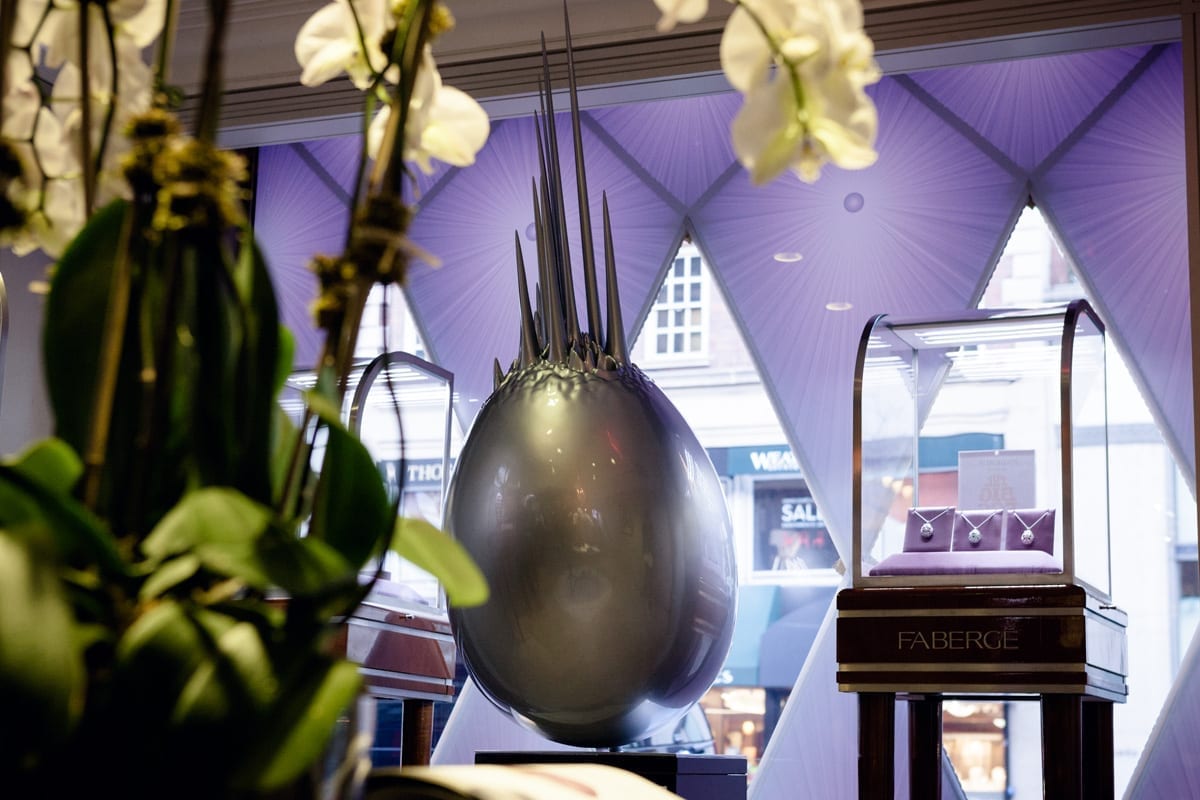
    Fabergé, renowned for its extravagant creations, boasts the Third Imperial Easter Egg amongst its portfolio. Created in 1887, this masterpiece, featuring a solid gold case adorned with sapphires and diamonds, and containing a women’s watch with diamond-set gold hands, was once valued at $33 million. The egg remains in the hands of an unidentified private collector.

    Deal Details

    Gemfields is set to receive $45 million upon the deal’s closure, which is anticipated by the end of August. The remaining $5 million will be dispersed in the form of quarterly royalties, equivalent to 8% of Fabergé’s revenue. Notably, the deal does not necessitate any regulatory approvals or additional authorizations.

    The sale enables Gemfields to concentrate its efforts on its fundamental operations in coloured gemstone mining. These activities encompass the launch of a new ruby processing facility in Mozambique and the growth of emerald mining in Zambia.

    End of an Era for Gemfields

    Sean Gilbertson, CEO of Gemfields Group, referred to the sale as signifying the conclusion of an era. He stated, “Brands as iconic and beautiful as Fabergé do not change hands very often. We wish the team and Mr. Mosunov every success.”

    SMG Capital, under the proprietorship of tech entrepreneur and venture capitalist Sergei Mosunov, plans to maintain Fabergé’s focus on jewellery, accessories, and timepieces. Mosunov also expressed his eagerness to offer exceptional service to existing customers while attracting new brand enthusiasts.

    A Historical Overview of Fabergé

    Established in 1842 in St Petersburg, Russia, Fabergé is famed for its intricate, gem-encrusted eggs, which were originally manufactured for the Russian imperial family during the late 19th and early 20th centuries.

    Questions & Answers

    What is the essence of the deal between Gemfields and SMG Capital?
    The deal entails the sale of Gemfields’ entire stake in Fabergé to SMG Capital for US$50 million.

    What are the future plans for Gemfields following the sale of Fabergé?
    Gemfields plans to focus on its core operations in coloured gemstone mining, including the launch of a new ruby processing plant in Mozambique and the expansion of emerald mining in Zambia.

    What will be the future focus of Fabergé under the new ownership of SMG Capital?
    Under the ownership of SMG Capital, Fabergé will continue to concentrate on its jewellery, accessories, and timepieces.

  • Hong Kong’s Tam Jai International Makes Culinary Leap Into Malaysia With First Tamjai Mixian Restaurant

    Hong Kong’s Tam Jai International Makes Culinary Leap Into Malaysia With First Tamjai Mixian Restaurant

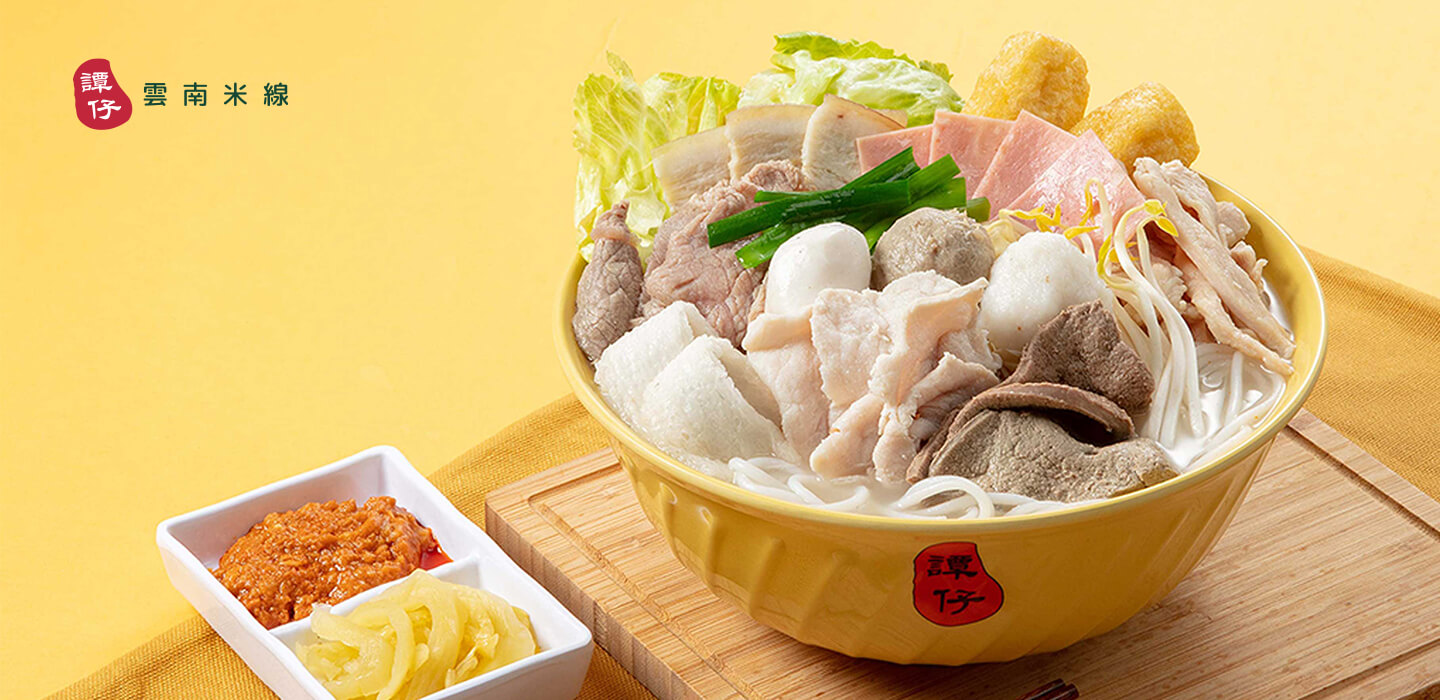
    Hong Kong’s Tam Jai International (TJI) has expanded its culinary reach into Malaysia with the launch of its pioneer TamJai Mixian restaurant. This move signifies an integral part of the company’s growth in the food and beverage market within Southeast Asia.

    The new establishment is situated in the Sunway Pyramid Mall in Selangor, Malaysia. The restaurant, covering 136 square meters, is an integral component of the master franchise agreement that TJI has with Hextar Retail Berhad. This company is a subsidiary of the Malaysian conglomerate Hextar Group.

    TamJai Mixian, originated in Hong Kong, encompasses the quintessential elements of TJI’s flagship brands like TamJai Yunnan Mixian and TamJai SamGor Mixian. These brands are renowned for their carted noodles with soup bases, with a variety of spicy levels and an extensive selection of toppings.

    Daren Lau, the Chairman, Executive Director, and CEO of TJI, expressed his enthusiasm about the venture. “Our commencement in Malaysia signifies a substantial advancement in TJI’s strategic expansion within the rapidly proliferating Southeast Asian market,” he said.

    Lau also expressed his confidence in the brand’s appeal to the local Malaysian market. “We are confident that our established brand concept will strike a chord with local consumers, allowing us to leverage the robust growth potential of Malaysia’s vibrant and diverse food scene,” Lau added.

    The Tam Jai International group not only operates in Hong Kong but also runs over 240 locations in various countries such as Singapore, Japan, Mainland China, and Australia. The company also has plans in place for future expansion into the Philippines.

    Questions & Answers

    What is the significance of the new TamJai Mixian restaurant in Malaysia?
    The launch of the TamJai Mixian restaurant in Malaysia represents a significant step in TJI’s strategic expansion in the rapidly growing Southeast Asian market.

    What does TamJai Mixian offer?
    TamJai Mixian is known for its carted noodles with soup bases, which come in varying levels of spiciness and a wide selection of toppings.

    What is the future expansion plan of the Tam Jai International group?
    Apart from their recent expansion into Malaysia, Tam Jai International also has plans for future expansion into the Philippines.

  • Salomon Unveils Anfu Concept Store In Shanghai: A Fusion Of French Elegance And Chinese Innovation

    Salomon Unveils Anfu Concept Store In Shanghai: A Fusion Of French Elegance And Chinese Innovation

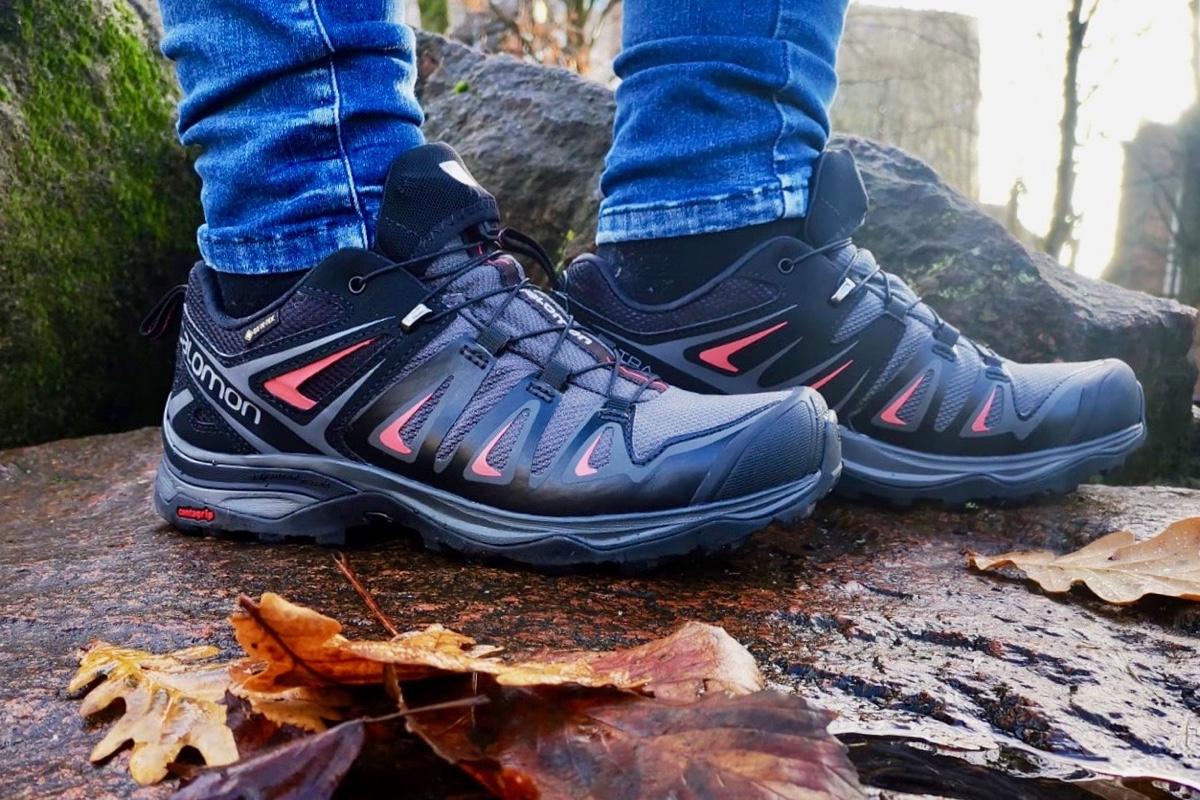
    Salomon, a French sporting lifestyle brand, has recently inaugurated its Anfu concept store in Shanghai, signaling an enhancement of its retail experience within the Chinese market.

    Situated in an iconic, French-style edifice on Anfu Road, the store mirrors a unique blend of French elegance, influenced by the Salomon Sportstyle store in Marais, Paris, and the vibrant local culture of Shanghai.

    The brand described the store as a bold platform that encapsulates both French and Chinese culture, the spirit of innovation, and an array of retail experiences.

    Guillaume Meyzenq, CEO and President of Salomon, stated, “The adaptation of the store embodies Salomon’s brand vision. This was enabled by our partners and the warm reception from local communities. It is becoming more and more evident that Chinese consumers are increasingly focusing on functionality and combined demands for style and performance. With the grand opening of the store, we anticipate growing alongside Chinese consumers and bringing more innovation to the global market!”

    In addition to hosting a unique shopping experience, the concept store also marked the premiere of the brand’s ‘Road to the Future Project’ in China, following its initial showcase during Paris Fashion Week.

    In the lead-up to the store’s official opening, Salomon partnered with 11 local businesses on Anfu Road to cultivate a strong bond with the local communities.

    Questions & Answers

    What is the significance of the new Salomon store in Shanghai?
    The opening of the new store signifies an upgrade in Salomon’s retail experience in the Chinese market. The store represents a fusion of French and Chinese culture and aims to cater to the growing functional and style demands of Chinese consumers.

    What is the ‘Road to the Future Project’?
    The ‘Road to the Future Project’ is an initiative by Salomon, which was first presented at Paris Fashion Week. The project made its debut in China with the opening of the Anfu concept store.

    How did Salomon connect with the local community ahead of the store opening?
    Prior to the official opening of the Anfu concept store, Salomon collaborated with 11 local businesses on Anfu Road, fostering a strong connection with the local communities.

  • Danish Brand Flying Tiger Copenhagen Debuts In Singapore, Amplifying Asia-pacific Presence

    Danish Brand Flying Tiger Copenhagen Debuts In Singapore, Amplifying Asia-pacific Presence

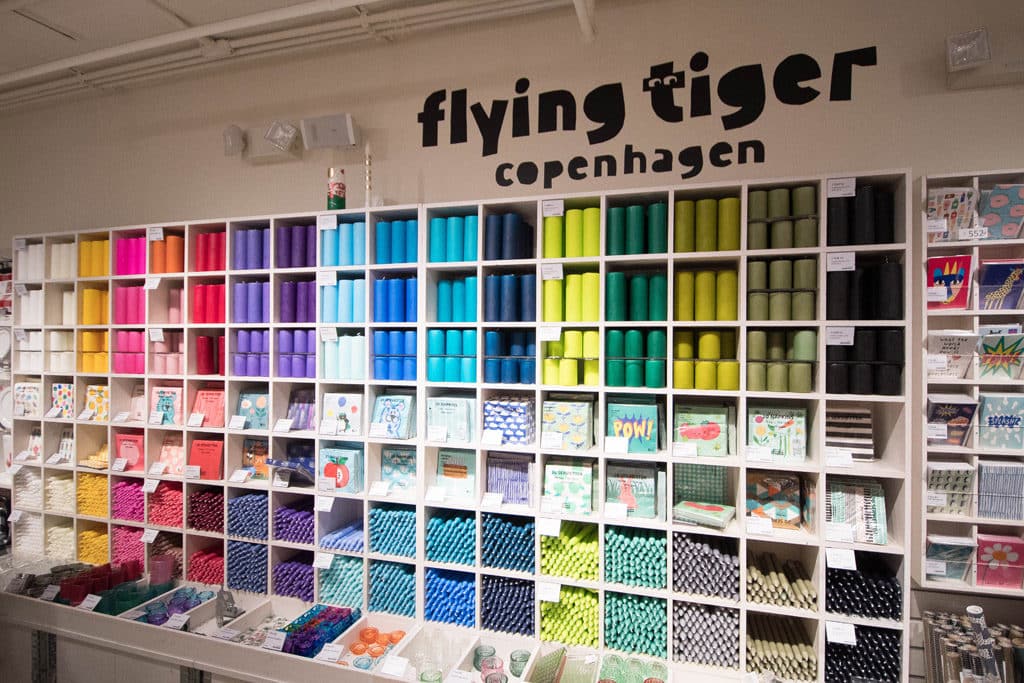
    Flying Tiger Copenhagen, a Danish lifestyle brand, has recently expanded its global footprint with the launch of its first store in Singapore. Situated in Bugis+, the store’s opening signifies the brand’s sustained drive to establish a stronger presence in the Asia-Pacific region.

    The newly unveiled 157sqm store showcases a wide range of products, adhering to the brand’s focus on design-centric and economically priced offerings. The selection includes homeware, stationery, interior decor, and toys, thereby meeting a variety of consumer needs and preferences.

    Singapore represents the latest accomplishment in Flying Tiger Copenhagen’s ambitious regional growth strategy. The brand initiated its Asia-Pacific expansion in 2023 with the inauguration of its stores in Indonesia and the Philippines. This was closely followed by store launches in Australia and Vietnam in the subsequent year.

    The operations in Singapore are steered by PT Mitra Adiperkasa Tbk (MAP), an Indonesian lifestyle retail company. MAP also supervises the brand’s operations in Indonesia and Malaysia, thereby ensuring a cohesive strategy across these markets.

    Established in 1995, Flying Tiger Copenhagen has experienced significant growth and now operates over 1000 stores in 39 global markets. This expansion underscores the brand’s commitment to bringing its unique offerings to a wider international audience.

    Questions & Answers

    What is the Danish lifestyle brand that recently opened its first store in Singapore?
    The brand is Flying Tiger Copenhagen.

    What variety of products does the new Flying Tiger Copenhagen store in Singapore offer?
    The store offers a selection of homeware, stationery, interior decor, and toys.

    Who is managing the operations of Flying Tiger Copenhagen in Singapore?
    The operations are managed by an Indonesian lifestyle retail firm known as PT Mitra Adiperkasa Tbk (MAP).

  • Starbucks Debuts Largest ‘greener Store’ In Asia-pacific, Showcasing Sustainability And Immersive Coffee Experiences

    Starbucks Debuts Largest ‘greener Store’ In Asia-pacific, Showcasing Sustainability And Immersive Coffee Experiences

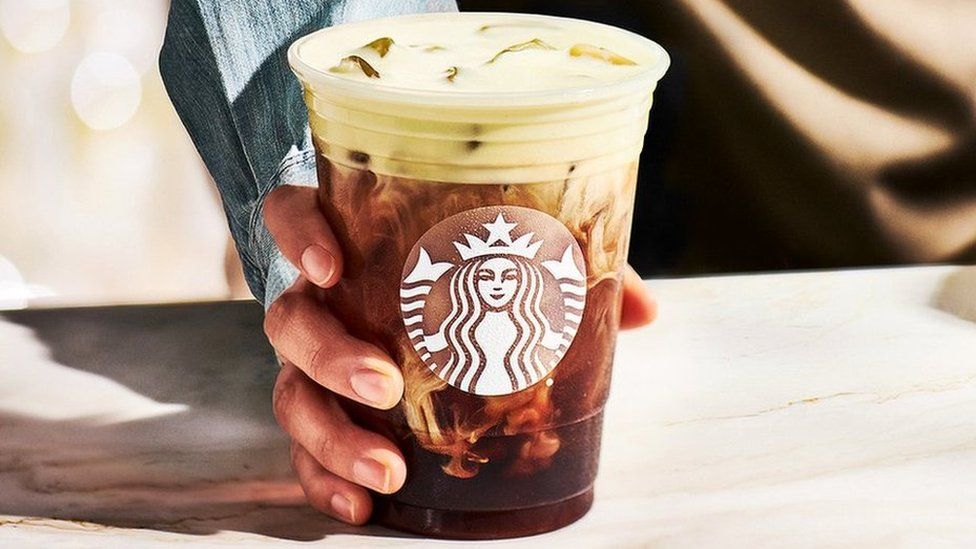
    Starbucks has made a significant addition to its global retail footprint with the unveiling of its largest ‘greener store’ in the Asia Pacific region. The Starbucks Reserve Dream Plaza Taipei in Taiwan is also the brand’s largest flagship store in Taiwan.

    Store Details

    Situated in the Xinyi District of Taipei, the sprawling store spans over 2000sqm and offers services round the clock. The store’s design is segmented into multiple zones, each showcasing various elements of the Starbucks brand. These include an exclusive selection of Starbucks Reserve coffee, a range of innovative culinary options, and eco-friendly design features.

    Siren’s Lounge and Unique Offerings

    One of the store’s most unique features is the Siren’s Lounge. This attraction is a first in the Asia Pacific region, housing a menu formulated in association with celebrated chef Andre Chiang. Customers can relish specialty mocktails and spirit-infused beverages, all while absorbing panoramic views of Taipei’s stunning skyline.

    The store also hosts a Mixology Bar where trained baristas concoct signature coffee-based cocktails such as the Espresso Martini Flight and Brandy Espresso Bliss. Additionally, Taiwan’s maiden Teavana Bar finds its home in this location, offering an assortment of sparkling tea infusions and season-specific blends.

    Immersive Experiences

    Adding to its list of attractions are two new experiential zones – the Sensory Room and Coffee Experience Room. These spaces are designed to host workshops and tastings guided by coffee connoisseurs. The aim is to provide customers with an immersive experience, delving deeper into the origins, flavors, and brewing techniques of coffee.

    The establishment of this flagship store underscores the importance of the Taiwanese market in Starbucks’s growth strategy. It also highlights the brand’s commitment to promoting sustainability and fostering cultural connections.

    In unrelated news, earlier this month, Starbucks’s operations in China reportedly received offers for a potential stake sale, with valuations amounting to as much as US$10 billion.

    Questions & Answers

    What is unique about the new Starbucks Reserve Dream Plaza Taipei?
    The Starbucks Reserve Dream Plaza Taipei, located in Taiwan, is the largest flagship store in the market and the largest ‘greener store’ in the Asia Pacific region. Some of its unique features include the Siren’s Lounge, the Mixology Bar, and Taiwan’s first Teavana Bar.

    What are the Sensory Room and Coffee Experience Room?
    The Sensory Room and Coffee Experience Room are two experiential zones within the store. These spaces host workshops and tastings led by coffee experts, with the aim of providing a deeper understanding of coffee’s origins, flavours, and brewing methods.

    What does the opening of this flagship store signify for Starbucks?
    The opening of this flagship store marks a key milestone in Starbucks’s growth strategy in Taiwan. It demonstrates the brand’s emphasis on culture and sustainability, as well as its commitment to providing unique and immersive experiences for its customers.

  • South Korean Convenience Stores See Sales Boom Following Government-issued Consumption Vouchers

    South Korean Convenience Stores See Sales Boom Following Government-issued Consumption Vouchers

    In the week following the introduction of government-issued consumption vouchers, South Korea’s convenience store chains reported a significant rise in sales. The four major chains – CU, GS25, 7-Eleven, and Emart24 – witnessed an increase of more than 10% in weekly sales from July 22 to 28 as compared to the same period in the previous month. Middle-aged consumers and families were primarily responsible for the surge in sales, using the vouchers to make large purchases, especially within the ₩20,000–₩30,000 range.

    Redemption Points at Convenience Stores

    Department stores and hypermarkets were not directly eligible for the voucher scheme due to their corporate-owned structure. On the other hand, convenience stores, which are mainly franchise-based, served as accessible redemption points. This led to a noticeable increment in basket sizes, with customers spending considerably more than the average pre-voucher spend of approximately ₩7000 per visit.

    Emart24 experienced a sales growth of over 10%, while GS25 observed a comparable rise in average transaction value. More customers were using shopping baskets and purchasing a broader range of products such as fresh food, daily necessities, and even rice and meat – items not usually associated with convenience stores.

    Beverages and Cigarettes Sales

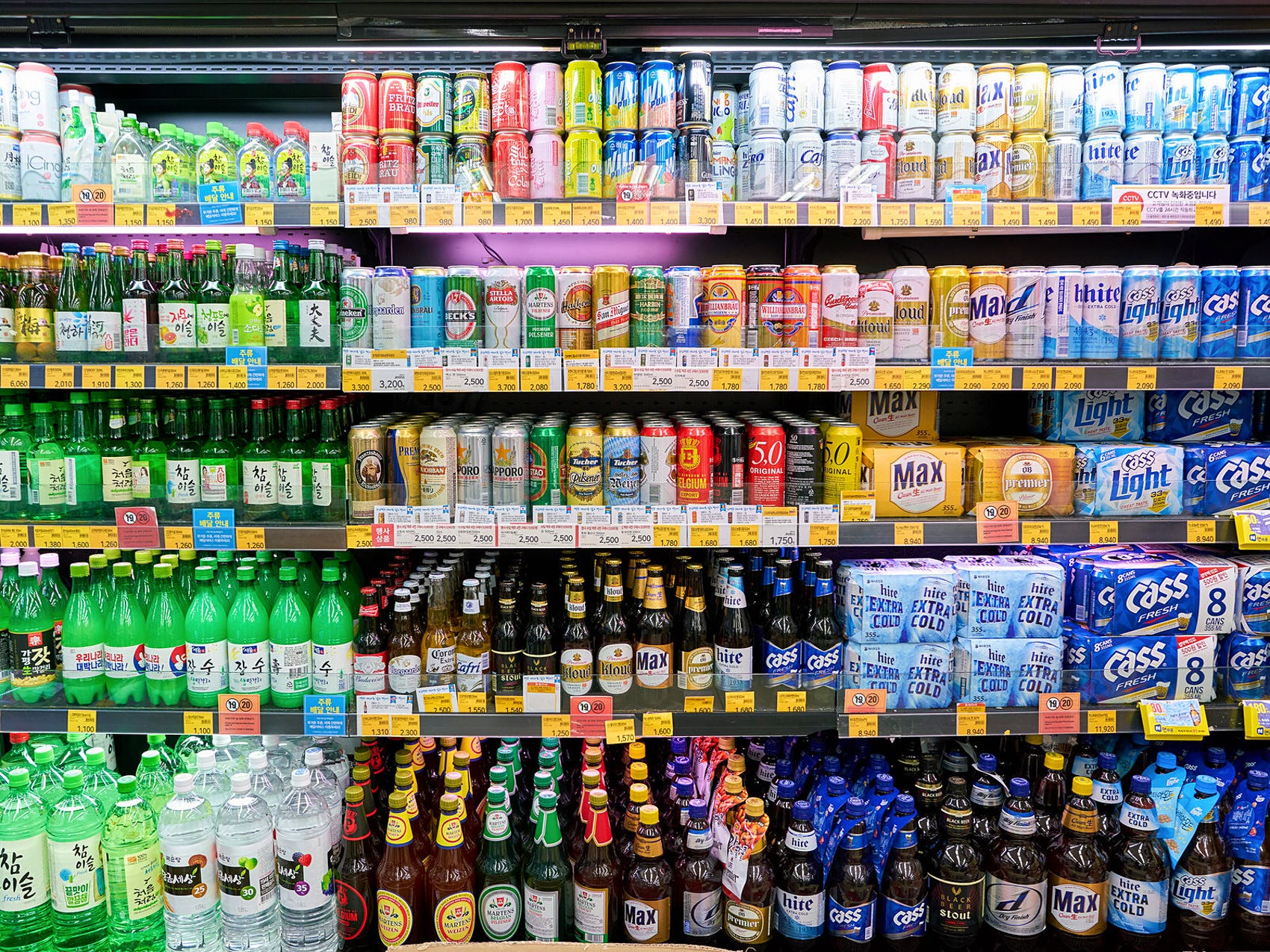
    Sales of alcoholic beverages, specifically beer and soju, saw a significant increase. Beer sales were up by 31.7% at GS25, 30.0% at 7-Eleven, 29.2% at CU, and 20.0% at Emart24. Soju sales increased by 16.2% at GS25 and 12.4% at CU. Overall, liquor sales were up by over 10%.

    Cigarettes, which were also eligible for voucher use, reported a rise in sales with more customers buying full cartons instead of single packs. However, due to potential concerns surrounding “stockpiling” and illegal resale for cash, the exact figures were withheld due to the sensitivity of the product.

    Increased Demand for Health Supplements and Meal Replacements

    Voucher-driven expenditure also led to a surge in demand for health supplements and meal replacements, categories that convenience stores have been emphasizing in their long-term growth strategies.

    According to retail analysts, this trend underlines a significant shift in consumer behaviour. With an increase in single and two-person households, more people have been turning to grocery shopping at convenience stores. The introduction of government vouchers has accelerated this shift, causing large retailers to worry about the potential loss of customers permanently.

    Questions & Answers

    Why did the government issue consumption vouchers?
    The government-issued vouchers were part of a stimulus strategy to boost consumer spending and support local businesses impacted by the COVID-19 pandemic.

    What impact did these vouchers have on convenience stores?
    The launch of these vouchers led to a significant increase in sales at convenience stores, with customers making larger than average purchases and buying a broader range of products.

    Are larger retailers affected by this change in consumer spending habits?
    Yes, larger retailers are concerned about losing customers permanently as the introduction of government vouchers has accelerated a shift towards shopping at local convenience stores.

  • Oh!some Expands Regional Presence With New Bangkok Store, Unveils Disney Collaboration

    Oh!some Expands Regional Presence With New Bangkok Store, Unveils Disney Collaboration

    The lifestyle brand Oh!Some is making its debut in Thailand, signaling further growth in its regional presence, which includes a recent inauguration in Ho Chi Minh City.

    Store Location and Interior Concept

    Oh!Some’s newest retail branch will be positioned in Samyan Mitrtown, right in the heart of Bangkok. The store’s interior is conceived with an “ice and snow world” theme, a design specifically crafted to entice the Gen Z demographic through its captivating and photogenic displays.

    Product Line and Collaborations

    The product portfolio at the store will span across several categories. Customers can expect to find items ranging from beauty and skincare products, fragrances, and stationery to toys, collectibles, snacks, and home decor.

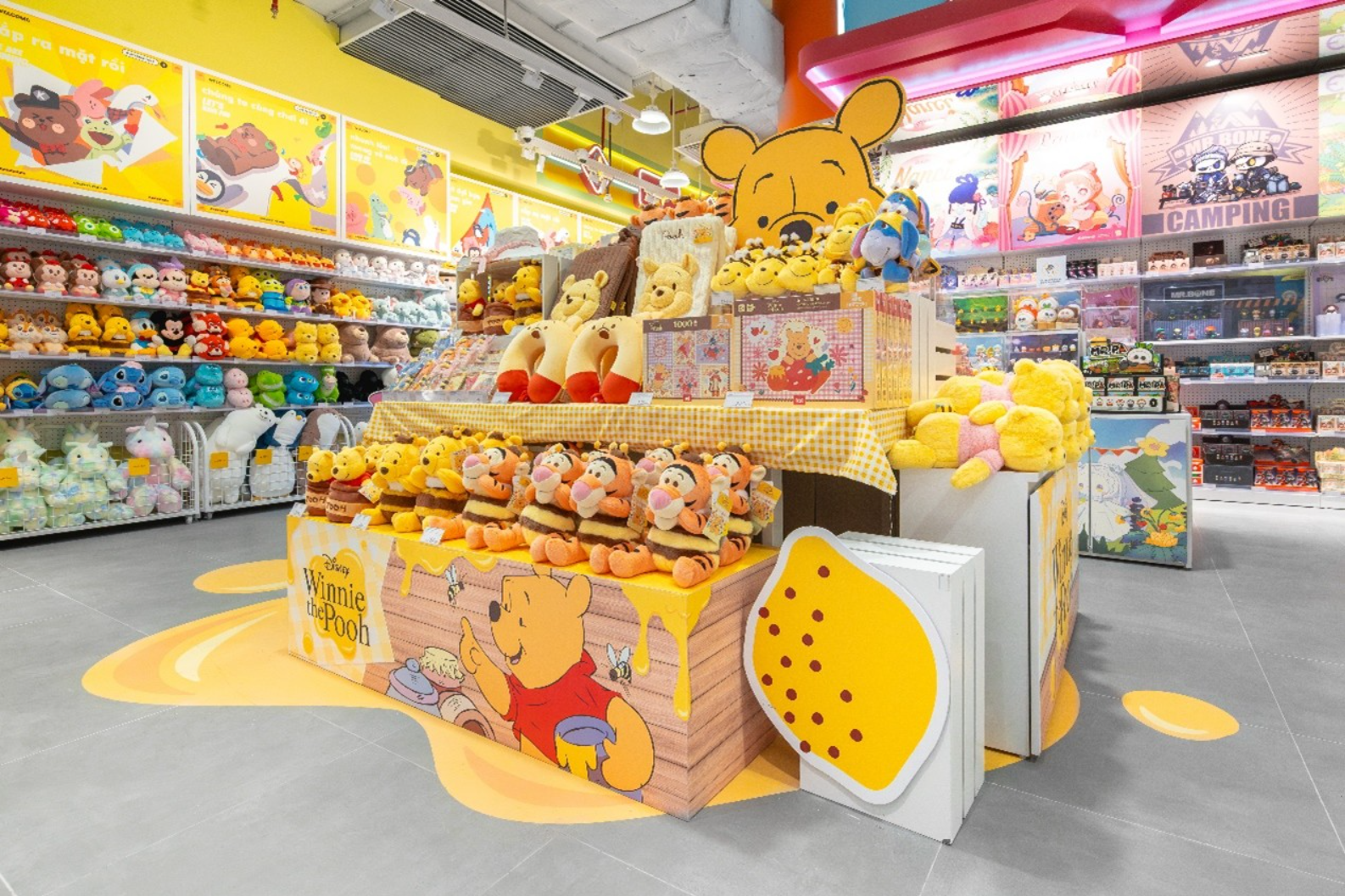
    In addition to its regular offerings, the store will also feature exclusive merchandise produced in collaboration with Disney. These exclusive collections will showcase beloved characters such as Stitch, Winnie the Pooh and a future line inspired by Mickey Mouse with a denim theme.

    Existing Presence and Future Plans

    At present, Oh!Some operates over 130 stores spread out across Singapore, Vietnam, Malaysia, and Indonesia. The brand has further expansion plans within the city of Bangkok, with more branches set to open in various districts later in the year.

    Questions & Answers

    What is the interior design concept of the new Oh!Some store in Bangkok?
    The store features an “ice and snow world” theme designed to attract Gen Z consumers with visually striking, photo-friendly displays.

    What kind of products will be available in the new Oh!Some store?
    The store will offer a range of products across categories, including beauty and skincare, fragrances, stationery, toys, collectibles, snacks, and home decor.

    Does Oh!Some have any collaborations planned for their new store in Bangkok?
    Yes, the store will have exclusive items produced in collaboration with Disney, including themed collections featuring Stitch, Winnie the Pooh, and a forthcoming denim-inspired Mickey Mouse line.

  • Rimowa Opens First Street-front Store In Japan’s Chubu Region: A Blend Of Luxury And Tradition

    Rimowa Opens First Street-front Store In Japan’s Chubu Region: A Blend Of Luxury And Tradition

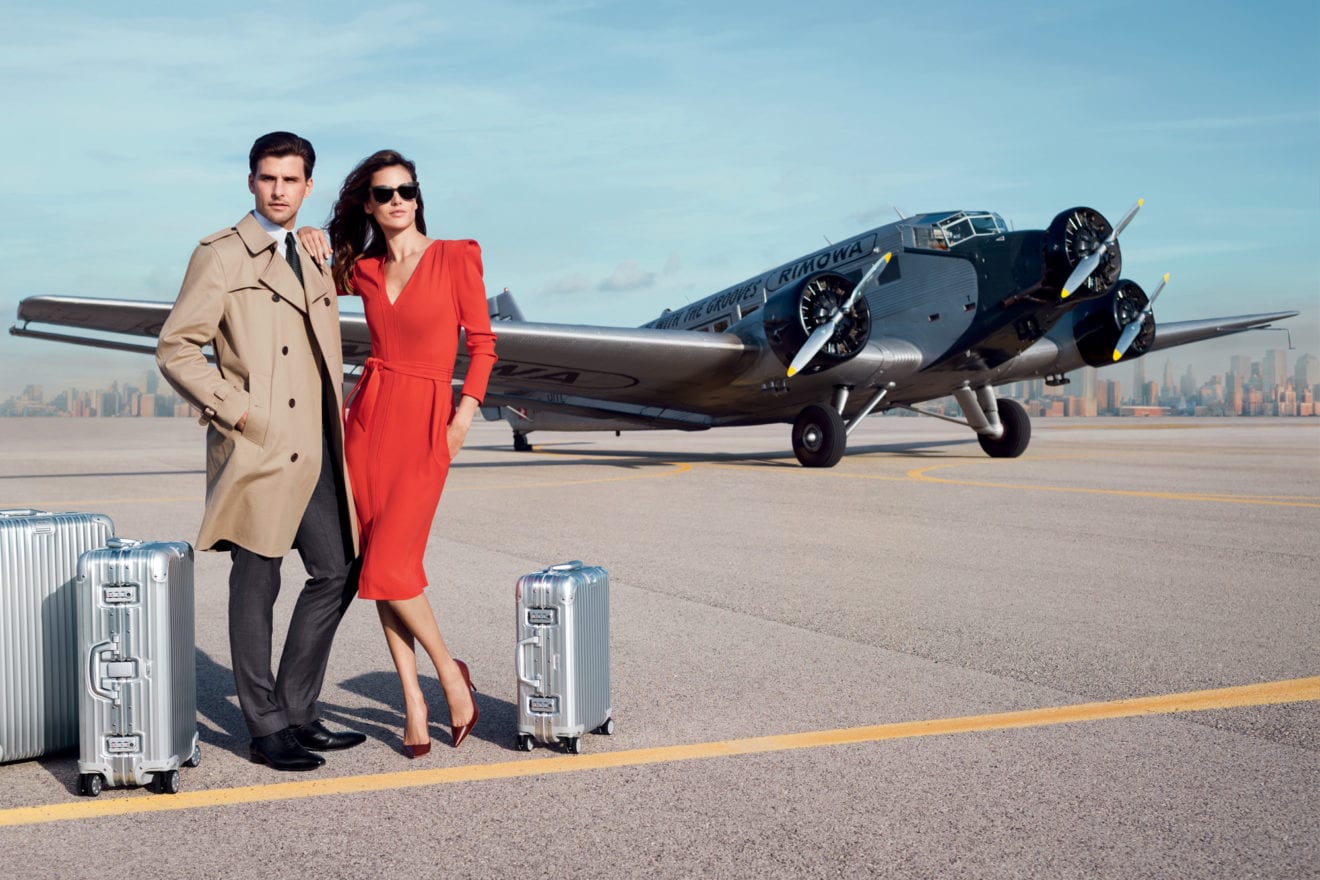
    Rimowa, a luxury travel accessories brand, has recently opened its inaugural street-front store in Sakae, Nagoya, situated in the heart of Japan’s Chubu region. The brand, which is part of the LVMH portfolio, is renowned for its premium range of suitcases, bags, and accessories.

    Store Design and Location

    The newly unveiled store, nestled amidst other high-end brands on Otsu-dori Street, merges traditional Japanese architecture with Rimowa’s own unique design aesthetic. Covering an impressive 190 square meters over two floors, the store’s design emphasizes the concept of lightness, achieved by the natural light streaming through its glass walls.

    The ground floor of the store showcases a striking blend of two types of synthetic marbles, creating a stark contrast with the store’s luminous interior ambiance.

    Customer Service and In-store Features

    On the second floor, customers will find two dedicated repair counters offering hot stamping and click repair services. The store also features a secluded customer service area, designed to promote a calm and relaxed shopping environment. True to Rimowa’s commitment to design and quality, this area boasts furniture crafted by Marcel Breuer, a renowned figure in furniture design who received his education at Germany’s prestigious Bauhaus.

    Questions & Answers

    Where is the new Rimowa store located?
    The new Rimowa store is located in Sakae, Nagoya, in Japan’s Chubu region.

    What is the design theme of the new Rimowa store?
    The design theme of the new Rimowa store emphasizes lightness, with natural light filtering in from its glass walls.

    What services does the new Rimowa store offer?
    The new Rimowa store offers dedicated repair counters for hot stamping and click repairs. It also features a partitioned customer service area for a relaxed shopping experience.

  • Liverpool FC Expands Global Footprint With 20th Standalone Store In Hong Kong

    Liverpool FC Expands Global Footprint With 20th Standalone Store In Hong Kong

    Liverpool Football Club (LFC) recently inaugurated its inaugural standalone store in Hong Kong, marking a significant milestone as its 20th globally. This move is strategically aligned with the five-year extension of the club’s collaboration with All Star Partner, an established sports and e-commerce retailer with a focus on worldwide sports brand merchandizing and licensing.

    Promoting Football Culture in Hong Kong

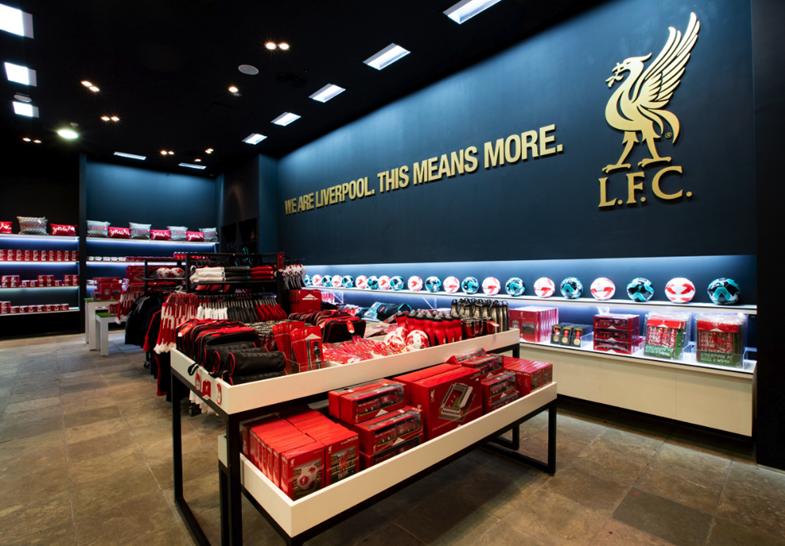
    The newly launched store, strategically situated in the Kai Tak Sports Park, caters to the club’s burgeoning fan base in the region. It is a one-stop-shop for all official Liverpool FC merchandise, offering a wide spectrum of club-branded attire, exclusive collections, and up-to-the-minute product releases.

    Luo Bin, CEO of All Star Partner, shared his confidence in the standalone store’s ability to not only fulfill the demand for official merchandise from Hong Kong and regional fans but also establish a dedicated space for fan interaction. This will enable fans to fully engage in the distinctive football culture of Liverpool FC.

    On the same note, Lee Dwerryhouse, Senior VP of Merchandising at LFC, reaffirmed that Asia continues to be the club’s strategic priority. This emphasizes the region’s pivotal role in the club’s international retail and fan engagement approach.

    The Growing Presence of LFC in Asia

    The Hong Kong store marks the ninth standalone LFC store in Asia. Besides these standalone outlets, the club also operates over 100 stores within larger establishments, pop-up locations, and an extensive network of e-commerce platforms specifically designed for Asian markets.

    Questions & Answers

    What does the opening of the new standalone store in Hong Kong signify for Liverpool FC?
    The opening of the standalone store in Hong Kong marks Liverpool FC’s 20th such outlet worldwide, highlighting the club’s ongoing expansion and commitment to engaging with its overseas fanbase.

    What is the purpose of the new standalone store in Hong Kong?
    The new store primarily targets Liverpool FC’s growing fanbase in the region by providing a wide range of official merchandise. It also aims to create an exclusive space for fans to interact and immerse themselves in the club’s unique football culture.

    What is the extent of Liverpool FC’s retail presence in Asia?
    With the new addition in Hong Kong, Liverpool FC now operates nine standalone stores in Asia. Additionally, the club runs over 100 stores within larger establishments, pop-up stores, and a robust network of e-commerce platforms across Asian markets.

  • Online Grocery Sales Bounce Back in June, Reigniting Momentum After May Dip

    Online Grocery Sales Bounce Back in June, Reigniting Momentum After May Dip

    As the retail landscape in Asia continues to evolve, the concept of omnichannel shopping is rapidly gaining traction, reshaping how consumers engage with brands. A recent study highlights the innovative strategies retailers are employing to create a seamless shopping experience that spans both online and physical storefronts.

    Transforming the Shopping Journey

    The survey, which surveyed over 5,000 consumers across major Asian markets, revealed that more than 70% of respondents prefer an omnichannel shopping approach. This affinity indicates a deep-rooted desire for flexibility, allowing shoppers to browse products online while still enjoying the tactile experience of in-store purchases. Retailers are transforming the shopping journey by integrating digital and physical channels, ensuring products are available wherever and whenever consumers wish to engage.

    Retailers like Japan’s Uniqlo and South Korea’s Shinsegae are setting the standard by leveraging technology to bridge the gap between online and offline experiences. Imagine walking into a store and finding items that have been filtered through your online wish list—an experience made possible through advanced inventory management systems that sync in real time.

    The Role of Technology

    Technology plays a pivotal role in this evolution. Retailers are increasingly adopting mobile apps and interactive kiosks to enhance shoppers’ decision-making processes. In addition, augmented reality is becoming a fun and compelling feature; consumers can now virtually try on clothing or visualize how furniture may look in their homes before making a purchase.

    This intersection of convenience and innovation also fosters a sense of community, encouraging brand loyalty in an age where consumer choices are plentiful. The ability to connect with brands through social media platforms, customer reviews, and personalized marketing further solidifies the relationship between retailers and consumers.

    Challenges Ahead

    However, the omnichannel strategy is not without its hurdles. Companies must navigate supply chain complexities and ensure an equitable distribution of resources to keep pace with consumer demand. Moreover, maintaining a consistent brand experience across channels is critical. Retailers who fail to deliver seamless integration risk alienating a savvy customer base that values cohesion and clarity.

    As brands venture deeper into the omnichannel realm, the industry’s dynamics are sure to transform further. A little sprinkle of creativity could turn even the most mundane shopping task into an unforgettable experience—and isn’t that what we’re all after?

    Questions & Answers

    What is the main finding of the recent study regarding omnichannel shopping in Asia?
    The study found that over 70% of consumers in major Asian markets prefer an omnichannel shopping approach, highlighting their desire for flexibility in how they engage with brands.

    How are retailers like Uniqlo and Shinsegae enhancing the omnichannel experience?
    These retailers are leveraging technology such as advanced inventory management systems and mobile apps, enabling a seamless experience where online wish lists translate directly to in-store offerings.

    What challenges do retailers face while implementing omnichannel strategies?
    Retailers must tackle supply chain complexities and ensure consistent brand experiences across channels to retain customer loyalty in an increasingly competitive market.