Tag: Store

  • Caltex profit falls amid rising competition

    Caltex profit falls amid rising competition

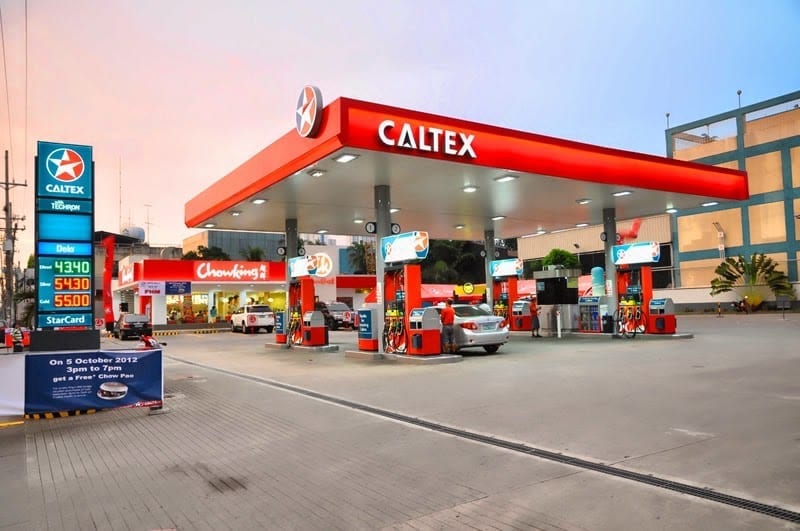
    Increased competition and the rising price of crude oil had a negative impact on convenience and petrol station owner Caltex’s first quarter earnings.

    The retailer announced that earnings from both its fuels and infrastructure business and its convenience business were down in Q1 on the same period in 2018, which contributed to a net profit of $94 million, a 42.7 per cent drop on the $164 million in net profit it saw last year.

    Fuel earnings before interest and tax (EBIT) fell to $109 million, down from $156 million last year, while convenience retailing fell by over 50 per cent to $40 million, compared to an EBIT of $90 million in the three months to March 31, 2018.

    “Our result shows the impact of both lower refiner margins and a challenging retail environment this quarter,” said Caltex chief executive and managing director Julian Segal.

    “Our businesses’ strengths, including a strong balance sheet and our extensive network, as well as our steady focus on the execution of our strategy provide the foundation for delivery of our strategy in 2019.”

    Caltex said it will move ahead with the transition of franchise sites into company-owned operations, with over 70 per cent of the retail network now owned internally. The retailer also noted that agreements are in place for it to operate 99 per cent of sites by 2020, allowing the business to “better standardise and optimise the site’s performance.”

    Segal laid out the retailer’s growth plans for the remainder of 2019 for shareholders at its annual general meeting on Thursday, May 9, stating a focus on execution and discipline would assist both facets of its business deliver a stronger result in a challenging retail environment.

    “Fuels and infrastructure will continue to grow its earnings through its international business, [and] we will continue to run Australia’s largest transport fuel network safely and reliably,” Segal said.

    “Convenience retail is refocusing on our core fuel offer and will improve the in-store experience across our network to ensure we attract and retain more customers in a competitive fuels market.”
  • APAC leads global convenience sector

    APAC leads global convenience sector

    The Asia-Pacific region is the largest and fastest-growing region in the global convenience market, according to a new report by GlobalData.

    The research firm forecasts a compound annual growth rate of 10.6 per cent over the 2017-2022 period, due to local retailers increasing focus on store modernisation, the inclusion of technology, and a shift in consumer spending encouraging an investment in the channel.

    International retailers are beginning to see the necessary changes, GlobalData retail analyst Honor Strachan said, but their efforts are far from the transformation seen in Asia.

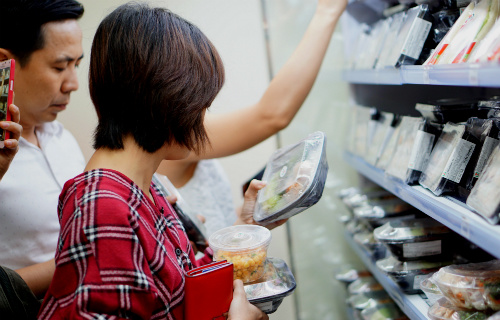
    “In a bid to attract new customers and prevent shopper desertion as the market becomes more competitive, convenience retailers are …refurbishing stores to incorporate new ranges (fresh, organic, and free-from are all gaining shelf space),” Strachan said.

    “[As well as] new concepts such as food service, mobile charging points and online purchase collection desks to help drive footfall, average basket size and customer satisfaction.”

    Strachan adds that these changes benefit store sales and profitability in a time that retail space is becoming more and more expensive, and margins come under pressure for inflation and discounting.

    7-Eleven is one such chain, having invested heavily into innovating its convenience offering over the last few years in order to get ahead of the competition – opening unstaffed stores in the region, as well as focusing on improving its delivery service in more populated areas.

    According to 7-Eleven chief executive Angus McKay, customers today want a different retail experience from what has long been expected from convenience chains.

    “You have to be patient and really be on your game and know what the customer wants, and be prepared for them to change their minds,” McKay previously told Inside Retail.

    “We’re investing in becoming better retailers.”

  • Daniel Wellington launched Moments of Love Concept

    Daniel Wellington launched Moments of Love Concept

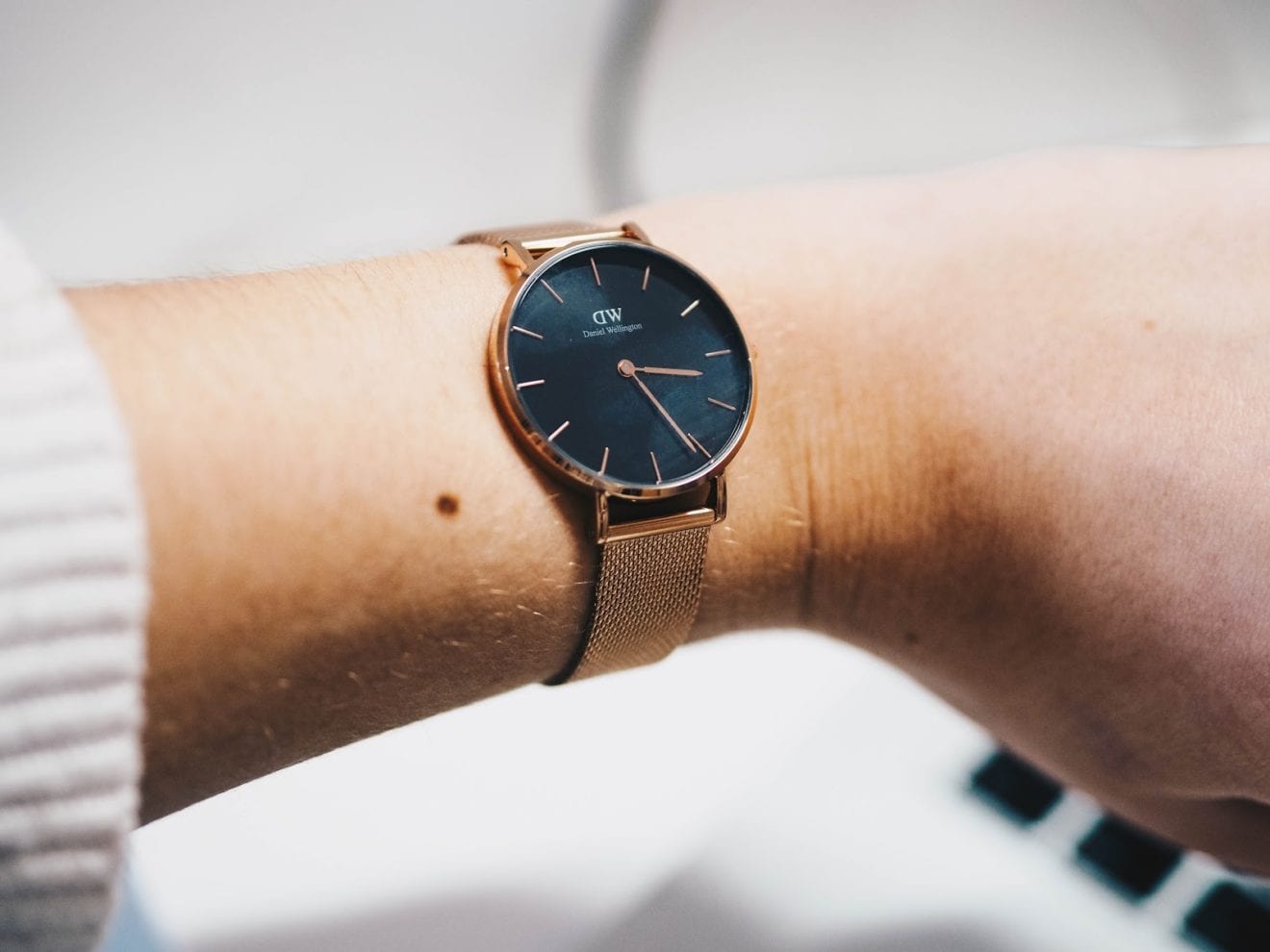
    Watches and accessories retailer Daniel Wellington has launched a new pop-up with Shinsegae Myeongdong in Seoul. The DW Moments of Love pop-up will run from May 1 to July 3, in line with the brand’s #DWMoments global campaign designed to encourage influencers to open up and share a “true, personal, special moment that they cherish”.

    The campaign features in-depth interviews with different influencers from diverse backgrounds and different corners of the world sharing the most significant moments of their lives, and letting fans see the people behind the Instagram filters and hear the moments that shaped them as human beings.

    “When customers visit Shinsegae Duty-Free, they can meet the hottest brand – Daniel Wellington at our exclusive Moments of Love pop-up,” said Shinsegae’s watch and jewelry GM Sunyung Hong. “I am happy to open this pop-up together with DW, where not only couples but also friends and family can share their precious moments.”

    “With engagement being at the core of our brand, an authentic connection with our fans is a part of our DNA – whether it be online, or offline in our travel retail locations,” stated a press release issued by Daniel Wellington.

    “We believe in meaningful retailtainment, and it is wonderful that our fans can capture their moments through the bullet time cameras, and add their personal meaningful touch on their DW gifts to their loved ones through the ribbon printing service which will be exclusively available at the pop-up!”

    The event concept and offers will be exclusive to Shinsegae for the duration of the pop-up.

  • Vietnam’s Petrolimex plans Countrywide Convenience Stores

    Vietnam’s Petrolimex plans Countrywide Convenience Stores

    Vietnamese petroleum retailer Petrolimex is planning to build a convenience-store chain.

    After five years of research, the group plans to open stores across its network of 5200 gas locations across the country.

    “Petrolimex will expand into this sector, each store will host 1500 to 2000 products,” a Petrolimex representative said during a conference.

    “Our strategy partner JX Nippon Oil will support us to set up the chain in the most optimal way.”

    Petrolimex has tested the industry with its P-Mart in Hanoi’s Hoai Duc district. The store only sells Petrolimex-branded products such as oils and a limited range of snacks and beverages.

    There is no official information if Petrolimex will base its chain on this concept or build a different one.

    Stepping into the convenience-retailing sector, Petrolimex will compete with experienced players such as Circle K, 7-Eleven, VinMart + and FamilyMart, but none of those brands are affiliated with service stations.

  • Supermarkets lose Liquor Sales

    Supermarkets lose Liquor Sales

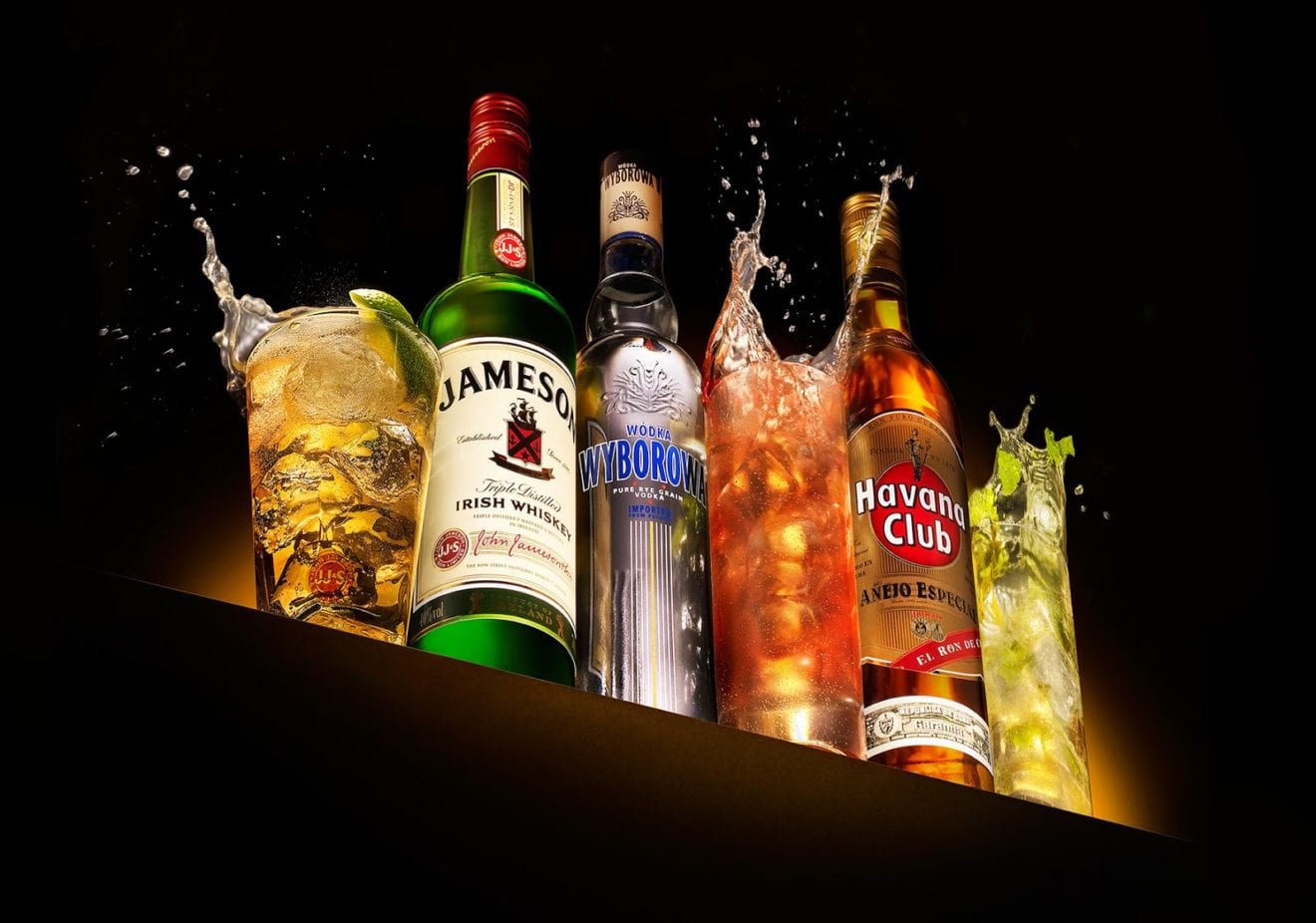
    Independent liquor retailers took back around 130,000 customers from supermarket chains over the 12 months to December 2018, increasing their market share from 9.8 per cent to 12.9 per cent, according to research firm Roy Morgan.

    Supermarket-owned chains, including Woolworths Group’s BWS and Dan Murphy’s, Coles Group’s LiquorLand, First Choice and Vintage Cellars, as well as IGA and Aldi, lost around 1.8 per cent of the market over 12 month period, according to Roy Morgan’s Alcohol Retail Currency report.

    “While the big two supermarket chains are competing, it appears to be largely at the expense of Aldi, IGA and other supermarkets all of whom lost share over the last 12 months,” Norman Morris, industry communications director at Roy Morgan, said.

    “Our research shows a number of drivers of buying behaviour in this market, including proximity to other shops, low prices, an easily browseable range, special offers, expert staff knowledge and good service.”

    Coles Group bucked the trend as the only major retailer to gain share over the year, jumping from 16.5 per cent to 18.1 per cent.

    And while Woolworths Group remains the clear market leader, with almost half of the alcohol market (48.3 per cent), its Dan Murphy’s brand lost 4.2 per cent of share during the period.

    Woolworths said yesterday that while Dan Murphy’s sales momentum improved over the 13 weeks to March 31, 2019, it is still expecting its Endeavour Drinks group EBIT to be below the prior year as it focuses on improving its range, service and convenience for customers.

    Likewise, Coles noted its Liquorland brand has struggled with a subdued market and lower promotional intensity in the beer category, especially over the New Year’s Eve period, which it said underperformed.

  • Online fashion retailers Starting to Limit Free Deliveries

    Online fashion retailers Starting to Limit Free Deliveries

    Zalando, Europe’s largest online-only fashion retailer, has said it will begin to charge delivery for smaller orders across more markets in response to shrinking order size.

    The e-commerce business initially enjoyed rapid growth due to its free delivery and returns, but the rise of mobile commerce has changed customer behaviour, with the size of orders getting smaller, driving up logistics costs.

    Zalando has already introduced a minimum order value to qualify for free delivery in Italy, Spain, Britain and Ireland, which has had no effect on customer satisfaction, according to the company’s finance chief David Schroeder.

    The initiative now will be extended to Denmark, Sweden, Finland and Norway at the end of May.

    The move echoes H&M’s announcement last month that it would reintroduce delivery fees for its loyalty club members to cut down on similar logistics costs and restore profitability.

    “We have a lot of logistics around the customers that shop online,” H&M head of customer loyalty Samuel Holst told.

    “For the plus level, deliveries will remain free for all purchases, but for the base level there will be a cap. You will need to shop for a certain amount to get free delivery.”

    While many retailers have invested significant sums in designing their websites and ad campaigns for mobile, these changes suggest that more work is needed to adapt retail businesses to the smartphone era.

  • Gome profit warning issued to Shareholders

    Gome profit warning issued to Shareholders

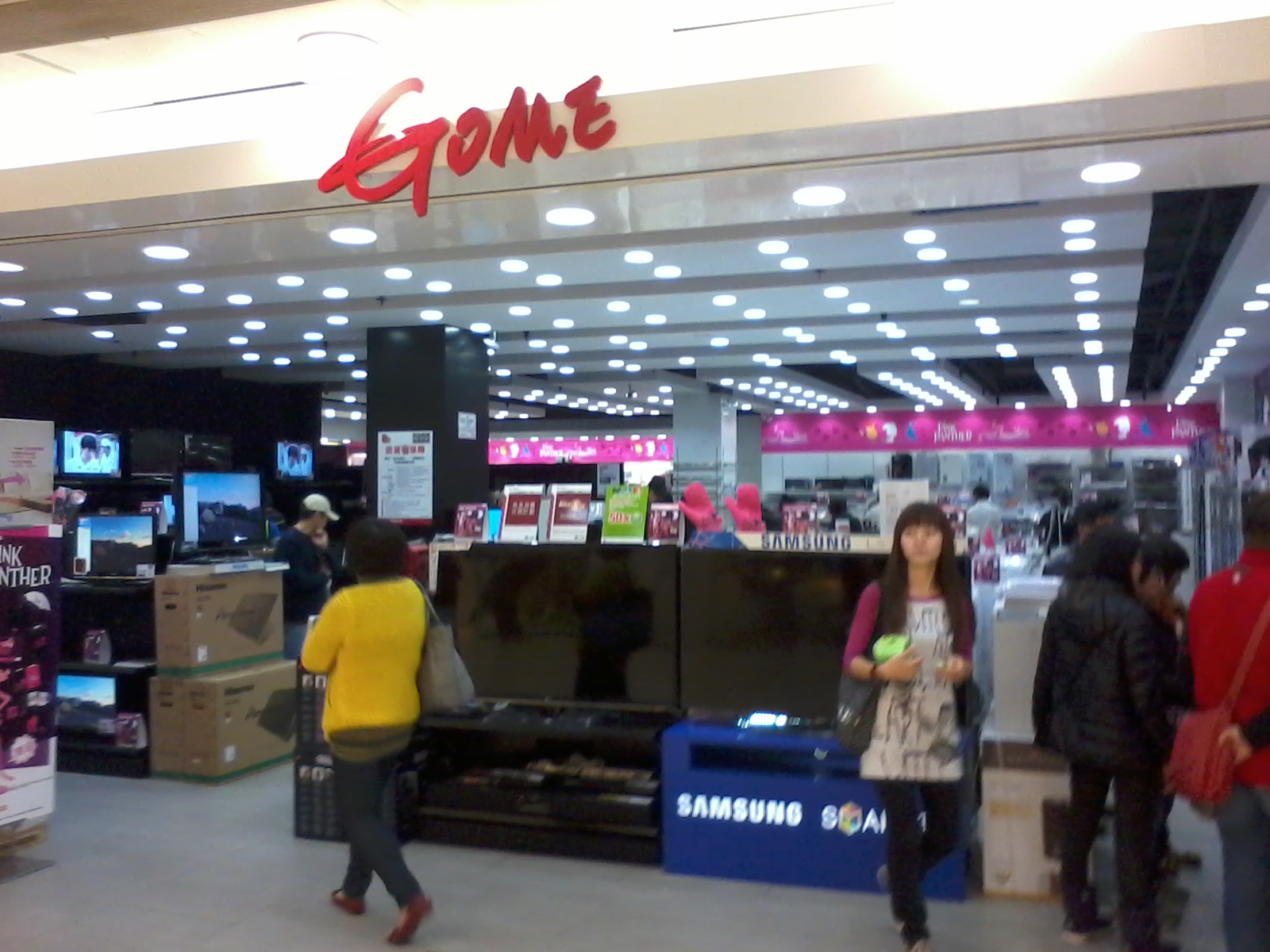
    Another Gome profit warning has been issued as the company’s massive restructuring program continues.

    However the group says the reforms are beginning to show results and while a loss is anticipated for the latest quarter, it will be less than that of the previous period.

    According to a stock exchange filing, Gome says its loss attributable to owners is expected to range somewhere between RMB20 million (US$3 million) and RMB90 million ($13.4 million), as compared with a profit of RMB113 million for the corresponding period last year. The loss will be “significantly reduced” compared with the loss for the December quarter, the company said. Last full year, Gome lost RMB4.887 billion ($728 million).

    The group says it continued to actively pursue its transformation into an integrated home solution, service solution and supply chain provider based on its strategy of ‘Home • Living’. It expects the group’s total GMV for both online and offline to grow about 5 per cent year on year for the March quarter.

    Of that, GMV from Me Shop is expected to grow by more than 200 per cent, service GMV by more than 30 per cent, GMV from smart products by more than 50 per cent; and GMV from new businesses such as home solution and integration of kitchen cabinets with electrical appliances, by more than 100 per cent.

  • Sephora Hong Kong plans Eight More Store Openings

    Sephora Hong Kong plans Eight More Store Openings

    Sephora Hong Kong has confirmed not one, but eight stores in its return to brick-and-mortar retailing in the territory – but shoppers will have to wait until August for the first outlet to open.

    As previously reported, the LVMH-owned chain will open a 4200sqft store in IFC Mall after a 10-year absence from the city.

    In an announcement confirming its plans, Sephora Hong Kong says it will open a second store at Windsor House in Causeway Bay in the fourth quarter of this year and expand its online offer.  Six more stores will follow over a three-year timeframe, their locations as yet not revealed.

    In a statement, Benjamin Vuchot, president of Sephora Asia, said the company currently operates in 12 countries and during the next three years sees its retail presence expanding by almost 50 per cent across Asia.

    “Hong Kong, being strategically located in the Greater Bay Area, allows us to meet the growing demands from Hong Kong consumers, as well as tourists from Mainland China and Southeast Asia,” he said.

    “We believe that Hong Kong will be a key market … giving Sephora the opportunity to amplify global beauty trends locally, elevate the in-store retail experience and to bring in digital touch points within the brick-and-mortar format to create a virtuous customer centric cycle.”

    Sephora said the retail landscape in Hong Kong has changed significantly over the 10 years since Sephora last had a store there.

    “Conventional retail with a physical presence has proven higher chances of winning in a market with strong digital development. Moreover, the re-launch of Sephora brings to Hong Kong’s department store-focused retail landscape a much-needed prestige retail chain for an authentic omni-channel experience,” the statement said.

    Sephora Hong Kong plans to make beauty “more personalised, fun and interactive” upon its return, allowing customers “the freedom to experience products that work for them, learn tips and tricks, as well as to have access to unbiased beauty services from beauty advisors”.

    The company plans more than 40 brands of cosmetics exclusive to Sephora stores in the city, along with its own in-house label Sephora Collection. It has promised to include local Hong Kong brands in its offer as well, over time.

    Digital innovation will play an integral role in Sephora’s traditional retail experience, with vending machines to be located in stores to support the Beauty Pass loyalty program, an app powered by member insights to drive seamless customer service, a digital skincare consultation for immediate and accurate recommendations, and the opportunity to go online to book in-store makeovers.

  • Walmart trials new Online Store Format

    Walmart trials new Online Store Format

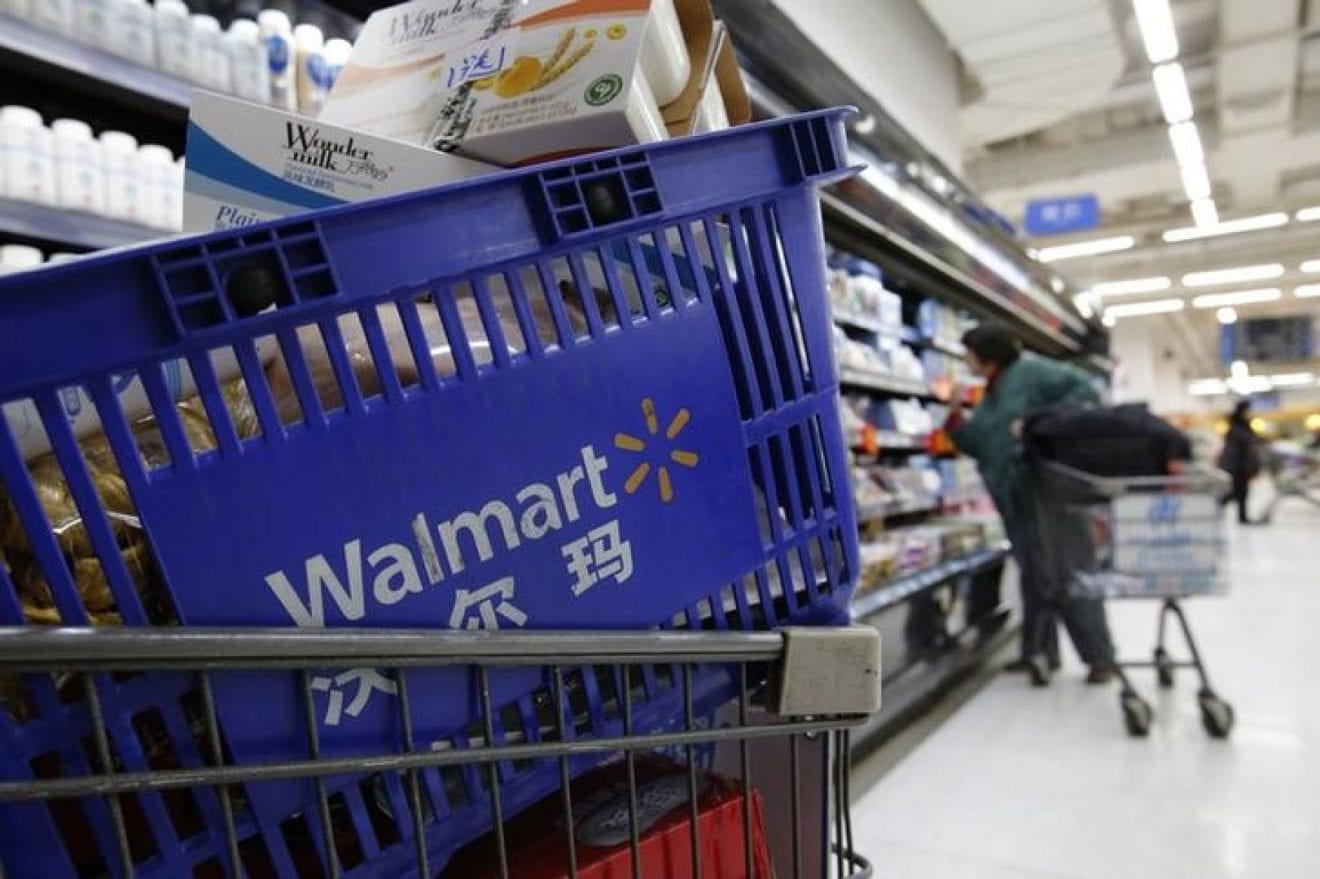
    Supermarket retailer Walmart has launched a new technology called Intelligent Retail Lab (IRL) that allows it to monitor its physical stores more efficiently and keep costs under control.

    The retail giant is testing this new technology, which includes artificial intelligence-enabled cameras, interactive displays and a massive data centre, in its 50,000-square-foot neighborhood market grocery store in Levittown, New York.

    According to IRL CEO Mike Hanrahan, the location is one of Walmart’s busiest stores and has more than 30,000 items and this allows them to test out the new technology concept in a real-world environment.

    “We’ve got 50,000 square feet of real retail space. The scope of what we can do operationally is so exciting,” Hanrahan said.

    IRL is set up to gather information about what’s happening inside the store through an array of sensors, cameras and processors. It has a combination of cameras and real-time analytics that will automatically trigger out-of-stock notifications to internal apps that alert associates when to re-stock, detect the products on the shelf and compare the quantities, among others.

    Hanrahan said the first thing this equipment will help the team focus on is product inventory and availability. In short, the team will use real-time information to explore efficiencies that will allow associates to know more precisely when to restock products, so items are available on shelves when they’re needed.

    “Customers can be confident about products being there, about the freshness of produce and meat. Those are the types of things that AI can really help with,” Hanrahan said.

    Walmart said with its new IRL technology, customers can trust that the products they need will be available during the times they shop.

  • FamilyMart Japan investing in New Labour Technology

    FamilyMart Japan investing in New Labour Technology

    Japanese convenience store FamilyMart Holdings is preparing to invest ¥25 billion (US$223 million) on labour-saving technologies.

    The firm will partner with tech firm Panasonic to introduce self check-out, digital displays and other similar devices which automate procedures traditionally undertaken by staff.

    The investment is intended to serve the brand’s franchisees who have been burdened with high labour costs in order to keep stores open around the clock.

    Both FamilyMart and its larger competitor 7-Eleven have felt pressured to let go of their 24-hour store policies in the face of a tightening labour market.

    They are also looking at other ways to ease the financial burden on franchisees.

  • Google removes apps from the Play Store for Ad fraud

    Google removes apps from the Play Store for Ad fraud

    A successful Android app developer with over half a billion installs to its credit is having its apps removed by Google from the Play Store. DO Global, based in China, has had 46 apps erased from Google’s Android app storefront after an investigation conducted by BuzzFeed found serious issues with the apps. Before Google started taking action against the developer, DO Global had approximately 100 apps in the Google Play Store making this one of the biggest actions ever taken against an app developer by Google. The remaining apps will be removed shortly. DO Global had been a wholly owned subsidiary of well know Chinese internet firm Baidu. But last year, the unit was spun off and Baidu kept a 34% stake.

    The initial report from BuzzFeed said that at least six of the apps from DO Global would click on ads even if the app was not being used. Online security firm Checkpoint, in partnership with BuzzFeed, found the apps loaded with malware that it dubbed PreAMo.That’s because the apps fraudulently clicked on banner ads served up by mobile ad networks Presage, Admob, and Mopub. Checkpoint states that the malware was installed from these six apps a total of 90 million times.

    Some of the apps involved were credited to developers like “Pic Tools Group” and “Photo Artist Studio,” and their true ownership was hidden by DO Global. That’s another violation of Play Store rules. The developer contact information was also different on several of the apps, obfuscating their true owners. The actual titles include apps like RAM Master-Memory Optimizer; Photo Editor-Makeup Camera & Photo Effects and Crashy Cops. DO Global claims that its apps have 250 million monthly active users, and said that its mobile ad platform reaches 800 million people.

    “We fully understand the seriousness of the allegations. Therefore, after reading the reports about our apps, we immediately conducted an internal investigation on this matter. We regret to find irregularities in some of our products’ use of AdMob advertisements. Given this, we fully understand and accept Google’s decision. Moreover, we have actively cooperated with them by doing a thorough examination of every app involved…moving forward, we will strictly follow relevant regulations and continue conducting a comprehensive review of our products. Lastly, during this process, we have caused misunderstandings and great concern due to our being unable to communicate in a timely manner and provide complete information. We offer our sincere apologies.”-DO Global

    In a statement, Google said that it will always investigate malicious behavior by apps. When it finds violations, it will prevent a developer from monetizing an app through AdMob and/or remove an app from the Play Store.

  • Official Online Nintendo Store Opens Doors in Hong Kong

    Official Online Nintendo Store Opens Doors in Hong Kong

    An official Nintendo Hong Kong online store has opened this week.

    The new storefront eplaces a former Nintendo page that offered download codes which could be redeemed on WhatsMall.

    Now fans of the Japanese game platform can buy software online direct from the manufacturer.

    The Nintendo Hong Kong e-commerce site offers download codes for a range of Nintendo Switch and Nintendo 3DS games along with DLC, reports fansite NintendoSoup.

    The site features multiple languages as well, along with Chinese: American and UK English, Canadian French, French, Latin America Spanish and Spanish.

  • Puma Store in Dhaka marks First Milestone

    Puma Store in Dhaka marks First Milestone

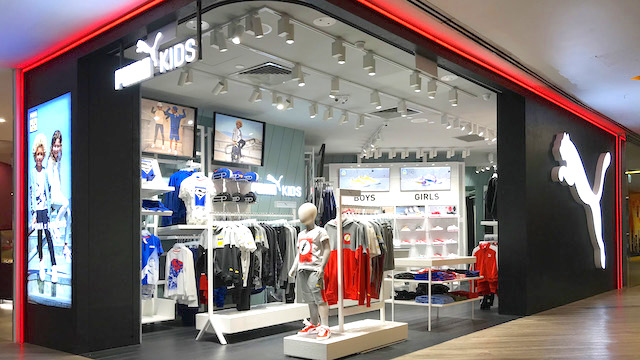
    The new Puma Bangladesh flagship just opened in Dhaka marks the sportswear brand’s largest yet in the country.

    The 2220sqft location showcasing the firm’s latest performance and sportstyle products is the brand’s first flagship in Dhaka, the largest full-price store in the country across global brands; and the first entry by any international brand into the Bangladeshi market, according to its employee publication.

    “The store is a great brand statement for us in the heart of the capital city of Dhaka,” said Puma India MD Abhishek Ganguly. “The response we are getting is far beyond expectations. The economy in Bangladesh is going in the right direction and sport is getting more and more popular. We will continue to focus and expand in the market.”

    The Puma brand has been brought into the country by its regional partner, textile & apparel manufacturer DBL Group.

    “We are looking at expanding our footprint in the region, and what better way than launching our very own flagship store,” said DBL Group MD M A Jabbar. “Through our iconic flagship store we aim to bring the best Puma experience and product to our consumers.”

    The brand aims to expand within Bangladesh with more outlets to come in the unspecified future.

  • Hello Kitty welcome Link’s Fresh Market shoppers

    Hello Kitty welcome Link’s Fresh Market shoppers

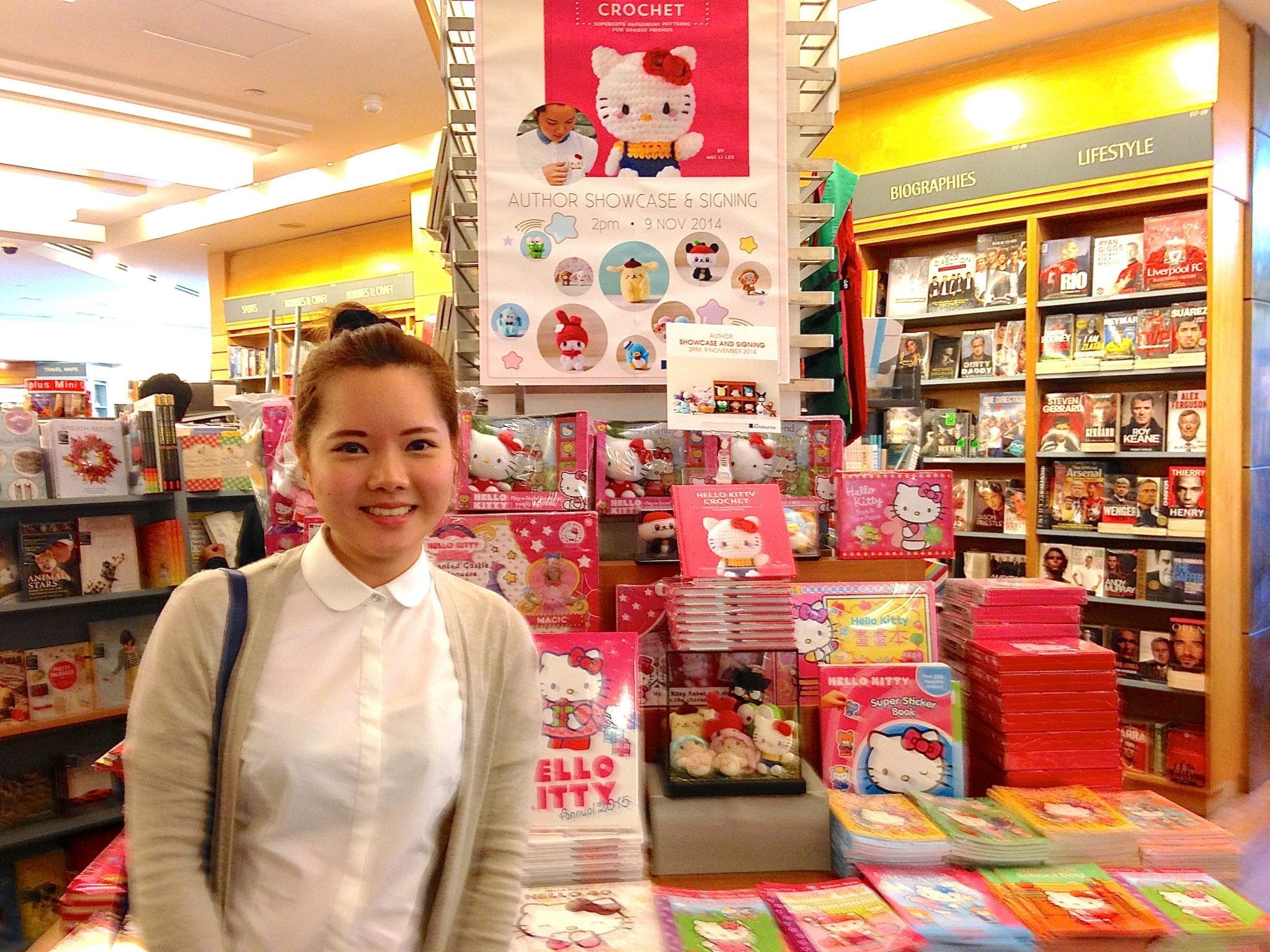
    Link’s Fresh Markets have partnered with Hello Kitty creator Sanrio in a campaign to have the adorable characters greet customers at seven designated markets.

    The collaboration celebrates the fresh new look of Wo Che Market in Shatin, which has recently undergone asset enhancement.

    “The event is as much a delightful surprise for the public as an immersive educational initiative for the younger generation,” said Link’s corporate affairs and marketing director Lorraine Chan, “as they can soak up local fresh market culture and healthy eating messages. There will also be activities allowing kids to unleash their artistic and creative talents.”

    From now until June 30, the Sanrio “store owners” are treating visitors to the cutest selfie experience at Link’s Fresh Markets in Kowloon and the New Territories. On April 28, Ahiru No Pekkle will show up at TKO Gateway to give away free hugs and pose for fun photos. Moreover, Nam Cheong Place Market will launch an exclusive Monkichi premium redemption programme for families.

    A set of “Link’s Fresh Markets x Sanrio Characters” limited-edition goodies will be given to customers who reach a designated spending amount within seven days at specific Link Fresh Markets and shopping centres.

    Link will also host a “Mini Master Chef Contest” at Wo Che Market. 10 finalists will channel their creativity to create a bento lunch box featuring Sanrio Characters with fresh ingredients on April 20 and 27. Local culinary tutor and cartoon bento specialist Candace Mama will give demonstrations on bento preparation and decide the winners of Link’s first “Mini Master Chef” title.

  • Starbucks opens its largest store in Singapore

    Starbucks opens its largest store in Singapore

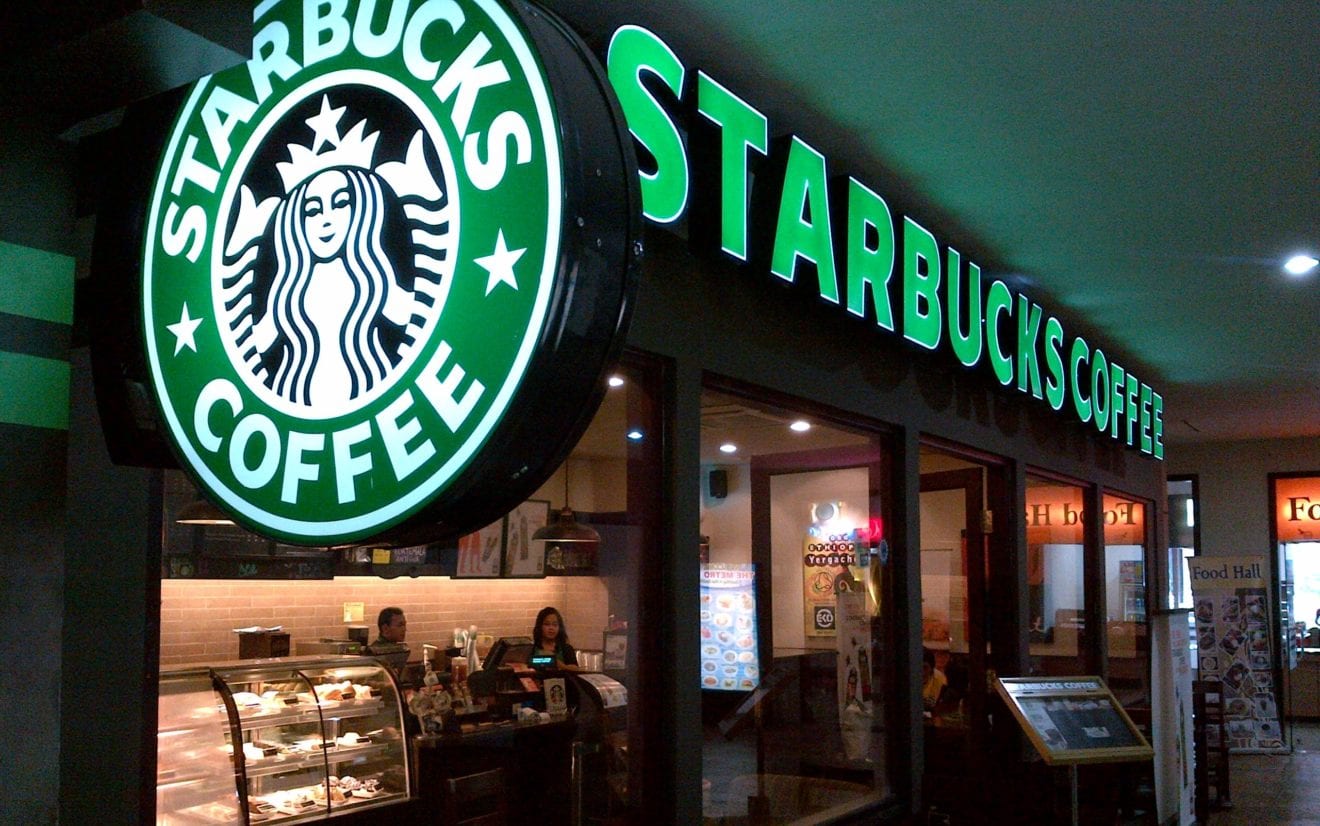
    Starbucks Singapore has opened its largest store yet.

    Operating in Jewel Changi, the two-storey flagship store will serve a mix of quality coffee experiences and localised offerings.

    Upon entry, visitors are greeted by a layered wooden storefront, inspired by the textures of coffee-farm landscapes. At the front and centre of the store stands a sprawling coffee bar shaped like a coffee bean. It is designed with cross-sectional honeycomb patterns carved on the wooden material for added texture.

    “Our Starbucks Jewel flagship store brings to life our vision for the Starbucks brand in Singapore – with the depth of our coffee expertise, our strength in store design and experience, and our pipeline of meaningful product innovations to elevate the customer experience – this is the epitome of our coffee leadership in Singapore,” said Starbucks Singapore GM Patrick Kwok.

    Beyond the exclusive local menu at the flagship, the space pays tribute to the whole coffee journey in the duplex’s lush indoor landscaping, polished interiors and artisanal woodwork. The bar features the VA388 Black Eagle Espresso Machine – a familiar sight at the World Barista Championships – which allows the barista full control over the consistency and precision in every aspect of a coffee, from bean ratio to brewing time and water temperature.

    To reinforce the local touch to the menu, Starbucks Singapore has also partnered with homegrown ice-cream parlour Udders. Dessert fans can take their pick from a series of coffees paired with ice cream, including a classic affogato.