Tag: Store

  • Daesang to sell Ministop stake to partner Aeon

    Daesang to sell Ministop stake to partner Aeon

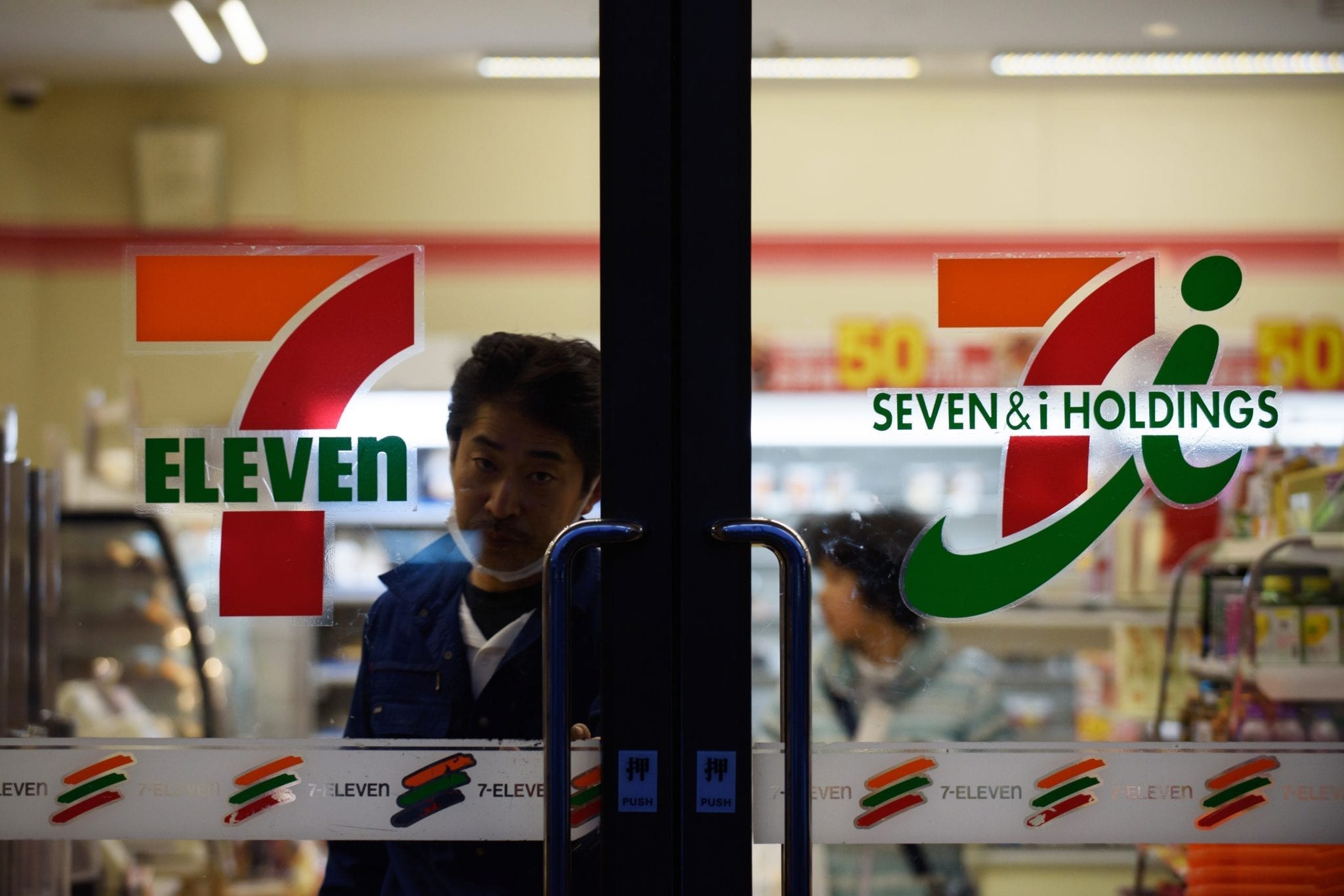
    South Korean food manufacturer Daesang is reportedly exiting the convenience store business, selling its stake in the Ministop chain.

    A cut-throat industry in the territory, competition between players has become so intense that legislation is now in effect to forbid the opening of new convenience stores within 50 metres of existing outlets.

    Daesang’s withdrawal will likely result in the sale of its 20 per cent shareholding in the Ministop Korea brand to its Japanese partner Aeon, which attempted unsuccessfully to sell its own shares in the business last year.

    Insiders familiar with the transaction have revealed that talks between the partners are well-progressed and that the shares are likely to be transferred for KRW80–90 billion (US$70.8–$79.6 million).

    Daesang established Ministop with Aeon in 1997, but courted Aeon to purchase a majority stakeholding plus management rights to the business in 2003. The current transaction would remove Daesang from the business entirely, leaving Aeon with a 96.06 per cent stake of the country’s weakest contestant in the nationwide convenience-store playing field.

    Ministop achieved KRW2.6 billion ($2.3 million) in profits in 2017, compared with KRW13.3 billion ($11.76 million) in 2015.

  • Dunhill New York Finally opens Hudson Yards store

    Dunhill New York Finally opens Hudson Yards store

    Dunhill New York has opened a store in the city’s new Hudson Yards development.

    The 2600sqft outlet showcases the brand’s British luxury menswear against a backdrop of modern retail design – a contemporary space combining bronzed brass and walnut, together with leather and metal details, all recognisable codes of the house.

    dunhill Hudson Yards 2

    dunhill Hudson Yards 3

    “Dunhill has traded in New York City for decades, from Rockefeller Centre to Madison Avenue,” said CEO Andrew Maag. “Hudson Yards is the next wave of retail and we are thrilled to be there from the start. We are part of the fabric of the city and we keep moving with it.”

    dunhill Hudson Yards 5

    The grey marble storefront takes inspiration from the facade of the brand’s 1950s South Rodeo Drive store. White wood panelling frames collections by creative director Mark Weston. Walnut burl cabinets, housing men’s accessories, are inspired by the original furniture from London’s Duke Street and Paris’ Rue de la Paix stores. Fluted metal details recall the textures and finishes of the Rollagas lighters.

    dunhill Hudson Yards 6

    The new Dunhill New York City store will retail a curated selection of luxury pieces, as well as ready-to-wear, leather goods and fine accessories.

  • Lego store opens with giant figurines in Sydney

    Lego store opens with giant figurines in Sydney

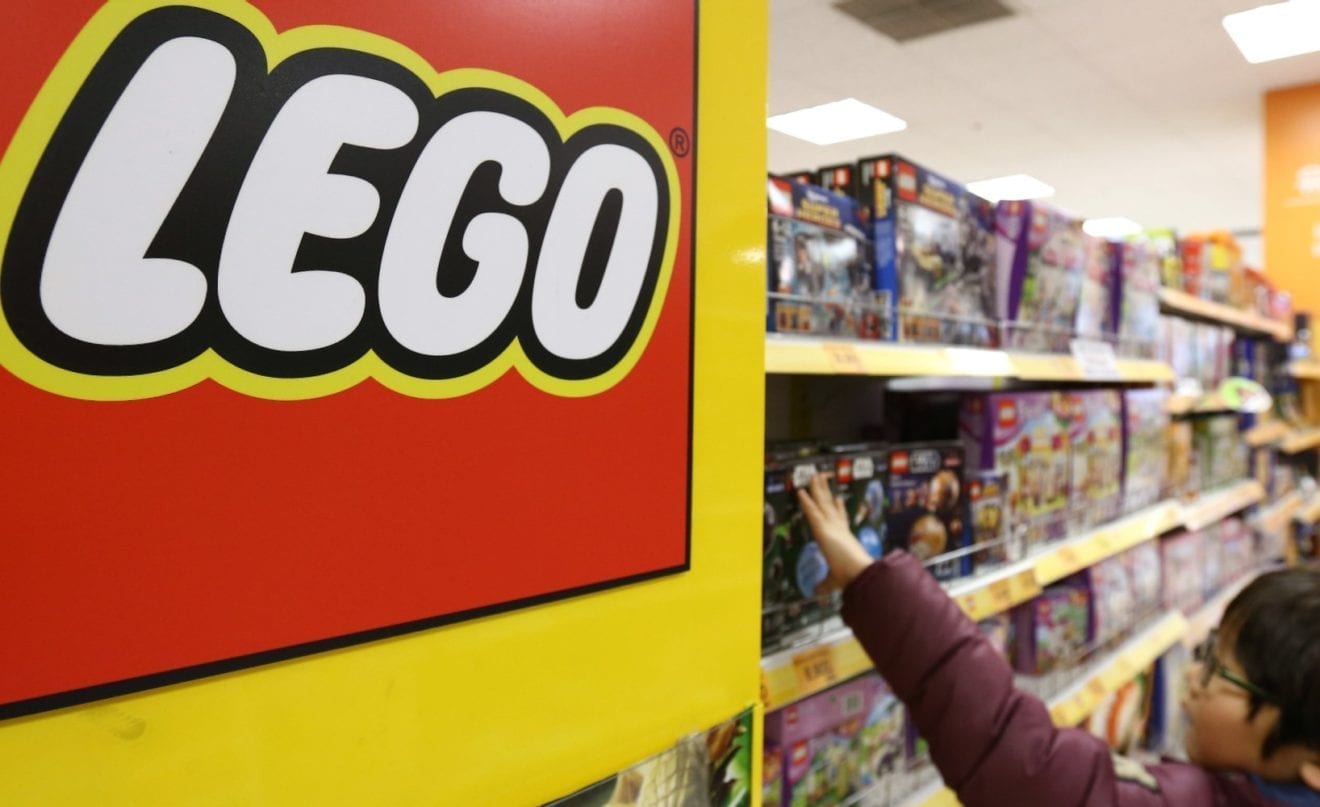
    Lego Group unveiled the first Lego store in Sydney at Westfield Bondi Junction on Tuesday evening, ahead of the official opening on March 21.

    The store includes several features aimed at enabling creativity, including a room with play tables called The Brick Room where kids can build their own creations, the Pick-A-Brick wall, where customers can get exact brick they need and Build-Your-Own Minifigure stations.

    Lego Group vice president and general manager Australia and New Zealand Claus Kristensen said the group was excited about a fantastic year to come.

    “There’s going to be a lot of exciting offerings to all kids and adults,” Kristensen said.

    “It’s fantastic to have a place like this where we can showcase the brand and give everyone that great experience as we continue to inspire the builders of tomorrow.”

    The store features several bespoke creations, including a number of large-scale Lego figurines, some displays of the larger sets that can be purchased, and – as with all Lego stores – a mural showcasing the city the store is located in.

    The Bondi Junction store features a 62,300-brick mural of a Sydney Harbour sunset, which took 282 hours (more than seven standard working weeks) to build.

    “Lego stores around the world are renowned for drawing from local landmarks for a bit of inspiration,” Alceon Group executive director Richard Facioni said.

    The store is the result of a partnership with Alceon Group, which acquired the rights to Lego certified stores in Australia and New Zealand. Kristensen explained that Alceon “understood the importance of the brand”, and noted he believed the group had made the right choice.

    “I’m sure it’s going to be very exciting to see the opening on Thursday,” Kristensen said.

    “I think it’s going to be a bit crazy, we all hope so.”

  • Samsung Galaxy flagship store to open in Tokyo

    Samsung Galaxy flagship store to open in Tokyo

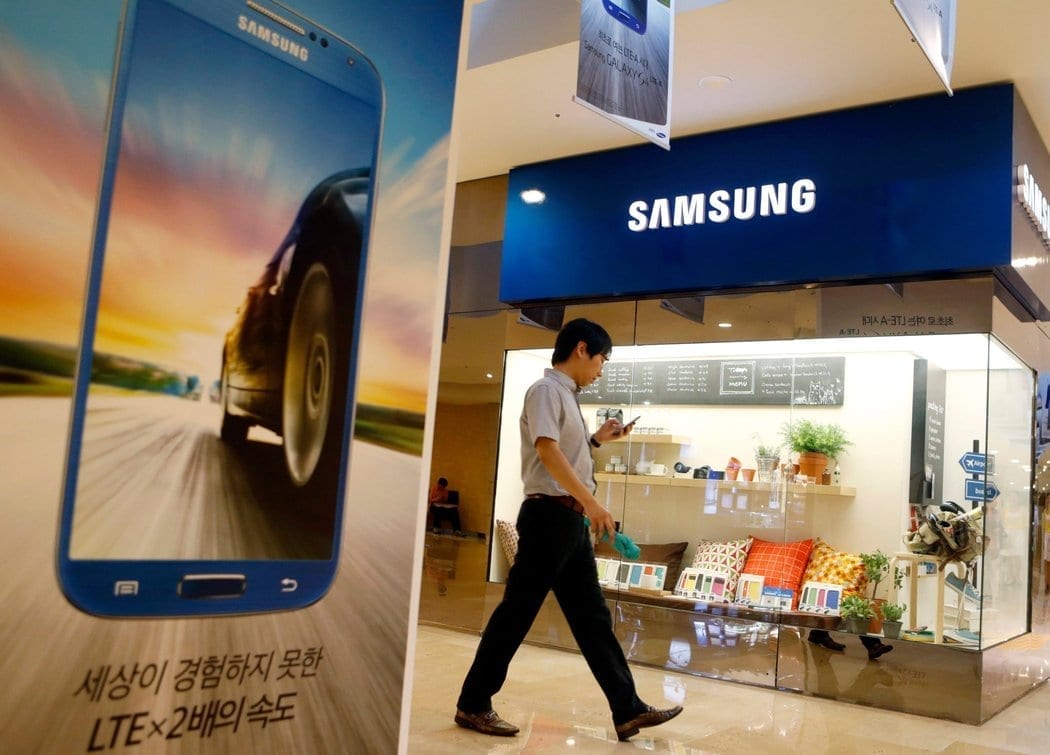
    Smartphone brand Samsung has opened a new Galaxy flagship in Tokyo.

    The six-level location is the largest Galaxy showcase store worldwide, and features a front facade decorated with more than 1000 smartphones, celebrating the 10th anniversary of the product line.

    The store will offer a range of phones and wearable devices, as well as offer repair services.

    The opening coincides with Japan’s 500-day countdown to the 2020 Olympic Games. Samsung is an Olympic Partner in wireless communications equipment. The firm is seeking a stronger market share in anticipation of impending 5G network rollout across the country.

  • Valextra Beijing flagship finally unveiled

    Valextra Beijing flagship finally unveiled

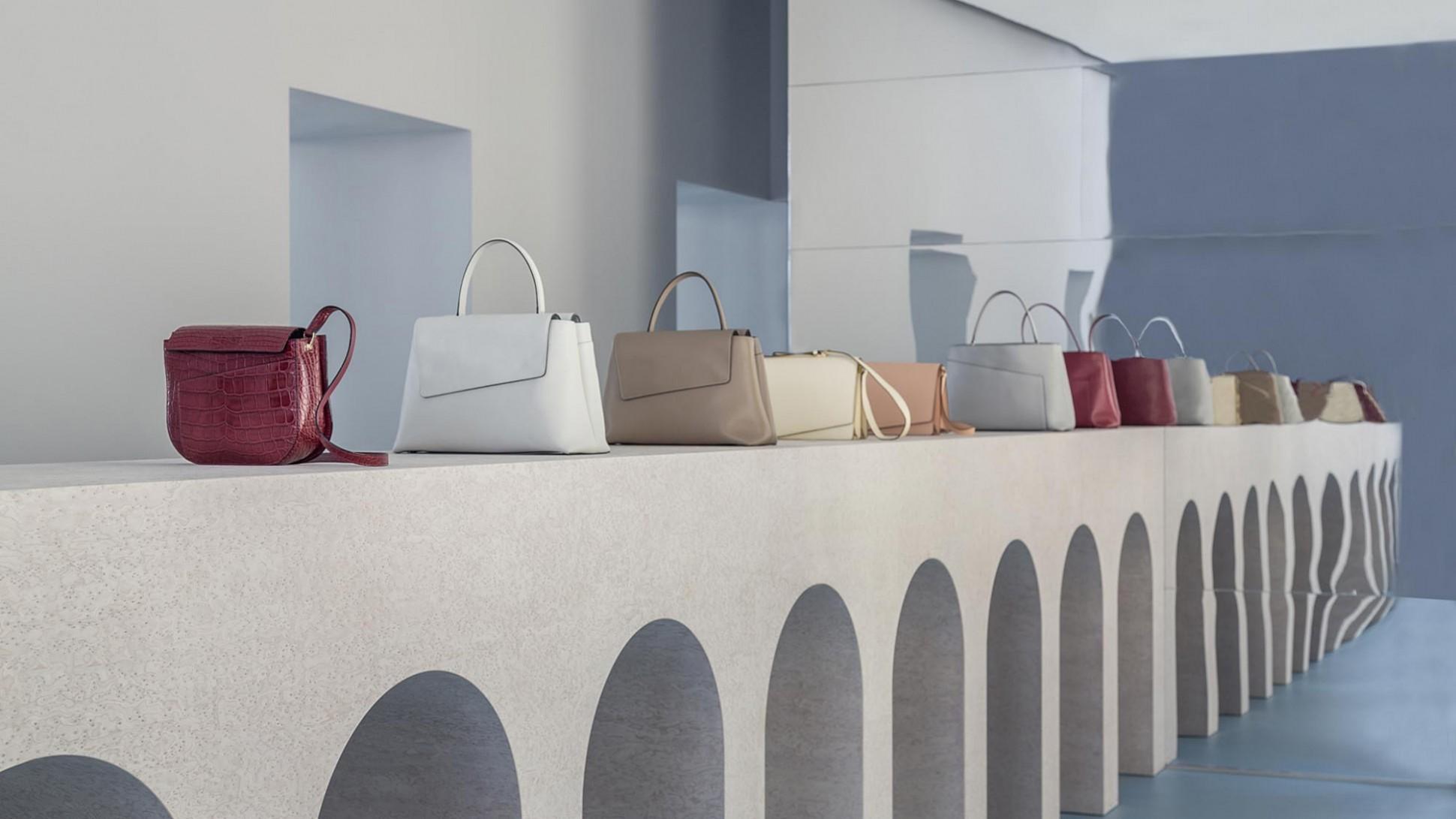
    Luxury leather good brand Valextra has opened a flagship store in Beijing.

    Valextra Beijing flagship 1


    Valextra-Beijing-flagship handbag close up

    The luxe label, which recently launched much-publicised spaces in Shanghai and Chengdu, has taken a unit at high-profile location Taikoo Li Sanlitun. The Valextra Beijing space at the open-air shopping mall features an expansive glass facade with a lofty ceiling, maximising on ambient daylight, and an interior design created by London-based Italian designer Martino Gamper.

    Valextra Beijing flagship 3

    To the right of the boutique, diamond-shaped wooden shelves display the brand’s first sneakers capsule collection, opposite a selection of small leather goods. Travel bags and suitcases are showcased on light blue terrazzo stands and plinth at the top level.

    The Valextra Beijing store also features a high-end rest area to the back with a plush green sofa and matching geometric-shaped coffee table.

    Valextra Beijing flagship 4

  • Le Saunda sales plunge with 30 per cent

    Le Saunda sales plunge with 30 per cent

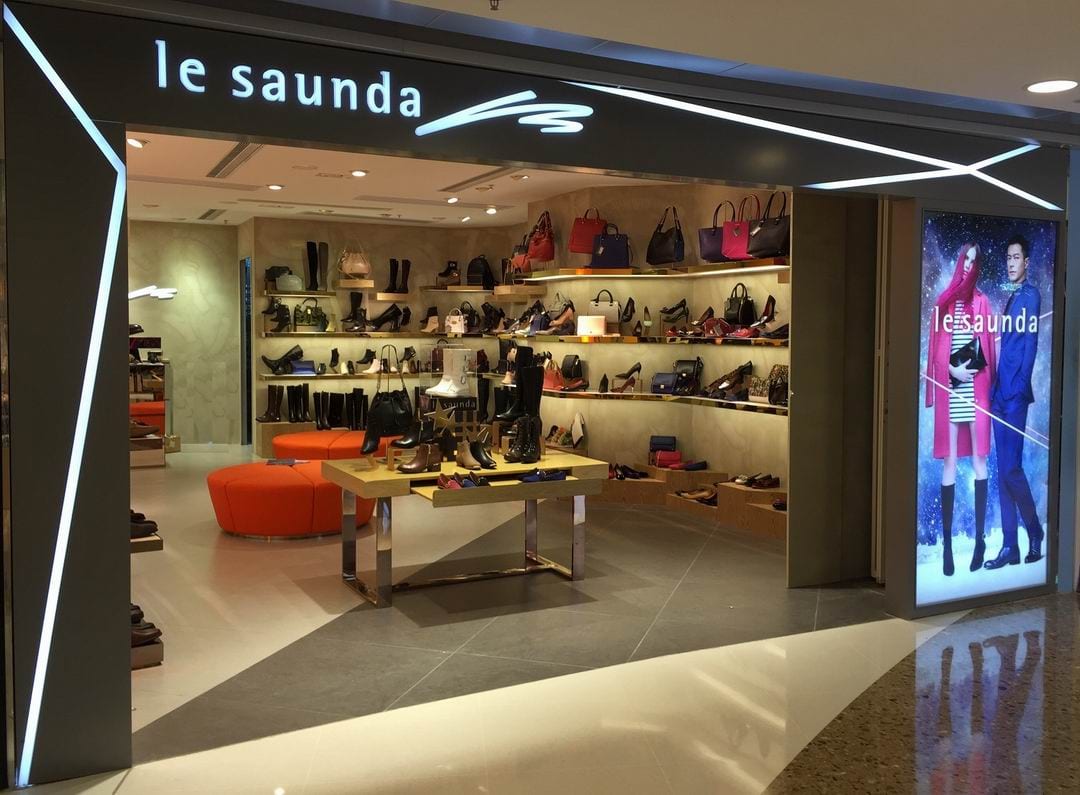
    Le Saunda sales plunged 30 per cent in the fourth quarter as the embattled shoe retailer struggles to attract customers.

    According to a stock exchange filing, sales at Le Saunda’s self-owned stores fell by 29.9 per cent in the quarter, with same-store sales declining 17.4 per cent.

    That followed a cull of 161 stores over 12 months across Mainland China, Hong Kong and Macau.

    Sales by the group’s e-commerce business fell by 4.1 per cent, compared with the same period last year.

    Le Saunda has 526 stores remaining across its three markets, with 464 of them self-owned and 62 franchised on the mainland.

    The company said it expects the group to record a net loss attributable to shareholders for the 2018-19 financial year, primarily attributable to the decrease in sales, and a declining gross profit margin. Le Saunda did not give an estimate for the loss.

  • Retail company Yo-ren eyes Thailand and Malaysia

    Retail company Yo-ren eyes Thailand and Malaysia

    Hong Kong-headquartered retail technology company Yo-ren has secured US$11 million in a funding round it plans to use to expand into Thailand and Malaysia.

    Yo-ren designs, develops, and operates smart phone-based customer management programs and provides retailers with social network services, e-commerce website planning and operations, collects user data and performs data analysis, as well as developing market strategies based on user characteristics.

    The company’s current clients include Japanese convenience store chain Lawson.

    Yo-ren is also investing in AI technology as part of an agenda to merge digital and physical store spaces, possibly extending as far as allowing consumers to buy clothing in unstaffed stores, in similar fashion to Amazon Go.

    “We foresee the optimal use of digital environments as a service, and big data gathered from increasingly connected networks as critical up-and-coming managerial problems,” Yo-ren wrote in a statement.

    Investors in the latest Yo-ren funding round included Lawson and T-Gaia Corporation.

  • PVH opens third Tommy Hilfiger store

    PVH opens third Tommy Hilfiger store

    US-based PVH Corporation opened its 13th full-price Tommy Hilfiger store in Australia on Friday, just days after the fashion brand held its Tommy Now runway event in Paris, featuring a collection designed in partnership with American actress and brand ambassador, Zendaya.

    The new store, located in Sydney’s Mosman suburb, showcases the TommyXZendaya collection and the brand’s Spring 2019 collection, in keeping with Tommy Hilfiger’s early adoption of the ‘see now, buy  now’ runway trend. Customers can also shop the brand’s denim collection and newly launched men’s and women’s sportswear collections.

    The store, which opened on International Women’s Day, also offers the brand’s IWD capsule collection, which features t-shirts and sweaters with inspirational slogans, such as: “Be the change” and “Powerful”. The brand is donating $1 from every style sold to the International Women’s Development Agency, a non-profit that works to advance women’s rights and gender equality in Asia Pacific.

    Spanning 130sqm, the store design reflects Tommy Hilfiger’s new global retail concept, which fuses the brand’s American heritage with clean, modern finishes and a bright, airy aesthetic. A high-resolution digital screen showcases the brand’s latest global campaigns for an immersive brand experience.

    The Mosman store is the third Tommy Hilfiger store to open in the past eight months in Australia, reflecting the parent company’s efforts to minimise its exposure to Myer and other struggling department stores by increasing its retail presence. The brand opened a store in Burwood, NSW, in June 2018 and in Perth, WA, in October. The brand also launched an online presence in Australia in September.

    In a presentation to investors in May 2018, PVH Brands Australia, a 50-50 joint venture between PVH and local apparel retailer Gazal Corporation, which held the licences for  Tommy Hilfiger, Calvin Klein and Van Heusen in the local market, said it would open 34 stores across the brands in the coming years.

    Since then, PVH has announced an agreement to acquire Gazal. The closing, which is subject to shareholder, court and regulatory approvals, is expected to occur in the second quarter of 2019.

    Tommy Hilfiger operates 1800 stores in over 100 countries around the world.

  • American Eagle expands Aerie lingerie brand

    American Eagle expands Aerie lingerie brand

    Global apparel retailer American Eagle is boosting its Aerie lingerie brand, with plans to open 60 to 75 stores this year.

    The strategy, which coincides with rival brand Victoria’s Secret’s declining sales and series of store closures, involves both standalone locations and side-by-sides with American Eagle, predominantly in Texas and California. The company currently operates 1055 stores.

    “Aerie is a game changer by staying at the forefront of body positivity and women’s empowerment,” said Aerie’s global brand president Jennifer Foyle. “Our new cast of role models are even more inspirational. They embrace the Aerie lifestyle and were chosen for their influential voices, unique stories and commitment to increase the power and empowering our community.”

    The firm reported US$431 million in earnings for the last financial quarter, a 1 per cent rise over the previous year’s figures. Its total net sales also rose 1 per cent to $1.24 billion.

    “Strong execution by the teams drove a record fourth quarter and fiscal 2018, as we reached a milestone of $4 billion in annual revenue with increased operating profit,” said American Eagle’s CEO and chairman Jay Schottenstein.

    “Eagle and Aerie continued to deliver consistent performance by combining product innovation and great merchandise with an improved customer experience across channels. As we head into 2019, we will continue to leverage the strength of our brands, selling channels and the team’s commitment to continually raising the bar for our customers. The strength of our balance sheet and free cash flow enables us to make important investments in our business to fuel market share gains, future growth and returns to our shareholders.”

  • Philippine Seven chief wins retail award

    Philippine Seven chief wins retail award

    Jose Victor Paterno, president and CEO of Philippine Seven Corp, has been named the NACS Asian Convenience Retail Leader of the Year.

    The award, endowed by PepsiCo, recognises and honours “the most successful and influential convenience industry leader of 2019” in the region.

    It was presented before an international audience of convenience retailers and suppliers at the NACS Convenience Summit Asia this week in Shanghai, China. Paterno joins last year’s winner Richard Yeung, CEO of Circle K Convenience Stores Hong Kong, and Tomoyasu “Tommy” Marutani, president of Secoma, which operates Seicomart in Northern Japan, the year before.

    Paterno was recognised for navigating Philippine Seven through the implementation of one of the most complicated supply-chain networks in Asia. The company operates 13 warehouses nationwide and overcomes the country’s geography to deliver daily to 2600 stores across the Philippines, which comprises more than 7000 islands. The warehouses carry 3000 items. His company uses the network to offer store pick-up points for items ordered online through their CLiQQ Shop and Rewards Program, making the Philippines convenience chain a true online-to-offline retailer.

    “Not only is the dynamism of Philippines Seven’s drive to redefine convenience impressive (eg, the CLiQQ Shop), but Victor’s personal commitment to and support of our global convenience-retail industry is widely respected,” said Henry Armour, president and CEO of NACS.

    A one-time technology entrepreneur, Paterno believes in the potential for technology to transform small-format retail. He is an engineer by education who fell into retailing when he joined the company at his father’s invitation as construction and maintenance manager in 1993. Although the position was supposed to be temporary, Paterno was intrigued by the complexities of retailing and stayed on longer than planned. He was appointed president and CEO in 2005 by majority shareholders President Chain Store of Taiwan.

  • Promising signs of change at Myer

    Promising signs of change at Myer

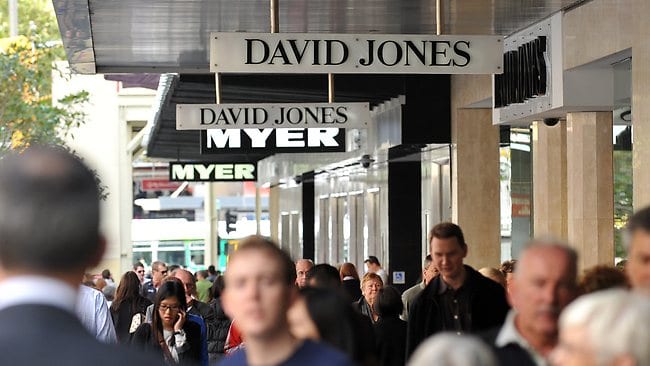
    Myer’s move to reduce discounting and cut operating costs, while focusing on online sales and exclusive brands, had a positive impact on earnings in the first half of FY19, driving a 3.1 per cent increase in NPAT and 99bps improvement in gross margin. But some remain sceptical that these changes will be enough to drive long-term growth.

    “Despite a better-than-expected result [in the half], the long-term outlook for Myer remains challenging,” Bryan Raymond, Citi analyst for retail and gaming, said in a report released to investors on Wednesday evening.

    Further cuts to the cost of doing business – which Myer achieved primarily through ‘rostering efficiencies’, essentially fewer staff hours, in the first half – could negatively impact like-for-like sales going forward, Raymond said.

    The reduction in discounting could also hamper like-for-like sales growth, especially as the timing of state and federal elections this year is expected to dampen consumer sentiment.

    In a call to investors on Wednesday, Myer CEO John King said the retailer had removed four weeks of discounting from its calendar during the first half and plans to do the same in the second half, which he acknowledged would result in a “lumpy” topline for the year. But he said this was necessary to return the business to profitable growth.

    While the reduction in discounting has led to an improvement of 99bps in Myer’s gross profit margin for the half, Raymond warned the uptick could ease, if Myer’s rival David Jones starts discounting to clear excess stock. Worryingly, Raymond noted that David Jones’ inventory per sqm has increased 26 per cent over the past two years.

    At the same time, however, many of the ‘Customer First’ changes King outlined on Wednesday were implemented just five months ago, and their full impact won’t be measured or felt for some time.

    For instance, King said the company is in the process of moving online order fulfilment from back-of-house in department stores to a centralised distribution centre, which he said would allow the retailer to increase the range of items it sells online, improve order fulfilment speed and increase its selling area in stores. This project is not expected to be completed until next year.

    Another significant change that is still in progress is the reduction of physical floor space across the network. This will see Myer hand back entire floors in some stores to landlords, and shrink certain categories and expand others. King on Wednesday said the shape of the business will change as it reduces its physical selling area and rapidly expands a central online business.

    King expects to have more information about which stores will be downsized or rationalised in September.
  • H&M opening a Tauranga Crossing store

    H&M opening a Tauranga Crossing store

    Fast fashion retailer H&M announced it will open its fifth store in New Zealand on April 4 in Tauranga Crossing, Bay of Plenty. The new store, set in 1600sqm, will have two levels and will feature apparel and accessories for men, women, youth, kids and baby, and its home concept.

    “We are thrilled to finally be opening a store in the Bay of Plenty region and offer our customers an incredible fashion destination within a superb shopping centre” said Daniel Lattemann, country sales manager for H&M New Zealand.

    “We are also looking forward to introducing our H&M Home concept as we know it has been a customer favourite since making its New Zealand debut in 2017.”

    H&M entered the New Zealand market in 2016 and opened its first store at the Sylvia Park mall. The retailer’s other stores are located in Commercial Bay in Auckland, The Crossing in Christchurch and Queensgate in Wellington.

    The Swedish fashion retailer also announced recently it will open a third Auckland store which will be located at the Botany Town Centre and will be launched in autumn 2019.

    Last month, H&M posted a drop in profits for the year ending November 30, blaming the decline on its investment aimed at boosting its online business.

    The world’s second largest clothing retailer embarked on a transformation program last year, investing heavily in logistics and digital technology aiming to improve shopping experience and product selection. This includes an upgrade in its mobile app, faster deliveries and the rollout of click-and-collect.

    In the last three months of its financial year, the company spent around 450 million Swedish crowns on logistics and technology, including resolving problems it flagged earlier in 2018.

    H&M chief executive Karl-Johan Persson said the upgrade in their logistics systems inevitably resulted in increased costs but will lead to a range of improvements for their customers.

  • Toby’s Sports flagship opening in BGC soon

    Toby’s Sports flagship opening in BGC soon

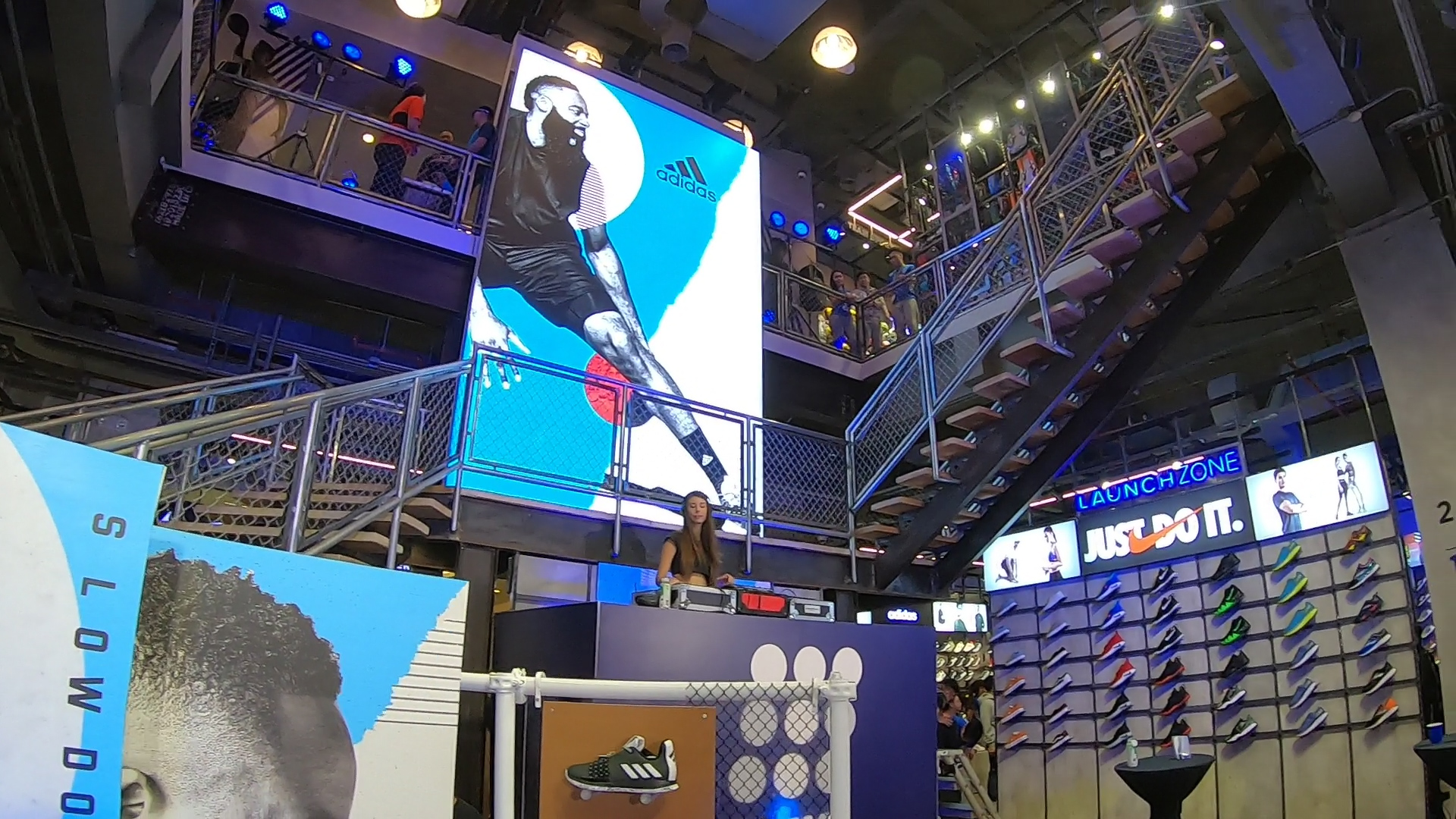
    A new Toby’s Sports flagship store just opened in BGC is the chain’s largest yet. The 1000sqm store, which takes up two floors, was designed by German architectural firm Blocher + Blocher and Philippine-based Sonia Olivares and Associates. The interior design was inspired by Manila’s “raw aesthetics” with larger-than-life graphics and bursts of color that reflect “the vibrant nature of sports”. Interactive touch screen displays throughout the store use RFID tags to provide shoppers with information about products.

    “We harnessed the latest technology to bring our store experience to the next level,” said Toby’s Sports president Toby Claudio. “We wanted to create more than just a store, but a space that tells stories about the latest sports innovations and inspire people to play; an iconic store, a pinnacle shopping experience in the heart of Metro Manila.”

    On the outside, a large LED display rises over Fifth Avenue.

    The store stocks a premium collection of footwear, sports apparel and equipment from multiple international brands.

    “The new Toby’s Sports flagship store is a statement we wanted to make, that even after 40 years in the business, we are still looking for ways to improve. It has allowed us to provide new and exciting experiences and best-level products for our customers. My hope is that the flagship can become an epicenter for sports and sneaker culture in the Philippines,” said Claudio.

    The store features several zones to provide an experiential component to shopping.

    An interactive PlayZone hosts events and doubles as a basketball court, featuring a professional-grade basketball shooting machine.

    LaunchZone will showcase new products and double as a space for pop-up installations, VIP events and guest appearances by athletes.

    Toby’s Custom Lab on the second floor, offers apparel customization services for customers, and is able to create team uniforms of personalised products for individuals.

    The BGC store is Toby’s Sports 55th shop in the Philippines and more are in planning.

  • Customer-first strategy turns out profitable for Myer

    Customer-first strategy turns out profitable for Myer

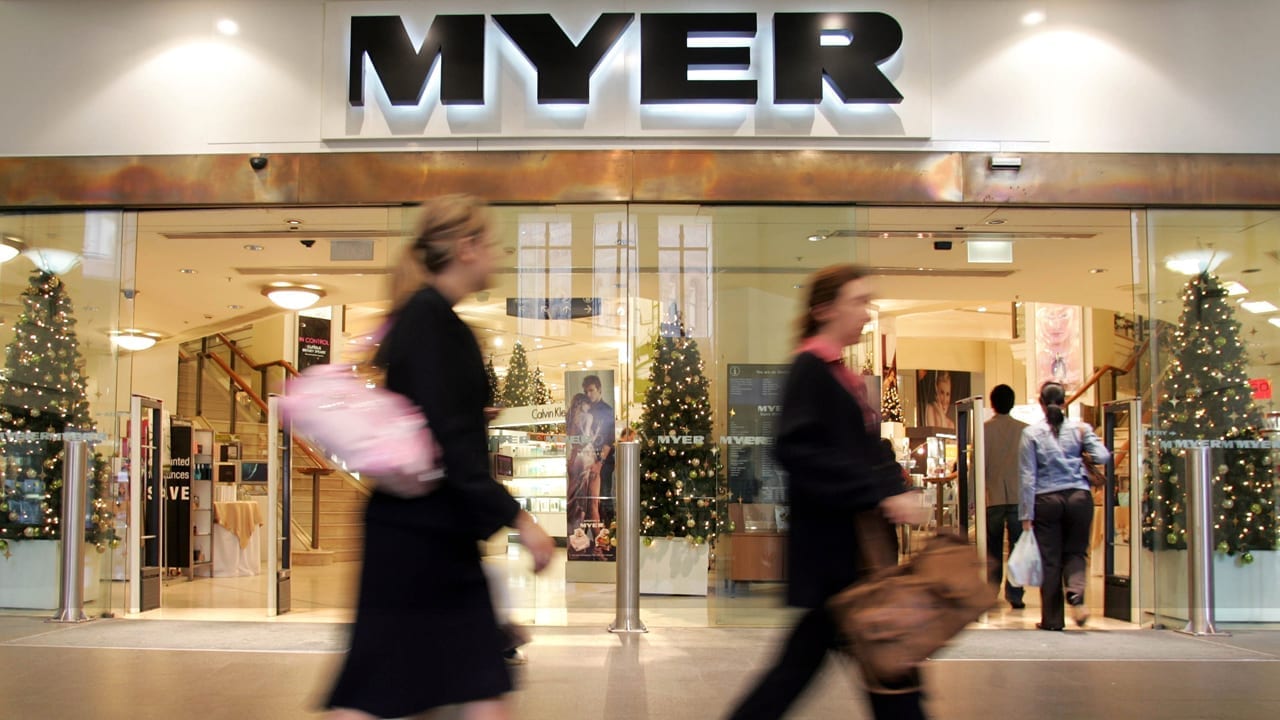
    Myer CEO John King’s turnaround plan passed its first real test on Wednesday when the retailer reported a 3.1 per cent year-on-year increase in net profit after tax in the first half of FY19 to $41.3 million.

    While total sales fell 2.8 per cent to $1.67 billion and like-for-like sales fell 2.3 per cent in the half, King told investors he was not concerned, since the company has stopped chasing sales growth for the sake of it and is focused on increasing store profitability and growing online moving forward.

    Online sales were up 18.6 per cent in the half to $151.2 million, buoyed by a strong Q2, in which Myer did over $10 million in online sales over Cyber Weekend and had its biggest online sales day ever on Boxing Day.

    Operating gross profit margin improved 99bps to 38.5 per cent in the half, thanks to a renewed focus on exclusive brands. The company revealed that it is in the process of introducing more than 20 exclusive-to-Myer brands, most of which are international brands.

    The department store noted a 1.3 per cent improvement in its cost of doing business in the half, which it attributed in part to the rollout of a new workforce management system, which has improved its ability to roster employees to meet customer demand.

    EBITDA improved 4.9 per cent to $113.6 million.

    “This result demonstrates the positive customer response to a number of initiatives from our Customer First Plan, particularly during the all-important Christmas and Myer sale periods,” King said in a statement on Wednesday.

    The turnaround plan, which King announced last September, is based on three key priorities: transforming the customer experience in-store, expanding the company’s ‘Only at Myer’ brands and categories and offering value for money and improving Myer’s online offering.

    The retailer implemented a number of customer-centric initiatives in the half, including improving store layouts and localising merchandise in 23 stores in the network, and relaunching Myer’s ‘MyStore’ campaign, which King said has been well received by customers.

    Myer also launched a new website in October, which King said performed well during the major online shopping events in the half. The retailer is now looking to increase the number of products it offers online, which will enable it to reduce its selling area in certain centres, and to move the fulfilment of online orders from stores to a centralised distribution centre.

    In a call to investors on Wednesday, King said there is still a lot of room to cut costs and improve profitability by reducing the size of certain bricks-and-mortar stores in the network and improving the range and service in stores.

  • LuLu Group opens first Build-A-Bear store in India

    LuLu Group opens first Build-A-Bear store in India

    LuLu Group International’s retail arm Tablez has launched the first Build-A-Bear store in India. The American personalised, experiential toy-retail brand is now available at Toys R Us in Phoenix Marketcity, Bangalore. Selling customised stuffed toys, the firm aims to reach 9 million sales in the top 15 cities in India within five years out of standalone stores and Toys R Us shop-in-shop formats.

    “The Build-A-Bear concept is a one-of-a-kind retail experience, and we are thrilled to open the first store in Bangalore,” said Tablez MD Adeeb Ahamed. “Build-A-Bear is synonymous with creativity and novelty for children. I am sure that each child that enters our store will cherish their experience and leave with an indelible memory.

    “From standalone stores to shop-in-shop formats, Build-A-Bear is ready to reach out to families and kids in India and help loved ones create memories and spend more time together. We plan to open 20 standalone stores of Build-A-Bear across key cities in India over the next 10 years, along with shop-in-shop formats across all our Toys R Us stores as well,” he said.

    The Build-A-Bear brand is best known for its “Choose Me” wall, from which each guest can choose an unstuffed animal to bring to life. It has close to 500 stores globally.