
Retail News CRM

Tag: strategies

  • Wealthy Families Go Global: UBS Reveals Surge in Diversification and AI Investment Strategies

    Wealthy Families Go Global: UBS Reveals Surge in Diversification and AI Investment Strategies

    Geopolitical uncertainties, economic recession concerns, and increasing skepticism around the supremacy of the U.S. dollar are leading to a shift in the investment strategies of affluent families globally. The new Global Family Office Report from UBS reveals that more family offices are considering strategic alterations to their portfolios than ever before.

    Investment Diversification Amid Global Uncertainties

    The report sheds light on how investors are adjusting their portfolios in response to geopolitical instabilities and structural risks. UBS’ survey, which involved 307 global family offices across over 30 markets, each with an average net worth of $2.7 billion, shows that 60% of respondents are planning to amend their strategic asset allocation within the next year. The focal point of this repositioning is wider diversification across regions, currencies, and asset types, along with an increased emphasis on long-term thematic investments.

    Artificial Intelligence (AI) remains a particularly attractive investment opportunity. The report finds that 65% of family offices have made investments throughout the entire AI value chain, spanning from data centers and software platforms to semiconductor manufacturers. Although valuations are high, many investors intend to boost or maintain their exposure in this arena.

    Investment Themes and Succession Planning Challenges

    Family offices are also showing keen interest in investments related to infrastructure, energy, and commodities, while cryptocurrencies are seen as a more niche allocation. The survey found that only 44% of invested family offices currently consider digital assets as part of their strategic asset allocation, with actual portfolio exposures remaining relatively modest.

    In terms of governance and succession planning, many family offices are falling short. The report shows that only about a third have a clearly defined succession plan, and just 27% are preparing the next generation in an organized manner for future leadership roles.

    Family offices in North Asia are leaning towards a technology-driven and globally diversified investment strategy, with 74% of their investments related to AI. Southeast Asian family offices are even more invested in AI, with 88% already invested in the sector.

    Questions & Answers

    What is the main investment focus of family offices according to the UBS report?
    The main focus is on broader diversification across regions, currencies, and asset types, along with an increased emphasis on long-term thematic investments, especially in Artificial Intelligence.

    How are family offices approaching the issue of succession planning?
    The report reveals that only about a third of family offices have a clearly defined succession plan in place, and just 27% are preparing the next generation for future leadership roles in an organized manner.

    What is the stance of family offices on cryptocurrencies?
    Cryptocurrencies are considered more of a niche allocation. Only 44% of the family offices that have made investments currently consider digital assets as part of their strategic asset allocation.
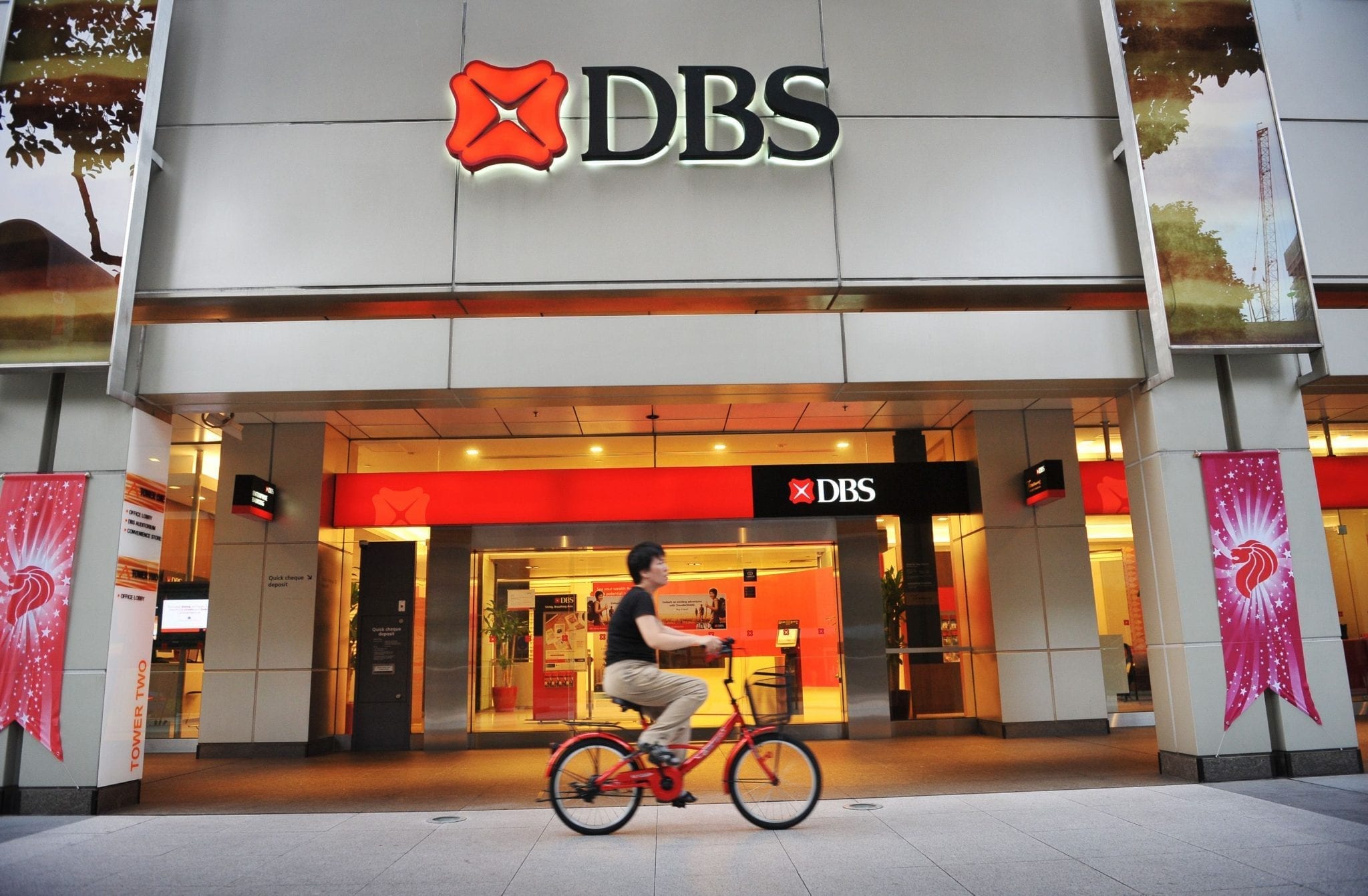

  • DBS Warns Investors: Traditional Stock Strategies May Falter Amid Ongoing Mideast Conflict

    DBS Warns Investors: Traditional Stock Strategies May Falter Amid Ongoing Mideast Conflict

    Historically, US equities have demonstrated strong performance following significant conflicts. However, DBS asserts that the current Middle East conflict may not follow this trend, warning investors against complacency in this situation.

    The Ongoing Conflict in Iran

    The war in Iran, now in its third week, has resulted in thousands of casualties with no definitive end in sight. DBS advises investors to exercise caution and avoid putting too much stock in historical trends concerning American equities.

    DBS states, “While history may suggest that US equities often yield positive returns after major conflicts, complacency is not advisable given the current Middle East conflict.”

    As the conflict continues to unfold, DBS encourages investors to implement risk management strategies in their portfolio construction. This could involve increasing their exposure to gold and partially substituting US equity exposure with the S&P 500 Low Volatility Index.

    Predicted Themes for Q2 2026

    DBS has identified three themes they believe will heavily influence narratives in the second quarter of 2026.

    Firstly, oil continues to be a significant factor due to the ongoing military crisis in the Middle East, especially considering Iran’s role as the fourth largest OPEC producer. Rising energy prices could pose problems for risk assets.

    Secondly, the policy stance of Kevin Warsh, the nominee for Fed chair, indicates a potential reset with an increased likelihood for “renewed quantitative tightening,” which could lead to a steepening of the yield curve.

    Finally, diversification beyond crowded trades is encouraged, with recent profit-taking seen as “transitory.” A “return to fundamentals” is expected, with a focus on pre-crisis themes like precious metals and technology. These are driven by “dollar debasement” and “AI supremacy”, respectively.

    Emerging Markets and Japanese Equities

    In terms of diversification, DBS suggests investors consider increasing their exposure to emerging markets (EM) and Japanese equities. EM equities are likely to benefit from Fed rate cuts, dollar weakness, robust earnings growth, and light positioning. Conversely, Japanese equities are set to gain from fiscal stimulus, governance reforms, and an attractive yield gap.

    DBS concludes, “Global markets are currently navigating through an unusual convergence of geopolitical challenges and technological opportunities. The paradoxical nature of this situation reflects the complex yet potentially rewarding market conditions investors are currently navigating—an era where traditional strategies may no longer apply.”

    Questions & Answers

    What is the advice from DBS regarding the current Middle East conflict?
    DBS advises investors not to rely excessively on the historical trends of stock market performances following major conflicts, warning that complacency is unwarranted in this instance.

    What are the three themes DBS identified for Q2 2026?
    The three themes are the role of oil in the military crisis in the Middle East, the potential policy reset implied by Fed Chair nominee Kevin Warsh, and the need for diversification beyond crowded trades.

    What are DBS’s recommendations for diversification?
    DBS suggests investors consider increasing their exposure to emerging markets and Japanese equities, which are set to benefit from several factors including Fed rate cuts, dollar weakness, robust earnings growth, light positioning, fiscal stimulus, and governance reforms.

  • AI Revolution in Singapore’s Fintech Sector Fuels Shift in Employment Strategies: A Deep Dive into the 2025 Talent Report

    AI Revolution in Singapore’s Fintech Sector Fuels Shift in Employment Strategies: A Deep Dive into the 2025 Talent Report

    Singapore’s financial technology (fintech) industry is advancing into a new phase of sophistication. This phase is characterized by the embracement of artificial intelligence (AI), the introduction of stricter regulations, and an increasing focus on regional expansion. Consequently, industry players are radically reassessing their strategies for talent acquisition, development, and retention in response to a surge in AI-related roles.

    Emerging Trends

    There has been a marked 40% year-on-year increase in the demand for AI-related roles. As a result, fintech companies are ramping up their hiring of AI engineers, data scientists, and MLOps specialists. However, technical competence, while important, is not the sole criterion in the selection process. Employers are now placing greater emphasis on soft skills.

    A study conducted by the Singapore Fintech Association (SFA) and Page Executive indicates this shift in hiring preferences. The study revealed that 92% of employers rank communication and teamwork as the most crucial factors for success, ranking higher than academic qualifications. Moreover, 85% of employers consider adaptability and learning agility as vital in an AI-driven work environment.

    Upskilling Trends

    Despite a significant majority (90%) of job applicants possessing at least a bachelor’s degree, there is a growing trend towards continuous professional development in the sector.

    Approximately one quarter of professionals are enrolled in online courses, particularly in AI, data analytics, and advanced Excel. This trend reflects a deeper commitment to upskilling in order to remain competitive.

    Evolving Workforce Models

    Singapore continues to serve as the mainstay of Asia’s fintech ecosystem, hosting about a third of all fintech teams within the region. Nevertheless, as companies scale across the ASEAN market, they are adopting more integrated onshore-offshore operating models.

    While 71% of fintech companies still prioritize local hiring for strategic functions including compliance, enterprise sales, and regulatory roles, regional expansion is leading to more geographically dispersed workforce structures. As we look ahead to 2026, 32% of organizations plan to boost their workforce, and 21% anticipate an expansion in contract and freelance roles. Additionally, 22% are investing in upskilling and reskilling initiatives to address emerging skills gaps.

    Pay and Rewards

    The report underscores a growing gap in expectations surrounding remuneration. While 67% of fintech professionals regard salary as the primary reason for job changes, 70% of employers predict that cost optimization and budget constraints will influence hiring strategies in the coming year.

    AI, cloud, and compliance specialists are enjoying salary premiums of between 20 and 35 percent. This has led companies to increase their investment in training. Over 70% of companies are financing certifications and structured learning programs, with more than half viewing professional development as an essential tool for employee retention.

    Strategies for Fintech Employers

    The report provides four key recommendations for organizations:

    1. Adopt a skills-first hiring approach that balances adaptability with technical depth.
    2. Enhance the employee value proposition by achieving a balance between remuneration, purpose, career progression, and flexibility.
    3. Develop leadership pipelines and prioritize critical roles.
    4. Invest in training and mentorship programs to create a future-ready workforce.

    Questions & Answers

    What skills are increasingly in demand in the fintech sector?
    Demand for AI-related roles like AI engineers, data scientists, and MLOps specialists has climbed by 40 percent year-on-year. However, alongside technical skills, employers are also valuing soft skills like communication, teamwork, adaptability, and learning agility.

    What trends are emerging in terms of upskilling in the fintech sector?
    Almost 25% of professionals are enrolled in online programs, focusing on AI, data analytics and advanced Excel. This reflects a growing commitment to continuous learning and upskilling in the sector.

    What is the future outlook for hiring in the fintech sector?
    Looking ahead to 2026, 32% of organizations plan to increase their workforce. Another 21% expect to expand contract and freelance roles, while 22% are investing in upskilling and reskilling initiatives to bridge emerging skills gaps.

  • Coca-cola Q3 Report: Revenue Boost Amid Challenging Market, Category & Regional Performance Explored

    Coca-cola Q3 Report: Revenue Boost Amid Challenging Market, Category & Regional Performance Explored

    In the third quarter, Coca-Cola revealed a 5% increase in net revenue, rising to $19.2 billion. Their organic revenue also observed a 6% increase during this period.

    Challenging Market Conditions

    James Quincey, the Chairman and CEO of Coca-Cola, acknowledged the challenging market conditions, yet credited the company’s impressive performance to their diverse beverage portfolio and the unique strengths of their franchise model.

    Growth Across Regions

    Unit case volume increased by 1% during the third quarter. This growth was driven by increasing sales in specific regions such as Central Asia, North Africa, Brazil and the UK.

    Category Performance

    The performance varied across the different beverage categories. Sparkling soft drink volumes remained stable, with a 1% growth in unit case volume. This growth was primarily driven by gains in Europe, the Middle East and Africa, and the Asia Pacific region.

    Coca-Cola Zero Sugar saw a considerable increase in sales, with a 14% rise across all regions. Diet Coke and Coca-Cola Light also performed well, with a 2% increase predominantly due to growth in North America and the Asia Pacific region.

    However, not all categories experienced growth. Sparkling flavours saw a 1% decline as gains in Europe, the Middle East and Africa were offset by weaker results in the Asia Pacific region. Additionally, juice, value-added dairy and plant-based beverages saw a 3% decline.

    Conversely, water saw a 3% increase across all regions, sports drinks rose 3% due to growth in North America, and coffee grew 2%, driven by the Asia Pacific and Europe, Middle East and Africa regions.

    Refranchising Strategy

    Coca-Cola also made advancements in its refranchising strategy during the quarter. Coca-Cola HBC AG agreed to obtain a controlling interest in Coca-Cola Beverages Africa, furthering the company’s shift towards a franchise-focused model. In a separate transaction, the company completed the sale of a 40% stake in Hindustan Coca-Cola to the Jubilant Bhartia Group.

    The company confirmed that its productivity programs have helped counter inflationary pressures and have supported investment in areas such as digital and omnichannel capabilities.

    Future Projections

    Coca-Cola anticipates generating a minimum of $15 billion in free cash flow for the remainder of the fiscal year and affirmed that it is on track to meet its full-year guidance. Looking further ahead, Quincey expressed confidence in the company’s ability to meet its 2025 guidance while also working towards achieving its long-term objectives.

    Questions & Answers

    Does Coca-Cola expect to meet its full-year guidance?

    Yes, Coca-Cola confirmed that it expects to meet its full-year guidance.

    Which regions contributed to the growth of Coca-Cola?

    The growth in the third quarter was largely driven by increasing sales in regions such as Central Asia, North Africa, Brazil and the UK.

    What was the result of Coca-Cola’s refranchising strategy in the third quarter?

    During the third quarter, Coca-Cola HBC AG agreed to obtain a controlling interest in Coca-Cola Beverages Africa, furthering the company’s shift towards a franchise-focused model. Additionally, the company completed the sale of a 40% stake in Hindustan Coca-Cola to the Jubilant Bhartia Group.

  • Gold Bar Prices Surge as Global Market Rates Rebound – What It Means for Investors

    Gold Bar Prices Surge as Global Market Rates Rebound – What It Means for Investors

    Vietnam gold bar prices rose on Monday afternoon as global bullion rates recovered from a one-month low. On Monday, the price of gold bars from the Saigon Jewelry Company increased by 0.25%, reaching VND119.5 million (approximately US$4,578.98) per tael, while the gold ring price held steady at VND115.7 million. For reference, a tael weighs about 37.5 grams or 1.2 ounces.

    A Global Recovery in Sight

    Internationally, gold prices made a comeback, buoyed by a weakening dollar. Earlier in the day, gold had dipped to its lowest point since May 29, prompted by easing tensions in U.S.-China trade relations that reduced the demand for safe-haven assets while heightening risk appetites, according to Reuters.

    Market Insights and Investor Sentiment

    Spot gold climbed by 0.5% to reach $3,290 per ounce after its earlier dip, with U.S. gold futures also rising by 0.4% to $3,301. Tim Waterer, Chief Market Analyst at KCM Trade, highlighted that the market sentiment has shifted away from a “doom and gloom” perspective regarding tariff discussions and geopolitical tensions in the Middle East, resulting in a decline in gold’s safe-haven appeal.

    Key Price Levels to Watch

    “The dollar continues to be under pressure, which is preventing a steep decline in gold prices,” Waterer noted. “The $3,250 threshold is pivotal for gold, as a breach of this level could lead to a swift plunge toward $3,200.” It seems the gold market is not ready to don its “doom and gloom” costume just yet, but the balance is precarious.

    Questions & Answers

    What was the price increase for gold bars in Vietnam on Monday?
    The price of gold bars from the Saigon Jewelry Company rose by 0.25% to VND119.5 million (approximately US$4,578.98) per tael.

    What contributed to the rise in global gold prices?
    Global gold prices increased due to a weaker dollar and improved investor sentiment following easing U.S.-China trade tensions, which dampened the demand for safe-haven assets.

    What key price level should investors watch for gold?
    Investors should monitor the $3,250 level, as a breach of this threshold could trigger a more significant decline toward the $3,200 mark.

  • Mastering Retail: Top Three Strategies to Navigate Supply Chain Disruptions

    Mastering Retail: Top Three Strategies to Navigate Supply Chain Disruptions

    Retailers must focus on shifting consumer preferences.

    In the past decade, global retail supply chains have navigated a storm of challenges, from the COVID-19 pandemic and advancements in artificial intelligence to tariffs and threats to shipping routes. These disruptions have compelled industry leaders to continuously adapt in an environment rife with uncertainty.

    Shifting Consumer Demands

    According to Kearney, the key to survival lies in understanding three pivotal aspects: what consumers are buying, how they are buying it, and why. Between 2010 and 2020, demand gravitated toward convenience and price. However, a noticeable shift occurred after 2021, with emphasis moving towards essential and value-oriented products. Looking towards 2030, Kearney forecasts a landscape of polarized preferences, with consumers divided between budget-conscious and premium offerings. Retailers are responding by streamlining their assortments, reducing the variety of products in favor of higher-margin, private-label options.

    The Evolution of Shopping Experiences

    The “how” in retail has undergone a remarkable transformation. A decade ago, shopping was dominated by malls and big-box stores. Today, there is a burgeoning growth of smaller urban outlets and hybrid shopping formats seamlessly blending digital and physical experiences—think cashier-less stores and VR-enhanced retail atmospheres that feel like stepping into the future.

    Fulfillment models have also transitioned from distinct e-commerce and in-store approaches to a fully integrated omnichannel strategy. Options like buy online, pick up in store (BOPIS), curbside pickup, and rapid last-mile delivery have become the new norm. As we approach 2030, expect stores to evolve into distribution hubs, enhancing efficiency and accessibility.

    The Role of Marketplaces and Changing Motivations

    Marketplaces are poised to play an increasingly vital role in the fulfillment chain as retailers seek to expand without heavy investments in infrastructure. Meanwhile, the motivations driving purchases are shifting, significantly influenced by digital platforms and ESG (Environmental, Social, and Governance) concerns. Up until 2020, traditional digital ads were the primary traffic drivers; now, platforms like TikTok and innovations within retail media networks are reshaping consumer engagement.

    By 2025, it’s anticipated that around 80% of the top 100 U.S. retailers will develop their own media platforms or partner to create them. As AI technology continues to advance, personalizing engagement at scale is on the horizon, while trends like social commerce, community engagement, and buy-now-pay-later options gain traction.

    Rising Consumer Expectations

    As consumers become increasingly conscientious, expectations for sustainability are on the rise. The traditional compliance-driven approach to corporate social responsibility (CSR) no longer suffices. Shoppers now gravitate towards brands that ensure traceability, ethical sourcing, and effective carbon tracking, basing their purchasing decisions on these values.

    Macroeconomic and geopolitical shifts will further transform the retail landscape. Factors such as supply chain disruptions, inflation, and ESG regulations are already influencing demand. Additionally, tariffs and evolving trade policies will necessitate changes in sourcing and pricing strategies. AI innovations are also redefining the rules of engagement when it comes to pricing and planning. In this new era, consumers will be more discerning, favoring brands that resonate with their values and offer swift, seamless services.

    Kearney emphasizes that for retailers to build resilience, they must identify risks, diversify their supplier base, and gain greater control over product flow. Flexibility is key, prompting the adoption of agile models that accommodate rapid shifts in demand and distribution channels. Harnessing digital tools for real-time visibility will empower retailers to make quicker, more informed decisions.

    Retailers must adjust or risk becoming out of touch—with a little help from AI and a sprinkle of creativity, who knows what wonders await in the future of retail?

    Questions & Answers

    What are the three key areas retailers should focus on according to Kearney? Retailers should concentrate on what customers are buying, how they are purchasing, and the underlying reasons for their buying behavior.

    How has the shopping landscape changed since 2020? There has been a notable shift towards smaller urban stores and integrated shopping experiences that incorporate both digital and physical elements, moving away from traditional malls and big-box stores.

    What does Kearney suggest for retailers to build resilience? Kearney advises retailers to identify risks, diversify suppliers, and adopt agile models, while also leveraging digital tools for quicker decision-making and enhanced supply chain visibility.

  • Switzerland’s Wealth Management: Key Insights from U.S. Strategies Revealed

    Switzerland’s Wealth Management: Key Insights from U.S. Strategies Revealed

    A generational shift is on the horizon for Swiss wealth managers, with the U.S. offering valuable insights into how to navigate this evolving landscape. The independent wealth management industry in the U.S. has seen substantial growth over the past few decades, particularly the Registered Investment Advisors (RIA) sector, which has transformed from small boutique firms into scalable platforms. Despite structural differences between the U.S. and Switzerland, opportunities for growth abound in the Swiss market.

    Two Systems with a Shared Mission

    Swiss independent wealth managers (IWMs) often have their roots in private banking, whereas RIAs in the U.S. stem from traditional brokerage firms, or wirehouses. Yet, both aim for a common goal: providing clients with an independent, long-term investment strategy free from corporate biases.

    Both markets are relatively young, with their professionalization beginning around three decades ago. Today, they face similar challenges: sustainable growth, regulatory pressure, client retention through generations, and the pursuit of structured succession planning.

    The U.S. as a Role Model for Entrepreneurial Spirit

    A notable distinction lies in client acquisition strategies. “American advisors had to cultivate their client relationships from scratch, whereas Swiss advisors often began as assistants, gradually inheriting their clients,” explains Fernand Schoppig, CEO of FS Associates, an international consulting firm. This entrepreneurial foundation has significantly influenced the U.S. industry.

    Many Swiss advisors have moved from major banks to independence, which has led to a dependence on existing networks. As a result, American RIAs are typically more marketing-savvy, tech-focused, and inclined to approach innovative techniques—qualities that facilitate scalability. Additionally, they often specialize by targeting specific groups, including entrepreneurial families, healthcare professionals, athletes, or tech innovators.

    Rapid Growth

    Both the U.S. and Switzerland have witnessed swift sector growth, with the U.S. seeing the number of RIAs managing over $1 billion in assets more than doubling in the last seven years. “The rapid expansion of top RIAs is primarily driven by acquisitions funded by private equity. While this strategy is still rare in Switzerland, increasing consolidation suggests that private equity may soon become a player here too, potentially leading to a U.S.-style evolution,” notes Brad Bueermann, CEO of FP Transitions, a firm that aids wealth managers in business valuation and succession.

    Fernand Schoppig (left) and Brad Bueermann highlight the ongoing changes in wealth management.

    Spotlight on Succession Planning

    Succession planning remains a significant challenge in both markets. The U.S. has seen various models emerge, from management buyouts to sales to strategic investors or private equity firms. Switzerland, still at the beginning of this journey, is witnessing a gradual increase in transactions.

    <p“The main challenge remains striking a balance between maintaining client relationships and creating value for owners. This often leads to questions about sourcing capital for internal solutions or finding buyers who uphold the company’s ethos and client connections,” Schoppig adds.

    A Culture of Acquisitions Still Lacking

    Though the Swiss market is smaller and more established, it mirrors the U.S. demographic patterns from around a decade ago, including a significant number of IWM owners over 60. While there isn’t yet a strong culture of acquisitions in Switzerland, the impending wave of retirements could catalyze change,” Bueermann remarks.

    Additionally, the rise of platform providers that consolidate several wealth managers could lead to these entities becoming active acquirers in the future.

    Questions & Answers

    What can Swiss wealth managers learn from their U.S. counterparts? Swiss wealth managers can look to the U.S. for guidance on scaling operations, adopting entrepreneurial spirit, and improving client acquisition strategies.

    How are succession planning challenges similar in both markets? Both Swiss and U.S. wealth managers struggle with balancing continuity in client relationships while creating tangible value for the business owners during succession.

    Is there potential for private equity investment in Switzerland’s wealth management sector? Yes, increasing consolidation among Swiss wealth managers indicates that private equity could soon play a role similar to that seen in the U.S., heralding potential industry shifts.

  • Investors Overlook Risks as They Go All-In on Gold

    Investors Overlook Risks as They Go All-In on Gold

    Surge in Gold Prices Captivates Vietnamese Consumers Amid Growing Investment Frenzy

    In recent months, a wave of enthusiasm for gold has swept across Vietnam, particularly among young investors eager to secure their wealth. With prices recently hitting a historic peak, many consumers are turning to gold as a reliable asset. The dynamics of this trend reflect changing consumer behavior and highlight the evolving landscape of investment in the retail sector.

    Rising Interest in Gold Investments

    Hanoi resident Anh Nguyet, 28, has emerged as a case study in this trend. Over the past four months, she has taken out monthly loans of VND4 million (approximately $154) to purchase smaller quantities of gold. Once indifferent to this traditional asset, she now stocks up as soon as her salary arrives, driven by her belief that today’s high price could foreshadow a future dip.

    “I buy more gold, even if it means taking on more debt,” Nguyet admits. “The allure of rising prices and the fear of missing out are compelling.”

    The Burden of Investment Decisions

    Similarly, Nguyen Tuan and his wife from Hai Phong City find themselves in a precarious financial position. After borrowing VND200 million for home renovations, they now face mounting pressures with their initial gold investment untouched. Rather than cashing in on their two taels of gold during a peak price, they have opted for additional loans, anticipating further increases in value.

    “Selling now feels wrong when prices are climbing,” Tuan explains. “We’re committed to adding to our gold reserves, even if it means tightening our budget significantly.”

    A Broader Market Trend

    The experiences of Nguyet and Tuan reflect a larger phenomenon occurring across Vietnam. Recently, gold prices surged to an unprecedented VND124 million per tael, marking a staggering 45% increase since January. Market analysts attribute this trend to various factors, including low bank interest rates and a lack of diverse investment avenues for the general population.

    Ngo Tri Long, a market analyst and former director at the Institute for Market and Price Research, comments, “There is a significant fear of missing out among consumers. Many regret not investing earlier and feel compelled to buy at current rates, despite the inherent risks.”

    The Consumer Gold Rush

    As part of this retail news, a survey conducted among gold retailers in Hanoi reveals a frantic buying atmosphere, with many outlets running out of stock by midday. To secure purchases, customers are accustomed to booking appointments, waiting in line, and are often limited to buying minimal quantities.

    “Gold has become the default investment strategy for many,” says Long. “The increased demand has led to visible queues outside major retailers, illustrating a collective rush to secure gold as inflation continues to impact purchasing power.”

    Navigating the Gold Market Wisely

    However, this gold rush is not without its pitfalls. Investment experts urge consumers to approach gold purchases thoughtfully. Defining a clear purpose for buying—whether for long-term savings or short-term speculation—is essential for avoiding impulsive decisions driven by market fluctuations.

    Investors are advised against obsessively tracking gold prices on social media, as doing so can lead to unnecessary stress and anxiety. Balanced asset allocation remains a fundamental strategy, and Long emphasizes diversification—suggesting that individuals only allocate 5-10% of their total investments to gold.

    Conclusion: Implications for the Retail Sector

    The current gold trend in Vietnam highlights shifting consumer preferences toward tangible assets amid economic uncertainty. As more individuals seek refuge in gold, the implications for the retail sector are profound. Retailers may need to adapt strategies to meet increased consumer demand, balancing the dynamics of supply with a hyper-aware community of investors. The ongoing situation underscores the importance of informed decision-making in a market driven by fear and excitement, ultimately shaping the future landscape of consumer investment behavior.