Retail News CRM

Tag: street

  • Coles Plans Closure of Crime-Plagued Elizabeth Street Store in Melbourne CBD by 2027

    Coles Plans Closure of Crime-Plagued Elizabeth Street Store in Melbourne CBD by 2027

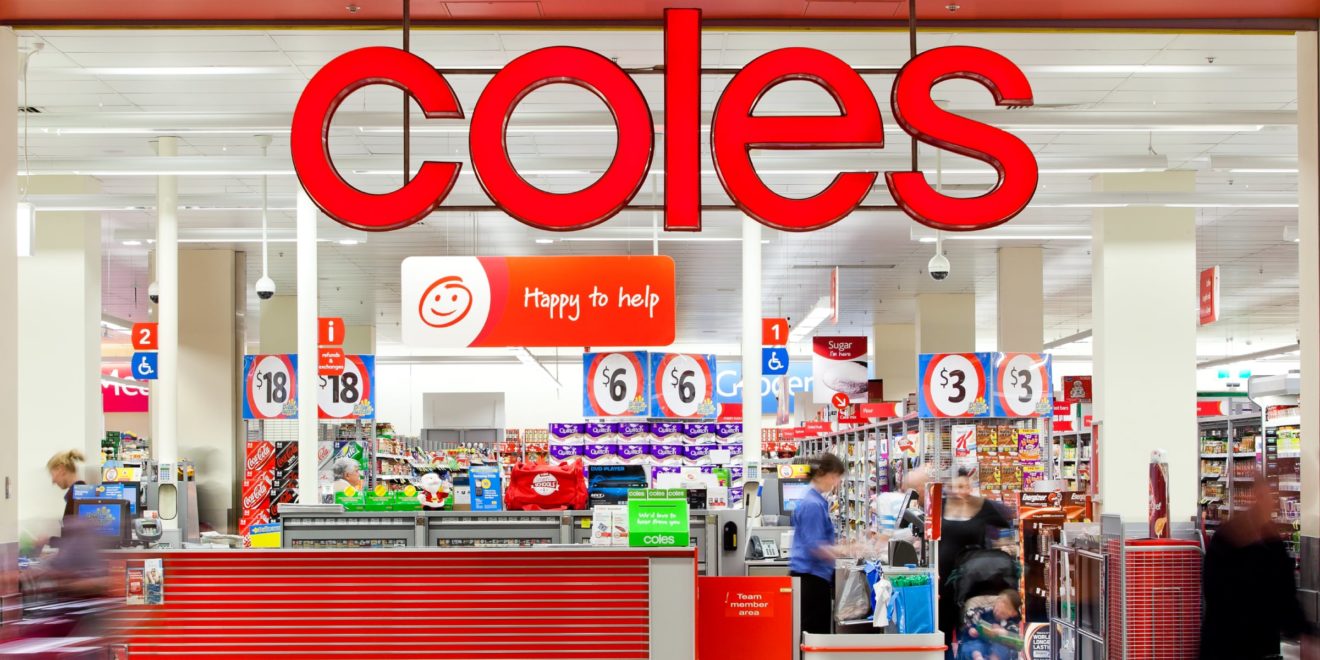
    Coles, a leading supermarket chain in Australia, has disclosed plans to shutter its store on Melbourne’s infamous Elizabeth Street due to the location’s ongoing issues with crime and antisocial behaviour. The location, which has once again come under the spotlight following two separate machete attacks recently, is situated across from Melbourne’s Flinders Street station. The Coles Central store shares its vicinity with Woolworths Metro, located just a few doors down.

    A Strictly Commercial Decision

    Coles has stressed that the decision to vacate the premises at the end of their lease agreement in 2027 is purely a business move. This will result in the supermarket maintaining only one store in Melbourne’s Central Business District (CBD), based in Melbourne Central.

    The supermarket chain has recently made public its extended collaboration with Crime Stoppers Victoria, aiming to address the issue of crime within retail settings. Increasing instances of theft, abuse and hostility towards frontline workers have contributed to a progressively challenging environment within the retail sector, a Coles representative explained.

    Martin Smithson, General Manager of Supermarket Operations at Coles, stated that the rise in retail violence was absolutely unacceptable. He emphasized that the partnership with Crime Stoppers was just one of the steps being taken to tackle it, and called for a collaborative approach involving industry, retailers, government and police.

    Victoria: A Hotspot for Retail Crime

    Victoria, and particularly Melbourne, has been a focal point of Australia’s escalating retail crime issue. In 2025, the state recorded 95,181 criminal incidents at retail locations, marking an increase of 25.7% over the preceding decade.

    According to Chris Rodwell, CEO of the Australian Retail Council, the trend is irrefutable. Retail crime in Victoria continues to surge, posing a persistent, widespread threat to frontline workers and customers.

    Questions & Answers

    What is the reason for Coles’ decision to close its store on Elizabeth Street?
    The decision is strictly commercial, according to a Coles spokesperson.

    How is Coles addressing the issue of retail crime?
    Coles has announced an extension of its partnership with Crime Stoppers Victoria to help tackle retail crime.

    What has been the trend in retail crime in Victoria over the past decade?
    The state has seen a 25.7% increase in criminal incidents in retail locations over the past decade.

  • Adidas Unveils Experiential Lifestyle Hub in Bangkoks Songwat District: A Fusion of Fashion, Street Culture & Community

    Adidas Unveils Experiential Lifestyle Hub in Bangkoks Songwat District: A Fusion of Fashion, Street Culture & Community

    Adidas has recently inaugurated a flagship store in the Songwat district of Bangkok, further broadening its experiential retail strategy. This engaging destination seamlessly meshes fashion, street culture, and community involvement.

    A Blend of Retail, Customization, and Community Space

    The two-level establishment unifies retail, food, drink, product customization, and cultural offerings all under one roof. A carefully chosen collection of Adidas Originals merchandise is featured on the ground floor. Meanwhile, the upper level is graced by the specialty coffee brand, % Arabica, which aims to promote longer visits and social engagement.

    The store is further embellished with a Maker Lab for product personalization, a photobooth, and an exclusive Graphic Tee Collection. This collection is the result of a collaboration with local artists and can only be found at this particular Songwat store. It takes inspiration from the district’s rich heritage and presents it through a modern perspective.

    According to Adidas, the design and layout of the store are in line with their Originals’ strategy of transforming brick-and-mortar retail into creative hubs. These spaces not only accommodate commerce but also foster creativity, culture, and a sense of community.

    This opening comes on the heels of the introduction of Adidas’ flagship store at Jewel Changi Airport in Singapore last year. That location also featured experiential zones that drew inspiration from the local culture and storytelling.

    Questions & Answers

    What does the new Adidas store in Bangkok offer?
    The new Adidas store in Bangkok’s Songwat district offers a blend of retail, food and beverage, product customization, and cultural experiences. It also features an exclusive Graphic Tee Collection created in collaboration with local artists.

    What is the strategy behind the design and layout of the Adidas store?
    The design and layout of the store reflect Adidas Originals’ strategy of transforming physical retail into destinations that foster creativity, culture, and community, in addition to commerce.

    What is unique about the Graphic Tee Collection at the new Adidas store?
    The Graphic Tee Collection, which is exclusively available at the Songwat location, is a collaborative work with local artists. It draws inspiration from the neighborhood’s heritage and presents it through a contemporary lens.

  • Freitag Bolsters Global Presence with Exclusive Dover Street Market Partnership: A New Era in Retail Strategy

    Freitag Bolsters Global Presence with Exclusive Dover Street Market Partnership: A New Era in Retail Strategy

    Swiss accessory brand, Freitag, is expanding its international retail presence through a multi-faceted partnership with Dover Street Market (DSM). The partnership will consist of both permanent and temporary retail establishments, as well as an exclusive product line.

    Expanding Retail Footprint

    The partnership will activate a recently established Freitag Space at Dover Street Market Ginza and a temporary setup at Dover Street Market London. Both of these retail spaces were introduced on March 28, alongside the launch of a three-item, DSM-exclusive product collection.

    Freitag has stated that this collaboration signifies a move towards a deeper integration within influential multi-brand environments, as opposed to singular retail expansion. Freitag’s product manager and project lead, Oliver Fischhaber, expressed that following their 2023 project with Comme des Garçons, further collaboration with the DSM team was the next logical step.

    An Unmatched Aura

    Fischhaber spoke highly of Dover Street Market, highlighting its unique atmosphere and its inspiration from various angles, cultures, and movements. He expressed admiration for DSM’s customers, describing them as possessing a finely-tuned eye and a profound sense of authenticity. These are qualities that resonate with Freitag and the consumers they aim to engage.

    Focusing on Japan

    The opening in Ginza comes at a time when brands are increasingly prioritizing Japan for retail expansion. This focus is driven by a blend of design-aware consumers and a robust desire for unique, concept-based products.

    Established in Zurich in 1993, Freitag currently manages 30 stores globally, with Japan hosting four of these locations.

    Questions & Answers

    What is the nature of Freitag’s partnership with Dover Street Market?
    The partnership will consist of both permanent and temporary retail establishments, as well as an exclusive product line.

    What does this collaboration signify for Freitag?
    This collaboration signifies Freitag’s move towards a deeper integration within influential multi-brand environments, as opposed to singular retail expansion.

    Why is Japan a focus for brands’ retail expansion?
    Japan is a focus for retail expansion due to its blend of design-aware consumers and a robust desire for unique, concept-based products.

  • Gordon Ramsay to open first Street Pizza restaurant in Southeast Asia

    Gordon Ramsay to open first Street Pizza restaurant in Southeast Asia

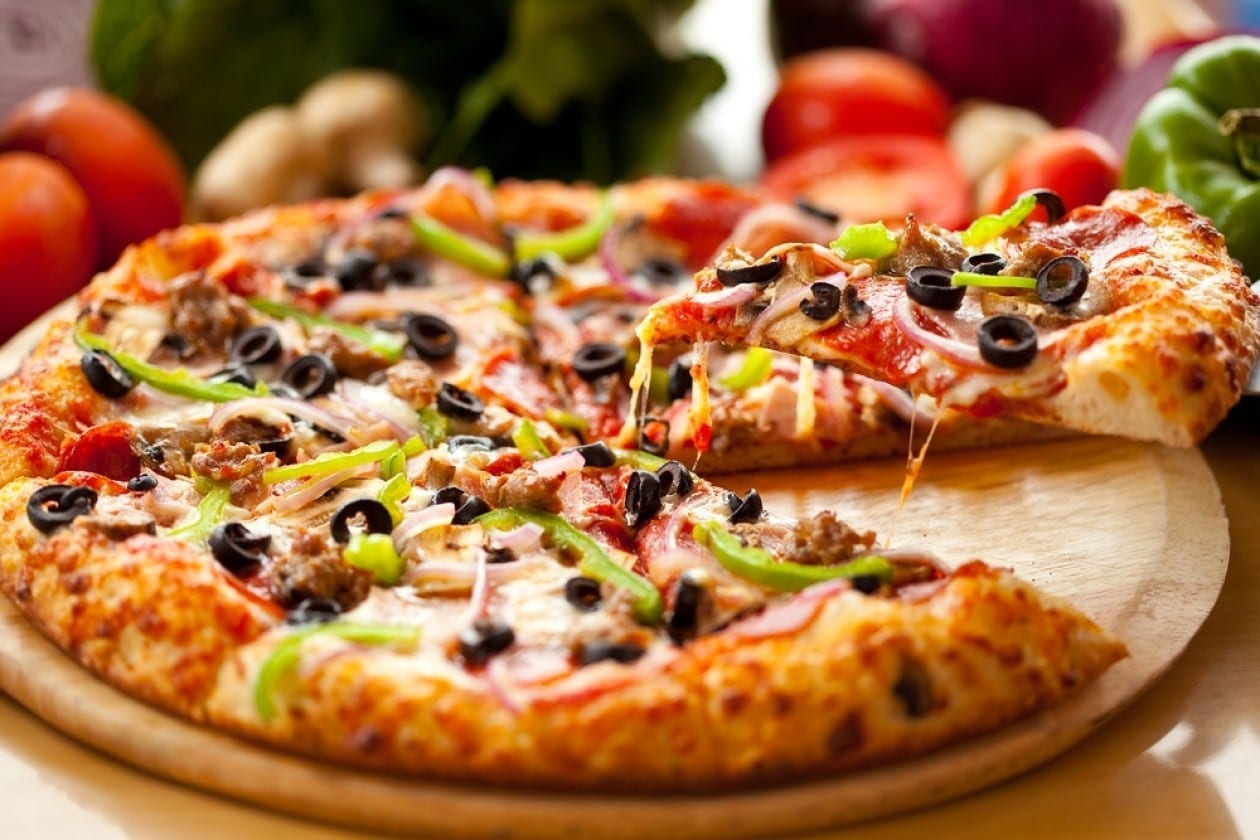
    The highly anticipated Street Pizza concept by celebrity chef Gordon Ramsay is set to make its debut in Malaysia, marking the restaurant’s first location in Southeast Asia. Originally established in London in 2018, Street Pizza is known for its unlimited sourdough pizzas with a variety of toppings and sides, including hot wings, dirty fries, and cocktails. The restaurant boasts a lively atmosphere, with urban art, live music, and big screens playing sports games to keep diners entertained. Moreover, guests can enjoy a seamless experience using the restaurant’s mobile app.

    Scheduled to open in the third quarter of 2023, the Street Pizza location in Kuala Lumpur will be situated in the Sunway Pyramid shopping mall, offering an exciting new dining option for visitors to Sunway City Kuala Lumpur and guests staying at the destination’s three hotels. This is part of the brand’s vision to have a Street Pizza on every corner of the world, following its expansion in the UK—Battersea, Southwark, City of London in St Paul’s, Liverpool and Edinburgh, and internationally in Dubai, Seoul, and Doha, with Washington DC (USA) set to open later this year.

    According to Alex Castaldi, Senior General Manager of Sunway City Kuala Lumpur Hotels, “Malaysians love pizza and Street Pizza offers pizza without rules. It’s not just about the awesome food, it’s also the vibe.” This statement shows the restaurant’s appeal to the Malaysian market and its potential to become a favourite among locals and tourists alike. The launch of Street Pizza follows the successful opening of Gordon Ramsay Bar & Grill in Malaysia in 2022, which showcases the chef’s iconic dishes, such as the classic Beef Wellington.

  • RIP high street retailers, faced by the relentless onslaught of mobile

    RIP high street retailers, faced by the relentless onslaught of mobile

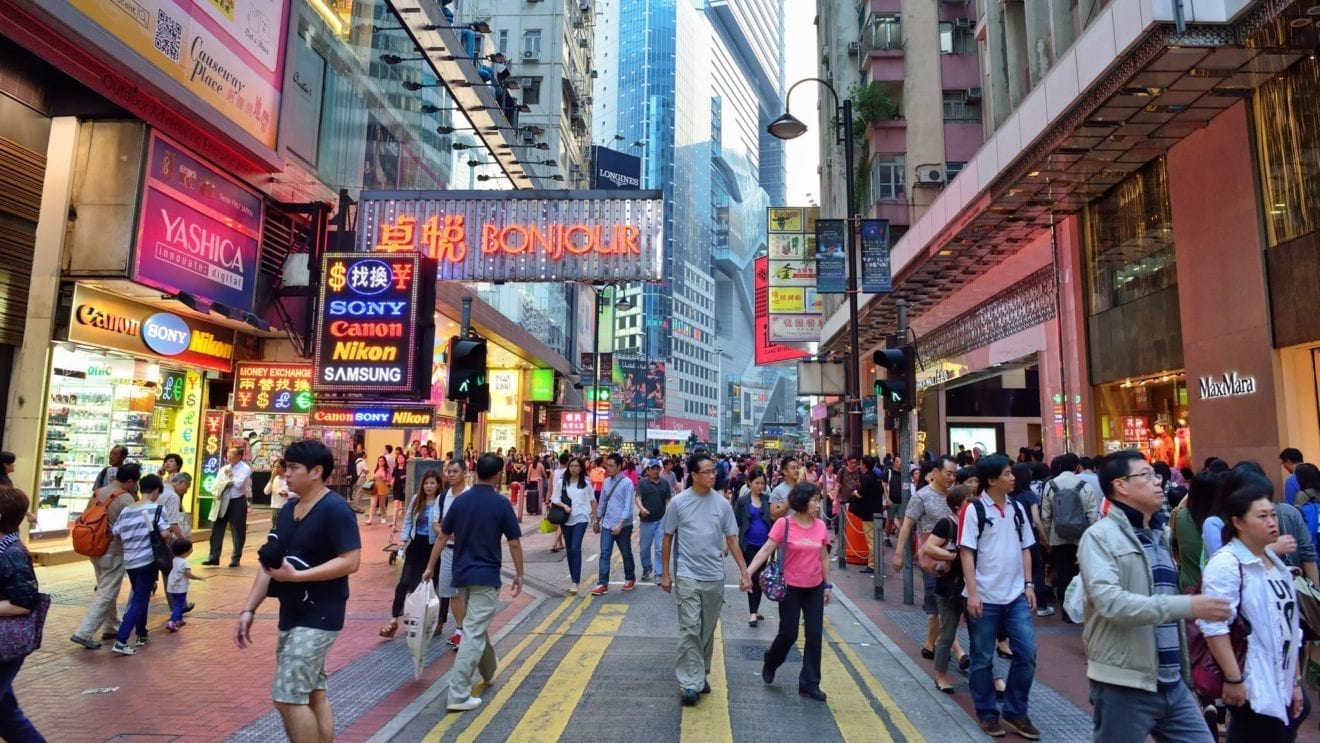
    I overheard a young Hongkonger say recently, “I rarely buy anything at shops anymore. I only shop online.” It is not hard to notice the profound effect that e-commerce has had around the world and especially in an emerging and fast-growing market like China.

    But this phenomenon has yet to fully hit Hong Kong’s major luxury malls and department stores that are crammed with overpriced purses and overwrought window displays.

    Despite a restructuring of Hong Kong retail outlets by major luxury brands, the city still hosts more flagship stores than any other place. The lucrative wave of mainland shoppers has long receded and on any given day the luxury stores in Landmark and Pacific Place and other high-profile malls appear awfully sleepy.

    The fate of Hong Kong’s luxury malls against the online shopping onslaught has not yet unfolded.

    I don’t expect them to become ghost towns, but even they cannot avoid downward trends.

    But they are like the fixed fortifications on Frances’s doomed Maginot Line that were bypassed by the German army on the second world war – intimidating and monolithic, but easily made irrelevant by technological disintermediation.

    E-commerce has radically changed shopping habits in the US. Hudson’s Bay department store posted a US$152 million quarterly loss. Ralph Lauren is closing its fabulous and iconic Fifth Avenue flagship store. What is occurring goes beyond an economic cycle, but rather it represents technology enabling generational change. Millennials are conducting their entire lifestyle on smartphones.

    Will Hong Kong’s malls become obsolete or changed so much they will not mean the same thing.

    Sites like deadmalls.com chronicle the slow, but sure death and irreversible evolution of shopping malls in the US.

    Although not all of them are dying, certain segments in urban and suburban areas are empty, hastened by the rise of online. Changing consumer habits and online shopping is decimating the mall as a central retailing concept or necessary gathering place for the community.

    JD.com’s recent acquisition of a US$397 million stake in Farfetch, the London-based luxury fashion and boutique e-commerce service provider, marks a major milestone in the development of luxury retailing. The company, which reported gross sales of US$800 million last year, runs nine local language e-commerce sites, which include the mainland, South Korea and Japan.

    The two companies described their strategic partnership as a means to dominate market share in the estimated US$80 billion market in domestic and travel-related purchases of luxury goods by mainland consumers.

    “We’re just scratching the surface of China’s US$80 billion luxury market,” said Jose Neves, Farfetch’s CEO and founder after the announcement.

    “In China, there’s a huge movement from offline to online [shopping] and there are millions of new millennial luxury shoppers who live their lives digitally.”

    I met its Portuguese founder Jose Neves in 2012 after he raised US$23 million from venture capitalists. Four years into its start-up he expected to close the year with over US$100 million annual sales growth rate of 204 per cent and 56,000 customers in over 100 countries. Today, its online marketplace sells to about 1 million customers in more than 190 countries and territories.

    Farfetch demonstrates the irreversible momentum of change that is possible in shopping habits when shoppers are technologically enabled.

    Furthermore, disintermediation – the reduction in the use of intermediaries between producers and consumers – is an almost imperceptible event when it takes hold.
    What looks like an insignificant catalyst is like observing a distant car in your car’s rear-view mirror. Suddenly, it sling shots past you at great speed and is never seen again as it no longer competes directly with you. Rather it has redefined and recreated a new industry.

    Hong Kong retailers and shoppers have been slow to adopt e-commerce. During internet 1.0, department store owner tycoons woefully misinterpreted the idea by spawning “Dickson CyberExpress”, a misguided attempt to cross a website with a physical mall.

    It only showed how our retail tycoons cannot visualise retailing beyond renting floor space, seeking profits per square foot and abusing “cyber” and “e”.

    By waiting for the trend to materialise and prove itself rather than adapting, leading and innovating Hong Kong mall owners only ensure their extinction.

    The best malls will probably survive as every major city has a high street, but tenant mix and rent levels may not remain the same. But then again, if technology has taught us anything, it is that you still have to worry about some obscure person toiling away in a garage or flat somewhere, inventing the new killer platform.

  • Vietnamese street food favored over foreign fast food chains

    Vietnamese street food favored over foreign fast food chains

    Several Burger King shops in HCMC and Da Nang have closed, while Lotteria has also shut down ineffective shops. Other giants have not closed many of their shops, but they are cautious developing their chains.

    McDonald’s, when setting foot in Vietnam, stated it would open 100 shops within 10 years. However, after three years in Vietnam, the giant has opened only 15 shops.

    A representative of Lotteria admitted that competition in the fast food market is getting stiff with many foreign and domestic brands.

    Some brands have shut down shops because their menus were not suitable to Vietnamese tastes and the prices were not competitive.

    Nguyen Huy Thinh, managing director of McDonald’s, said it was normal for fast food brands to shut down unprofitable shops, while a representative from Burger King said the chain’s business has been going well with a two-digit growth rate.

    However, Hoang Tung, a branding expert, blames the failure of some fast food chains on the difference between the food and Vietnamese tastes.

    Burger King, for example, develops products based on burgers as the core product.

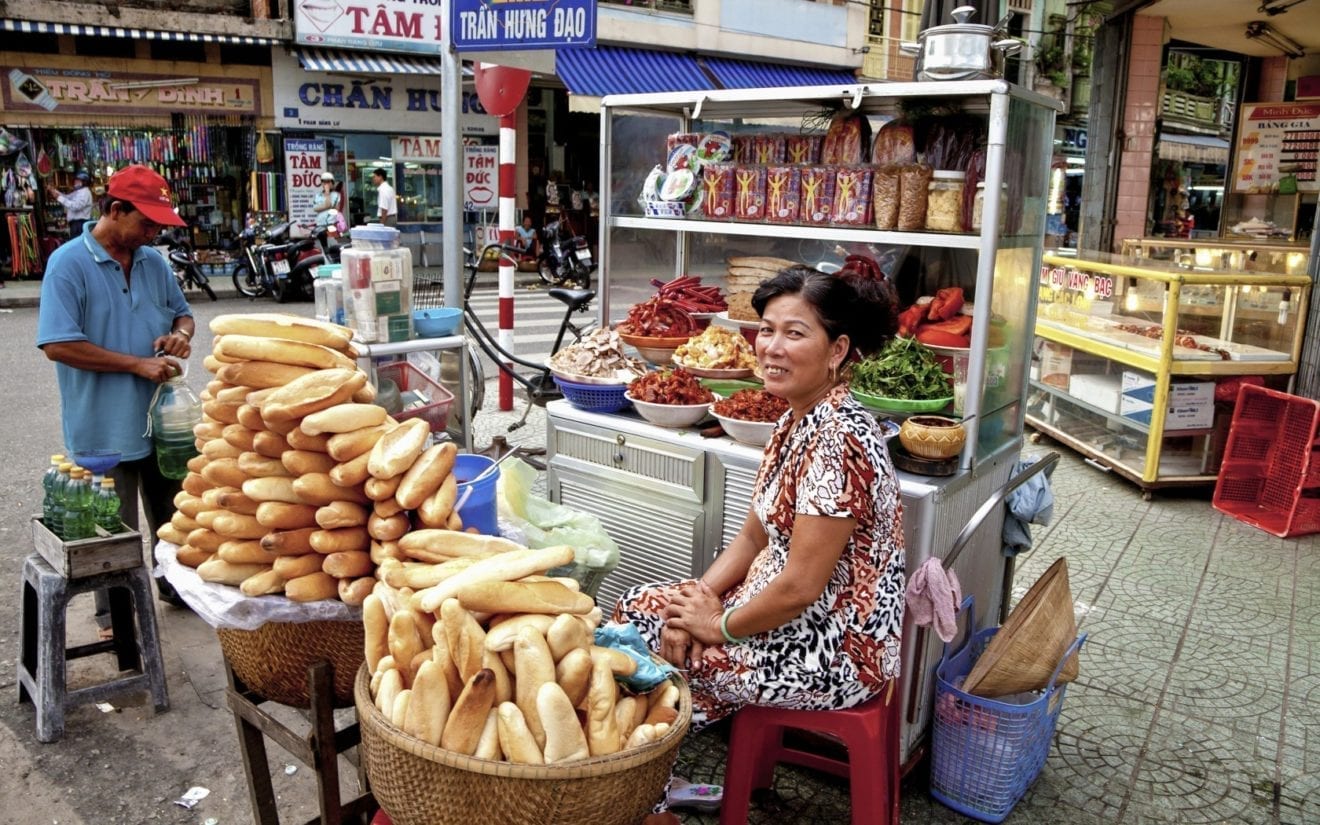
    “Vietnamese still prefer banh my (sandwich) and banh my is cheaper than a burger,” Tung said. “This is why the burger chain expansion has slowed down, while banh my chains have been booming.”

    Tran Anh Tuan, CEO of Pathfinder, a consultancy firm, also said that some fast food chains are not positioned well in the domestic market, and products don’t change regularly. And the price is too high compared to consumers’ income.

    “Fast food, in foreign countries, is generally for the masses. But in Vietnam, fast food chains target high-income earners,” he explained.

    Fast food… and rice

    While western-style fast food chains are not thriving, Vietnamese and Asian food brands are doing well.

    Anh from Pathfinder said that many Japanese and Korean food chains have appeared i which are closer to Vietnamese tastes.

    “Korean fried chicken chains have been developing rapidly because they have reasonable prices and fit Vietnamese tastes,” he said.

    In the past, only a few fast food chains sold Vietnam rice, but now it is a major dish on menus.

    MOIT has granted licenses to 148 foreign brands to enter the Vietnamese market in the last eight years.

    This includes 42 fast food, bakery, coffee, beverage and restaurant brands, accounting for 43.7 percent of the total.

  • GMR Hyderabad Airport Offers ‘Mumbai Central’ delivering the Authentic Street Food from Mumbai

    GMR Hyderabad Airport Offers ‘Mumbai Central’ delivering the Authentic Street Food from Mumbai

    GMR Hyderabad International Airport (GHIAL), which operates Hyderabad Airport today announced the opening of ‘Mumbai Central’ near EAT at Hyderabad food court at the domestic departures Security Hold Area (SHA) of the airport. With the opening of its outlet at Hyderabad Airport, ‘Mumbai Central’ takes a maiden venture into airport Food & Beverage segment.

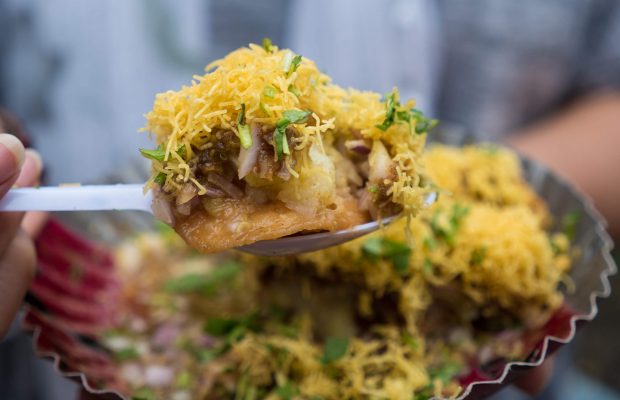
    Mumbai Central offers a live counter with a menu distinct from other outlets. It brings to the platter the popular west costal cuisine of India including some of the mouthwatering popular street food from the heart of Mumbai to the passengers flying from Hyderabad Airport. Now the travelers in love with the authentic and popular street food from Mumbai, could savour it when at Hyderabad Airport.

    Mumbai Central has been appealing to the travellers throughout the day, allowing them to relax, enjoy their meal and time at the airport. Mumbai Central brings the bustle of the Mumbai street food culture to Hyderabad Airport, offering high quality, authentic and famous Mumbai delicacies. Offering a quick serve world of cuisine, Mumbai Central is focused on directly triggering the customers appetite and to introduce the beauty of fast and fresh cooking; a lot of food is made and finished in the front of the customers.

    A wealth of fresh ingredients and spices adds spontaneous bursts of tasteful experience and stimulates the senses at every step of the way. Diners can order from the digital menus featuring daily specials, which are updated regularly to continuously delight the customers. Strongly promoting the traditional emphasis on healthy eating, balanced meals and fresh food, Mumbai Central uses the freshest of ingredients for recipes, flavors and spices, developed and preserved for many generations.