Retail News CRM

Tag: streetfood

  • Gordon Ramsay to open first Street Pizza restaurant in Southeast Asia

    Gordon Ramsay to open first Street Pizza restaurant in Southeast Asia

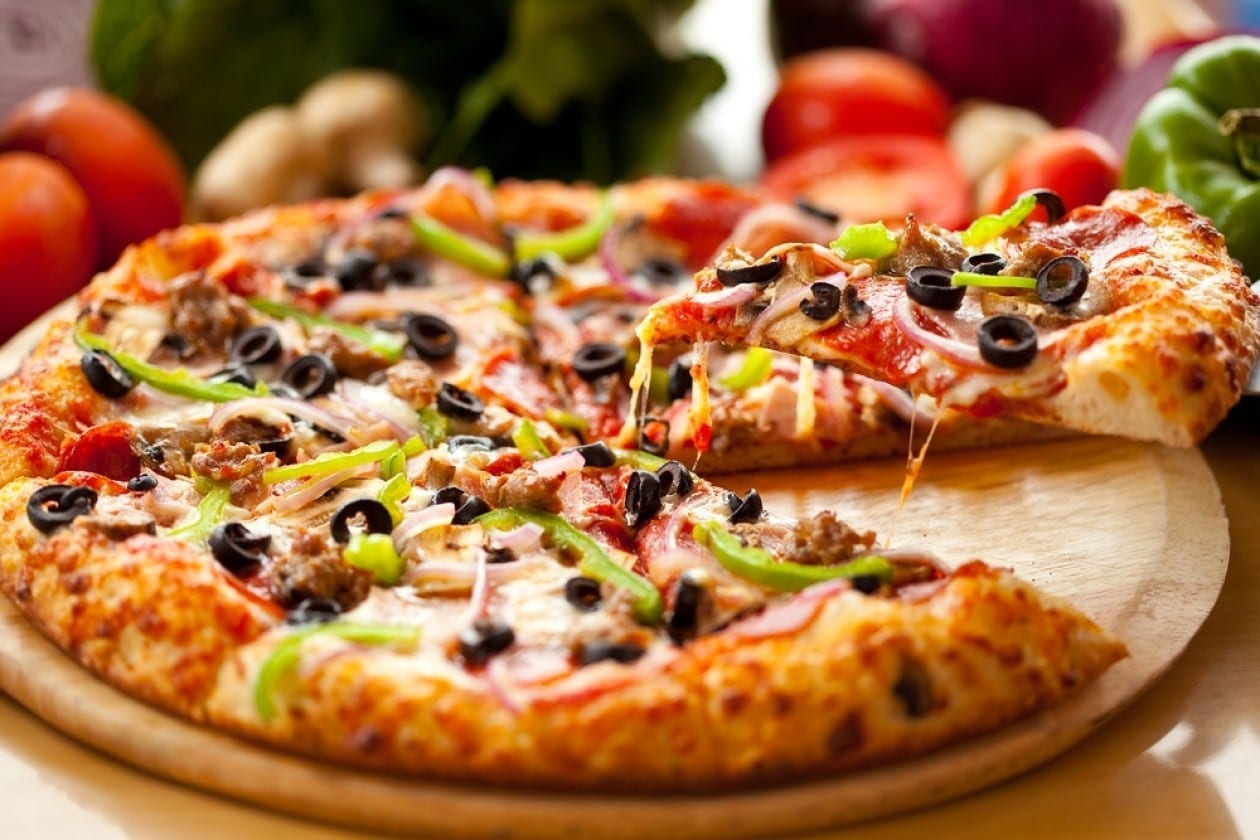
    The highly anticipated Street Pizza concept by celebrity chef Gordon Ramsay is set to make its debut in Malaysia, marking the restaurant’s first location in Southeast Asia. Originally established in London in 2018, Street Pizza is known for its unlimited sourdough pizzas with a variety of toppings and sides, including hot wings, dirty fries, and cocktails. The restaurant boasts a lively atmosphere, with urban art, live music, and big screens playing sports games to keep diners entertained. Moreover, guests can enjoy a seamless experience using the restaurant’s mobile app.

    Scheduled to open in the third quarter of 2023, the Street Pizza location in Kuala Lumpur will be situated in the Sunway Pyramid shopping mall, offering an exciting new dining option for visitors to Sunway City Kuala Lumpur and guests staying at the destination’s three hotels. This is part of the brand’s vision to have a Street Pizza on every corner of the world, following its expansion in the UK—Battersea, Southwark, City of London in St Paul’s, Liverpool and Edinburgh, and internationally in Dubai, Seoul, and Doha, with Washington DC (USA) set to open later this year.

    According to Alex Castaldi, Senior General Manager of Sunway City Kuala Lumpur Hotels, “Malaysians love pizza and Street Pizza offers pizza without rules. It’s not just about the awesome food, it’s also the vibe.” This statement shows the restaurant’s appeal to the Malaysian market and its potential to become a favourite among locals and tourists alike. The launch of Street Pizza follows the successful opening of Gordon Ramsay Bar & Grill in Malaysia in 2022, which showcases the chef’s iconic dishes, such as the classic Beef Wellington.

  • McDonald’s unveils delivery service in Australia

    McDonald’s unveils delivery service in Australia

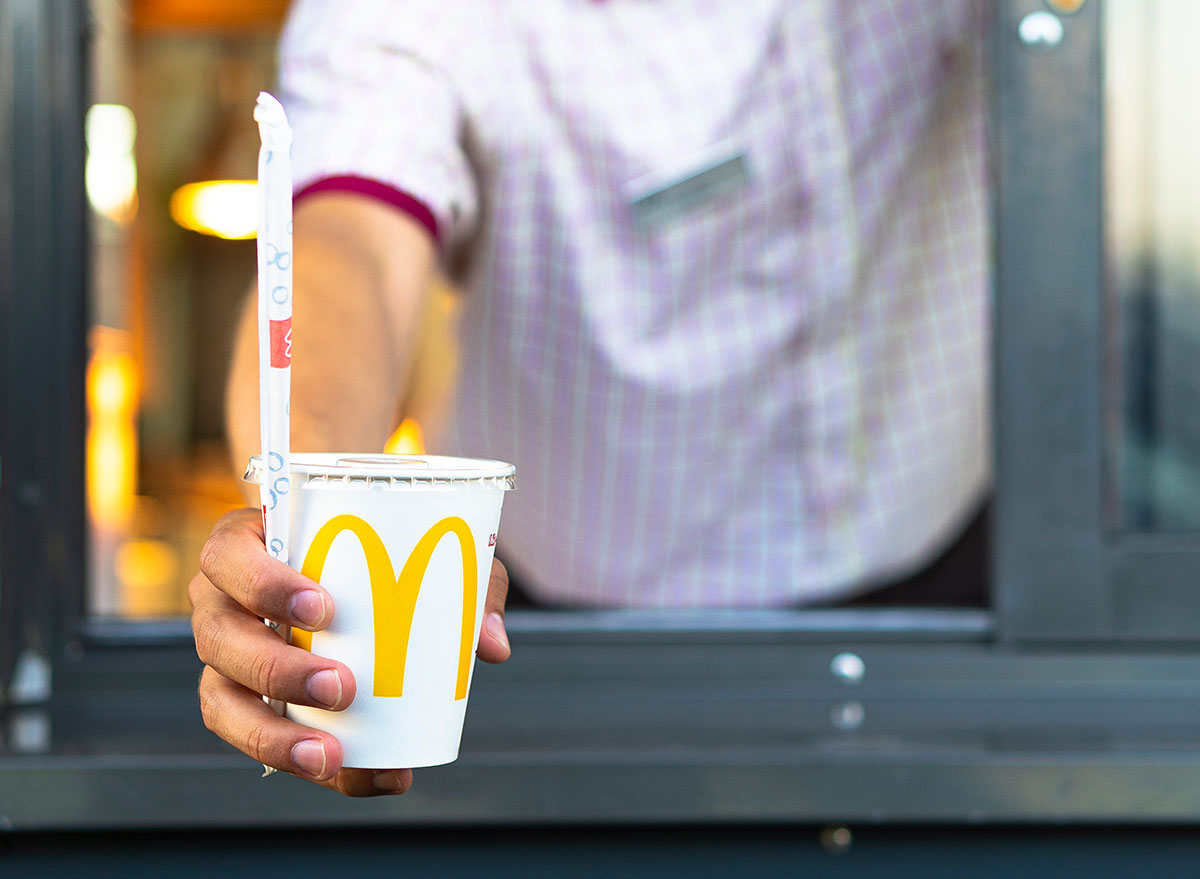
    McDonald’s Australia has confirmed that it is rolling out its own home delivery service to customers across Australia.

    Starting today, Macca’s fans in participating New South Wales restaurants can have their favorite foods sent directly to their homes when they order via the MyMacca’s app.

    The McDelivery service will be made available in more McDonald’s restaurants across the country in the coming weeks.

    “McDelivery via the MyMacca’s app is now available in participating restaurants across New South Wales, with plans to roll it out across participating restaurants nationwide over the coming weeks,” a McDonald’s spokesperson said.

    “McDelivery allows customers to place delivery orders using the MyMacca’s app, while also earning and redeeming MyMacca’s Rewards points.

    “This is part of our ongoing commitment to providing greater value, convenience and rewards for our customers.

    “McDonald’s continues to be available across other delivery services in Australia, including Uber Eats, Menulog and DoorDash.

    “Customers can check their MyMacca’s app to see if McDelivery is available at a restaurant near them.”

    More information on the nationwide McDelivery rollout will be available in the coming weeks.

  • Bangkok moves up the food chain

    Bangkok moves up the food chain

    According to the Mastercard Global Destinations Index, Bangkok is the most visited city in the world with 21.47 million overnight visitors in 2016.

    There are several factors that make Thailand’s capital the world’s leading destination and one of them is food.

    Anyone familiar with Thailand is aware of Thais’ love of food and now the world is learning more about Thai cuisine. There are few cities in the world without a Thai restaurant. Today, Bangkok is delivering a wide range of authentic Thai food and is growing as a foodie destination.

    The Tourism Authority of Thailand has been using ‘Thai Food’ as their strategy to promote sustainable tourism. Social media platforms, such as YouTube and Facebook, are the most effective channels to reach travelers, especially independent travelers who rely on the internet to plan their trip. For example, the ‘Thai-Licious Journey’ series campaign on YouTube aims to promote Bangkok as a food capital of the world.

    In addition to the government’s effort to promote Thai cuisine, the private sector is also playing a role to raise awareness. The Minor Group—one of the largest hospitality and leisure companies in APAC—has expanded their Thai Express restaurant brand across six countries in Asia Pacific. Thailand’s Mudman Group has also established their Greyhound Café restaurant brand in Hong Kong and Beijing.

    In terms of variety, Bangkok offers a range of dining experiences from local street food to cutting-edge restaurants. Bangkok was ranked by CNN as the Best City in the World for Street Food in 2017. On the other end of the scale, the city is now home to two out of the fifty finest culinary establishments on the planet, according to the EATER website—Gaggan and Nahm. Bangkok’s bars are also world-famous; Sirocco Sky Bar featured in ‘The Hangover Part II’ movie.

    Retail landlords have been revising their retail mix by adding more F&B tenants, ranging from international restaurants to an indoor street food experience. For example, the Terminal 21 shopping center offers Thai local street food at affordable prices, as well as Tim Ho Wan, a one-star Michelin restaurant.

    Many of today’s travelers, especially millennials, have become more sophisticated and want authenticity and experience; Bangkok is increasingly catering to this market. Retail landlords who are using a placemaking strategy want restaurants that can give them a competitive edge to attract locals as well as international visitors.

    Traditionally, fast-food tenants have been the highest F&B rent payers but nowadays, landlords of many Bangkok shopping centers want to create a unique selling point, which means accepting lower rents to secure a wider range of restaurants.

    Bangkok is growing as a foodie destination and we can expect to see a wider and more sophisticated range of restaurants for Thai regional and international cuisines.

  • Zeus Street Greek opens new store at Stockland Shellharbour Shopping Centre

    Zeus Street Greek opens new store at Stockland Shellharbour Shopping Centre

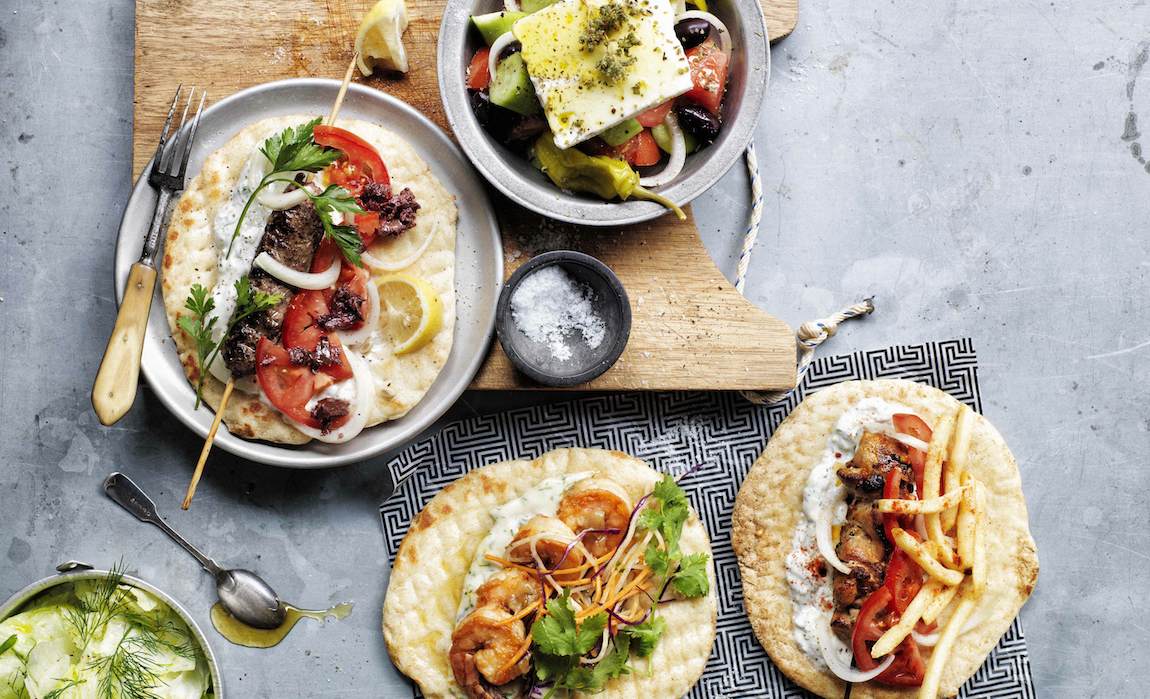
    Fast food chain, Zeus Street Greek, has opened its 12th store in New South Wales and 17th nationwide, at Shellharbour at the Stockland Shellharbour Shopping Centre yesterday.

    The retailer stated the design of the new store, which can accommodate 80 guests, reflects Zeus’s ‘old meets new’ philosophy, achieved through the integration of Art Deco and geometric tiling and wood panelling, the use of timber feature walls, neon lighting, raw stone finishes and colour.

    “Zeus Shellharbour is one of only two stores outside of Sydney in New South Wales, the hospitality scene is continuing to evolve and welcome new contemporary dining experiences into the fold,” said Peta Barclay, Zeus marketing manager.

    “The interest around our opening has been really strong, which is very exciting.

    “There is a demand for contemporary Greek street food that places huge emphasis on quality, with the local community even trekking to Sydney to visit Zeus stores, so this will be an ideal home for Zeus,” Barclay said.

    In July, Zeus’ co-founder, Costa Anastasiadis told Inside Retail that regional locations offer opportunity for growth.

    “We’ve been getting quite a lot of interest from those areas that have got really strong economies and industry,”he said.

    “The sector’s different to what it was five years ago and it’s a completely different landscape compared to 10 years ago. There are a lot more players in the sector and it’s very competitive, so you need to look for opportunities everywhere. If you look at just city metro areas, you’ll be hard pressed for growth, the string is only so long.”

  • New laws in Bangkok may kill Thailand’s street food culture

    New laws in Bangkok may kill Thailand’s street food culture

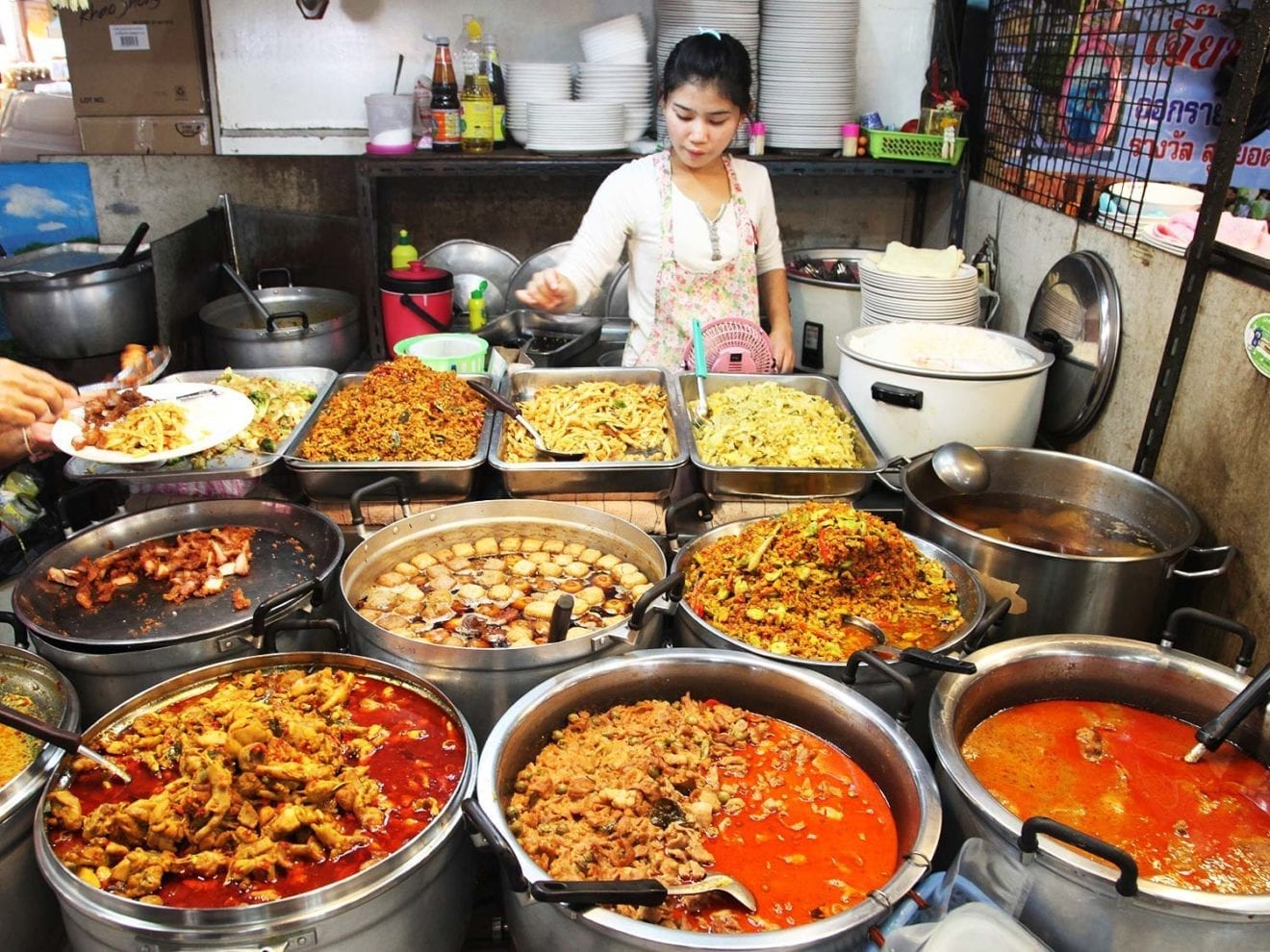
    Chances are you’re imagining all of those things. You’re probably also, however, picturing street food. You’re picturing pad thai slapped together by a vendor on a street corner. You’re picturing the “clack clack” of wooden pestles on mortars as som tum is prepared. You’re picturing clouds of smoke rising into the hot night as satays are grilled and sausages are sizzled.

    That’s Bangkok. It’s street food. It’s the sounds and smells and chaotic sights that come with this cultural staple, the crush of people, the calls of vendors, the fight for a place to sit, the sweat, the hunger, the taste of all that good food served up for next to nothing. That’s what so many travellers love about this city.

    And yet, it’s changing. Bangkok’s street food culture is disappearing. It’s being legislated out of existence. It’s being shifted out of its traditional home in the name of progress, in the name of safety, in the name of order.

    Thailand’s military junta government is attempting to change the face of its capital city. Street food is not being banned, contrary to fears earlier this year. But new laws are making life so difficult for many vendors that this cherished culture is facing extinction.

    Bangkok’s “sidewalk police” are now enforcing new rules, driving some vendors away from their regular patches, and clearing entire areas of all street food outlets. It seems clear the government is intent on sanitising Bangkok, on taking the chaos and turning it into order, on clearing the well-off areas of their unsightly street stalls and morphing the Thai capital into a place that more closely resembles somewhere like Singapore

    For tourists, this is bad news. I can’t think of any other city around the world that has legislated one of its major tourist attractions out of existence in the same way the Thai government is poised to do with its street food culture.

    The Catalans in Spain banned bull-fighting, but there’s no way many travellers were visiting Barcelona just to see that. The Laos government cleaned up the infamous tubing site at Vang Vieng, but that was never really legal in the first place. Plenty of individual tourist attractions have banned selfie-sticks, but people were visiting those places long before selfies were even a thing.

    But Bangkok is street food. People visit this city just to sit on a plastic stool on a crowded corner and eat oyster omelettes and noodle soups, to watch as curries are cooked and meat is grilled before their eyes. That’s a tourist attraction. That’s a sight.

    According to the Thai government, that street food culture will remain. Vendors are still allowed to operate in touristy areas such as Khao San Road and Chinatown, albeit with stricter sanitary regulations and fewer stalls. And other vendors are being encouraged to shift their businesses into shopping malls and other heavily regulated zones.

    But that, in our opinion at least, is not street food culture. That’s not what people love about this city. It’s the chaos that makes it great. It’s the vote-with-your-fork democracy that allows a husband and wife team from rural Thailand to compete with the city’s most famous vendors. It’s the thrilling lack of regulation in Bangkok that we love, that’s so different to the staid streets of our homes.

    Maybe, of course, that’s a problem in itself. Travellers want chaos, they revel in the dysfunction. But maybe cleaning up the streets is actually a good thing for Bangkok. Maybe its residents really would rather live somewhere that resembles Singapore, clean and orderly and efficient, than the street-vendor-strewn city they currently inhabit. Maybe they would prefer flowing traffic to 60-baht egg noodles.

    I’m sure for some residents in Bangkok that’s true. But it’s certainly not a good thing for those on low incomes who rely on eating or selling street food, or those who visit the city to soak up the anarchic flavour of a typical Bangkok sidewalk. And after all, no issues of long-term poverty are actually being addressed here, they’re just being moved on.

    To sanitise Bangkok’s streets is to make them more comfortable for the high end of town, for the people who can afford to live in the apartments that tower above the chaos, and afford to drive on the roads. But the character and the charm of the city will be forever altered, forever lost, and that, for me at least, is going to diminish it as a destination.

    There’s already a Singapore. You can go there if you want to. Regardless of the arguments for or against Bangkok’s sterilisation, the loss of the bulk of the city’s street food culture is going to make it a far less attractive proposition for potential visitors.
  • India to become the gateway to the food industry

    India to become the gateway to the food industry

    India is all set to become the global manufacturing hub of the food industry, and to establish its presence and showcase its capabilities, the World Food India 2017 is being held in New Delhi, from 3rd to 5th November 2017. World Food India will be the largest gathering of investors, manufacturers, producers, food processors, policy makers, and food corporations from the global food ecosystem. The three-day event is being organised by the Ministry of Food Processing Industries, Government of India.

    World Food India intends to establish global linkages and facilitate foreign investment in India’s food retail market that services the needs and rising aspirations of the country’s 1.3 billion consumers – a ready market. The food processing industry accounts for over 9% manufacturing GDP and has emerged as critical component of India’s economy.

    World Food India aims to provide opportunities for both investment and trade in the food processing sector for leading Indian and international companies. Encompassing the entire food spectrum from production to consumption, World Food India is looking at creating a better sourcing environment, thereby enabling higher returns for farmers, creating employment, and fostering entrepreneurship. The three day mega event ‘World Food India’ will provide a platform to showcase offerings and services along the food value chain which includes production, processing, packaging, technology, equipment, storage, logistics or retail.

    Global food corporations, MSMEs & everyone connected directly or indirectly to the food sector are showing tremendous interest in World Food India 2017. The cuisines of India are inherently diverse in nature as each state in India come with a unique palate & offering. The World Food India aims to bring all the different states of India, as well as the global powerhouses in the food industry, together – for the first time.

    World Food India will have exhibitions on the food processing industry, a Global CEO conclave, a country session, a state session, and conferences. One key attraction of the event will be the Food Street which will showcase food delicacies of the various states of India and as well as international cuisine. More details on World Food India 2017 can be found on this website.

  • Vietnamese street food favored over foreign fast food chains

    Vietnamese street food favored over foreign fast food chains

    Several Burger King shops in HCMC and Da Nang have closed, while Lotteria has also shut down ineffective shops. Other giants have not closed many of their shops, but they are cautious developing their chains.

    McDonald’s, when setting foot in Vietnam, stated it would open 100 shops within 10 years. However, after three years in Vietnam, the giant has opened only 15 shops.

    A representative of Lotteria admitted that competition in the fast food market is getting stiff with many foreign and domestic brands.

    Some brands have shut down shops because their menus were not suitable to Vietnamese tastes and the prices were not competitive.

    Nguyen Huy Thinh, managing director of McDonald’s, said it was normal for fast food brands to shut down unprofitable shops, while a representative from Burger King said the chain’s business has been going well with a two-digit growth rate.

    However, Hoang Tung, a branding expert, blames the failure of some fast food chains on the difference between the food and Vietnamese tastes.

    Burger King, for example, develops products based on burgers as the core product.

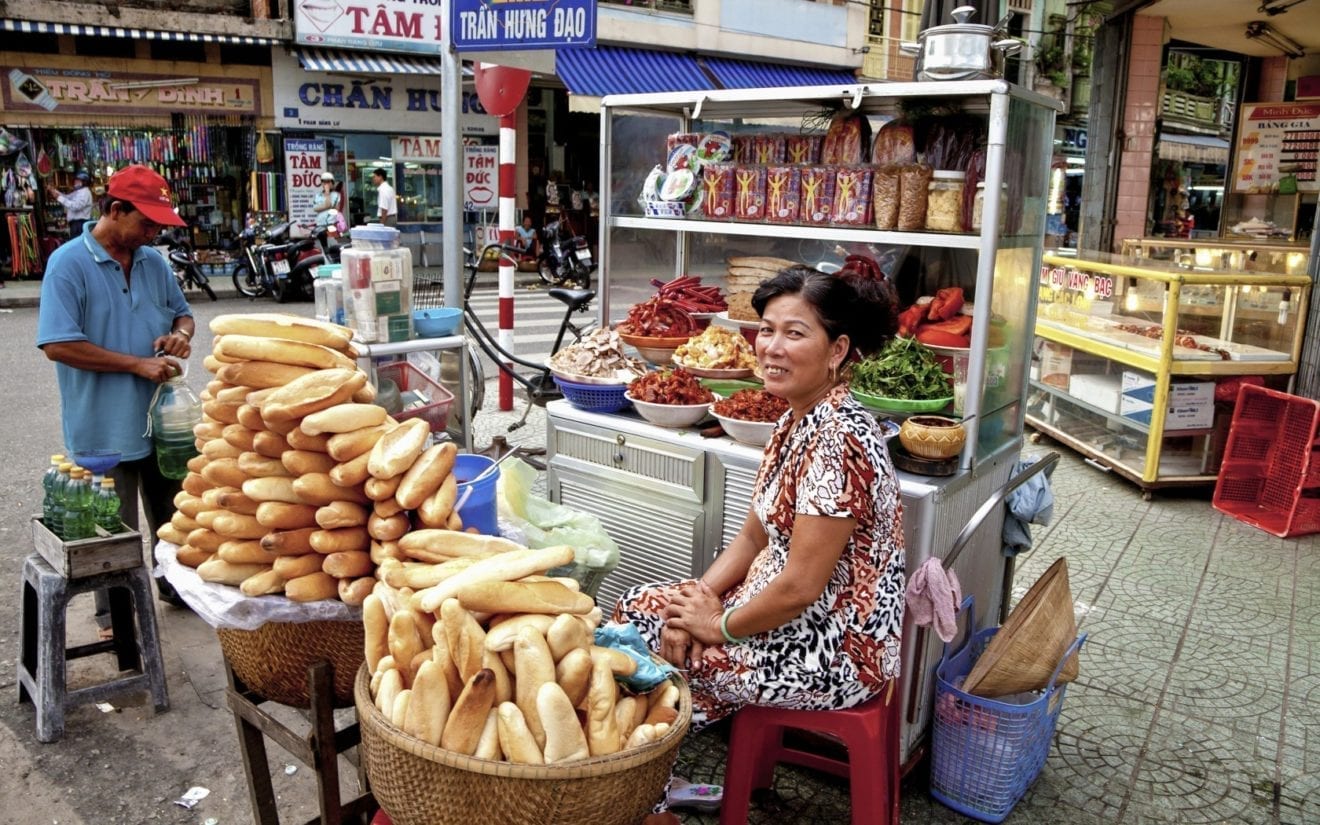
    “Vietnamese still prefer banh my (sandwich) and banh my is cheaper than a burger,” Tung said. “This is why the burger chain expansion has slowed down, while banh my chains have been booming.”

    Tran Anh Tuan, CEO of Pathfinder, a consultancy firm, also said that some fast food chains are not positioned well in the domestic market, and products don’t change regularly. And the price is too high compared to consumers’ income.

    “Fast food, in foreign countries, is generally for the masses. But in Vietnam, fast food chains target high-income earners,” he explained.

    Fast food… and rice

    While western-style fast food chains are not thriving, Vietnamese and Asian food brands are doing well.

    Anh from Pathfinder said that many Japanese and Korean food chains have appeared i which are closer to Vietnamese tastes.

    “Korean fried chicken chains have been developing rapidly because they have reasonable prices and fit Vietnamese tastes,” he said.

    In the past, only a few fast food chains sold Vietnam rice, but now it is a major dish on menus.

    MOIT has granted licenses to 148 foreign brands to enter the Vietnamese market in the last eight years.

    This includes 42 fast food, bakery, coffee, beverage and restaurant brands, accounting for 43.7 percent of the total.

  • GMR Hyderabad Airport Offers ‘Mumbai Central’ delivering the Authentic Street Food from Mumbai

    GMR Hyderabad Airport Offers ‘Mumbai Central’ delivering the Authentic Street Food from Mumbai

    GMR Hyderabad International Airport (GHIAL), which operates Hyderabad Airport today announced the opening of ‘Mumbai Central’ near EAT at Hyderabad food court at the domestic departures Security Hold Area (SHA) of the airport. With the opening of its outlet at Hyderabad Airport, ‘Mumbai Central’ takes a maiden venture into airport Food & Beverage segment.

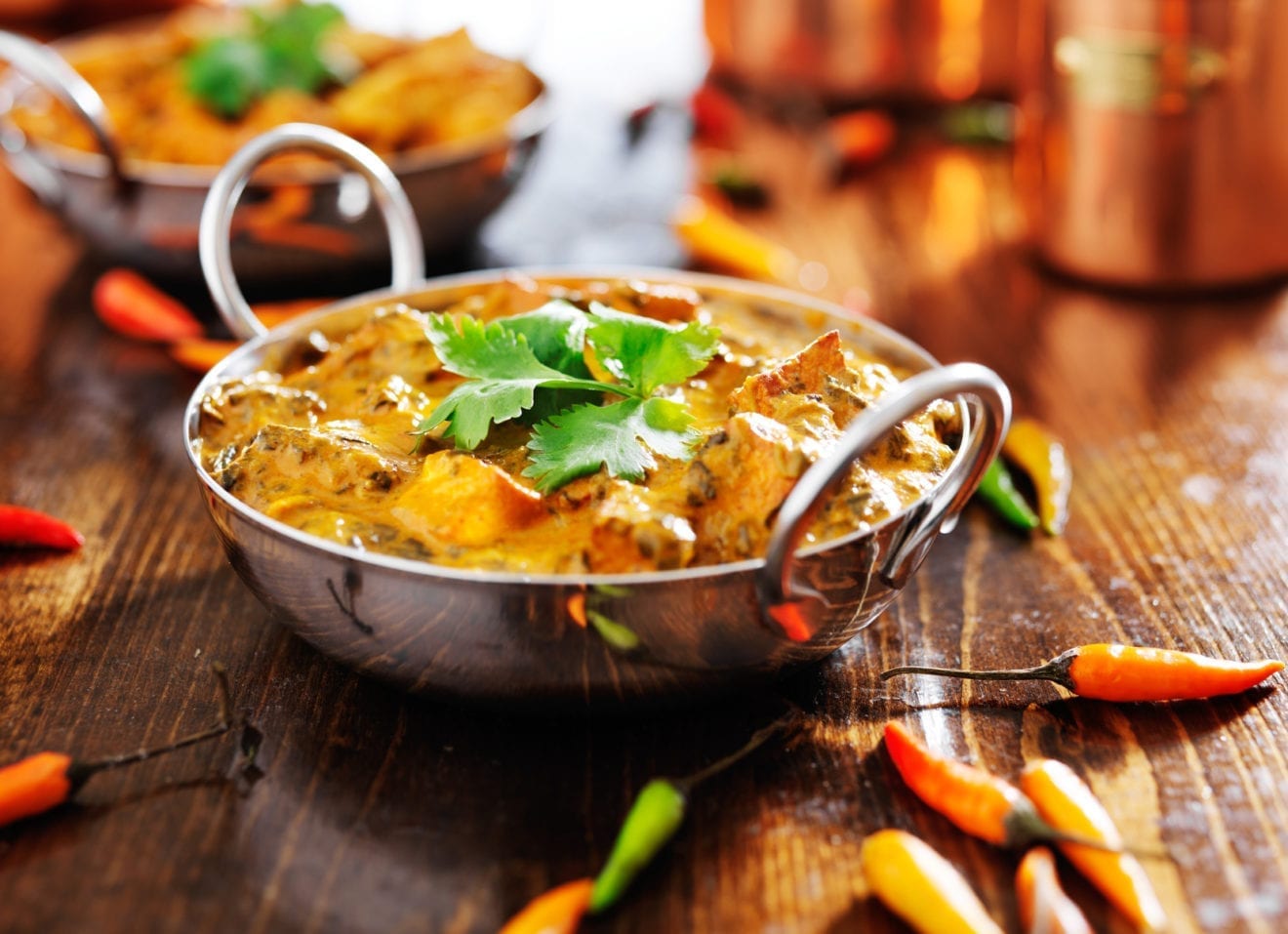
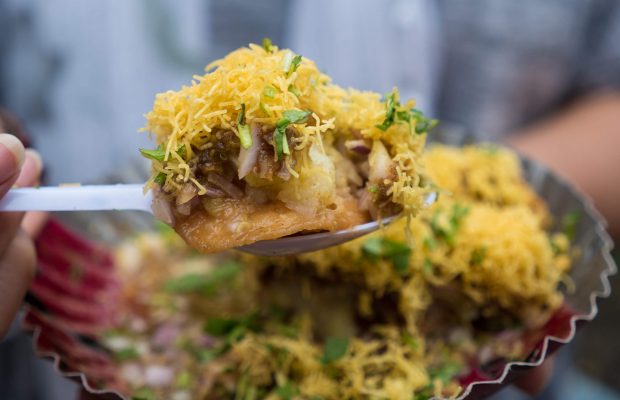
    Mumbai Central offers a live counter with a menu distinct from other outlets. It brings to the platter the popular west costal cuisine of India including some of the mouthwatering popular street food from the heart of Mumbai to the passengers flying from Hyderabad Airport. Now the travelers in love with the authentic and popular street food from Mumbai, could savour it when at Hyderabad Airport.

    Mumbai Central has been appealing to the travellers throughout the day, allowing them to relax, enjoy their meal and time at the airport. Mumbai Central brings the bustle of the Mumbai street food culture to Hyderabad Airport, offering high quality, authentic and famous Mumbai delicacies. Offering a quick serve world of cuisine, Mumbai Central is focused on directly triggering the customers appetite and to introduce the beauty of fast and fresh cooking; a lot of food is made and finished in the front of the customers.

    A wealth of fresh ingredients and spices adds spontaneous bursts of tasteful experience and stimulates the senses at every step of the way. Diners can order from the digital menus featuring daily specials, which are updated regularly to continuously delight the customers. Strongly promoting the traditional emphasis on healthy eating, balanced meals and fresh food, Mumbai Central uses the freshest of ingredients for recipes, flavors and spices, developed and preserved for many generations.