Tag: STREETWEAR

  • Misto Group Opens 1St Taiwan Store for Korean Label Mucent

    Misto Group Opens 1St Taiwan Store for Korean Label Mucent

    Misto Group has partnered with Korean streetwear brand Mucent to open the label’s 1st store in Taiwan, launching in Taipei in September 2026.

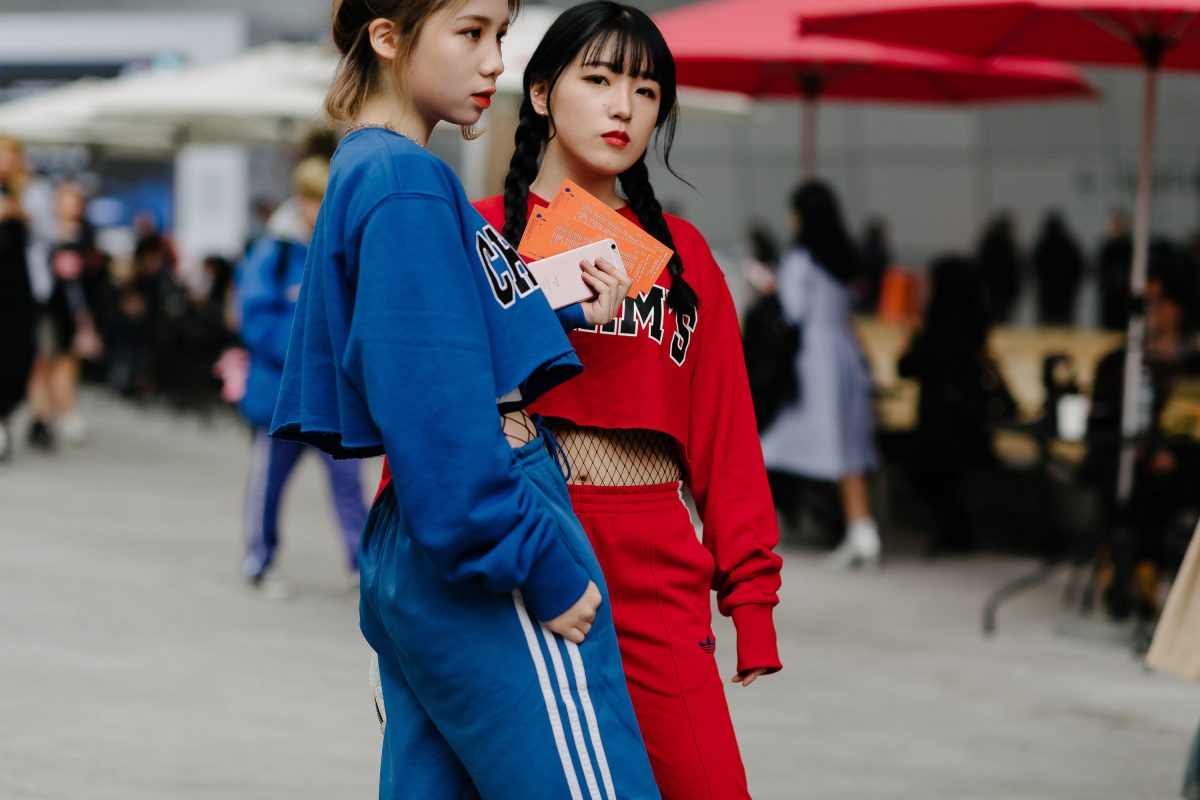
    The contemporary casualwear label is recognised for its monochromatic aesthetic with black as a signature colour, blending streetwear influences with everyday wear targeted at younger female consumers.

    The Store Network Across Three Cities

    Following the Taipei debut, Misto Group plans to open additional Mucent stores in Taichung and Kaohsiung by the end of the year.

    Opening three prime urban locations within a single calendar quarter requires dedicated retail floor space in top-tier shopping districts. By targeting Taiwan’s three largest metropolitan centers at once, the distributor bypasses a slower test-and-learn strategy in favor of immediate national visibility.

    Targeting the Young Fashion Consumer

    Mucent built its domestic reputation in South Korea around everyday casualwear combined with functional streetwear accents. The brand focuses heavily on monochrome design palettes, using black textiles as its core visual identity to attract young female consumers.

    Taiwanese department stores and street-level shopping strips have steadily increased their allocation of floor space to independent Korean apparel labels. Streetwear concepts that emphasize affordable styling and daily wearability compete directly against Japanese fast-fashion operators and domestic boutique chains.

    Pressure on Regional Distributors

    Distributors managing imported fashion brands face compressed shelf-life cycles driven by social media trends. Physical retail commitments across three separate cities demand consistent replenishment logistics and strong sell-through rates to offset rising retail lease costs in central Taipei.

    Local retail landlords in Taichung and Kaohsiung continue to court imported lifestyle concepts to draw younger foot traffic into physical malls. Misto Group relies on Mucent’s existing online traction among regional shoppers to drive footfall into the new brick-and-mortar units.

    Expansion Timeline for Southern Doors

    South Korean apparel exporters have broadened their presence across East Asia by leaning on established local distribution partners to manage store buildouts and inventory risk.

    Work now shifts to site preparation in central and southern Taiwan. RetailNews Asia will track the opening schedules for the Taichung and Kaohsiung stores as Misto Group works toward its year-end target.


  • Melbourne Mustangs Opens RinkSide Store at the District Docklands

    Melbourne Mustangs Opens RinkSide Store at the District Docklands

    Australian ice hockey club Melbourne Mustangs has expanded its merchandise operations with the opening of RinkSide, a permanent retail store trading seven days a week at The District Docklands in Melbourne.

    Located near the club’s home venue at O’Brien Icehouse, the site opened ahead of the Australian Ice Hockey Championships last month, shifting the team from gameday stalls into year-round retail operations.

    Merchandise Mix and Retail Partners

    RinkSide operates through a commercial partnership between the Mustangs, Globe International and The District Docklands. The outlet stocks official team kits alongside licensed merchandise from North American leagues including the NHL, NFL and NBA.

    Streetwear labels form a second pillar across the floor layout. The shop carries inventory from skate apparel brand Thrasher and label Ritual Vision. Blending club gear with action sports fashion helps maintain foot traffic outside the winter competition calendar.

    Shift from Gameday Sales to Permanent Footprint

    The retail site replaces a volunteer-run distribution network. That setup previously handled club sales through home storage and pop-up tables on fixture nights. Rising merchandise sales over successive Australian Ice Hockey League seasons pushed the organization to secure fixed floor space.

    “This has been such a community passion project. The fans are the real heart of this store and have been from the start,” said John Belic, president of the Melbourne Mustangs. “Ultimately, this means we can do more. More for our players and more for our fans.”

    Funding Model for Local League Development

    Margins from the Docklands site flow directly back into team operations and grassroots sports development. Proceeds generated through retail partnerships with Globe International will fund the Mustangs junior development program across Victoria.

    For landlords, sports clubs provide dedicated community foot traffic capable of anchoring leisure precincts. The partnership shows how niche sporting organizations monetize apparel distribution by grouping team items alongside global lifestyle brands.

    Next Steps for RinkSide Operations

    RinkSide completed its phased rollout ahead of the national ice hockey championships and now runs on standard retail hours. Management will track sales volumes across the off-season. Those figures will determine inventory replenishment cycles for licensed overseas stock ahead of the next AIHL fixture schedule.

  • Honda and Onitsuka Tiger Debut Concept Motorcycle and Apparel in Milan

    Honda and Onitsuka Tiger Debut Concept Motorcycle and Apparel in Milan

    Honda and Japanese fashion brand Onitsuka Tiger have launched a collaboration to bring together motorcycles and fashion, debuting a concept motorcycle and apparel line in Milan on September 23, 2026.

    The centerpiece is the Onitsuka Tiger Honda Mid Sports Concept motorcycle, which held its world premiere during Onitsuka Tiger’s Spring/Summer 2027 show at Milan Fashion Week. Based on a mid-displacement sports model, the bike features Tiger Yellow as its base color, bold black stripes on both sides, and black wheels with Tiger Yellow accents and both brands’ logos.

    Onitsuka Tiger also unveiled footwear and apparel incorporating Honda’s motorcycle Wing Mark emblem, with designs inspired by motorcycle culture.

    Translating Mobility Into Apparel Foot traffic

    For fashion labels in high-rent urban corridors across Asia and Europe, mobility collaborations offer an avenue to younger male consumers who shop apparel less frequently. Through the deal, Onitsuka Tiger gains access to Honda’s motoring heritage. It applies that industrial brand equity directly to footwear and street apparel.

    Honda is using European fashion runways to reach demographics outside traditional dealership networks. The automaker wants to broaden city rider adoption. Instead of relying solely on speed and engineering metrics, it is packaging two-wheelers as lifestyle design objects.

    Shared Industrial Roots in Postwar Japan

    Both enterprises trace their origins to postwar industrial expansion in Japan. Honda was founded in 1948, and Onitsuka Tiger started in Kobe in 1949. Each business expanded globally over seven decades by anchoring manufacturing in specialized product engineering.

    The Milan presentation linked those corporate histories through physical product design. Staging the bike during the September 22 to 28 fashion calendar put mechanical hardware directly before international department store buyers and fashion media.

    Commercial Pipeline and Product Rollout

    Retail distribution details, production timelines, and pricing brackets for the co-branded footwear and apparel collections align with the Spring/Summer 2027 commercial cycle. Neither manufacturer has disclosed dealership availability or road-homologation plans for the Mid Sports Concept motorcycle.

  • Converse Opens 2 Next-Generation Stores in Nanjing and Shanghai

    Converse Opens 2 Next-Generation Stores in Nanjing and Shanghai

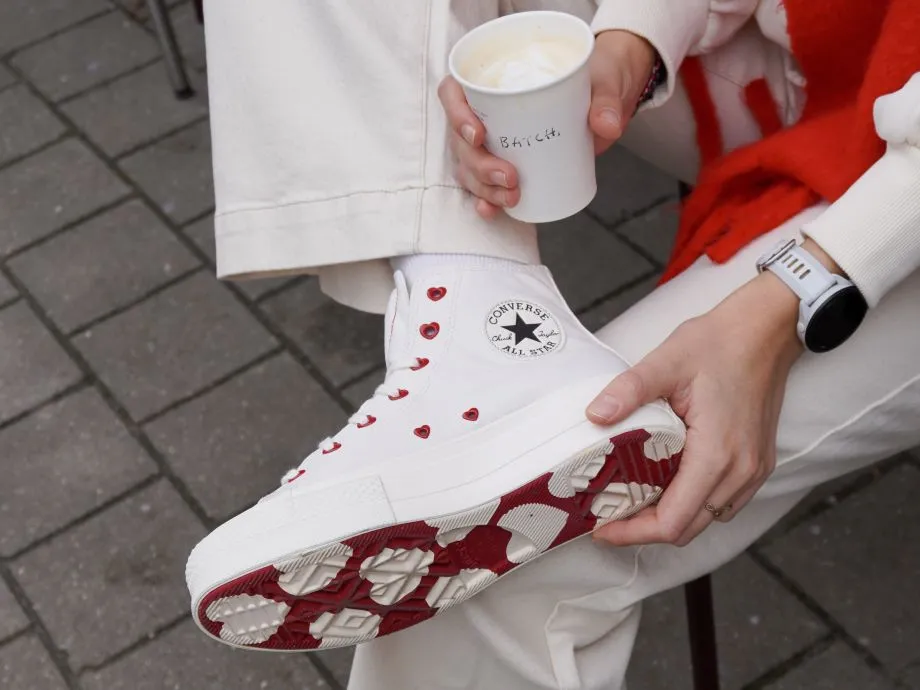
    Converse opened two concept stores in Nanjing and Shanghai in September 2026 as part of an experiential retail push across mainland China. The footwear brand already distributes through more than 700 locations across the country. Those operations are led by its Star Concept and X-Ing shop formats.

    In Nanjing, the store follows the Converse Star Concept design. It pairs localized city storytelling with premium product allocations. There is also a dedicated Converse Select zone built for early-access releases and top-tier merchandise. The site served as the debut platform for the Chuck 70 X, an updated edition of the core sneaker with an altered structural fit and cushioned insoles.

    Community Formats on Yuyuan Road

    On Yuyuan Road in Shanghai, the brand launched a Converse X-Ing store. The location functions as an interactive hub rather than a transactional shop. It incorporates customisation workshops, art displays, rotating pop-ups, and collaborative workspaces for local designers.

    Converse said in an announcement detailing the Shanghai site that the store invites creators and consumers to connect through community programming.

    Shifting Floor Space to High-Touch Retail

    Sportswear brands in China face heavy margin pressure from domestic e-commerce channels and local rivals. Footwear labels are responding by reallocating capital into prime street locations and major mall units. These spaces serve as marketing assets rather than simple stock rooms. By splitting tiers between core Star Concept stores and creative X-Ing outposts, Converse aims to defend its pricing power and cultural cachet with younger urban shoppers.

    Higher overhead creates real risk for operators. Prime rents on strips like Yuyuan Road add up quickly alongside event production and staffing costs. If programming fails to drive repeat visits and full-price sales, concept spaces turn into costly marketing drains rather than profitable channels.

    Building Out the Asia Network

    These mainland openings follow the rollout of larger formats across Asia, including the launch of the brand’s largest flagship store in India in June 2026. Across the region, the company continues to refine its direct retail tiers. This separates basic wholesale distribution from high-margin specialty releases.

    Market watchers will track how the Chuck 70 X and Select zone lines perform across the wider 700-door mainland network before Converse takes the Star Concept format into secondary Chinese retail hubs.

  • Heavy Pop Brings Vietnamese Streetwear to Siam Discovery in Bangkok

    Heavy Pop Brings Vietnamese Streetwear to Siam Discovery in Bangkok

    Vietnamese fashion platform Heavy Pop opened a pop-up store inside Bangkok’s Siam Discovery mall this September. It brings domestic streetwear brands to Thai consumers.

    Labels including Stressmama, DirtyCoins and Hades now sit on the complex’s first floor. Together, the Thai and Vietnamese streetwear markets represent an estimated $1 billion to $2 billion in value.

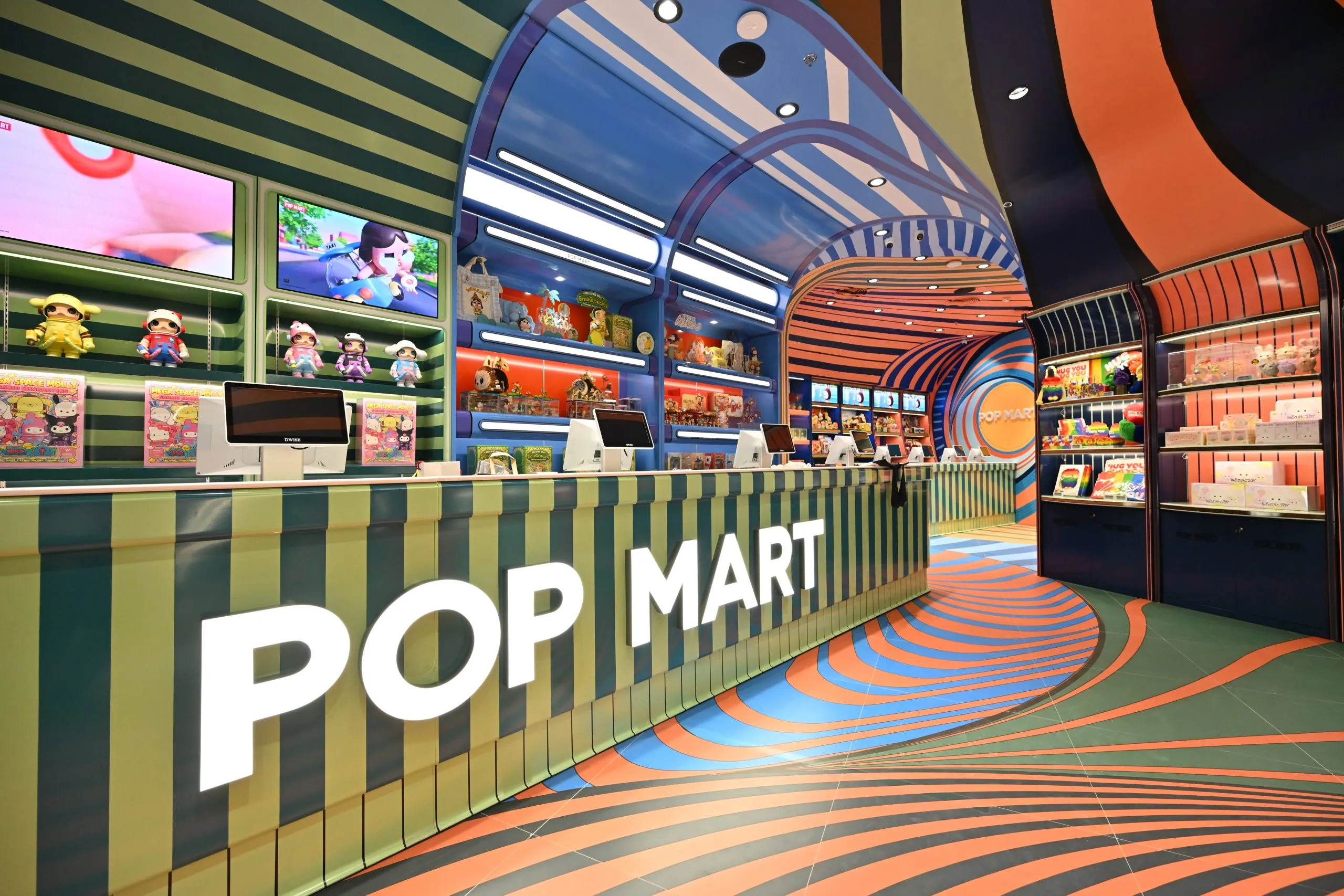
    Heavy Pop operates without permanent stores. Instead, the curator secures short-term space in busy regional hubs to show Hanoi and Ho Chi Minh City labels. Its Bangkok floor features graphic T-shirts, relaxed shorts and oversized hoodies.

    Contrasting aesthetics drive mall demand

    Mall operator Siam Piwat is dedicating square footage across Siam Discovery, Siam Center, Siam Paragon and Iconsiam to emerging regional brands. It avoids relying solely on global chain tenants. The Vietnamese apparel provides a dark contrast to domestic Thai streetwear, which leans toward vibrant colours, internet memes and Muay Thai boxing references.

    Both markets design for tropical heat with boxy silhouettes and gender-neutral cuts. Streetwear across Asia-Pacific continues to outperform broader retail benchmarks. Fortune Business Insights values global sector revenue at nearly $398 billion in 2026, alongside a projected 7.95 per cent annual growth rate through 2034.

    Regional platforms step in where Western retailers lag

    Landlords gain foot traffic from younger shoppers hunting for limited drops. For the brands, physical floor space in Bangkok offers an essential international testing ground. Western retail chains still lack the direct supply-chain connections to distribute niche Asian streetwear profitably.

    Production scale remains the primary operational bottleneck. Vietnamese streetwear houses maintain brand equity through small, exclusive production runs. That prevents them from fulfilling wholesale inventory minimums required by global department stores or scaling beyond direct-to-consumer e-commerce.

    Siam Piwat accelerates regional brand incubation

    Curated retail initiatives are expanding across Siam Piwat properties. Alongside the Heavy Pop installation, Siam Discovery added ground-floor spaces this month for Vietnamese womenswear labels Cocosin and Mollynista.

    The pop-up runs at Siam Discovery through the end of September 2026. Tenant turnover will follow ahead of fourth-quarter holiday trading.

  • Malbon Golf Expands in China with Stores in Shanghai and Beijing

    Malbon Golf Expands in China with Stores in Shanghai and Beijing

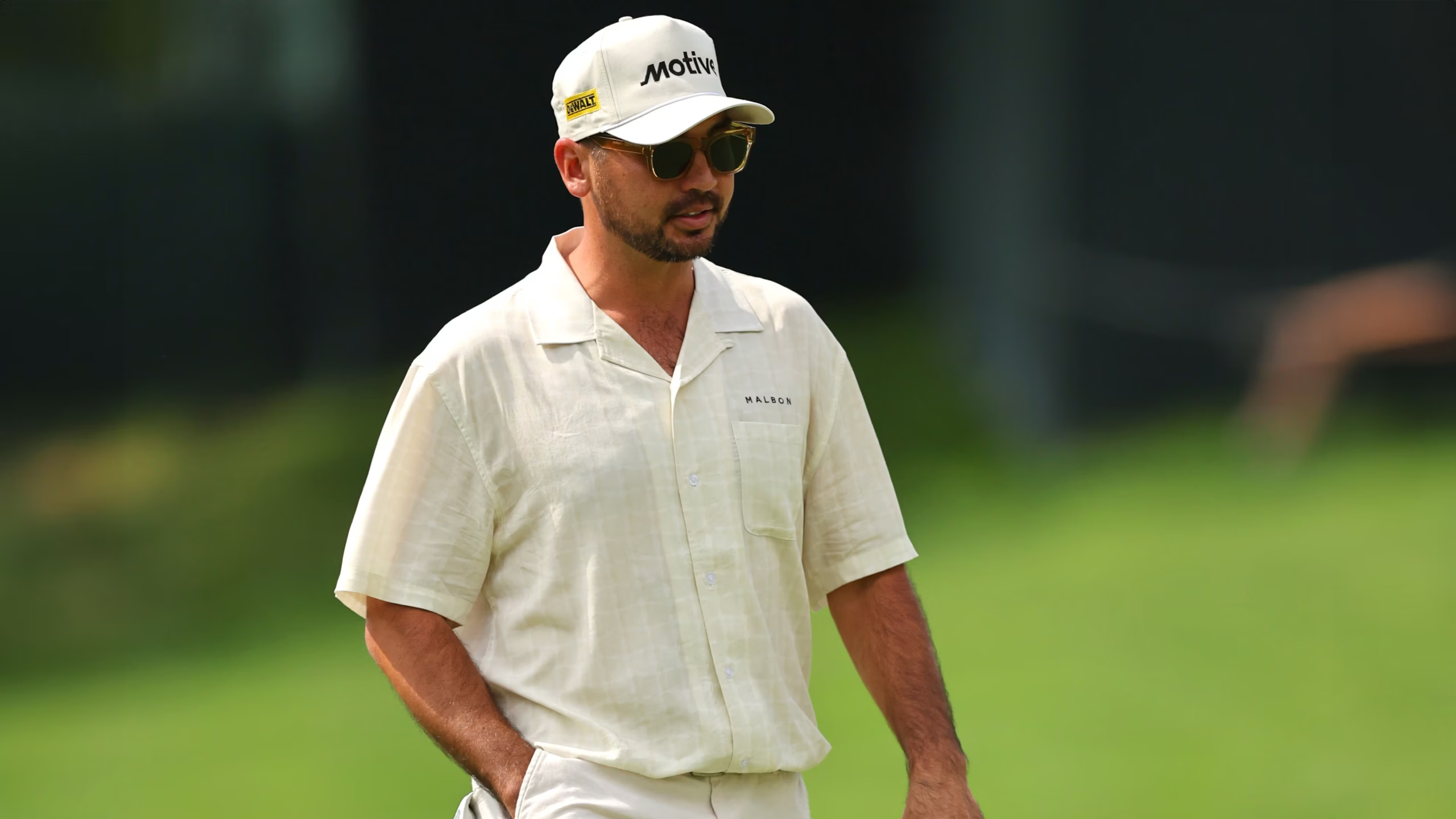
    US golf lifestyle brand Malbon Golf is expanding its retail presence in China with locations in Shanghai and Beijing as part of its broader market expansion strategy.

    Founded in Los Angeles in 2017, the company has partnered with TKG Lifestyle to support its rollout, with Hangzhou and Shenzhen among the next markets in its pipeline.

    Tier-one footprint and localized store designs

    Earlier this year, the brand opened its first Mainland China flagship at Shanghai’s Jing’an Kerry Centre, followed by a second location in the West Bund and a store at Beijing’s Taikoo Li Sanlitun.

    Its Shanghai stores combine golf and streetwear aesthetics with references to local culture, with the West Bund site incorporating vintage imagery, creative elements, and interactive golf features. The Taikoo Li Sanlitun store in Beijing features localized design elements alongside city-specific apparel and lifestyle collections.

    The streetwear crossover in Chinese sports retail

    China-exclusive products form part of the company’s local strategy, with city-specific collections developed alongside its core golf apparel and accessories. Malbon’s partnership with TKG Lifestyle also extends to other regional markets, including Vietnam and the Philippines.

    Earlier expansion steps

    Malbon operates at the intersection of golf and lifestyle fashion, with collections and collaborations spanning apparel, accessories, and cultural partnerships since its founding in 2017. The planned expansion into Hangzhou and Shenzhen will further extend the label’s footprint across major Chinese cities.

  • Palace Streetwear Breaks Into Mainland China with a Stylish Shanghai Store Debut

    Palace Streetwear Breaks Into Mainland China with a Stylish Shanghai Store Debut

    British streetwear brand, Palace, is set to inaugurate its first independent retail store in Mainland China, within the historic district of Zhangyuan in Shanghai.

    The store, which opens its doors to the public this Friday, draws inspiration from the traditional elements of Yuyuan Garden. It incorporates features reminiscent of the garden’s ponds, pavilions, and meandering paths. In an effort to maintain the authenticity and historic charm of the locale, the original facade of the garden has been preserved. The store’s entrance is marked by Palace’s iconic, mirrored tri-ferg logo suspended above it. The logo, a creation of Fergus Purcell, takes its cues from the Penrose Triangle, a work of Swedish artist Oscar Reutersvärd. The logo’s placement creates an illusion of angling downward from the building’s roofline.

    A Timely Debut

    Gareth Skewis, the founder of Palace, expressed that his frequent visits to China over the past two decades gave him the conviction that the time was right for the brand to make its debut in Mainland China. Skewis pointed out that the present cultural milieu, particularly the state of skateboarding and the contemporary youth culture in China, factored into his decision.

    The interior of the store is a showcase of architectural elegance with limestone and stone tile finishes. It also flaunts LED columns and accents of gold and red, a nod to traditional Chinese rituals. The store’s design incorporates a pavilion-like structure at its heart, thus extending the garden concept throughout the space.

    A Special Collection Launch

    To celebrate the store’s grand opening, Palace will introduce a Shanghai-exclusive capsule collection. The collection includes an array of items such as biker jackets, sports jerseys, hoodies, T-shirts, and accessories. The products are branded with a playful ‘Shang-Hi’ logo and a waving hand motif.

    Questions & Answers

    Where is Palace’s first independent store in Mainland China located?
    The store is located in the historic district of Zhangyuan in Shanghai.

    What is the design concept of the store?
    The store’s design draws inspiration from the traditional elements of Yuyuan Garden, with features reminiscent of the garden’s ponds, pavilions, and meandering paths integrated into the store’s layout.

    What special launch is coinciding with the store’s opening?
    To mark the store’s opening, Palace will introduce a Shanghai-exclusive capsule collection, featuring items like biker jackets, sports jerseys, hoodies, T-shirts, and accessories branded with a ‘Shang-Hi’ logo and a waving hand motif.

  • Billionaire Boys Club And Tuborg Debut Music-inspired Streetwear Collection In China

    Billionaire Boys Club And Tuborg Debut Music-inspired Streetwear Collection In China

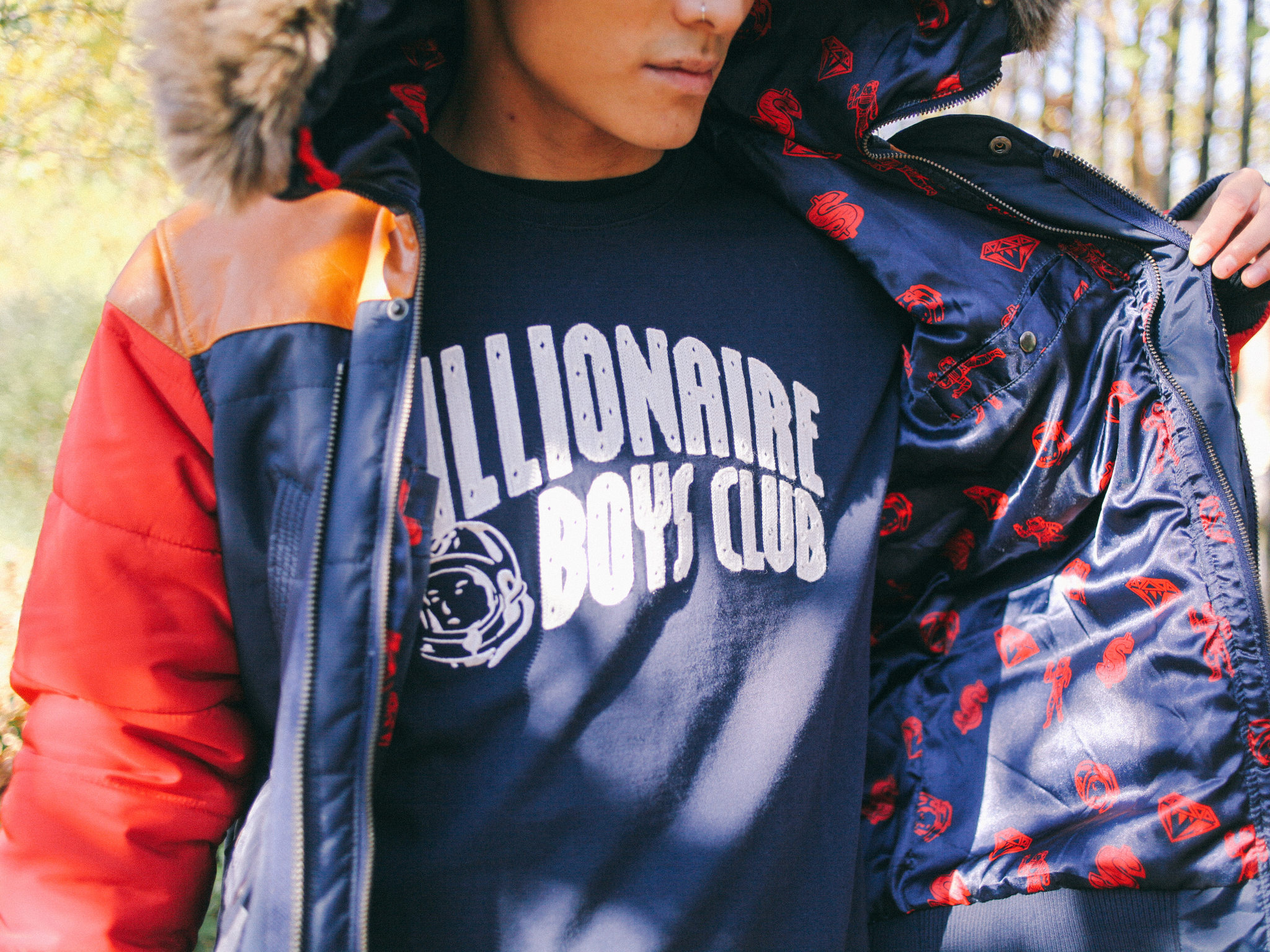
    Esteemed New York-based streetwear label, Billionaire Boys Club (BBC), has announced a unique partnership with the noteworthy Dutch lager brand, Tuborg, to launch an exclusive limited-edition collection.

    The collaboration will be introduced to China via dedicated pop-up stores in the cities of Guizhou and Zhengzhou. Under the compelling theme “Live a Billion Lives Again,” the pop-ups will provide a first-hand look at this much-anticipated collection.

    Billionaire Boys Club, co-founded by globally recognized artist and singer, Pharrell Williams, has cultivated a reputation for its luxury streetwear pieces that are deeply influenced by music. The new capsule collection features an exciting range of products that showcase this unique music-inspired aesthetic including graphic T-shirts, caps, keychains, and playing cards that channel the essence of urban street art.

    Jeff Chong, a leading executive of international premium brands at Carlsberg Asia, the parent company of Tuborg, acknowledged the significance of the collaboration. According to him, the partnership underscores Tuborg’s ongoing commitment to music culture and its aspiration to resonate with a younger demographic of consumers.

    Chong further emphasized, “This collaboration reflects the shared vision and synergy between two brands that genuinely connect with the spirit of youth.”

    Tuborg has confirmed plans to expand the launch of the capsule collection to other Asian markets. At the same time, BBC has committed to promoting the line on a global scale through its extensive retail network in the United States.

    Questions & Answers

    Who are the collaborators for the exclusive capsule collection?
    Billionaire Boys Club, a New York streetwear label, and Tuborg, a Dutch lager brand, are the collaborators for this collection.

    Where will the collaboration debut, and what is the theme of the launch?
    The collaboration will debut in China through pop-up stores in Guizhou and Zhengzhou, under the theme “Live a Billion Lives Again.”

    What does the capsule collection include?
    The collection includes products like graphic T-shirts, caps, keychains, and street art-inspired playing cards.

  • Puma launches crossover with Chinese streetwear brand Attempt

    Puma launches crossover with Chinese streetwear brand Attempt

    Puma has collaborated with Chinese streetwear brand Attempt to launch a “hacking the archive”-themed range.

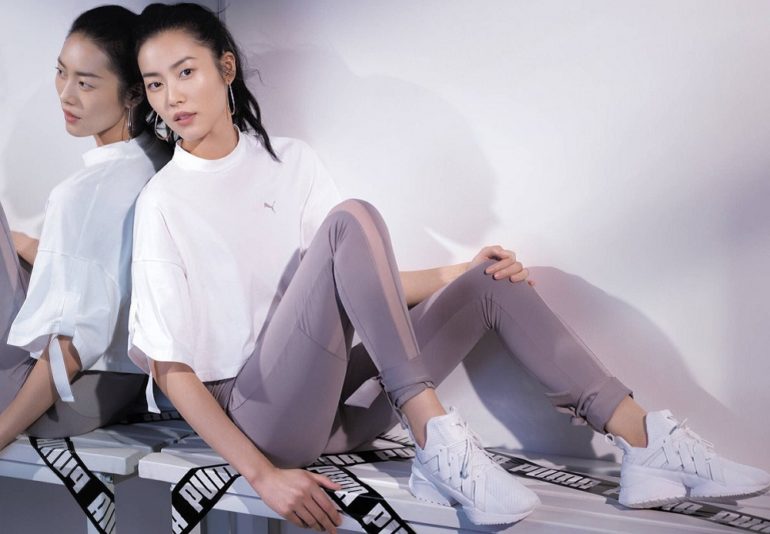
    The Puma x Attempt Collection offers a selection of footwear, apparel, and accessories, featuring both classic Puma style and Attempt’s signature minimalist and functional designs.

    “The designs feature deconstructed elements with technical designs and the tonal color palette comes alive with bold color pops, resulting in a collection that is fresh, unexpected, and raw,” the company described.

    The collection also offers a mix of Puma footwear, including the RS-2K, Oslo Pro, and Style Rider. The apparel range features five tees and outerwear items for the warmer months. The accessories range consists of a crossbody bag and a cap.

    Founded in 2015, Attempt is known for its casual clothing featuring minimalist aesthetics with functionality and fresh styling.

  • Champion lifting off with sustainable streetwear collection

    Champion lifting off with sustainable streetwear collection

    Athletic apparel brand Champion is to launch a sustainable streetwear collection Re:Bound next month.

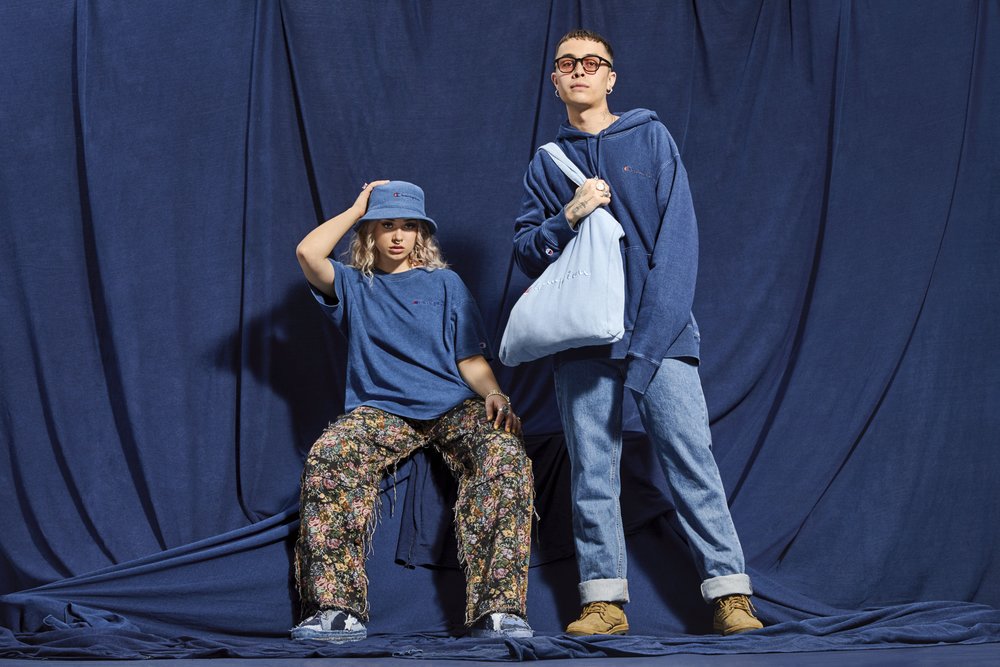
    Champion’s Re:Bound Collection will feature a streetwear line made from recycled Reverse Weave fabric, normally discarded during production. According to the company, 45 percent of pre-consumer recycled cotton has been turned into high-quality apparel products for the range.

    The manufacturing process involves three stages: Rescue Waste, Recycle and Rope Dye.

    As part of the launch, Champion invited two Australian influencers and up-cyclers, Philip O’Donahoo and Jaida The Creator, to star in a promotion campaign.

    “Pioneering products is our legacy. Protecting the planet is our long game,” the company said in a statement. “Re:Bound is our first step, and we’re just getting started.”

    The Re:Bound collection is scheduled to launch on August 4.

  • Luxury streetwear label Opening Ceremony to close all stores

    Luxury streetwear label Opening Ceremony to close all stores

    Luxury retailer Opening Ceremony will shutter its entire store network this year.

    The store closures follow the brand’s sale to streetwear brands conglomerate New Guards Group. Boutiques in Japan, New York and Los Angeles will close down permanently as the firm transitions to become a brand only rather than a retail operator.

    “It’s incredibly emotional for us to announce today that we will be closing our Opening Ceremony retail locations sometime in 2020,” wrote founders Carol Lim and Humberto Leon on the brand’s social media page. “We’ve made a decision to focus on growing Opening Ceremony collection and brand with our new partners, New Guards Group, and expand the designs of Opening Ceremony. Our brand takes the beautiful spirit of experimentation, fun, and collaboration embodied in our stores and imbues this energy into the clothing we make.

    “We know our decision may surprise you, and it may be interpreted in many different ways. Ultimately, in this time of immense change in the way that people shop, we still believe in the power of passionate and unique retail. But we also believe in the necessity for change, reflection, and an opportunity to refresh.

    “We are stepping back from multi-brand retail, for a moment, so we can come back with an experience that is just as inspiring, filled with love and relevant for the years ahead as Opening Ceremony has been,” they said.

    Opening Ceremony stores previously carried multiple fashion brands and had a reputation as a somewhat offbeat industry player.

  • Japanese streetwear brand íxi:z to make a comeback

    Japanese streetwear brand íxi:z to make a comeback

    Eighties-era Japanese streetwear brand íxi:z (pronounced ick-sees) is making a second debut in Singapore.

    Four decades after its initial launch in the region, Íxi:z is opening a retail store this month at Mandarin Gallery, with an official launch event planned for early next year.

    Those who grew up in the 80s may remember Íxi:z as a brand that encompassed everything from bomber jackets to wallets and pencil cases. At the height of Íxi:z fever the brand had a hardcore following of streetwear enthusiasts who until this day share brand memorabilia and show off their now-vintage items to fellow fans online.

    Thirty years on, grand plans have been drawn up to restore Íxi:z to its former glory and establish it as a premier Japanese streetwear brand for discerning teenagers and young adults.

    Featuring designs from its halcyon days along with newer, never-before-seen collections, Íxi:z will open its doors at Mandarin Gallery on December 14.

  • Chinese Streetwear brand INXX Expands

    Chinese Streetwear brand INXX Expands

    Chinese streetwear brand INXX is officially launching its US e-commerce site.

    “We want to open up to a broader market and develop more forward-looking and global design paths while forming our own symbols,” said co-founder Henry Mao.

    Targeting global youth, INXX achieved US$3.5 million in sales on China’s 2018 Single’s Day and is now setting sights on the major fashions of worldwide street trends. By keeping roots in its blended Asian streetwear background, the brand has been able to forge a strong identity while growing into new markets.

    INXX made its 2018 debut with a presentation on Vfiles. In its showcase at New York Fashion Week SS19, INXX blended craftsmanship with an underground urban street aesthetic, mixing surreal grungy graphics and a strong focus on design detail to achieve “a look without boundaries”.

  • Heron Preston makes debut in Hong Kong

    Heron Preston makes debut in Hong Kong

    U.S. brand Heron Preston which, as Vogue defines it, finds the interface of luxury and streetwear has arrived in Hong Kong. The New York-based designer announced on Instagram that his Hong Kong debut also served as Heron Preston’s first-ever storefront anywhere.

    “I can’t believe I started hand printing t-shirts in San Francisco and now I’m here. I want to thank my amazing team for the love and support!” he said.

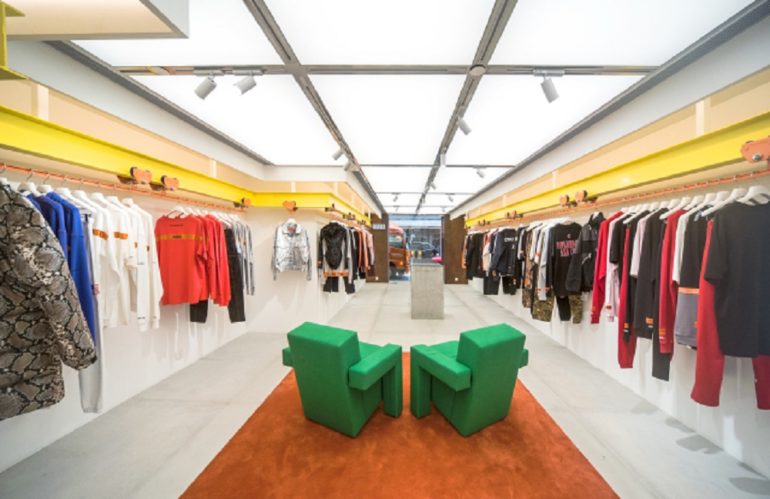
    Located on Paterson Street, Fashion Walk, in the city’s Causeway Bay area, the new Heron Preston store was designed by the contemporary designer too.

    Inside, Hong Kong shoppers are greeted by industrial interior fixtures such as steel shelving, painted wooden crates and licks of safety orange throughout.

    An emerald green chair is set up in the centre of the shop next to the concrete sales counter. The light is bright and remainder of the store minimal in design, allowing the Heron Preston collections to speak.

    Offering a full selection of the designer’s wares, clothes are displayed hanging from the racks, with accessories kept under the glass shelf of a table and hosted on shelves.

    Marking the store opening, Heron Preston has teamed up with fellow American and sportswear heavyweight Nike for a limited edition eyewear collection.

    Dubbed “Nike Tailwind HP Sunglasses”, the glasses are lightweight and wrap-around style, the frames mimicking the brand’s innovative rubber ventilation. The collection comes with interchangeable lenses too.

    A standout piece is the Nike MAX Optics glass, which comes with an anti-fog Flying Lens setting.

    The collection dropped worldwide November 29 and is available at Nike store and Heron Preston sales points.

  • Hip-Hop’s influence on the booming Chinese streetwear market

    Hip-Hop’s influence on the booming Chinese streetwear market

    In less than 6 months, hip-hop and associated visual representations exploded into mainstream Chinese consciousness.

    Launched in the summer of 2017, “The Rap of China,” adapted from a similar Korean show saw its first season episodes viewed more than 3 billion times on the iQiyi streaming platform.

    Featuring superstar Wu Yifan, it sparked not only widespread interest in rap music, but also fueled a hip-hop-influenced, high-end streetwear obsession among Chinese youth, led by distinctive brands such as Supreme, Off-White and Vetements.

    Chinese millennials number more than 400 million and they are increasingly demanding more niche, high-end brands that simultaneously offer the comfort of logos, however discreet, while also giving young people space to differentiate themselves from previous generations.

    “I think after consuming high-end fashion brands for a long time, [traditional luxury brands] weren’t making an offering that people like, so I think brands that knew how to capture that internet generation, the millennials, are doing very well. At the core of that consuming is just wanting to feel that they belong to something,” explains Kevin Poon, who co-founded Hong Kong-based streetwear brand Clot alongside friend, actor and rapper Edison Chen in 2003.

    According to figures from Tmall, China’s largest B2C e-commerce platform, streetwear growth last year was 60 percent higher than average apparel category growth, with popular brands on the site including Aape, the youth-centered, price-conscious offshoot of Japanese brand A Bathing Ape, and British brand Superdry. Tmall’s most popular streetwear sub-categories are sneakers and hoodies.

    A report released in March from OFashion and Nielsen showed growth of streetwear consumption in China from 2015 to 2017 at 3.7 times higher than non-streetwear apparel, reaching 62 percent last year, compared with 2016.

    This intersection between hip-hop culture, street fashion, tough guy attitudes and adjacent markers of a rebel attitude, such as tattoos, is familiar over the world.

    While hip-hop from the US has been bootlegged and passed around a small underground fan base in China since the 1990s, the mainstream movement and fashion associations now connected with the genre comes from Korea.

    Following increased attention from censors, a more sanitized mainstream version of rap music, without swearing, political messaging, drug references and misogyny is now prevalent in advertising and social media and the rise of streetwear in China looks set to continue.

    SEE ALSO: FASHION ASIA HONG KONG, wrap-up and interview : Sustainable fashion: high end vs. high street.

    For brands looking to tap into these trends by partnering with associated influencers, Michael Norris, research manager at Resonance China’s consumer insights, naming and brand strategy team, Smart, says the safest bet will be to look behind the scenes, rather than affiliating with performers necessarily.

    “If they are a producer [or] a clothing designer, I would have very little hesitation in partnering with these creatives who are on the front lines of these subcultures [because] they can be a great ally to brands,” he says.