Retail News CRM

Tag: stress

  • Google Meet Revolutionizes Video Calls With Ai-powered Makeup Filters

    Google Meet Revolutionizes Video Calls With Ai-powered Makeup Filters

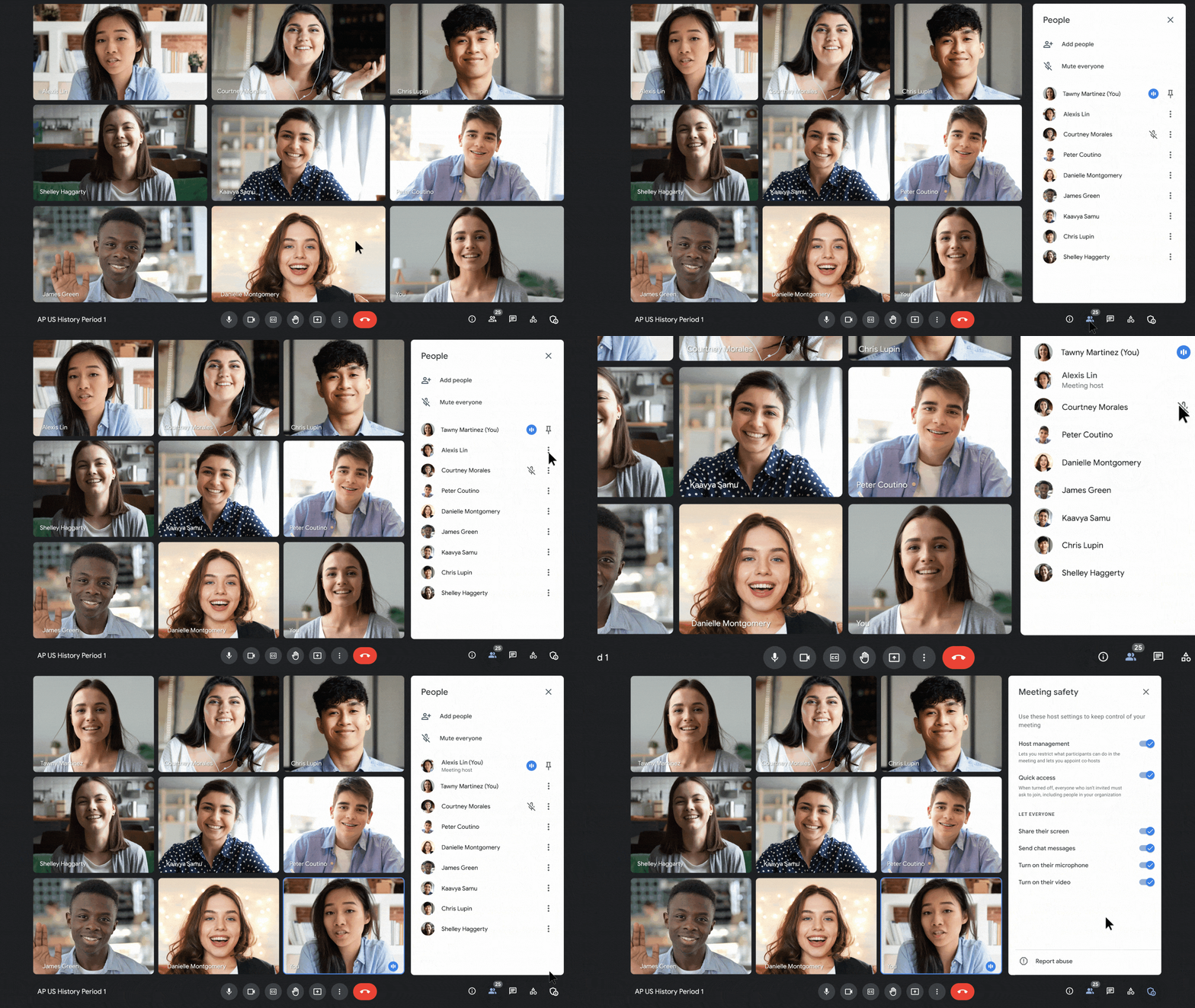
    Google Meet, the popular online conferencing platform, has introduced a game-changing feature: AI-driven makeup filters. Users can now choose from 12 different styles, ranging from subtle to dramatic, that lend an instant touch of refinement to their on-screen appearance.

    Always Camera-Ready with Google Meet

    There’s no question that the prevalence of video conferencing has necessitated new ways to stay camera-ready, often at a moment’s notice. Google Meet’s latest upgrade is designed to meet this exact need. Building on their existing ‘Touch-up’ feature, they have added 12 new makeup filters powered by artificial intelligence.

    Notably, these filters are more than just standard overlays that are prone to flaws or glitches. Google assures that these AI-driven filters maintain a natural and consistent effect, regardless of whether you’re sipping coffee, touching your face, or moving around. Depending on your mood or preference, you can opt for a look that is professional and polished, or one that’s a bit more daring.

    While the feature is not activated by default, users can easily enable it and select their desired look on either the web-based platform or mobile application. The chosen look will conveniently be saved and applied for subsequent meetings, creating a seamless solution for users wanting to maintain their on-screen appearance.

    Keeping Pace with Competitors

    Google Meet is not the first video conferencing platform to venture into virtual makeup. Both Microsoft Teams and Zoom have previously integrated similar features. This trend underlines an acknowledgment from tech giants that virtual meetings are here to stay, and offering features to enhance these experiences is crucial.

    For individuals working remotely or in hybrid work environments, these kinds of features can be highly beneficial. They provide a quick and easy solution to appearing more professional and confident on camera, eliminating the need to get fully ready for each call. This can significantly affect how you present yourself professionally.

    Practicality Over Vanity

    While the introduction of makeup filters in video conferencing might initially be met with skepticism, their practicality soon becomes apparent. It isn’t so much about vanity as it is about convenience and confidence. For those with early morning meetings or days filled with back-to-back calls, the ability to click a button and instantly look presentable is undoubtedly advantageous.

    However, the use of this feature is optional, and it is deactivated by default. Users can activate and use it as required. Currently, this service is available to certain Google Workspace Business and Education tiers and to Google One and Google Workspace Individual subscribers.

    Questions & Answers

    What is Google Meet’s new feature?
    Google Meet’s new feature is an AI-driven makeup filter that users can apply to enhance their on-screen appearance during video calls.

    How can I enable the new makeup filter feature on Google Meet?
    The makeup filter feature can be enabled on the settings page of either the web-based platform or mobile application of Google Meet.

    Who can use the AI-driven makeup filter feature on Google Meet?
    Currently, this feature is accessible to certain Google Workspace Business and Education tiers and to Google One and Google Workspace Individual subscribers.

  • Mood Tea offers unique flavours with a purpose

    Mood Tea offers unique flavours with a purpose

    In times of stress or crisis, when things tend to go wrong, it’s important you let your mind relax and take it easy. So when time gets tough, may we suggest tea to rescue? It’s believed that in times of stress, a cup of tea can work wonders for your nerves. In countries like Japan and India, brewing and bonding over cups of tea is a usual practice and it ensures general well being of the family.

    It’s been quite a long journey for tea as a beverage. What started as a humble cup of regular chai has now ended up in elegantly packed designer boxes of flavored teas. Tea has become more of a lifestyle now. There’s a tea for every mood, flavor for every season. While your workout regime is incomplete without wellness and detox green teas, your winter evenings just cannot happen without a hot steaming cup of Kashmiri Kahwa or Darjeeling.

    Don’t you remember Mad Hatter from ‘Alice in Wonderland’? Even he seemed to agree that “it’s always tea-time”. A hearty breakfast with a cup of earl grey and late nights with Masala chai or Vanilla tea pretty much sums the day up. However, many of us aren’t much aware of the options of teas available. Here’s a comprehensive list of teas for all moods available with exclusive makers of flavored single origin teas.

    Tea for Moods:

    Kick-start flavours: For the times we drag ourselves out of bed and still don’t seem to be fully awake, let our good old strong black Assam tea wake you up every morning. With or without milk, it is a perfect good cup to start your day.

    Herbal De-stress: A long day at work, the fever and fret, leave you tired and stressed. Nothing can be more refreshing than a hot shower followed by a cup of warm de-stress relaxing tea. Jasmine tea and refreshing lemon -ginger herbal infusion work on stress and calm your nerves like magic!

    Mood Lifters: Didn’t have a good day at work? Upset over a job not done? Rejuvenate with tea and start anew! Spicy chilli tea, lemon tea and masala chai are great mood lifters. They give you just the right push to get things done.

    Weekend Detox: After a long hard week, a crazy weekend is the least you can ask for. But what about the Sunday morning hangover? Nevermind because we do have a tea solution for that as well. The goodness of organic green tea not only detoxes you but also increases your metabolism. The antioxidants found in herbal green tea play an important role in keeping your natural immunity in place.

    Post Workout: And ofcourse, for the fitness freaks. How can we forget that your workout ain’t complete without a cup of weight-loss tea to mark the finish! A cup of green tea with a tinge of honey can work wonders for your weight loss program.

    Sleep well: Last but not the least, when you go to bed, teas that ensure you sleep well. Try out sleepwell carrot orange multivitamin herbal infusion or relaxing pomegranate orange herbal infusion to relax you before going to bed.

    When nothing else seems to work, keep calm and settle down with a cup of steaming tea and let your mind figure out a way.

  • TikTok wants you to stay away from the app some time

    TikTok wants you to stay away from the app some time

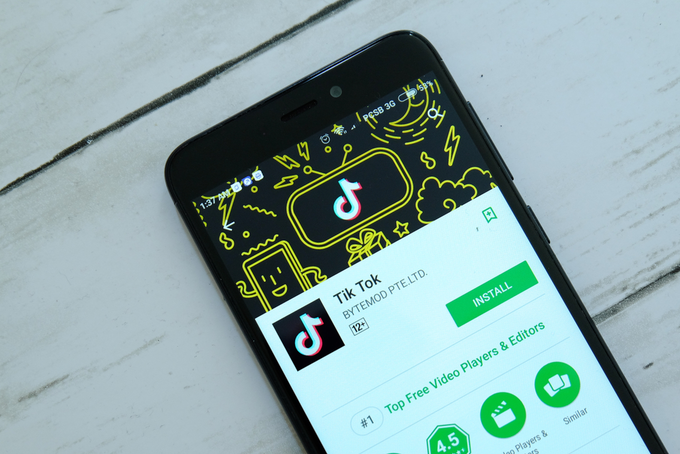
    TikTok wants its users to find other things to do instead of spending all day creating short-form videos and browsing through the app. In a message to the TikTok community that the company disseminated on Thursday, TikTok announced some steps it is taking to help users develop positive digital habits. Users can already set daily screen time limits and in a few weeks, they will be able to control the amount of time that they spend on TikTok in a single setting by enabling regular screen time breaks.
    These prompts will remind TikTok users to take a break from the app after a certain amount of uninterrupted screen time has passed. The amount of screen time can be set as long or as short as the user desires. TikTok members aged between 13 and 17 who have used the app for more than 100 minutes in a single day will be reminded the next time they open TikTok that they can use the screen time limit tool.
    Carolyn Bunting MBE, CEO of Internet Matters, said, “The research showed that younger users would welcome the introduction of built-in features and settings that prompt them to both think critically about the time that they are spending online, but also encourage them to use settings to actively manage the time they spent on the app. It is important that they feel in control of their online experiences and are helped to make considered choices. We look forward to TikTok developing further features that will put children’s wellbeing at the heart of their design choices.”

    The Digital Wellbeing screen time summary shows the amount of time users spent on TikTok during the daytime and during the night. As TikTok recently stated, “We love working with talented creators to educate the TikTok community about online safety, wellbeing, and the tools and options available to them. The energy and enthusiasm these creators have for their community helps them connect with other users and leads to a better understanding of the platform.”

    TikTok was the most downloaded app globally during the first quarter of 2022. It also was just the fifth app in history to record lifetime installations of more than 3.5 billion; the other four apps were all developed by Meta (Instagram, Facebook, WhatsApp, and Messenger).
    Earlier this year, TikTok made some major changes to its short-form video platform. Looking to take on YouTube, TikTok increased the length of its maximum videos from 60 seconds to 180 seconds (or from one minute to three minutes). It then increased the video length once again from 180 seconds to six hundred seconds (3 minutes to ten minutes). Now, the more than one billion monthly active users on the app have a reason to spend some more time on TikTok.
    On August 1st, 2020, then President Donald Trump, in the middle of his trade war with China, announced that “We’re looking at TikTok, we may be banning TikTok. We may be doing some other things. There’s a couple of options. But a lot of things are happening, so we’ll see what happens. But we are looking at a lot of alternatives with respect to TikTok.”
    Eventually, Trump decided that he wanted TikTok to be owned by a U.S. company and said that for the app to be allowed to be used in the states, it would have to have U.S. ownership. Three U.S. firms appeared to be interested including (quite surprisingly) Oracle and Walmart. Microsoft also had a strong interest in buying the U.S. version of TikTok.
  • Working from home increases stress

    Working from home increases stress

    Nearly 54 percent of workers say they feel “more stressed” during the most recent outbreak compared to last year as working from home raises its own challenges, a survey found. A third of respondents receive no mental health support from their companies although they consider this important, a survey by Ho Chi Minh City-based recruitment company Adecco revealed.

    Top concerns are safety from Covid-19, long-term financial viability and job security, and career prospects said the survey, which polled 650 respondents nationwide.

    Employees also worry about their mental and physical health and the consumption of too much information during the stay-at-home period.

    “Besides following directives from the government, leaders should listen to the needs and concerns of their employees to provide timely support,” said Andree Mangels, general director of Adecco Vietnam.

    The top requests from workers concerning mental health support are allowing greater work flexibility and promoting healthy a work-life balance.

    The survey also found 82 percent of respondents prefer working from home to coming to the office, and they want to spend at least 50 percent of their work hours at home even after the pandemic.

    Eight out of ten Gen X respondents (41-56 years old) agree that their managers trust them to get the job done while working remotely. The ratio for Gen Z (under 25 years old) is 67 percent.

    The top challenges when working from home are issues with teamwork and communication, distractions, and maintaining motivation.

    Respondents also expect support from their companies while working from home. The top requests are monthly allowances, home office setup reimbursements, and flexible working hours.

  • Ediya Coffee opens 3000th store in Korea

    Ediya Coffee opens 3000th store in Korea

    South Korean coffee chain Ediya Coffee has opened its 3000th store.

    The new Daejeon outlet is a significant milestone for the local franchise, matched only by competing for cafe and bakery Paris Baguette. Ediya has opened 300 locations each year for the past six, and has been steadily expanding since launching in Seoul in 2001.

    The firm recently appointed two vice presidents to manage the rapid expansion: Kim Nam-yeob, previously at Hyundai, and Shin Yoo-ho, who was working for Paris Baguette owner SPC Group.

    The coffee brand is named after an Ethiopean empire where the original coffee plant was discovered.

  • Lululemon partners with local organisations to increase access to yoga

    Lululemon partners with local organisations to increase access to yoga

    Lululemon stores in Australia and New Zealand are teaming up with local nonprofits and charitable organizations to increase access to yoga and meditation.

    Stores this month will distribute grants to nonprofits and charities of their choosing that are working to break down social, physical and economic barriers to yoga and meditation.

    This is part of Lululemon’s global Here to Be program, which aims to spread the health benefits of yoga and meditation to more people around the world.

    The program first launched in 2016 and was brought to Australia and New Zealand earlier this year. Now, local stores are starting to have an impact on their communities.

    Lululemon stores in Mosman, Balmain, Chatswood and Warringah Mall, for instance, are teaming up to provide a grant to The Yoga Impact Charity, which offers yoga classes for refugees and teaches yoga teachers how to teach trauma-informed yoga to refugees.

    “As a company rooted in yoga and committed to personal development, we aim to create real change within our local communities through our social impact program Here To Be,” Paul Tinkler, managing director for Lululemon in Australia and New Zealand, said in a statement.

    “Our purpose is to elevate the world by unleashing the full potential within everyone one of us. We are accelerating our efforts across social impact, as a main agenda point for the year and we’re honored to be working with organizations that are up to big things in this area. We’re excited to see the positive changes across our communities.”

    Here to Be has provided more than US$10 million in grants globally and developed more than 500 grassroots nonprofit partnerships. It also has donated more than 10,000 yoga mats and says it’s just getting started.

    The retailer on Wednesday announced it will donate US$1 million over the next three years to a program that will teach mindfulness techniques, such as deep breathing and yoga, to thousands of United Nations staff and aid workers, who report experiencing high rates of burnout.

    The program, called Peace on Purpose, aims to equip UN staff with the tools to care for themselves so they can care for others.

    The funding from Lululemon will help Peace on Purpose to train more than 3000 UN development and humanitarian workers in-person over the next three years, build a hub of digital resources and develop condensed trainings and curriculum translations to reach 30,000 staff.

    “With increasing need for international humanitarian aid and peacekeeping, we want to cultivate the long-lasting benefits of mindfulness tools and sustain support for those whose mission is to serve others,” Calvin McDonald, CEO of Lululemon, said in a statement.

    Research following selected trainings found that over half the participants saw an improvement in overall well-being as seen in key psychological risk factors, such as work-related self-compassion, anxiety and depression, symptoms related to trauma and feelings of distress.

  • Thai AirAsia to fly to Sihanoukville from July

    Thai AirAsia to fly to Sihanoukville from July

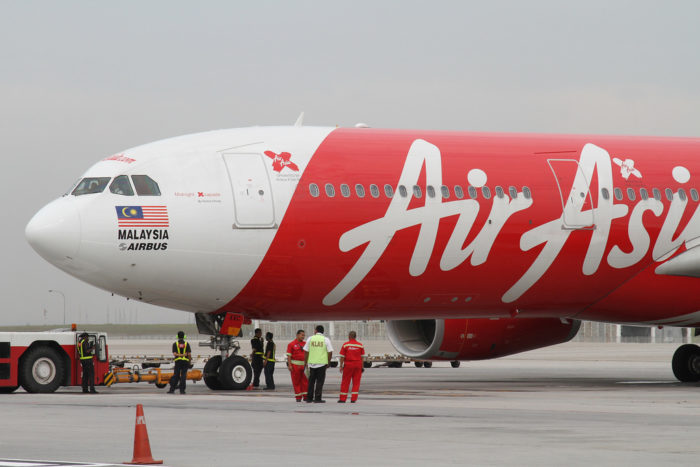
    Low-cost carrier Thai AirAsia, a subsidiary of Malaysia-based AirAsia, will launch a direct flight from Bangkok’s Don Mueang International Airport to Cambodia’s Sihanoukville in July. The coastal town will become Thai AirAsia’s third destination in Cambodia after Siem Reap and Phnom Penh.

    “The new route is expected to serve the millions of foreign travellers who use Thailand as a hub, while for Thai travellers, Sihanoukville offers an affordable beach and cultural getaway,” Thai AirAsia CEO Santisuk Klongchaiya was quoted as saying in the Bangkok Post on Monday

    Norinda Khek, communications and public relations director at Cambodia Airports, confirmed the new flight, and said it demonstrates the efficiency of Cambodia Airports’ route development strategy, which aims to attract airlines by providing them marketing support, among other services.

    Taing Sochet Krisna, director of Preah Sihanouk province’s tourism department, said that the presence of one more airline in Sihanoukville International Airport will help increase the number of tourists to the province.

    He said China tops the list of visitors to the province by nationality, followed by neighboring countries like Malaysia and Vietnam.

    According to data from Cambodia Airports, last year air passenger traffic to the province increased by more than 92 percent, totalling 650,000 visitors.

    According to Mr Norinda, Sihanoukville International Airport has five domestic airlines – Cambodia Angkor Air, Cambodia Airways, Lanmei Airlines, JC Cambodia Airlines, and Sky Angkor Airlines – and four international ones – AirAsia, Ruili Airlines, Sichuan Airlines, and Hainan Airlines.

  • AirAsia prepares to fly to Japan starting in July

    AirAsia prepares to fly to Japan starting in July

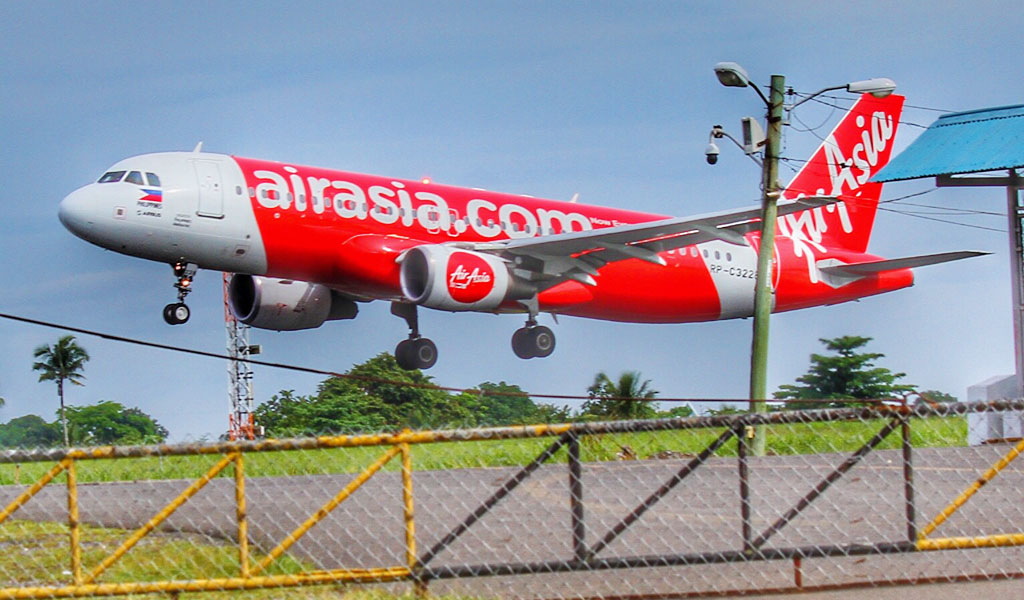
    Budget carrier AirAsia Philippines is launching its first flights to Japan on July 1 this year. The carrier, a unit of Malaysia’s AirAsia Berhad, said in a statement over the weekend that it would link its Manila hub to Osaka, paving the way for direct flights to Japan.

    “The launch of direct flights between the Philippines and Japan is a milestone occasion, and we’re excited to connect our capital, Manila, with Osaka,” said AirAsia Philippines President and CEO Dexter Comendador.

    “We are also excited to welcome guests from Osaka and its neighboring regions to the Philippines. This international route will contribute to the government’s target of 8.2 million visitors this year,” he added.

    Similar to the launch of other new routes, the budget airline said it would offer promotional fares at P1,990 for a one way ticket.

    For the whole of 2018, AirAsia Philippines carried 6.87 million passengers, a gain of 30 percent.

    Capacity for the year also rose 34 percent as it increased its fleet of Airbus A320s to 22 planes in 2018 versus 17 aircraft the previous year.

    AirAsia Philippines was established in 2012 with a fleet of two A320s operating out of Clark International Airport.

    Since then, it has opened new hubs, including Manila’s Ninoy Aquino International Airport and Mactan Cebu International Airport.

    At present, it flies to 13 international destinations from Manila in the Philippines, including Kuala Lumpur, Kota Kinabalu, Bangkok, Bali, Seoul, Taipei, Kaohsiung, Shanghai, Guangzhou, Shenzhen, Hong Kong, Macau and Ho Chi Minh City.


  • How founder’s distaste for buying drove AirAsia’s growth

    How founder’s distaste for buying drove AirAsia’s growth

    AirAsia, the region’s biggest budget airline, said it prefers to pursue organic growth instead of expansion through acquisitions, partly explaining why it declined to buy Hong Kong’s sole low-cost carrier Hong Kong Express Airways (HK Express). Cathay Pacific Airways, Hong Kong’s flagship premium carrier, this week offered HK$4.93 billion (S$850 million) to buy its budget competitor from the indebted HNA Group. AirAsia looked at the proposal to buy HK Express and its full-service sibling Hong Kong Airlines, declining to acquire either, said founder Tony Fernandes.

    “My philosophy has been organic growth,” Fernandes said in an interview with South China Morning Post during Credit Suisse’s Asia Investment Conference in Hong Kong. “I generally don’t believe in acquisition because it comes with a lot of inherent issues. When you import through acquisition, it comes at a risk, so it’s not my preference.

    Fernandes’ approach illustrates how he turned the Kuala Lumpur-based airline from a near-bankrupt company into Asia’s largest budget carrier in less than two decades, with more than 140 destinations and flying on 320 routes at the lowest unit cost in the global aviation industry.

    Fernandes, who worked for Warner Music Group before striking out on his own, bought AirAsia in December 2001 for a token 1 ringgit, taking on the carrier’s 40 million ringgit (S$15 million at the time) of debt. Within a year, the carrier reported a profit, qualifying for a listing on the Kuala Lumpur Stock Exchange two years later.

    AirAsia’s 2018 revenue rose 9 per cent to 10.6 billion ringgit (US$2.5 billion), while pre-tax profit rose by the same quantum to a record 1.7 billion ringgit. Low-cost, long-haul AirAsia X notched revenue of 4.5 billion ringgit, flat year-on-year, but the 2017’s profit performance turned into a loss of 312 million ringgit.

    The airline and its affiliates flew 73 million passengers last year, a figure that beat even full-service flag carriers in Southeast Asia. AirAsia had made a single acquisition in 18 years, when it bought 49 per cent of Zest Airways for an undisclosed sum to secure a landing slot in the Philippines in 2013. Elsewhere in the region, AirAsia expands its network through joint ventures in seven countries, including Japan, India and Thailand.

    The airline, operating with 21,000 employees with no union representation, wants to steer clear of importing “inherent issues” and excess baggage from taking on another airline, Fernandes said.

    Now AirAsia has a chance to help revive Malaysia Airlines, the very competitor that the low-cost carrier had beaten into the ground. Malaysia’s Premier Mahathir Mohamad broached the idea of either selling or shutting the nation’s flag carrier two weeks ago.

    Malaysia Airlines, now under the ward of the country’s sovereign wealth fund Khazanah Nasional after a 6 billion ringgit capital infusion, “can definitely be turned around,” Fernandes said.

    Still, AirAsia is in no hurry to revive its 2011 share swap plan with the flag carrier, which was vetoed by the government of then-premier Najib Razak.

    “Many people will say that [AirAsia’s] expertise could be used to hurt Malaysia Airlines and benefit AirAsia. There is a genuine interest to help but in this day and age, not everyone will see it that way, ” Fernandes said. “It’s best that we do our own thing, and we’ve got a lot on out plate.”

    Worldwide aviation is booming, where 8.2 billion passengers could take to the sky by 2037, according to a 20-year forecast made in October by the International Air Transport Association (IATA), with the Asia-Pacific region driving the biggest growth.

    Still, not everything is hale and rosy in the region, as intense competition in a price-sensitive travelling weighed on airlines’ bottom lines. Only six of the 20 publicly traded airlines or affiliates in Southeast Asia were in the black, with 19 of them reporting declines in third-quarter profitability compared with a year earlier, according to CAPA Centre for Aviation.

    AirAsia had been approached for help. It has already evaluated and declined buying a stake in Bangkok-based NokAir. AirAsia’s Indonesia unit was also linked to – and denied – the possible purchase of Citilink, the low-cost brand of Indonesia’s flag carrier Garuda.

    “I never say no to any M&A, but it has to be a sexy opportunity to go down that route,” Fernandes said.

    Turning to India, and the troubles associated with Jet Airways, which was saved from near-bankruptcy at the last minute, the Malaysian-owned budget carrier said it was positioning itself for the opportunity to grow if runways slots relinquished come up for sale.

    “India is a prize, but just like with prizes, nothing comes easy. It’s been a lot of hard work,” Fernandes said.

    Expecting runway slots to be freed up, the AirAsia chief added. “We want to [buy] it in the right way. We’re not vultures. There will be a few airlines hoping Jet goes bust and we don’t want anyone to lose their jobs, we want every airline to survive and grow, but if an opportunity arises to take those slots, then for sure.”

  • AirAsia to launch Phuket-Phnom Penh direct flights

    AirAsia to launch Phuket-Phnom Penh direct flights

    Thai AirAsia CEO Santisuk Klongchaiya said the airline has devoted great importance to adding routes to its regional flight bases, looking to build a strong network of destinations that provide the opportunity to add even further routes, providing ever greater convenience to travellers who will no longer need to stop over in Bangkok, said a release today (April 1) announcing the new flights.

    “Phuket is a very important strategic flight base for AirAsia that has grown steadily along with the addition of direct flights to CLMV (Cambodia, Laos, Myanmar, Vietnam) cities such as Siem Reap.

    “With the positive response we have received from international travellers, we decided to add Phuket-Phnom Penh, connecting the resort town to Cambodia’s capital. The route should well serve tourists as well as members of the business community of both countries,” Mr Santisuk added.

    The flights will operate on Monday, Tuesday, Friday and Saturday.

    Thai AirAsia operates nine international routes out of Phuket: Phuket-Wuhan, Phuket-Kunming, Phuket-Hong Kong, Phuket-Macau, Phuket-Siem Reap, Phuket-Singapore, Phuket-Kuala Lumpur (Code AK), Phuket-Penang (Code AK) and the latest addition Phuket-Phnom Penh starting June 1.

  • Relax with CooTek’s Breeze app amidst soothing sounds

    Relax with CooTek’s Breeze app amidst soothing sounds

    That riot of a trend for soul-soothing sights and sounds from our electronic devices has given birth to underload like Cardi B.’s autonomous sensory meridian response (ASMR) videos but also to a universe of apps that help us relax and sleep better. Enter Breeze, CooTek’s revamped Relax Music app that brings about a complete set of tools for your chill-out vibes or midday meditation session in the office bathroom. White or pink noises are just the beginning, as Breeze categorizes its soul trips by activity, be it traveling, trying to focus, or simply trying to nap.

    From crunchy steps in the snow through bird chirping to wheat rustling in the wind, the app’s set offers a rich variety of nature sounds tailored to your preference or specific activity. The guided meditation sessions can get you from chants to singing bowls and improve your relaxation technique further. CooTek has put significant effort in upgrading the Breeze experience from sound sets to narrated sessions tailored to specific needs which are fittingly called “Courses”.

    There are entries that teach you how to meditate if you do it for the first time, with soothing voices of English actors, in addition to female-specific relaxation techniques, next to an inventive ASMR list that includes such morning staples like a hair dryer or kitchen cleaning sounds. Breeze ran a chill-out campaign providing meditation booths at the MWC expo, and plenty of folks took the chance to relax from the show floor madness by just sitting or lying down and listening to the relaxing narrators for daydreaming guided meditation.

    Now, don’t outsource your parental responsibilities to an app, but you can also supplement tucking your offspring in with the bedtime stories category, too. It does what it says on the tin by playing fairy tales or sweet lullabies all the while you are sitting by your kids’ bed watching the process.

    All basic sections of Breeze are free and ad-supported while getting to the Premium level for a few bucks opens all sounds, removes ads and above all, gives you access to all of the guided relaxation programs that the app offers. Check Breeze out if you are in the mood for de-stressing.

  • Tumi powers solid Samsonite sales growth, focus in Asia

    Tumi powers solid Samsonite sales growth, focus in Asia

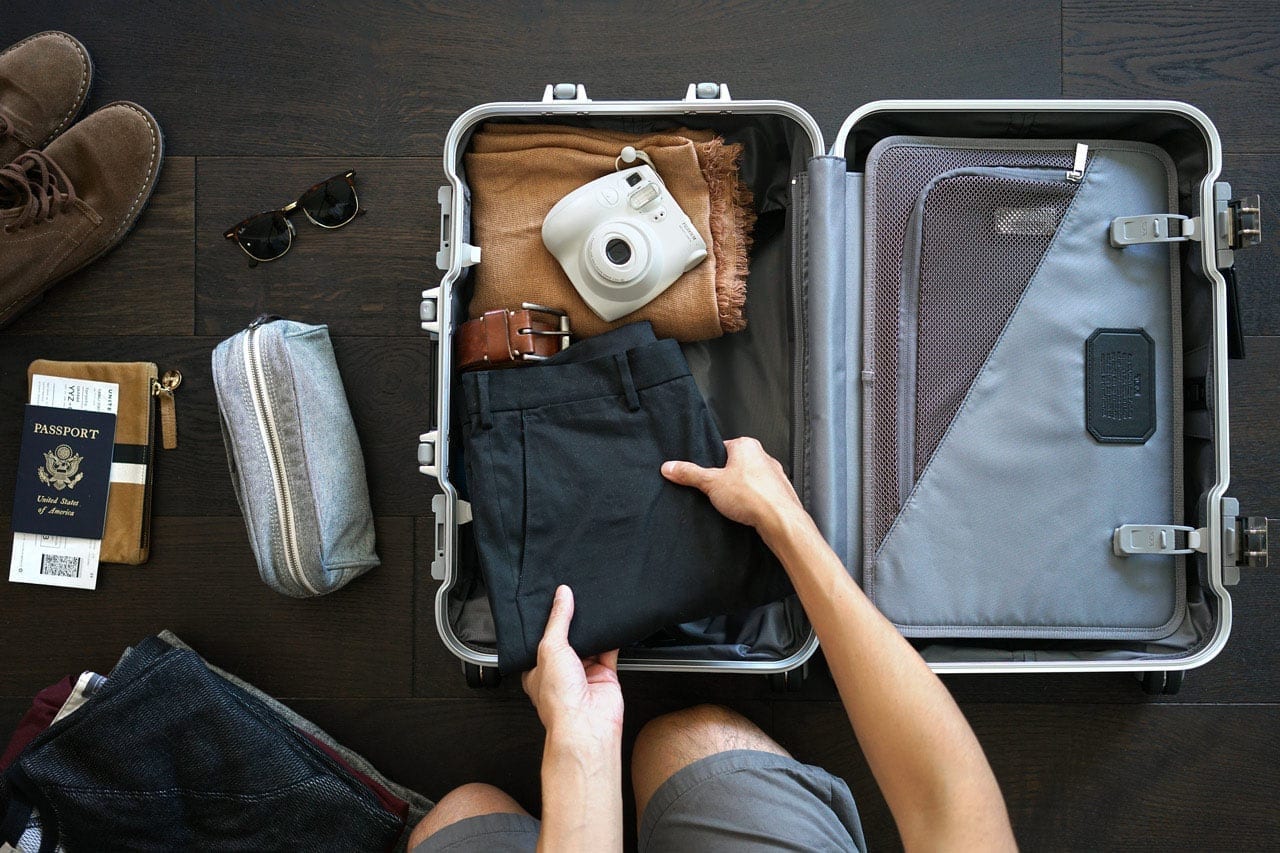
    Hong Kong-listed luggage giant Samsonite International has achieved its seventh consecutive year of sales growth following its listing in 2011.

    Net Samsonite sales were up 8.4 per cent on a constant-currency basis to US$3.797 billion in the year to December 31. Profit attributable to shareholders rose by 23.9 per cent before extraordinary items saw that figure reversed into a 29.2 per cent decline to $236.7 million.

    Net sales in Asia increased by 10.2 per cent year on year to $1.324 billion, driven by the Tumi, American Tourister, Samsonite and Kamiliant brands. Tumi’s sales increased by 29.5 per cent, due in part to the full-year contribution from having taken direct control of Tumi distribution in certain Asian markets during 2017, as well as increased brand penetration in key Asian markets.

    A boost in marketing saw American Tourister’s net sales increase by 8.9 per cent in Asia, while Samsonite sales rose by a more modest 2.1 per cent. The group’s entry-level brand Kamiliant achieved a 44.1 per cent increase in sales in Asia as it continued to take market share from other entry-level brands across the region.

    Overall, Asia recorded second-half net sales growth of 6.5 per cent and full-year growth of 10.2 per cent.

    CEO Kyle Gendreau said sales in Japan rose by 14.1 per cent and in India by 28.5 per cent, in the second half, but these gains were partially offset by slower growth in China, which recorded just 3.2 per cent growth as consumer sentiment weakened amid concerns about trade relations with the US; and in South Korea where net sales decreased by 1.5 per cent in the second half.

    “Our growth was underpinned by positive performances from our core brands,” said Gendreau. “Tumi continued to perform ahead of expectations, making great strides in enhancing its international presence, with strong growth in Asia and Europe.”