Retail News CRM

Tag: strong

  • VIPshop Cash-In: Lunar New Year Boosts Quarterly Profits Amid Strong Apparel Sales

    VIPshop Cash-In: Lunar New Year Boosts Quarterly Profits Amid Strong Apparel Sales

    Chinese retail giant, VIPshop, has recently announced an increase in their first-quarter profits, a result of robust clothing sales and enhanced margins during the Lunar New Year shopping period.

    The firm revealed a total net revenue of RMB26.6 billion (US$3.9 billion) for the quarter which concluded on March 31, marking an increase of 1.2 per cent compared to the previous year.

    In addition to this, the number of active customers saw a moderate rise to 41.7 million, and total orders experienced a growth of 3.2 per cent, equating to 172.6 million.

    Key Factors Behind The Growth

    Eric Shen, the Chairman and CEO, attributed the company’s successful quarter to robust clothing sales and escalated expenditure by high-value customers throughout the Lunar New Year shopping period. He stated that their SVIP client base saw commendable growth in both numbers and contribution, showcasing their continued attractiveness to high-value consumers.

    Shen stated, “In conjunction with these outcomes, we have made consistent progress in our product range, customer engagement, and AI integration. All these factors are aiding us in further capitalizing on our off-price retail model for expansion. We remain committed to the brand-discount space and are confident in our capacity to ensure sustainable, profitable growth in the long term.”

    Mark Wang, the CFO, further elaborated that consumer expenditure was primarily concentrated within the first two months of the quarter. This was due to the earlier occurrence of the Lunar New Year holiday. This, combined with a more robust product mix and disciplined cost management, led to an improvement in profitability.

    Projected Future Revenue

    Looking forward, VIPshop anticipates their second-quarter revenue to fall between RMB24.5 billion (US$3.6 billion) and RMB25.8 billion (US$3.79 billion). This represents a prospective year-over-year decrease of approximately 5 per cent to 0 per cent.

    Questions & Answers

    What was the key factor contributing to VIPShop’s increased first-quarter profits?
    High apparel sales and improved margins during the Lunar New Year shopping season were significant contributors to the increased profits.

    How has the SVIP customer base been significant to VIPShop’s success?
    The SVIP customer base has demonstrated solid growth in both numbers and contributions, indicating the brand’s sustained appeal to high-value consumers.

    What are VIPShop’s expectations for the second-quarter revenues?
    VIPShop anticipates their second-quarter revenue to be between RMB24.5 billion (US$3.6 billion) and RMB25.8 billion (US$3.79 billion), indicating a potential year-over-year decrease of approximately 5 per cent to 0 per cent.


  • Dollar Gains Momentum Against Dong Amid Rising Global Tensions and Strong US Jobs Data

    Dollar Gains Momentum Against Dong Amid Rising Global Tensions and Strong US Jobs Data

    The U.S. dollar started the week on a strong note, gaining against the Vietnamese dong as well as several other major global currencies. Vietcombank, one of Vietnam’s leading banks, experienced an increase in the value of the dollar, selling it at 26,373 VND, a 0.02% rise from its previous weekend rate. The currency also saw a significant increase in the black market, where it rose by 0.18% to around 26,569 VND.

    Global Market Trends

    The strengthening of the U.S. dollar was not limited to Vietnam but was observed globally, thanks to strong U.S. employment data released the week prior. This, coupled with the precarious U.S.-Iran ceasefire, increased the demand for the dollar as a safe-haven currency.

    In the early Asia trade on Monday, the dollar index, which gauges the strength of the U.S. dollar against a basket of six major currencies, was trading at 98.001. Other major currencies saw a slight decrease in their value against the U.S. dollar. The euro dropped 0.2%, trading at $1.1767, while the yen and the British pound slipped 0.1% and 0.3% to trade at 156.905 yen per dollar and $1.3597 respectively.

    Risk-sensitive currencies like the Australian dollar and its New Zealand counterpart, also known as the kiwi dollar, experienced a dip as well, falling by 0.2% and 0.3% to $0.7234 and $0.5948 respectively.

    This trend was seen amid growing geopolitical tensions, with U.S. President Donald Trump rejecting Iran’s response to a U.S. peace talk proposal. This has cast a shadow over the possibility of a swift end to the ongoing 10-week conflict.

    Questions & Answers

    What contributed to the strengthening of the U.S. dollar?
    The U.S. dollar’s strength was bolstered by strong employment data from the U.S. and the increasing demand for the dollar as a safe-haven currency due to the uncertain U.S.-Iran ceasefire.

    How did other major global currencies perform against the U.S. dollar?
    Several global currencies saw a slight decrease in their value against the U.S. dollar. The euro dropped 0.2%, the yen and the British pound slipped 0.1% and 0.3% respectively. The Australian and New Zealand dollars also fell by 0.2% and 0.3%.

    What are the implications of U.S. President Donald Trump rejecting Iran’s response to a U.S. peace talk proposal?
    The rejection has heightened geopolitical tensions and created uncertainty in global financial markets, thereby increasing the demand for the U.S. dollar as a safe-haven asset.

  • Malaysian Ringgit on a Steady Rise: Expert Predicts Strong Appreciation Cycle by 2026

    Malaysian Ringgit on a Steady Rise: Expert Predicts Strong Appreciation Cycle by 2026

    MUFG Bank Ltd anticipates that the ringgit will fortify to 3.70 against the U.S. dollar by the end of 2026. This expectation is bolstered by an enduring appreciation cycle fueled by robust structural fundamentals.

    Predictions by Senior Currency Analyst

    Lloyd Chan, the bank’s senior currency analyst, claims that this forecast is rooted in the continuous inflow of investment in the Information and Communication Technology (ICT) sector. Other factors such as macroeconomic stability, supportive governmental policies, and enhanced capital flows also contribute to this prediction.

    Chan notes that there is a vigorous investment cycle currently taking place in Malaysia. This cycle, he believes, underpins the country’s prospects for medium-term economic growth.

    Rise in Investment Approvals

    Investment approvals in the manufacturing and services sectors have risen by 14.7% year-on-year during the first nine months of 2025. Foreign Direct Investment (FDI) has played a significant role in this upswing in capital expenditure.

    According to Chan, this increase signals a revived confidence in Malaysia’s policy framework, infrastructure, and role in regional supply chains.

    ICT as a Major Contributor

    The ICT sector has emerged as the primary contributor to the total approved investments within Malaysia. There has been a noticeable increase in foreign participation in this sector since 2022. Chan points out that the country’s ICT investment approvals experienced a year-on-year surge of about 32% in the first nine months of 2025.

    Macroeconomic Stability

    Chan observes that Malaysia’s macroeconomic stability has reduced risk premiums. Despite the rationalization of RON95 fuel subsidies and adjustments to sales and services tax, inflation has remained under control. This has allowed Bank Negara Malaysia (BNM) to maintain policy stability.

    On February 12, the ringgit ascended to a new high of 3.8995 against the U.S. dollar. This is its strongest level in nearly eight years. The last time it traded in this range was on April 23, 2018, when it was valued at 3.8965/8995 against the dollar.

    Questions & Answers

    What is the forecast for the ringgit against the U.S. dollar by the end of 2026?
    The MUFG Bank Ltd predicts that the ringgit will strengthen to 3.70 against the U.S. dollar by the close of 2026.

    Which sector has been the major contributor to total approved investments in Malaysia?
    The Information and Communication Technology (ICT) sector has been the primary contributor to the total approved investments in Malaysia.

    What factors have contributed to maintaining policy stability in Malaysia?
    The macroeconomic stability of Malaysia, reflected in their controlled inflation despite changes in fuel subsidies and sales and services tax, has allowed Bank Negara Malaysia to maintain policy stability.

  • Liege Airport records a strong growth of +23% in the third quarter of 2025

    Liege Airport records a strong growth of +23% in the third quarter of 2025

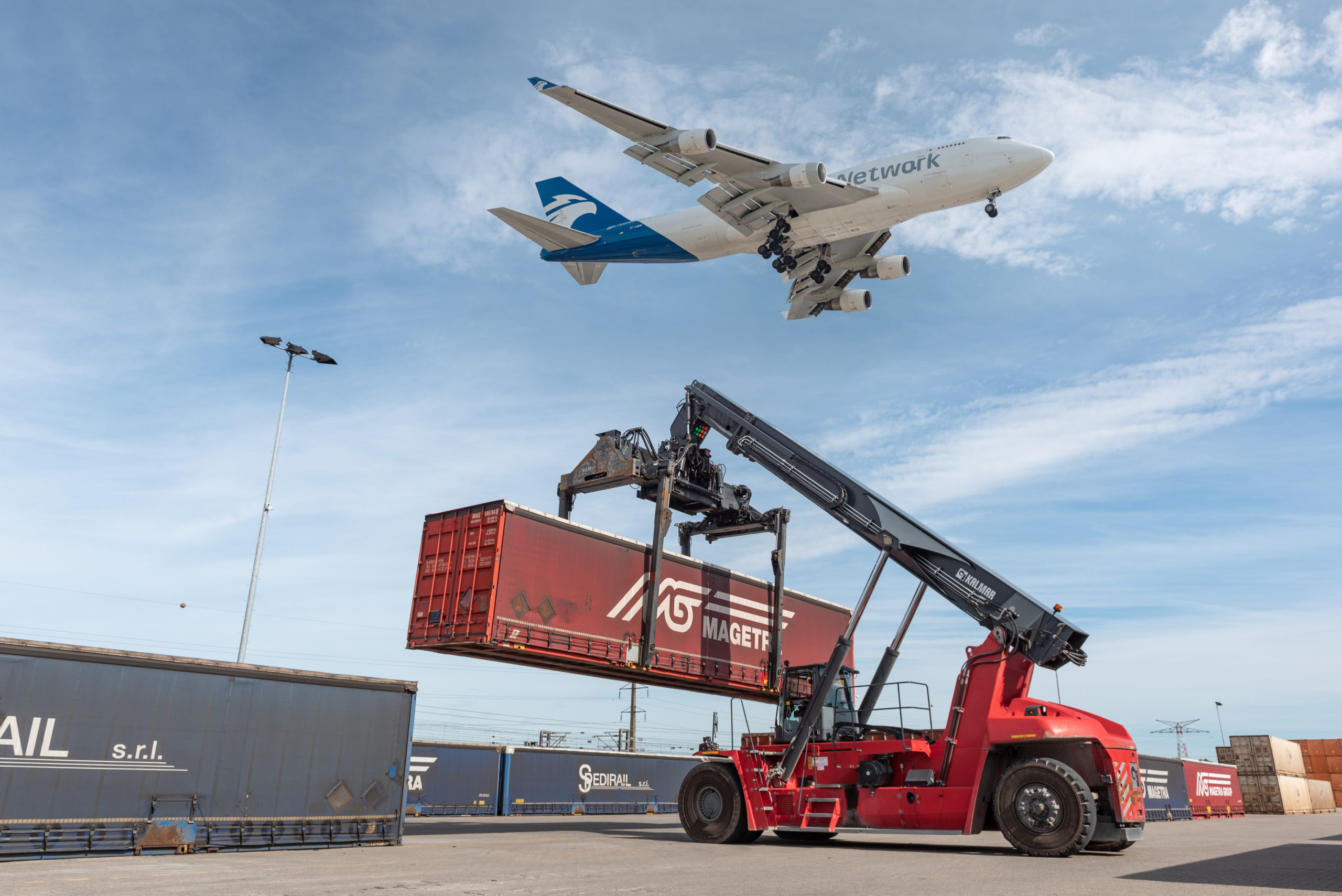
    Liege Airport (LGG) has been experiencing an upward trajectory in terms of both aircraft movements and cargo volumes during the third quarter. A robust 23% growth in tonnage was recorded for the months of July, August, and September in 2025 as compared to the same quarter in 2024, while aircraft movements increased by 9%.

    Unwavering Performance

    Liege Airport’s performance remains commendable not only in the short term but also over the past two years. The airport’s CEO, Laurent Jossart, shed light on the recent success, stating that the air cargo community processed a significant 334,956 tons of freight in Q3 2025. This figure represents an impressive 23% growth from the previous year’s Q3 tonnage of 272,210. In addition, a year-to-date growth of 14.4% was reported.

    The notable growth of the last quarter was primarily driven by a healthy uptick in e-commerce imports, as well as the robust European exports flown via Liege Airport, which saw a quarterly growth of 26% compared to the previous year. This substantial growth underscores the increasing significance of Liege Airport to the European export industry.

    Concerning aircraft movements, a total of 7,262 cargo flights were operated – a 9% rise from Q3 2024, which recorded 6,691 cargo flights.

    Europe’s Prominent Full Freighter Airport

    Further highlighting LGG’s success is its consolidation as the leading full freighter airport in Europe, a milestone reached in 2025. In the first nine months of the year, Liege Airport became the leading hub for three verticals – flowers, e-commerce, and horses. Jossart added that a total of 961,640 tons of air cargo passed through their facilities.

    Looking at a longer timeframe, from 2019 to 2024, a recent global air traffic survey positioned Liege Airport among the top 5 cargo airports worldwide in terms of freight growth, having experienced a 29% increase.

    Laurent Jossart concluded by stating that this performance solidifies Liege Airport’s strategy of being a sustainable, efficient, and multimodal European logistics hub.

    Questions & Answers

    What has been the growth rate of Liege Airport in Q3 2025 as compared to Q3 2024?
    The airport recorded a 23% increase in tonnage and a 9% rise in aircraft movements in Q3 2025 compared to the same period in 2024.

    What factors contributed to the significant growth of Liege Airport in the last quarter?
    The growth was primarily driven by the healthy flow of e-commerce imports and the robustness of the European exports flown via the airport.

    What leadership position did LGG consolidate in 2025?
    LGG consolidated its position as Europe’s leading “full freighter” airport in 2025, handling a total of 961,640 tons of air cargo in the first nine months of that year.

  • Levi Strauss & Co. Sees Robust Q3 Growth Driven By Direct-to-consumer Sales Surge

    Levi Strauss & Co. Sees Robust Q3 Growth Driven By Direct-to-consumer Sales Surge

    Levi Strauss & Co. continues to prove its strength in the retail industry, experiencing significant profit in the third quarter. The primary factor driving this growth is the double-digit increase in sales through the company’s direct-to-consumer (DTC) channel.

    Financial Performance

    By the end of the third quarter on August 31, the firm’s net revenues had reached $1.5 billion, showing a 7% rise year-on-year. This growth is consistent in both reported and organic terms. Sales in the Americas, Asia, and Europe also saw considerable increases, with 6%, 12%, and 5% respectively. Specifically, the U.S. saw a 3% increase in sales, reflecting the company’s strong presence in the domestic market.

    The DTC channel played a significant role in this surge with net revenues increasing by 11% as per reported data and 9% organically. This is attributed to a 7% jump in the U.S., a 4% rise in Europe, and a staggering 14% surge in Asia. Meanwhile, wholesale net revenues also observed an uptick, though at a slower pace, with a 3% rise in reported terms and a 5% increase organically.

    Profit and Future Strategy

    The company’s operating margin saw remarkable growth, reaching 10.8% from the previous year’s 2.3%. The gross margin also improved by 110 basis points to a robust 61.7%. The driving factors for this improvement were a favorable channel mix and price increases, which were slightly offset by the effects of import tariffs.

    The net income from continued operations, excluding the Dockers business, stood at $122 million, a significant increase from last year’s $23 million. The company also successfully sold the Dockers intellectual property and operations in the U.S. and Canada for $194.7 million as of July 31. The remaining operations are projected to be sold in the first quarter of the upcoming year.

    The President and CEO of Levi Strauss & Co., Michelle Gass, lauded the company’s impressive performance, attributing it to the strategic shift towards becoming a DTC-first, comprehensive denim lifestyle retailer. Despite the complex macroeconomic environment, Gass expresses optimism about the company’s ability to sustain this profitable growth well into 2026 and beyond.

    Expectations for the Coming Year

    Levi Strauss & Co. has revised its full-year guidance upward, predicting a 3% increase in net revenues. This is a significant rise from the 1-2% growth forecast provided in the second quarter. This prediction assumes that import tariffs from China will remain at 30% and the rest of the world at 20%.

    Questions & Answers

    What was the primary driver behind Levi Strauss & Co’s growth in the third quarter?
    The key driver was the double-digit growth in sales from the company’s direct-to-consumer (DTC) channel.

    What led to the improved operating margin of Levi Strauss & Co.?
    The improvement in operating margin was driven by a favorable channel mix and price increases, partially offset by the impact of tariffs.

    What are Levi Strauss & Co.’s growth expectations for the upcoming year?
    For the coming year, the company predicts a 3% increase in net revenues, assuming that import tariffs remain the same.

  • Singapore’s Retail Sector Sees Robust Growth In July, Led By Tech Industry

    Singapore’s Retail Sector Sees Robust Growth In July, Led By Tech Industry

    In July, the retail sector in Singapore displayed promising growth, with most categories reporting an uptick in sales.

    July’s Retail Sales Growth

    Singapore’s retail industry experienced an impressive 4.1% increase in July, a significant improvement over June’s modest 0.5% rise, when motor vehicle sales are excluded from the total. The total estimated retail sales value for the month was SG$3.6 billion (US$2.8 billion), with online sales accounting for 15.5% of this figure.

    On a seasonally adjusted basis, July’s retail sales figures represented a 3.8% increase from the previous month.

    Industries Contributing to Retail Growth

    The majority of industries within the retail trade sector contributed to July’s growth. The most substantial improvement was observed in the computer and telecommunications equipment industry, which reported a year-on-year increase in sales of 11.1%.

    Sales in the watches and jewellery sector, as well as supermarkets and hypermarkets, rose by 9.6%. Department stores, cosmetics, recreational goods, along with optical goods and books, also experienced sales uplifts, ranging between 4.1% and 8.6%.

    However, not all industries enjoyed a rise in sales. Food and alcohol, apparel and footwear, and petrol service stations saw declines in sales of between 2% and 5.6%.

    Growth in Food and Beverage Services

    The food and beverage services sector also registered growth in July. This sector saw a rise of 1.7% in sales, an improvement over the flat growth reported in June. The total sales value of F&B services was approximately SG$1 billion, with online sales representing 25.9% of this figure.

    Questions & Answers

    Which retail sector experienced the most substantial growth in July?
    The computer and telecommunications equipment industry reported the most significant growth, with sales up 11.1% year-on-year.

    Did all retail sectors in Singapore experience growth in July?
    No, the food and alcohol, apparel and footwear, and petrol service stations sectors saw a decline in sales.

    How did the food and beverage services sector perform in July?
    The food and beverage services sector saw a 1.7% rise in sales, compared to flat growth in June. Online sales made up 25.9% of the total sales in this sector.

  • Yili Group Forecasts Robust Revenue Growth; Investments Boost Dairy Production Capacity

    Yili Group Forecasts Robust Revenue Growth; Investments Boost Dairy Production Capacity

    Yili Group, a leading dairy company based in New Zealand, is predicting a steady increase in revenue for the upcoming year, following impressive growth during the first half of the current year. The company’s subsidiaries, Westland Milk Products and Oceania Dairy, reported a joint unaudited revenue growth of 16% during the first half of this year, compared to the same timeframe in the previous year. In addition, the pre-tax profit experienced a 12% increase.

    Investing in Production Capacity

    Zhiqiang Li, the Executive Director of Yili Group, stated that the companies are in an excellent position for sustained growth due to significant investments in their production capacity at essential sites.

    “Major investments have been made to increase the production capacity of high-demand, high-value products at Westland’s Hokitika and Rolleston sites, as well as ODL’s Glenavy facility. This is in response to the rising global demand for top-quality dairy products,” said Li.

    Among the significant upgrades is an increase in butter production by 10,000 tonnes at the Hokitika site, as well as enlarged skim milk powder output at the Glenavy site.

    Boosting UHT Cream Production and Export

    These enhancements have facilitated a 20% growth in UHT cream production at the Rolleston site. A considerable amount of this production is exported to China, facilitated by the addition of new equipment such as a silo and revamped unloading facilities.

    In the past year, Westland and Oceania have partnered in sales and marketing ventures to offer a wider variety of dairy products.

    “While the profits for the individual companies will experience a period of consolidation, both total revenue and profit margins are projected to continue their healthy growth trend,” added Li.

    Questions & Answers

    **What is the projected growth for Yili Group?**
    Yili Group is anticipating consistent revenue growth in the upcoming year, following a significant increase in the first half of the current year.

    **What key upgrades have been made to increase production?**
    Key upgrades include a 10,000-tonne increase in butter production at the Hokitika site, as well as an expanded skim milk powder output at the Glenavy site.

    **What collaborations have occurred between Westland and Oceania?**
    In the past year, Westland and Oceania have collaborated on sales and marketing to offer a broader range of dairy products.

  • Danone Shares Skyrocket 7% On Back Of Strong Q2 Sales, Chinese Demand For Infant Formula

    Danone Shares Skyrocket 7% On Back Of Strong Q2 Sales, Chinese Demand For Infant Formula

    Shares in Danone, the renowned French consumer goods manufacturer, escalated approximately 7% following the release of second-quarter sales which outperformed predictions. This surge of success is largely attributed to a soaring demand for infant milk formula and medical nutrition products in China.

    Overcoming Challenges

    The impressive surge in demand offset challenges faced in other markets. There were sluggish sales in the water division in Latin America due to unfavourable weather conditions in Mexico, while a highly competitive market in the US resulted in slow coffee creamer sales. Nevertheless, Danone, known for household brands such as Evian water and Activia yoghurt, reported a 4.1% increase in second-quarter sales on a like-for-like basis, outstripping anticipated growth of 3.8%.

    The financials revealed Danone’s recurring operating income for the first half of 2025 to be 1.811 billion euros (US$2.09 billion). This represents a margin of 13.2% of sales, an increase from 12.7% from the previous year. The company also reassured investors by restating its 2025 full-year forecast, in line with its mid-term goal of achieving like-for-like sales growth between 3% and 5%, and a faster growth rate for recurring operating income.

    Strong Portfolio and Future Growth

    Speaking about the company’s performance, CEO Antoine de Saint-Affrique commented, “The first-half performance reflected the strength and resilience of our health-focused portfolio.” The company’s aim, according to de Saint-Affrique, is to consistently perform while transforming and enhancing areas requiring attention. This includes the plant-based business and coffee creamers in the US.

    Sales in China, North Asia and Oceania also had an exceptional quarter, increasing 12.4% on a like-for-like basis. Specialized Nutrition also experienced double-digit growth, fuelled by strong demand in both the Infant Milk Formula and Medical Nutrition segments.

    North America also saw a 2.3% rise in sales for the quarter, bolstered by a surge in protein product sales such as Oikos brand Greek yoghurt. The coffee creamers sector also showed signs of recovery following supply chain issues in the first quarter.

    Danone has also been leveraging its cash reserves for strategic acquisitions to amplify its focus on health and science, and build resilience against market volatility. The company recently acquired the Akkermansia Company, a Belgian biotics firm and also holds a majority stake in Kate Farms, a US-based organic formula and shake manufacturer.

    Questions & Answers

    What contributed to Danone’s surge in shares?
    The surge in shares was primarily due to the impressive second-quarter sales that exceeded expectations, driven by a high demand for infant milk formula and medical nutrition products in China.

    How is Danone planning to boost its focus on health and science?
    Danone has been utilizing its cash for strategic acquisitions that align with the company’s focus on health and science. It has recently acquired a Belgian biotics firm, Akkermansia Company, and also holds a majority stake in Kate Farms, a US-based organic formula and shake manufacturer.

    What was the significance of the first half performance for Danone?
    The first-half performance demonstrated the resilience and strength of Danone’s health-centric portfolio and its ability to perform consistently while transforming and enhancing areas that require attention. This is evidenced by a 4.1% increase in second-quarter sales on a like-for-like basis, which surpassed the anticipated growth of 3.8%.

  • DFI Retail Group Surmounts Static Sales With Strong Profit Growth: Health And Beauty Sectors Lead The Way

    DFI Retail Group Surmounts Static Sales With Strong Profit Growth: Health And Beauty Sectors Lead The Way

    Despite relatively stationary sales figures, Hong Kong’s DFI Retail Group has reported robust profit growth in the first half of the fiscal year. Sharing profits with shareholders saw an impressive rise of 39 per cent to US$105 million in the six months concluding on June 30. Additionally, subsidiary profits also marked an increase by 3 per cent, reaching $75 million.

    Growth Drivers

    The management cites several reasons for this significant growth. Enhanced profitability in health and beauty sectors, increased contributions from associates, and steady revenue growth trends are the primary contributors to this success. For the first half of the year, subsidiary revenue totalled $4.4 billion, a marginal increase of 0.3 per cent on a comparable basis. This figure excludes the impact of the increased cigarette tax in Hong Kong and the sale of the Hero Supermarket business in Indonesia the previous year.

    Total revenue, accounting for 100 per cent of associates and joint ventures, noted a 1 per cent rise to $8.2 billion. The health and beauty division experienced a 4 per cent rise in sales, highlighting the growing brand value of Mannings and Guardian.

    Revenue Fluctuations

    On the other hand, the convenience segment, operating 7-Eleven stores in Hong Kong, Macau, Guangdong province, and Singapore, saw a 4 per cent revenue decline. The food division registered a slight dip in sales, not considering the sale of the Hero Supermarket.

    The home furnishings division, which runs Ikea in Hong Kong, Macau, Taiwan, and Indonesia, continues to face challenges due to fierce competition and changes in consumer purchasing patterns.

    CEO’s Remarks

    “Our ongoing portfolio evolution allows us to focus resources on high-profit businesses and growth initiatives. It also provides strategic flexibility for non-organic opportunities,” remarked Group CEO Scott Price.

    Despite lowering its revenue outlook for the full year, DFI has upgraded its profit guidance. Revenue growth is now anticipated to rise between 0.5-1 per cent, as opposed to the previously estimated 2 per cent. In contrast, an underlying attributable profit is expected to be within the range of $250-270 million, compared to the previously estimated $230-270 million.

    The group asserts its confidence in navigating the evolving market landscape, backed by strategic initiatives designed to increase market share and profit growth across all businesses.

    Questions & Answers

    What was the reason for the significant profit growth?
    Enhanced profitability in health and beauty sectors, higher contributions from associates, and steady revenue growth trends were the primary contributors to the growth.

    How did the convenience segment perform?
    The convenience segment, which operates 7-Eleven stores in various locations, reported a 4 per cent revenue decline.

    What are the expectations for the full-year revenue growth and profit?
    Revenue growth is now anticipated to rise between 0.5-1 per cent, while an underlying attributable profit is expected to be within the range of $250-270 million.

  • Levi Strauss & Co. Projects Revenue Surge, Boosting Fy25 Forecast Amid Strong Q2 Performance

    Levi Strauss & Co. Projects Revenue Surge, Boosting Fy25 Forecast Amid Strong Q2 Performance

    Levi Strauss & Co. anticipates a brighter financial future following robust sales and profit increase in the second quarter. The company has revised its net revenue growth forecast for FY25, projecting a rise of 1-2% compared to the earlier prediction of a 1-2% decline.

    Projected Organic Revenue Growth

    The expected organic growth in revenue has also been adjusted. Levi Strauss & Co. now projects an increase of 4.5-5.5%, a significant improvement from the earlier estimate of 3.5-4.5%. These expectations are centered on the company’s continuing operations, excluding the Dockers business, which was divested earlier in May.

    Implication of Tariffs on Outlook

    The company’s forecasts take into consideration the current tariff rates. It anticipates that the US tariffs on imports from China will persist at 30%, and the remaining global tariffs will remain at 10% for the rest of the year.

    Harmit Singh, Chief Financial and Growth Officer of Levi Strauss & Co., expressed confidence in the company’s future, asserting, “We are fundamentally evolving into a higher growth, higher margin organization, with enhanced cash flows and returns on invested capital.”

    Second Quarter Performance

    The second quarter, which concluded on June 1, was a strong one for Levi Strauss & Co. The company achieved a 6% increase in net revenues on a reported basis and a 9% increase on an organic basis, culminating in a total revenue of US$1.4 billion.

    Regionally, organic sales rose 9% in the Americas and 15% in Europe. However, sales remained stagnant in Asia. Net income from continuing operations also witnessed a remarkable increase, rising from $17 million in the previous year to $80 million.

    Looking Ahead

    The company’s President and CEO, Michelle Gass, expressed optimism about the company’s future. She stated that Levi Strauss & Co. is entering the second half of 2025 with a strong foundation. The company continues to strive towards becoming a leading denim lifestyle brand and a top direct-to-consumer retailer. Gass is confident that Levi’s future is brighter and its legacy larger, and the company is steadily building towards this vision quarter by quarter.

    Questions & Answers

    What is the revised net revenue growth forecast for Levi Strauss & Co. for FY25?
    The company now expects a 1-2% increase in net revenue, a reversal from the previous prediction of a 1-2% decline.

    What is the projected organic revenue growth for the company?
    The revised estimate for organic revenue growth is 4.5-5.5%, up from the earlier forecast of 3.5-4.5%.

    How did Levi Strauss & Co. perform in the second quarter?
    The company reported a 6% increase in net revenues on a reported basis and a 9% increase on an organic basis. Net income from continuing operations rose to $80 million, a significant increase from $17 million in the previous year.