Retail News CRM

Tag: students

  • International Students in Australia Grapple with Skyrocketing Living Costs and Tuition Fees

    International Students in Australia Grapple with Skyrocketing Living Costs and Tuition Fees

    Many international students in Australia are facing considerable financial strain, as they attempt to balance their academic commitments with part-time work to afford their living expenses. A key concern among these students is the high cost of food and other essentials.

    A Chinese student at the Australian National University, unwilling to be named, shared her experiences of eating instant noodles or fast food until she was able to find work. Although conscious of the need to study, she found herself working as many as 48 hours a fortnight, the maximum allowed under Australian student visas. This, however, led to immense stress and anxiety, affecting her sleep and overall wellbeing.

    Struggling to Afford Basic Necessities

    This student’s situation is far from unique. The 2024 State of Student Healthcare Report, issued by Allianz Partners Australia, indicated that nearly a third of international students regularly missed meals due to the high cost of groceries. Roughly one in four stated they could not afford fresh fruits and vegetables.

    Housing security has also become a major issue. Sean Stimson, a senior solicitor at the Redfern Legal Centre’s International Student Legal Service, highlighted an increase in homelessness among international students over the past 18 months, largely due to significant rent hikes.

    Erin Longbottom, nurse unit manager of the homeless health service at St. Vincent’s Hospital in Sydney, referred to international students as the emerging “hidden face of homelessness.”

    Overcoming Barriers in the Rental Market

    The 2024 Student Accommodation Council report found that international students faced particular challenges in the private rental market. Without a rental history in Australia and often lacking employment or income statements when applying for leases, they are at a significant disadvantage.

    While students are required to show access to A$30,000 (US$20,700) to obtain a visa, Stimson cautioned that these funds could be quickly depleted due to skyrocketing living costs.

    Rising Tuition Fees

    In addition to escalating expenses for housing and food, tuition costs have also surged. Immigration expert Dr. Abul Rizvi pointed out that fees for international students have grown significantly faster than inflation.

    More than 583 courses charge international students over $250,000, with 445 of those offered by the country’s top research universities. In some instances, the total cost of a degree can exceed A$850,000.

    Financial Stress Taking Its Toll

    The Allianz report further revealed that over 61% of international students surveyed said daily expenses were substantially higher than anticipated. Only 18.2% felt financially secure, while 40.2% were experiencing financial stress or hardship. Worryingly, 28.1% considered leaving their studies due to these pressures.

    Alan Morris, a professor focusing on urban and housing studies at the University of Technology Sydney, noted that many international students suffer enormous stress and anxiety as they try to juggle their academics and finances. This often results in academic performance suffering as students focus on making ends meet.

    The Need for Innovative Solutions

    Although Australia’s student visa work rules are generally quite generous, experts caution that simply increasing work hours may not alleviate the financial pressures faced by international students.

    Rather, innovative solutions may be of value. Morris suggested Australia might benefit from adopting a Canadian housing model that pairs international students with older residents for reduced rent in exchange for assistance with household tasks.

    In the meantime, many international students are finding their own ways to adapt to these financial challenges, developing practical skills such as cooking or driving to save money.

    Despite the difficulties, many students still consider studying in Australia to be a valuable experience.

    Questions & Answers

    What challenges are international students in Australia facing?
    They are dealing with rising living costs, high tuition fees, and restrictions on work hours, which are leading to financial stress and, in some cases, homelessness.

    What issues are they encountering with housing and food?
    Many international students are struggling to afford groceries and fresh food. Additionally, steep rent increases have led to issues with housing security, with homelessness on the rise among this group.

    What solutions are being suggested to alleviate these pressures?
    One suggestion is to adopt a Canadian housing model that pairs international students with older residents. The students would help with household tasks in exchange for reduced rent. This would help alleviate some financial stress and provide more secure housing.
  • Vietnam Climbs to 5th Spot in US International Student Rankings; Contributes $1.15B to Economy

    Vietnam Climbs to 5th Spot in US International Student Rankings; Contributes $1.15B to Economy

    During the previous academic year, U.S. higher education institutions saw an unprecedented influx of nearly 25,600 students from Vietnam. As such, Vietnam now holds the title of being the fifth most significant source of international students for the United States.

    Academic Year 2024-2025: A Closer Look

    The 2024-2025 academic session witnessed a significant 15.9% increase in Vietnamese students studying in the U.S., taking the total count to 25,584. This not only marked the highest inflow of Vietnamese students ever recorded but also contributed nearly US$1.15 billion to the U.S. economy.

    The data, which was recorded by the Institute of International Education (IIE), is the highest it has ever been since the IIE commenced tracking Vietnamese students in the U.S. in the 2000-2001 academic session.

    The majority of these students were enrolled in undergraduate programs, comprising 63% of the total. They were followed by graduate students at 17.3%, students on Optional Practical Training (OPT) at 14.2%, and non-degree students making up the remainder.

    Global Presence

    In the same academic year, more than 1.17 million international students from over 200 countries and territories chose to study in the U.S., marking a 4.5% increase from the previous academic year. These international students constituted 6% of the total U.S. higher education population and contributed nearly $55 billion to the U.S. economy, thereby supporting over 355,000 jobs.

    The top countries contributing to the U.S. student population were India with 363,019 students (a 9.5% increase), China with 265,919 students (a 4% decrease), South Korea with 42,293 students (a 2% decrease), and Canada with 29,903 students (a 3% increase).

    Interestingly, while there was a 2.7% decrease in the number of students enrolled in graduate programs (master’s or doctorate degrees), undergraduate student enrollment witnessed an increase of 4.2%. This marks the first significant surge in undergraduate enrollment since the onset of the Covid-19 pandemic. The number of international students pursuing OPT also experienced a substantial growth, reaching 294,253 – constituting a 21% increase from the previous year.

    Over half (57%) of international students across all academic levels pursued STEM fields (Science, Technology, Engineering, and Mathematics). The most popular fields were Mathematics and Computer Science, chosen by one in four students, followed by Engineering, and Business & Management.

    However, it is important to note that despite the overall growth in the number of international students, new enrollments, i.e., students studying for the first time, decreased by 7.2% to 277,118 in 2024-2025.

    Questions & Answers

    What was the increase in Vietnamese students studying in the U.S. during the 2024-2025 academic year?
    The number of Vietnamese students studying in the U.S. increased by 15.9% during the 2024-2025 academic year.

    Which countries contributed the most to the U.S. student population in the 2024-2025 academic year?
    The top countries contributing to the U.S. student population in the 2024-2025 academic year were India, China, South Korea, and Canada.

    Which academic fields were the most popular among international students in the 2024-2025 academic year?
    The most popular academic fields among international students in the 2024-2025 academic year were Mathematics and Computer Science, followed by Engineering, and Business & Management.

  • Escalating Dropout Rate Among South Korean Teacher-training Students Raises Concerns

    Escalating Dropout Rate Among South Korean Teacher-training Students Raises Concerns

    There has been an escalating trend of South Korean students abandoning their teacher-training colleges due to progressively unfavorable working conditions, static wages, and dwindling career outlooks. According to the Korea Educational Development Institute, the student attrition rate in education colleges reached a record high of 4.2% last year, a rate that has remained constant since the preceding year.

    Even Top Schools Are Not Spared

    Data from the Ministry of Education indicates that this issue is prevalent even among top-tier institutions. Both Seoul National University of Education and Gyeongin National University of Education experienced over 100 students opting out of their programs, in spite of these institutions being renowned for producing elementary school teachers.

    The dropout rate among students in education universities has seen a gradual increase over the years. In 2018, the dropout rate was less than 1%, which increased to 1.5% in 2019 and 1.7% in 2020, rose to 2.4% in 2021 and 3.2% in 2022, and eventually leveled at approximately 4% in 2023 and 2024.

    Factors Driving the Trend

    Surveys suggest that the key factors contributing to this trend are the diminishing authority of teachers and increased parental pressure. A poll conducted by the Korean Federation of Teachers’ Unions in May, involving 8,254 teachers across elementary, middle, and high schools, showed that 58% considered transferring or resigning within a year. Of these, a whopping 77.5% cited excessive parental complaints as the primary reason.

    A different survey by the Korea Federation of Teachers’ Associations revealed that only 19.7% would pursue teaching again given the opportunity. This is the lowest percentage since the poll’s inception in 2012.

    Experts attribute this disillusionment to more challenging classroom environments, heightened emotional labor, and relatively mediocre salaries, especially in comparison with major corporations. Furthermore, there is a deficiency in safeguards for teachers’ authority.

    Increased Attention to the Issue

    The spotlight on this issue intensified following a tragic incident in 2023 at Seoul’s Seoi Elementary School, where a young teacher took her own life reportedly due to mounting parental pressure. A similar case occurred on Jeju Island this year involving a teacher who allegedly faced ceaseless complaints prior to her death.

    The future prospects for teaching jobs are also becoming less promising. Along with the dwindling school-age population resulting from the low birthrate, the teacher certification exam increasingly fails to guarantee employment, thereby further dissuading potential educators.

    Questions & Answers

    What factors are contributing to the increasing dropout rate among South Korean education university students?
    Several factors are contributing to this trend, including worsening working conditions, stagnant wages, diminishing teacher authority, and escalating parental pressure.

    How is this dropout trend affecting even the leading education universities?
    Despite the prestigious status of institutions like Seoul National University of Education and Gyeongin National University of Education, they have not been spared from this trend. Both universities have seen over 100 students leaving their programs.

    Are the job prospects for teachers in South Korea getting worse?
    Yes, job prospects are declining for teachers in South Korea. This is largely due to the decreasing school-age population resulting from the low birthrate, which makes the teacher certification exam less effective in securing employment.

  • Vietnam’s Top Students Pursue High-Value Scholarships at International University, Skipping Study Abroad

    Vietnam’s Top Students Pursue High-Value Scholarships at International University, Skipping Study Abroad

    In a dazzling display of academic excellence, British University Vietnam (BUV) recently celebrated the achievements of 150 exceptional students during its Scholarship Award Ceremony, distributing scholarships worth tens of billions of dongs—approximately VND10 billion equals US$385,170.

    Many of the scholarship recipients hail from revered institutions across Vietnam, including HUS High School for Gifted Students, HNUE High School for Gifted Students, Chu Van An High School, and Kim Lien High School, among others.

    A representative from BUV emphasized that the recipients not only showcased stellar academic records but also exhibited qualities such as dynamism, leadership, and the capacity to inspire their peers.

    Spotlight on Inspiring Students

    Kieu Le Khanh An, a talented student from Phan Boi Chau Specialized High School in Nghe An, earned BUV’s prestigious “The Founders” scholarship with an impressive IELTS score of 8.0 and accolades in English competitions at both provincial and national levels. Opting to study finance at BUV rather than abroad, An highlighted her desire to stay close to family while gaining insights into Vietnam’s financial landscape. “I believe BUV’s enriching environment will prepare me to become a successful risk manager who contributes to Vietnam’s sustainable economic growth,” she shared. Adding a personal touch, she expressed her dream of founding a nonprofit to support premature infants: “Being a premature baby myself, I hope to give back to a cause close to my heart.”

    Nguyen Khoa Dang, another standout from Bac Ninh Specialized High School, received “The British Ambassador” scholarship. He sees BUV as the perfect launchpad for his international academic aspirations. “BUV encourages dynamism and creativity, and its curriculum aligns perfectly with U.K. standards,” he said, reveling in the opportunity to experience an international education without leaving his home country.

    Aiming High in Technology

    Nguyen Khanh Linh, who was awarded BUV’s “Tech Queens” scholarship for women in technology, voiced her long-standing ambition to study in an international environment to access cutting-edge knowledge in her field. She feels that being at a modern university in Vietnam, close to her family, perfectly aligns with her dreams. Her mother, Thuy Linh, initially envisioned studying abroad for her daughter but shifted her perspective upon discovering BUV. “I was especially impressed by BUV’s scholarship program supporting women in tech. I believe my daughter will flourish in this innovative atmosphere,” Thuy Linh commented, radiating pride and hope.

    A Noteworthy Shift in Education Choices

    The growing enthusiasm among top students opting for BUV scholarships signifies an increasing trust in the university’s international-quality education. It reflects a cultural evolution as more families recognize that an international learning experience does not always require traveling abroad. Many are now choosing high-quality educational environments within Vietnam, which offer diverse advantages that cater to financial, cultural, psychological, and long-term aspirations.

    Renowned as Vietnam’s first QS 5-star university and the first in Vietnam and ASEAN to receive accreditation from QAA, the U.K.’s leading higher education quality assurance agency, BUV is dedicated to staying ahead of industry trends. With a curriculum that marries theory and practice, BUV proudly boasts 100% graduate employability or opportunities for further study within three months of graduation.

    Questions & Answers

    What is the total value of scholarships awarded by BUV? The total value reaches tens of billions of dongs, with VND10 billion equating to around US$385,170.

    Which schools did the scholarship recipients come from? The recipients came from prestigious institutions including HUS High School for Gifted Students, HNUE High School for Gifted Students, and Chu Van An High School, among others.

    What unique advantages does BUV provide its students? BUV offers an academic environment that aligns with U.K. standards, modern facilities, and a curriculum designed to ensure 100% employability or further study within three months after graduation.

  • Vietnam’s overseas graduates face job-finding struggles at home

    Vietnam’s overseas graduates face job-finding struggles at home

    Holding a high school diploma from Canada and a university degree in Chinese commerce language from China, Tat Dat has faced difficulties securing a fulfilling job upon his return to Vietnam.

    After moving back to his hometown of northern Quang Ninh province in 2022, it took him four months and over 20 job applications to land a position in e-commerce, with a starting salary of VND8 million ($320) per month – less than he hoped for.

    “I diligently monitored job platforms every hour, in search of an e-commerce trade position, hoping for a monthly salary of VND12 million to VND20 million,” Dat said. “Upon eventually securing such a position, the employers informed me that what they could offer me would be VND8 million, a figure not open to negotiation.”

    Dat said he believed that the salary he was offered would never compensate for the VND15 billion invested in his education, yet he remained at the position for six months.

    However, the unsatisfactory salary was merely one of several challenges he encountered in the Vietnamese job market, including difficulties adjusting to workplace culture, being tasked with duties not outlined in his contract, and frequently working overtime without additional compensation.

    “In practice, although the company’s policy stated an eight-hour workday, the actual hours frequently extended to 10-12 hours a day, with no additional overtime compensation,” Dat said. “This was a stark contrast to my previous experiences where an eight-hour workday strictly meant eight hours, nothing more.”

    Dat discovered that being bilingual was no longer a distinctive advantage, facing competition from peers fluent in three or four languages.

    “Encountering peers fluent in English, Chinese, Korean, and French made me feel less competent,” he admitted.

    Dat’s experience aligns with the results of a survey conducted by recruitment agency SHD involving 350 Vietnamese graduates of foreign institutions. The study revealed that 87% experienced cultural and workplace adaptation challenges within Vietnamese corporations, while 83% were dissatisfied with their salary and benefits.

    Ngo Thi Ngoc Lan of headhunt service Navigos Search observed that although graduates returning from abroad bring confidence, language skills, and open-mindedness, they often face difficulties adjusting to Vietnam’s distinct workplace culture. Such graduates require additional time to acclimate compared to their domestically-educated peers, due to the substantial differences in business practices between Vietnam and other countries.

    Ha Vy, a U.S. taxation degree holder, had experiences similar to Dat. After investing VND6 billion in her degree, Vy returned to Vietnam confident in her ability to get a well-paying position. Nonetheless, her lack of practical work experience meant it took her up to four months to find employment offering a monthly salary of VND10 million.

    “My expectations were set on a starting salary of at least VND20 million, but such opportunities proved elusive,” she said.

    After enduring over a year of dissatisfaction due to the mismatch between her efforts and remuneration, the 27-year-old embarked on a job search in Malaysia, driven by her frustration with the undervaluation of her degree in Vietnam.

    “I had anticipated that my degree would garner greater appreciation and financial reward in Vietnam,” Vy said.

    She further explained that despite her proficiency in English, the absence of practical experience posed a significant barrier. Consequently, she said that she now deems it unrealistic for overseas-educated graduates to expect salaries ranging between US$2,000-$3,000 upon their return to Vietnam.

    Le Thanh Ngan, the Head of Recruitment at FPT Education, said that foreign degree holders frequently aspire to high-ranking positions straight out of college, overlooking entry-level opportunities despite their lack of experience, which further complicates their job search in relation to salary expectations.

    But there are more reasons than that for graduates returning from abroad’s challenging job seeking journeys. Vu Hanh Hoa, CEO of a leadership training institute in Hanoi, pointed out that the ongoing economic downturn has been an additional hurdle for this group. As companies streamline operations, they favor experienced employees over those with overseas degrees who necessitate comprehensive training.

    “Major corporations are also facing challenges and have been compelled to reduce expenses to optimize their functions,” she commented. “They prioritize retaining efficient, versatile staff capable of delivering immediate value.”

    Hoa noted that many graduates returning from abroad come from affluent backgrounds, thus lacking the resilience and perseverance deemed essential in the challenging Vietnamese job market. Only a small fraction exhibit the endurance and tenacity valued by employers in today’s global economic climate, she added.

    Another challenge for holders of foreign degrees is their limited experience in communication and building connections within the Vietnamese context.

    “Students who have spent significant time abroad tend to understand foreigners better than their own compatriots, necessitating a considerable period to re-acclimatize to Vietnamese society, its people, attitudes, and work culture,” Hoa explained.

    Thus, many employers estimate that international graduates require six to 12 months to adapt, during which they incur significant training expenses without providing immediate benefits to the company. This in turn leads to employer’s reluctance to offer high initial salaries.

    Hoa advised that instead of focusing solely on the prestige of their foreign degrees, graduates returning from abroad should pursue opportunities to gain practical work experience to alleviate their employment challenges.

    “Often, these graduates return with the expectation that their “higher” qualifications merit positions at renowned, large companies with substantial salaries,” she said. “This expectation creates a barrier to employment.”

    Hoa thus encouraged returning graduates to adjust their expectations and recognize that a foreign degree serves merely as an additional credential. In the face of the economic downturn, as companies increasingly prioritize actual work performance over academic qualifications, Hoa said the ability to “genuinely contribute” was the key factor in getting hired.

    Thus, overseas degree holders should consider the importance of accruing work experience and evaluate how they can add value to a company based on their strengths. Hoa advised against holding out for positions in their preferred fields that meet their salary expectations.

    “Set aside your degrees and avoid becoming ensnared in delusions of grandeur,” she counseled. “Don’t become overly fixated on your foreign education.”

    Otherwise, such graduates risk enduring continuous challenges similar to those faced by Dat.

    Disheartened by his comparatively lower earnings in relation to his domestically-educated counterparts, he opted to take out loans from his parents and other sources to launch a homestay business.

    “The overwhelming financial pressure left me with no choice but to venture into entrepreneurship,” he said. “Starting this business has put me in debt of VND7 billion.”

    Although the financial success of his new business remains uncertain, the venture’s costs have accumulated to the total amount Dat has spent on his education and business startup, making it even more difficult for him to earn back what he has invested.

  • Singapore education institution and Nvidia launch AI training for students

    Singapore education institution and Nvidia launch AI training for students

    Singapore’s Institute of Technical Education (ITE) and Nvidia have entered a three-year partnership to collaborate in enhancing AI training for ITE students, through a jointly developed AI workforce readiness programme.

    This involves the establishment of an AI training facility at ITE College Central, which hosts Nvidia’s supercomputing platform. Called AiTE, it serves as a living lab where students can work with companies to co-develop AI solutions that address business needs. This will be the first facility at ITE which enables students to work directly on real-world AI projects.

    Minister for education Chan Chun Sing officiated the launch of the AI Workforce Readiness Programme at ITE College Central, where he also viewed a showcase of Nvidia-powered AI applications that support students’ learning.

    Besides nurturing young AI talents, the AI workforce readiness program aims to drive the adoption of AI among companies in Singapore and create related job opportunities. Through the program, companies can use AiTE to explore and develop AI solutions that meet their digitalization needs. Students from ITE’s AI-related courses will have the opportunity to participate in such industry projects and play an active role in areas such as data collection and annotation for AI model training.

    Nvidia will also be training ITE lecturers as its certified instructors, who will in turn deliver Nvidia’s AI curriculum to students. Close to 400 students will benefit from the partnership each year.

    Ms Low Khah Gek, chief executive officer of ITE, said, “AI is a key driver of Singapore’s digital economy and smart nation vision. More companies are also seeking to reap gains in productivity through AI. With the strong push towards AI, there is a strong demand for skilled AI talents. What is special about this partnership is that it allows our students to hone their skills through real-world AI projects, while supporting businesses in the adoption of AI. This reinforces our efforts to equip students with skills that are relevant to industry needs.”

    Mr Dennis Ang, senior director, enterprise business, SEA and ANZ region, Nvidia worldwide field operations, said, “AI is a once-in-a-generation technology that is transforming industries around the world. As a leader in this space through GPU accelerated computing, NVIDIA will work closely with ITE to share and transfer knowledge, advance AI curriculum, and prepare the workforce of tomorrow for Singapore.”

    Capable of processing data and performing complex calculations at high speeds, supercomputers are widely used for the development of AI applications.

  • Facebook and the very real problem of keeping student data private

    Facebook and the very real problem of keeping student data private

    After a serious data privacy scandal that happened on Facebook a few years ago, almost everybody knows about the security issues with this social network. Experts say that the company has a long track record of incidents that prove inadequate measures for users’ data protection. Repeated failures make many of us worried about the safety of our personal information. Keep reading the article if you want to learn more about the problem itself and the ways of dealing with it.

    The Facebook data privacy scandal

    It all started in 2009 when the New York Times reported an incident in which private users’ information was shared publicly. Two years later, after an FTC investigation, Facebook promised to address concerns about tracking and sharing personal information.

    In 2013, another data failure happened. It turned out that there was a bug, which exposed email addresses and phone numbers of 6 million accounts. It’s important to note that this data had not been given to Facebook by its users. Instead, it was vacuumed from the contact lists of other social network users who were acquainted with a particular person.

    In 2014, Cambridge Analytica joined the investigation of data security on Facebook. To begin with, Aleksandr Kogan asked users of a particular review platform to add the thisisyourdigitiallife app to their Facebook account. This allowed him to gather some demographic data and information about users’ likes, friends lists, and private messages, which he shared with Cambridge Analytica.

    Once Mark Zuckerberg revealed this, he claimed that Kogan’s app was immediately banned on Facebook. He also asked Cambridge Analytica to officially confirm that they had deleted all the data acquired from the app, so they provided formal certifications of that.

    But in 2018, Christopher Wylie, the creator of thisisyourdigitiallife app reported that Cambridge Analytica harvested up to 87 million profiles instead of 50, as was stated before. He said that the data was used to develop “psychographic” profiles of target users with the pro-Trump advertising campaign.

    After that, another investigation by FTC was opened to determine if Facebook violated the settlement terms from the 2011 investigation. It was revealed that Facebook was involved in data-sharing partnerships with a few big manufacturers, such as Apple, Microsoft, Amazon, Samsung, and BlackBerry. Later, in 2020, Facebook admitted to sharing its data with approximately 5,000 third-party developers

    Use essay writing services carefully

    As you can understand, privacy is one of the most acute issues in the era of social networks. It’s really hard to protect large sets of personal information so they are not used by third parties. Hence, everybody must be aware of different ways to keep their data secure. Especially, if you are a student that frequently shares study materials with peers or instructors, you should be very careful. Remember that when some experts or services similar to Edubirdie do essays for you , you should avoid providing personal details to them. If possible, don’t share your address, school name, and phone number to save your student image in case of data leakage.

    Danger for students

    Students should be aware that they are quite vulnerable to data exposure. Since Facebook harvests and shares different types of data, such as messages and voice call records, young people must know that they are at risk. If your data is incidentally or accidentally exposed, you might become a victim of cybercriminals.

    Also note, that deleting or deactivating Facebook apps can’t prevent you from all the dangers. Sounds a little bit frightening, doesn’t it? But the good news is that Facebook is actively developing a Clear History button that allows users to remove some database records.

    How to avoid privacy issues?

    To secure your data, you should review  Facebook’s Terms of Service, Data and Cookies Policy first. According to these documents, the company prevents apps from collecting information about individual users. Hence, if you want to disable third-party use of this social network, including features like Login With Facebook and apps that rely on FB profiles (like Tinder), go to the Settings menu and click a special button. Moreover, you can manually check if your data was shared with Cambridge Analytica a few years ago. To find out if your personal information was collected, go to Facebook Help page.

    Final thoughts

    Even though Facebook is one of the largest social networks in the world, it has some major issues. It’s really difficult to rely on its security system and trust its developers after all the scandals that have recently happened. But still, this company does its best to protect all loyal users, which deserves respect.


    Author’s BIO

    Julius Sim is the Head of the Support Team at Edubirdie, which is a leading assignment writing company in the world. He is responsible for high-quality customer service and does his best to meet clients’ needs. Julius believes that a good user experience and great customer support are the keys to Edubirdie’s success.


    https://www.pexels.com/photo/photo-of-laptop-near-plant-927629/

    https://www.pexels.com/photo/access-app-application-apps-267399/


  • AXA Consortium Nets Student Housing Portfolio

    AXA Consortium Nets Student Housing Portfolio

    The acquisition aims to capitalize on the high demand for student housing in Australia, the third most popular country for international students.

    A joint venture comprising AXA Investment Managers – Real Assets, Allianz and APG have agreed to acquire Urbanest, a portfolio of student accommodation properties in four major Australian cities, AXA IM – Real Assets announced in a press release on Wednesday.

    The 14 properties, located in Sydney, Melbourne, Brisbane and Adelaide, have 6,805 beds, and will be operated by student accommodation manager Scape, which also manages the consortium’s Atira portfolio comprising 3,510 beds, which was acquired in September.

    «The sector has favorable demand drivers and growing institutional appeal, assets are tightly held and the barriers to entry are relatively high, particularly in Sydney, which makes this opportunity even more appealing,» Kumar Kalyanakumar, Head of Australia at AXA IM – Real Assets, said about the deal.

  • Ikea leasing program targets students and employees

    Ikea leasing program targets students and employees

    Swedish furniture and homewares retailer Ikea plans to launch furniture rental services in all of its main markets.

    The Ikea leasing strategy is twofold: firstly it addresses the budgetary constraints of customers who move frequently and cannot afford to replace furniture to suit their new space, and secondly to deliver on its sustainability promise by reducing waste and expanding the lifespan of furniture products.

    “You should be able to have a lovely home, and a good conscience, and you should be able to afford it,” said Ingka Group CEO Jesper Brodin in an interview with Reuters.

    Details of the plan, framed as a subscription-based leasing offer, were revealed during the launch of the company’s first ‘sustainable’ store in Kaarst, Germany, this week. Students in the Netherlands can already use the program, paying €30 a month to lease a table, chairs, a bed and a desk. In Switzerland and Sweden, Ikea is developing a similar plan for office furniture.

    Brodin said many Ikea customers are moving home more often than in the past and buying new furniture to fit new spaces can be a financial burden. Using the new Ikea leasing service, they can simply swap out furniture each time the move without having to worry about how they sell or dispose of their existing items.

    The Ikea leasing concept also taps into the pervasive sharing culture in which younger generation consumers embrace renting items rather than owning – including music, fashion and motor vehicles.

    The program is also in line with Ikea’s mission to be affordable, convenient and look after the planet.

    Ikea says it will test the rental concept in all 30 of its markets by 2020. Furniture items will be repaired or refurbished between leases and when too old to be leased out, recycled.

    Pia Heidenmark, Ikea’s head of sustainability, added another advantage of the program: by taking furniture back, the company will be able to assess the durability of its products and feed that information back to its design team.

  • Vietnamese students turn to Japan in hope of getting good jobs

    Vietnamese students turn to Japan in hope of getting good jobs

    It seems like a win-win situation for Japanese companies looking for skilled employees in Vietnam. The number of Vietnamese studying in Japan grew more than 12-fold from 2010-2016 to around 54,000.

    They now account for nearly a quarter of international students in Japan, behind only Chinese students, who make up 41 percent but whose numbers have leveled off in recent year, citing the Japan Student Services Organization (JASSO) as saying in a Thursday report.

    The growing presence of Japanese companies in Vietnam has students and their parents thinking about studying in Japan in the hope of landing a well-paid job with a Japanese company, Itsuro Tsutsumi, director at JASSO’s student-exchange department.

    “I chose Japan for my children because it costs less than other countries and has a good education system, instilling good discipline in students,” the newswire quoted Tran Thi Quynh My, an official at the State Bank of Vietnam, as saying.

    “After studying in Japan my children will have a better chance of finding a good job when they get back to work in Vietnam since there are more and more Japanese companies investing in our country,” she said.

    Vietnam’s economy expanded by more than 6 percent for a second consecutive year in 2016, making it one of the world’s fastest-growing economies. Japanese companies are increasingly looking to Southeast Asia where incomes and consumption are likely to keep growing for years, quoting Shinobu Kikuchi, senior economist at Mizuho Research Institute in Tokyo, as saying.

    Japan is aggressively recruiting students from the region in the hope they will help enhance economic ties with their home countries in the future.

  • University of Hong Kong sees increase in Indonesian student applications

    University of Hong Kong sees increase in Indonesian student applications

    Shopping, entertainment and leisure may be the three words synonymous with Hong Kong. However, those are no longer the only reasons for Indonesians to visit the region as it has become a destination to pursue higher education.

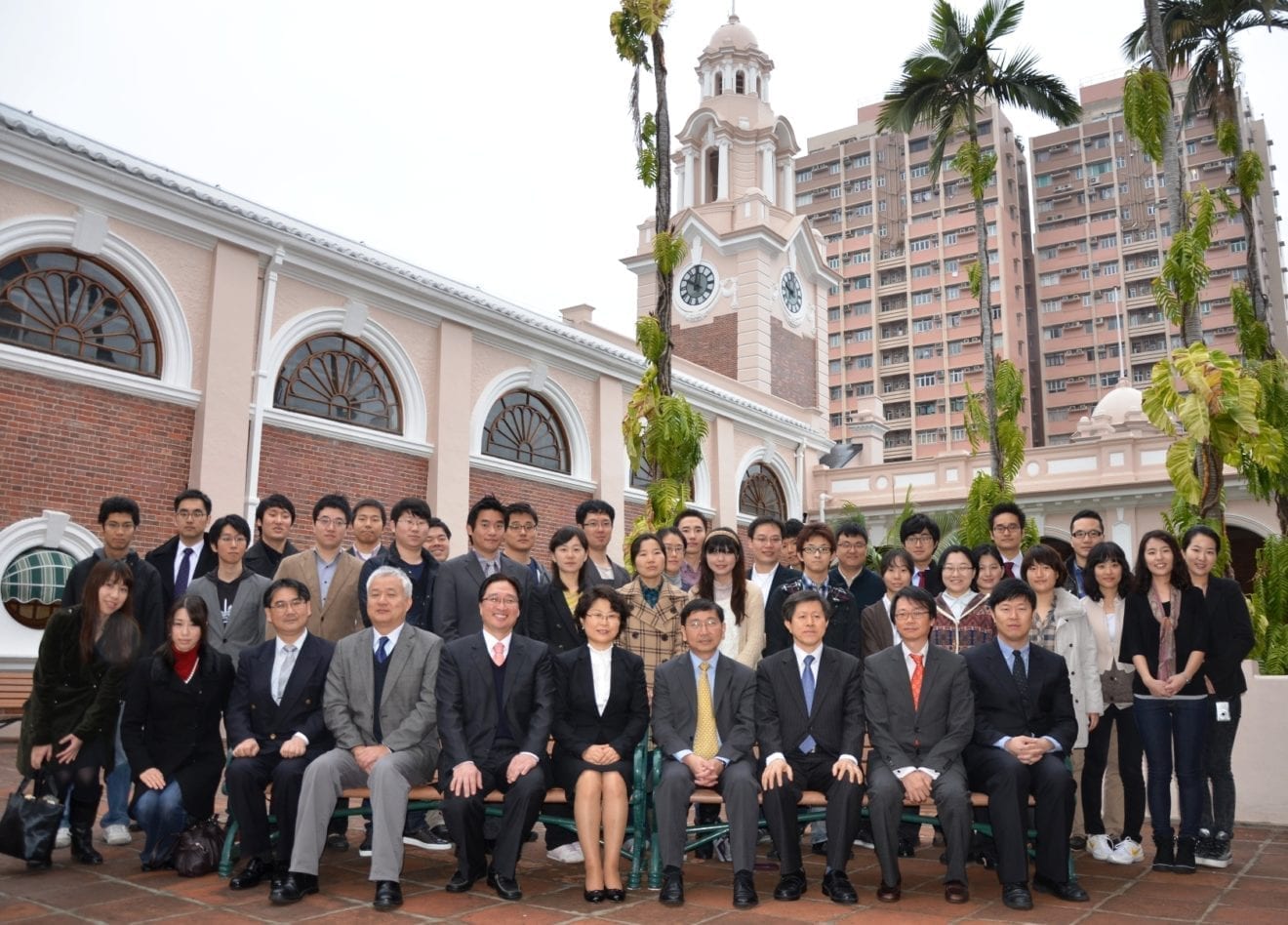
    Phillip Beh, chairman of the University of Hong Kong (HKU) Undergraduate Admissions Committee told on Saturday that the university had seen an increase in applications from Indonesian students since it opened its first undergraduate admission interviews in Indonesia in the academic year of 2014/15.

    Beh said on average 200 applications are received from Indonesian students annually. However, applicants face tight competition as only 400 international students are accepted into the university each year. At present, there are about 90 Indonesian students enrolled in HKU, mostly majoring in Food and Nutritional Science and Risk Management.

    Pinto ‘Pipin’ Rasika Tasdyata (center-left) and Jelita Amidjaja (center-right) talking with other Indonesian students who act as observers in HKU’s open house, undergraduate admission interviews at South Jakarta, Saturday.(JP/Masajeng Rahmiasri)

    Jelita Amidjaja, alumni of BPK Penabur 1 High School Jakarta currently studies Actuarial Science in HKU. She chose Hong Kong mainly because of its reputation as the melting pot of Asian and Western culture, besides its proximity to mainland China which allows her to study Chinese culture. “Right now, China is a strong country, so you would want to learn about the culture,” she said.

    Pinto “Pipin” Rasika Tasdyata studies Business Administration (Internal Business and Global Management) in HKU.  She said that what appealed to her about Hong Kong apart from its culture was the business prospects of the region. “It is the business hub that people recognize. I know Hong Kong and China will grow,” she said.

    Global university ranking publication, QS World University Rankings ranked HKU at 27th place in its 2016 world rankings, while UK-based education publication, Times Higher Education puts HKU in third position in its international outlook in 2016. Apart from its academic reputation, Indonesian students Pipin and Jelita also aim to gain future opportunities via HKU’s connections.

    “It is a very connected university. There are opportunities that I can get from there, from internships, overseas partners, and many more,” Pipin said, adding that the university also sends daily emails to students containing news about internships and various opportunities.

    Indonesian parents who send their children to HKU take into consideration the relative tuition fees. Taman Djojomitro, a parent who accompanied his son to HKU’s open house last Saturday highlighted the study cost comparison with the United States, “It’s quite expensive to study in America, especially when the exchange rate is Rp 13,000 to the dollar now.”

    Yearly tuition fees for international students in HKU start from HK$146,000 (US$18,824). With accommodation fees within the range of HK$12,000 to HK$26,000 plus living costs of approximately HK$40,000 per year, it is a significant difference to what normally constitutes average spending when studying abroad. According to QS World University Rankings, the average total cost of studying in a public university in the US currently averages $39,890 for international students.

  • Singapore students win FedEx challenge

    Singapore students win FedEx challenge

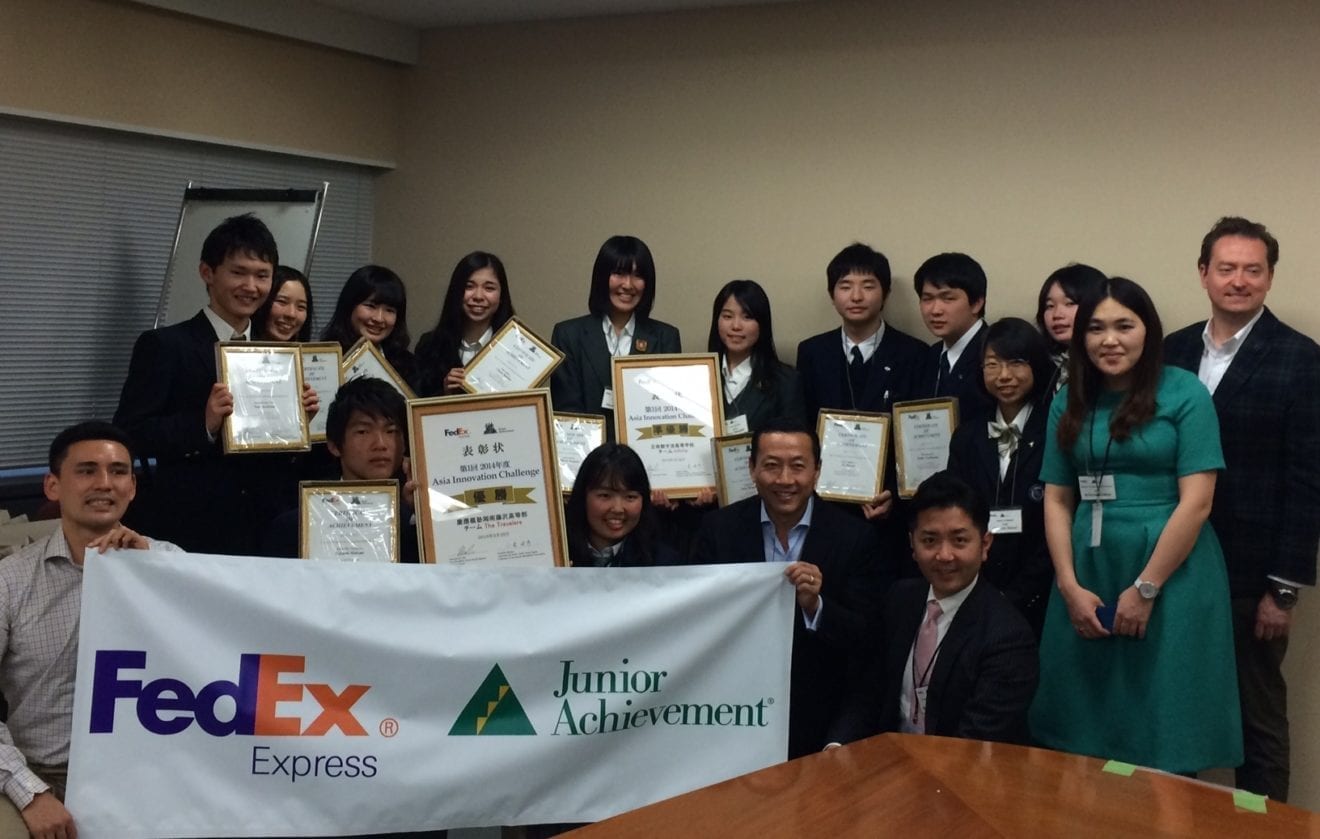
    A team of student entrepreneurs from Singapore have been crowned winners of the FedEx Express/Junior Achievement International Trade Challenge (FedEx/JA ITC) Asia Pacific Finals in Hong Kong.

    Challenged to come up with an idea for a travel security product or service for the U.K., team Kung Fu Pandas – made up of Colin Chee and Tan Jie Ying – impressed the judges with their product “RobStop”, a convertible bag with slash-proof body panels made of stainless steel mesh that can help to thwart pickpockets and protect all important personal belongings while travelling.

    In total, 48 students from eight Asia-Pacific markets (Hong Kong, Japan, Korea, Malaysia, the Philippines, Singapore, Thailand and Vietnam) took part in this year’s contest.

    “We came up with an idea that we thought would work and that we believed in, but some of the other team’s proposals were really outstanding, so we didn’t expect to be the winners,” said Colin Chee and Tan Jie Ying of Kung Fu Pandas.

    “Taking part in the contest has been a really eye-opening experience, and it’s made us realize that, with some planning, research and a good idea, it’s surprisingly easy to set up a business in real life.”

    Evelyn Tsui and Tanya Tam of team DOTS from Hong Kong took second place in the contest with their idea of “Secure Egg”, a compact portable device that helps elderly travelers in emergency situations by enabling them to connect to their families or even the police at the push of a button.

    Team LOHAS, also from Hong Kong, came third. Team members Michelle Ng and Vanessa Kwang devised “KidSafe”, a children’s backpack that tracks children’s whereabouts. Once the backpack leaves the “safety zone” set by parents, the parents receive an automatic alert.

    “Modern technology makes international markets more accessible to even the smallest business than ever before,” said Karen Reddington, president, FedEx Express Asia Pacific.

    “I’m delighted that, by supporting FedEx Express/Junior Achievement International Trade Challenge, we are helping to develop and inspire the next generation of entrepreneurs to recognize the opportunities for themselves. The program has grown considerably in both size and stature over the last 10 years, which is a testament of a huge success that FedEx is proud to be associated with.”

    “It is remarkable that FedEx/JA ITC has now been running for 10 years and we are very proud that it has not only endured, but actually grown considerably,” said Vivian Lau, president, JA Asia Pacific.

    “Our goal for the program was always to inspire young people to think big in what they can achieve in the world of business, and to enable them by equipping them with the necessary knowledge and skills through challenges that were as close to real life as possible. The feedback of previous years tells us that participants really benefited from the program, and we will work to ensure it remains equally valuable in the years to come.”