Tag: stumbles

  • US Dollar Stumbles Against Vietnamese Dong Amid Market Turbulence

    US Dollar Stumbles Against Vietnamese Dong Amid Market Turbulence

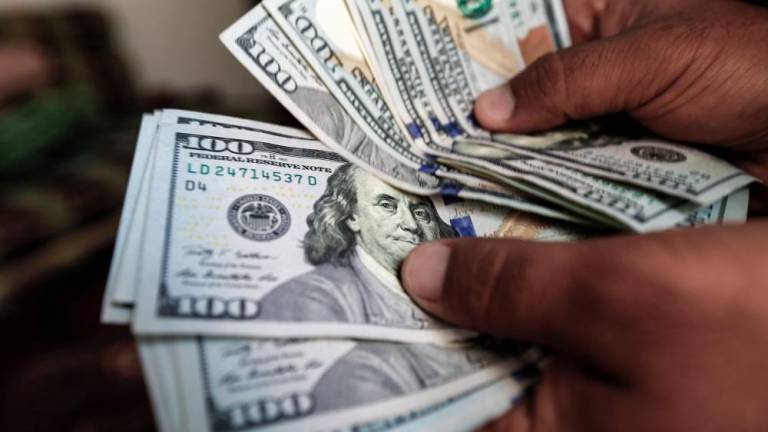
    In the unofficial trading market on Saturday morning, the U.S. dollar experienced a decline against the Vietnamese dong. The greenback was sold 0.04% lower at VND26,410 at these non-official trading spots. Meanwhile, Vietcombank, a significant financial player in the region, maintained its rate at VND26,490.

    A Global Perspective on the Dollar’s Performance

    Worldwide, the performance of the dollar on Friday was relatively stable, but it concluded the week on a lower note. This downtrend was attributable to the moderate U.S. inflation data which resulted in traders reducing their expectations of immediate rate hikes from the Federal Reserve.

    Mounting tension between Iran and the U.S. became a crucial factor impacting the global economy. The recent week-long escalation has significantly undermined the peace agreement established last month. This development has incited investors to seek sanctuary in the dollar and has also contributed to the surge in oil prices to nearly one-month highs.

    The plummeting of the tech-dominated global equity market and the ongoing disturbance to the traffic in the Strait of Hormuz have incited a rush to safety. Elias Haddad, the global head of markets strategy at Brown Brothers Harriman, mentioned this. He also noted the U.S. dollar had recouped some of its losses from this week and that global bond yields had marginally decreased.

    Questions & Answers

    What was the impact of the U.S. inflation data on the dollar?
    The moderate U.S. inflation data led traders to reduce their bets on impending rate hikes from the Federal Reserve, which resulted in the dollar ending the week on a lower note.

    What are the effects of the escalating tension between Iran and the U.S.?
    The escalating tension between Iran and the U.S. has encouraged investors to seek refuge in the dollar and has also pushed oil prices to near one-month highs.

    How did the tech-led global equity market’s performance affect the U.S. dollar?
    The decline in the tech-led global equity market has triggered a flight to safety, helping the U.S. dollar to recover some of its losses from the week.
  • Global Gold Rush Stumbles: Vietnam Witnesses Gold Price Drop Amid Rising Crude Oil Rates

    Global Gold Rush Stumbles: Vietnam Witnesses Gold Price Drop Amid Rising Crude Oil Rates

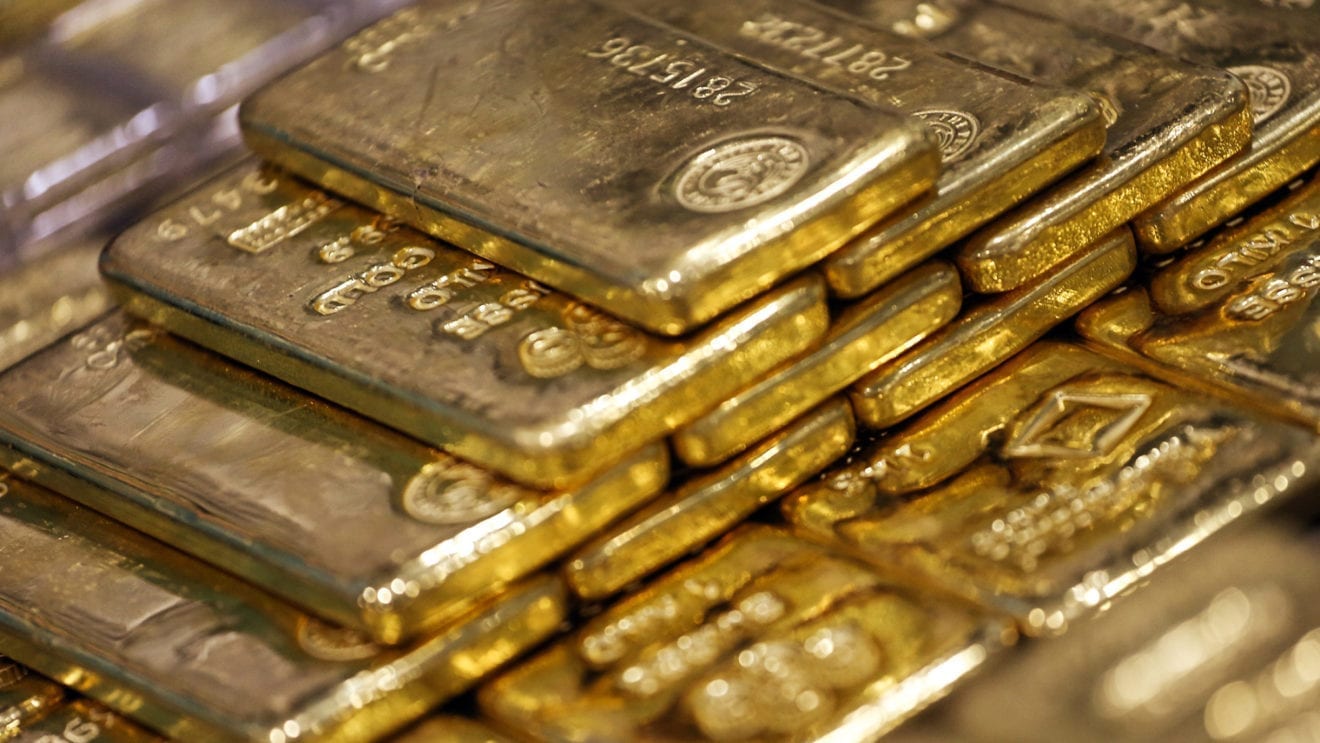
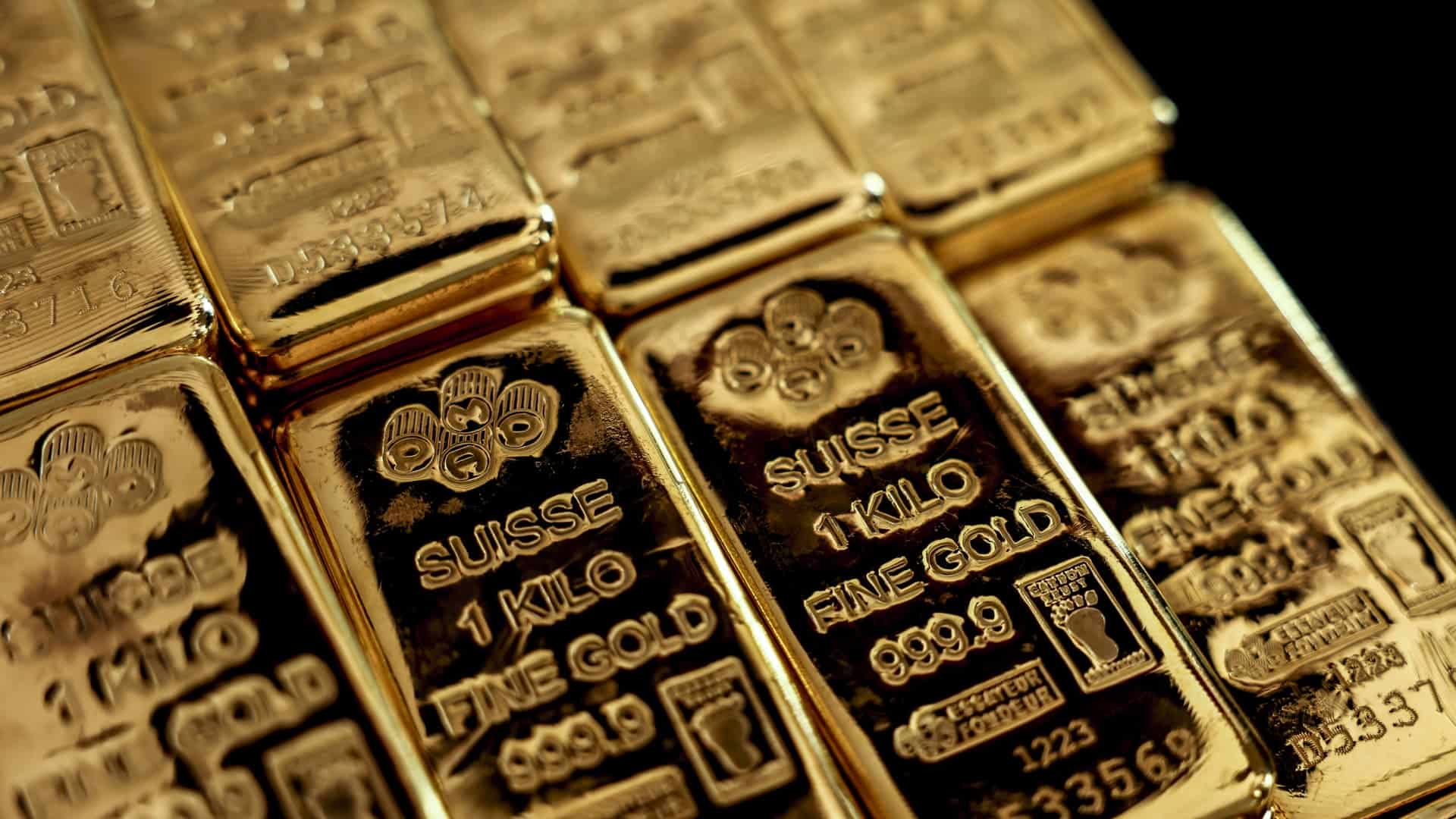
    In Vietnam, the price of gold took a hit on Wednesday morning, coinciding with a global decrease in bullion rates. Saigon Jewelry Company, a prominent gold dealer, experienced a 0.32% drop in the price of their gold bars. This translated to a new rate of VND157 million, equivalent to US$5,960.5 per tael.

    In a parallel development, the cost of gold rings also witnessed a similar decline, ending up at approximately VND156.8 million per tael. It should be noted that one tael is equivalent to 37.5 grams, or 1.2 ounces.

    Global Downturn in Gold Prices

    Internationally, the price of gold experienced a downturn on Wednesday. The renewed tension in the Middle East, which resulted in a surge in crude oil prices, sparked fears of prolonged high-interest rates. This fear was intended to curb inflation.

    Spot gold registered a 0.2% decline to stand at $4,476.50 per ounce. Meanwhile, U.S. gold futures set for August delivery also echoed the downward trend, falling 0.3% to land at $4,504.40.

    The Middle East saw renewed hostilities on Wednesday. The U.S. military reported thwarted or otherwise unsuccessful Iranian missile attacks on Bahrain, Kuwait, and other regional targets. The lack of diplomatic progress between Washington and Tehran seemed to contribute to the situation.

    As a result, oil prices marked an increase of more than 1% in early trading on Wednesday. This development deepened concerns about inflation and potential interest rate hikes, factors that tend to negatively impact non-yielding gold.

    Questions & Answers

    What was the percentage decrease in the price of gold in Vietnam?
    The price of gold in Vietnam fell by 0.32%.

    What were the global factors contributing to the decline in gold prices?
    Several global factors contributed to the decline in gold prices, including renewed tensions in the Middle East, a rise in crude oil prices, and fears of prolonged high interest rates intended to curb inflation.

    How did the situation in the Middle East affect oil prices?
    The renewed hostilities in the Middle East led to an increase in crude oil prices by more than 1% in early trade on Wednesday.

  • Vietnam’s Gold Market Stumbles: Price Plunge Amid Softening Global Bullion Rates

    Vietnam’s Gold Market Stumbles: Price Plunge Amid Softening Global Bullion Rates

    On Wednesday, gold prices in Vietnam witnessed a decline, following a similar downtrend in global bullion rates. The price of gold bars offered by Saigon Jewelry Company (SJC), a major Vietnamese gold retailer, fell by 0.92%, hitting VND162 million (US$6,144.5) per tael. In addition, the price of gold rings slid down by 1.1% to VND161.5 million per tael. It’s worth noting that a tael in Vietnam is equivalent to 37.5 grams or 1.2 ounces.

    Global Gold Market Trends

    Globally, gold prices also edged lower on Wednesday. This downward trend was primarily due to rising Treasury yields and a strong dollar, which eclipsed the optimism kindled by the prospect of a potential peace agreement between the U.S. and Iran. Spot gold fell by 0.3%, valued at $4,467.59 per ounce, after reaching its lowest point since March 30 in the preceding session. Meanwhile, U.S. gold futures for June delivery suffered a loss of 0.9%, priced at $4,471.10.

    Inflationary pressures stemming from the Iran conflict spurred a selloff in global bond markets. This sell-off drove 30-year U.S. Treasury yields to levels unseen since the precursor period to the 2007 global financial crisis. Concurrently, the dollar floated at a six-week high, making bullion priced in the greenback more expensive for individuals holding other currencies.

    Analysts speculate that gold’s current slump could be attributed to the rising yields and the dollar’s strength. Tim Waterer, the chief market analyst at KCM Trade, opines, “Gold is running out of puff somewhat against this backdrop of rising yields, and a dollar which has a spring in its step courtesy of the hawkish shift in the rates outlook.”

    Questions & Answers

    What triggered the decline in gold prices in Vietnam?
    The fall in gold prices in Vietnam was influenced by the global downtrend in bullion rates, with the price of gold bars and gold rings offered by Saigon Jewelry Company witnessing a significant decline.

    What factors influenced the global downtrend in gold prices?
    Rising Treasury yields and a firm U.S. dollar were the primary factors that attributed to the global decline in gold prices. The optimism surrounding the potential U.S.-Iran peace agreement was overshadowed by these factors.

    What impact did the Iran conflict have on the global gold market?
    The Iran conflict led to inflationary pressures that resulted in a selloff in global bond markets. This, in turn, significantly affected the global gold market, driving U.S. Treasury yields to levels unseen since the precursor period to the 2007 global financial crisis.

  • U.S. Dollar Stumbles Against Vietnamese Dong Amidst Global Currency Fluctuations

    U.S. Dollar Stumbles Against Vietnamese Dong Amidst Global Currency Fluctuations

    On Wednesday morning, the U.S. dollar depreciated against the Vietnamese dong while primarily remaining stable against other significant counterparts. Vietcombank marked the greenback at VND26,359, a marginal 0.02% dip from the previous day. Simultaneously, the currency experienced a more noticeable 0.56% decline to approximately VND27,204 in the underground economy.

    Comparison with International Currencies

    The U.S. dollar index, assessing the greenback’s performance versus a selection of six currencies, saw a minor 0.1% drop, standing at 99.126. Meanwhile, the euro saw a slight increment, rising 0.1% to $1.1619, with most other currency pairs enduring no change. The British pound also experienced a 0.1% rise to $1.3428, whereas the New Zealand dollar remained steady at $0.5834.

    In the case of the yen, the U.S. dollar stayed constant at 158.645 yen. However, the Australian dollar initially dropped by as much as 0.2% to $0.6983 before recovering to its original level.

    Financial Analyst’s Insight

    Chris Weston, the Chief Research Officer at Pepperstone Group Ltd in Melbourne, shared his insights on the matter. He noted, “With ongoing discussions between the U.S. and its allies and Iran, including hints of high-level negotiations and temporary truce suggestions, there’s an undeniable sense of exhaustion setting in among those closely following each new development.”

    Questions & Answers

    What has been the trend in the U.S. dollar’s performance against the Vietnamese dong?
    On Wednesday morning, the U.S. dollar saw a depreciation against the Vietnamese dong. Vietcombank pegged the greenback at VND26,359, marking a 0.02% dip from Tuesday’s rate.

    How did the U.S. dollar fare against other prominent international currencies?
    The U.S. dollar primarily remained steady against other significant counterparts, with a minor drop against the euro and a rise against the British pound. It held stable against the New Zealand dollar and the yen, while it experienced an initial drop against the Australian dollar before reverting to its original level.

    What is the sentiment among financial analysts regarding the U.S. dollar’s performance?
    Financial analysts, such as Chris Weston, the Chief Research Officer at Pepperstone Group Ltd in Melbourne, suggest that those tracking every new headline and development are beginning to feel a sense of exhaustion due to the ongoing global discussions, especially those involving the U.S., its allies, and Iran.