Retail News CRM

Tag: subscription

  • HelloFresh and Youfoodz in Legal Hot Water Over Alleged Deceptive Subscription Practices

    HelloFresh and Youfoodz in Legal Hot Water Over Alleged Deceptive Subscription Practices

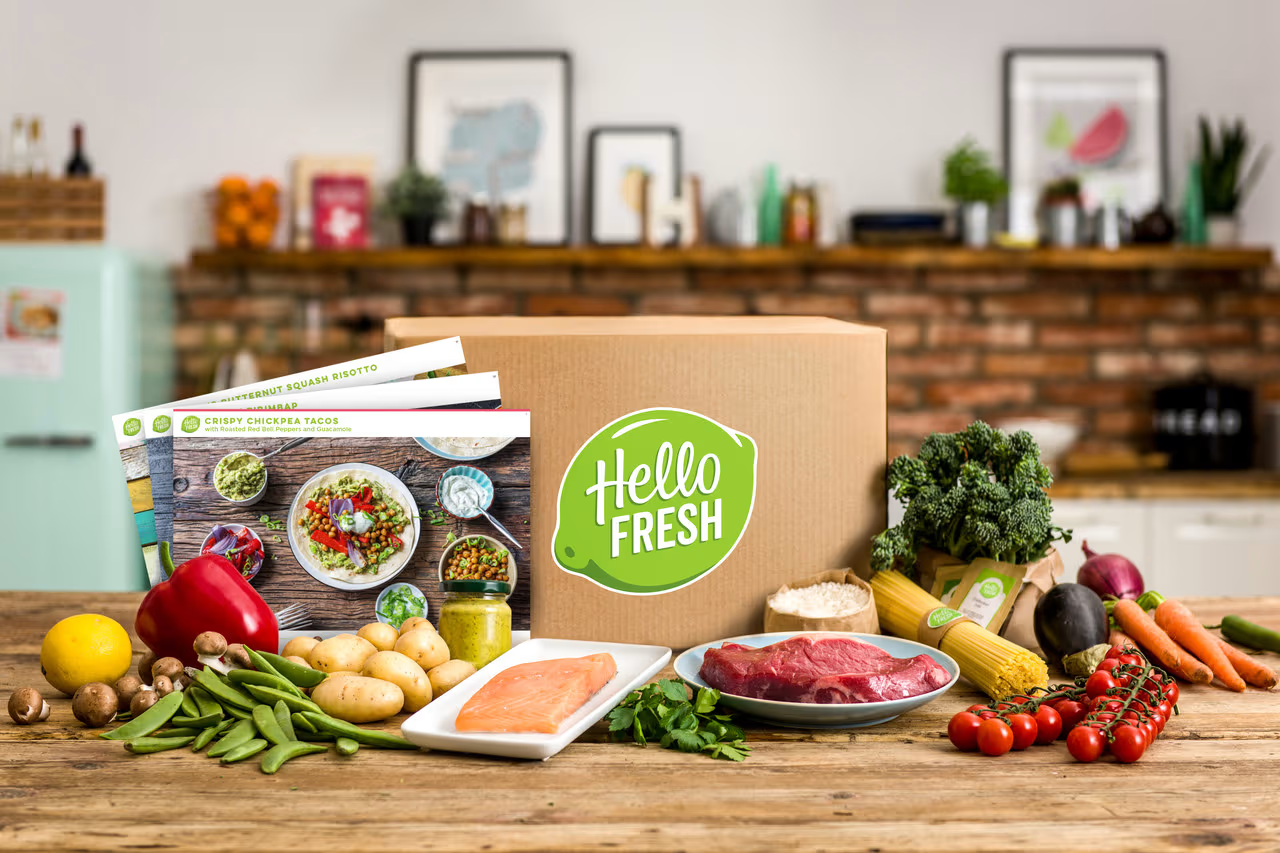
    The Australian Competition and Consumer Commission (ACCC) has recently launched a lawsuit against two meal kit delivery companies, HelloFresh and Youfoodz. The case, filed in Federal Court, accuses the two companies of misleading their customers about the terms of their subscription services.

    Alleged Misrepresentation of Subscription Cancellation

    Both HelloFresh and Youfoodz are subsidiaries of the Germany-based HelloFresh SE. The former provides weekly meal kits while the latter offers pre-made meals on a weekly basis. The ACCC’s contention is that both companies violated Australian consumer law by falsely advertising that new customers could cancel their subscriptions without incurring any charges. In reality, despite cancelling within the specified period, a large number of consumers still faced charges.

    According to a representative from ACCC, while it was easy for customers to sign up for the services via websites and mobile applications, the cancellation of the first order required interaction with a customer service representative.

    Charges Despite Cancellation

    The alleged violations occurred from January 1, 2023, to March 14, 2025, for HelloFresh, and from October 1, 2022, to November 22, 2024, for Youfoodz. The ACCC states that during these periods, “62,061 HelloFresh customers and 39,408 Youfoodz customers were charged a fee despite cancelling their subscription before the specified cut-off time for the first order.”

    Moreover, the ACCC claims that HelloFresh required customers to provide payment details to access the full menu, but assured them during the sign-up process that they wouldn’t be charged unless they selected meals. However, in contrast to its promise, several customers were charged. Similarly, Youfoodz informed customers who had initiated their subscription’s cancellation that their first delivery was cancelled and they won’t be charged, which turned out not to be true.

    Investigation and Public Concern

    The ACCC initiated the investigation into these allegations against HelloFresh and Youfoodz in October 2024, following numerous complaints from consumers. The commissioner, Luke Woodward, expressed that businesses employing confusing and complicated subscription cancellation policies are a significant public concern. He emphasized that the ACCC would take enforcement action as necessary when there’s evidence of violations of the Australian consumer law and consumer harm.

    Questions & Answers

    What is the ACCC’s contention against HelloFresh and Youfoodz?
    The ACCC alleges that both companies violated Australian consumer law by falsely advertising that new customers could cancel their subscriptions without any charges. In reality, many customers incurred charges despite cancelling within the specified period.

    What were the periods during which these alleged violations occurred?
    For HelloFresh, the alleged violations occurred from January 1, 2023, to March 14, 2025. For Youfoodz, the violations are said to have taken place from October 1, 2022, to November 22, 2024.

    What does the ACCC plan to do about businesses with confusing and complicated subscription cancellation policies?
    The ACCC commissioner, Luke Woodward, stated that when there is evidence of breaches of the Australian consumer law and consumer harm, the ACCC will take enforcement action as necessary.
  • Apple Ventures into Health AI: Unveiling a Chatbot-Powered Health+ Subscription Service

    Apple Ventures into Health AI: Unveiling a Chatbot-Powered Health+ Subscription Service

    Despite previous assurances of releasing an improved Siri, Apple has yet to introduce any significant artificial intelligence (AI) features. However, the company is still ambitious about its AI agenda for 2026, with a significant update planned for the Health app.

    AI-Powered Health+ Service in the Works

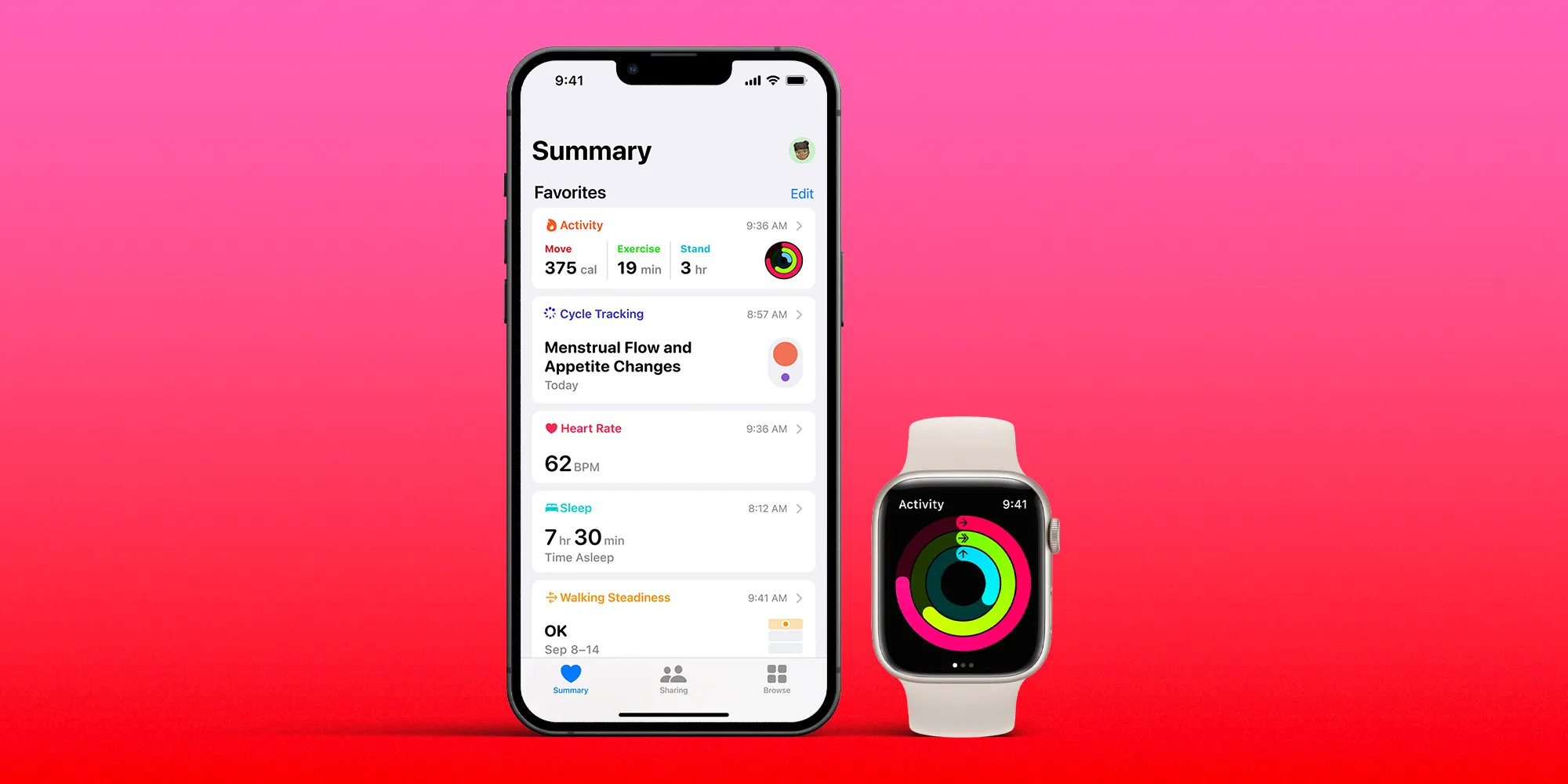
    The tech giant is rumored to be developing an enhanced version of its Health app, complete with a new Health+ subscription service. The proposed service is expected to incorporate an AI component designed to assist users in managing their health.

    The introduction of this service could position Apple at the forefront of the emerging AI health chatbot market. Features are expected to include nutrition tracking and AI-facilitated health coaching. These enhancements could potentially offer users personalized health advice, expert video content relating to different health issues, and guidance on living a healthier lifestyle.

    A Delay in AI Development

    Apple is reportedly set to introduce the long-awaited new version of Siri with iOS 26.4 in April. Additionally, the company is said to be working on a comprehensive revamp of the voice assistant, slated for release with iOS 27. This update also promises an AI-powered web search tool.

    A year after unveiling the “Made for Apple Intelligence” iPhone 16 series, Apple continues to trail its rivals. Samsung’s Galaxy S25 series boasts various Galaxy AI features, while Google’s Pixel 10 devices have Gemini on board. In comparison, Apple’s iPhone 17 series lacks any comparable features. Even the forthcoming OnePlus 15, equipped with the Android 16-based OxygenOS 16, incorporates advanced AI capabilities courtesy of Gemini.

    Apple’s strategy to enhance its standing in the smartphone AI market reportedly involves the development of a custom-made Gemini AI model, a move which could result in Apple paying Google $1 billion annually.

    Is Another Subscription Necessary?

    While there is some hope that Apple could deliver a beneficial health chatbot, the prospect of yet another subscription service may not be well-received. Although Apple will likely incorporate Health+ into Apple One and raise its price, the emerging trend of subscription fatigue indicates that any new service must offer substantial value to attract potential subscribers. Unfortunately, as it stands, the proposed Health+ service may not be sufficiently appealing.

    Questions & Answers

    – **What is Apple’s proposed enhancement to the Health app?**
    Apple is reportedly developing a Health+ subscription service with AI integration, designed to assist users in managing their health.

    – **How might this new Health+ service impact Apple’s standing in the AI market?**
    The introduction of this AI health chatbot could potentially position Apple as a leader in this emerging market.

    – **Why might Apple’s proposed subscription service face challenges?**
    Given the increasing prevalence of subscription fatigue among consumers, the value offered by any new subscription service must outweigh its cost to gain traction. As it stands, the proposed Health+ service may not be sufficiently compelling.

  • HelloFresh fined after criminal charges laid over subscription trap

    HelloFresh fined after criminal charges laid over subscription trap

    HelloFresh New Zealand, a subsidiary of global meal-kit supplier HelloFresh SE, has been hit with an NZ$845,000 ($748,294) penalty for deceiving customers into renewing their subscriptions. The imposition of this fine is the result of legal action undertaken by the Commerce Commission, New Zealand’s regulatory authority, in response to the company’s violation of the Fair Trading Act. HelloFresh New Zealand confessed to its true intentions of luring customers into renewing their food delivery service subscriptions without explicit awareness or agreement, a practice commonly known as a subscription trap.

    Deceptive Marketing Strategy

    Deputy Chair of the Commerce Commission, Anne Callinan, revealed the core of HelloFresh’s modus operandi. The company would cold call former customers under the guise of seeking customer feedback. However, the actual aim of these calls was to entice customers into reactivating their subscriptions by presenting them with discount vouchers. The company failed to clearly communicate that accepting these vouchers could result in the reactivation of the customers’ paid subscription.

    Over an 18-month period, HelloFresh made over a million calls to ex-customers and succeeded in reviving nearly 80,000 subscriptions. This action resulted in a surge of complaints to the Commerce Commission from disgruntled customers.

    Callinan provided further insight into the company’s misleading practices. “Upon reviewing a selection of call recordings, it became evident that agents downplayed or disregarded customers’ wishes, who on many occasions unequivocally stated their unwillingness to renew their subscription,” she stated. Callinan said that the deceptive behavior was a fundamental aspect of HelloFresh’s business operations and not an isolated incident.

    Lessons for Subscription-Based Services

    Callinan conveyed a stern warning to other subscription-based businesses in light of this case. The need for transparency regarding their terms and conditions and ensuring customers fully understand what they are signing up for is paramount.

    The Commerce Commission plans to maintain its focus on rectifying any misleading online sales behavior, including subscription traps. These practices remain a key focus area for the regulator.

    HelloFresh New Zealand operates under the umbrella of its Berlin-based parent company, HelloFresh SE, which is one of the largest meal-kit providers in the world with operations across 18 countries.

    Questions & Answers

    What was HelloFresh New Zealand fined for?
    HelloFresh New Zealand was fined NZ$845,000 ($748,294) for deceiving customers into renewing their subscriptions without clear communication or consent.

    What was the company’s deceptive marketing strategy?
    HelloFresh would cold call former customers under the pretext of gathering customer feedback. The actual aim was to persuade customers to reactivate their subscriptions by offering discount vouchers, without clearly stating that this would result in the reinstatement of their paid subscription.

    What is the key takeaway for other subscription-based businesses?
    Subscription-based businesses must ensure transparency in their terms and conditions and confirm that customers are fully informed before agreeing to sign up for their service.

  • With iPhone 14 coming soon, Apple changes the focus of its television advertising

    With iPhone 14 coming soon, Apple changes the focus of its television advertising

    Apple’s Services unit is the company’s second-largest business segment after iPhone. With nearly $20 billion in revenue during the fiscal third quarter, the unit is running at close to an $80 billion annual rate. One of the less-heralded but brilliant moves made during the Tim Cook era was to take advantage of the large number of active iPhones around the world and sell their users recurring monthly subscriptions that bring in revenue 12 times a year.
    Apple Services includes Apple Music, Apple News+, Apple TV+, Fitness+, iCloud, and Apple Arcade. Those services charge monthly subscription rates. Other Apple services that are part of the unit include the App Store, Apple Pay, Apple Care+, and more.
    With the unveiling of the new iPhone 14 line approximately four weeks away, Apple has apparently decided that now isn’t the time to advertise the iPhone 13 series with the world waiting for the 2022 handsets to be introduced. In other words, Apple wouldn’t be getting the same bang for the advertising buck with many potential buyers waiting for the new line to be announced.
    So today Apple released its latest television ad, a thirty-second spot for Apple One. In 2020, Apple created the Apple One bundle which has three separate tiers of service. These are the Individual Plan, the Family Plan, and the Premier Plan.
    Individual Plan-$14.95 per month (saves $6/month)
    • Apple Music
    • Apple TV+
    • Apple Arcade
    • 50GB of iCloud storage
    Family Plan-$19.95 per month (saves $8/month; can be shared with five other people)
    • Apple Music
    • Apple TV+
    • Apple Arcade
    • 200GB of iCloud storage
    Premier Plan-$29.95 per month (saves $25/month, can be shared with five other people)
    • Apple Music
    • Apple TV+
    • Apple Arcade
    • 2TB of iCloud storage
    • News+
    • Fitness+
    The new ad shows off the services inside the bundle. Apple Music is mentioned first and the music streamer includes surround sound. The 3D Spatial Audio feature allows you to hear music that sounds like it is coming from all around you. Next is Fitness+, which is only part of the most expensive Premier plan although it can be subscribed to a la carte ($7.99/month, $79.99/year). Fitness+ offers workout videos that cover 11 different styles. While you are working out, the screen will show your heart rate along with other metrics related to your workout.
    Like Apple Music, TV+ is available on all three tiers of Apple One. The new ad points out that with TV+ you can see the biggest stars just as the screen quickly shows Jennifer Aniston and  Reese Witherspoon (The Morning Show) and Tom Hanks (various films). News+ is also found only on the highest-priced Premier tier of Apple One and includes the best publications on Earth, according to Apple.
    Apple Arcade is also available on all three tiers of the Apple One bundle and features over 200 ad-free games. Also on all three tiers is cloud storage service iCloud. Apple says that with iCloud, you can store everything that you love. Note, however, that the amount of available storage depends on the plan you purchase. The individual plan comes with 50GB of cloud storage, rising to 200GB with the Family Plan. And with Premier, you get a whopping 2TB of cloud storage.

    If you’re already subscribed to some of Apple’s recurring subscription services, you might be able to save some money by signing up for Apple One instead. With the Premier tier, you can save as much as $25 per month by going with the bundle. You can start with a one-month trial of Apple One. From your iPhone, tap on Settings and then your name. Go to subscriptions and tap on the Apple One box. That will take you to the sign-in page and at the bottom of the screen you will see a blue button that says “Start Free Trial.”

  • Snapchat+ officially launched a premium subscription

    Snapchat+ officially launched a premium subscription

    Snap has just announced the launch of a new premium tier for customers who want a little bit more features and faster support. The announcement comes less than a month since another social app, Telegram introduced a similar service for those who want extra features.

    Snap’s new premium tier is called Snapchat+ and is available in Snapchat for $3.99/month. Unlike Telegram that already informed customers about what they’ll get for the premium tier, Snap’s announcement is rather vague.

    According to the social company, Snapchat+ will offer “a collection of exclusive, experimental, and pre-release features.” As far as the reasoning behind the premium tier, Snap claims that the subscription will help the company provide fans willing to pay with new Snapchat features and “prioritized support.”

    For the time being, Snapchat+ will only be available in the United States, Canada, the United Kingdom, France, Germany, Australia, New Zealand, Saudi Arabia, and the United Arab Emirates. However, Snap confirmed plans to expand availability of its premium tier to more countries over time. Is this something that you’d pay for because it’s useful or do you think it’s just a cash grab?

  • Telegram announces new Premium plan coming in June

    Telegram announces new Premium plan coming in June

    What started as a rumor a few months ago has become reality this week: Telegram is going Premium. Well, the free tier will remain available as is, but a paid tier will also be added which will offer some extra features, resources and speed.

    Telegram’s founder and CEO, Pavel Durov, announced today that his company will introduce a Premium tier this month, but he did not make any mentions regarding the price. Previous rumors pointed to a possible $5/month subscription for those who want Telegram Premium, but the information hasn’t been confirmed yet.

    What we do know is that all existing features will remain free, and even users who don’t subscribe to Telegram Premium will get some of its benefits, such as the ability to view extra-large documents, media and stickers sent by Premium users, as well as the option to tap to add Premium reactions already pinned to a message to react in the same way.

    The addition of a Premium tier is meant to keep existing features free while offering those who want more the chance to acquire those extra features they need, at least according to Telegram. On top of that, a Premium subscription will allow users to support eh app and receive new features before those who use Telegram for free.

    We will probably never know whether the move is meant to simply support the extra resources Telegram will spend to add those new features or the company plans to actually make money to pay the bills. The bottom line is that even Telegram’s CEO believes that the app “should be funded primarily by its users, not advertisers,” which implies that the amount of ads will remain limited.

  • iOS users spend more than double on subscriptions compared to Android users

    iOS users spend more than double on subscriptions compared to Android users

    A new research report has shown that subscriptions made from the App Store are more than double in terms of payment versus Google Play Store. In other words, this means iPhone and iPad users generally tend to spend more on subscriptions and buy more subscriptions in comparison to users on Android phones.

    The information comes from a Sensor Tower report that showcases subscriptions revenue for 2021. In numbers, the App Store subscriptions have generated $13.5 billion in revenue, while Google Play subscriptions — $4.8 billion, despite the fact that Google Play spending is growing at a fast rate.

    Overall, the App Store sees the most money spent on apps and subscriptions, as well as in-app purchases, compared to Google. The record-high $13.5 billion spent us for the top 100 non-gaming subscriptions globally.

    Subscription spending on the App Store grew 31% since last year when it was $10.3 billion. On the other hand, Google Play saw a whopping 78% growth to reach this $4.8 billion mark.

    These are the global numbers. However, US numbers are not that different though. The report is also giving some information on US-only spending, and the App Store has recorded $6 billion, while the Google Play Store, $2.5 billion.
    In terms of specific apps, Alphabet (Google’s parent company) is at the top of the charts with YouTube on the App Store and Google One on the Google Play Store. According to the report, YouTube generated 1.2 billion globally and $566.5 million in the U.S., while Google One achieved $1.1 billion globally and $698 million in the U.S. in 2021.
  • YouTube Music, Premium launches annual subscription

    YouTube Music, Premium launches annual subscription

    Google has long been offering YouTube Premium and YouTube Music monthly account memberships, where users can subscribe and pay every month for access to millions of songs and videos for ad-free viewing and downloading.

    As of today, YouTube is officially rolling out a new subscription option to users across the board of both these paid YouTube services. In addition to monthly subscriptions, YouTube Premium and YouTube Music will now also offer subscriptions on a yearly basis, which will end up saving long-term users a good bit of money in the long run.

    So, how much money will the new annual subscription actually save you, compared to a monthly plan? Turns out, as part of the initial launch hype, Google is offering a limited-time discounted price, which will last for 6 days before it expires.

    Only until January 13, new users can benefit from an annual YouTube Premium plan priced at $107.99. Compared to the $11.99-per-month regular price, it offers a savings total of $3 per month, adding up to $36 of savings over 12 months.

    The YouTube Music yearly plan is slightly cheaper, coming in at $89.99 each year, or $2.50 less per month than the monthly subscription (for annual savings of $30).

    After the offer expires on January 13, we expect users can still enjoy decent rates for the yearly plan, but they will more than likely be less cost-effective than the current prices.

    Keep in mind that if you’re already subscribed to a monthly YouTube Premium/Music plan, though, you can’t just switch to the yearly subscription. You’d have to completely cancel your current plan, and then re-sign up to the new one. It’s definitely a slightly more time-consuming process, but still definitely worth considering.

    It should be noted that the yearly subscription plan is currently only available in the United States, Canada, Mexico, Brazil, Russia, Turkey, Germany, Thailand, India, and Japan.

  • Amazon launches Alexa Together, a subscription-based service for seniors

    Amazon launches Alexa Together, a subscription-based service for seniors

    Alexa Together is the new subscription-based service for elders launched by Amazon. It’s an upgrade to the existing Care Hub service and it costs $19.99 per month or $199 per year. Besides the basic features offered by Alexa Care Hub, the new service provides seniors with additional benefits.

    These additional benefits include access to an emergency helpline, fall detection response features, a remote assist option that allows family members to manage settings on the elderly person’s device and an activity feed for family members that will notify them when the aging customer is active.

    Alexa Together provides a few layers of privacy protection. For example, the elder needs to allow access to the family members to use features like Remote Assist. More importantly, the activity feed has been designed to show that the elder did interact with Alexa but will not show what that interaction specifically was.

    Amazon announced that all Care Hub customers will receive a free year of Alexa Together until December 2, 2022. Customers can also sign up for a free limited-time, six-month trial.

  • Disney Plus Day brings a special 2$ offer for the first month of subscription

    Disney Plus Day brings a special 2$ offer for the first month of subscription

    Disney Plus first got released in 2019 on November 12th, which Disney refers to as Disney Plus Day. This year, for Disney Plus Day, the entertainment giant is making a special offer for new-to-be and returning subscribers. For their first month of subscription, the fee drops from 8$ to 2$.

    In addition to the 6$ cut for its streaming platform, Disney has some other special perks and offers under its sleeve as well. For example, you can get a five percent discount on Disney Plus products at WizKids and a 10 percent on Funko ones if you use the code DISNEYPLUSDAY.

    What’s more, over 200 AMC movie theaters will have surprise Disney movies playing for only 5$ a ticket between November 12th and 14th. On top of that, you will get a Disney Plus poster and some special concessions.

    On a different note, it seems the house of Mickey is keeping up with the new trends of the digital world. Disney will apparently be releasing NFTs in the form of golden statues of some of its most popular characters.

    Last but not least, Disney Plus Day is a good day to visit one of the famed Disney theme parks like Disney World or Disneyland. Visitors with a subscription can enter the parks 30 minutes earlier than usual, as well as free Disney PhotoPass photo downloads. There will also be new merchandise from Star Wars, Marvel, and Pixar, so parents get their wallets ready. Additionally, some e-books will get discounted to as little as 1$ a piece until November 17th.

    As for the 2$ special offer for your first month of Disney Plus, it will be available from November 12th until the 14th, so make sure you catch it. It’s a great opportunity to see if you would like the shows Disney has to offer if you haven’t jumped on that bandwagon yet. Just remember that after the first month the price jumps back to that monthly 8$ fee.

  • Telegram will soon launch subscription service to disable ads

    Telegram will soon launch subscription service to disable ads

    Telegram is one of the services that gained a lot of customers due to the Facebook/WhatsApp outage, but it remains to be seen how many will become loyal users or will return to their “first love.”

    The messaging service has been adding many new features in the last few weeks and we’re certain more will be coming soon. Over the weekend, Telegram’s CEO Pavel Durov made a few announcements concerning the ads that appear on large channels with more than 1000 users.

    If you’re following one or more of these channels and you’re seeing ads, you’ll be pleased to know that Telegram will launch a companion subscription service meant to disable these ads. Of course, if you don’t want to pay for such a service, then you’ll continue to see those ads, but it’s nice to know that the option is there.

    We have already started work on this new feature and look forward to launching it this month. It can be issued in the form of an inexpensive subscription, which will allow any user to directly financially support the development of Telegram and never see official advertisements in the channels.
    Additionally, Telegram’s CEO revealed that those who own big channels will be able to turn off official ads in their channels of all users. For the time being, the company is assessing the “economic conditions” for this to happen. It’s unclear how that would work, but here is what Telegram says: “advertisers will soon be able to place an ‘invisible’ ad on any channel that – assuming there is sufficient cost per impression – will result in no ads on that channel.”

    No subscription price has been announced yet since Telegram is still working on bringing this feature to users, but we’ll learn more once it’s ready for implementation.

  • Tesla Launches Subscription Service For Advanced Driver Assistance Software

    Tesla Launches Subscription Service For Advanced Driver Assistance Software

    Tesla Inc said on Saturday it has introduced an option for some customers to subscribe to its advanced driver assistance software, dubbed “Full Self-Driving capability”, for $199 per month, instead of paying $10,000 upfront. Tesla has previously said its subscription service would generate recurring revenue and expand the customer base for pricy features including lane changing on highways and parking assistance.

    But the U.S. electric carmaker reiterated on Saturday that the current features “do not make the vehicle autonomous,” adding they “require a fully attentive driver, who has their hands on the wheel.””FSD capability subscriptions are currently available to eligible vehicles in the United States. Check your Tesla app for updates on availability in other regions,” Tesla said on its website.

    Tesla’s CFO Zachary Kirkhorn said in April that its planned subscription service would generate recurring revenue for the company, although “there could be a period of time in which cash reduces in the near term.”

    “If … you look at the number of customers who did not purchase FSD upfront or on a lease and maybe want to experiment with FSD, this is a great option for them,” he said during an earnings call in April.

    Tesla said the subscription service is available in vehicles equipped with Full Self-Driving computer 3.0 or above. It told customers that upgrading to the new hardware will cost $1,500.

    Tesla Chief Executive Elon Musk forecast in 2019 that robotaxis with no human drivers would be available in some U.S. markets in 2020. In March, Tesla told a California regulator that it may not achieve full self-driving technology by the end of this year.

    Tesla has been testing its new semi-autonomous driving software for city streets and last week released “FSD Beta v9” to a limited number of customers.

  • Subscription service Beer Cartel to sell shares to public

    Subscription service Beer Cartel to sell shares to public

    Craft beer retailer, Beer Cartel, is gearing up for an initial public offering in Australia, allowing customers to own a stake in the business.

    The alcohol delivery business aims to raise $1.5 million through equity crowdfunding with Birchal to fund its growth and improve its logistics, website and offer.

    Founded in 2009 by Geoff Huens and Richard Kelsey, Beer Cartel currently offers over 1000 craft beers from breweries worldwide. With 20-30 new beers being added weekly, many exclusive to its website and Sydney store.

    “While buying shares in Beer Cartel will probably give you bragging rights to your mates, our 100,000 loyal customers and 12 years of successful online retailing prove we mean business,” said Kelsey.

    “As a part-owner of the country’s biggest craft beer bottle shop, not only will you be able to share in our success – you’ll also be given excellent perks. Imagine having personal access to an Aladdin’s Cave of craft beers from all over the world, at special ‘investor prices’,” he added.

    The business is expecting a huge interest after it recorded a 75 percent increase in revenue over the past year during Covid. Sales were not just limited to its range of craft beers; it also saw an increase in its mixed craft beer packs and monthly beer subscription.

    Huens said that while Covid put pressure on the company last year, the uptick in sales allowed it to employ hospitality workers who lost their jobs because of the pandemic.

    “It was also very satisfying to support craft breweries that were taking a massive financial hit because so many hospitality venues were closed or had severe capacity limits put in place. Our success had a flow-on effect to many families and small businesses around Australia,” he added.

  • Twitter Blue subscription tier confirmed

    Twitter Blue subscription tier confirmed

    Halfway through this month, we told you that Jane Manchun Wong had discovered that Twitter was working on a paid version of the app called Twitter Blue. The info discovered by Wong revealed that the subscription price would be $2.99 per month and would offer a feature allowing you to “save and organize your favorite tweets into Collections so that they’re easier to find later.” Another feature titled “Undo Send” gives users a short window of time to delete a tweet that was just sent.

    Today, Twitter confirmed that its subscription tier is real, that it is named Twitter Blue, and that it will cost $2.99 per month. If you look up the Twitter app in the App Store and scroll down to the section titled In-App Purchases, you’ll see one listing and that is for Twitter Blue priced at $2.99.

    Wong sent out another tweet today indicating that Twitter Blue will have a Reader Mode that will allow users to “Keep up with threads by turning them into easy-to-read-text.” Subscribers will also get to pick their own color theme and app icons with different colors.

    What we don’t know is when Twitter Blue will actually launch. But with the subscription tier listed in the App Store, a launch can’t be too far away!

  • Australians open to subscription services, Deliveroo study finds

    Australians open to subscription services, Deliveroo study finds

    Australia has experienced an unprecedented rise in demand for subscription services across the country, according to research by food-delivery company Deliveroo.

    The study found that 62 percent of Australians are currently using more than six subscription services. The most popular type of subscription service is TV streaming services, followed by food subscriptions.

    Growth of subscription services mostly resulted from customers’ need for convenience, variety, and cost savings, the survey concluded.

    To keep up with the trend, Deliveroo has launched its own subscription service ‘Plus’, offering Aussies access to unlimited deliveries for a monthly fee. The launch follows the trial of the service in 2019 where more than 45,000 customers signed up in the first month.

    “This is primarily aimed at supporting families and couples who are ordering larger baskets as a group,” the company said in a statement. “Deliveroo has seen a surge in people ordering for multiple numbers and wants to make delivery more affordable and accessible for them.”