Retail News CRM

Tag: Sulwhasoo

  • AmorePacific launches luxury brand Sulwhasoo into India

    AmorePacific launches luxury brand Sulwhasoo into India

    South Korea beauty giant AmorePacific has launched its luxury brand Sulwhasoo across India exclusively with Indian retailer Nykaa.

    “In recent years, Nykaa has led the South Korean beauty conversation in India, focusing on educating Indian customers on the novelty of the products and ingredients,” said Falguni Nayar, founder & CEO of Nykaa.

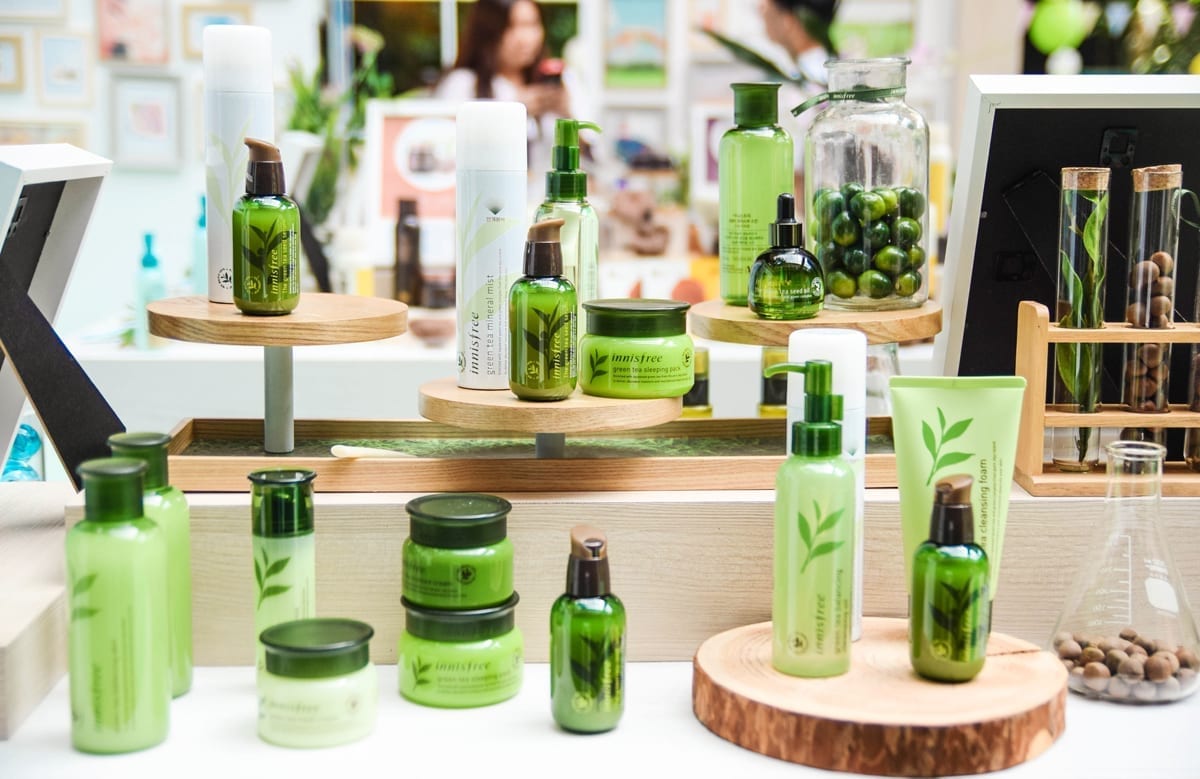
    Prior to Sulwhasoo, Amorepacific already introduced other brands in the country such as Innisfree, Laneige, and Etude.

    “I believe our customers in India are going to experience Sulwhasoo’s unique beauty solutions and to create more sophisticated and healthier skin care routines in the future,” said Michael Youngsoo Kim, Head of Amorepacific APAC RHQ.

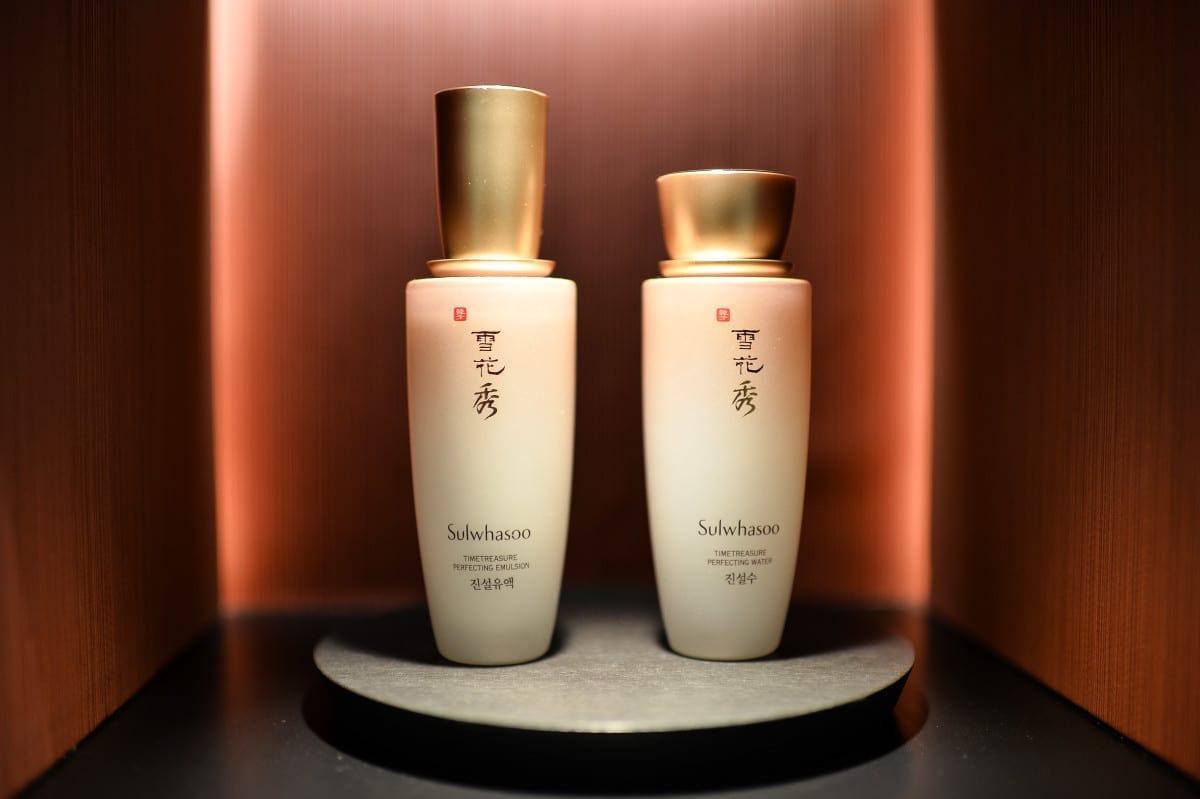
    Sulwhasoo is Amorepacific’s signature luxury brand based on Korean ginseng.

    The Sulwhasoo India range will include the brand’s First Care Activating Serum and other lines such as Concentrated Ginseng Renewing line and Essential line.

  • Sulwhasoo launched on Lazada

    Sulwhasoo launched on Lazada

    Amorepacific’s luxury skincare brand Sulwhasoo has launched on Lazada.

    The partnership marks the brand’s expansion into the Southeast Asia e-commerce market.

    With this Lazmall store, shoppers in Indonesia, Malaysia, Singapore, Thailand and Vietnam can access Sulwhasoo’s range of beauty products.

    “The influence of South Korean beauty trends and culture in this region is undeniable, and we are pleased to bring one of Korea’s top skincare brands Sulwhasoo online with Lazada – reinforcing our leadership in the beauty category and in serving our female customers,” said Lazada Group president Jing Yin.

    The South Korean beauty-and-cosmetics conglomerate is already leveraging Lazada’s platform for distribution of four key brands including Laneige, Mamonde, Innisfree and Etude House. These brand stores are housed on LazMall, a place for shoppers to get directaccess to international and local brands, top-rated online brands and authorised brand distributors.

    “Lazada is the region’s e-commerce leader, particularly in the beauty space, and the best possible partner to take our business online in Southeast Asia,” said Mina Kim, senior VP of Sulwhasoo at Amorepacific.

    “We hope to bring Sulwhasoo’s value of Asian beauty to more customers and help them experience our unique beauty solutions in a new way.”

  • Amorepacific facing painful dilemma

    Amorepacific facing painful dilemma

    For Amorepacific, the last year has been painful in terms of both sales and brand development. The cosmetics giant saw its operating profit halve to 549 billion won (US$491 million) in 2018, just two years after it joined the “1 trillion-won sales club” in 2016 for the first time as a cosmetics maker. With its glory falling to the past, Amorepacific has been outpaced by rival LG Household & Healthcare. LG Group’s cosmetics arm became the newest member of the 1 trillion-won sales club last year, cementing its No. 1 status in terms of market capitalization, which totaled 23.1 trillion won as of June last year.

    In the fourth quarter of 2018, Amorepacific’s operating profit came to 16.4 billion won, down 82 percent on-year.

    The company had many reasons to blame for its profit decline, including a rise in the minimum wage, weak performance of its budget cosmetics brand with the advent of numerous competitors at health and beauty stores, e-commerce and even home shopping channels.

    This has put the brakes on Amorepacific’s drive to construct a beauty industrial complex in Yongin, Gyeonggi Province. In 2017, the cosmetics giant had unveiled its plan worth 163 billion won for the complex to develop cosmetics and beauty products.

    But the company announced last month that it would scrap its complex project due to dwindling profits as well as fierce opposition from local residents.

    Market watchers voice concerns that this year will be a make-or-break period for the group, as a continued sales downfall will make it harder for the company to recover from its ongoing slump.

    “Profit recovery from the domestic beauty market as well as pulling up sales among Chinese customers will be the major points for Amorepacific to overcome this year,” said Na Eun-chae, a researcher from Korea Investment and Securities.

    Sulwhasoo vs. History of Whoo

    Although South Korea-China ties started mending last year after the detrimental diplomatic and economic fallout from the deployment here of the US Terminal High Altitude Area Defense missile system in 2017, the China comeback is still not so evident.

    Amorepacific’s Sulwhasoo, the company’s flagship luxury skin care brand, had been the most favored brand among Chinese tourists in the past few years. Market data showed that mainland China accounted for at least 10 percent of Sulwhasoo’s total sales, followed by Hong Kong at 6 percent and Taiwan with 0.5 percent as of 2018.

    But The History of Whoo, the latecomer in herbal cosmetics, has now taken the limelight.

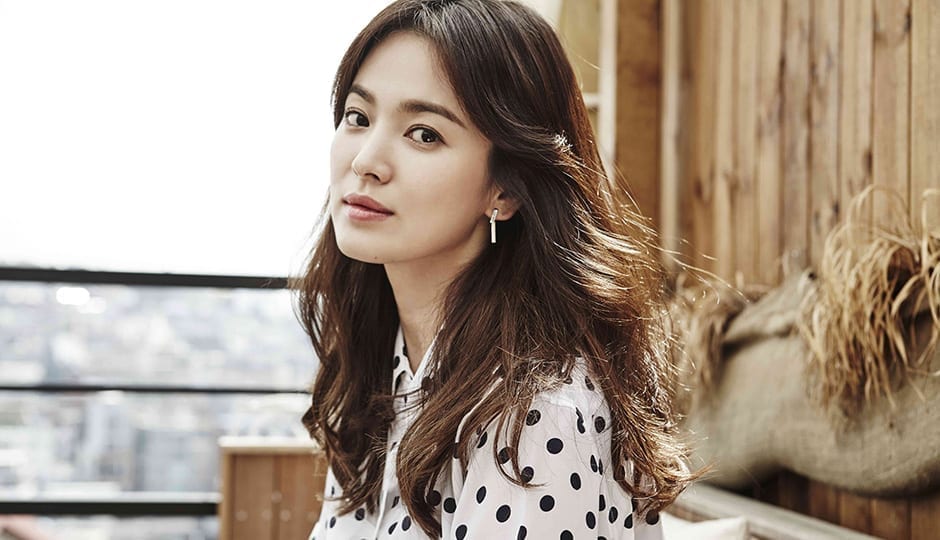
    Whoo, a luxury skin care brand by LG Household & Healthcare, posted high sales at duty-free shops largely backed by Chinese consumers. This led Sulwhasoo to hire actress Song Hye-kyo as its global brand ambassador, seeking a breakthrough. It was Sulwhasoo’s first-ever attempt to have a celebrity promote its products.

    In terms of sales, Whoo has outpaced Sulwhasoo by recording 2 trillion won of sales last year. Whoo has also made a 40.8 percent on-year increase. Sales of Sulwhasoo had been around 1 trillion won since it peaked in 2015.

    “It is not an exaggeration that Sulwhasoo is the only, but very strong, cash cow of Amorepacific Group. It is the most important department in the entire company. Employees, especially in that department, feel grave responsibility and pressure about having to pull up the sales,” an insider said.

    According to the group, around 55 percent of the company’s sales come from its luxury cosmetics brands. Of them, Sulwhasoo is responsible for 36 percent.

    Market insiders said budget cosmetics brands are also enduring fierce competition in the “red ocean” market, with more consumers looking for luxury, premium brands as the beauty trend now centers on anti-aging efforts.

    Industry experts see the causes of Sulwhasoo’s lackluster performance as coming from its brand positioning and sales strategy at duty-free stores.

    “In the luxury cosmetics market, Sulwhasoo has only focused on its simple, basic skin care products, whereas Whoo diversified its luxury product lineup and upgraded all the products of the brand,” said an industry insider surnamed Jung, who has been in charge of overseas sales for a cosmetics brand for 30 years.

    Amorepacific also restricted Chinese shoppers, or “daigou,” from purchasing in bulk at duty-free stores, he added.

    “As a result, Amorepacific could not stabilize its supply chain in China. But LG, unlike Amorepacific, rolled out flexible rules for daigou and increased their demand,” Jung added.

    Others added it may simply be the product design and brand concept that work better for Chinese customers, who prefer gold, royal and fancy images.

    “To Korean customers, design and concept of Whoo may be regarded as ‘too much.’ But Whoo wisely focused in the concept that can appeal to Chinese customers. Hiring Lee Young-ae as its main model was also very clever, because Hallyu stars like her are still very influential in the Chinese market,” said an industry insider who is very familiar to exporting cosmetics to China.

    Is overseas sales expansion only way?

    To overcome the situation, Amorepacific plans to once again focus on strengthening its luxury brand lineup, including cosmetics brand Amorepacific, which is a luxury skin care brand named after the company.

    The brand rolled out only 2,000 limited edition facial creams last year, priced at 750,000 won per bottle.

    The reason is largely due to weak sales of budget cosmetics brands such as Innisfree and Etude in the domestic market, as well as in China.

    In 2012, the company launched budget cosmetics brand Innisfree in China. It now operates 512 stores in cities like Hangzhou and Shanghai. As of last year, 50 percent of sales of Amorepacific’s Chinese corporation came from Innisfree.

    But sales had been on a decline amid competition with local players that launched brands like One-leaf with similar concepts — natural and clean.

    “There are already too many budget cosmetics in China. That’s why Chinese tourists coming to Korea are now looking for luxury, premium cosmetics that they cannot find in their market,” said a market insider, adding that the trend is especially evident among Asian countries.

    The company said it will renew the Innisfree brand and debut Primera to China this year, aiming for 601 billion won in operating profit by the end of the year. It will also accelerate Sulwhasoo store openings in additional Chinese cities, and expand touch points in online retail in major e-commerce sites such as VIP.com and JD.com.

    Earlier this year, the cosmetics giant announced the business goal of securing a 10 percent increase in sales and a 24 percent increase in operating profit this year. The group said it would focus on investing in innovative beauty sectors such as customized cosmetics or overnight beauty items based on developing the customer experience.

    “The company believes in the value of traditional Korean beauty. It is also Chairman Suh Kyung-bae’s business philosophy to create beauty products that can instill Korean beauty, products with value that can last for a century,” said a company insider.

    Overseas expansion actually did pay off for Amorepacific last year. Despite its increased investment in overseas markets, both sales and operating profits inched up by 8 percent to 1.9 trillion won and 6 percent to 2.6 trillion won, respectively.

    But some say it is time for Amorepacific to bring in a new cash cow for practicality, referring to LG Healthcare & Household’s budget brand The Face Shop that bought Avon’s manufacturing facility in China last year.

    “It is time for Amorepacific to make the bold move and seriously consider active M&A ideas. M&A can offer positive opportunities in terms of global market expansion and investment for future. Especially when global beauty companies like Loreal and Unilever are buying Korean beauty brands, it is important for the company to take a strategic position to diversify brand portfolio for global competition,” said a researcher at Euromonitor International.

    Seo Yong-koo, a professor of business at Sookmyung Women’s University, said Amorepacific should not put all its risk in the Chinese market.

    Seo said since Amorepacific saw aggravating sales following its downfall in the Chinese market, the company experienced that its market portfolio is important. He added the group should also take the Muslim market into consideration, which will add up to 1.8 billion customers.

  • Amorepacific’s eSpoir sets foot in Thailand

    Amorepacific’s eSpoir sets foot in Thailand

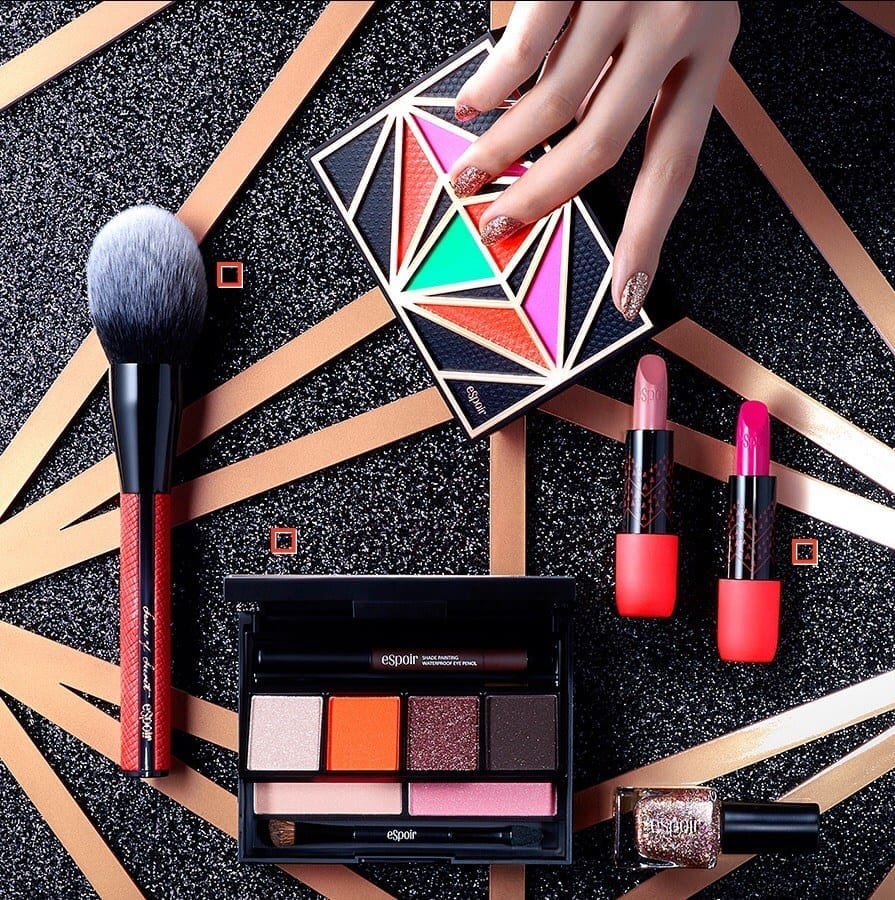
    Amorepacific-owned makeup brand eSpoir has launched in Thailand via cosmetics retailer chain Eveandboy. Nearly 130 eSpoir products are available at Eveandboy stores at Siam Square One shopping mall and at Terminal 21 near Asoke Station. The highest-profile eSpoir products include Dewy Face Glow moisturiser with hyaluronic acid, No Wear Lipstick, and Pro Tailor Foundation Be Silk / Be Glow.

    The South Korean brand will launch in eight more Eveandboy stores and an online mall to build a strong presence in the Thailand beauty market and expand channels.

    Amorepacific says it plans further expansion into other Asean countries.

    “We are pleased to be able to bring Korea’s representative makeup brand, eSpoir, to Thailand, the largest beauty market in the Asean region. The launch of eSpoir will surely strengthen our brand portfolio in Thailand and drive further growth,” said Choi Woong, Amorepacific Thailand GM.

    The group will diversify its brand portfolio spanning skincare and makeup for its sustainable growth in Thailand.

    Other brands available in Thailand including Sulwhasoo, Laneige, Mamonde, Innisfree and Etude House.
    Founded in 1945, Amorepacific sells more than 20 cosmetics, personal care, and health care brands in Asia, North America, and Europe.

  • Top 10 Asian brands to keep an eye on in 2019

    Top 10 Asian brands to keep an eye on in 2019

    Last year, a rank report is released the #10 Best Performing Brands of 2017. The ranking gathered a mix of brands, which stood up from the crowd for incredible brand activities throughout the year.

    This year, the ranking focuses on Asian brands, which have registered a rapid growth in 2018 in terms of POS, distribution channels, global expansion; among them digital native brands that quickly captured a conspicuous pie of the market by conquering Millennials and GEN Z with their Intagrammable moods. From Korea to Japan, from cosmetics to accessories, the list covers the main trends to keep an eye on in 2019.

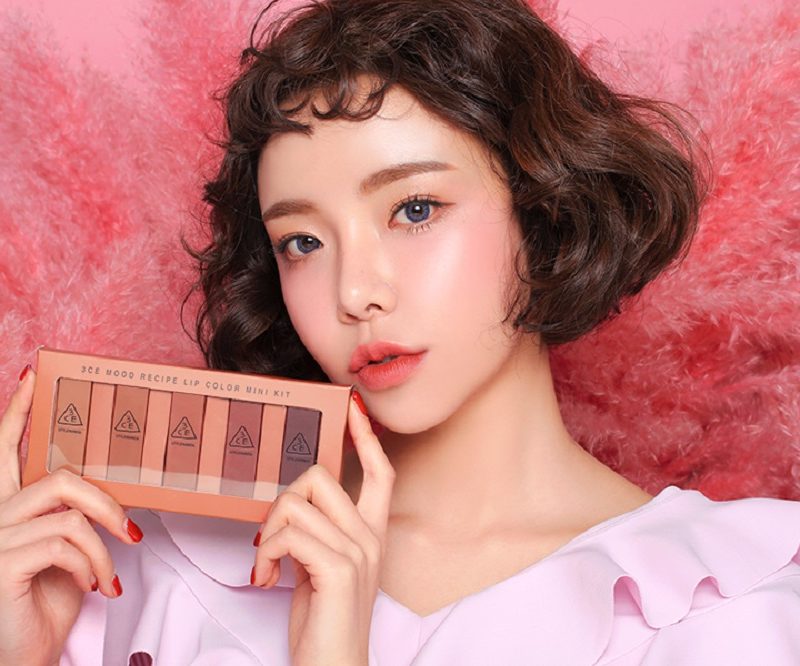
    3CE – The most Instagrammable cosmetics brand

    Launched in 2009, 3 Concept Eyes (3CE)  is the popular Korean cosmetics label of Stylenanda and is one of the youngest and most playful brand on the block.

    Founded by Kim So-Hee, the cosmetics label with mid-end price points was ranked No. 1 as the most preferred K-beauty brand by Chinese consumers in multiple surveys.

    The secret behind the success of the brand is the strong appeal it draws from Millennials and Gen Z. From product design to distribution, each facet of 3CE is thought to be Instagrammable.

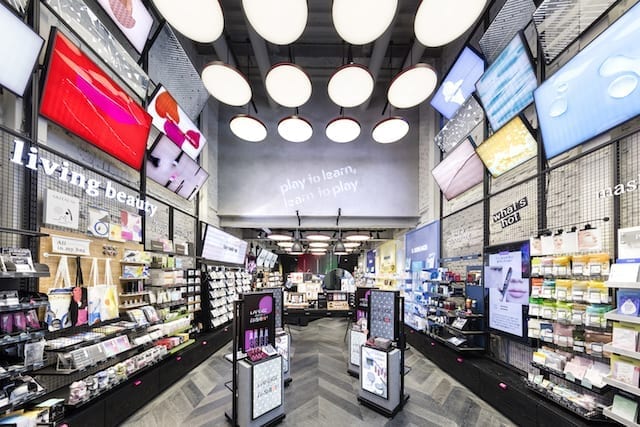
    Living proof is the brand’s movie-themed flagship store in Gangnam-gu, Seoul, which turns its clients into stars getting ready to go on stage in make-up booths with colorful lighting and props in cute baby pink colors.

    Among the Instagrammable products, the brand’s jewel-like tubes of lip gloss have become a status symbol for Millennials and Gen Z, being featured in famous K-drama “Missing You” and now blanketing stores all over Asia.

    To keep it trendy, 3CE collaborated for the second year in a row with Maison Kitsuné to launch a second make-up range offering the perfect French x Korean beauty fusion with girly packaging.

    Available offline and online, 3CE’s products are distributed through its parent’s company, Stylenanda, multi-channel distribution model which includes e-commerce, speciality retailers, and point of sales in department and duty free stores.

    In less than a decade, 3CE has managed to become the fundamental pillar of Stylenanda and today represents more than 70% of the business with a 127 million euro turnover in 2017 and nearly 400 employees.

    It was actually 3CE which drove L’Oreal’s acquisition of Stylenanda earlier this June, the group’s first investment in a K-beauty brand (the exact amount was not disclosed but industry sources estimate the company was sold for between 570 billion and 600 billion won.)

    A Bathing Ape – BAPE  -The Asian streetwear brand

    BAPE is one of the most hyped brands in streetwear defined by its young audience’s appetite for anything on offer.

    Founded by Nigo in 1993, it started as a hole-in-the-wall T-shirt shop in Tokyo’s Harajuku district but in the 2000s, the brand catapulted cult streetwear into the mainstream, and was co-signed by everyone from streetwear devotees to celebrities like the Clipse, Pharrell, Kid Cudi, and Jay Z.

    In 2010, Nigo stepped down from the company as CEO, but stayed on to assist with the transition after it was sold in 2011 to Hong Kong fashion conglomerate I.T for $2.8 million.

    The hype around BAPE is still as vivid today with its unique designs appearing on everything from apparel to luxury items as celebrities from all industries like The Weeknd or American rapper Pusha T can be seen rocking the label. BAPE also takes part in collaboration as we have recently seen the exclusive line launched with the French capital’s iconic football club, PSG (Paris Saint Germain).

    BAPE was the creator of the fundamental streetwear formula of hype, scarcity and public spectacle – the brand’s recipe for success. It managed to find the right balance between exclusivity and mass appeal with prices ranging from HKD$699 to HKD$3799.

    A Bathing Ape has a very powerful brand DNA defined by its strong aesthetics: to have the BAPE look, you must go to BAPE as no substitute will do the trick. More than a clothing line, the label is a lifestyle in itself. The brand has a particular approach to collaborations, taking a lifestyle based approach as seen with the Pepsi can and MAC makeup campaigns.

    As of today, A Bathing Ape has 33 stores opened around the globe which are sitting in Japan, France, the UK, China, Hong Kong, Korea, Taiwan and Singapore. Selected dealers around the globe also offer the brands’ products. Online, the brand has 3 official website and it is also available on Zozotown.

    Owndays– The fast fashion eyewear disruptive concept

    OWNDAYS is an international optical retail concept founded in Tokyo, Japan.

    It currently has more than 120 stores in Japan and has successfully established stores in 11 overseas countries in Asia Pacific with 43 stores in Taiwan, 36 in Philippines, 27 in Singapore, 20 in Thailand, 6 in Hong Kong and 17 more spread across Indonesia (5), Malaysia (4), Vietnam (3), Cambodia (3) and Australia (2).

    Shuji Tanaka, current president and CEO, took over OWNDAYS in 2008 and has transformed it into a retail chain operation that sells over 2 million pairs of glasses annually.

    Owndays’ 3 key success factors? Simple price, Quick Service and Good Value.

    Offering a simple price system to its customers with sets ranging from HKD$480 to HKD$1280, there are no hidden costs, a refreshing touch in the industry. Customers are also seduced by the brand’s wide portfolio of products which delights both Asians and Westerns, from children to elderlies, and which is delivered in an impeccable and rapid service – essential today as we all know that time is money!

    OWNDAYS is keen on working with different platforms from different industries, including participation in one of the largest fashion shows in Japan – ‘Tokyo Girls Collection’ in 2010, and as one of the official sponsors of the world’s first large scale fashion tournament for top stylists – ‘World Runway Premiere’ in 2011. OWNDAYS also sponsored the 4th Okinawa International Movie Festival in 2012.

    The brand has its designers, but they also do great collaborations such as that with Japanese designer, Jun Hashimoto or Fashion Designer Kansai Yamamoto

    With the recent investment this November from L Catterton Asia and Mitsui & Co., I believe there is so much more to come.

    Other two similar retail concepts also rapidly expanding all over Asia are  Zoff and Jins, which increase the number of Japanese companies targeting overseas markets; and therefore, worth mentioning in this ranking.

    Charles & Keith – The affordable women’s accessory brand

    Charles & Keith is a fast fashion retailer that specialises in women’s footwear and accessories and has achieved much international success over the years.

    Homegrown on Singapore shores, Charles & Keith was founded in 1996 by the two Wong brothers. Since its establishment, the brand has expanded to more than 450 outlets worldwide and went beyond brick-and-mortar stores by offering online shopping on its website to offer its stylish and trend-focused designs in Asia Pacific, the Middle East, Europe and the United States of America.

    Known for its high quality footwear and accessories inspired by runway styles and trends for the masses the brand is constantly reinventing fashion with its curated collections.

    Charles & Keith is the answer for the trend-conscious medium high-income consumers. Indeed with its affordable price tags (from HKD$69 to HKD$1,199) and constantly reinvented inventories (it produces an average of 1,000 new designs each year, with about 15-20 new designs being introduced into stores each week), its medium-high income customers do not give it a second thought before ravishing themselves into the beauty of shopping.

    The brand has built itself a loyal customer base resting on a relationship of trust from Charles & Keith to always provide them with the latest in affordable fashion.

    Celebrities and influencers also support the brand, sharing their looks on social media platforms such as Instagram to inspire their audience. The latest Charles & Keith Holiday party, held earlier this month, featured K-pop star Yura, South Korean celebrity Lee Harin, Hong Kong actresses Grace Chan, Angela Yuen, Hedwig Tam and Ashley Lam and actor Carlos Chan or Taiwanese fashion influencer Molly Chiang, all wearing the brand’s line.

    Charles & Keith is not short of creative designs as it continuously engages in collaborations with the likes of Tokyo-based illustrator WALNUT or Disney for an Alice in Wonderland collection.

    The brand already has stores in North Africa and as it is expanding in Asia. We have also seen it opening its London offices along with logistic center in the region to serve the European market this year. Would this be the beginning of its physical expansion to the West side of the world?

    Lady M- An international triumph of sweetness

    Originally opened in Japan in 2001 by Emy Wada, Lady M is a bakery and retail cake business globally known for its elegant, handmade Mille-Crepes Cake. Bought by Ken Romaniszyn family in the early 2000s, the entrepreneur was confident of Lady M’s potential and eager to expand the brand’s presence to the US. As he began opening Lady M’s first New York boutiques, the number of them steadily increased over the following decade as the brand gained ren

    In 17 years, the New-York based bakery has grown to 26 boutiques spread over the American and Asian continent where it is present in, Singapore, Macau, Taipei, Shanghai, Beijing, Nanjing and Hangzhou. In 2018, 5 boutiques popped up in Hong Kong, including 1 at the airport, which enables visitors to take cakes home to their beloved ones.

    Lady M’s global success can be attributed to its branding inside out. Inside – the quality and beauty of cakes is all we can hear about with people queuing up outside the famous bakery; outside – its iconic logo and sleek storefront design with marble and glass displays are simply hard to miss.

    Its key success factor is the distinctive texture given by its secret recipe, which pleases palates internationally.

    Gentle Monster – Still the best store experience

    Founded in Korea in 2011, Gentle Monster, which sells oversized and low bridge sunglasses with Asian fit at premium prices (from $200 to $500), has become one of the fastest trendy fashion eyewear brands in Asia and has over the year spread its reach globally. It is a good case study of an Asian brand that was able to adapt a mature product to the local Asian demands and trends.

    Gentle Monster is being sold in over 450 selected shops in over 30 countries including South Korea, France, Spain, Italy, Portugal, UK, and opened a branch office inNY, USA.

    In terms of revenues, the year 2017 registered 250 million USD, 70 percent of which is coming from direct sales. With last year’s investment by L Catterton (60 million USD for a 7% stake), the brand opened more markets with one of a kind concept stores suchs as a kung-fu fighting boutique in London or New-York’s new flagship space while cleaning part of their wholesale distribution. The Seoul-based firm is now resuming its delayed plans for an initial public offering while expanding its business portfolio by launching its own cosmetics brand.

    Gentle Monster’s success rests on 3 key pillars: Newness, Strange Aesthetics & Celebrities.

    Hankook Kim, CEO and Founder of Gentle Monster said that consumers are not paying for his products, but rather the feeling of experiencing something new and fresh. To keep appealing to unpredictable customers, he changes store displays every 21 days and curates them as he would an art-exhibition.

    Nevertheless, having the perfect product with a unique store design is not enough today.

    It was not until 2014, three years after it was established, that Gentle Monster suddenly became known by all of Asia as South Korean actress Gianna Jun was wearing Gentle Monster sunglasses when she appeared on the hit show My Love from the Star. Following her apparition, more Chinese celebrities were photographed wearing Gentle Monster such as Li Yifeng, Yang Yang, and Kris Wu. The fame also reached the West as models like Kendall Jenner and Gigi Hadid also wore the brand.

    As the brand is now expanding globally, it is trying to reduce its link to the K-pop culture. In that spirit, Gentle Monster recently collaborated with lauded Canadian retailer SSENSE on a Matrix-esque capsule, American fashion designer Alexander Wang or London photography collective-turned-streetwear purveyor Places+Faces.

    When it comes to its expansion, the new stores in Taiwan opening this coming January and K11 Musea in Hong Kong are full of promises.

    Pomelo – The fastest growing fashion digital native concept

    Pomelo Fashion, the Bangkok-based digital native fashion concept, is one of the fastest growing ASEAN brand.

    Launched in 2013 by former Lazada Thailand managing director David Jou, Pomelo positions itself as a digital native fashion brand that is vertically integrated, delivering to over 50 countries globally.

    At the roots of its model rests New Retail.

    The principle? Enabling shoppers to narrow down their choices online to then send their favorites to physical stores for trying on for fit. This model has been the key to Pomelo’s success as it can be done in a small space, saving on rent, while giving customers the opportunity to marry the convenience of online commerce and offline service.

    With currently 6 stores in Thailand, Pomelo is now looking to open a physical location in Singapore.

    In a 6 month time span, Pomelo has in the past actively launched new products across almost 20 product categories. Those high frequency and consistent launches ensures the newness of the assortment and keep customers coming back. And as quantity does not mean everything, Pomelo hires its designers locally to ensure it fits local tastes. Cherry on the top is the brand’s price points which are about half those of Western fashion brands like Zara and H&M.

    Its success has been noticed by many, attracting investors such as JD.com which led a US$19 million investment round last year or the likes of 500 Startups, Hong Leong Group and Jungle Ventures.

    Sulwhasoo – The holistic luxury South Korean beauty brand 

    Sulwhasoo is a holistic luxury South Korean beauty brand manufactured by Amorepacific Group. It all started in 1966 when Suh Sung-whan introduced his ginseng cream to the world, without ever suspecting it was just one of many he would later on develop under the Sulwhasoo brand, created in 1997.

    Revenue leader since 2005 in its domestic market and best-selling cosmetics brands at Incheon International Airport’s duty-free shops, Sulwhasoo was the first Korean beauty brand to make 1 trillion won ($921.8 million) in sales in one year. Starting from HKD$250, the brand’s signature products average HKD$1,500.

    The success of the brand comes from its high-quality product development, which combines traditional ingredients like ginseng, Sulwhasoo’s star ingredient, with advanced sciences (the brand owns a team of over 500 researchers focused on nature-driven formulas).

    Earlier this year, Sulwhasoo has appointed hallyu star Song Hye Ko as its global brand ambassador, the first face of the company since its creation.

    Other contributor to the brand’s success is its distribution as Sulwhasoo has extended its reach beyond Korea, starting in Hong Kong in 2004. It has since entered 11 more markets including China, Singapore, Taiwan, Indonesia, Malaysia, Thailand, Vietnam, the United States, Canada and France. It is now present in over 358 locations worldwide.

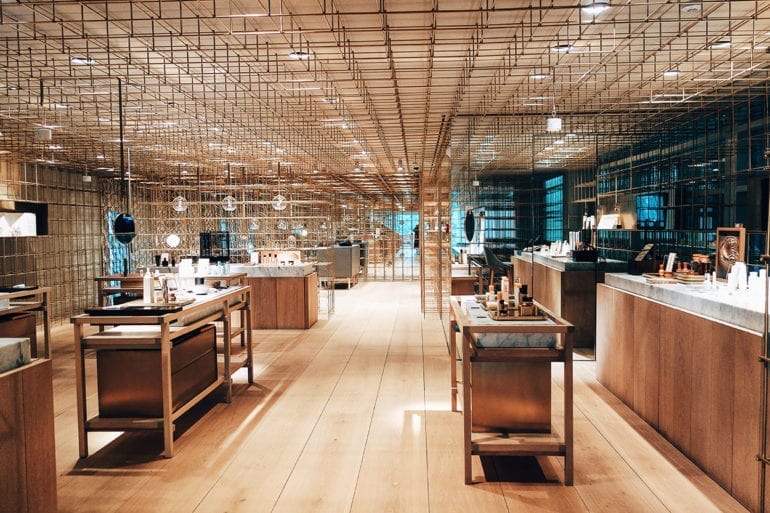
    In-store experience is toda a key element of a store success and the Korean beauty brand strives everyday to bring customers its experience of the five senses offering them a luxury experience through services such as gift wrapping and hand massage.

    This year, the company aimed at increasing its store openings in second and third tier cities while expanding into four tier cities. It also expanded touchpoint in online retail by offering its products on major e-commerce sites such as VIP.com and JD.com.

    Miniso – The Japanese-based variety store mushrooming worldwide

    Miniso is a low-cost retailer and variety store chain Japanese-based design brand and if it might be barely known in the West, the success of this company is not negligible.

    It has opened over 2600 stores in less than four years, with USD1.8 billion sales volume in 2017. At present, MINISO has reached strategic cooperation agreements with more than 70 countries and regions including the United States, Canada, Russia, Singapore, the United Arab Emirates, Korea, Malaysia, Hong Kong (China) and Macau (China), with an average monthly growth rate of 80 – 100 stores.

    Established in Japan in 2013, the brand was born from a co-founding between Japanese designer Miyake Junya and the young Chinese entrepreneur Ye Guofu, a former designer.

    Miniso’s success rests on its wide variety of high quality products which boast a modern design but a very low price, ranging on average from US$1 to US$30.

    Its in-house product development also contributed to the success as over 200 procurement managers are constantly scanning the global market to spot trends and allow the brand to launch new products every week. Miniso also employs more than 500 product designers from various countries, including China, Japan, South Korea, Sweden and Denmark to satisfy all tastes.

    I am looking forward to see if Miniso will reach the challenge it has set itself of opening 10,000 stores in 100 economies, including 7,000 stores overseas, and generating 100 billion yuan ($14.52 billion) in annual revenue by 2022.

    NARS –  Shiseido family’s rising brand

    Cosmetics brand NARS, launched in 1994 by French make-up artist François Nars, quickly became one of the most sought-after in the market.

    Acquired in 2000 by Shiseido Group, it has been leading  the growth in Shiseido Travel Retail’s make-up portfolio, particularly in Asia Pacific, where sales of NARS more than doubled in 2017 over the previous year.

    The two pillars behind NARS’ strategy? Product innovation and enhanced brand animation.

    NARS offers its customers a fully comprehensive range covering all bases which has successfully seduced them.

    Addressing Chinese Millennials, Nars has built its O2O strategy around the traveller journey, creating digital and physical touchpoints pre-, during, and post-trip encouraging customer interaction at all times. The brand creates a “virtuous circle” that enhances the consumer experience and amplifies the buzz in the source market of China to drive awareness and demand.

    Key to NARS’ positioning was the accurate selection of distribution channels. At the end of 2016, the brand was available at selected retailers in France, UK, Russia, Spain, Italy, Czech Republic, Poland, Switzerland, Sweden, Denmark, Turkey, UAE, Qatar, Kuwait, Saudi Arabia, Bahrain and in 4 Travel Retail locations. In total, 511 doors. In 2017, NARS launched in Portugal and The Netherlands.

    Recent collaboration include the collection NARS developed with Charlotte Gainsbourg – ultimate Parisian hip girl.

    NARS is part of the Shiseido’s family, and like all the other brands, has greatly benefited from Shiseido’s successes collected in 2018. The Japanese cosmetics giant has been an active protagonist of 2018 beauty narrative with the release of its sustainability campaigns touching upon environmental and social pillars. Additionally strong campaigns to support its social responsible identity, new appointments, and focus on research have been the main initiatives of this year.
  • South Korean cosmetics to seduce Europe

    South Korean cosmetics to seduce Europe

    South Korean cosmetics brands, wildly successful at home and across Asia, now have their eye on the European beauty market where their penetration is, for now, only skin-deep.

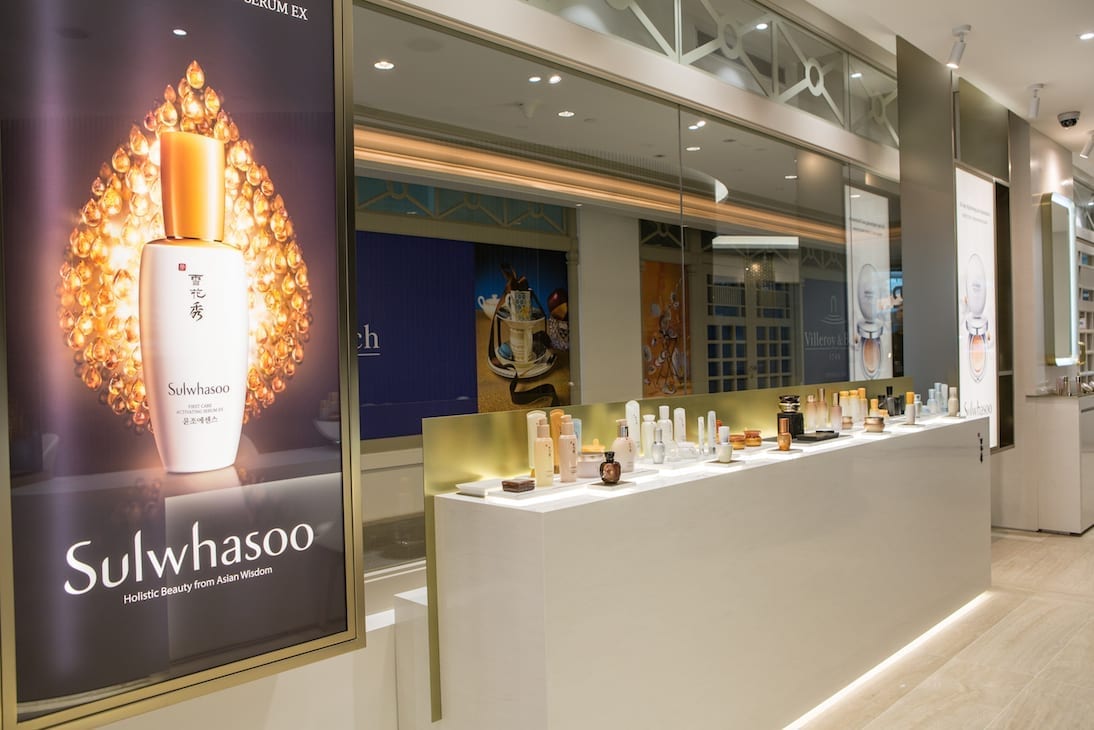
    Picking luxury goods powerhouse France as its bridgehead to seduce European consumers, South Korea’s leading cosmetics firm Amore Pacific launched its top brand Sulwhasoo at the upmarket Galeries Lafayette department store a few months ago.

    Britain is the next planned stop for Amore next year, when the company also plans to launch its other flagship brand, Laneige.

    The Korean industry has a solid reputation for innovation and a particular knack for blending natural far eastern ingredients – such as green tea, ginseng root or even snail slime – into beauty products.

    Hallyu, the “Korean Wave” of pop culture sweeping Asia since the 1990s, has given cosmetics sales a big lift, with young fans wanting to make up just like their K-Drama or K-Pop idols, or even become K-Beauty ambassadors for big brands.

    Amore Pacific, which had sales of around US$5.6 billion last year, is still heavily reliant on its domestic market, which accounts for two-thirds of its revenues.

    Its European and North American operations pale by comparison, generating combined sales of less than US$100 million.

    “The company’s aim today is to widen its geographical presence beyond Asia,” Thierry Maman, head of Amore Pacific Europe, told AFP.

    Tensions with Chinese clients after South Korea allowed the United States to install a missile shield added urgency to the group’s ongoing drive towards “globalisation”, said Maman, who was a manager at French luxury conglomerate LVMH before joining Amore.

    One of the challenges for European expansion is that the Korean Wave of pop culture has not really taken off there.

    The Hallyu association can even be a bit of a drawback, says Laura Koeppler, who co-manages the Korean Smooch online store which sells avant-garde cosmetics made in Seoul to European customers.

    Koeppler said early Korean cosmetics imports to Europe rode a wave of enthusiasm for Kawai, meaning “cute” in Japanese, including TonyMoly and Skin79 which makes face masks in the shape of a panda.

    “Consumers thought that that is what South Korea is about,” she told AFP.

    Koeppler said that, actually “there is real skill” in K-Beauty, which has come up with game-changing products such as BB creams, good at covering imperfections, CC Creams, which improve complexion, and so-called “cushions”, which blend skincare and make-up ingredients into a single product.

    Merging traditional Asian ingredients with ultra-high tech components is another hallmark of Korean cosmetics making.

    South Korean beauty and skincare require different “application rituals” than those Europeans are used to, said Thierry Maman.

    “There is a need for guidance” for European consumers wanting to work Korean products into their routine.

    “The priority for western brands is the effectiveness and the quantity of active ingredients that they manage to incorporate” in a beauty product, he said.

    But in Asia “the smell, the touch and the pleasure that a cream brings” are just as important, according to Maman.

    A number of Western beauty companies have copied South Korean cosmetics inventions, industry experts say.

    But sometimes they simply buy into local companies for fast Asian market exposure, such as when Unilever picked up South Korea’s Carver, LVMH bought a stake in CLIO Cosmetics and Estee Lauder invested in Dr. Jar+ and DTRT.

    These acquisitions “show that western beauty giants acknowledge K-Beauty players as a fast and effective instrument to capture China and emerging Asian markets. Private equity firms will continue to drive such deals, attracting the appetite of western beauty giants”, said Sunny Um, Asian beauty sector analyst at the Euromonitor research firm.

    L’Oreal, the world’s biggest beauty products company, could be next on the takeover trail.

    “We are looking at all acquisition opportunities in South Korea,” L’Oreal’s chief executive, Jean-Paul Agon, said recently.

  • Amorepacific bets on luxury cosmetics for Europe push

    Amorepacific bets on luxury cosmetics for Europe push

    After launching in France last year, South Korean cosmetics company Amorepacific aims to introduce one of its luxury brands in Britain this year and in Germany next year.

    It began selling its luxury Sulwhasoo brand of creams and other cosmetic products in Galeries Lafayette department store in Paris in September.

    Amorepacific Europe head Thierry Maman, hired in 2015 from the perfume and beauty arm of LVMH’s Givenchy, says the Paris outlet is a good testing ground.

    The group first tried to break into the French cosmetics market 30 years ago but withdrew after just two years because of poor sales. It bought French perfume house Annick Goutal in 2011.

    Maman says France is a tough market, but Sulwhasoo is betting on drawing customers with its traditional herbal-inspired formulas.

    Amorepacific’s European revenues, including Goutal, are less than €50 million (US$60 million) annually but are expected to rise by 20 per cent is year, he says.

    Sales were hit last year when diplomatic tensions with China cut back Chinese tourists to South Korea. Relations are now on the mend, but Amorepacific’s sales fell 8 per cent to about KW4 trillion (US$3.76 billion) in the year to September.

  • Hye Kyo is now the new face of Sulwhasoo

    Hye Kyo is now the new face of Sulwhasoo

    Sulwhasoo, a brand of AMOREPACIFIC, selected Song Hye-kyo, Asia’s leading actress, as its brand ambassador.

    Song Hye-gyo will play a role in delivering the story of the brand to customers through various global campaigns of Sulwhasoo.

    Song Hye-kyo is a Korean celebrity leading the Korean Wave, also official PR ambassador of ‘Korea-China Economic Trade Partnership’.

    Sulwhasoo brand official said “Song Hye-kyo is a talented actress who is able to communicate with consumers around the world and express her unique personality”.

    “In addition, Sulwhasoo is a brand that has conveyed Korea’s unique cultural beauty. Through Song Hye – kyo, we will be more solidly aroused by the true aesthetics found in the philosophy of tradition, modernity, harmony and balance.”

    The artist Song Hye-kyo, who is loved all over Asia, will show off her timeless beauty and tit will be associated with Sulwhasoo.

    Sulwhasoo pursues the balance between internal and external beauty by gaining wisdom from nature and cultivating beauty as a precious gift.

    Sulwhasoo is indeed made of aunique ingredients of Asian wisdom which are ‘Jiemdan’ and ‘Ginseng.’

    As of 2017, Sulwhasoo has expanded into 12 countries worldwide including Korea, China, Singapore, Hong Kong, Thailand, Indonesia, Malaysia, Taiwan, Vietnam, USA, Canada and France and it is a true global brand not only in Asia and the Americas but also in Europe. It is strengthening its position by conveying Korean beauty and values throughout the world.

  • Sulwhasoo to enter French cosmetics market

    Sulwhasoo to enter French cosmetics market

    Amorepacific’s cosmetics brand Sulwhasoo will launch an independent store at France’s largest department store chain Galeries Lafayette this September.

    The French upmarket department store is the largest chain of its kind in the country, and is famous for selling designer labels and luxury beauty brands favored by customers with deep pockets.

    It will offer the brand’s best-selling products, such as its First Care Activating Serum and Concentrated Ginseng Renewing Cream, which are Sulwhasoo’s signature products.

    The store will be designed with oriental herbal medicine motifs, and traditional raw materials such as ginseng displayed, with an aim to attract French customers based on philosophy and authenticity as Korea’s leading cosmetics brand. Sulwhasoo’s products will also be sold on Galeries Lafayette’s online mall.

    The entry into Galeries Lafayette is a meaningful challenge for Amorepacific in that it will target the French market, also known as the birthplace of beauty products. AmorePacific’s first entry into the French market was the export of the “SOON” brand in October 1988.

    In August 1990, AmorePacific established a local corporation in Chartres, produced the Liricos brand and made a discreet foray into France. However, due to the lack of consideration for local customers and the loss of sales rights, the two brands were in a crisis.

    AmorePacific then established a strategy to target the fragrance category in the French cosmetics market. AmorePacific established a factory equipped with ultra-modern facilities in Chartres in April 2004 and took over the luxury brand “Annick Goutal” in August 2011 to strengthen its perfume brand portfolio. The firm is now expanding their perfume business into new overseas markets.

    By entering Galeries Lafayette, Sulwhasoo will continue to strengthen its presence as a true global brand not only in Asia and the Americas but also in the European market, delivering Korean beauty and value throughout the world.

  • Mamonde launches Singapore site on Lazada

    Mamonde launches Singapore site on Lazada

    Korean beauty products brand Mamonde has launched an e-commerce site on Lazada to introduce its skincare and makeup products into Singapore.

    Mamonde’s USP is using flower extracts in its products. Camellia, hibiscus, honeysuckle, lotus and magnolia blooms are hand-picked and frozen or heat dried, with the active ingredients then being extracted.

    Mamonde Lazada SG

    There are plans to also open a physical store in Singapore eventually, says Amorepacific, which also owns the brands Etude House, Innisfree, Laneige and Sulwhasoo.

    “Launching digitally first in Singapore was a deliberate move that allows us to observe consumer purchasing habits before scaling up operations in the market,” says Amorepacific Asean regional head Robin Na.

    “While the beauty industry in Singapore is mature, we believe that consumers there are still hungry for new brands.”

  • Innisfree to launch in Indonesia

    Innisfree to launch in Indonesia

    Beauty products brand Innisfree is launching in Indonesia with brand curator Time International.

    Part of Korean global beauty company AmorePacific Group, Innisfree offers products made with natural ingredients from Jeju, a volcanic island off the southern coast of the Korean Peninsula.

    Innisfree’s first store will open at Central Park Mall Jakarta on March 24, following its introduction in such markets as China, Hong Kong, India, Malaysia, Singapore, Taiwan, Thailand and Vietnam.

    As well as skincare, Innisfree will offer colour cosmetics in Indonesia, says international business VP Chul Kim.

    Innisfree was launched by AmorePacific Group in 2000, joining its brands Laneige and Sulwhasoo.

    Founded in the 1960s, Time International manages multi-brand retail stores as well as mono-brand boutiques for such brands as Cartier, Chanel, Chopard, Diesel, Fendi, Fossil, Project X, Rolex, Sweet Monster and Tag Heuer.

  • DFS Group completes City of Dreams store

    DFS Group completes City of Dreams store

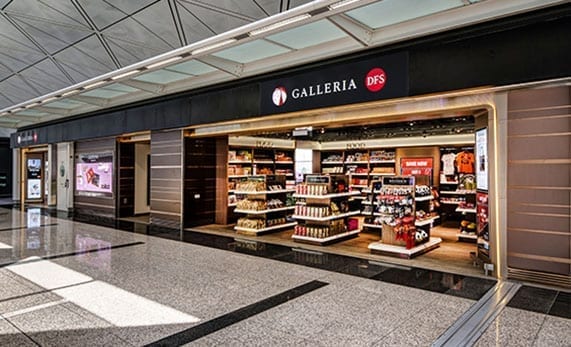
    Luxury travel retailer DFS Group has unveiled the final phase of T Galleria by DFS, City of Dreams store in Macau following a year-long expansion.

    DFS Group chairman/CEO Philippe Schaus says the the store offers travellers the breadth of a luxury shopping mall with the personalised service of a high-end department store.

    An expanded jewelry offering was also unveiled in December, bringing key luxury jewelry brands Tiffany & Co. and Van Cleef & Arpels to T Galleria by DFS, City of Dreams as well as new watches boutiques from Audemars Piguet and Vacheron Const
    An expanded jewelry offering was also unveiled in December, bringing key luxury jewelry brands Tiffany & Co. and Van Cleef & Arpels to T Galleria by DFS, City of Dreams as well as new watches boutiques from Audemars Piguet and Vacheron Constantin

    Opening in 2009, T Galleria by DFS, City of Dreams expanded throughout last year to more than three times its original size. Stretching across 173,000 sqft (16072 sqm), the expanded store includes the group’s debut shoe hall. The largest shoe floor in Hong Kong and Macau, it features more than 50 men’s and women’s shoe brands across two levels, including exclusive-to-Macau brands such as Aquazzura and Rupert Sanderson.

    Men can also enjoy a dedicated multi-branded, lifestyle area that mixes ready-to-wear, accessories, shoes, watches and grooming all in one space to allow shoppers to complete a head-to-toe look with ease
    Men can also enjoy a dedicated multi-branded, lifestyle area that mixes ready-to-wear, accessories, shoes, watches and grooming all in one space to allow shoppers to complete a head-to-toe look with ease


    There are more than 40 fashion and accessories brands in the outlet, including Dior, Fendi, Louis Vuitton, Miu Miu and Prada. The expanded beauty offering comprises two wings across 23,000 sqft and nearly 70 beauty and fragrance brands, making it the largest beauty hall in southern China. Highlights include Korean brands Hera, Laneige and Sulwhasoo.

    DFS Macau, City of Dreams – beauty

    For men there is a multi-branded lifestyle area that mixes ready-to-wear, accessories, shoes, watches and grooming in one space.

    DFS Macau. 1

    DFS Macau. 3

    An expanded jewellery offering was unveiled in December, bringing in such brands as Tiffany & Co and Van Cleef & Arpels. There are also new watch boutiques from Audemars Piguet and Vacheron Constantin.

    DFS Macau, City of Dreams - WJA Event

    T Galleria by DFS, City of Dreams is one of four T Galleria stores in Macau, including T Galleria by DFS, Shoppes at Four Seasons; T Galleria by DFS, Studio City; and the standalone beauty hall T Galleria Beauty by DFS, Galaxy Macau.

  • Tax changes lower Mainland cosmetics prices

    Tax changes lower Mainland cosmetics prices

    China’s new import tax regime has enabled cosmetics giants AmorePacific and Estee Lauder to lower their prices in China by up to 30 per cent.

    AmorePacific’s China division says it will reduce Mainland cosmetics prices for 327 lines under the brands of Etude House, Innisfree, Laneige and Sulwhasoo by 3 to 30 per cent from January 15.

    US rival Estee Lauder has confirmed immediate price cuts for more than 300 lines in China, including its namesake label, Bobby Brown, Clinique, Jo Malone, and Mac by as much as 18 per cent.

    This follows Beijing’s move last year to slash its hefty duties on imported cosmetics in an effort to boost domestic consumption, according to AmorePacific, which has its headquarters in Seoul.

    “These global cosmetics names are now narrowing the price gap between China and overseas, and we believe more are probably about to follow suit,” says China Market Research Group director Ben Cavender, noting that with western brands becoming cheaper in the mainland, people may be discouraged from travelling to Hong Kong to make purchases.

    Imported cosmetics previously faced tariffs of 84 per cent, reflecting both import and point-of-sales taxes. The tariffs have now gone down to 29 per cent for most beauty products.
    Before the tariff reduction, many mainland consumers shopped via cross-border online marketplaces or while travelling abroad.

  • Lotte Duty Free re-launches at Gimhae airport

    Lotte Duty Free re-launches at Gimhae airport

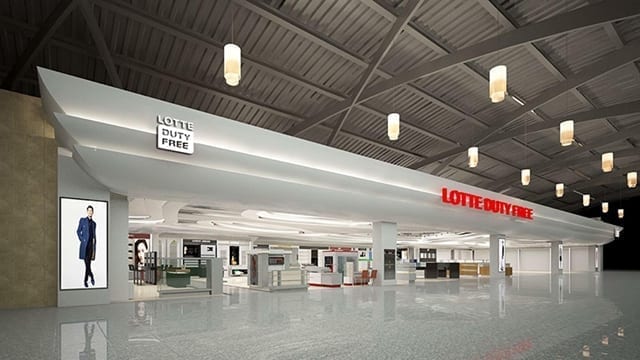
    After winning a Korea Airports Corporation (KAC) tender, Lotte Duty Free has officially re-launched at Gimhae airport.

    The retailer now has 980.44 sqm of space, an increase of 329.2 sqm over its area last year. Lotte Duty Free had a 158.34 sqm presence at the terminal when it opened in 2007 until early 2014.

    Fellow Korean retailer Shinsegae, which was at the airport until last month, is believed to have terminated its contract to focus on the city – it plans to open a 13,350 sqm store in the city centre – and its Incheon airport outlets.

    Meanwhile, Lotte is targeting sales of W120 billion ($US99.2 million) at the airport this year with daily sales of W200 million.

    Following an analysis of consumer shopping trends at Gimhae airport, the cosmetics area has been expanded by 40 percent with the introduction of such brands as Giorgio Armani, Jo Malone and Tumi.

    In its entirety, the Lotte offers more than 120 food, electronics and accessories brands at the airport, along with fragrances and cosmetics labels such as Chanel, Dior and Sulwhasoo.

    A special promotion to commemorate the grand opening at the airport offers as a grand prize for each of 30 Korean nationals and their partners a trip to Okinawa to watch the Lotte Giants baseball team train.

    Other customers can win pre-paid shopping cards, movie tickets, drinks coupons and gift certificates.

    Dufry Group also runs a duty-free concession at the airport.

  • China ripe for AmorePacific

    China ripe for AmorePacific

    AmorePacific, South Korea’s largest cosmetic company, has reaffirmed its commitment to China, seeing further room for growth in the rising middle-class consumers there, the firm said Thursday.

    AmorePacific has shown stellar performance in China with a range of luxury and low-end brands, thanks to the rising popularity of Korean drama and pop. It logged 5.66 trillion won (US$4.93 billion) in sales last year, up 20.1 per cent year-on-year.

    The Korean multinational owns the cosmetics and retail brands Etude House, Laneige, innisfree, and sulwhasoo, among others.

    “By 2020, the middle class population is expected to reach 500 million, and its size and influence will greatly expand in the next decade,” AmorePacific CEO Suh Kyung-bae said during a monthly meeting with senior officials earlier this month.

    While Beijing has applied non-tariff barriers, such as those on ingredients and the approval of foreign brands, Suh expects the focus of regulations will move to distribution to curb counterfeit items and the grey market.

    “However, the tightened retail regulations will have a limited impact on companies that have already established distribution channels in the Chinese market,” Suh said.

    While fledgling cosmetics producers have bloomed over the past years, Suh expects it will take time for them to match the level of its technology and brand power.

    “We will have to keep an eye on the growth of emerging local companies, but brand power is not something they can get in a short period of time,” he said.