Tag: Sun Art

  • Alibaba takes control of Sun Art hypermarkets

    Alibaba takes control of Sun Art hypermarkets

    Alibaba Group Holding Ltd. will invest about $3.6 billion to double its stake in Sun Art Retail Group Ltd., taking control of China’s largest chain of hypermarts to try and fend off rivals like JD.com Inc. in e-commerce’s hottest growth arena.

    Alibaba will raise its direct and indirect stake in the grocery chain to about 72% by acquiring equity from Auchan Retail International SA, then make a general offer to shareholders to buy out the rest of Sun Art. The latter’s Hong Kong-listed stock leapt as much as 30% Monday, its biggest intraday gain since 2011. Alibaba gained as much as 1.8% to touch an intraday record.

  • Alibaba to thank New Retail for Its record sales

    Alibaba to thank New Retail for Its record sales

    Continuing momentum in Alibaba Group’s New Retail business helped drive a 56 per cent year-on-year growth in sales for the quarter to December 31.

    The performance of the New Retail category – which combines its online (non-marketplace) and fast-growing offline retail businesses, including investments in Sun Art Retail and other established businesses – was a core highlight of the quarter, according to CEO Daniel Zhang.

    “Alibaba had another great quarter driven by the continued strength of the Chinese consumer and the wide and innovative range of services we provide for merchants and consumers,” he said.

    “We are excited by the continued momentum in New Retail, which came to life during another record-breaking 11.11 Global Shopping Festival. We expanded the scale and footprint of our New Retail initiatives with the vision of delivering true convergence of the online and offline consumer experience through mobile and enterprise technology.”

    Maggie Wu, CFO, said the group’s core business generated significant free cash flow of US$7.1 billion during the quarter, “enabling us to invest in New Retail, cloud computing, digital entertainment and globalisation”.

    Revenue from core online commerce (marketplace) activities rose 57 per cent to US$11.257 billion and from cloud computing by 104 per cent to $553 million. Digital media and entertainment sales rose 33 per cent to $832 million.

    The number of annual active consumers on Alibaba Group’s China retail marketplaces reached 515 million, an increase of 27 million from the year to September 30.

    Net income was $3.586 billion with operating margin was 31 per cent and adjusted EBITA margin for the core e-commerce business 53 per cent.

    Group highlights

    Alibaba summarised group highlights in its earnings statement, including:

    Taobao: Artificial Intelligence (AI) drove user engagement, with the Taobao app’s intelligent personal recommendations and innovative content formats continuing to drive strong growth in user engagement, conversion and annual active consumers. “We continue to invest in machine learning technologies which we apply to use cases that match consumer intent and product selection to deliver the best consumer experience.”

    Tmall: Tmall recorded 43 per cent year-on-year growth in physical goods GMV during the quarter, reflecting robust growth across all major categories including apparel and accessories, consumer electronics (mobile phones) and FMCG. “Tmall continues to be the platform of choice for the world’s top brands, with Givenchy, Giorgio Armani Beauty and Volvo establishing Tmall flagship stores and Longines, Hennessy, Dom Perignon and Baccarat joining our Luxury Pavilion in this quarter.”

    11.11: Last year’s annual November 11 Global Shopping Festival exceeded the previous year’s records, with GMV settled through Alipay on Alibaba’s marketplaces up 39 per cent year-on-year to $25.9 billion. “The continuous success of this record-breaking event is enabled by our resilient and scalable technology, as well as payments and logistics infrastructure that is capable of operating at massive scale.”

    New Retail: Rapid expansion through partnerships and innovative technologies included the opening of five new Hema fresh grocery stores in Shanghai, Beijing, Ningbo and Suzhou, taking the network to 25 at year end. “Hema exemplifies the convergence of online and offline retail by leveraging our in-store proprietary technology, digitised supply chain system, consumer insights and mobile ecosystem to provide a seamless experience for consumers.”

    In November, Alibaba formed a strategic alliance with Sun Art Group, the leading hypermarket and supermarket chain by revenue in China with over 440 stores nationwide. “Through this partnership, we aim to equip traditional retailers with our proprietary technology and know-how in online offline convergence to implement their digital transformation. In addition, the partnership with Sun Art will also enable us to accelerate the expansion of our New Retail offerings with national scale.

    International:  Alibaba’s cross-border and international retail businesses continue to show strong growth. Revenue from international commerce retail business reached $727 million in the, representing 93 per cent year-on-year growth, driven by its Southeast Asian platform Lazada and its global retail marketplace AliExpress. “While the markets for Southeast Asia and cross-border commerce remain very competitive, they are in the early innings of the game. We are optimistic about the long-term secular growth prospects of our international markets and will therefore continue to make significant investments for market share growth and focusing on the best customer experience.”

    Cainiao Network: Alibaba’s logistics division, Cainiao Network, processed 812 million orders during the 11.11 event. Cainiao Network operates an electronic shipping label system that standardises shipping data into structured formats, which enables efficient pick-and-pack operations for merchants and sorting and routing operations for delivery partners. “The advantages of this system have resulted in broad adoption by merchants and logistics service providers, both on and off our platforms, putting us in position to serve the growing consumption economy in China and roll out our New Retail strategy.”

    Cloud Computing:  Cloud computing revenue grew 104 per cent year-over-year to $553 million, driven by both robust growth in paying customers and revenue mix toward higher value-add product.  “In the December quarter, Alibaba Cloud launched 396 new products and features and continued to introduce proprietary AI technologies to tackle real-world challenges, such as traffic planning and optimising efficiency in manufacturing and airport operations. Alibaba Cloud continues to expand its customer base across a variety of industries.”

    Alibaba Cloud customers include Watsons China, carmaker Geely, and Beijing Capital International Airport.

    Digital Media and Entertainment: During the quarter, Youku video’s daily average subscribers more than doubled year-on-year, driven by several original drama series and shows that became popular hits with users.

    AI and innovation: Alibaba says its AI-powered voice assistant, Tmall Genie, surpassed 1 million unit sales since its official launch in July and the end of the year. “Tmall Genie is supported by a growing collection of sales and services and is an effective vehicle for offering a comprehensive set of every-day living applications within the Alibaba ecosystem,” the company said.

    In January, Alibaba’s Institute of Data Science Technologies (iDST), its AI research arm, developed a deep-learning neural network for natural language processing that scored higher than humans on a Stanford reading-comprehension test, the first time a machine has outperformed humans on such a test. “This development underscores Alibaba’s commitment to technology research which we believe builds the foundation for our growth in the long run.”

    Ant Financial: Alibaba Group agreed to take a 33 per cent equity stake in Ant Financial that will strengthen its strategic relationship pursuant to the series of agreements reached with Ant Financial in 2014. “We believe deepening our relationship through an equity stake in Ant Financial will bring key strategic benefits to us, including advancing our New Retail strategy with mobile payments, increasing user acquisition and retention through collaboration with the Alipay digital wallet (Alipay Wallet), and enhancing the execution of our international expansion.”

    The number of Alipay Wallet’s daily active users more than doubled during the quarter on a year-on-year basis.
  • Another Alibaba major step in China retail

    Another Alibaba major step in China retail

    This week’s Alibaba-Sun Art deal is a major step in the development of a new retail landscape in China, write Wai-chan Chan and Jacques Penhirin of Oliver Wyman.

    This is not a “real estate play” with Alibaba buying 446 grocery stores, but shows how serious Alibaba are in developing the “new retail” model combining the strengths of online and offline retail.

    The first winners from this alliance are likely to be consumers.  Alibaba will use its investment in Sun Art to improve its price, service levels and the range of products available. In addition, expect to see Alibaba add the ability to deliver a wide range of goods from these stores to consumers’ homes in super quick times. Today delivery time is the new battlefield but performance is still highly dependent on physical networks.

    In the context of retail this alliance is more important than Amazon’s acquisition of Whole Foods in the US.  Sun Art is the largest, and one of the most respected grocery players in China, while Alibaba already has a large grocery business, making it an alliance between two leading players in retail.

    Unlocking fresh

    Despite the huge advances in e-commerce in China, fresh food has been one of the areas that has been most difficult to convert to e-commerce.  Freshness is the key driver for consumers in grocery shopping. According to a survey of 1500 consumers Oliver Wyman conducted in August, consumers purchase fresh products 4.9 times per week on average, and ‘fresh’ is the number one criterion in grocery retailer selection regarding range, product quality, and value for money. However, 81 per cent of respondents do not think e-commerce provides good quality fresh products compared with offline hypermarkets.

    As one of the top two hypermarkets receiving the highest rating from consumers on their fresh offering, Sun Art has strong expertise in operating fresh categories, which will greatly unlock Alibaba’s capabilities.

    Ally or die

    It is becoming clearer that the endgame of two eco-systems being established by Alibaba and JD.com is inevitable in the retail landscape of China, which poses pressure on those ‘unallied’ retailers such as China Resources, Carrefour, WuMart, etc. For retailers, capturing traffic through their own e-commerce platform will become even more challenging. Traditional retailers must understand that they are competing with giants with unlimited abilities to invest and the ambition of integrating online and offline retail. O2O orders already contribute 30 per cent of sales of Alibaba’s Hema Fresh Supermarket – it is indeed transforming the economics of the offline shopping cart, which is challenged by the declining like-for-like growth over the past 12 successive quarters.

    Traditional retailers need to choose their battlefield very quickly, but expect compromise on bargaining power and decision-making in the long term.

    Bad news for second-tier brands

    The two ecosystems are not pure retailers anymore but integrated media and branding platforms. It does not leave Consumer Packaged Goods brands much of a choice but to closely coordinate with Alibaba and JD.com and learn their rules. Niche brands which understand both the ecosystem and consumers will take this opportunity to grow, and top-tier brands will continue to flourish if they learn how to effectively partner with Alibaba or JD, to have both parties learn from each other. By comparison, weak brands will suffer because the traditional retail stores they rely on are losing ground. Furthermore, as O2O develops, the terms and conditions will become more transparent within the two ecosystems. Promotional pressure will likely increase, requiring more diligence on the return on investment.

    Despite the prospects for this alliance, Alibaba and Sun Art need to start thinking how to effectively realise its potential. Operationally, there is huge complexity in integrating the two businesses and overcome barriers of management and culture. After all, it is more difficult to manage shoppers than to manage mobile devices.

  • Alibaba, Auchan, Sun Art partnership goal in China market

    Alibaba, Auchan, Sun Art partnership goal in China market

    A new Alibaba, Auchan, Sun Art partnership will further strengthen Alibaba’s efforts to integrate online and offline, say analysts.

    China’s Alibaba Group Holding, France’s Auchan Retail and Taiwan’s Ruentex Group have formed a strategic alliance to bring together their online and offline expertise to explore opportunities in China’s food-retail sector.

    As part of the deal, Alibaba is investing HK$22.4 billion (US$2.8 billion) to obtain an aggregate direct and indirect stake of 36.16 per cent in Chinese food retailer Sun Art Retail Group by acquiring shares from Ruentex.

    Auchan Retail is also increasing its stake in Sun Art, with the transaction giving it, Alibaba and Ruentex about 36.18, 36.16 and 4.67 per cent economic interest respectively in the multi-format offline food retailer.

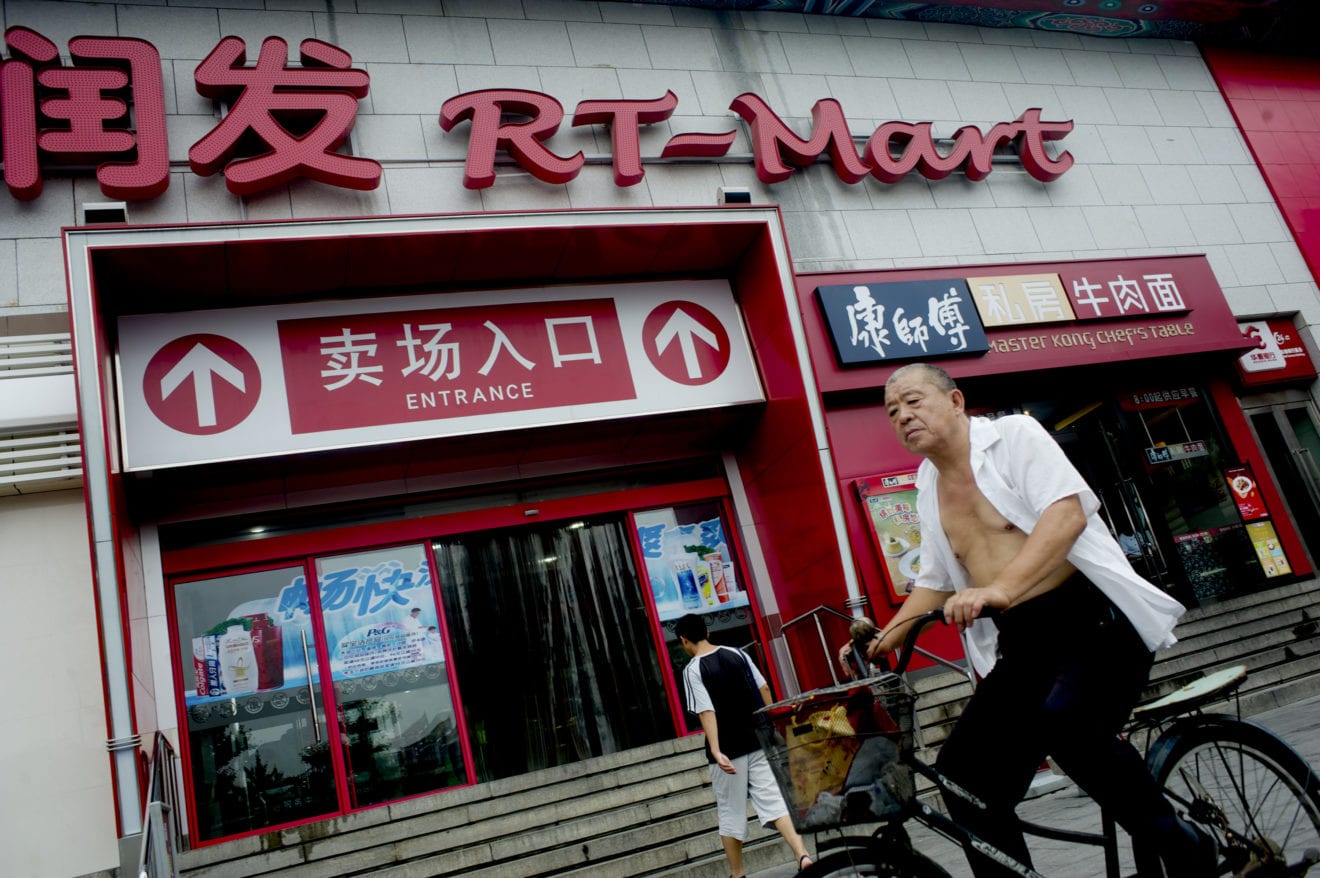
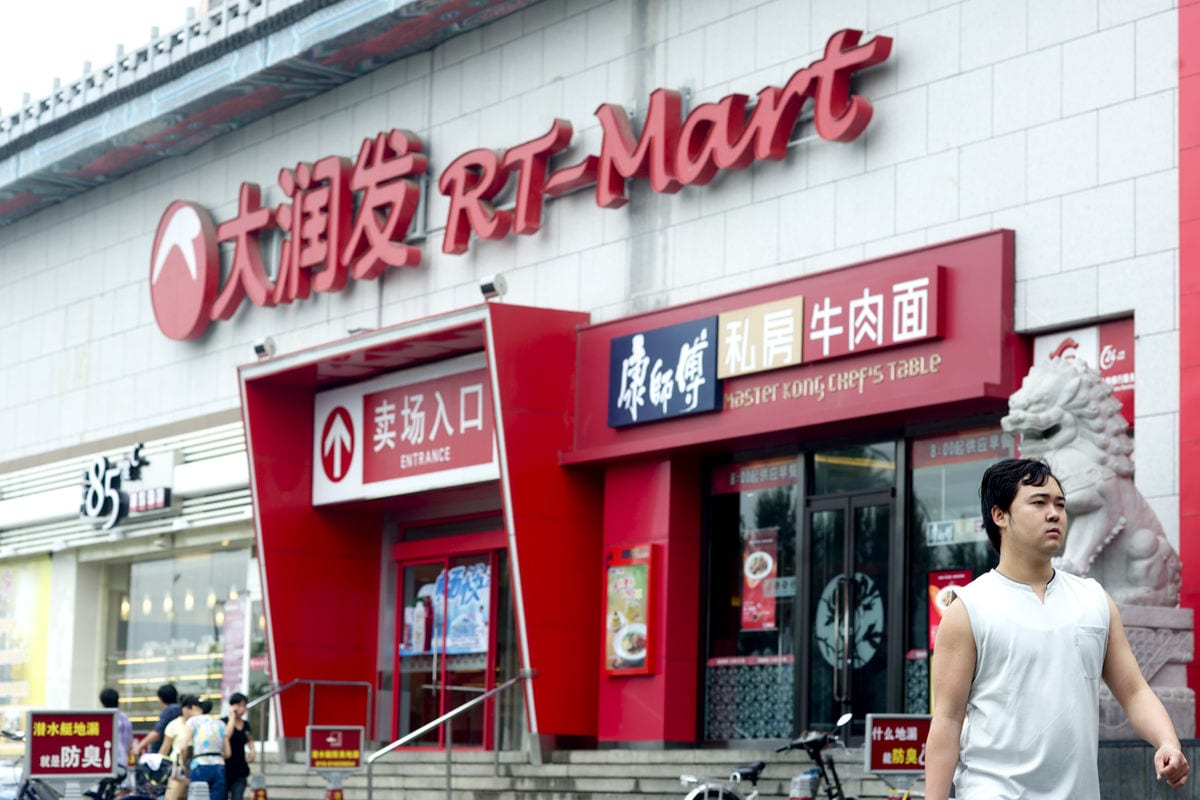
    Sun Art had a total gross floor area of about 12 million sqm in China at June 30. It has 446 hypermarkets as large as 17,000sqm across China under the Auchan and RT-Mart banners. It also has superstores and unmanned stores under the Auchan Minute brand.

    Alibaba says the alliance reflects its “new retail” concept, while Auchan Retail says it aligns with its “Auchan changes lives” vision.

    Alibaba Group CEO Daniel Zhang says the move aims to redefine traditional retail through digital transformation. “Physical stores serve an indispensable role in the consumer journey, and should be enhanced through data-driven technology and personalised services in the digital economy.”

    ‘Positive impact’

    “Bringing together the leaders of instore retail and of online retail will allow us to offer hundreds of millions of Chinese consumers a fully integrated, world-class shopping experience,” says CEO Wilhelm Hubner of Auchan Retail, which has a presence in 17 countries with 3715 points of sale.

    “Consumer demands have changed tremendously with the rapid growth of the mobile internet, and Sun Art is also trying to move from offline to online,” says Ruentex Group vice-chairman Peter Huang.

    “I think this deal will have a positive impact for all involved,” says OC&C Strategy Consultants associate partner Veronica Wang.

    “It will further strengthen Alibaba’s efforts to integrate online and offline,” says Wang. “Alibaba has been quite aggressive in investing offline in the past two to three years with its continuous investments in the likes of retailer Suning and mall company Intime, as well as its own launch of Hema supermarkets.”

    She says the alliance could help Sun Art build digital capabilities, with the company trying to tap into e-commerce and build an O2O business since 2014, but with limited success. “Feiniu.com was the first attempt, which is still losing money after three years, and Sun Art launched cashier-free self-service convenience stores this year which are still in the stage of trial and error.”

    OC&C associate partner Steven Kwok says the move is no surprise “especially when retailers in general are finding that grocery retailing, unlike other categories thus far, has encountered greater barriers to the shift online”.

    He says Sun Art’s reach across China not only gives Alibaba an enhanced distribution network, but also serves as a testing ground for digital initiatives.

  • Sun Art looks to fresh Fields

    Sun Art looks to fresh Fields

    Chinese hypermarket operator Sun Art Retail Group has bought a controlling interest in Fields Hong Kong, an online retailer of fresh foods and produce.

    No price was disclosed for the 54 per cent stake.

    Fields Hong Kong was established to provide an alternative source of produce in a market where food safety scandals have bred distrust of corporate retailers and fast food chains. Middle class consumers who have the disposable income to afford premium products from vendors they trust are a growing market for online suppliers.

    Sun Art, listed in Hong Kong, is part owned by France’s Auchan Group and Taiwanese billionaire Samuel Yin.

    In a statement the company said the purchase would “further strengthen” its Chinese eCommerce business.

    Fields’ competitors include Amazon.com-backed yummy77.com, kateandkimi.com and epermarket.com.

  • Lower tier boost for Sun Art

    Lower tier boost for Sun Art

    Chinese hypermarket operator Sun Art Retail Group says a move into lower-tier cities is bearing dividends.

    The group, a joint venture between French retailer Groupe Auchan SA and Taiwan’s Ruentex Group, says its profit rose 4.8 per cent last calendar year.

    Sun Art, already China’s largest hypermarket operator despite intense competition from Tesco, Carrefour and Walmart, opened 49 new hypermarkets during 2014, expanding its chain to 372.

    On Sunday the retailer announced its profit for 2014 was 2.91 billion yuan ($464.15 million) compared with 2.78 billion yuan ($442.64 million) in 2013.

    Sales rose from 86.2 billion yuan to 91.9 billion and gross profit margin by 1.3 percentage points to 22.9 per cent.

    Same store sales slipped 1.6 per cent as consumers enjoyed wider choice in the market and consumer spending was largely subdued.

    In the year ahead, Sun Art says it will continue to open new hypermarkets in lower tier cities and increase sales in its eCommerce business.