Retail News CRM

Tag: sunglass

  • Sunglass Hut underpaid employees

    Sunglass Hut underpaid employees

    Sunglass Hut underpaid hundreds of its part-time workers by about $2.3 million over more than five years.

    Luxottica Retail Australia Pty Ltd, trading as Sunglass Hut, has avoided prosecution by the Fair Work Ombudsman after entering a court-enforceable undertaking to repay the cash and agreeing to a $50,000 “contrition” payment.

    Between 2010 and 2016, Sunglass Hut failed to reach an agreement with part-time workers as required by the General Retail Industry Award.

    As a result, the company failed to pay $2,294,496 in overtime rates for work performed outside regular hours, to 620 employees at 253 stores across the country.

    Fair Work Ombudsman Sandra Parker said the undertaking was appropriate as the company had committed to overhauling workplace practices and rectifying all underpayments.

    “Sunglass Hut breached workplace laws and their conduct falls short of lawful obligations to their employees, and community expectations,” Ms Parker said.

    Sunglass Hut has already back-paid $1,485,590 to 457 staff, with $815,391 outstanding.

    As a gesture of contrition, Sunglass Hut must also hand over $50,000 to the National Association of Community Legal Centres.

    “This matter highlights that if employers incorrectly apply award conditions, it can have extensive and expensive consequences across the business for years to come,” Ms Parker said in a statement.

    “This outcome should also serve as a warning to all businesses that they need to actively check that they are paying their staff correctly.”

    Sunglass Hut must call in external auditors to check pay and conditions for workers every year until the undertaking ends in 2022.

    Luxottica must also issue a letter of apology to each of the affected workers.

    The company has been contacted for comment.

  • John Jacobs India aims to bag Rs 500 cr revenue by March 2021

    John Jacobs India aims to bag Rs 500 cr revenue by March 2021

    Lenskart’s eyewear brand John Jacobs is looking to garner Rs 500 crore in revenue in two years as it strengthens its retail presence and expands the product portfolio. The brand, which has eight stores currently in Delhi, Pune and Bengaluru, will add six more in the next two months and aims to set up about 50 stores by March 2021. “John Jacobs has been witnessing strong growth, we expect to close this fiscal with a topline of Rs 180 crore. By March 2021, we expect our revenues to touch Rs 500 crore,” Manan Duggal, Business Head, John Jacobs said.

    According to a report, about 40 percent of the sales is driven by online channels, with the rest coming from offline stores.

    Last year, Lenskart had said it will invest US$ 4 million in John Jacobs to fuel the brand’s expansion plans.

    “We are aggressively growing our presence both in online and offline. The brand is already retailing through Lenksart outlets (over 450 in more than 100 cities). The aim is to take the number of our own stores from 8 now to 50, by March 2021, covering all major metro cities,” he said, adding that the store expansion will entail investment of about Rs 10-15 crore.

    John Jacobs is also in discussions with fashion retail chains for distribution of its products.

    “In terms of online reach, we are already there on Lenskart and Amazon.in and will soon be available on Flipkart as well,” Duggal said, adding that the brand is aggressively expanding its product portfolio as well.

    John Jacobs recently introduced a new eyewear delivery model where the brand delivers eyeglasses, fitted with powered lenses, in a 20-minute timeframe.

    The service, currently available in select stores in Bengaluru, will be expanded to Delhi and Pune as well, Duggal said.

    He further said that with the new service, the brand expects to “see 30-40 percent upside in orders”.

  • Luxottica and CDFG/Sunrise launch new Miu Miu colour

    Luxottica and CDFG/Sunrise launch new Miu Miu colour

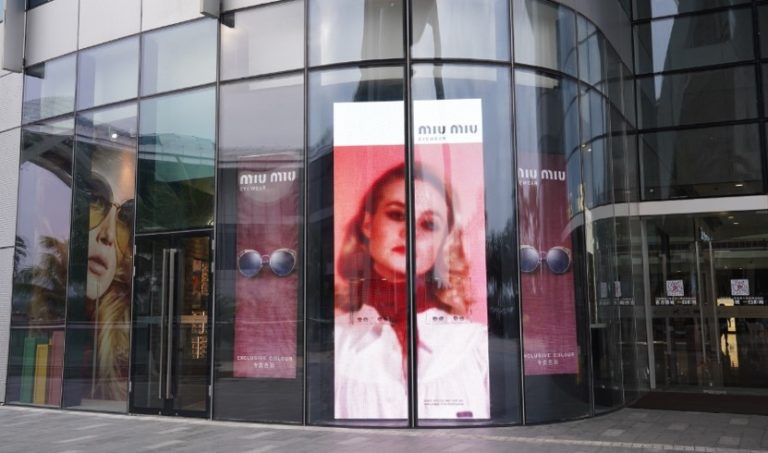
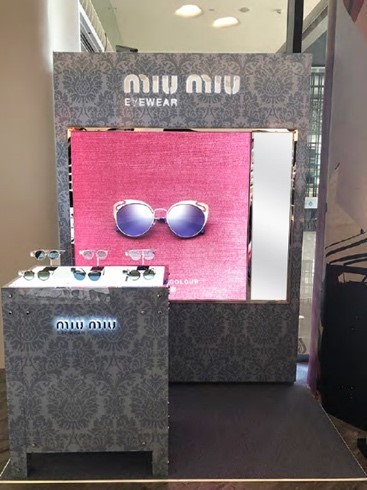
    Italian eyewear firm Luxottica Group has entered its second partnership with China Duty Free Group and Sunrise Duty Free to offer the latest Miu Miu sunglasses collection. The travel retail exclusive has opened in selected airports and other Chinese travel retail stores, trading a reinterpreted version of Miu Miu’s Noir collection. Pop-up sites and personalised backwalls have been prominently installed in the selected locations amplified by customised brand furniture and trained staff.

    “It is a privilege to partner with China Duty Free Group and Sunrise Duty Free on a second China travel retail exclusive color from Miu Miu,” said Luxottica’s travel retail director Enrico Destro. “Both retailers bring our brands to the heart of the Chinese travelling consumer, presenting the opportunity to collaborate on projects to truly capture Chinese spending power and sophisticated appetite for luxury brands, as well as respond to these consumers increasing demand for unique and exclusive products.”

    “At CDFG, our sunglasses category is growing in sophistication very quickly,” added China Duty Free Group’s fashion department director Lee Meili. “We see a large growth opportunity for the category and we will continue on our path to bring newness and exclusivity to our offer … This exclusive Miu Miu color was specially selected with Chinese travellers in mind, and has been presented in a very compelling launch package.”

  • Balenciaga launches first in-house eyewear line with Dover Street Market

    Balenciaga launches first in-house eyewear line with Dover Street Market

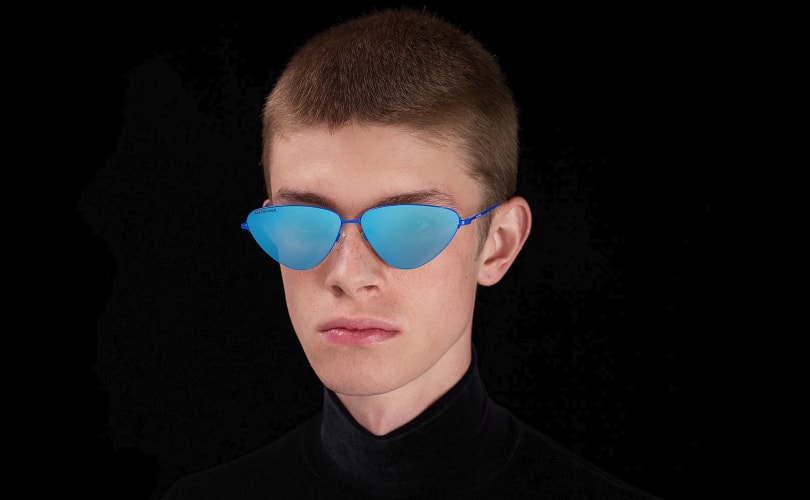
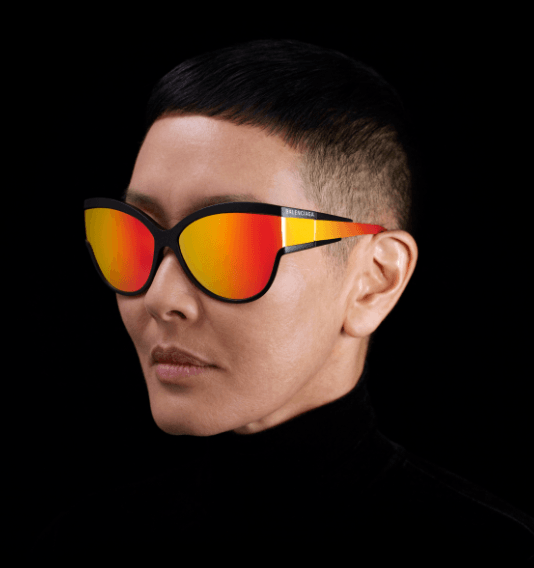
    French luxury house Kering has launched its first in-house Balenciaga eyewear line at British Dover Street Market stores. The new collection is exclusive to the DSM chain in the US, UK, Japan, Singapore and China, as well as the brand’s e-commerce channel. The high-end products are valued between US$290–570, with both sunglasses and prescription frames available.

    The Balenciaga eyewear line represents the first in-house Kering Eyewear product range. Previous Balenciaga collections were produced under Marcolin Eyewear, the creator of shades for numerous luxury labels.

  • Victoria Beckham signed eyewear license deal with Marchon Eyewear

    Victoria Beckham signed eyewear license deal with Marchon Eyewear

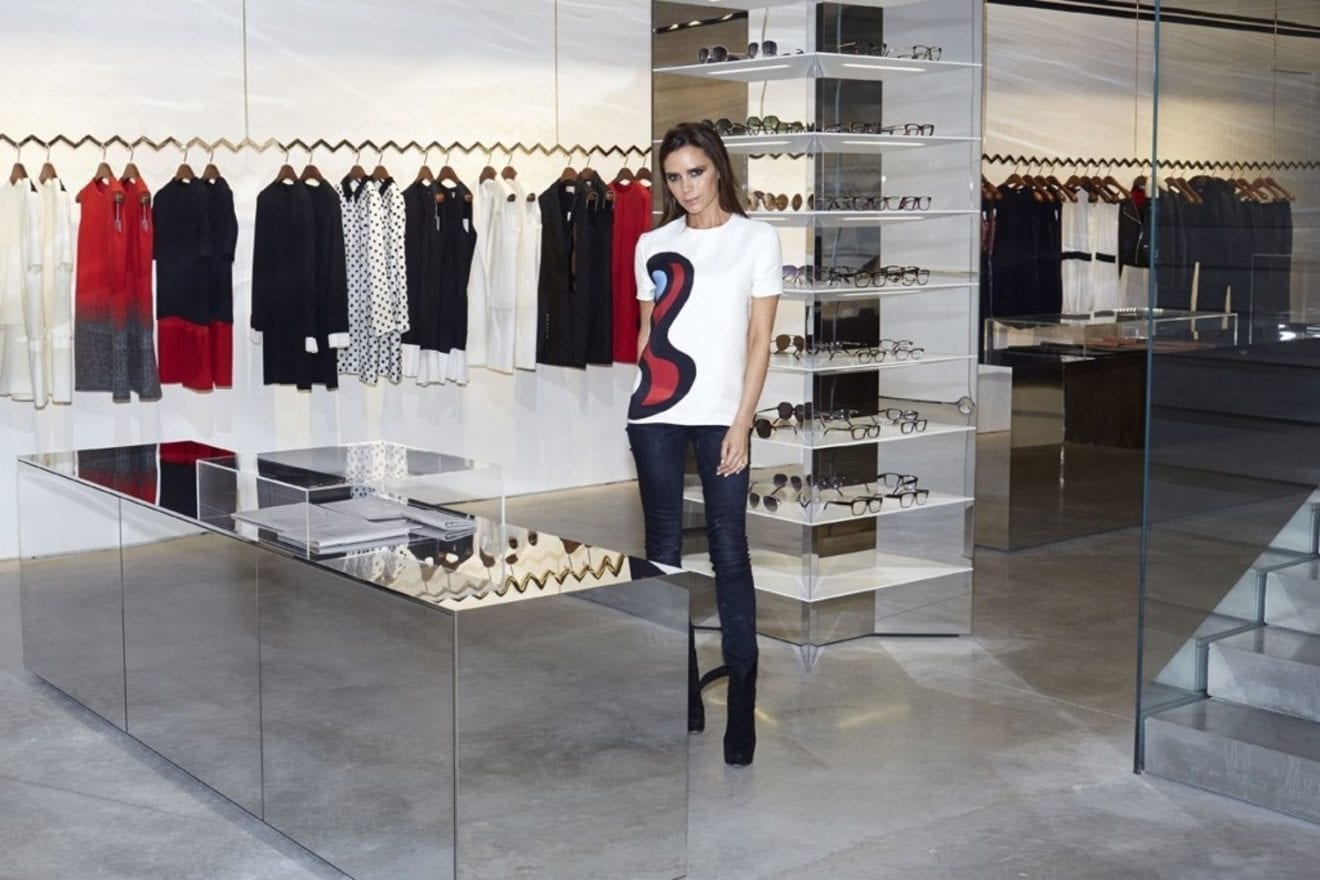
    Marchon Eyewear and Victoria Beckham Ltd have entered into an exclusive, long-term global licensing agreement for sun and optical eyewear. New collections developed under the agreement will roll out globally beginning Fall next year. The collections will be developed in Italy to align with Victoria Beckham’s brand aesthetic. Paolo Riva, CEO of Victoria Beckham Ltd, said the new partnership with Marchon comes “as we work towards reaching our global potential and expanding the brand following a series of strategic partnerships and appointments since our new shareholders Neo Investment Partners joined the business at the end of last year”.

    “Eyewear is synonymous with our founder and this license will allow us to scale our presence in the eyewear retail market and capitalise on Marchon’s technical innovation, expertise in product development and global distribution network.”

    President and CEO of Marchon Eyewear Nicola Zotta added: “We believe that the Victoria Beckham brand is on the rise and quickly becoming one of the most influential in the industry. We are committed to the success of this partnership and look forward to producing eyewear that characterises the brand’s trend-forward designs and contributing to the brand’s continued global growth.”

    The new line is planned to be sold globally in select department stores, specialty stores, and premium sun and optical retailers, as well as in Victoria Beckham retail locations and online at victoriabeckham.com.

  • Jins store opened a spectacular store in Shanghai World

    Jins store opened a spectacular store in Shanghai World

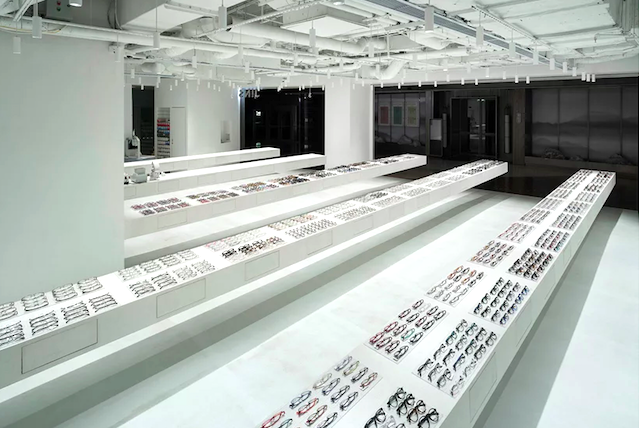
    Japanese eyewear brand Jins has opened a striking new store in the Shanghai World Financial Center. The Jins store was designed by Tokyo-based architect Junya Ishigami without any external entrance and features concrete counters that appear to float in the air, set against a stark, industrial setting, sporting hundreds of fashionable glasses frames. The counters are supported by heavy H-beams attached to a bowed steel sheet that covers the shop floor.

    The store is lit by strong 4000-Kelvin suspended luminaires that bring the bare walls into stark contrast. Ishigami commented, “I wanted to make a void space within a shopping mall.”

    Jins traditionally hires independent designers to fit out its retail areas.

    Jins founder and CEO Hitoshi Tanaka said: “I prefer working with architects on a space because they make more of an impact.”

  • Vietnamese entrepreneur makes glasses with wooden frames

    Vietnamese entrepreneur makes glasses with wooden frames

    Long, 23, was frustrated that he was not able to get a pair of glasses that were comfortable, of good quality, long lasting and somewhat unique. These are qualities people generally want in personal wear, especially one that adorns their face for most of the day, but Long was finding that such expectations were not easy to meet.

    No readymade glass in the market fit him.

    Then, as luck would have it, Long happened to meet Tran Hien, a man with an unusual business and passion.

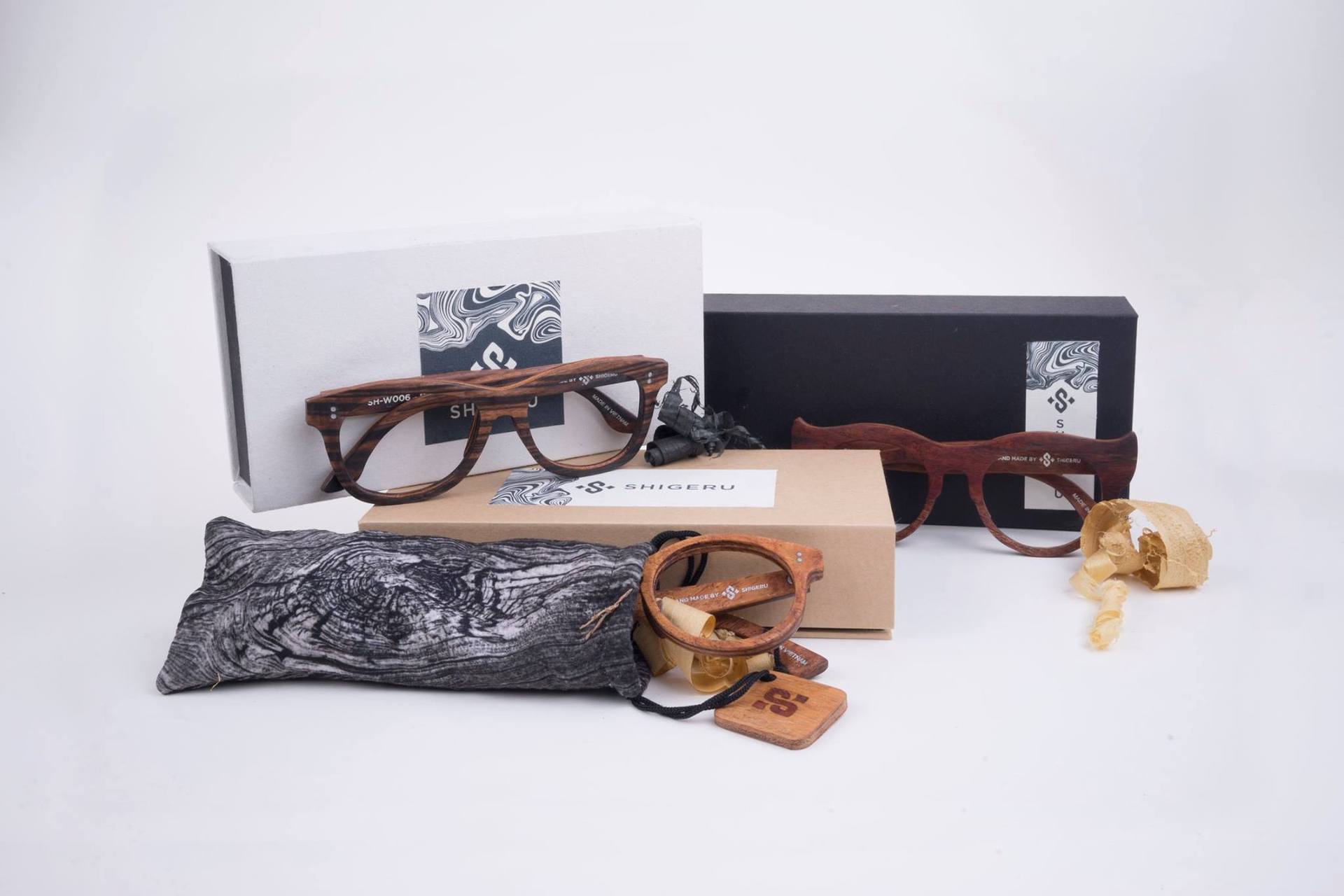
    Hien, whose business is called Shigeru Eyewear, makes spectacles with wooden frames, something that people might assume has gone completely out of fashion.

    Very soon after the meeting, the young customer happily accepted to pay VND1 million ($43) and wait 7-10 days for a pair of custom-made glasses.

    Long, like many other customers who go to Hien, wanted to get involved in the design process and was prepared to wait for the desired outcome.

    Every detail on the frame is carefully custom-made by Hien. On average, the process takes him around 4 hours.

    “Most of my products are handmade. Sometimes, I’m a bit shy shaking hands with people because of my calluses,” said Hien.

    The Japanese connection

    In 2012, Tran Hien graduated with a Graphic Design degree from the HCMC-based Van Lang University, specializing in branding. Through a friend’s introduction, he started working as a designer for a Japanese glasses maker called Shigeru.

    Hien was the first man in Vietnam to get this job, Shigeru told him.

    At first, Hien refused to accept a job where he had to actually make things himself. But Shigeru told him: “If you don’t try your hand at the job, you won’t be able to design something others can make.”

    After working at the production house under the guidance of the Japanese teacher and mentor, Hien not only gained more knowledge about glass-making, but also learned a lot more about an ideal attitude to life.

    “One time after lunch, the staff scraped off the burnt rice at the bottom of the cooker and threw it away. Shigeru saw it and told us, next time, don’t waste food like that, just break the pieces and share them with everyone,” Hien recalled.

    Shigeru’s company made glass frames, mostly in plastic, but also wood and bamboo sometimes, for export to Japan. He also wanted to open a store in Vietnam. But fate had other plans.

    Hien had been with Shigeru – someone who was more of a teacher than a boss – for around one year when tragedy struck. The production house got burned down, Shigeru went bankrupt and had to return to Japan.

    After his mentor left, Hien moved to Hanoi to find new opportunities.

    With zero business experience, he accepted a desk job with a real estate company in Hanoi. After several months of working as a graphic designer in the marketing department, he gained new insights into sales and marketing – something that not many designers care about.

    However, the sophisticated, carefully crafted glasses that Shigeru’s company used to make had left a deep impression on Hien, so after a while, he started to tinker with making glasses again.

    This time, his ambition was to create unique, wooden frames. It would be his niche product.

    Hien liked wood, its texture, colours and the natural patterns it carried. And even better, the longer it was used, the shinier it would get, something that cannot be said of other materials. His main focus was to create something unique, Hien said.

    It was very difficult to get this project off the ground, though.

    “I tried everywhere but no one wanted to cut wood as thin as I wanted, because it requires a lot of effort with little pay,” Hien said.

    After many attempts, one person who shared Hien’s determination to create made-in-Vietnam glasses (instead of Chinese ones dominating the market) accepted to work with him.

    It was still not easy. Many of his first customers had to wait for a long time because Hien was occupied with office work. On top of that, some of the products were not durable. Once, he was very embarrassed when a newly delivered pair of glasses broke as soon as the customer tried it on.

    Some people advised him that brand name, Shigeru, was difficult to market since it was not easy enough to read and remember. However, Hien wanted to commemorate the spirit of his teacher, who’d gladly consented to the student using his name.

    For the whole of 2017, when Shigeru Eyewear was founded, just 20 pairs of glasses were sold.

    The big plunge

    This year, Hien decided to quit his office job, which paid him VND15 million ($640) per month, and devote all his time and effort for his company.

    He studied days and nights, trying to find a way to increase the durability of his wooden frames, but that knowledge was nowhere to be found in Vietnam. Despite being “scientifically illiterate,” after months of perseverance, he finally discovered secrets to creating products that could survive even after  being thrown against the wall or dropped from up high.

    Hien’s current schedule involves meeting up with his clients to get their measurements and discuss their wants. After that, he works on the design, the production process, as well as building company’s image and increasing brand recognition.

    Each pair of glasses is customized to fit its owner

    His company sells dozens of customized pairs of glasses per month now.

    “Sometimes, design inspirations come from the customers themselves. For example, there was one customer who sells traditional clothes and wanted the glasses’ arms to be modeled like a tree branch, I found the idea very interesting and asked to keep the concept as a model for my catalog,” Hien said.

    So far he has been taking wood pieces from furniture companies, aiming particularly at ebony, Siamese rosewood, and Asian rosewood.

    But he’s very keen on being eco-friendly. He said that he was looking for an NGO or other organisations involved in reforestation that he can contribute to. He said that for every glass frame that he sells, he will use part of the proceeds to help reforestation efforts. He is also considering buying seeds and planting trees on his own, Hien said.

    Hien believes the ” For each tree you’ve taken, you have to give back as much to the forest.”

    Expansion plans

    Hien said that he is also looking for someone who can share his passion and can work on the business side of the company.

    Apart from keeping the core as an artistic line, Shigeru Eyewear aims to produce standard glasses that are of high-quality and made with local materials – something that is still missing in the Vietnamese market.

    He is also looking to start making and selling frames with other materials like palm wood and bamboo.

    Currently, glass frames made from wood are still something very new to customers, so he wants more people to have rare pairs of glasses with “Made in Vietnam” etched on them.

    Furthermore, like his beloved Japanese teacher, he hopes to find more people with whom he can share the knowledge he’s accumulated through the years.

    For now, from a time when the company only had a few hundred thousand dong (a dozen of US dollars) to buy materials, and all of the earnings were invested in buying better quality wood and tools, Hien can confidently say he can make a living with the brand.

    “I will spend the rest of my life for my “Made in Vietnam” glasses.”
  • Maui Jim to introduce new glass styles in Singapore

    Maui Jim to introduce new glass styles in Singapore

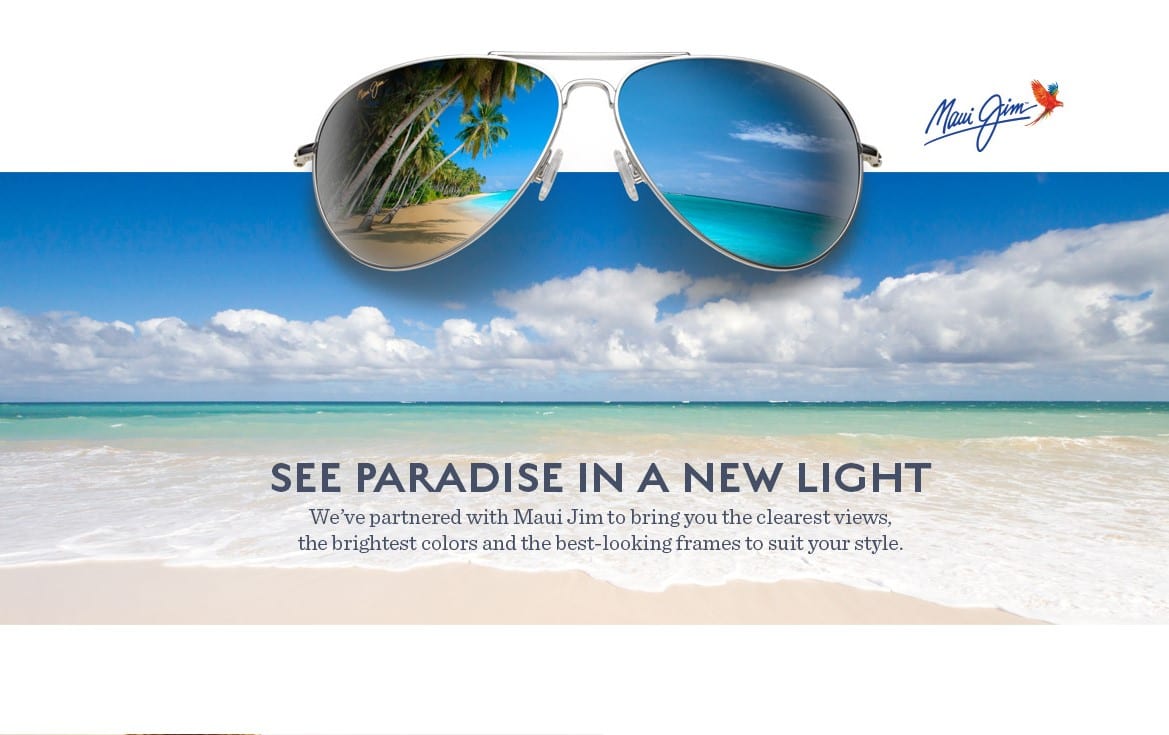
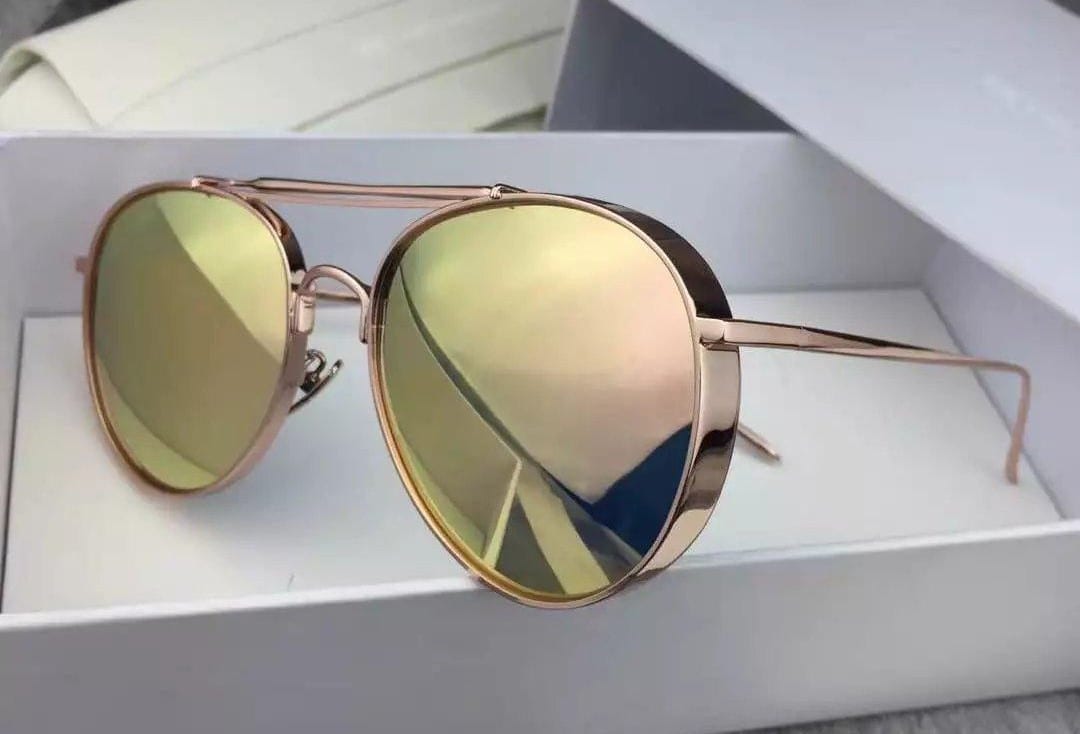
    Premium sunglass company Maui Jim will introduce four new super-thin glass styles to its collection at next month’s TFWA Asia Pacific exhibition.

    The company said the new glasses were 20% and lighter than conventional glass lenses, comfortable to wear, boasted excellent scratch and solvent resistance and offered the best optics available.

    Maui Jim Ocean is available in various colour combinations: Tortoise with Peacock nylon frame and HCL Bronze lenses; Tortoise with Raspberry and Maui Rose lenses and Grey Tortoise Stripe and Neutral Grey lenses. The lenses in this style only are MauiGradient, lighter at the bottom than top. This is to protect the eyes and make reading easier.

    Popoki, is a similar shape but slightly smaller and constructed in Satin Monel metal. The vintage silhouette is complemented by acetate temples in burgundy, green and blue mottled colour combinations. The frame base colours are satin dark gunmetal with Maui Rose lenses; satin chocolate with HCL bronze and satin black with neutral grey.

    With a trendy oversised frame to suit men and women with slightly larger faces, Rising Sun is crafted in lightweight nylon for comfort. Three colourways are offered: Burgundy stripe with Maui rose lenses; matte tortoise with HCL bronze; classic matte black with neutral grey.

    The more masculine Snapback is a classic wayfarer sunglass style, constructed in light nylon with the same high clarity ST lenses. Available in matte black, matte tortoise, grey tortoise and green stripe with complementary lens colours, this style is designed to suit every face shape, indicated Maui Jim.

    The company said: “All Maui Jim sunglasses have PolarisedPlus2 lenses which wipe out 99% of glare, manage 95% of HEV and block 99% of harmful UV while boosting colours to unmatched levels. They have been recommended by The Skin Cancer Foundation as an effective UV filter for the eyes and surrounding skin.”

    Maui Jim will be located K9 Basement 2 at TFWA Asia Pacific.