Tag: sunglasses

  • Ray-Ban Smart Glasses: Everything You Need to Know after the US raises import taxes

    Ray-Ban Smart Glasses: Everything You Need to Know after the US raises import taxes

    The world of smart glasses is about to change significantly due to new US import taxes that are affecting the market for Ray-Ban’s innovative smart glasses. These tax increases will directly impact the pricing of Ray-Ban’s technologically advanced eyewear, forcing both manufacturers and consumers to adapt to the new market conditions.

    EssilorLuxottica, the parent company of Ray-Ban, is now facing a complex situation where their flagship smart glasses – a combination of style and advanced technology – are facing new economic challenges. The US market, which accounts for 43% of the company’s revenue, is at the center of these changes.

    Key impacts for consumers:

    • Potential price adjustments across Ray-Ban’s smart glasses lineup
    • Shifts in availability and distribution channels
    • New manufacturing strategies affecting product delivery timelines

    Understanding these changes is crucial for current owners and potential buyers of Ray-Ban smart glasses. The decisions made now by both the company and consumers will shape the future of smart eyewear accessibility in the US market.

    Understanding Ray-Ban Smart Glasses: A New Era in Eyewear Technology

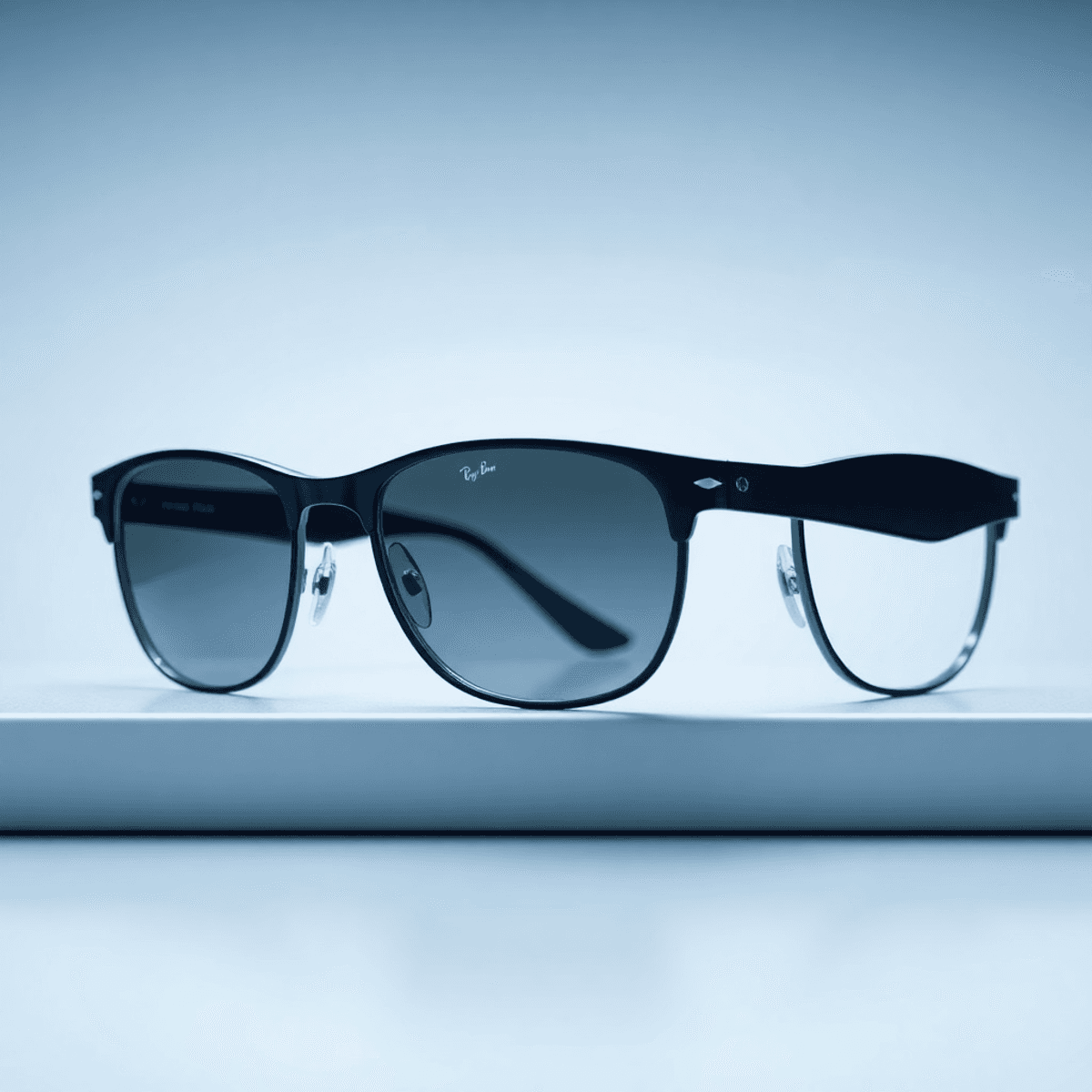
    Ray-Ban smart glasses are a groundbreaking combination of classic eyewear design and state-of-the-art technology. These innovative frames retain the iconic look of traditional Ray-Ban styles while adding advanced features that turn them into wearable tech devices.

    Key Features of Ray-Ban Smart Glasses:

    • Built-in 12MP camera for hands-free photo and video capture
    • Open-ear audio system for music and calls
    • Touch controls integrated into the temple arms
    • Voice command capabilities
    • LED recording indicator for privacy awareness
    • Compatibility with iOS and Android devices
    • 5-hour battery life with portable charging case

    The technology embedded in these smart glasses sets them apart from conventional Ray-Ban models like the Wayfarer or Clubmaster. A discrete micro-processor powers the smart features while maintaining the glasses’ sleek profile and signature style.

    Smart Capabilities:

    • Live streaming directly from your perspective
    • AI-powered photo enhancement
    • Real-time translation features
    • Social media integration
    • Navigation assistance
    • Weather updates at a glance

    The frames house sophisticated components within their lightweight structure, including speakers, microphones, and connectivity modules. This technical integration creates an immersive experience without compromising the classic Ray-Ban aesthetic that has defined the brand for generations.

    These smart glasses serve as a bridge between fashion and functionality, allowing users to stay connected while maintaining their personal style. The seamless integration of technology creates a natural extension of your smartphone, bringing digital convenience directly to your field of vision.

    The Price Factor: How US Import Taxes Are Affecting Ray-Ban Products

    The recent surge in US import taxes has created significant ripples across Ray-Ban’s pricing landscape. The new tariffs directly impact EssilorLuxottica’s production facilities, particularly affecting products manufactured in China and Italy.

    Current Tariff Impact on Production Regions:

    • Chinese manufacturing facilities: 25% increase in import duties
    • Italian production units: 15% additional tariff burden
    • Thailand and Mexico facilities: Minimal impact due to existing trade agreements

    These tax adjustments have triggered a chain reaction in Ray-Ban’s pricing strategy. The iconic Ray-Ban Wayfarer, previously retailing at $163, now sees a price point of $179. The classic Aviator collection has experienced similar increases, with prices rising from $161 to $175.

    Smart Glasses Price Adjustments:

    • Meta Ray-Ban Collection: $299 to $349
    • Premium Smart Models: $399 to $459
    • Limited Edition Variants: $449 to $519

    The company’s strategic response includes implementing selective price increases across different product categories:

    • Classic SunglassesEntry-level models: 5-7% increase
    • Premium collections: 8-10% increase
    • Limited editions: 10-12% increase
    • Smart EyewearBase models: 12-15% increase
    • Advanced features: 15-18% increase

    EssilorLuxottica’s US market, representing 43% of global revenue, faces particular pressure from these tariff changes. The company’s production facilities in Thailand and Mexico have become increasingly vital, helping maintain competitive pricing in certain product categories.

    Ray-Ban’s pricing strategy now reflects a delicate balance between maintaining market share and absorbing increased costs. The company’s data shows that despite price adjustments, demand for signature models like the Wayfarer and Aviator remains strong, particularly in the men’s sunglasses segment.

    EssilorLuxottica’s Strategic Response to Tariff Challenges

    EssilorLuxottica has implemented a multi-faceted approach to combat the rising U.S. import duties. The company’s strategic response includes:

    1. Supply Chain Diversification

    • Expansion of manufacturing facilities in Thailand
    • New production centers in Mexico
    • Enhanced operations in France
    • Reduced dependency on single-region manufacturing

    2. Price Management Strategy

    • Strategic single-digit price increases across product lines
    • Targeted adjustments in specific distribution channels
    • Cost absorption mechanisms to minimize consumer impact
    • Selective premium positioning for high-end smart glasses

    The company’s manufacturing footprint now spans three continents, creating a resilient supply network that shields against regional economic fluctuations. This geographical spread allows EssilorLuxottica to maintain production flexibility while optimizing logistics costs.

    3. Risk Mitigation Measures

    • Advanced inventory management systems
    • Local partnerships in key markets
    • Enhanced digital supply chain tracking
    • Streamlined distribution networks

    You’ll find these adaptations particularly evident in the company’s handling of their Meta smart glasses production. By leveraging their diverse manufacturing locations, EssilorLuxottica maintains quality control while balancing production costs against tariff impacts.

    The company’s robust financial position, with a 7.3% revenue growth in Q1 2025, supports these strategic initiatives. Their supply chain transformation represents a significant investment in long-term sustainability, ensuring continued market leadership in both traditional and smart eyewear segments.

    Consumer Perspective: Is It Still Worth Investing in Ray-Ban Smart Glasses?

    The value of Ray-Ban smart glasses is still strong even with the price changes. These innovative devices offer a unique blend of style and technology that sets them apart from standard eyewear options.

    Key Benefits That Justify the Investment:

    • Seamless Integration: The glasses connect effortlessly with your smartphone, allowing hands-free access to essential functions
    • Premium Audio Experience: Built-in open-ear speakers deliver high-quality sound without blocking ambient noise
    • Professional Photography: The 12MP camera captures photos and videos from your perspective, ideal for content creators
    • AI-Powered Features: Advanced voice commands and Meta AI integration enhance productivity and daily tasks
    • Classic Ray-Ban Design: The smart technology doesn’t compromise the iconic aesthetics Ray-Ban is known for

    The price increase might give potential buyers pause, but the technological advantages provide substantial value. Users report significant benefits in their daily routines:

    “I use my Ray-Ban smart glasses for work calls, navigation, and capturing moments with my family. The convenience factor alone makes them worth the investment.” – Tech reviewer Sarah Chen

    Real-World Applications:

    • Live streaming for social media influencers
    • Hands-free navigation for cyclists and travelers
    • Quick photo capture for real estate agents
    • Discrete message checking during meetings
    • Music streaming during outdoor activities

    The combination of Ray-Ban’s renowned quality and cutting-edge technology creates a product that maintains its value proposition. While the price point has increased, the functionality and style offered by these smart glasses continue to attract consumers who prioritize innovation and convenience in their everyday eyewear.

    The Future Outlook for Ray-Ban Smart Glasses Amid Tariffs

    EssilorLuxottica projects steady growth through 2026, targeting mid-single-digit annual revenue expansion despite current tariff pressures. The company’s financial forecasts indicate an adjusted operating margin between 19% and 20%, demonstrating resilience in challenging market conditions.

    Ray-Ban’s smart glasses roadmap includes:

    • Enhanced AI Integration: Advanced voice commands and contextual awareness features
    • Improved Battery Life: Next-generation power management systems
    • Expanded App Ecosystem: New partnerships with third-party developers
    • Sleeker Design: Reduced form factor while maintaining functionality

    The partnership with Meta Platforms continues to drive innovation, with planned releases featuring:

    • Multi-modal interaction capabilities
    • Advanced camera systems
    • Improved audio quality
    • Expanded color options and style variations

    Market analysts predict the smart glasses segment will experience significant growth, with Ray-Ban positioned as a key player. The company’s investment in research and development remains strong, focusing on:

    • Augmented reality capabilities
    • Health monitoring features
    • Enhanced connectivity options
    • Customization possibilities

    EssilorLuxottica’s diversified manufacturing strategy across Thailand, Mexico, and France positions them to maintain competitive pricing while introducing new technologies. This strategic approach supports their ambitious growth targets and ensures continued innovation in the smart eyewear category.

    Conclusion

    EssilorLuxottica’s ability to adapt to U.S. import tariffs shows their strength as a market leader. The company’s strategic price adjustments and supply chain diversification demonstrate their commitment to maintaining product quality while managing costs.

    Ray-Ban smart glasses remain an attractive option for tech-savvy consumers. The combination of style, functionality, and advanced features offers a unique value that goes beyond price.

    Key takeaways for consumers:

    • Expect modest price increases across Ray-Ban’s product range
    • Watch for enhanced features and technological improvements
    • Consider the long-term value of investing in smart eyewear technology

    The future looks promising for the smart glasses industry, with ongoing innovation and growth expected. EssilorLuxottica’s strong market position, along with their strategic partnerships and global manufacturing capabilities, puts them in a good position to overcome challenges and provide value to consumers.
  • Victoria Beckham signed eyewear license deal with Marchon Eyewear

    Victoria Beckham signed eyewear license deal with Marchon Eyewear

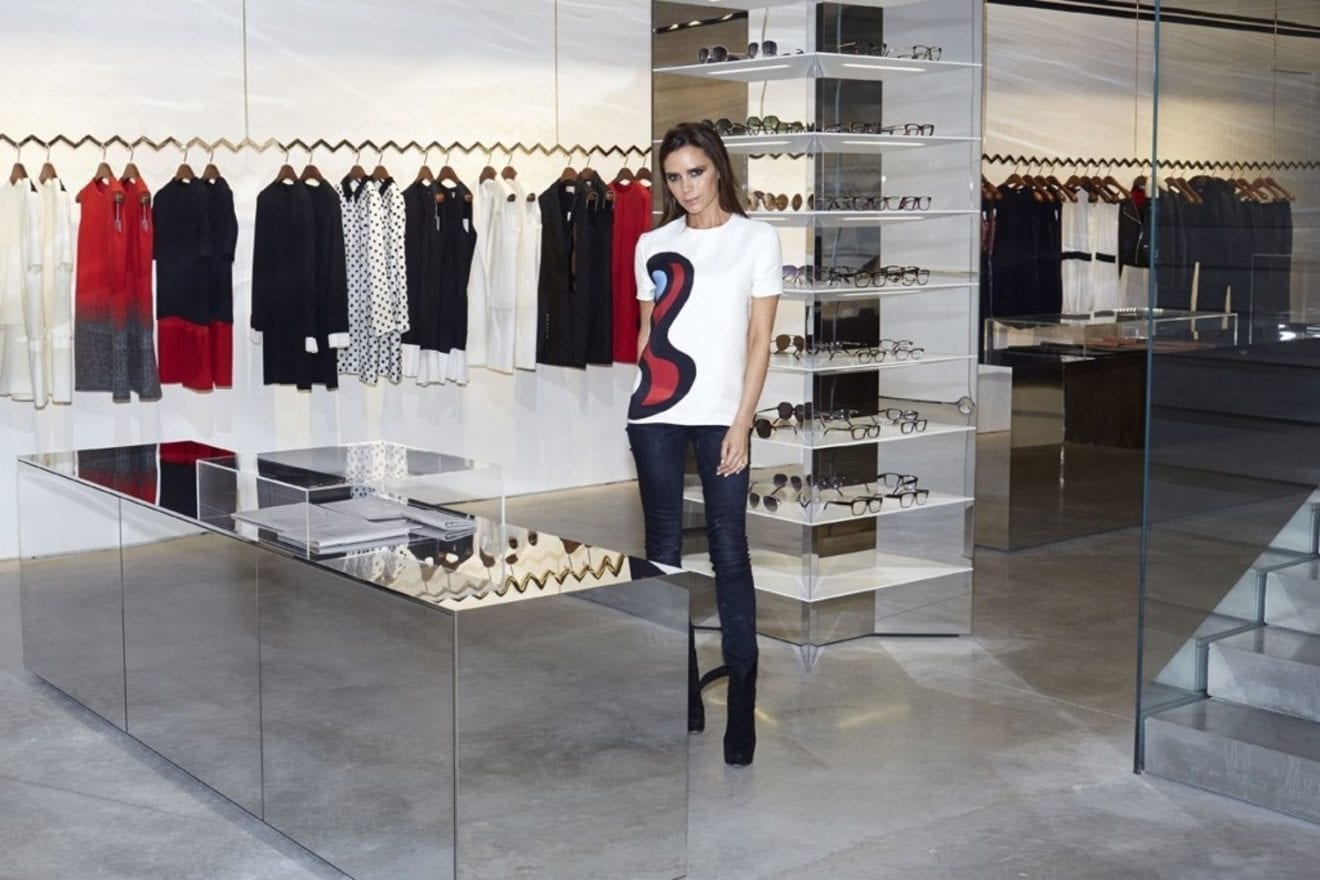
    Marchon Eyewear and Victoria Beckham Ltd have entered into an exclusive, long-term global licensing agreement for sun and optical eyewear. New collections developed under the agreement will roll out globally beginning Fall next year. The collections will be developed in Italy to align with Victoria Beckham’s brand aesthetic. Paolo Riva, CEO of Victoria Beckham Ltd, said the new partnership with Marchon comes “as we work towards reaching our global potential and expanding the brand following a series of strategic partnerships and appointments since our new shareholders Neo Investment Partners joined the business at the end of last year”.

    “Eyewear is synonymous with our founder and this license will allow us to scale our presence in the eyewear retail market and capitalise on Marchon’s technical innovation, expertise in product development and global distribution network.”

    President and CEO of Marchon Eyewear Nicola Zotta added: “We believe that the Victoria Beckham brand is on the rise and quickly becoming one of the most influential in the industry. We are committed to the success of this partnership and look forward to producing eyewear that characterises the brand’s trend-forward designs and contributing to the brand’s continued global growth.”

    The new line is planned to be sold globally in select department stores, specialty stores, and premium sun and optical retailers, as well as in Victoria Beckham retail locations and online at victoriabeckham.com.

  • Owndays sets big expansion across Asia after capital injection

    Owndays sets big expansion across Asia after capital injection

    LVMH-back private equity fund L Catterton Asia has partnered with Mitsui & Co to take an unspecified stake in fast-growing Japanese eyewear retailer Owndays. The funds will be used to accelerate the retailer’s across the Asia-Pacific region.

    Owndays, which began its Southeast Asia rollout in 2013 opening a store in Singapore, now has 115 stores in Japan and 142 stores in 10 other Asian markets, including Thailand, Vietnam and Hong Kong (where it is operated by Bluebell Group).

    In a statement, L Catterton Asia said the current management team will continue to retain “substantial equity interests” and manage the company.

    “Our ambition is to become Asia’s leading optical retailer and we plan to open more than 500 stores across the Asia Pacific region over the next five years,” said Owndays CEO Shuji Tanaka said.

    L Catterton Asia chairman and managing partner Ravi Thakran said the investment in Owndays marks the private equity company’s first foray into Japan.

    “The Owndays success story has been one of innovation, quality service and boldly exceeding customer expectations,” he said.

    “The company is poised to take advantage of the robust macro trends that are driving the market for private brand eyewear. Together, L Catterton and Mitsui & Co are committed to providing world-class operational and strategic support to propel Owndays to category-leading growth and profitability. With Japanese quality, purity and efficiency increasingly appreciated and desired around the world, we see tremendous market opportunities for Owndays.”

    President and CEO of Mitsui & Co subsidiary MCPI, Naoki Nakata, said Owndays is well placed for continued expansion, both domestically and abroad, while also improving profitability by fully leveraging Mitsui and L Catterton’s combined network, resources and demonstrable expertise in value creation.

    Since 2009, L Catterton Asia has invested in many leading consumer brands, including Gentle Monster and RM Williams and Pepe Jeans, and in lifestyle mall operator Sasseur, among others. L Catterton Asia, formerly called L Capital Asia, was formed through the partnership of Catterton, LVMH and Groupe Arnault.

  • Vietnamese entrepreneur makes glasses with wooden frames

    Vietnamese entrepreneur makes glasses with wooden frames

    Long, 23, was frustrated that he was not able to get a pair of glasses that were comfortable, of good quality, long lasting and somewhat unique. These are qualities people generally want in personal wear, especially one that adorns their face for most of the day, but Long was finding that such expectations were not easy to meet.

    No readymade glass in the market fit him.

    Then, as luck would have it, Long happened to meet Tran Hien, a man with an unusual business and passion.

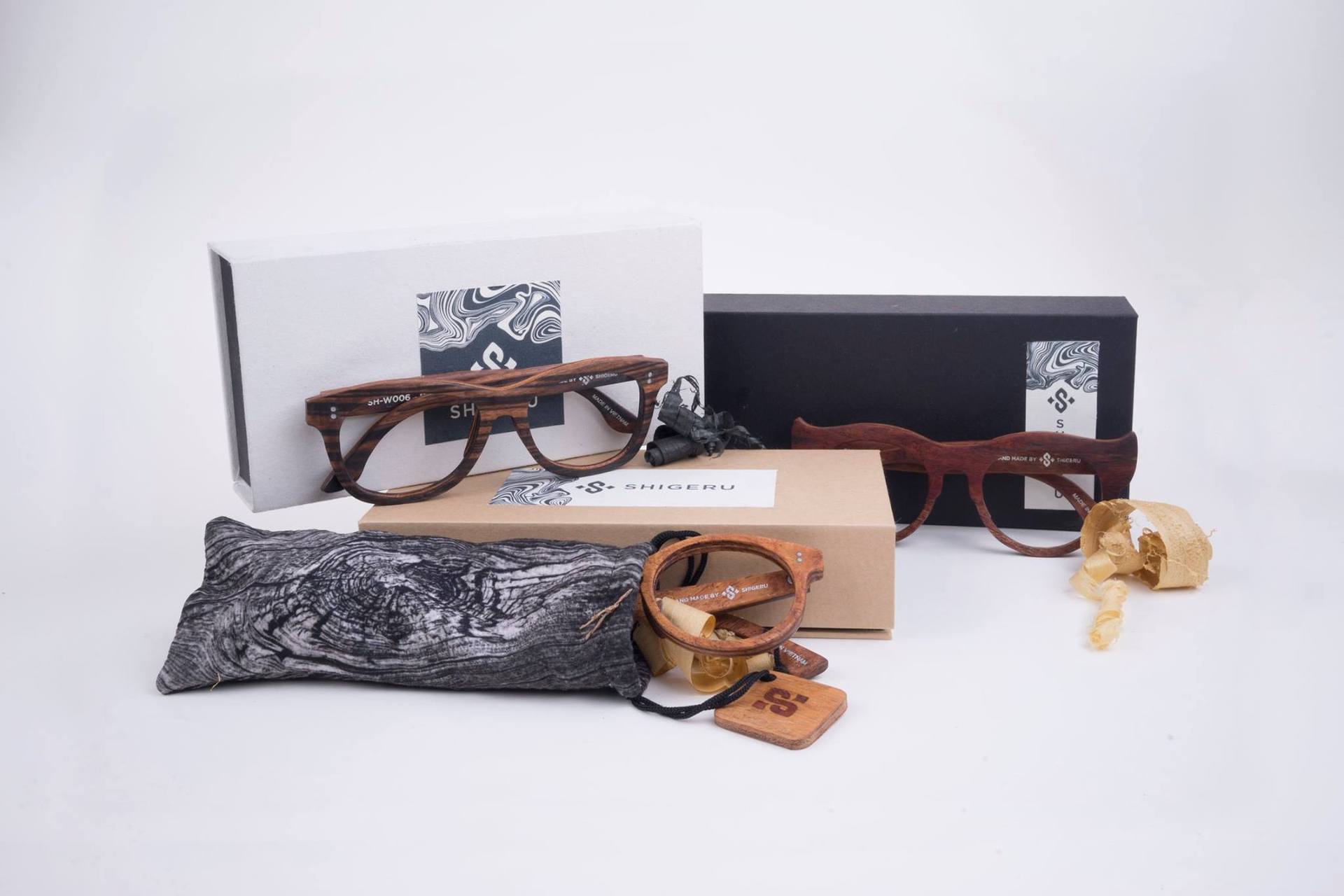
    Hien, whose business is called Shigeru Eyewear, makes spectacles with wooden frames, something that people might assume has gone completely out of fashion.

    Very soon after the meeting, the young customer happily accepted to pay VND1 million ($43) and wait 7-10 days for a pair of custom-made glasses.

    Long, like many other customers who go to Hien, wanted to get involved in the design process and was prepared to wait for the desired outcome.

    Every detail on the frame is carefully custom-made by Hien. On average, the process takes him around 4 hours.

    “Most of my products are handmade. Sometimes, I’m a bit shy shaking hands with people because of my calluses,” said Hien.

    The Japanese connection

    In 2012, Tran Hien graduated with a Graphic Design degree from the HCMC-based Van Lang University, specializing in branding. Through a friend’s introduction, he started working as a designer for a Japanese glasses maker called Shigeru.

    Hien was the first man in Vietnam to get this job, Shigeru told him.

    At first, Hien refused to accept a job where he had to actually make things himself. But Shigeru told him: “If you don’t try your hand at the job, you won’t be able to design something others can make.”

    After working at the production house under the guidance of the Japanese teacher and mentor, Hien not only gained more knowledge about glass-making, but also learned a lot more about an ideal attitude to life.

    “One time after lunch, the staff scraped off the burnt rice at the bottom of the cooker and threw it away. Shigeru saw it and told us, next time, don’t waste food like that, just break the pieces and share them with everyone,” Hien recalled.

    Shigeru’s company made glass frames, mostly in plastic, but also wood and bamboo sometimes, for export to Japan. He also wanted to open a store in Vietnam. But fate had other plans.

    Hien had been with Shigeru – someone who was more of a teacher than a boss – for around one year when tragedy struck. The production house got burned down, Shigeru went bankrupt and had to return to Japan.

    After his mentor left, Hien moved to Hanoi to find new opportunities.

    With zero business experience, he accepted a desk job with a real estate company in Hanoi. After several months of working as a graphic designer in the marketing department, he gained new insights into sales and marketing – something that not many designers care about.

    However, the sophisticated, carefully crafted glasses that Shigeru’s company used to make had left a deep impression on Hien, so after a while, he started to tinker with making glasses again.

    This time, his ambition was to create unique, wooden frames. It would be his niche product.

    Hien liked wood, its texture, colours and the natural patterns it carried. And even better, the longer it was used, the shinier it would get, something that cannot be said of other materials. His main focus was to create something unique, Hien said.

    It was very difficult to get this project off the ground, though.

    “I tried everywhere but no one wanted to cut wood as thin as I wanted, because it requires a lot of effort with little pay,” Hien said.

    After many attempts, one person who shared Hien’s determination to create made-in-Vietnam glasses (instead of Chinese ones dominating the market) accepted to work with him.

    It was still not easy. Many of his first customers had to wait for a long time because Hien was occupied with office work. On top of that, some of the products were not durable. Once, he was very embarrassed when a newly delivered pair of glasses broke as soon as the customer tried it on.

    Some people advised him that brand name, Shigeru, was difficult to market since it was not easy enough to read and remember. However, Hien wanted to commemorate the spirit of his teacher, who’d gladly consented to the student using his name.

    For the whole of 2017, when Shigeru Eyewear was founded, just 20 pairs of glasses were sold.

    The big plunge

    This year, Hien decided to quit his office job, which paid him VND15 million ($640) per month, and devote all his time and effort for his company.

    He studied days and nights, trying to find a way to increase the durability of his wooden frames, but that knowledge was nowhere to be found in Vietnam. Despite being “scientifically illiterate,” after months of perseverance, he finally discovered secrets to creating products that could survive even after  being thrown against the wall or dropped from up high.

    Hien’s current schedule involves meeting up with his clients to get their measurements and discuss their wants. After that, he works on the design, the production process, as well as building company’s image and increasing brand recognition.

    Each pair of glasses is customized to fit its owner

    His company sells dozens of customized pairs of glasses per month now.

    “Sometimes, design inspirations come from the customers themselves. For example, there was one customer who sells traditional clothes and wanted the glasses’ arms to be modeled like a tree branch, I found the idea very interesting and asked to keep the concept as a model for my catalog,” Hien said.

    So far he has been taking wood pieces from furniture companies, aiming particularly at ebony, Siamese rosewood, and Asian rosewood.

    But he’s very keen on being eco-friendly. He said that he was looking for an NGO or other organisations involved in reforestation that he can contribute to. He said that for every glass frame that he sells, he will use part of the proceeds to help reforestation efforts. He is also considering buying seeds and planting trees on his own, Hien said.

    Hien believes the ” For each tree you’ve taken, you have to give back as much to the forest.”

    Expansion plans

    Hien said that he is also looking for someone who can share his passion and can work on the business side of the company.

    Apart from keeping the core as an artistic line, Shigeru Eyewear aims to produce standard glasses that are of high-quality and made with local materials – something that is still missing in the Vietnamese market.

    He is also looking to start making and selling frames with other materials like palm wood and bamboo.

    Currently, glass frames made from wood are still something very new to customers, so he wants more people to have rare pairs of glasses with “Made in Vietnam” etched on them.

    Furthermore, like his beloved Japanese teacher, he hopes to find more people with whom he can share the knowledge he’s accumulated through the years.

    For now, from a time when the company only had a few hundred thousand dong (a dozen of US dollars) to buy materials, and all of the earnings were invested in buying better quality wood and tools, Hien can confidently say he can make a living with the brand.

    “I will spend the rest of my life for my “Made in Vietnam” glasses.”

  • Luxottica and DFS host worldwide exclusive launch of Prada Cinéma sunglasses

    Luxottica and DFS host worldwide exclusive launch of Prada Cinéma sunglasses

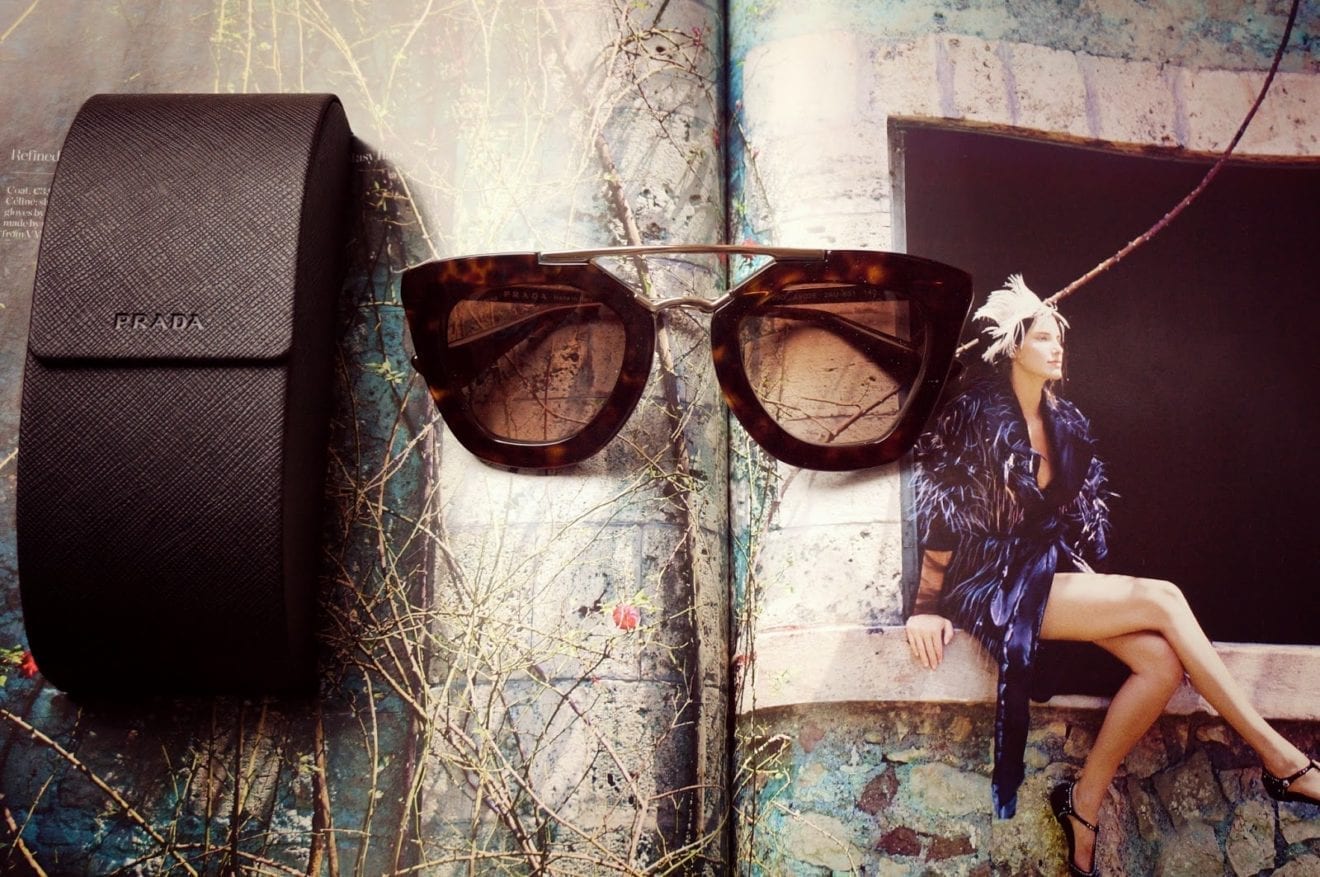
    Luxottica Global Channels, part of Luxottica Group, and DFS Group have joined forces in a worldwide exclusive launch of the new Prada Cinéma sunglasses collection. The limited edition range has been available exclusively at selected DFS airport and T Galleria by DFS stores since November 2016 (until February 2017), with support from a dynamic 360-degree omni-channel marketing campaign.

    Luxottica Global Channels and DFS Group have joined forces in a worldwide exclusive launch of the new Prada Cinéma sunglasses collection. The limited edition range has been available exclusively at selected DFS airport and T Galleria by DFS stores since November 2016, with support from a dynamic 360-degree omni-channel marketing campaign.

    The campaign utilises both online, including social media, and offline platforms to engage with customers before, during and after they shop, with further digital amplification provided on DFS’ website and email newsletter. The online reach is designed to drive traffic in-store, where shoppers are presented with a number of high-profile activations from Prada, including at DFS stores at Hong Kong International Airport and T Galleria in downtown Hong Kong. The launch is said to represent a pioneering step for the sunglasses category in travel retail.

    Shopper engagement is further enhanced through Prada-branded boxes of chocolate from Marchesi, a famous Milanese confectionery shop, which are offered as a gift-with-purchase.

    “Digital communication in travel retail is a hot topic, and offers undeniable and incremental opportunities to build brands and enhance retail performance,” comments Francis Gros, Head of Global Channels, Luxottica. “The ‘Prada Cinéma’ campaign showcases how a special new product can be strategically amplified to connect with travelling consumers, beyond the physical stores, on targeted platforms. DFS continues to deliver innovative ways to engage with customers and has been very supportive of the Sunglasses VISION 2020. We seek to make travel retail the expert channel for sunglasses, growing the category to be worth over 4% of total travel retail sales.

    The launch of the new Prada Cinéma sunglasses collection is said to represent a pioneering step for the sunglasses category in travel retail.

    Jason Blejwas, Director Merchandising Sunglasses, Fashion Watches and Jewellery, DFS Group, adds: “We are thrilled to extend our long-standing partnership with Luxottica to bring the ‘Prada Cinéma’ collection first to DFS stores, and to celebrate this exciting moment with our customers both in-store and online. We’re confident that both the product and experience will make for a memorable moment for travellers visiting DFS.”

    Hear more from Luxottica at the 26th Airport Commercial & Retail Conference & Exhibition, hosted by Aéroport Nice Côte d’Azur and taking place on 3-5 April 2017 at the Hyatt Regency Nice Palais de la Méditerranée. Francis Gros, Head of Global Channels, Luxottica, is participating in the First Working Session “Is there a big problem in the airport retail space? Are conversion rates and yields performing far below expectations?” His presentation is entitled “In order to maximise yield, airports should scientifically identify which categories are the clear stand-out, star performers and position them accordingly. What is the evidence that they actually do this?”


  • When a gold retailer starts selling sunglasses

    When a gold retailer starts selling sunglasses

    Warmer than expected Christmas weather appears to be providing little comfort for Hong Kong’s retail sector this year. Business has been cold at many outlets despite a projected rebound in mainland visitor arrivals.

    Otherwise, what can explain a gold shop branching out into sunglass sales and news that the city’s biggest karaoke operator is scaling down its operation?

    Let’s talk about the gold retail chain first.

    I’m referring to Luk Fook Jewellery, which has just opened its first eyewear store — “Vision Gallery”.

    The new venture comes after the company announced last month a 31.5 percent slide in same-store sales for the six months ended September compared to the same period a year ago.

    The eyewear store has been put up in a prime location, next to an H&M outlet, on Dundas Street in Mongkok.

    Luk Fook is said to have signed a two-year lease for the 600-square-foot retail space, offering a monthly rental of HK$128,000.

    Though the rent is just half what the previous tenant, bankrupt home appliance chain DSC, was paying earlier, there is still this question: why an eyewear shop, instead of another gold store?

    Well, the answer lies in economics.

    Chairman Wong Wai-sheung told Ming Pao that a 1,000-square-foot gold shop, in terms of costs, would be equivalent to opening 10 eyewear stores.

    Guess what? Luk Fook, which currently has 47 gold shops in Hong Kong, has earmarked HK$20 million to open 10 eyewear stores next year, with a focus on the middle class.

    Last year, the company had 50 gold shops in the city.

    To boost Christmas sales at the new eyewear outlet, Luk Fook is giving away a pair of pearl earrings to the customers.

    We are not sure if this is a nice cross-selling idea but would reckon this is a defensive move.

    Luk Fook as well as its competitors such as Chow Tai Fook and Tse Sui Luen have seen their same-store sales fall steeply this year, with 20-30 percent slide in many cases.

    In comparison, an eyewear retailer such as Stelux Holdings has seen its sales dip just 5 percent.

    During its interim results, Luk Fook said it will strive to broaden its income sources, enhance the operational efficiency and reduce costs in order to minimize the impact of the business downturn.

    The foray into eyewear retail is part of that strategy.

    Elsewhere in the city, Karaoke operator Neway has also come up with a new way to survive.

    Rather than open a new venture, Neway is leasing the 4,000 square-feet lobby and first floor at its Causeway Bay flagship store CEO Neway, according to Apple Daily.

    By sub-leasing 30 percent of the original floor area, Neway is trying to shore up revenues which have been hit by a decline in night-time singing parties at its karaoke outlets.

    The plan will also help the company save some HK$1.8 million in monthly rental.

    The sub-leasing of Causeway Bay shop space comes after the group shut down an 18,000-square-foot Mongkok facility last year.

    As much as we miss the grand lobby of CEO Neway and the good old days of group singing, we cannot help but admit that Karaoke outlets are now a bit out of fashion after they dominated the social scene for about twenty years.

    This year, one of the best-selling items at the Golden Computer Arcade in Sham Shui Po is a microphone with karaoke function that sells at no more than HK$500.

    The made-in-China product, which connects through bluetooth with iPad and the home stereo system, has become an immediate hit and is now a must-have during family gatherings.

    If you can get the same kick at home, why bother spending money on a karaoke shop? This seems to be the view of a growing number of people.

    Given this reality, Neway may need to find something else to sell other than songs.